What inspires you? For me, it’s witnessing 14 of my girlfriends face their fears… on 200 ft cliff faces, or fins with seriously steep drop-offs on each side, or on raging, raft-flipping waves . From June 8 to 13, 2019, the Tredsup sistas hit Moab, Utah hard on a multi-sport trip that featured hiking, rafting, canyoneering, and sleeping under a canopy of brilliant stars.
The gang on one of our first fins in Devil’s Garden, Arches National Park
Quick Google facts about Moab: Settled in 1878, “Moab is an [American] city in eastern Utah. It’s a gateway to massive red rock formations in Arches National Park. Southwest, Canyonlands National Park features mesas and buttes carved by the Green and Colorado rivers, plus Native American rock art. Dinosaur tracks can be found at sites like Bull Canyon Overlook and Copper Ridge. In the city, collections at the Museum of Moab include dinosaur bones and archaeological artifacts.”
Our photo diary follows, plus suggestions re: guiding, restaurants and accommodations:
THE SISTAS
Karen
Patti
Jennifer
Lisa
Colleen
Molly
Gillian
Sarah
Lynn
Michelle
Cynthia
Jody
Connie
Louise
Pat
GETTING TO MOAB
We flew into Grand Junction, Colorado and rented two 12 passenger vans.; the drive is 1 hr 45 min to Moab. The Scenic Byway of Highway 128 offers majestic views on a winding two lane highway that follows the Colorado River.
Yep, me with the beast
JUNE 8
ARRIVAL & HUMMER SUNSET TOUR
ACCOMMODATIONS:GONZO INN (clean, well priced, breakfast & pool)
We checked into the Inn and then the girls quickly hit the Sunset Hummer tour with Moab Adventure Center, led by some truly wild (but capable) weather-worn, Southern drivers. The hummers race up the red rocks at impossible angles because of the red slickrock. Slickrock, while slippery to a horse’s hooves, is super grippy to rubber tires. It was a white-knuckler trip and the ladies loved the adrenalin rush.
DISTANCE: 7.2 MILES (12.23 KM) ELEVATION GAIN: 470 FT
HOURS: 6 TEMPERATURE: 76 F
DINNER:DESERT BISTRO (delicious especially the Vegan Tower and handmade agnolotti)
ACCOMMODATIONS: Gonzo Inn
Tredsup Sistas on Devil’s Garden hike
This was a stunning hike featuring narrow rock walls called fins, which are formed over eons as rainwater erodes parallel fractures (caused by the uplift of salt deposits below the surface.) The park’s namesake arches are fully eroded fins, the finest of which is the Landscape Arch. It is the longest arch in North America at 306 ft (93.3 m). It’s only 6 ft across and hanging delicately and precariously.
Scaling the fins:
Don’t look down!
Goofing around (and trying to freak my sister out lol)
JUNE 10 – DAY 3
WHITE WATER RAFTING: COLORADO RIVER
GUIDES: EMMY, STEPHEN AND SHELBY OF MOAB ADVENTURE CENTER (WHO FARM OUT TO WESTERN RIVER EXPEDITIONS)
HOURS: 8 TEMPERATURE: 84F (BUT 40F AT NIGHT SO LAYER UP IF CAMPING!)
LUNCH, DINNER AND ACCOMMODATIONS: CAMPING
The Colorado has been called the lifeblood of the Southwestern USA. Starting high on the Continental Divide in Colorado, it surges down the mountains, through the deserts and all the way to Mexico. Some of the canyon walls are 2,000 feet high, and the soaring white-capped mountains are a view to behold as you dig in your paddle.
We loaded three rafts up: two split between our 15 paddlers and one with 3,000 lbs of gear, the latter stoically oared by Stephen. We paddled rooster trails, wave trains, ripples, eddy lines and holes on the swollen Colorado (which, because of record rainfall, was threatening to wash out its banks and the highway). Over a day and a half, we tackled Onion Creek, Cloudburst, Rocky Rapid and Whites Rapid.
We stopped mid-day in Bull Canyon, hidden by bullrushes and towering, red walls. It was tricky wedging the rafts into the narrowly slotted canyon and even more challenging wading out and hauling out the lunches! While the guides set up our yummy meal, we explored and climbed.
At 4 pm, we pulled over at the Onion site, overlooking the mountains, spires, and the roaring Colorado River, to set up camp. A few brave girls swam. A J-Raft delivered my special dinner (allergies) at our campsite. Water Uber! (Thanks Moab Adventure Center!)
Lynn yelled out the Raptor’s basketball scores throughout the night as we were tucked into our cots. We opted for no tents and froze out butts off, gazing into the impossibly midnight blue sky laden with stars. (Hey, if you’re going to be huddled, shivering, and wide awake all night, this was the best view possible). The sistas are quite sure a cougar circled and marked the territory around our cots.
We loved the potty with a view.
JUNE 11 – DAY 4
WHITE WATER RAFTING: UPPER COLORADO
GUIDES: EMMY, STEPHEN AND SHELBY OF MOAB ADVENTURE CENTER
HOURS: 4 TEMPERATURE: 86F (30C)
LUNCH, DINNER AND ACCOMMODATIONS: RED CLIFFS LODGE (spacious, lovely rooms; great food; stunning views of the river; well priced)
We were back on the river after a pancake breakfast and striking camp. The river was so high we rafted over an island. We had a buffet lunch at Red Cliffs Lodge, viewed their museum and returned for a patio dinner that offered the pinkest of sunsets. Amazing…
DISTANCE: 7.2 MILES (12.23 KM) ELEVATION GAIN: Initial ascent is 1 km straight up and then you hit a nice plain; some steep climbing necessary to find the rock wall with petroglyphs
HOURS: 8 TEMPERATURE: 108F (42.2C – we Canadians are not used to the heat!)
DINNER:SUNSET GRILL (great food in the Uranium King Charlie Steen’s original 1950’s house; lovely view)
ACCOMMODATIONS:UNDER CANVAS MOAB (kinda cool camping in Safari tents with king beds and good bathrooms; downside is the noise from the highway)
This beautiful (and challenging) hike is off the tourist-beaten track. We saw but one other hiker on the trail. Our guides, Micah and Paul, took us up some steep climbs to an incredible rock wall dating back to the Hunter Gatherer period of 3000 BCE. This wall is living history: embedded in the desert varnish are examples of Ancestral Pueblo rock art, with broad shouldered Anthropomorphous beings with horn-like headdresses and long, arc-like arms. For thousands of years, indigenous peoples left their stories on this long wall — stories of bighorn, bear and dear hunts, greetings, and human passages. It is simply incredible.
Pat and I went exploring over lunch, climbing some faces to find this cool view:
Nice place to hole up, I thought…
JUNE 13 – DAY 6
CANYONEERING: EPHEDRA’S GROTTO
GUIDES: ROBERT, HYRAM, AND CORT FROM MOAB ADVENTURE CENTER
Our final day featured two exhilarating rappels in Ephedra’s Grotto by our intrepid sistas: 100 and 120 ft. The pictures tell it all:
Rappel #2 — crazy cool
Before dinner at the Sorrel River Ranch (stunning and expensive), a crazy mini-hurricane wind whipped all the pool furniture into the pool. The roofs and walls were shaking! It was followed, at dinner, by cheers and thunderous applause as the Raptors won the NBA finals! It was truly epic.
What a trip! Thanks, Utah!
FINAL THOUGHT
If you’re hesitating about pushing yourself, and adding some adventure into your life, here’s a simple poem by Robert H. Smith:
The clock of life is wound but once,
and no man has the power.
To tell just when that clock will stop,
at late or early hour.
Now is the only time you own,
live…love…toil with the will…
Place no faith into tomorrow,
for the clock may then be still.
We celebrated our 10th anniversary of musicals this past May with a production of Naughtyham, a romp of a Robin Hood tale with silly nods to Monty Python.
It took Sarina and I three months to co-write and adapt this crazy play, which was performed by our cast, the Bedford Park Players, and the Summerhill Players over six days at the Isabel Bader Theatre in Toronto. Together, with contributions by some very generous donors, we raised $150,000 for Sarina’s amazing charity, Childhood Now ! Hats off to Donavon, our musical director and his band, and Sarina, our producer, director, choreographer, and fearless leader.
Sarina with the Queen Mother of Dagbamete, Ghana
As word caught on about this infectious show, both casts sold out their final nights, even with the Raptors playing in the NBA semi-finals. Thank you to our friends, family and neighbours for your incredible support!
What follows are some of the lovely comments from attendees and a photo diary of the journey:
Mary Martin Morris and I both played the evil Sheriff of Naughtyham
You guys absolutely rocked it!
Combined cast dance rehearsal
“Show was awesome!”
Steve, Bruce and Paul showing their sexy costumes
“Just wanted to send a quick note to say how much I enjoyed tonight’s show. Your “silly, little” musical, is neither silly nor little…. it’s fun, fun, fun and packed with amazingly talented actors! I don’t think I saw one person walk out that wasn’t smiling. It’s such a feel good show. I had such a great time tonight (totally loved the music – I’ll deny it if you ever repeat this, but many of the songs are on my playlist😋). Good luck with your remaining performances. If they’re anything like tonight, you may need to extend your run of this show.”
Taking a break during boot camp rehearsal: Kylie, Dave, Linda, John, Me and BenDressing room buds: Me, Kirsten, Tracey and Sarah
“OMG that was so much fun last night. It looked like you all were having a blast up there on stage.”
Lauren Brownlee and Belinda Bard rock it out as Maid Marian and Lady Pluck
“So many highlights for me. Loved that Pete got his Mack the knife solo. Ventriloquist number amazing. The men in flesh suits hilarious! And you and John killed it together. Amazing chemistry. Great job!”
Captured: Ben Hawkins as Robin Hood held, blade to the throat, by me, The SheriffKevin Sullivan reprised his outrageously funny role as Humpty Dumpty
Sheriff and Pikey (Steve Reed)
Side-splitting henchmen Nutsy (Bruce Topp) and Patsy (Adrian Tucci)
Beautiful Shari (Moatkeeper) and Kyra (Maid Marian in Summerhill production)
Oh woe is me, I’m to be hanged! Bob Hillhouse as Friar Tuck
The Merry Men Leader, Ben Hawkins
“Fabulous show!! Wish it was on longer so all my friends could see it. Made my evening.❤️❤️”
And Linda Lord, cast mates since the first showDisco Inferno with Bruce Topp singing a mind-blowing solo as NutsyHalt! Shari the Moatkeeper poses questions to Linda Kennedy (Fanny), Steve Reed (Pikey), Dave Brady (Little John), Bojan Vitko (Alan a Dale), and Ben (Robin Hood)
“It was so entertaining and a pleasure to be entertained. I will say that I have noticed improvement over the years.”
Final number
“Thank you for a sharing your love of arts and your passion for theatre.”
“To the gallows, the gallows…” The Evil Royals, led by the unstoppable John Bruce as Prince John, lament their gallows fatePrissy, Sissy, and Missy (Suzanne Tyson, Sara Marino, and Martha Mansfield) ham it upYa gotta have Faith…according to Friar TuckInsanity prevails with Prince John (and his little king) as I try to sheath my daggerJohn Glover (Will Scarlet) and Kylie (Caroline) duet Sweet CarolinePete Bombaci (Pinocchio) thrills with Mack the Knife
“Wanted to let you know how much we both thoroughly enjoyed the performance last night. It was super funny, fast-moving and the whole cast was incredibly talented!”
Always look on the bright side of death…The Woodlanders, featuring Sarah Ferguson as Red Riding Hood and Kristi Herold as the Big, Bad Wolf, join forces with the prisoners
Bob encourages the audience to enjoy some mead during intermissionPrissy (Martha Mansfield), Sissy (Sara Marino), and Missy (Suzanne Tyson) hope it will be Raining MenThe fortune tellers cross the moatOur awesome leads, Ben and LaurenThe tellers of fortuneAsk me a riddle, you shall…Nutsy (Bruce Topp), Prince John (John Bruce), Sheriff (Me), and Patsy (Adrian Tucci) ham it up around the royal throne
“Bedford you were brilliant tonight! Your energy was amazing throughout.You had us singing and laughing from beginning to end.Watching you all was sheer joy!It was simply the best!”
Tara Williston (Willy), James Jewett (Sir Lickaboot), and Terrence Augustyn (O’Wontey) slay the audience with their performance of All the Single LadiesPrince John (John Bruce) laments that the Sheriff has not brought in more taxes. What a drama queen.Gord Wotherspoon (Executioner), Bruce Topp (Nutsy), Prince John (John Bruce) and the Sheriff (Me) with Patsy (hidden!) contemplate how to fatten the bottom lineThank God that we’re country folk!Swing your partner!Hilarious performances by Sarah Ferguson (Red), Tracey Dodokin (Gretel), Bill Crossland (Hansel), Kristi Herold (Wolf) and Kirsten Sixt (Rapunzel & Rumplestiltskin)Tara Williston (Willy), Dave Brady (Little John), Linda Kennedy (Fanny), and Terrence Augustyn (O’Wontey) sing about magical unicornsA show stopper: It’s Raining Men! The Royal women fantasize about a “Knights Club”
“Bedford Park Players, you guys killed it on stage with NaughtyHam. You were all so strong and full of smiles and the show was crazy entertaining and TIGHT. You guys always put on a master class in acting – gorgeously drawn characters with layers of silly creative add-ons. And love how the script is just kind of a suggestion/springboard for you guys 😉. Stellar show – congrats!!!’
Kylie Martin and the Royal Ladies wish for a change in weather
Belinda Bard explains medieval grooming to the ladies of the courtThe Merry Men band together with the villagers for 500 Miles
“Fabulous show… every star shined!”
A duel of baguettes: John Glover (Will Scarlet), Ben Hawkins (Robin Hood), and Dave Brady (Little John)
“What a fantastic, fun , laugh out loud show!”
The Historian (Gord Wotherspoon) sets up the tale
“We laughed our butts off!”
The Woodlanders rejoice that they’re Country Folk
“I had a blast and I could tell that you all did as well.”
He’s Not Yet Dead! Bojan Vitko can dance and he can sing…he can do the highland fling!
“You guys were incredible!”
Disco Inferno… they burned the castle down!
“I was so impressed last night! So many great moments…you should be so happy! Brought back some great memories too…always does…”
What can we say? Prince John is insane…
“Huge congrats; what a huge accomplishment!! And of course, what an amazing cause!”
Men in tights… (and a woman!)
“It was truly the best extended laugh I’ve had in ages. Just my kind of thing, I guess. Please tell the [writers] that I felt it was like they had been given the key to my exact sense of silly. “
Summerhill Players knock it out of the park! Julian Peter as Robin Hood and Kyra Vitko as Maid Marian
“Please pass on my huge, heartfelt congrats to the entire cast and crew!”
Marry me, Maid Marian…
“I cannot imagine how difficult it was to write, cast and choreograph such a large, involved production but you guys nailed it, totally!”
Kate Cheng astounds on the fiddle as the Summerhill Players do-si-do
“I just wanted to send a quick note to tell you how much fun we had at the play!!! We all laughed out loud so many times and it was obvious how much fun you were having on stage, too.”
More men in tights!
“Fabulous voices and choreography!”
My cheeks hurt from laughing so hard during this Raining Men scene…outrageous.
“Loved all the dances and the singing was fantastic. The costumes were awesome!”
Final number for Summerhill
“Thank you again for the tickets! It was a truly entertaining and talent-filled production!”
The show stealer: Quentin Vitko was so damn funny as Humpty and the Moatkeeper. SNL, put him on speed dial!
“OMG! Your play was fantastic. We loved it! I can’t believe I never made it for 10 years but can promise BPP performances will be a must-see in the future. Also, who on earth was the guy playing the Prince? Absolutely hysterical! And the woman who played Rapunzel had such a gorgeous voice. ”
The audience was in tears for Kirsten Sixt’s brilliant performance, dueting (with herself!) as Rapunzel and Rumplestiltskin. A master class…
“Good luck with the remaining performances and congrats on your huge fundraising success!”
“The show – A joy, pure joy! What really struck me this time is how congenial, supportive, may I even say loving the group of actors felt to me as I watched them perform last night. I don’t know if it’s because it is the tenth year and they want to honour and treasure that, or, if over time, you’ve just simply grown to be a family. People experience their own ups and downs and divergent roads in life, but in coming together year after year, doing your show provides a common element where they can cast all troubles aside and just enjoy the child in them. Which I find interesting because the child is the basis and the essence of all your work. Stands out for me were:
•the plethora of jokes and innuendos
•large number of speaking and singing roles which I found particularly inclusive
•each actor bringing something unique to the show, I honestly didn’t have a favourite, they all were.
•the rich, colourful costumes (the body suits and how the different guys and gal looked in them were priceless)
•so many interesting director choices to name just a few: the horses who were not horses, the guy on two skates and the girl on one, the skinny relative to Humpty Dumpty, the ventriloquist who wasn’t but was fantastic, the three ladies in waiting wearing identical clothes and moving together in motion, the king having a special stuffed toy, the sheriff being female, etc. I could go on and on, simply said every single scene included some quirky fun thing)
•and the band was absolutely incredible, I could have spent the evening just listening to them on their own. ”
Last month, Dave and I travelled to Puglia, Italy to attend the wedding of Property Brother Drew Scott and his beautiful fiance, Linda Phan. The many days of stunning, and overly generous, festivities were shot for their televised wedding special, Linda and Drew Say I Do. https://www.tlc.com/tv-shows/property-brothers-linda-and-drew-say-i-do/about, and for an exclusive spread in People magazine.
A quick photo (dining) diary of our 10 days driving the countryside and staying at the incredible Borgo Egnazia.
Rome: Colusseum requisite tour… It never ceases to blow my mind.
…and Roman ruins lit at night. I went to a Monet exhibit at the Vittoriano. The art of the father of Impressionism wasn’t as “impressive” as walking the ancient streets and eating delicious Roman food.
This tree in the foyer is decorated with thousands of pages of books.
I took a refreshing dip in the Adriatic at the ocean club.
The view from their pizzeria restaurant.
We were delighted to be included in the bachelor and bachelorette karaoke party on the Wednesday night. On Friday, we attended a stunning 300+ person welcome party in the piazza. Wow. The food was phenomenal and the decor authentically Italian, right down to the little old ladies lining the party perimeter, making homemade pasta by hand.
Here I am with our balcony next door neighbours, the hosts of Masters of Flip on HGTV, Kourtney and Dave. (http://www.hgtv.ca/shows/masters-of-flip/) They are such nice people. I think it’s because they are Canadian!
At the wedding reception with the lovely ladies of fashion/marketing trend forecasters Fashion Snoops and Scott Brothers Global’s wonder woman Rachel.
Drew and Linda cut their multi-tiered and flavoured cake. They were so adorable. The whole week was focused on their loving family and friends. They have such a strong bond: it is impressive.
Our table-mates, Teddy and Matt from CAA.
Dave and I toured the famed Castellana Caves. http://www.grottedicastellana.it/en/the-caves/ They were as impressive as the Mayan Caves in Belize but less hands-on. If you really want a thrilling day of cave tubing, artifacts, waterfall jumping and climbing, stay at Ian Anderson’s Caves Branch Adventure Company and Jungle Lodge and try the Cave Waterfall Expedition: https://www.cavesbranch.com/belize-waterfalls !
In the town of Torre Canne, Dave said he had the best seafood pasta of his life at Il Punto (http://www.ristoranteilpunto.it).
Main pool at the Borgo. Not too shabby…
The most exquisite town we visited was cliffside Polignano a Mare. It is breaktaking and riddled with wonderful, ancient streets with cute boutiques and cafes. They host the World Cliff Diving Competition! http://cliffdiving.redbull.com/en_BA/article/women-watch-2018
Careful when you step out your back door!
Yummy dinner at Antiche Mura : the sign belies the restaurant which is caverne-like.
Our concierge sent us to the most delicious restaurant in Fasano called La Locanda Di Martume. Be sure to go there: it’s off the beaten path and features sensational, traditional Puglian food. It’s where the locals dine.
Last meal: Mother’s Day Brunch with the Scott family. Thank you for your generosity and hospitality!
I am one of 15 women excitedly preparing to hike the backcountry of Banff National Park in Alberta, Canada, in three weeks. Yesterday, a small group of us hiked 14 km in the hills of Collingwood, Ontario, overlooking beautiful Georgian Bay.
I’ve customized our Banff trip to provide us with some physical challenges coupled with downtime in cozy cabins at night, good food and wine.
Our Tredsup gang hail from all over Canada, plus Colorado, USA. Some are my tennis partners, others are book-clubbers, cottage friends, university mates and a cousin: what we share is the desire to laugh, sing and solve the world’s problems while hiking the jaw-droppingly stunning and pristine Canadian Rockies.
We will hit the Vista Lake Viewpoint trailhead in Canmore, carrying 8 days of gear in our backpacks. Our Yamnuska Mountain Adventures guides will take us into the park via the Arnica/ Twin Lakes Pass:
Rating: Strenuous
Distance: 14.0km
Elevation gain: 960m
Time: 6 to 7 hours one way
Our destination is Shadow Lake Lodge www.shadowlakelodge.com, which is completely off the grid and accessible only by foot or bike, the latter by an alternate route. This means no cell-phone service. Hallelujah! We will really unplug for 5 days…what a rare thing to say. I’ve become addicted to my phone. (Note: snag your cabin very early as they fill up quickly. I booked a year in advance.)
From the lodge, we will hike daily on routes such as Haiduk Lake, Whistling Pass, Waterfalls/ Amphitheatre, Ball Pass or even Egypt Lake if we are feeling really adventurous (it’s 25 km). There is the danger of bears, cougars and calving elk, but the beauty of a big group is that we are loud!
Alberta, like the rest of Canada, got pummelled by winter this year and they had serious snowfall late in the spring. As such, some of our routes may be snow-covered. The risk of avalanches has passed and hopefully they’ll get a few good Chinook winds to alter our current inbound route rating from poor to good! I’m watching Parks Canada’s trail report website daily for changing conditions: https://www.pc.gc.ca/apps/tcond/cond_e.asp?oPark=100092
We’ll hike out from Shadow Lake via Redearth Creek:
Rating: Moderate
Distance: 14km
Elevation gain: 440m
Time:4 to 5 hours one way
get picked up on the TransCanada Highway, and make our way to Banff for a touristy day of spa treatments at the Banff Springs Hotel and dinner, via gondola, on top of Sulphur Mountain.
GEAR LIST
Even if the weather forecast calls for warm, sunny days, we need to be prepared for a variety of weather conditions:
Backpack with good support (mine is 70 L; make sure you get yours fitted properly)
Daypack (with optional water bladder/Camelbak; should be large enough to carry your lunch and rain gear and a warm layer)
Rain Gear
Hat
Gloves
Shorts
Long pants
Good moisture wicking shirts/tanks (I love the Icebreaker line of clothing)
Undergarments (Love Knix as it’s so comfy and moisture wicking)
Fleece/Puffy jacket
Hiking socks and silk liners
One pair of Sealskinz socks (a life-saver on the West Coast Trail and a great go-to for wet conditions)
Open-toed shoes or flip flops for inside use
Excellent soled, waterproof hiking boots (Sturdy ankle support is key; make sure you wear them in as there is nothing more brutal than blisters)
Gaiters
Sun hat
Sunglasses with UV protection
Sun block lotion and lip protector
Insect repellent
Bear spray (buy in Alberta as we cannot take on plane)
Binoculars
Hiking Poles (retractable)
Bum Pad/Seat Cushion (I love my blow-up one; it’s a game changer when you sit for lunch)
Blister bandages (Moleskin)
Camera, batteries, and charger
Water bottle/ Camelbak (I like 3 L)
Personal toiletries (the Lodge supplies environmentally friendly soap and shampoo)
In April, two amateur casts, the Bedford Park Players and the Summerhill Players, performed our circa 1905 musical, LA NEIGE, over a total of six nights at the historic Regent Theatre in Toronto. I had the great pleasure of adapting/penning the play with our wonderful director, Sarina Condello, over five months. In total, we raised $120,000 for Sarina’s charity Childhood Now! http://www.childhoodnow.ca.
Our cast is so very lucky to be able to laugh, sing, and dance as a group every year, a fact one does not take for granted as we get older! Our big family never fails to amaze me with how they breathe such life and wonder into the characters, particularly with their improv.
Real “props” are due to our killer costume designer, Gail Leger, and our incomparable musical director, Donavon LeNabat, and his band, who made us look and sound so good.
No one truly understands how many tireless hours Sarina puts into the choreography, production and direction of these shows, but I’ve witnessed her in round-the-clock action. I don’t think she sleeps…
Here are some of the kudos the shows received, plus pics:
Kirsten Sixt stars as La Neige
Adrian Tucci shone as Christian
The ‘Artistes:’ (front row, l to r) me as Edith Piaf, Tara Williston as Frida Kahlo, John Bruce as Toulouse Lautrec (back row) Bill Crossland as Nijinsky, John Glover as Salvador Dali, Bojan Vitko as Picasso, Peter Bombaci as Van Gogh, and Linda Lord as the Green Fairy
“So many stand out, bust-a-gut moments from you all. And those costumes were incredible!”
“We could not stop laughing and smiling. You all did an amazing job with those accents, so-so-so many rich characters that you created. Some of the nuances you brought to the characters were simply genius and inspirational.”
The ensemble
Martha Mansfield and Dave Brady as our host cockroaches, Josephine and Napoleon
Linda Kennedy is the fiendishly wonderful Nini, La Sorciere
Saucy courtesans Lauren Brownlee, Kristi Herold, Linda Kennedy, and Kylie Martin
Brilliant Andrew Zabrovsky as Zidler
John Glover as the mad genius, Dali
“I am blown away every year by the talent, joy, and enthusiasm that is poured out on the stage.”
Happily playing Edith alongside Belinda Bard and Ben Hawkins
Suzanne Tyson and Bob Hillhouse ham it up as Marie and Aider Titsoff
The all-seeing Mirror, Ben Hawkins
Kevin Sullivan slays as The Great Pujol, the Fartiste
Shari Morandin vamps it up as Ivana Hump
Ja, James Jewett’s Dr. Sitzpissen is in da house!
Gorgeous Belinda Bard as Ophelia Balls and Sarah Ferguson as Sophie the Dresser
“Last night was fabulous! The singing was great, the writing clever!”
“I sang all the way home in the car. Bravo!”
The naughty Menage a Trois
Dr. Sitzpissen pays a house call to The Fartiste
Toulouse consoles heartbroken Christian
“That was truly spectacular, spectacular! There are no words in my vernacular that can describe how amazing your show was. Your energy level was so high. We almost died laughing. The show was the epitome of energy, joy, love and community spirit.”
Me as Edith Piaf, singing La Vie En Rose
Steve Reed (centre), playing the Duke, who is transformed into a roach for his naughtiness
“Just a joyful, hilarious romp. Incredible music, costumes, energy and direction!”
“
Kristi Herold gets cozy with Bruce Topp, L’Idiot
Steve Reed as the Duke, Gord Wotherspoon as Wormier, and Andrew Zabrovsky as Zidler
The the left of La Neige is Tracey Dodokin, our shining dresser named Babette
The Green Fairy, Linda Lord, flits across the stage
Director Sarina Condello gives her thanks
Nice marquee!
Backstage
Rehearsal
Lauren Brownlee
Dressing room gang
“Bach” as Van Gogh
And that’s a wrap… LIFE’S A STAGE AND YOU ONLY GET ONE PERFORMANCE. MAKE IT A GOOD ONE.
Peru, how we loved you! This South American country is magnificent, ancient, welcoming, and rich in its people and traditions. Hiking the Salkantay Trail was challenging, emotional, spiritual, and utterly life affirming. Here is a photo diary of our adventure:
“In the face of adversity, our true character is revealed. The Incas’ resilience is a lesson for us all.” Mark Adams, author, Turn Right at Machu Picchu (a must read before you go!)
I highly recommend Mountain Lodges of Peru to organize and guide your trip. Our lead guide, Wilfredo Huillca, is the most caring, intellectually curious guide: he is a scholar versed in architecture and history, as well as a musician. Our second guide, Daniel, was infinitely patient, a great conversationalist, and an amateur yogi who treated us to nightly stretches. We were in great hands. Moreover, they own the most INCREDIBLE (and only) lodges along the Salkantay Trail!
DAYS 1 & 2: LIMA
ACCOMMODATION: We doubled up in rooms and stayed at the gorgeous Miraflores Park, A Belmond Hotel. Located in the posh neighbourhood of Barranco, it offers top notch service and rooms, and wonderful dining (especially the breakfast smorgasbord).
While we were waiting for everyone to arrive, we walked the cliffside promenade and cosmopolitan local streets, ventured out on the long pier, and dined at the hotel.
Our coolest meal was inside 1500-year-old Incan ruins, in the heart of Lima, at Huaca Pucllana Restaurante. The menu is Peruvian fusion.
Huaca Pucllana Restaurant in the Incan ruins, Lima, Peru
DAY 3: CUSCO
Peru’s 3rd highest city, Cusco is not only a living history lesson but also the gateway to Machu Picchu, the Salkantay Trail, and adventure. “The city of Cusco extends throughout the Huatanay river valley. Located on the eastern end of the Knot of Cusco, its elevation is 3,399 m (11,152 ft). To its north is the Vilcabamba mountain range with 4,000–6,000-meter-high (13,000–20,000-foot) mountains.” When your plane lands, you never descend. You keep going up until you land on the runway: it sort of blows your mind. I love this image to explain the altitude:
ACCOMMODATION: From September 3-7, we stayed in a 16th century converted convent in the heart of Cusco: JW Marriott El Convento Cusco. I’ve stayed in some questionable Marriotts but this one, full of ancient relics, with a great spa, restaurant, gym and yoga classes, is amazing. Local vendors, with their alpacas, hang out in the centre courtyard. And, like all the good hotels, they pump extra oxygen into your room to help with acclimatization because altitude sickness is real.
DAY 4: FULL DAY SACRED VALLEY TOUR
To acclimate and learn about the Incan culture, we toured a small artisan shop and then travelled one hour north of Cusco and walked the Parque Arqueológico Pisac. The elevation of this mountain-top location is 3350 m/ 10,990 ft. It’s 920 m/3018 ft higher than Machu Picchu, and 50 m/164 ft lower than Cusco.
The Pisac ruins are in the Sacred Valley, which is created by the Urubamba River, which flows toward and then around three sides of Machu Picchu. Pisac served as residences, terraced farms, an observatory, ceremonial site, and military station.
Pisac mayors en route to a wedding
And a common Peruvian dish, sold most places roadside, is cuy. This is roasted guinea pig stuffed with goldenrod, on a stick. Colleen tried it. I just couldn’t get past the face.
Roasted Guinea pig stuffed with marigold
We then walked Ollanta, a quaint 13th century Incan village of cobblestone streets, and hiked the breathtaking ruins of Ollantaytambo.
Both temple and fortress, Ollantaytambo is one of the few places where the Spanish conquistadors lost a major battle. It is guarded by huge, steep terraces (which are a workout when you are adjusting to the altitude!)
Check out the grain silo carved into the mountain above the town
From the Lonely Planet: “The rebellious Manco Inca had retreated to this fortress after his defeat at Sacsaywamán. In 1536 Hernando Pizarro, Francisco’s younger half-brother, led a force of 70 cavalrymen to Ollantaytambo, supported by large numbers of indigenous and Spanish foot soldiers, in an attempt to capture Manco Inca.
The conquistadors, showered with arrows, spears and boulders from atop the steep terracing, were unable to climb to the fortress. In a brilliant move, Manco Inca flooded the plain below the fortress through previously prepared channels. With the Spaniards’ horses bogged down in the water, Pizarro ordered a hasty retreat, chased down by thousands of Manco Inca’s victorious soldiers.
Yet the Inca victory would be short lived. Spanish forces soon returned with a quadrupled cavalry force and Manco fled to his jungle stronghold in Vilcabamba.
Though Ollantaytambo was a highly effective fortress, it also served as a temple. A finely worked ceremonial center is at the top of the terracing. Some extremely well-built walls were under construction at the time of the conquest and have never been completed. The stone was quarried from the mountainside 6km away, high above the opposite bank of the Río Urubamba. Transporting the huge stone blocks to the site was a stupendous feat. The Incas’ crafty technique to move massive blocks across the river meant carting the blocks to the riverside then diverting the entire river channel around them.”
DAY 5: 1/2 DAY CUSCO CITY TOUR AND PISCO SOURS
On this day, we visited the UNESCO World Heritage site, Sacsayhuamán, a citadel on the northern outskirts of Cusco, the historic capital of the Inca Empire. “The complex was built by the Incas in the 15th century, particularly under Sapa Inca Pachacuti and his successors. Megalithic walls constructed of gigantic stones were built on the site, with the workers carefully cutting the boulders to fit them together tightly without mortar. You cannot imagine what an incredible feat this is: imagine building these walls that fit perfectly together, without modern machinery. Today, the site is used for modern day Incan winter solstice and new year’s festivals.
After this, the group divided and conquered. Wilfredo guided some of us through the streets of Cusco, explaining its rich history: this culminated in a tour of the ornate Cathedral Basilica of the Virgin of the Assumption, the main temple of the city. The Spanish built their church right on top of an Incan temple: colonialism on steroids.
The other half explored the food markets. See below for the culinary treasures! (We also bought silly hats to wear when we reached the Salkantay Trail peak).
Pre-dinner, there was a row Canadians at the bar for a Pisco Sour mixology demonstration and tasting. You are not supposed to drink at altitude but our ladies have strong constitutions.
DAY 6: MARAS SALT MINES
In the early morning, we visited a town and hiked part of the Camino Inka trail.
Then, on perhaps the scariest drive we had (no guard rails, high hair-pin curves in a van, 1000s of feet up), we visited the surreal salt ponds of the Sacred Valley called the Maras Salt Mines. The Salineras de Maras are over 3,000 ponds, locally owned by 600 families, are interconnected through an underground network of canals that fill the pools with salt water. The sun evaporates the water, leaving behind salt which is extracted through ancestral techniques.
Historians believe the mines were built somewhere between 500 to 1100 AD by the Wari civilization. The Incans then gained control and began overseeing production, as salt was a highly valued mineral for the empire. Not only was it used for human consumption, livestock and food storage, but it was also employed for human mummification.
THE BIG HIKE BEGINS…
DAY 7: ON THE WAY TO SORAYPAMPA
ACCOMMODATION: Salkantay Lodge (12,690’ / 3,869m)
DIFFICULTY: EASY TO MODERATE
TIME: 3 HOURS
After packing up, we left early and visited the Quillarumiyoc archaeological site on the way to the town of Mollepata. We met some locals and bought beautiful alpaca blankets and other woven goods from their stalls.
We lunch at El Pedregal, and then began our trek to the wonderful Salkantay Lodge. We got a taste of the magnificent views to come.
To be honest, at this height, I was not sleeping well. Because of my serious allergies, I didn’t want to risk taking altitude medication (like the rest of the group), so breathing at night was challenging. I felt like I had a Sacsayhuamán rock on my chest. So, at 2 am, I went out on our balcony and captured this mountain in its moonlit glory. (Pretty proud of this pic!)
2 am – Salkantay Mountain from our Lodge window
DAY 8: HIKE TO LAKE HUMANTAY
ACCOMMODATION: Salkantay Lodge
DIFFICULTY: MODERATE TO DIFFICULT
TIME: 5 HOURS INCLUDING LUNCH AND CEREMONY
Early to rise, early to hike… We hoofed very slowly up to Lake Humantay in the morning. There were quite a few tourists who were dropped off by vehicles and then taken by horseback, but this strong group of 11 women went by foot. Because we were acclimating, every step up the mountain felt like it was on leaden legs. But the pay off was the turquoise waters of the lake with a snowy mountain backdrop: so stunning.
Wilfredo brought a local shaman who conducted a ceremony for us and blessed our trip. It was very emotional for the group and a beautiful bonding experience.
Bad ass Tredsup at Humantay Lake
DAY 9: CROSSING THE SALKANTAY PASS
ACCOMMODATION: Wayra Lodge (12,812’ / 3,906 m)
DIFFICULTY: VERY CHALLENGING
TIME: 7 HOURS
Today was the tough “Daniel Train” day. As we hiked through the Salkantay River Valley and then up the Salkantay Pass, the majority of us were physically challenged. As it naturally does, the group was like an accordion, stretching and then coming together. Daniel helped the tail end put one sure foot in front of the other up the steep slopes at high altitude. So, the women called it the “Daniel Train.”
Nearly to the top, I was really struggling with altitude sickness. My brain was foggy, I had a headache, was exhausted, and I was having trouble planting my poles. I was wearing my Garmin watch with a pulse oximeter and my oxygen saturation read 86%: not good. If untreated, this can lead to severe manifestations: high–altitude pulmonary edema and high-altitude cerebral edema.
Wilfredo and Daniel didn’t mess around; they immediately administered oxygen and plopped me on the back of a donkey for the final 1/2 km ascent. Inauspicious and disappointing as it was for me, I was so grateful as I felt so much better.
En route, we witnessed a thunderous avalanche on the next mountain. In the past year, another one had resulted in a rock slide that wiped out part of the town below. Again, I was grateful that we were in good hands and on the right side of the valley.
When we finally reached the summit, there were tears of joy, smiles, laughs, and an immense feeling of accomplishment. We were so proud: happy to be alive and physically able, in our 50s and 60s, to achieve this goal.
After marveling at the majesty of the Salkantay Peak and patting ourselves on the back for a job well-done, we ate lunch on the mountain and began heading down to Wayraccmachay.
What a day.
Summiting the Salkantay Pass: a feat!
DAY 10: DESCENDING INTO THE CLOUD FOREST
ACCOMMODATION: Culpa Lodge (9,414’ / 2,870m)
DIFFICULTY: INTERMEDIATE
TIME: 4 HOURS
Here, I’ll state the obvious: going down is WAY easier. Today, we began our descent its the cloud forest and made our way to Colpa Lodge.
We were met by the lodge staff who prepared a Pachamanca lunch for us. The technique is to bury all the foiled food in hot coals and it is cooked subterranean-style. Very cool (or should I say hot?)
We picked up a puppy along the way to the lodge and a few wanted to adopt it. Along the route, we were also picking up huge avocados and passionfruit, which we enjoyed for lunch. Some of the group visited a local coffee plantation once we settled into the lodge. Daniel led some much-needed yoga!
DAY 11: FOLLOWING THE SANTA TERESA RIVER VALLEY
ACCOMMODATION: Lucma Lodge (7,003’ / 2,135m)
DIFFICULTY: MODERATE TO CHALLENGING
TIME: 6 HOURS
Today was a challenging day for some, as we hiked along the Santa Teresa River towards Lucmabamba. The path was high along a steep cliff wall that had experienced many rock slides.
At times, you just had to put your head down and focus on the very, very narrow path and ensure each pole was planted firmly. It was a long way down to the river. I loved it all, including the waterfall and final river crossing.
That night, we put on these amazing Incan masks after dinner.
Then, we enjoyed a delicious feast and Wilfredo shared his handmade woodwind instruments (quenas and zampoñas and others) and gave us a concert. Daniel joined in on a drum.
DAY 12: FIRST VIEWS OF MACHU PICCHU
ACCOMMODATION: Hotel in Aguas Calientes (6,232’ / 1,900m)
DIFFICULTY: MODERATE TO CHALLENGING
TIME: 5 HOURS
We were starting to wonder if all of Peru is uphill! We had a serious hike through the cloud forest to the Llactapata Pass, with some jaw-dropping vistas.
A few of us even tried the mountain ledge swing. Wahoo!
After bush-whacking, we walked around some rarely visited ruins. And then — and then — we finally saw Machu Picchu from a rare vantage point. Again, there were tears… and just pure exhaustion.
We hiked a winding descent to the Aobamba River Valley to the train station and rode 1/2 hour into the pretty town of Aguas Calientes. The train is hilarious, btw: they have musical performers and a fashion show!
DAY 13: MACHU PICCHU
To say that we were spoiled for the majority of our trip is an understatement: we were on our own, exploring ruins and meeting friendly villagers. At Machu Picchu, we were surrounded by crowds. Everyone was vying for a photo op (including us). There was a ridiculous woman in heels and a fancy dress, bus loads of tourists, and lineups for entry and water. We did escape some of the throngs by hiking up higher. If we’d time, I would have liked to hike Huayna Picchu.
Machu Picchu is, of course, awe-inspiring: an archeological and cultural feat, perched high on a mountain. Was it my favourite part of the adventure? Sadly, the crowds and bus lineups were a big detractor.
That afternoon, we let the air out of our proverbial tires, explored the town, and then were transported back to Cusco. That night, Colleen and Alex ordered alpaca for dinner. I tried it: very stringy but okay!
DAY 14-15: TAMBO DEL INKA, COLDPLAY, and HOME
We chilled at this lovely hotel in Cusco. Dawna and Nikki left early and hit the Coldplay concert in Lima. 🙂 Then, everyone donned their CoVid masks and we jumped on planes to head home.
SUMMARY
I’d love to return to Peru and bring my family. It is a wondrous, magical place.
ALTITUDE PREPARATION: The Mountain Lodges of Peru definitely planned this well for us, giving us many days to acclimatize. For tips on how to deal with altitude, this is a good resource.
PACKING LIST: Here is what we were advised to bring for the Salkantay Trail. We left our street clothing with the guiding company in soft duffels while we hiked.
Day pack
Broken-in hiking boots (sneakers are not suitable)
Full rain gear and poncho ( rain jacket, rain pants or gaiters, waterproof boots)
Gloves
Lightweight hiking pants (recommended) and shorts
Fast-wicking and quick to dry top and bottom base layers
Comfortable shoes/flip-flops
Cold-weather jacket
Long-sleeve fleece/sweater
Woolen hat
Baseball cap, sombrero
Buff or Bandana
Binoculars
Headlamp
Sunglasses
Comfortable hiking socks
Sunscreen
Insect repellant
Bathing suit
Casual mountain wear for evenings
Photo/video cameras and chargers
Trekking poles
Refillable water bottle
“We travel because we need to, because distance and difference are the secret tonic to creativity. When we get home, home is still the same, but something in our minds has changed, and that changes everything.” Jonah Leher
P.S. Late night antics in Cusco… There is an app that gives you your Top Gun handle. I loved all 10 of the women on this trip. They made me laugh. (And yes, I look like Tommy Lee Jones in my pic… damn sexy).
This summer, I was on my own and joined a sea cave kayak tour around Santa Cruz Island in the eco-reserved Channel Islands off the coast of Ventura, California. The whole day was phenomenal. There were numerous pods of hundreds of dolphins jumping on the ferry ride over: I’ve never seen anything like it. The kelp forest, deep caves, raw cliffs, pelicans, wild foxes, seals, nesting cormorants, azure waters, and raw beauty of the island were magnificent. Great hiking offered up jaw-dropping vistas. The trails are well marked and easy to follow. This is a big must-do!
What can you bite off and how much can you chew in 7 days? That’s what 11 women found out on our stunningly beautiful and quite challenging backpacking trip around Yosemite’s North Rim, with a couple days’ hikes on the Mariposa Grove and Mist Trails thrown in as a warm-up.
“Walk away quietly in any direction and taste the freedom of the mountaineer. Camp out among the grasses and gentians of glacial meadows, in craggy garden nooks full of nature’s darlings. Climb the mountains and get their good tidings. Nature’s peace will flow into you as sunshine flows into trees.” John Muir
Mt. Watkins overlooking Clouds Rest in Yosemite
Our photo diary follows, plus suggestions re: guiding, activities, restaurants, accommodations, and what to add to your backpack!
Yosemite is “not just a great valley, but a shrine to human foresight, the strength of granite, the power of glaciers, the persistence of life, and the tranquility of the High Sierra. First protected in 1864, Yosemite National Park is best known for its waterfalls, but within its nearly 1,200 square miles, you can find deep valleys, grand meadows, ancient giant sequoias, a vast wilderness area, and much more.” US National Park Service
THE SISTAS
GUIDING COMPANY
We used South Yosemite Mountain Guides for our backcountry trip. Riley and Tom were positive, hard-working, helpful, and fun guys. Matteo, the company organizer, considerately provided us with two extra guides to help carry some of our heavy gear up the very difficult first trail. Riley brought his guitar and woke us every morning with a tent-side serenade, plus he led a fun campfire sing-along. Tom carried a lot of extra weight without complaint. The SYMG equipment was mediocre at best: the sleeping bags were tired and left a lot of feathers in our tents, plus a number of the sleeping pads had serious leaks. They did their best to accommodate our food allergies et al, but the meals were lacklustre. We ate uncooked quinoa twice (which is a pipe cleaner, if you get my meaning.) And they only packed 2 rolls of toilet paper for 11 women! Overall, I’d give the guides a solid 8.5/10 and the gear 5/10.
ACCOMMODATIONS
For this trip, we entered the park via the South Gate, which is closest to Fish Camp. Note: book well in advance (a year) to get your desired lodging. We stayed at the Tenaya Lodge cottages, a short walk to the main resort which offers all the amenities you need. The lodge was understaffed with a lot of “green” employees but tried their best to run a smooth operation. The spa is excellent, the food is great (compared to the other local options; order the chai tea chia in the am), the shop could use more actual hiking gear, and the cottages could use a facelift but were spacious and clean.
DAY 1: MARIPOSA GROVE OF THE GIANT SEQUOIAS TO WAWONA POINT (OUT AND BACK)
LENGTH: 8.33 MILES / 13.4 KM
LEVEL: EASY- MODERATE
ELEVATION GAIN: 1,759 FT. / 436 M
TIME: 3HR 13 MIN WITH A LUNCH BREAK
PARKING: MARIPOSA GROVE WITH SHUTTLE TO TRAILHEAD
NOTE: PLAN TO GET TO THE PARK BY 7 AM OR YOU’LL SIT IN SERIOUS TRAFFIC AT THE PARK ENTRANCE
We took a half day to explore the awe-inspiring Mariposa Grove of the Giant Sequoias. The trail reaches a beautiful climax at Wawona Point.
Sequoia, is a tree that ranks among the largest and oldest living things on Earth. Millions of years ago, these trees grew over most of the Northern Hemisphere. They now grow in only about 70 groves on the western slopes of the Sierra Nevada mountains of California, at elevations ranging from 5,000 to 8,000 feet (1,500 to 2,400 meters). The name sequoia comes from Sequoyah, the name of a Cherokee Indian leader who invented a written alphabet for his tribe. People also refer to the giant sequoia as the big tree or Sierra redwood.
Wawona Point
DAY 1 DINNER: DUCEY’S ON THE LAKE
Step back in time to Ducey’s for a fun meal in a lodge overlooking the popular Bass Lake. Think Dirty Dancing and you’ve nailed it..
DAY 2: MIST TRAIL – VERNAL FALLS, CLARK POINT AND JOHN MUIR TRAIL LOOP
LENGTH: 4.5 MILES / 7.2 KM
LEVEL: MODERATE – CHALLENGING and VERY WET!
ELEVATION GAIN: 1,614 FT / 492 M (FLOORS: 337)
TIME: 6 HOURS
This is a spectacular day hike which will exhilarate and soak you! You follow the Merced River from the bridge and half way up must don your full rain gear. Gaiters are highly recommended. We only reached Vernal Falls because the crowds were heavy and our hikers were tired. If I were to do it again, I’d arrive very early and complete the higher Nevada Falls part of the trail, too. Do not hike back down the steep, slick steps; rather, find Clark Point and use the John Muir trail, which provide cool perspectives of the waterfalls (and you’ll dry out!)
Thunderous Vernal Falls hike
DAY 2 EVENING: SUGARPINE RAILROAD BBQ AND SING ALONG
We went full tourist that night at the Sugarpine Railroad, enjoying a mixed BBQ in an old rail yard, and then jumping on an antique lumber train that took us deep into the woods for a campfire singalong. Under the starry skies, we were serenaded by banjo players and guitarists. It was convivial, goofy, and full of laughs.
Campfire sing-along at the Sugarpine Railroad
DAY 3: YOSEMITE VALLEY FLOOR TO THE NORTH RIM AKA “THE SADISTIC” HIKE, CAMPING AT SNOW CREEK PREMONITORY
LENGTH: 4 MILES / 6.44 KM
LEVEL: SUPER CHALLENGING WITH 35 LBS ON YOUR BACK: THIS HIKE IS STRAIGHT UP FOR 2 MILES
ELEVATION GAIN: 3,671 FT / 1,118.92 M
TIME: 8 HOURS
PARKING: OVERNIGHT BACKPACKER PARKING AT CURRY VILLAGE AND SHUTTLE TO MIRROR LAKE
The preceding night, we met our SYMG guides who briefed us and distributed our tents, sleeping pads, poles, and sleeping bags. We drove into Curry Village the next day, packed our food into bear cans, shuttled, and then set off to gain the north rim of Yosemite Valley and the top of Yosemite Falls (2,425’)*. This hike straight up via switchbacks was HARD. SYMG calls it substantial. I’m glad we trained with weight and were given lots of breaks. Was it worth it? Yes. The campsite in the evergreens, with brazen deer, was spectacular. Sitting by myself, taking in the views of the Mt. Watkins, Half Dome, and the falls, made me cry for its pure, raw beauty. The only sound you hear is the roaring water, winds, birds, and forest creatures. Snow Creek was running too hard and was freezing cold, so swimming wasn’t in the cards!
DAY 4: LAYOVER WITH MT. WATKINS HIKE
LENGTH: 7.5 MILES / 12.07 KM
LEVEL: MODERATE WITH LOG CROSSINGS OVER
ELEVATION +1890’/ -1,890’ / +362.71 M /-362.71 M
TIME: 6 HOURS
We earned a well-deserved layover day and explored, with light day packs, Mt Watkins for a peek at one of Yosemite Valley’s least visited jaw-dropping viewpoints of Half Dome and Cloud’s Rest. Did you know that the ‘face’ of Half Dome is the namesake for the North Face brand? The day included log-crossings over rivers, a lot of hiking over well-packed snow, and a quite a bit of post-holing (but no one was injured, thankfully – just a few scrapes).
DAY 5: TRAVERSE THE NORTH RIM OF YOSEMITE VALLEY
LENGTH: 9 MILES / 14.48 KM
LEVEL: MODERATE WITH LOTS OF SNOW
ELEVATION +1864 FT / -1929 FT / +569.15 M / -587.96 M
TIME: 6 HOURS
This was an enjoyable day of hiking on thick, packed snow through the forest (some burnt out) and bare-foot creek crossing. It culminated with pics on top of Yosemite Falls with mighty Half Dome in the background. Were we done? Nope. It was an extra mile uphill to reach our campsite. And yes, it was worth it again: we had the river and a glorious site all to ourselves.
Snow creek bridge
Day 5 Yosemite trip: atop Yosemite Falls #tredsup
DAY 6: DESCEND SNOW CREEK TRAIL
LENGTH: 5 MILES / 8 KM
LEVEL: MODERATE BUT ACTUALLY TOUGH BECAUSE IT’S ALL DOWHILL
ELEVATION +305 FT/ – 3077 FT / +92.96 M / -937.87 M
TIME: 5 HOURS
We packed up one final time and bid adieu to our high camp. Some took down the stairs at the top of the Falls to a scary scenic platform. And then we descended the Snow Creek Falls trail to Mirror Lake, exiting on the eastern end of Yosemite Valley. The trail was full of day hikers (some seriously ill-equipped with babies and dogs in their backpacks, sandals, and no water) mostly going up. We made it down by lunch but it took us five more hours to get home because of traffic and shuttle issues. That night, we enjoy a fine meal at Tenaya, handed out a few funny awards, and hit the hay. There’s nothing like camping to make you appreciate a real mattress!
Yosemite Falls 360 view
DAY 7: TRAVEL WITH A STOP AT REIMER’S CANDIES IN OAKHURST AND AN INCREDIBLE DINNER AT SAIZON IN FRESNO
On the way through Oakhurst, hit Riemer’s Candy for old-fashioned goodies and ice cream. If you stay overnight in Fresno, hit Saizon restaurant for lunch or dinner. They call it “Napa Valley meets Mexico City.” We called it truly delicious!
OVERALL:
Those who have hiked all of the Tredsup trips, to date, rate this Yosemite trip our 2nd hardest, with the first being the West Coast Trail. We hit the park at a phenomenal time when the rivers were running their hardest in decades. It was truly a lucky, once-in-a-lifetime experience. Yosemite is a Mecca for tourists and it was overly packed because they didn’t cap the daily visitors; however, our arduous backpacking took us out of the fray and into some magical, breathtaking, solitary sites. My motto is to hike the challenging routes while we are able bodied, soak in the world’s great wonders, and then tackle the easy, flat routes in our 80s. I’m proud of this Tredsup gang of sistas for putting this notch in their belts with me!
Tredsup ladies on the Hockley Valley/ Jeju Olle Friendship Trail Loop
ELEVATION: 438m
DIFFICULTY: Challenging
TERRAIN: Hardwood and spooky cedar forests, braided streams and farmland, almost all offroad and on trail. You cross and follow the beautiful tributaries of the Nottawasaga River.
PARKING: In the Bruce Trail lot on the north side of Hockley Road between 2nd and 3rd lines EHS of the Town of Mono.
TIME: 4-5hr
This was a fall favourite which had us huffing, puffing and our quads and glutes aching as we constantly hiked up and down the sides of the valley. A picturesque and beautiful workout with friends.
Director Sarina Condello of the Big Little Caravan of Joy and I, with our fiercely talent musical director, Donavon NeLabat, have cooked up a different kind of show for this year.
THIS THING CALLED LOVE is an awesome musical night that looks at all kinds of love. Just in time for Valentine’s Day, it features a cast of 45 performers from the Bedford Park Players and Summerhill player communities. The killer Heavyweights Brass Band, with their funky, get-up-and-dance sound, will be backing us up, along with our great house band, Ghanian drumming legend Kwasi Dunyo, and Cuban rap star Ogguere.
Tickets are still available (password is love2020) on Event Brite! Please come and see the show! Located at Daniels Spectrum in downtown Toronto, it starts at 7:30 pm. Get there early for good seats!
One of my favourite parts of co-producing this show has been choosing the songs with Sarina. Constantly curating, I already have a big file of possibilities for next year’s musical production. This year, you’ll hear lots of Motown hits with big brass and a few surprising twists on favourites, plus some great choreographed dance numbers.
Inspired by an extraordinary French Canadian show called Les 7 Doigts, our big little show includes personal monologues about all aspects of love — parental, new, quixotic, unrequited, angry, and yearning… — by many of our cast members. In the last rehearsal, I cried three times, they were so moving!
I count myself lucky to be able to create year-long with my friend Sarina for a hobby, and to sing and be silly with the best group of humans in Toronto. And it’s all for the kids!
How do you describe Ghana? The sharp juxtaposition of barefooted people softly eking out a living in the rural villages of the Volta Region to the diesel choked throngs of humanity clogging the roadsides of the capital, Accra? From the acrid smell of smoked fish and urine to the sweet juice of a coconut just hacked with a machete and cool rain hitting straw roofs? From the deafening cacaphony of mongers and motorcycles to the crow of a rooster at 4 am and the open laughter of children playing with a bottle on a string? It’s impossible to define.
I’ve just returned from volunteering withThe Big Little Caravan of Joy’s 4th Annual Empowered African Child Conference. It was time to see how and where all the charity money we’ve raised with our 10 years of musicals is put to use, hands on.
Team Joy Ghana 2019
Under the amazing direction of Sarina Condello, 20 of my Bedford Park Players cast-mates hauled 2100 lbs of supplies to Dagbamete village. in the Akatsi region of Eastern Ghana, bordered by the Atlantic Ocean to the south and Togo to the east.
Our mission was to introduce arts techniques, as specificied by the Ghanaian curriculum, to 64 regional teachers. We also taught these modules to the gorgeous children of Dagbamete’s primary school.
After a night in Accra at the Airport View Hotel (close, comfortable by African standards), we drove to the village (population 1000). We were welcomed warmly in the home of Chief Torgbui Klu Agudzeamegah II, along with the Queen Mother Adzorhlor III and the village Elders.
Dagbamete’s Queen Mother and Chief
The Chief told us that we were safe in his village: no harm would befall us as we were now citizens of Dagbamete. And in that oasis of a village we were: we walked the dirt roads at night carefree.
Sudden jam at the “bar” with Tracey, Martha and neighbouring villagers
We stayed in the Kathy Armstrong Lodge, built by master drummer Kwasi Dunyo, who has been a longtime mentor to Sarina. It was comfortable dorm-style living with running cold water and toilets. Meals were prepared over open fires outside by a team of women, some with babies strapped to their backs, and featured rice, cassava, cabbage, fried fish, eggs and chicken. (I kept to a vegetarian diet as there is no refrigeration).
Our cooks and their little fires on which they prepared food for over 100 people daily. Crazy.
A Dagbamete woman cooks cassava to make tapioca
The peanut ball maker in Dagbamete
Dagbamete housing is a combination of cement buildings and these huts
At the heart of the village is the Apetorku Shrine where they practice the Vodu African traditional religion. We have been taught, in our Western culture, to believe that voodoo is the worshipping of evil, but it actually revolves around spiritual and physical healing, honesty, unity and peace.
Linda, Martha, Suzanne, Kirsten, festival gun blower, me, Sarina, and another gun blower: they shot off these loud guns randomly throughout the festival day!
As part of the Shrine rituals, two major festivals are held annually and we were guests at the Mid-year celebration, featuring traditional drumming and dance. This was a real and rare backstage pass to see true Ghanaian culture, not found on any Me to We or Abercrombie and Kent tour. We greeted rows of chiefs and Elders with a special Ghanian handshake.
A tribe posing stoically (no smiles allowed): the shells represent fecundity and wealth
“The [festivals] are a time of spiritual renewal for each and every member of the village shrine, including even the Chief Priest. Everyone gives an account of their activities over the past year and receive their blessings for good health and success in the coming years.
They are joyous occasions with much ceremonial dancing, drumming and feasting, and disputes between families, friends, co-workers, etc., are resolved at this time. The priests and the chiefs play central roles leading the processions and conducting the rituals.”
Sarina explained to us about the iconic polyrhythmic drumming and dancing in Africa. It is the simultaneous use of two or more rhythms that are not readily perceived as deriving from one another, but together create the basis of a piece of music or complicated dance.
One of the most endearing things about Dagbamete was how the children were so trusting of us. You can be walking down the path and suddenly a small hand will slip into yours.
Kids at the school found our laps
Inspired drummers
Dried fish offerings
Sara taking pics of the festival, with some helpers
Without the distraction of electronics, the kids are keen to play any game. They’ll climb onto your lap, not knowing your name, and easily fall asleep, as happened with Suzanne at the festival.
Selling their wares at the festival
Keynote speaker Linda Kennedy with a new friend
The next day, Sunday, we were guests at the special festival Shrine worship day called Tululu and witnessed the confessions (as I understood) to the Shaman — known as the Bokor — who then advised them on how to best lead their lives and what sacrifices to make to cleanse them of evil spirits. About 50+ people brought chickens or goats, which were strangled. While some in our group couldn’t watch animals being hurt (understandably), I was oddly okay with it. The animals are immediately slaughtered afterwards and the meat is given to the poor first and then shared with the whole community. This was charity being practiced.
Kids handling some of the chickens to be sacrificed in the Shrine
As a side note, many of my Team Joy comrades visited the diviner — the Bokor — during the evenings. I have never seen a tarot card reader or fortune teller in my life so this was a new and somewhat daunting experience. I must say that, although this man didn’t know me at all, and his “reading “of me was spoken in Ewe (the local language) which was directly translated by the Queen Mother, he clearly articulated some serious truths about me. I was crying during the whole reading. He didn’t provide predictions or prognostications per se, but more how my current interactions with others need to change so that I become a healthier person. It was astoundingly accurate. I can’t say why.
Under the conference tree
For the next three conference days, we worked with our local teacher partners to present our arts modules to the attendees and implement them in the schools, including creative math, sewing, cooperative games, puppetry, visual arts, poetry, choral singing and traditional Ghanaian drumming. Dignitaries from the education board were in attendance, and the conference was filmed by Ashaiman TV.
Godsway, me and Shari: the Visual Arts team!
Shari’s and my partner was a wonderful man named Godsway, who is a graphic artist in Accra but hails from the village. In our visual arts module, we taught negative prints and marbling using basic food colouring, cooking oil and water.
We also introduced traditional Adrinka symbols. “Adinkra…represent concepts or aphorisms. They are used extensively in fabrics and pottery among the Ashantis of Ashanti Kingdom and the baoules who historically migrated from Ghana. They are incorporated into walls and other architectural features.”
Working with the teachers and kids, grades JK to 6, was simply unforgettable. The teachers have such difficult jobs, grinding it out in hot, overpopulated classrooms with little to no supplies or support. They are heroes.
Jo and Jo…
They were so grateful to learn new creative techniques and arts programming, like sponges soaking it all in. They truly are warm, fun-loving, dedicated people.
One of my favourites, Linda!
James bringing materials to his group session with Tara in the school field
Each conference day, Sarina included a traditional Ewe performance by a local dance/drumming group, such as the Afiadenyigba Gadzo or the Dzogadze Atsiagbekor troupes. We were enthralled by Kofi, a phenomenal performer, whom Sarina subsequently invited to be of the Caravan’s Team Joy and will soon travel to Eswatini (formerly Swaziland) and South Africa. I’ve never seen such athleticism, rhythm and unbridled talent bundled into one human.
Kofi
A highlight for me was working with Team Joy’s Cliford Ndlovu of Zimbabwe, a playwright and theatre director, and Nicholas Mamba, a phenomenal musician and head of Team Joy Eswatini.
With my roommate Kylie and Cliford
Both have endured great hardships in their respective countries to bring the arts to children and teachers. Nicholas has worked with Sarina in the slums of Kibera, Nairobi, and spent months with the refugee camps of the Rohingya Muslims of Burma, who are the vicitms of horrific ethnic cleansing. I wish I could bottle up their optimism, joy and bravery and sprinkle it around the world.
Another highlight was delivering the school supply donations, made by our family and friends in Canada, to the school kids. Every primary student received a full backpack and we gave duffel bags of much needed supplies to the teachers and headmistress. The reception was overwhelming and I was in tears. THANK YOU TO ALL OUR DONORS!!!
Donations ready to go! Me, Kylie, Kirsten, Shari, James and Vincent (aka Cheetah!)
Finally, I want to say how remarkable my friend and leader Sarina is: her energy is unflagging. She gave 150% the entire time we were on this trip, organizing 300 students, 64 teachers, a big team of local volunteers, cooks, drivers, 3 dance troupes, and 20 bewildered Canadians with fierce dedication and energy. She cares deeply about education and raising the bar for teachers in Africa and Canada. It look a trip halfway around the world to understand the impact of The Big Little Caravan of Joy.
Sarina leading a primary school procession
After eight incredible days in the village, we traveled in 3 vans to Accra. Unfortunately, one van broke down and a group was stranded roadside in the dirt and heat. They managed to get to the airport to rent another van.
My ever cheerful van-mates, Quentin (Chi Chi) and Kirsten
The other two groups made it to the huge, outdoor Accra Art and Craft Market where we haggled for paintings, masks, jewelry, instruments, hand-made fans and clothing. It’s best to meander through it in pairs as the vendors are very aggressive.
A study in circles: steering wheel covers for sale on the highway
That day was harrowing and tough. We spent 11.5 hours in stifling hot, unaircondtioned vans, due to unbelievable traffic congestion and teaming rain, trying to reach the oasis of Brenu Beach Lodge in Elmina. We did get to put up our feet, drink, eat like kings and lounge in hammocks the next day! The owner, Agnes, and her team were lovely hosts. Note: do not wander far on the beach, though, or tell the cops your true destination as you will be targeted for robbery. We did venture to see the locals bringing in their nets (even pretending to lend a hand) and setting off in their long canoes to fish.
Our final day was an eye-opener. Like visiting the Auschwitz or Mauthausen concentration camps so that we may never repeat our history, the West African slave castle is a necessary stop. We had a sobering tour of Elmina Castle, one of three slave castles still standing on the Gold Coast.
The atrocities perpetrated by the Dutch, Portugese and British are unimaginable. It is hard to fathom humans treated other humans like animals, making them live in cramped, airless, pitch black dungeons for months in their own feces, vomit, blood and urine, and then, after raping and beating them, shipping them — if they were strong enough — like cattle in the holds of ships to be sold as slaves. Approximately 15 million Africans were captured and shipped; only 5% made it.
Claw marks covering the wall in the Condemnation Room, where those who disobeyed were starved to death in extreme heat in the dark
With ghanaecotours.com, we also toured the incredible town of Elmina: this is the best way to see it, for safety purposes and to fully comprehend this salty, frenzied fishing port and market — a remnant of brutal colonization. The town, which lies on a narrow jut of land between the Atlantic Ocean and Benya Lagoon, is entrancing…a riot of colour and sound.You’ll see the slum streets with open sewers, the Methodist Church with the congregation singing loud hymns, the jam-packed fish market crammed with thousands of people, the shipyards, and hundreds of long canoe-like boats, draped with people, clothing and flags, bringing in their nets and catches.
Upon leaving Ghana, to acclimate, a group of us stayed in beautiful Amsterdam for a few days on the way home. We hit the the must-see Anne Frank House (buy your tickets online weeks in advance as it sells out) and world class exhibits at the Rjiks Museum, and walked cobbled streets happily. We were treated to a private canal tour with www.sebiboattours.com that was magical, thanks to our friend Kevin and his local friend John. We stopped at the oldest shot bar in Amsterdam, called Wijnand Fockink, established in 1679 — very cool.
So, to Ghana and it’s beautiful people. Sarina and my travelmates — thank you. This was a life-changing trip. I know that I won the life lottery being freely born in Canada, with its abundances. And I know that I’ve much, much more to give.
Wow. This Wednesday, I will be travelling to Dagbamete, Ghana with 20 of my Bedford Park Players cast-mates to help facilitate the 4th Empowered African Child Arts Conference (EACAC) with the Big Little Caravan of Joy. Go Team Joy!
“Dagbamete is a village located in the Akatsi district of the Volta Region. The Volta Region, with the Atlantic Ocean to the south, and Togo to the east, is one of ten administrative regions in Ghana. The population of Dagbamete is about 1000. The rural setting, dirt roads, and still common thatch roof huts give the settlement a distinct village feel. Most of residents are related to the founder, Torgbui Zatekpa, who settled in the area in the late 18th century.
The village has developed a national and international reputation for its traditional Vodu shrine, for its festivals, and for its summer music school.” We will be taking part in a tribal festival upon our arrival!
Founded and directed by my friend Sarina Condello, the EACAC’s mission is to support, enrich, and revitalize primary Ghanaian teachers with new ideas that highlight the importance of the creative arts in the primary curriculum, and how to guide this learning.
Many global organizations have researched the overwhelming issues that Primary Educators in rural Ghana face each and every day. Most rural primary educators receive no visits from outside organizations. Monitoring, support, encouragement, or workshops are not common. Classrooms are void of resources and usually function with 50+ children sitting together in one small room.
Last year’s Team Joy with the teachers and children
In Sarina’s words “There is a desperate need for Primary Teachers to be encouraged through educational services that support, inspire, and foster a value of teachers. The EACAC helps inspire and educate Primary Teachers through art and play-based teachings that also highlight Ghanaian culture. The impact is palpable! 1000’s of rural primary students are then inspired and educated with an empowering, culturally-driven, and creative curriculum. We do this all this and more with the dedication, support, and direct endorsement from local educators, dignitaries, and artists from Ghana and Canada.”
As a guest artist and educator, I will be facilitating five modules on the Visual Arts at the conference with my awesome partner, Shari Morandin, and our on-the-ground guru, Godsway. Our project is called One Love and we’ll share various techniques to create a heart, including marbling paper with basic water, cooking oil, food colouring and crayon. We will also be teaching our session to three different classes at the Dagbamete Primary School.
Our Team Joy is taking 2000 lbs of supplies with us, thanks to the generous donations of all our friends, co-workers and families! I will snap a lot of photos and ensure that you see your donations in the hands of the grateful Ghanians! Although we’re all packed up, you can still donate anytime here.
Having just returned this summer from rafting, hiking and canyoneering in Utah, I thought I’d share this Nat Geo article by Florence Williams which is so relatable and important…
**
This is your brain on nature
When we get closer to nature—be it untouched wilderness or a backyard tree—we do our overstressed brains a favor.
This story originally appeared in the January 2016 issue of National Geographic magazine.
When you head out to the desert, David Strayer is the kind of man you want behind the wheel. He never texts or talks on the phone while driving. He doesn’t even approve of eating in the car. A cognitive psychologist at the University of Utah who specializes in attention, Strayer knows our brains are prone to mistakes, especially when we’re multitasking and dodging distractions. Among other things, his research has shown that using a cell phone impairs most drivers as much as drinking alcohol does.
Strayer is in a unique position to understand what modern life does to us. An avid backpacker, he thinks he knows the antidote: Nature.
On the third day of a camping trip in the wild canyons near Bluff, Utah, Strayer is mixing up an enormous iron kettle of chicken enchilada pie while explaining what he calls the “three-day effect” to 22 psychology students. Our brains, he says, aren’t tireless three-pound machines; they’re easily fatigued. When we slow down, stop the busywork, and take in beautiful natural surroundings, not only do we feel restored, but our mental performance improves too. Strayer has demonstrated as much with a group of Outward Bound participants, who performed 50 percent better on creative problem-solving tasks after three days of wilderness backpacking. The three-day effect, he says, is a kind of cleaning of the mental windshield that occurs when we’ve been immersed in nature long enough. On this trip he’s hoping to catch it in action, by hooking his students—and me—to a portable EEG, a device that records brain waves.
“On the third day my senses recalibrate—I smell things and hear things I didn’t before,” Strayer says. The early evening sun has saturated the red canyon walls; the group is mellow and hungry in that satisfying, campout way. Strayer, in a rumpled T-shirt and with a slight sunburn, is definitely looking relaxed. “I’m more in tune with nature,” he goes on. “If you can have the experience of being in the moment for two or three days, it seems to produce a difference in qualitative thinking.”
Strayer’s hypothesis is that being in nature allows the prefrontal cortex, the brain’s command center, to dial down and rest, like an overused muscle. If he’s right, the EEG will show less energy coming from “midline frontal theta waves”—a measure of conceptual thinking and sustained attention. He’ll compare our brain waves with those of similar volunteers who are sitting in a lab or hanging out at a parking lot in downtown Salt Lake City.
While the enchiladas are cooking, Strayer’s graduate students tuck my head into a sort of bathing cap with 12 electrodes embedded in it. They suction-cup another 6 electrodes to my face. Wires sprouting from them will send my brain’s electrical signals to a recorder for later analysis. Feeling like a beached sea urchin, I walk carefully to a grassy bank along the San Juan River for ten minutes of restful contemplation. I’m supposed to think of nothing in particular, just watch the wide, sparkling river flow gently by. I haven’t looked at a computer or cell phone in days. It’s easy to forget for a few moments that I ever had them.
In 1865 the great landscape architect Frederick Law Olmsted looked out over the Yosemite Valley and saw a place worth saving. He urged the California legislature to protect it from rampant development. Olmsted had already designed Central Park in New York City; he was convinced that beautiful green spaces should exist for all people to enjoy. “It is a scientific fact,” he wrote, “that the occasional contemplation of natural scenes of an impressive character … is favorable to the health and vigor of men and especially to the health and vigor of their intellect.”
Olmsted was exaggerating; his claim was based less on science than on intuition. But it was an intuition with a long history. It went back at least to Cyrus the Great, who some 2,500 years ago built gardens for relaxation in the busy capital of Persia. Paracelsus, the 16th-century German-Swiss physician, gave voice to that same intuition when he wrote, “The art of healing comes from nature, not from the physician.” In 1798, sitting on the banks of the River Wye, William Wordsworth marveled at how “an eye made quiet by the power / Of harmony” offered relief from “the fever of the world.” American writers such as Ralph Waldo Emerson and John Muir inherited that outlook. Along with Olmsted, they built the spiritual and emotional case for creating the world’s first national parks by claiming that nature had healing powers.
There wasn’t much hard evidence then—but there is now. Motivated by large-scale public health problems such as obesity, depression, and pervasive nearsightedness, all clearly associated with time spent indoors, Strayer and other scientists are looking with renewed interest at how nature affects our brains and bodies. Building on advances in neuroscience and psychology, they’ve begun to quantify what once seemed divine and mysterious. These measurements—of everything from stress hormones to heart rate to brain waves to protein markers—indicate that when we spend time in green space, “there is something profound going on,” as Strayer puts it.
In England researchers from the University of Exeter Medical School recently analyzed mental health data from 10,000 city dwellers and used high-resolution mapping to track where the subjects had lived over 18 years. They found that people living near more green space reported less mental distress, even after adjusting for income, education, and employment (all of which are also correlated with health). In 2009 a team of Dutch researchers found a lower incidence of 15 diseases—including depression, anxiety, heart disease, diabetes, asthma, and migraines—in people who lived within about a half mile of green space. And in 2015 an international team overlaid health questionnaire responses from more than 31,000 Toronto residents onto a map of the city, block by block. Those living on blocks with more trees showed a boost in heart and metabolic health equivalent to what one would experience from a $20,000 gain in income. Lower mortality and fewer stress hormones circulating in the blood have also been connected to living close to green space.
It’s difficult to tell from these kinds of studies why people feel better. Is it the fresh air? Do certain colors or fractal shapes trigger neurochemicals in our visual cortex? Or is it just that people in greener neighborhoods use the parks to exercise more? That’s what Richard Mitchell, an epidemiologist at the University of Glasgow in Scotland, thought at first. “I was skeptical,” he says. But then he did a large study that found less death and disease in people who lived near parks or other green space—even if they didn’t use them. “Our own studies plus others show these restorative effects whether you’ve gone for walks or not,” Mitchell says. Moreover, the lowest income people seemed to gain the most: In the city, Mitchell found, being close to nature is a social leveler.
What he and other researchers suspect is that nature works primarily by lowering stress. Compared with people who have lousy window views, those who can see trees and grass have been shown to recover faster in hospitals, perform better in school, and even display less violent behavior in neighborhoods where it’s common. Such results jibe with experimental studies of the central nervous system. Measurements of stress hormones, respiration, heart rate, and sweating suggest that short doses of nature—or even pictures of the natural world—can calm people down and sharpen their performance.
In Sweden physician Matilda van den Bosch found that after a stressful math task, subjects’ heart rate variability—which decreases with stress—returned to normal more quickly when they sat through 15 minutes of nature scenes and birdsong in a 3-D virtual reality room than when they sat in a plain room. A real-life experiment is under way at the Snake River Correctional Institution in eastern Oregon. Officers there report calmer behavior in solitary confinement prisoners who exercise for 40 minutes several days a week in a “blue room” where nature videos are playing, compared with those who exercise in a gym without videos. “I thought it was crazy at first,” says corrections officer Michael Lea. But he has experienced the difference. “There’s a lot of yelling really loud— it echoes horribly,” in the plain gym, he says. “In the blue room they tend not to yell. They say, ‘Hold on, I got to watch my video.’”
A 15-minute walk in the woods causes measurable changes in physiology. Japanese researchers led by Yoshifumi Miyazaki at Chiba University sent 84 subjects to stroll in seven different forests, while the same number of volunteers walked around city centers. The forest walkers hit a relaxation jackpot: Overall they showed a 16 percent decrease in the stress hormone cortisol, a 2 percent drop in blood pressure, and a 4 percent drop in heart rate. Miyazaki believes our bodies relax in pleasant, natural surroundings because they evolved there. Our senses are adapted to interpret in- formation about plants and streams, he says, not traffic and high-rises.
All this evidence for the benefits of nature is pouring in at a time when disconnection from it is pervasive, says Lisa Nisbet, a psychology professor at Canada’s Trent University. We love our state and national parks, but per capita visits have been declining since the dawn of email. So have visits to the backyard. One recent Nature Conservancy poll found that only about 10 percent of American teens spend time outside every day. According to research by the Harvard School of Public Health, American adults spend less time outdoors than they do inside vehicles—less than 5 percent of their day.
“People underestimate the happiness effect” of being outdoors, Nisbet says. “We don’t think of it as a way to increase happiness. We think other things will, like shopping or TV. We evolved in nature. It’s strange we’d be so disconnected.” But some people are starting to do something about it.
Nooshin Razani at UCSF Benioff Children’s Hospital in Oakland, California, is one of several doctors who have noticed the emerging data on nature and health. As part of a pilot project, she’s training pediatricians in the outpatient clinic to write prescriptions for young patients and their families to visit nearby parks. It’s not as simple as taking a pill. To guide the physicians and patients into a new mind-set, she says, “we have transformed the clinical space so nature is everywhere. There are maps on the wall, so it’s easy to talk about where to go, and pictures of local wilderness, which are healing to look at for both the doctor and patient.” The hospital is partnering with the East Bay Regional Parks District to provide transportation to parks and programs there for entire families.
In some countries governments are promoting nature experiences as a public health policy. In Finland, a country that struggles with high rates of depression, alcoholism, and suicide, government-funded researchers asked thousands of people to rate their moods and stress levels after visiting both natural and urban areas. Based on that study and others, Professor Liisa Tyrväinen and her team at the Natural Resources Institute Finland recommend a minimum nature dose of five hours a month—several short visits a week—to ward off the blues. “A 40- to 50-minute walk seems to be enough for physiological changes and mood changes and probably for attention,” says Kalevi Korpela, a professor of psychology at the University of Tampere. He has helped design a half dozen “power trails” that encourage walking, mindfulness, and reflection. Signs on them say things like, “Squat down and touch a plant.”
Perhaps no one has embraced the medicalization of nature with more enthusiasm than the South Koreans. Many suffer from work stress, digital addiction, and intense academic pressures. More than 70 percent say their jobs, which require notoriously long hours, make them depressed, according to a survey by electronics giant Samsung. Yet this economically powerful nation has a long history of worshipping nature spirits. The ancient proverb “Shin to bul ee—Body and soil are one” (not body and soul) is still popular.
At the Saneum Healing Forest, east of Seoul, a “health ranger” offers me elm bark tea, then takes me on a hike along a small creek, through shimmering red maples, oaks, and pine-nut trees. It’s autumn, and the changing foliage and crisp air have lured scores of urban refugees to the woods. Soon we come upon a cluster of wooden platforms arranged in a clearing. Forty middle-aged firefighters who have been diagnosed with post-traumatic stress disorder are paired off on the platforms as part of a free three-day program sponsored by the local government. In North America groups of men in the woods likely would be hunting or fishing, but here, after a morning of hiking, they practice partner yoga, rub lavender massage oil into each other’s forearms, and make delicate dried flower collages. Among them is Kang Byoung-wook, a weathered 46-year-old from Seoul. Recently returned from a big fire in the Philippines, he looks exhausted. “It’s a stressed life,” he says. “I want to live here for a month.”
Saneum is one of three official healing forests in South Korea, but 34 more are planned by 2017, meaning most major towns will be near one. Chungbuk University offers a “forest healing” degree program, and job prospects for graduates are good; the Korea Forest Service expects to appoint 500 health rangers in the next couple of years. It’s a cradle-to-grave operation: Programs include everything from prenatal forest meditation to woodcrafts for cancer patients to forest burials. A government-run “happy train” takes kids who’ve been bullied into the woods for two days of camping. A hundred-million-dollar healing complex is under construction next to Sobaeksan National Park.
Korea Forest Service scientists used to study timber yields; now they also distill essential oils from trees such as the hinoki cypress and study them for their ability to reduce stress hormones and asthma symptoms. In the new industrial city of Deajun, I pay a visit to the forest minister, Shin Won Sop, a social scientist who has studied the effects of forest therapy on alcoholics. Human well-being, he tells me, is now a formal goal of the nation’s forest plan. Thanks to the new policies, visitors to Korea’s forests increased from 9.4 million in 2010 to 12.8 million in 2013.
“Of course we still use forests for timber,” Shin says. “But I think the health area is the fruit of the forest right now.” His agency has data suggesting that forest healing reduces medical costs and benefits local economies. What’s still needed, he says, is better data on specific diseases and on the natural qualities that make a difference. “What are the main factors in the forest that are most responsible for the physiological benefits, and what types of forests are more effective?” Shin asks.
My own city brain, which spends much of the year in Washington, D.C., seems to like the Utah wilderness very much. By day, on David Strayer’s camping trip, we hike among flowering prickly pear cacti; by night we sit around the campfire. Strayer’s students seem more relaxed and sociable than they do in the classroom, he says, and they give much better presentations. What’s going on inside their brains and mine?
A lot of different things, judging from the neuroscience research that’s starting to come in. Korean researchers used functional MRI to watch brain activity in people viewing different images. When the volunteers were looking at urban scenes, their brains showed more blood flow in the amygdala, which processes fear and anxiety. In contrast, the natural scenes lit up the anterior cingulate and the insula—areas associated with empathy and altruism. Maybe nature makes us nicer as well as calmer.
It may also make us nicer to ourselves. Stanford researcher Greg Bratman and his colleagues scanned the brains of 38 volunteers before and after they walked for 90 minutes, either in a large park or on a busy street in downtown Palo Alto. The nature walkers, but not the city walkers, showed decreased activity in the subgenual prefrontal cortex—a part of the brain tied to depressive rumination—and from their own reports, the nature walkers beat themselves up less. Bratman believes that being outside in a pleasant environment (not the kind where you’re getting eaten alive by gnats or pummeled by hail) takes us outside of ourselves in a good way. Nature, he says, may influence “how you allocate your attention and whether or not you focus on negative emotions.”
Strayer is most interested in how nature affects higher order problem solving. His research builds on the attention restoration theory proposed by environmental psychologists Stephen and Rachel Kaplan at the University of Michigan. They argue that it’s the visual elements in natural environments—sunsets, streams, butterflies—that reduce stress and mental fatigue. Fascinating but not too demanding, such stimuli promote a gentle, soft focus that allows our brains to wander, rest, and recover from what Olmsted called the “nervous irritation” of city life. “Soft fascination … permits a more reflective mode,” wrote the Kaplans—and the benefit seems to carry over when we head back indoors.
A few years ago, for example, in an experiment similar to Bratman’s, Stephen Kaplan and his colleagues found that a 50-minute walk in an arboretum improved executive attention skills, such as short-term memory, while walking along a city street did not. “Imagine a therapy that had no known side effects, was readily available, and could improve your cognitive functioning at zero cost,” the researchers wrote in their paper. It exists, they continued, and it’s called “interacting with nature.”
A few months after our Utah trip, Strayer’s team sent me the results of my EEG test. The colorful graph charted the power of my brain waves at a range of frequencies and compared them with samples from the two groups that had stayed in the city. My theta signals were indeed lower than theirs; the soft fascination of the San Juan River had apparently quieted my prefrontal cortex, at least for a while.
So far, says Strayer, the results are consistent with his hypothesis. But even if the study bears it out, it won’t offer anything like a full explanation of the brain-on-nature experience. Something mysterious will always remain, Strayer says, and maybe that’s as it should be. “At the end of the day,” he says, “we come out in nature not because the science says it does something to us, but because of how it makes us feel.”
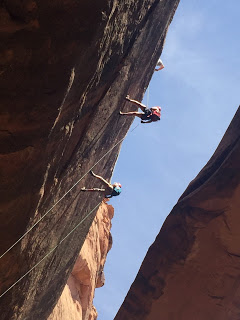
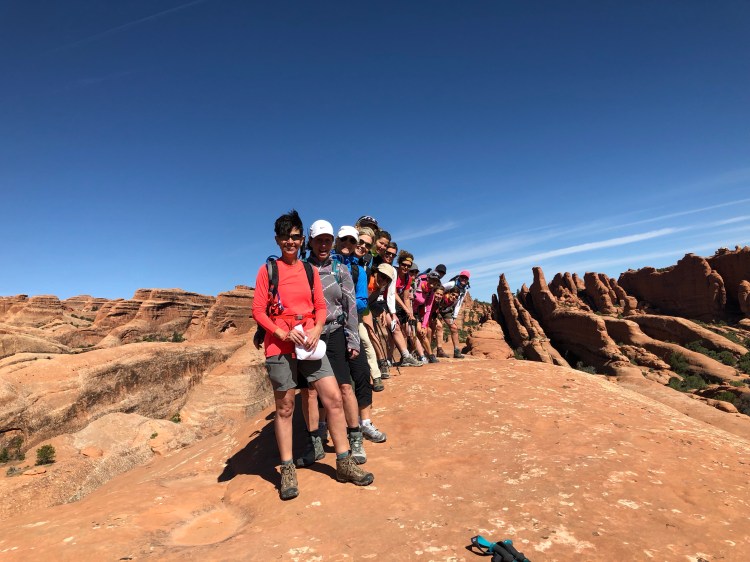


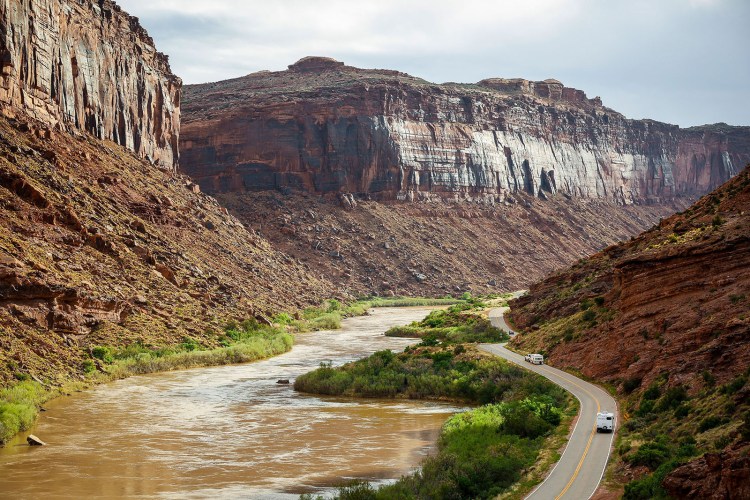


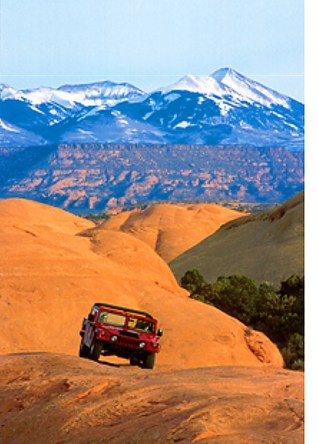 We checked into the Inn and then the girls quickly hit the Sunset Hummer tour with Moab Adventure Center, led by some truly wild (but capable) weather-worn, Southern drivers. The hummers race up the red rocks at impossible angles because of the red slickrock. Slickrock, w
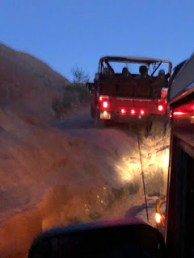 hile slippery to a horse’s hooves, is super grippy to rubber tires. It was a white-knuckler trip and the ladies loved the adrenalin rush.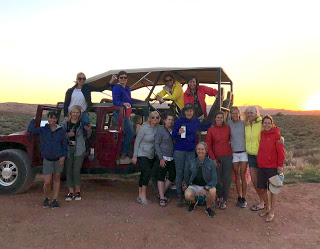


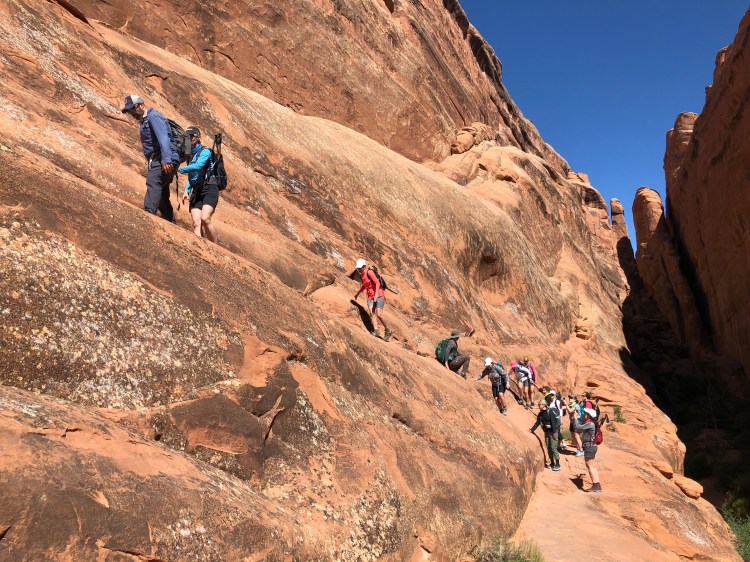


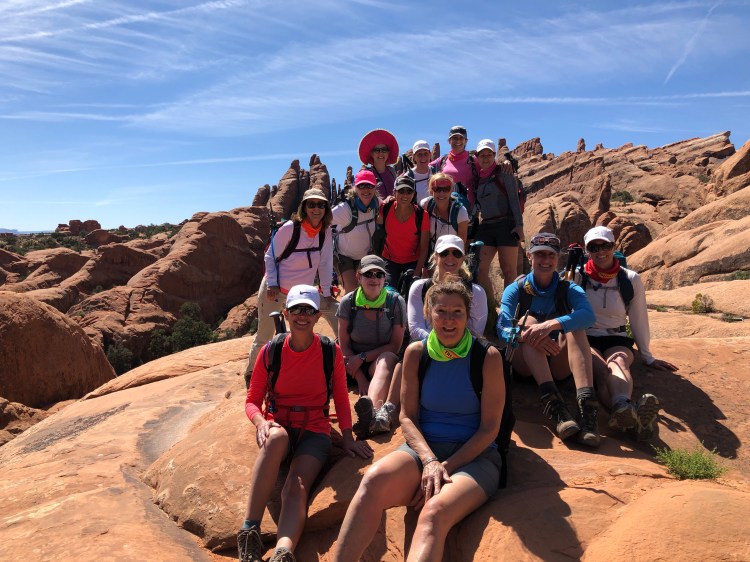


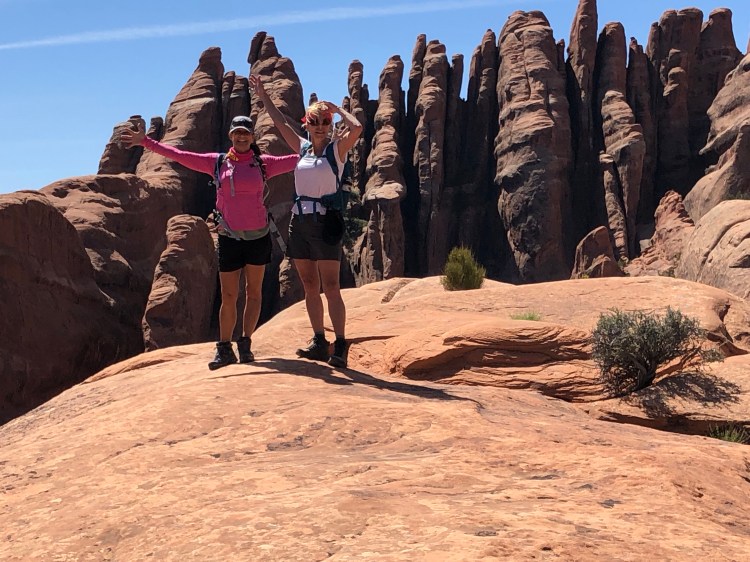


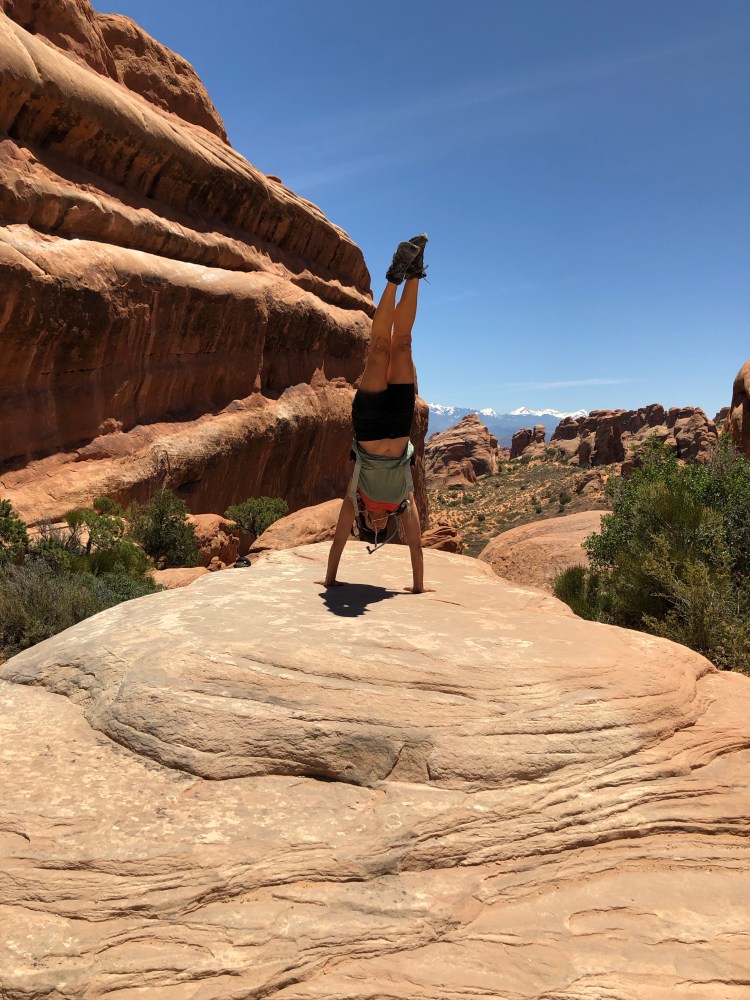


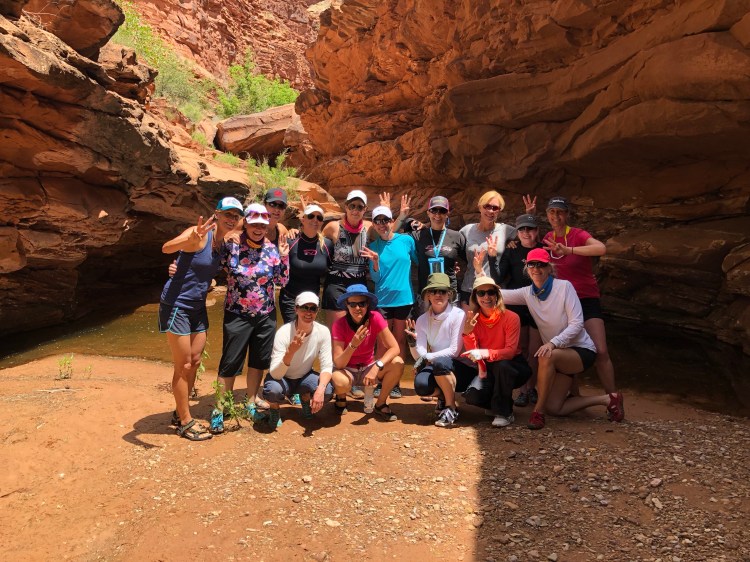
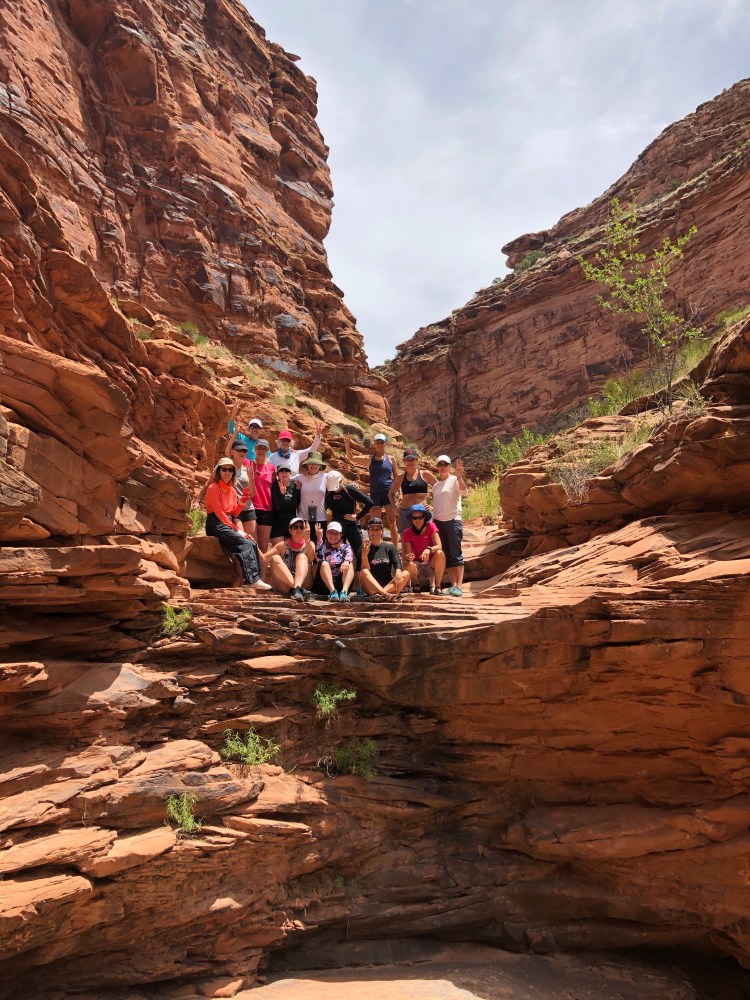


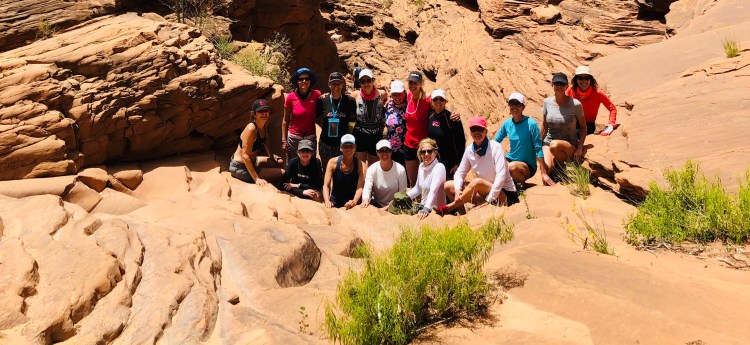


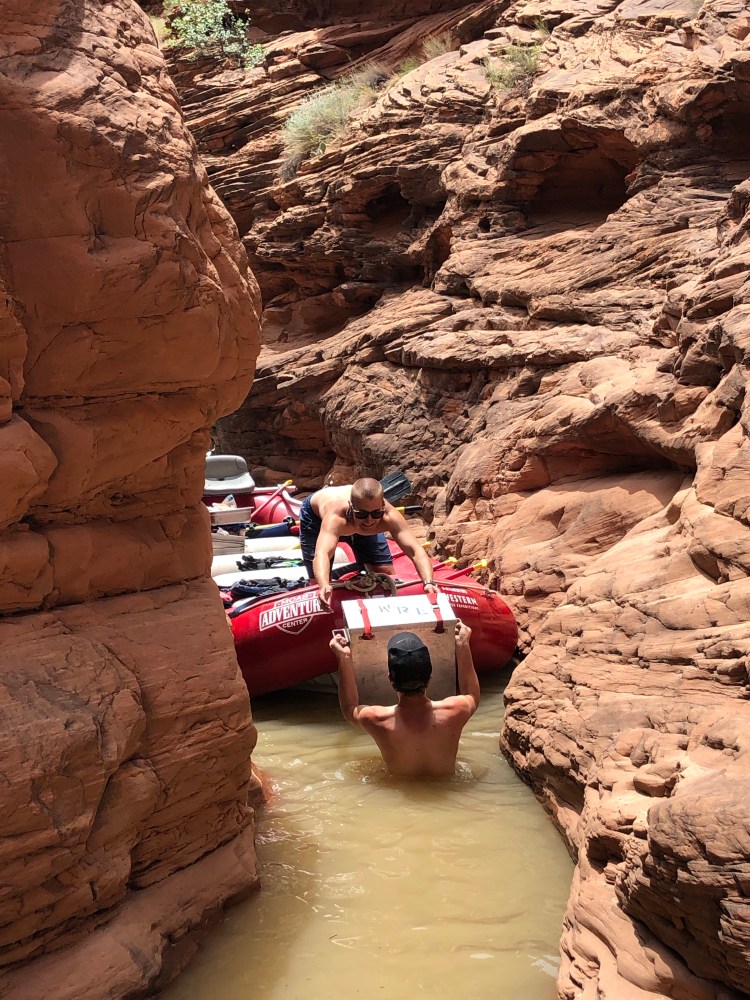


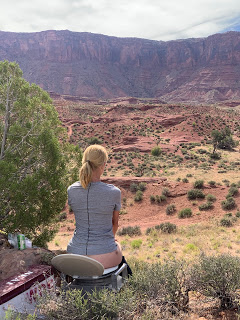
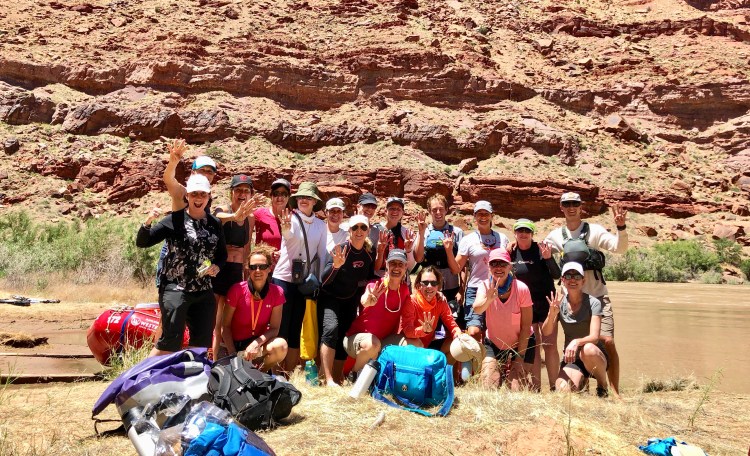
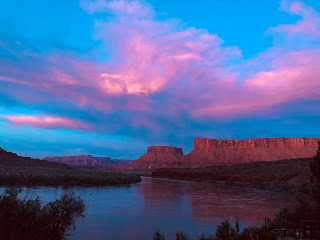


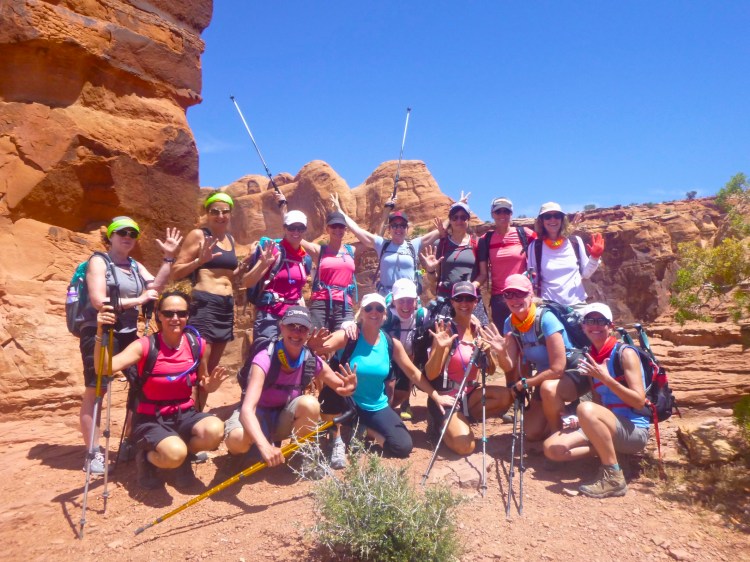


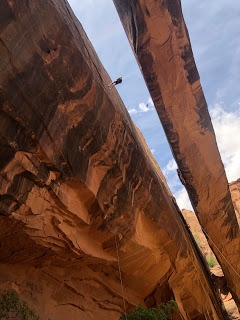


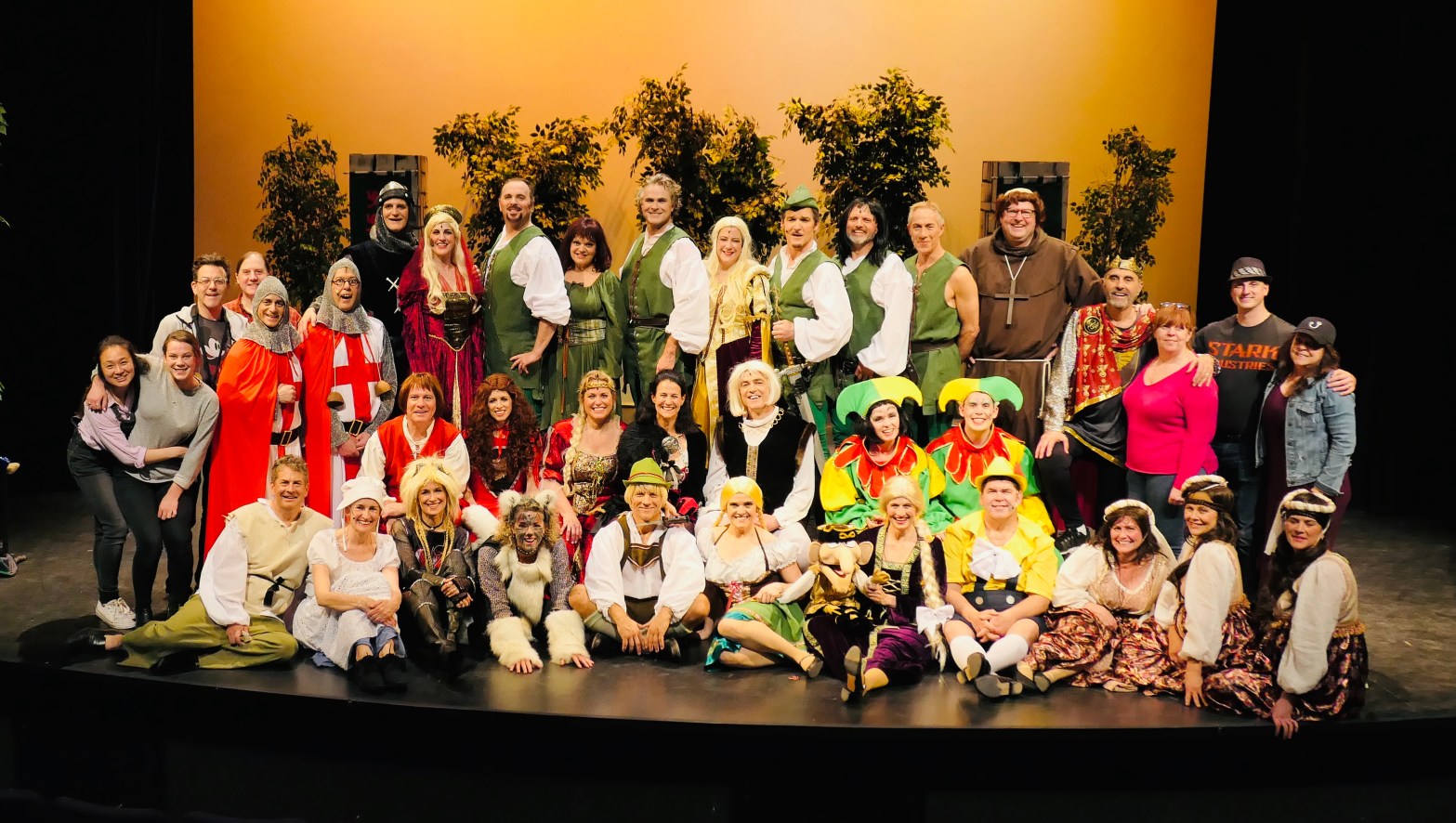


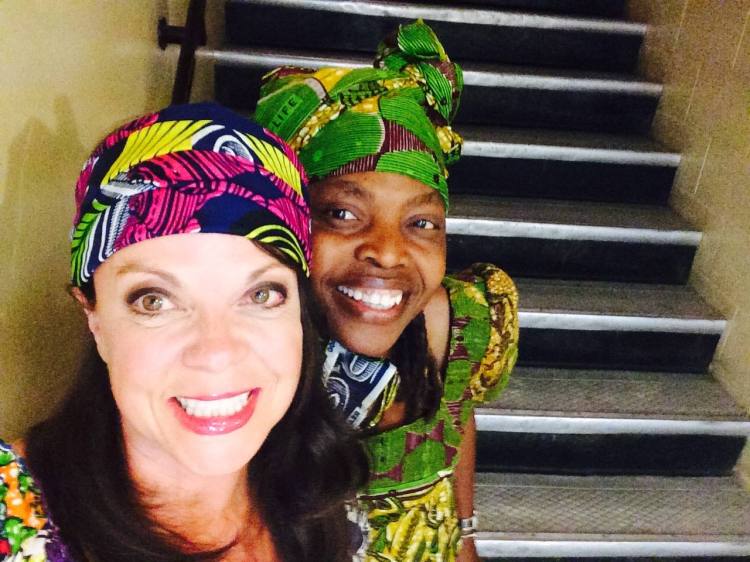


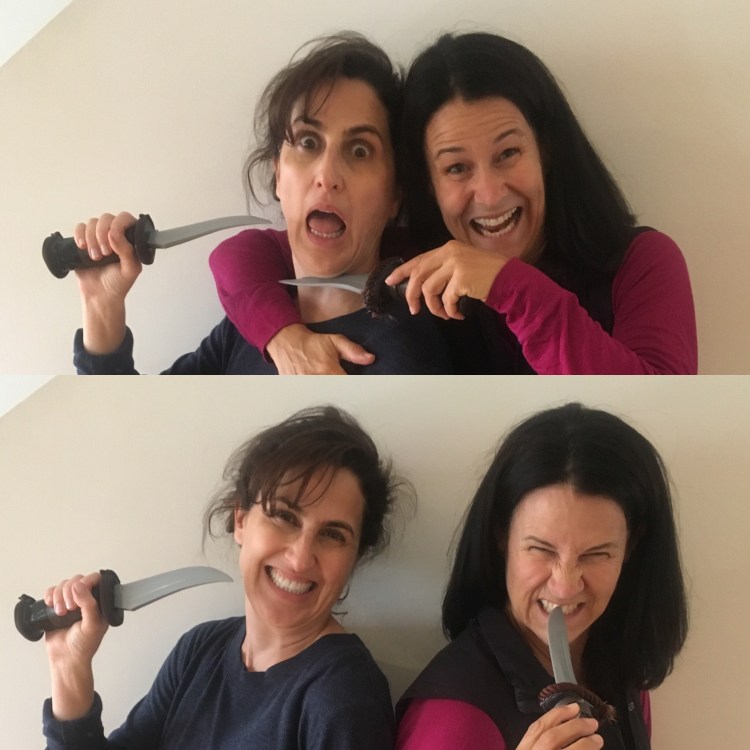
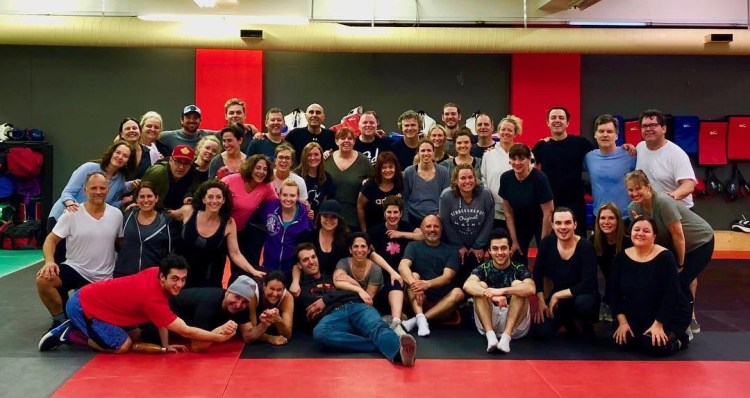
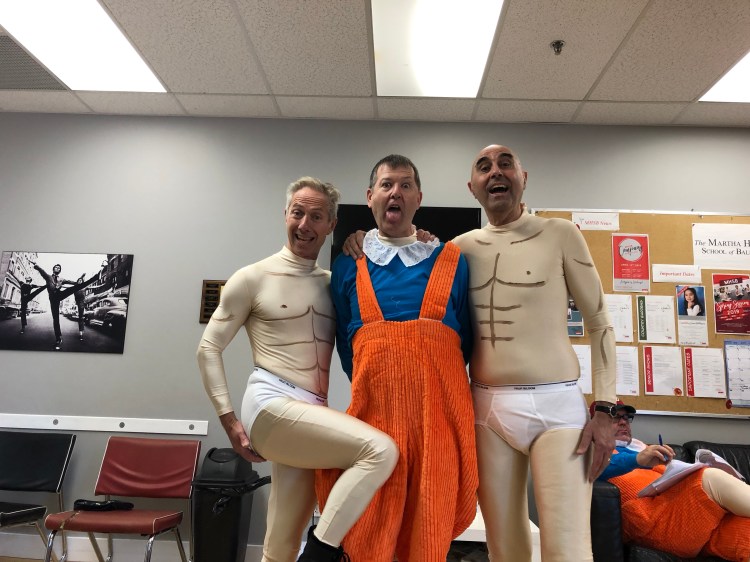
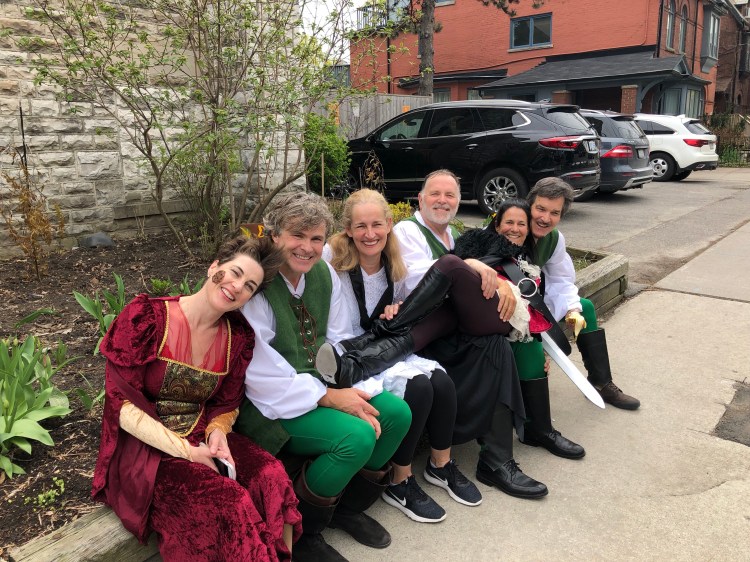
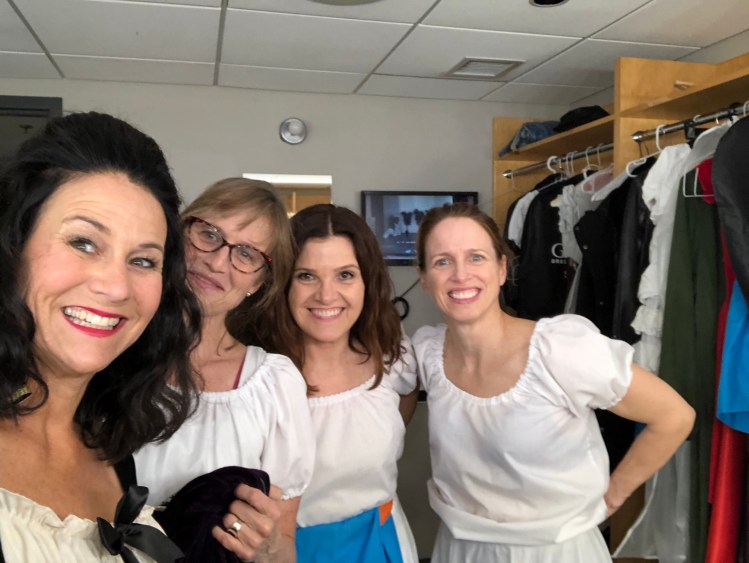
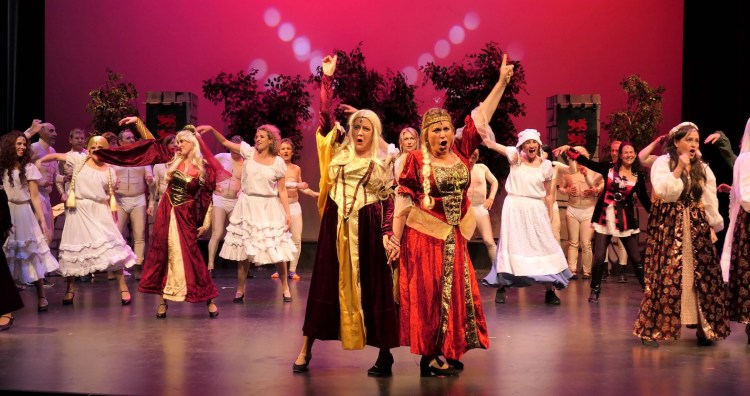
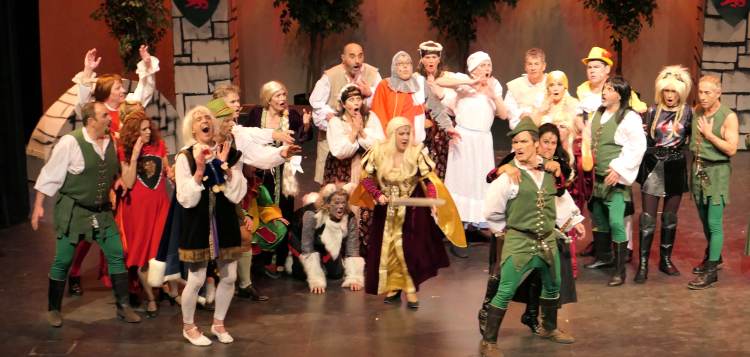
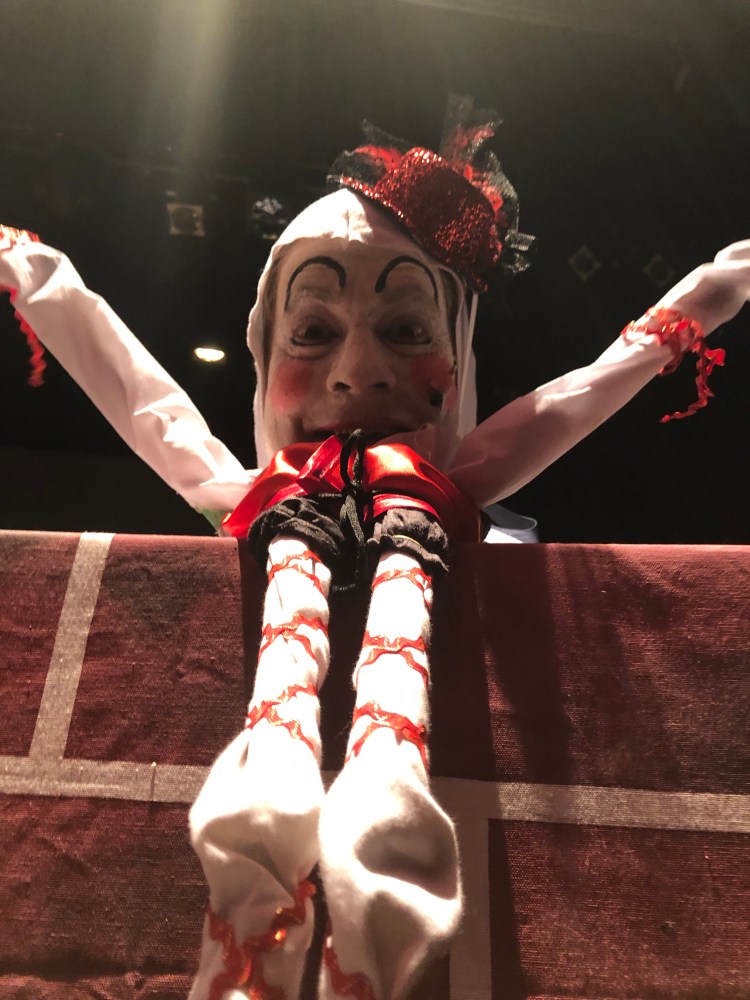


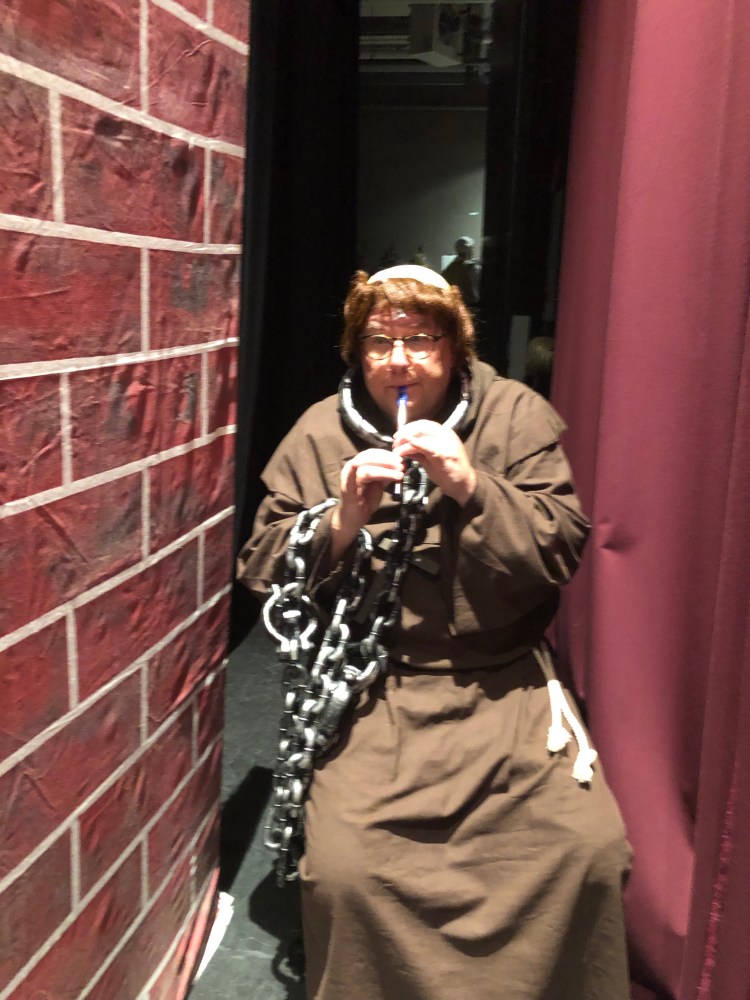

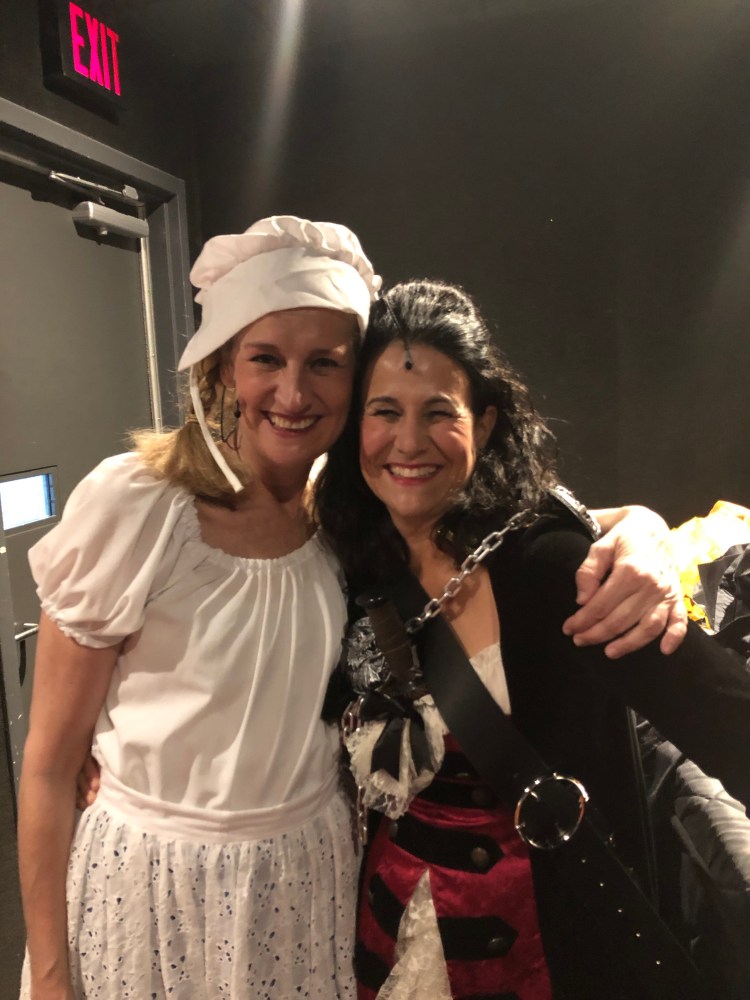
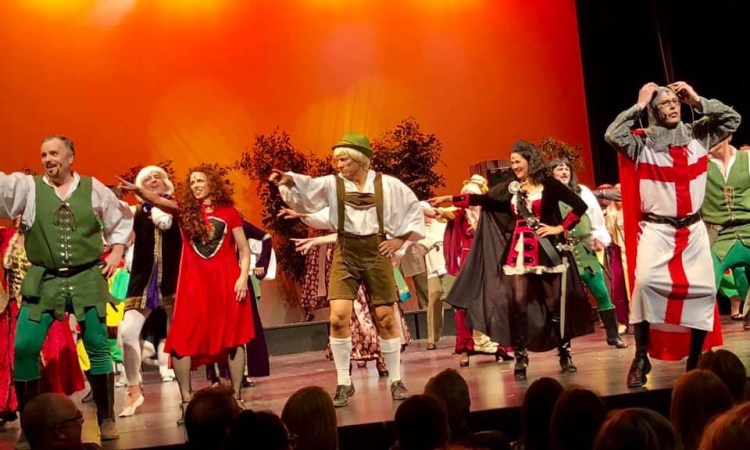
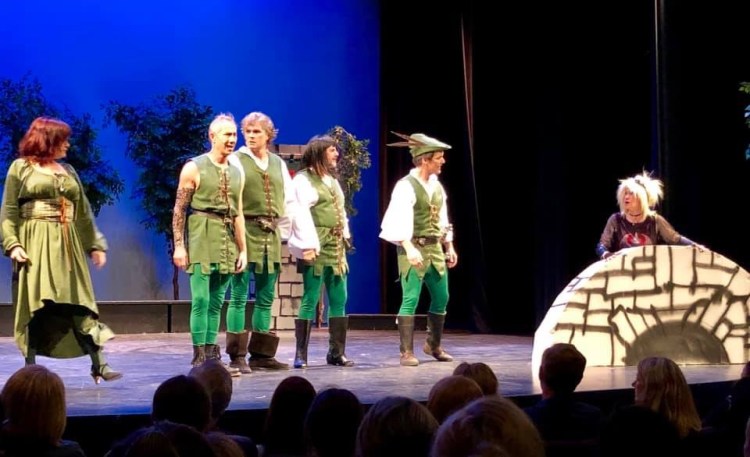

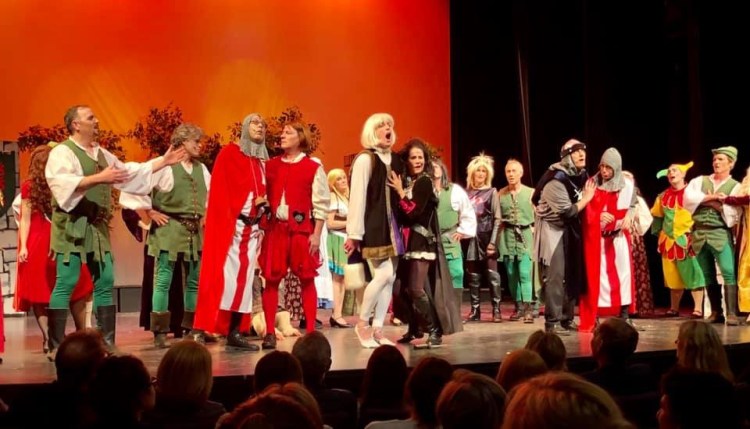


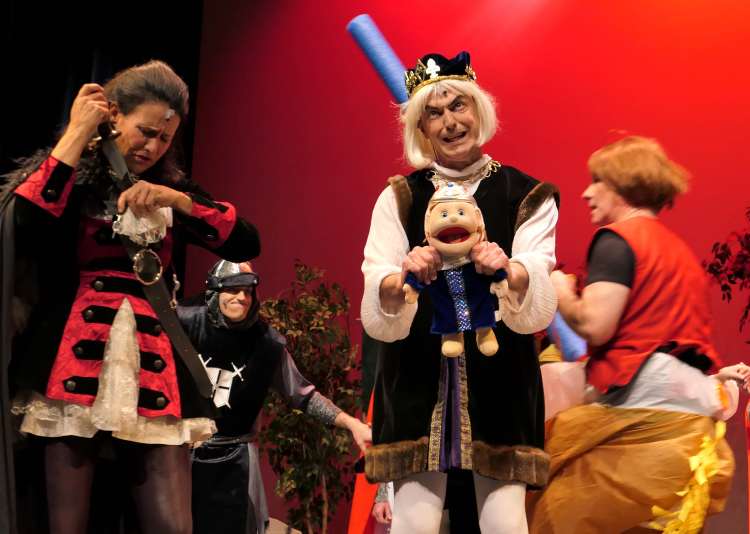
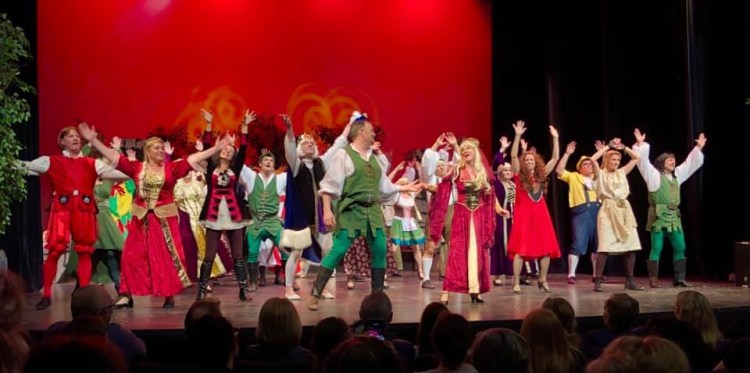
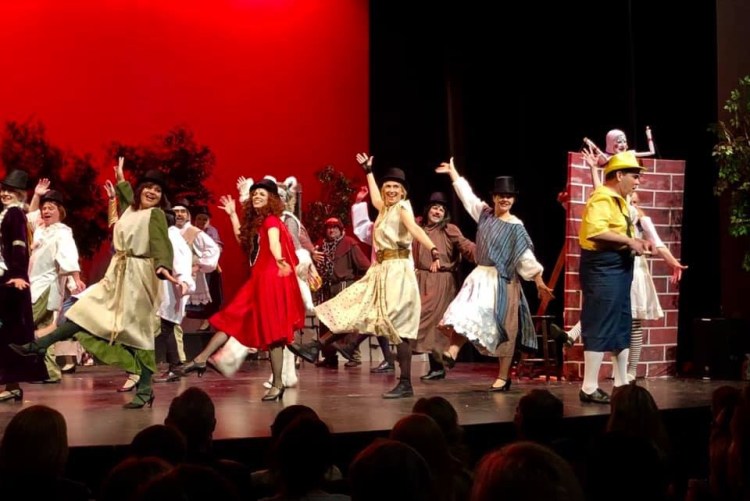

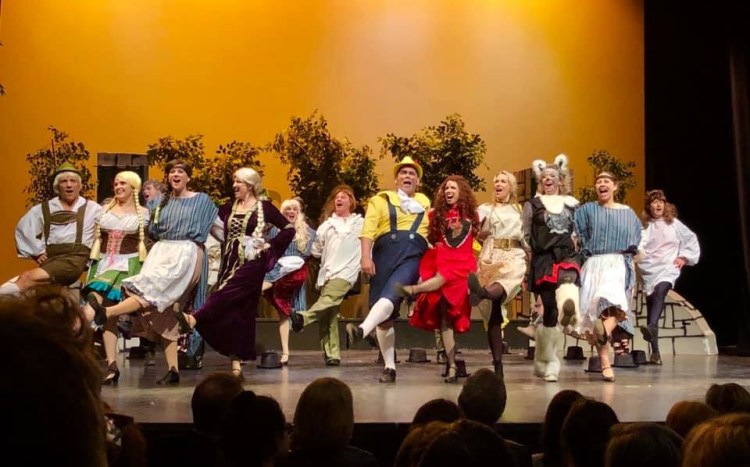
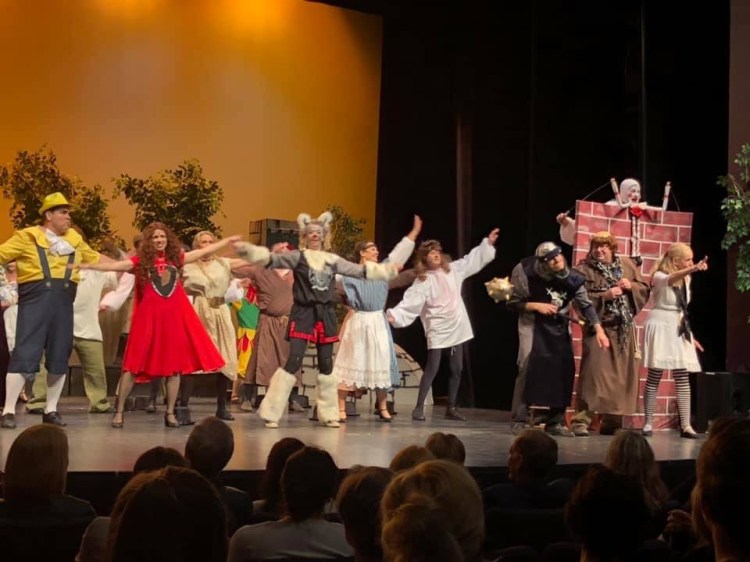
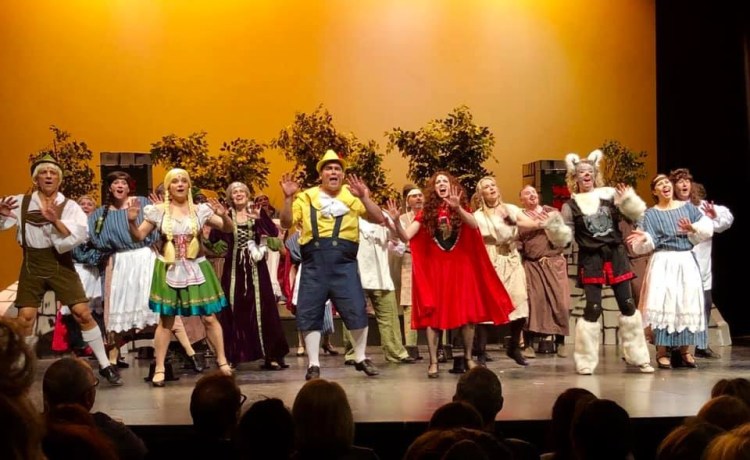
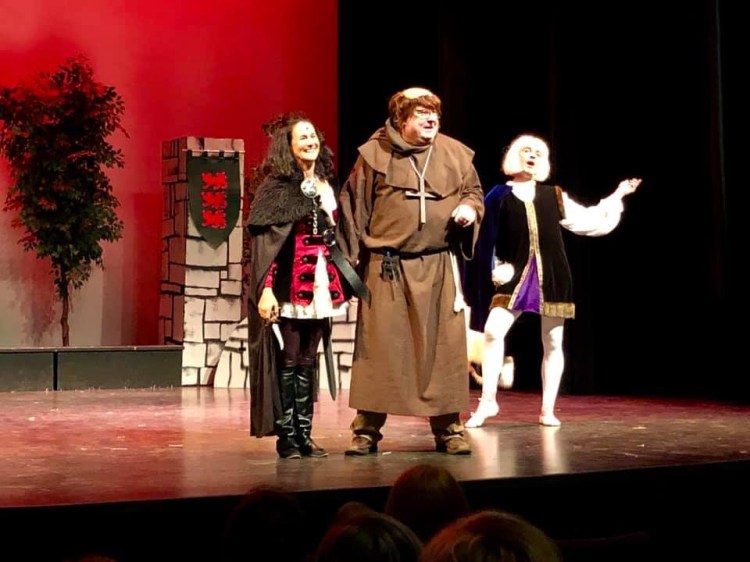


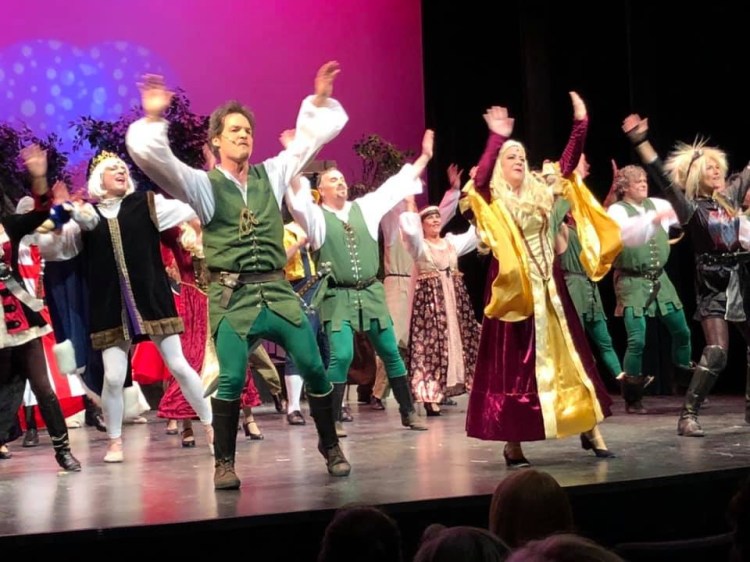
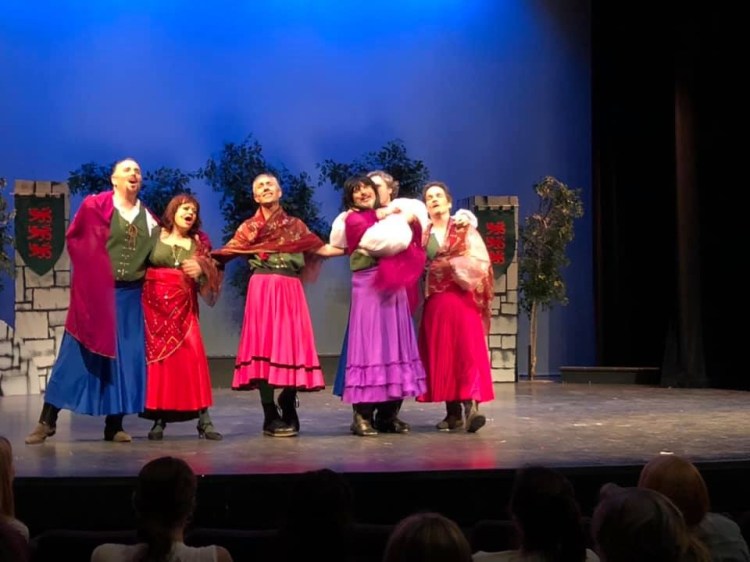
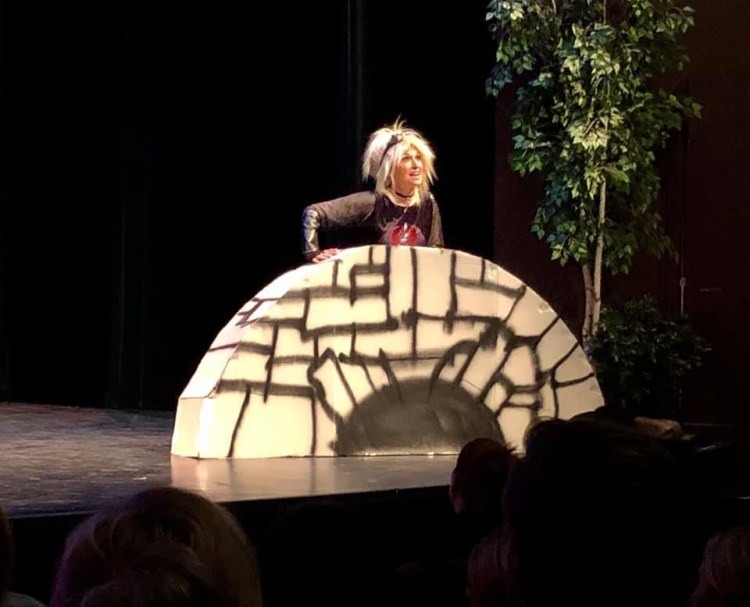
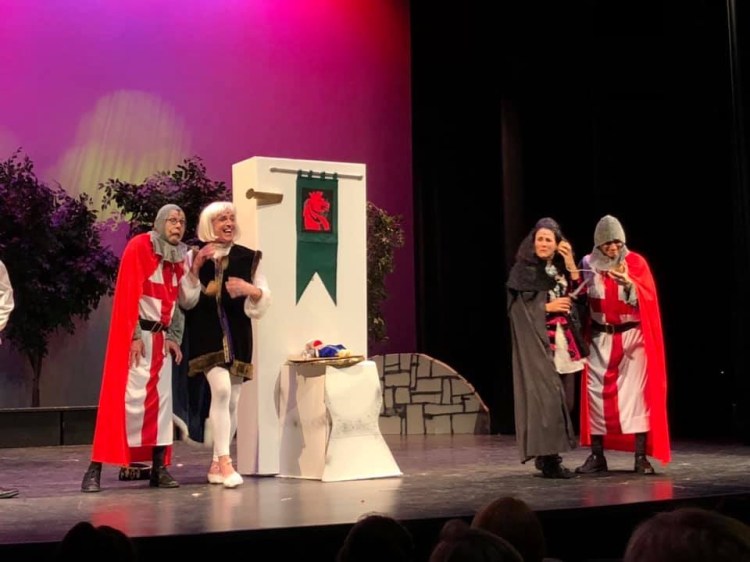
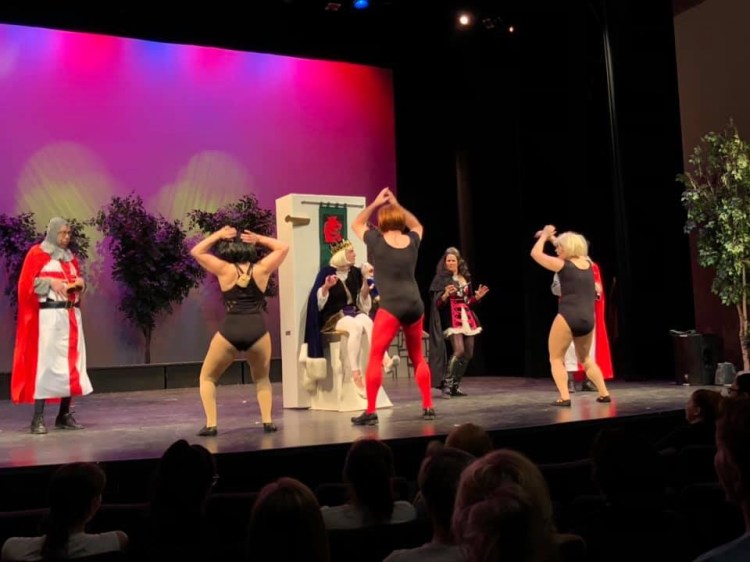
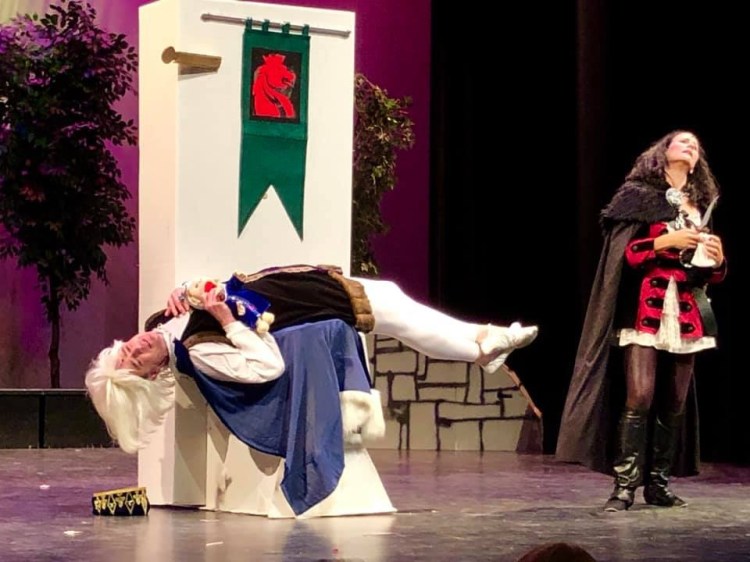


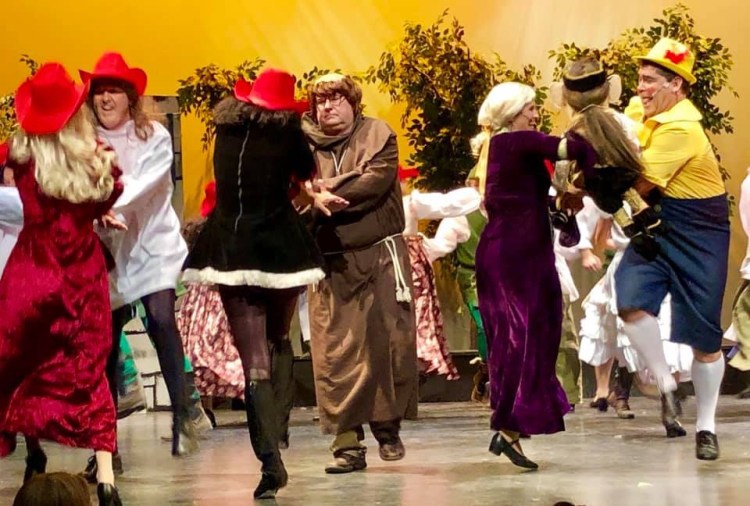
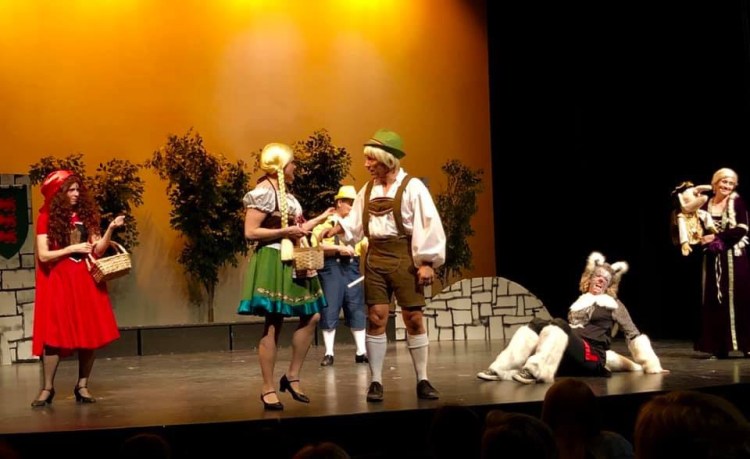
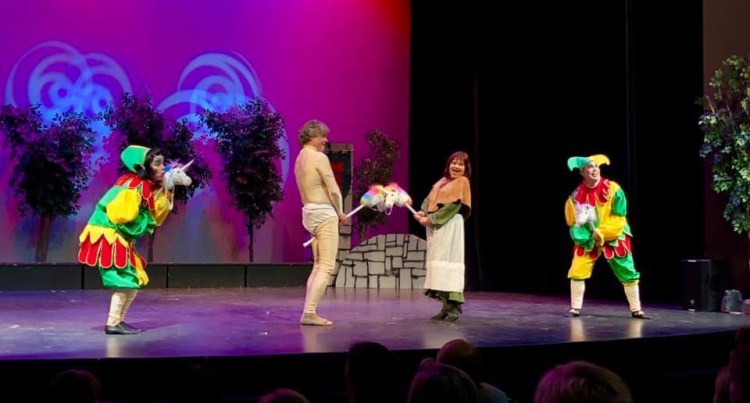
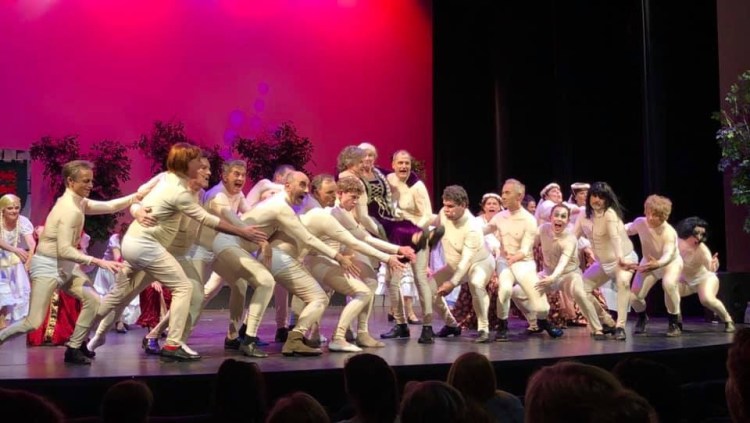
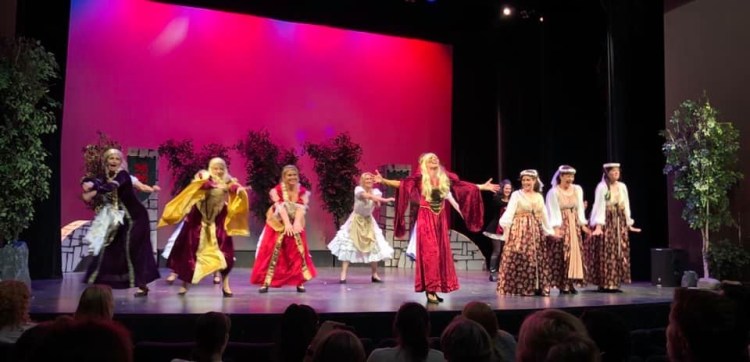


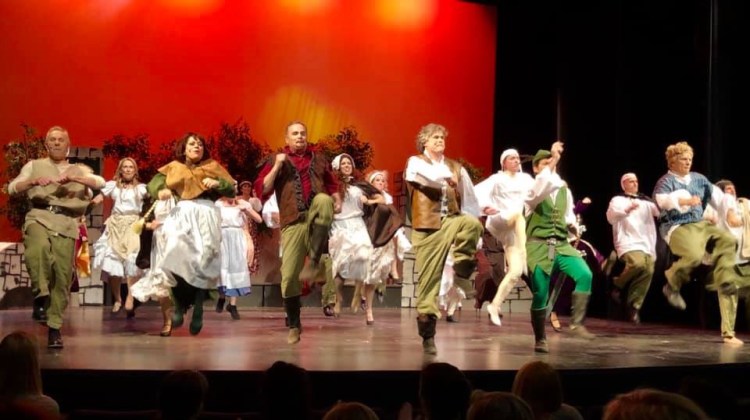
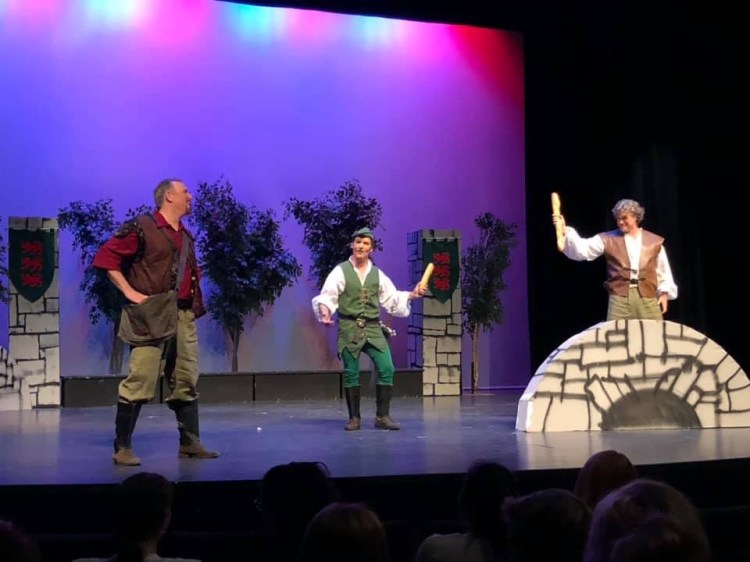
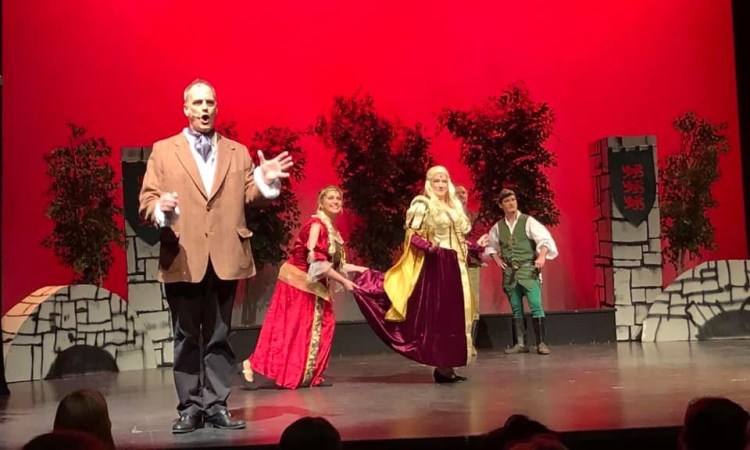

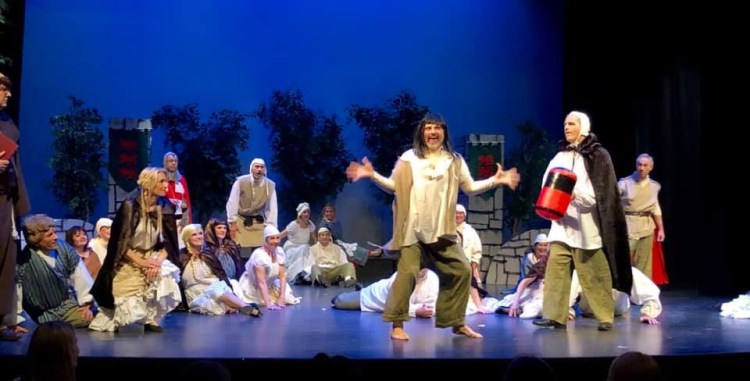

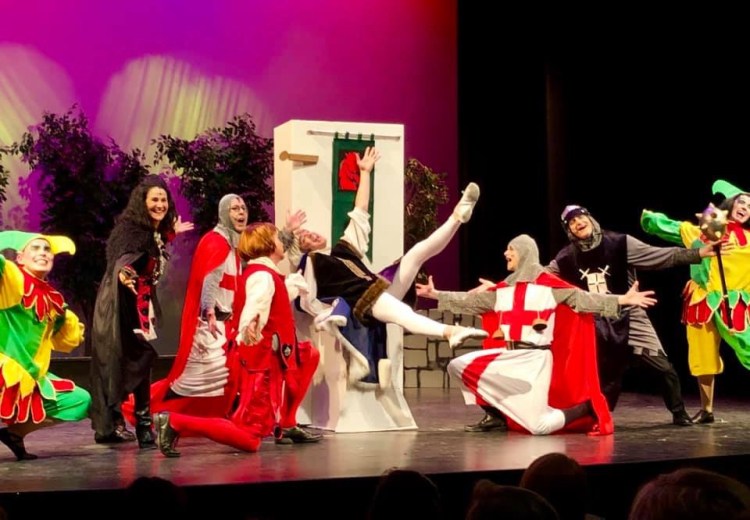

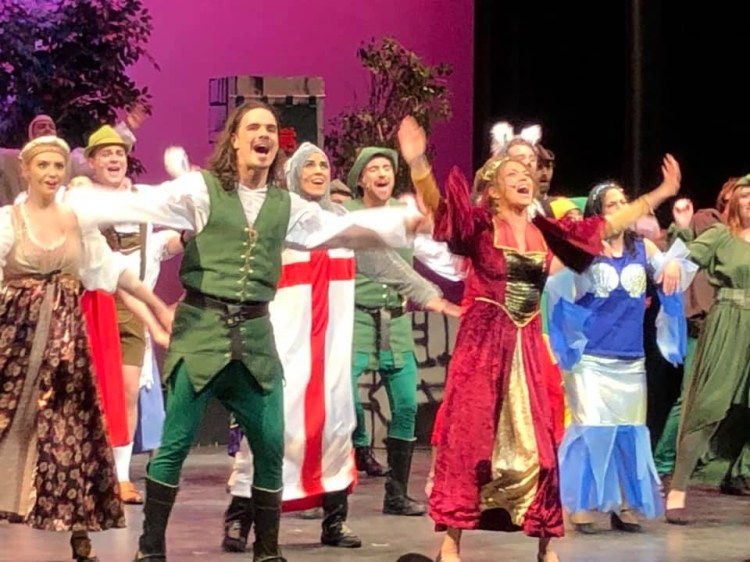

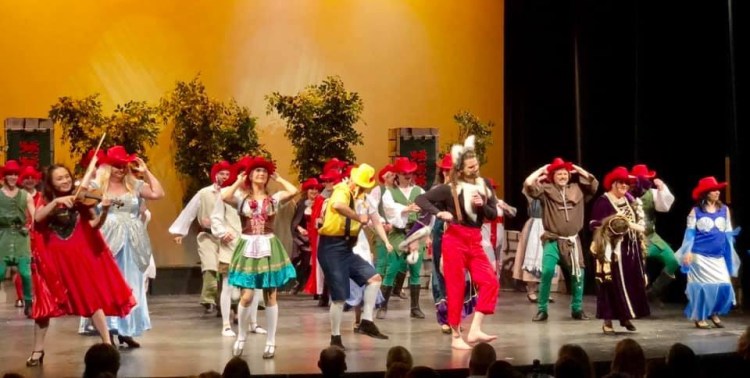

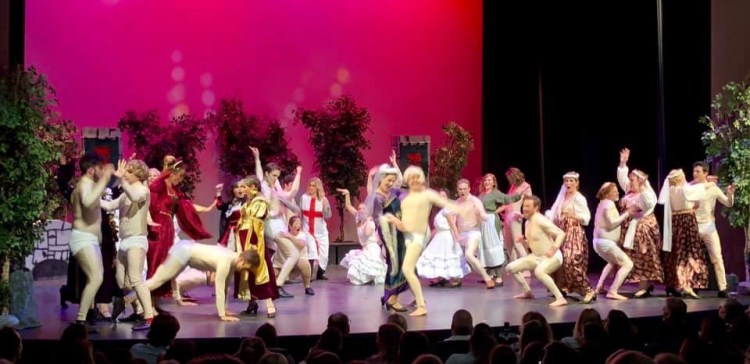

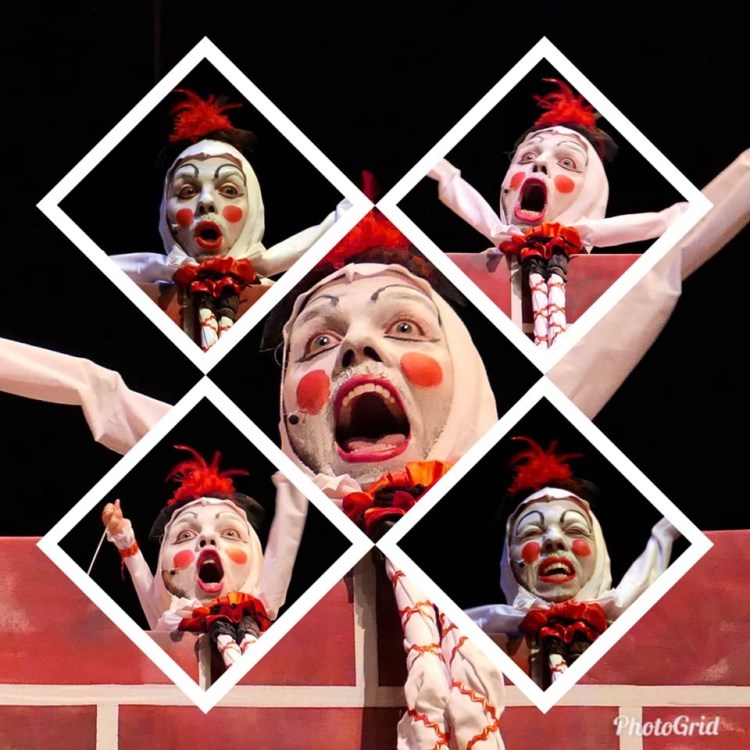
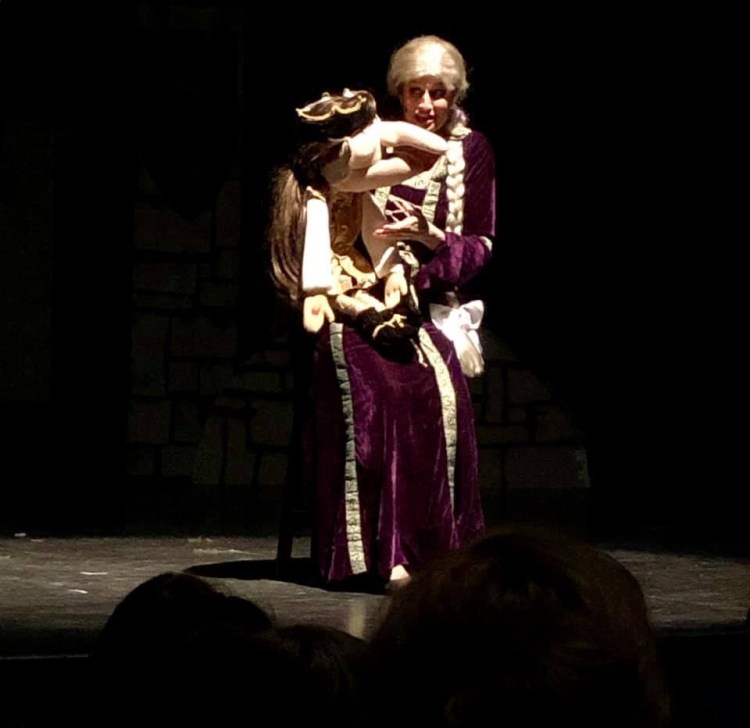
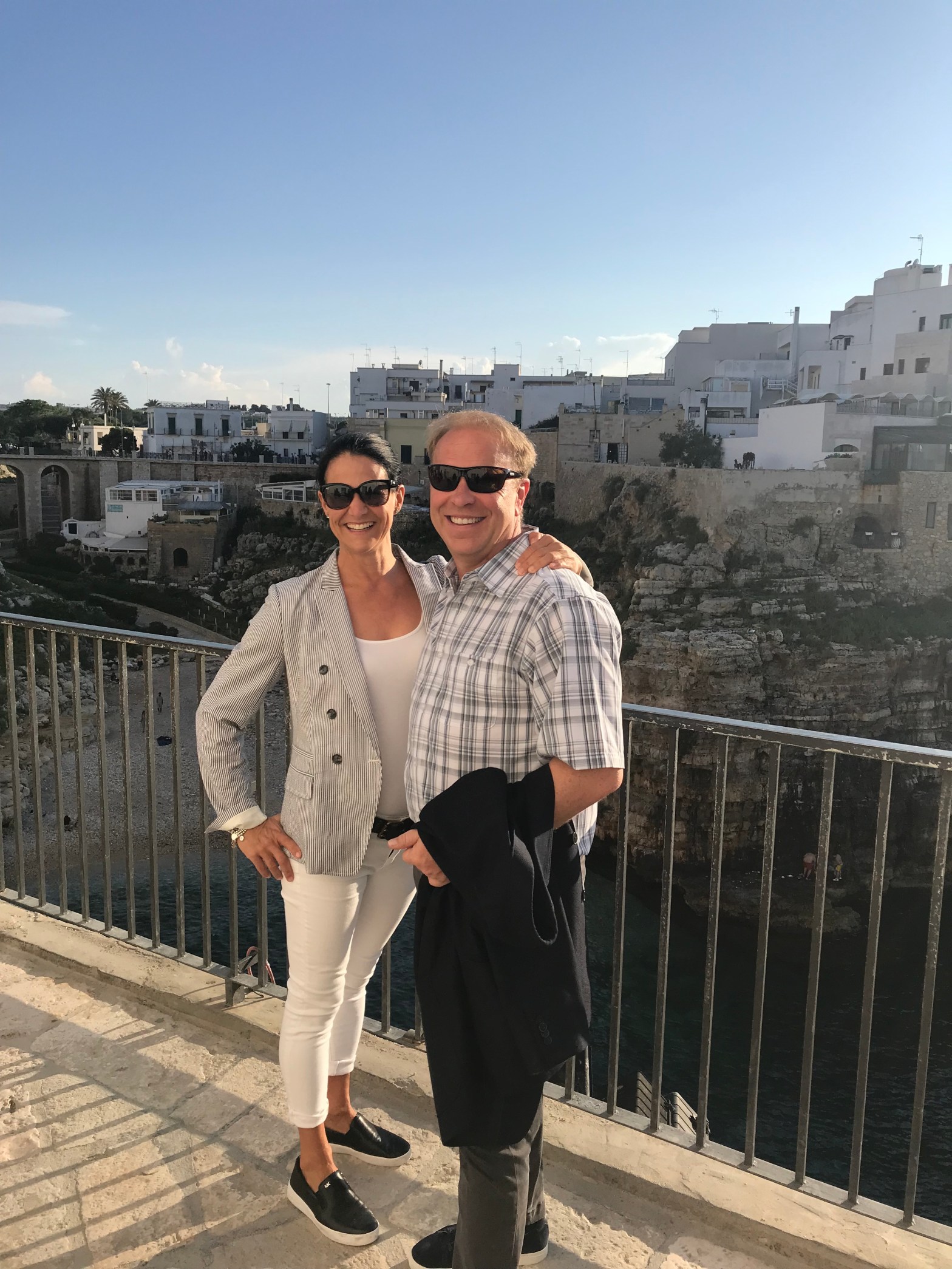



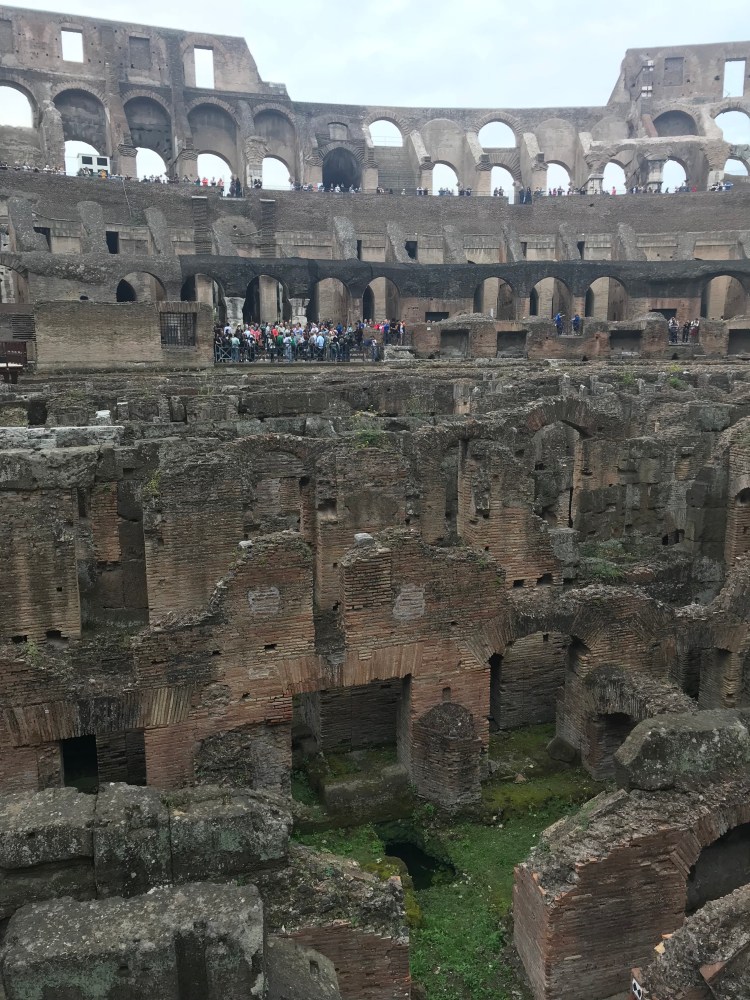
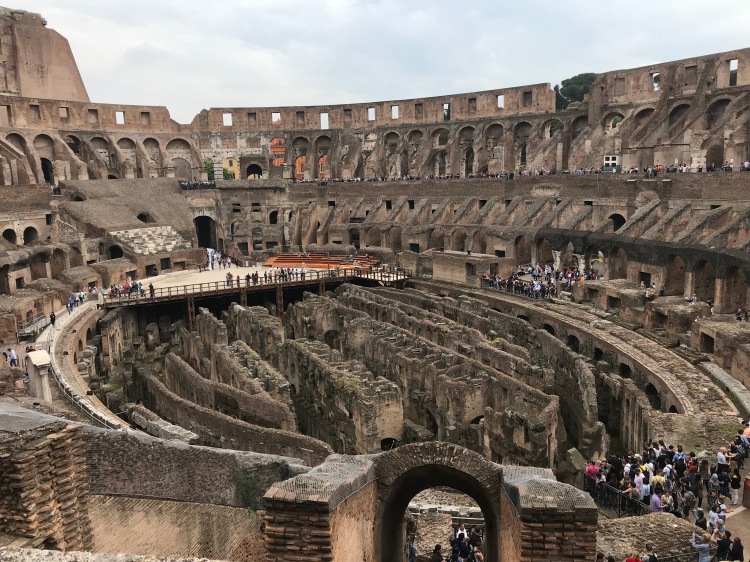


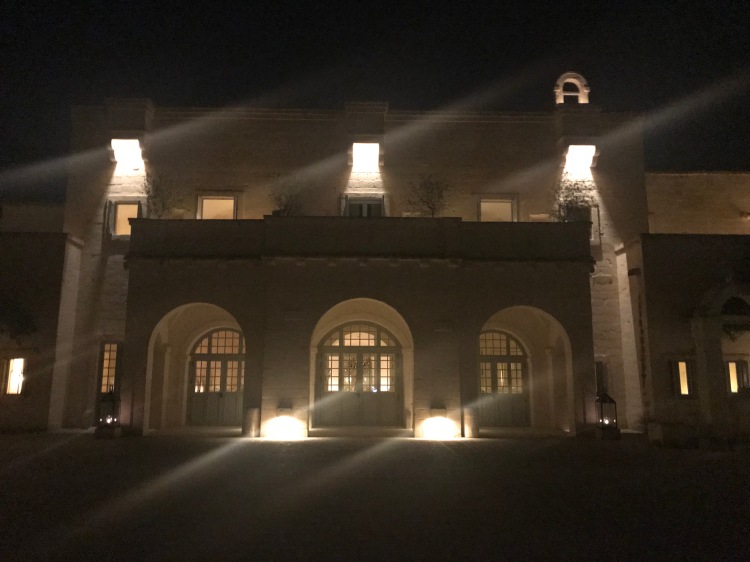
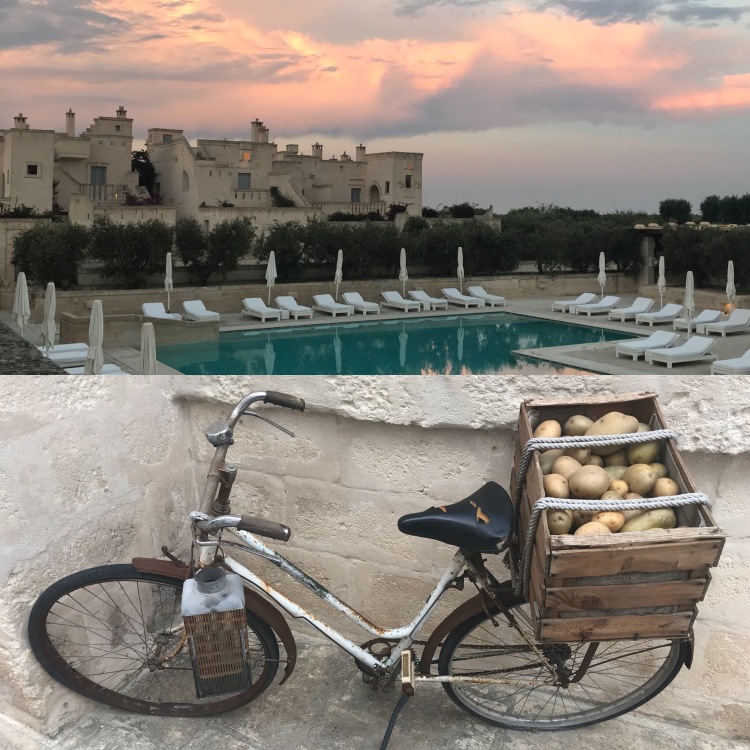
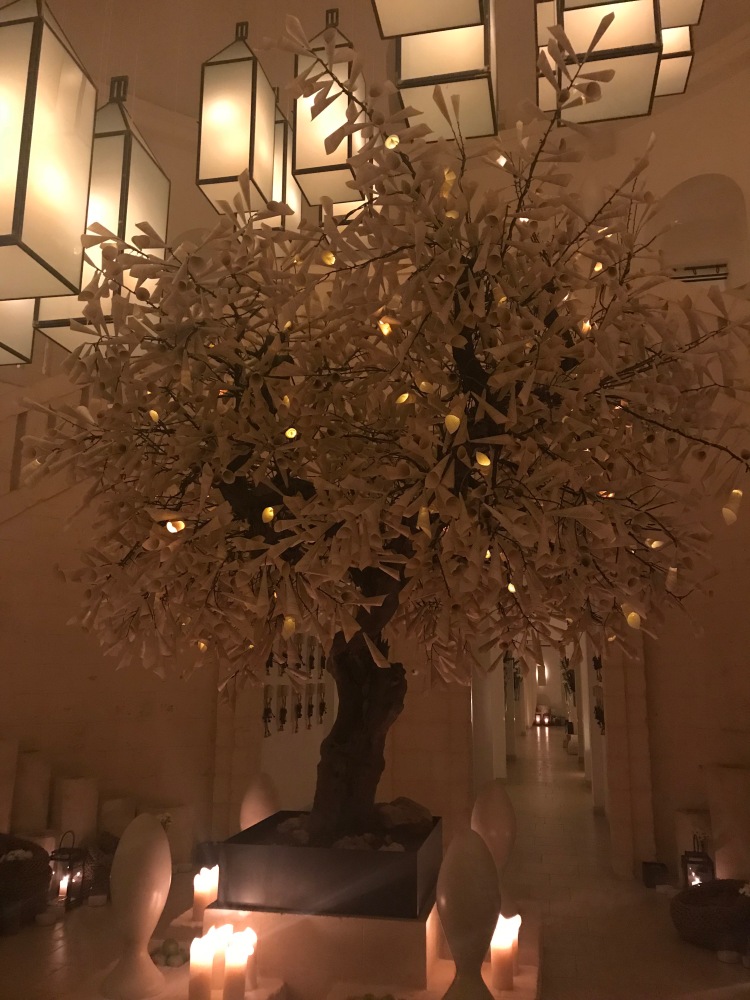
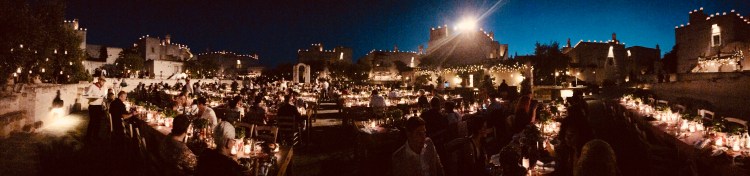
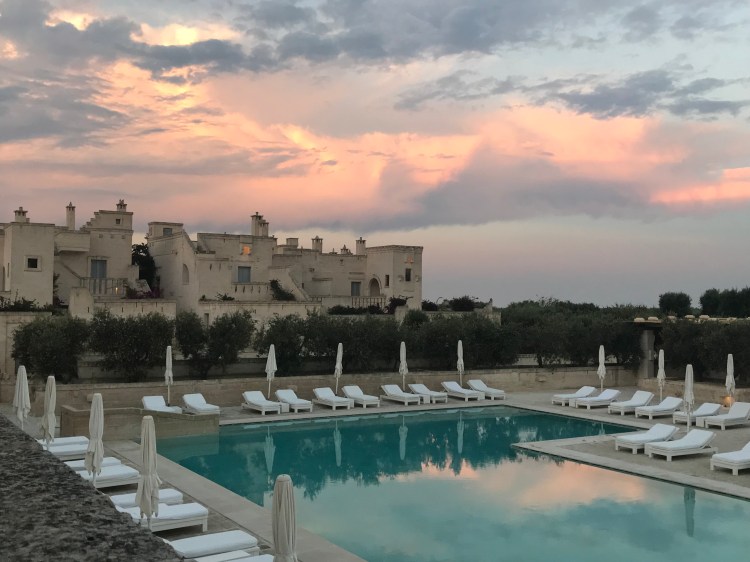
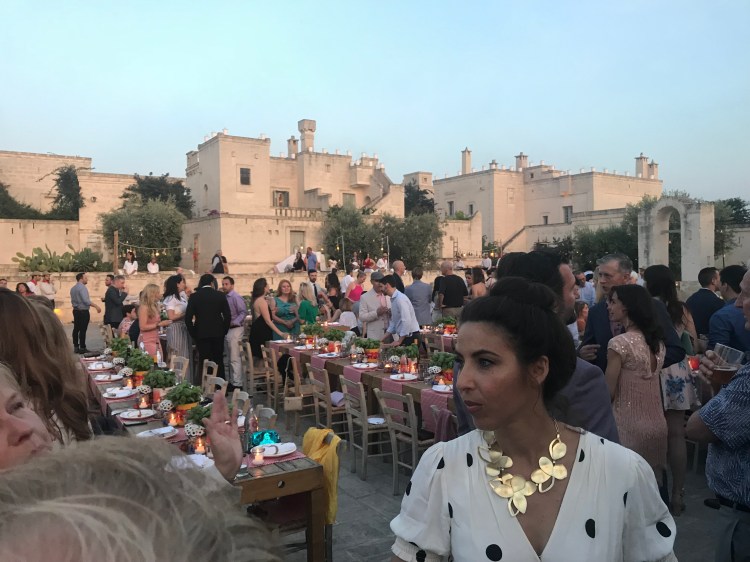
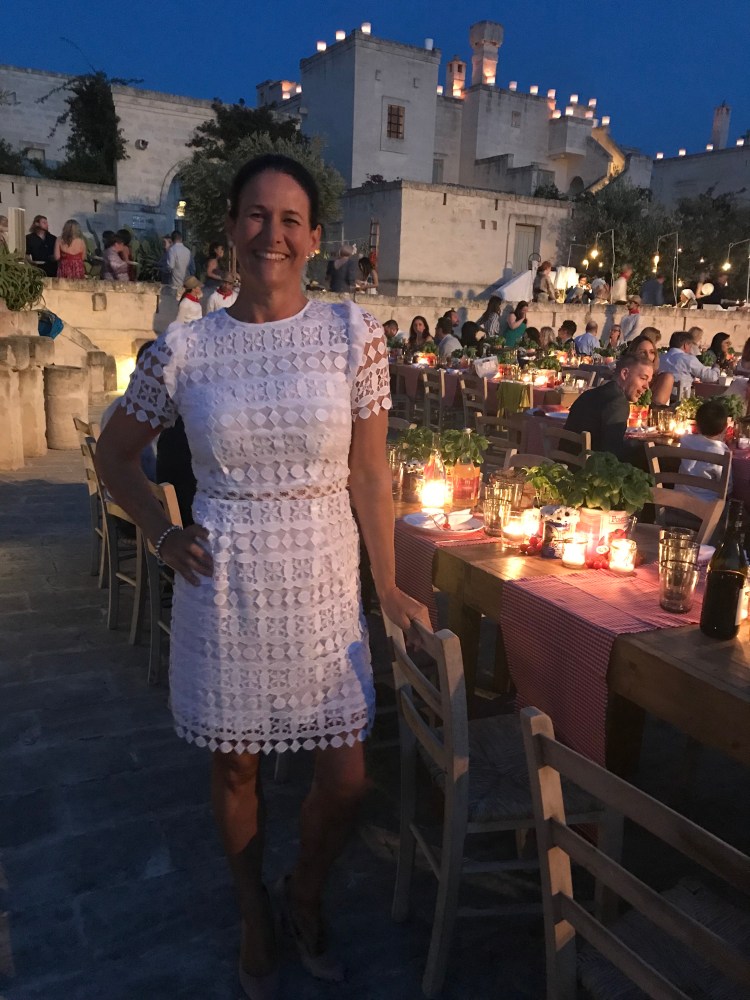
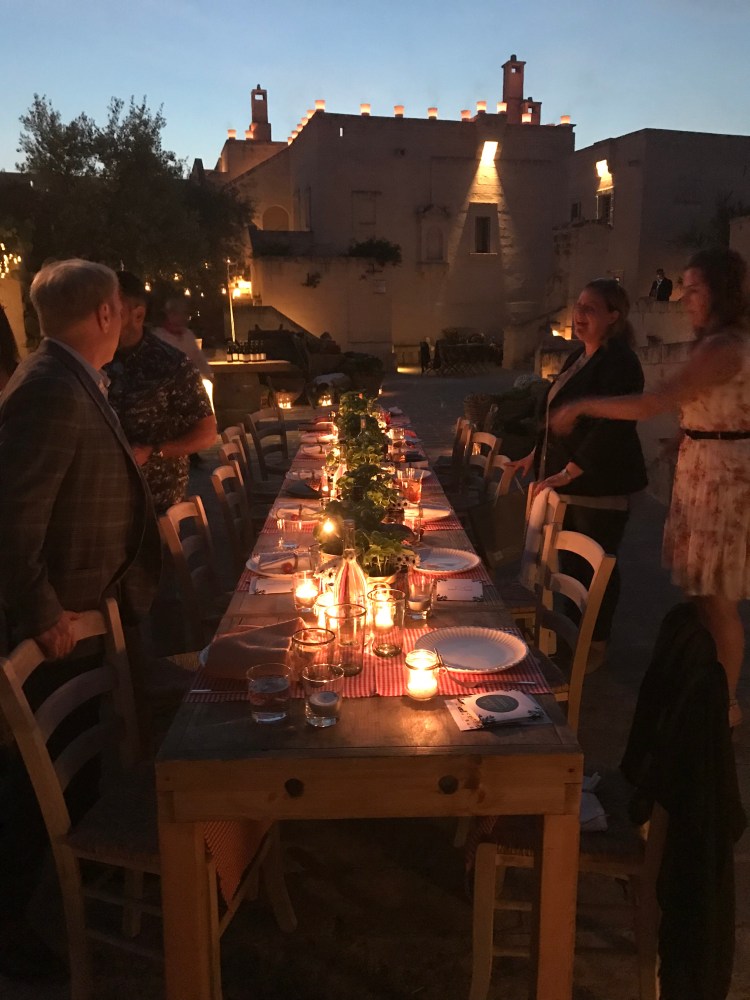
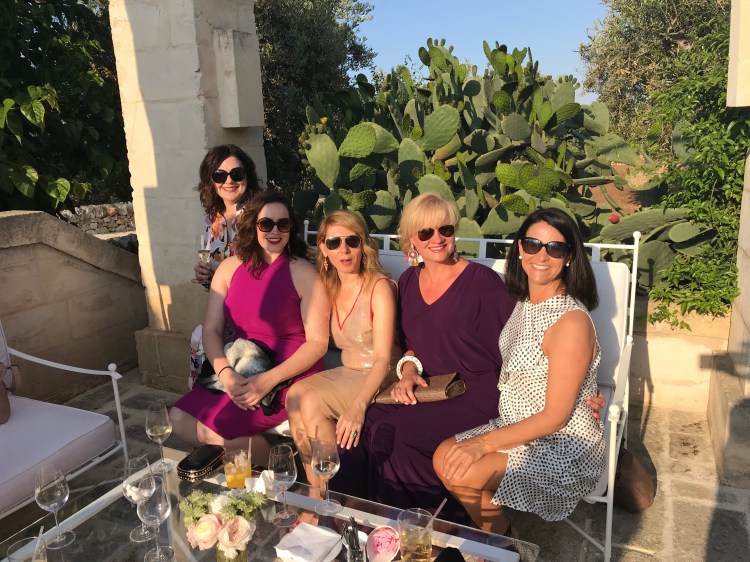
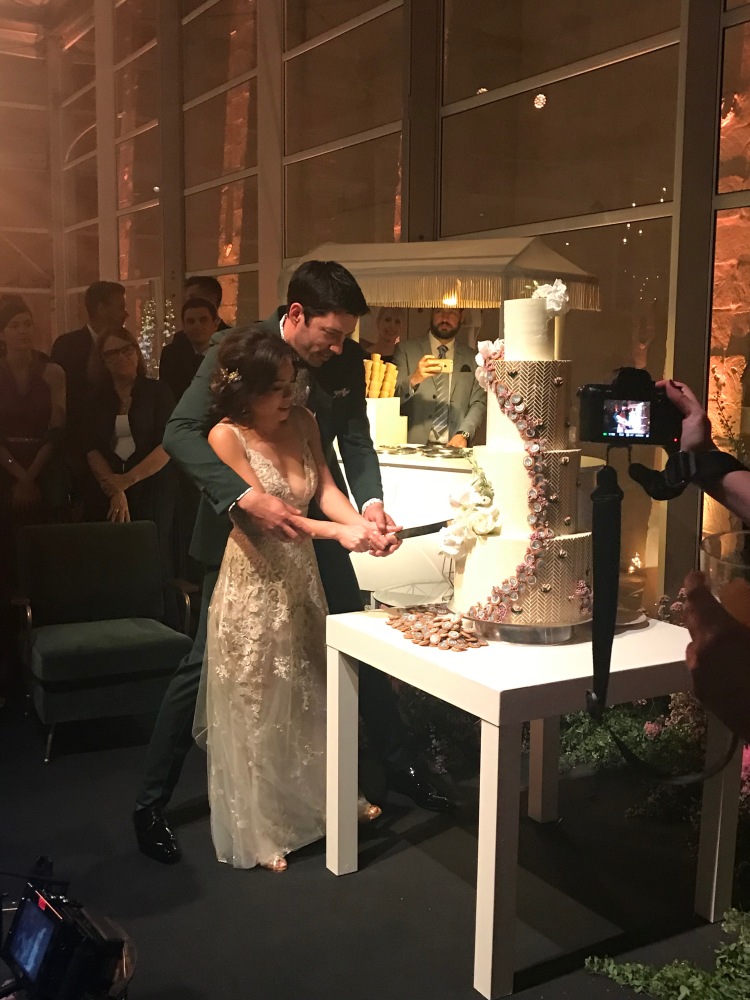
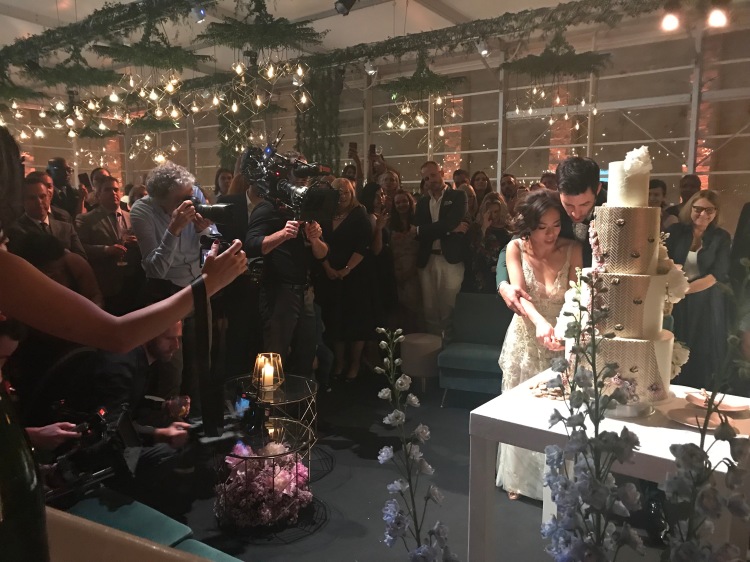
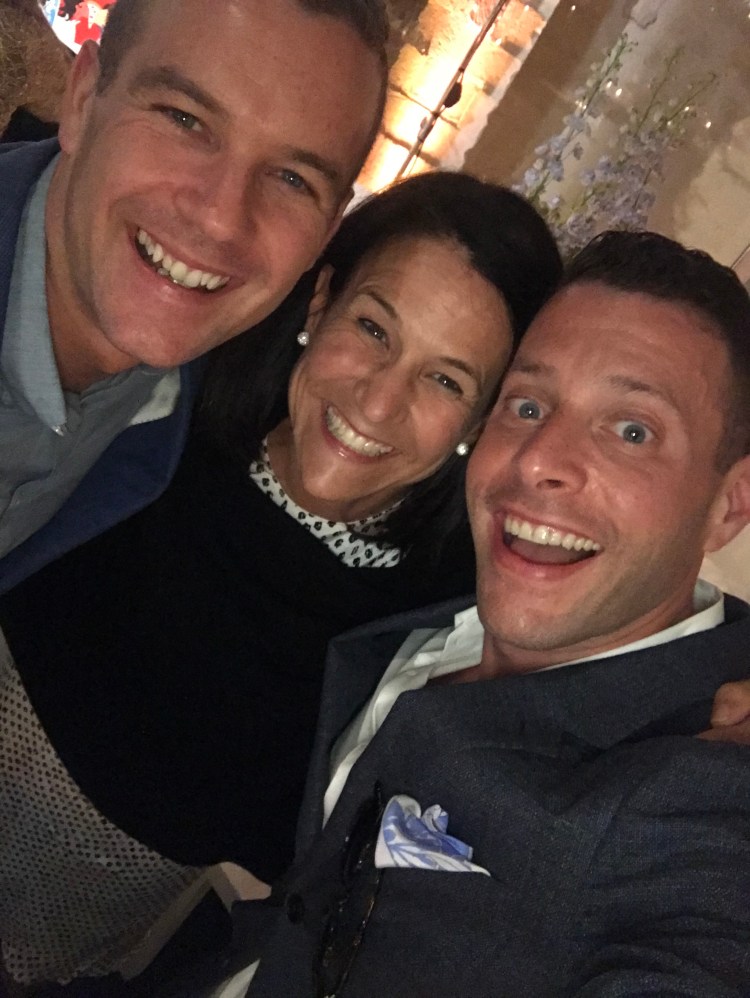
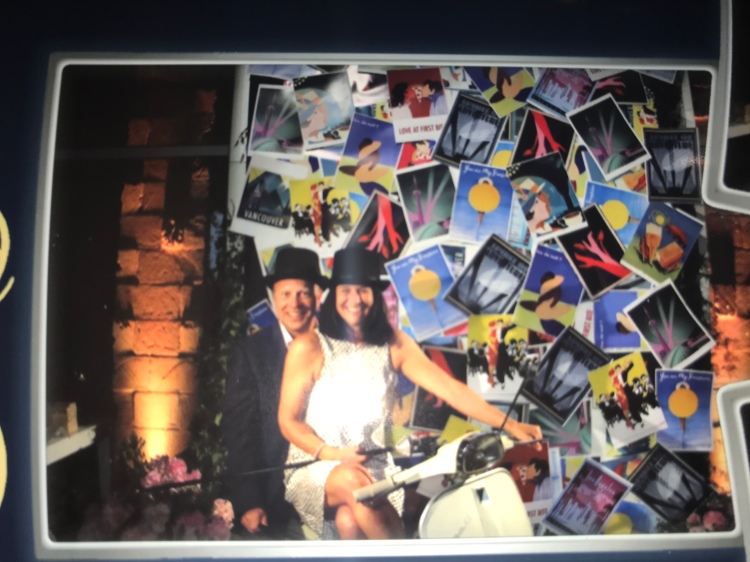
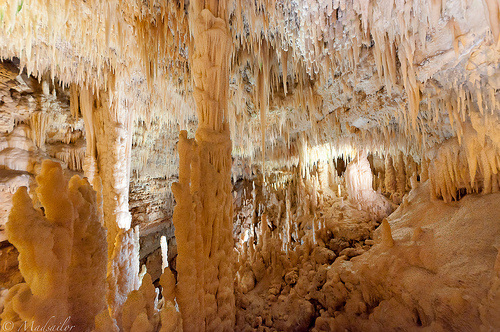
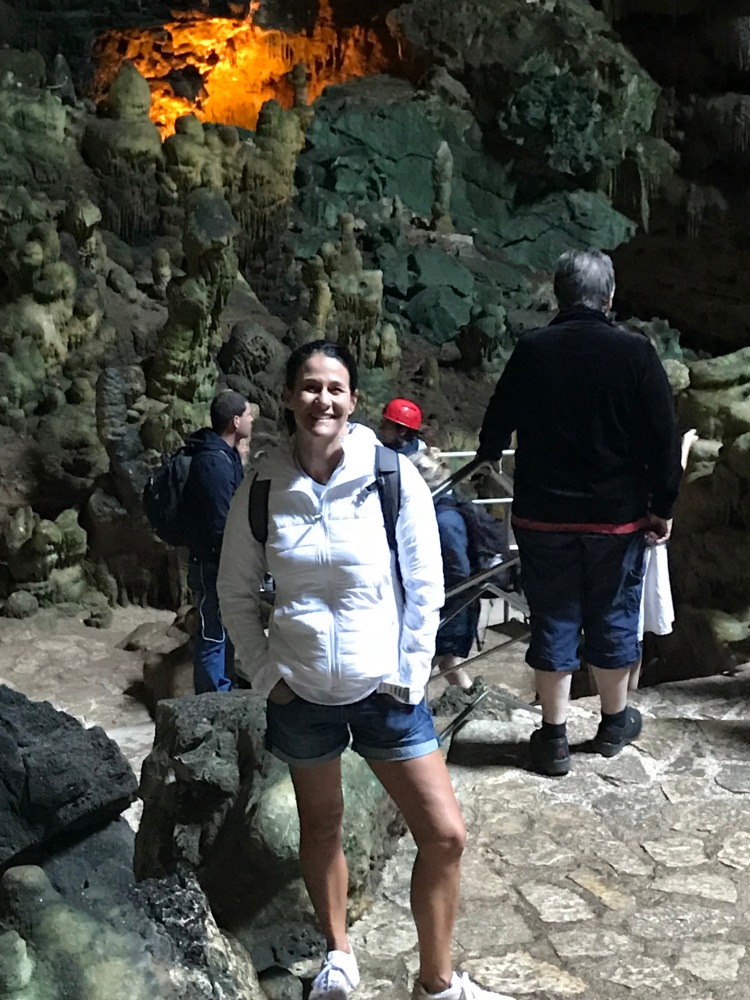
 In the town of Torre Canne, Dave said he had the best seafood pasta of his life at Il Punto (
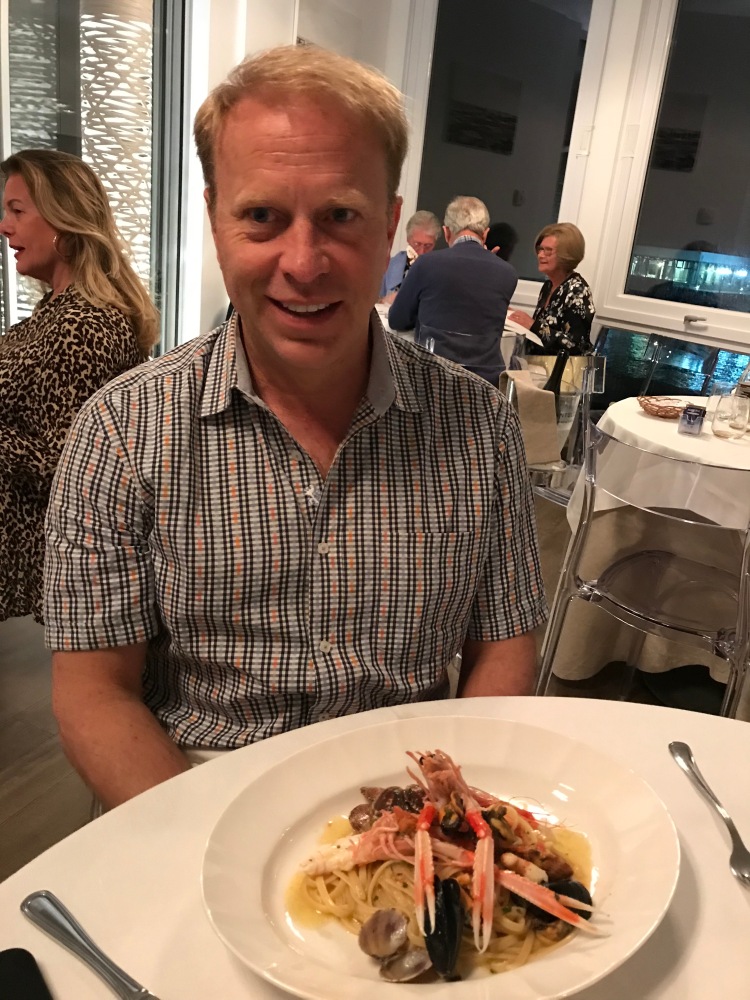 Main pool at the Borgo. Not too shabby…
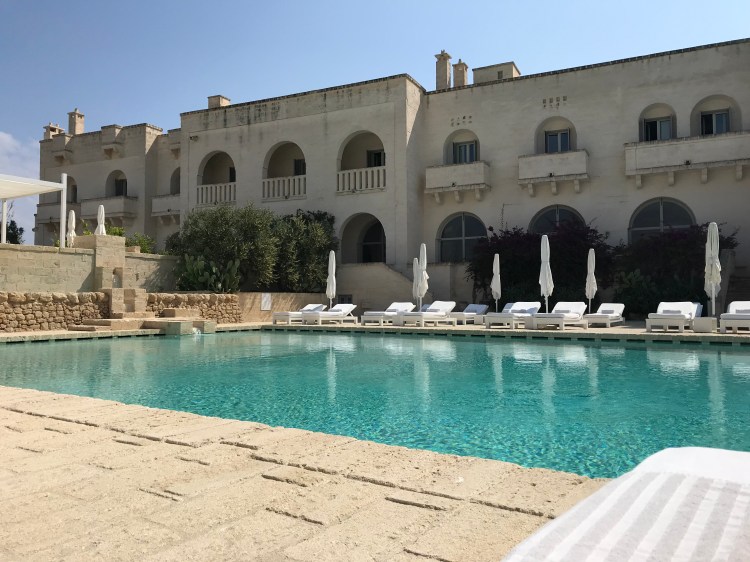 The most exquisite town we visited was cliffside Polignano a Mare. It is breaktaking and riddled with wonderful, ancient streets with cute boutiques and cafes. They host the World Cliff Diving Competition!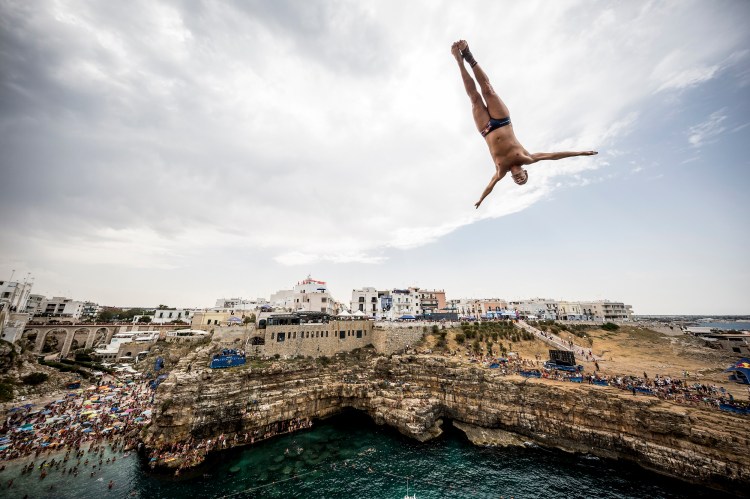
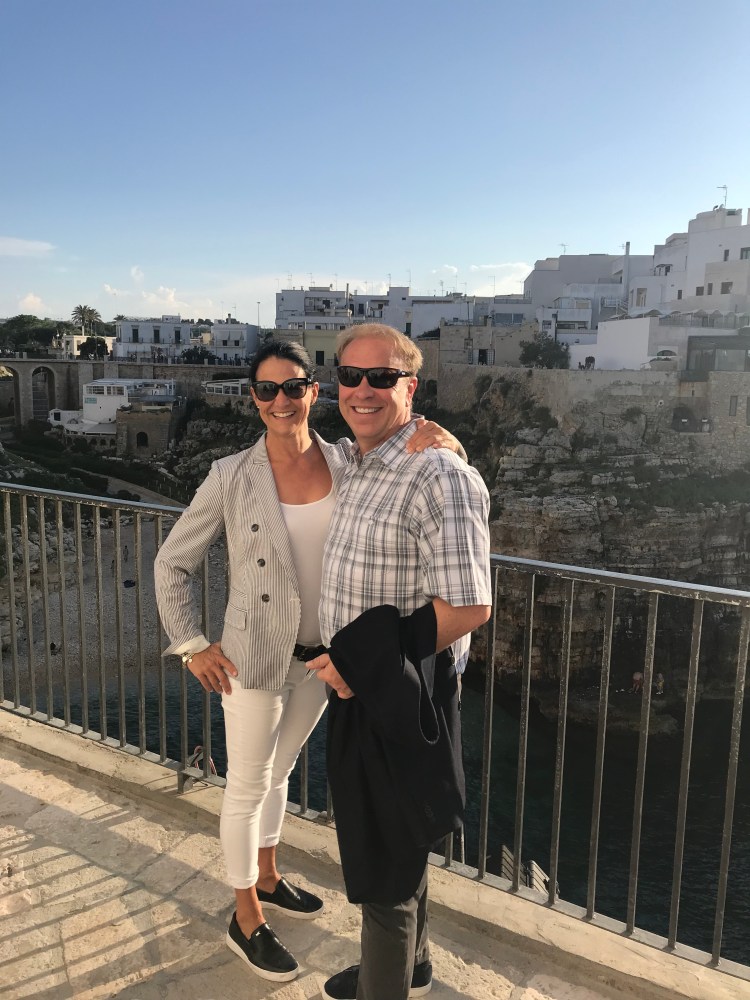
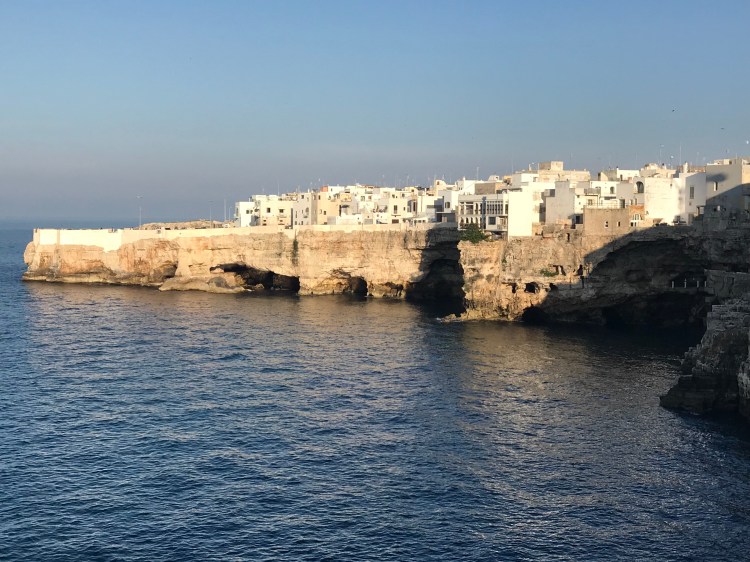
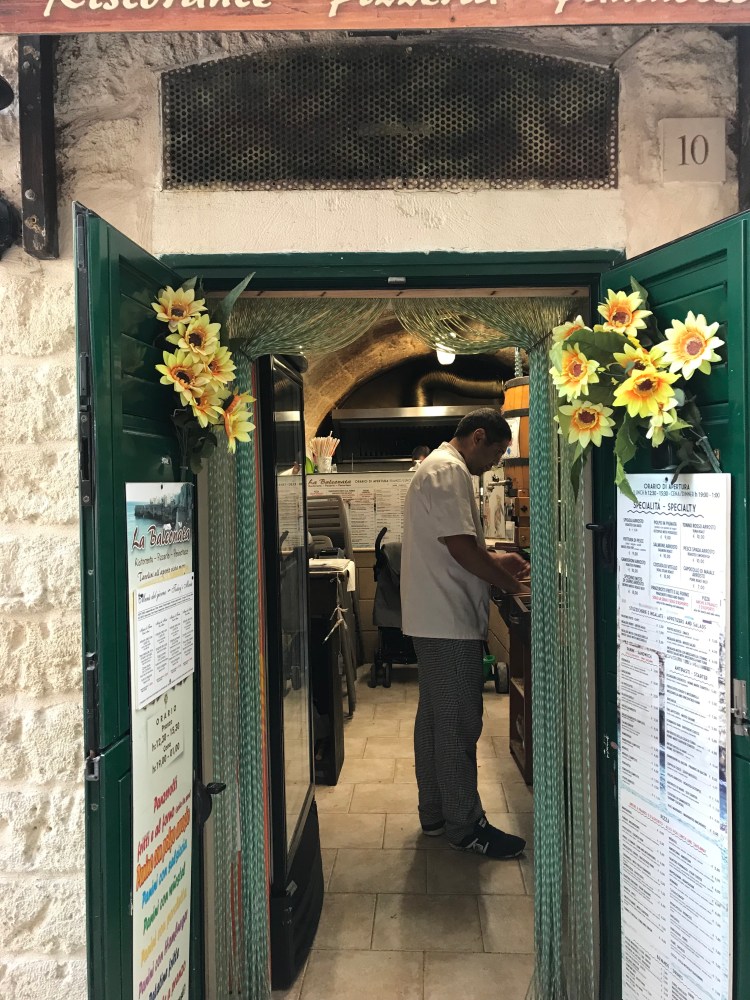
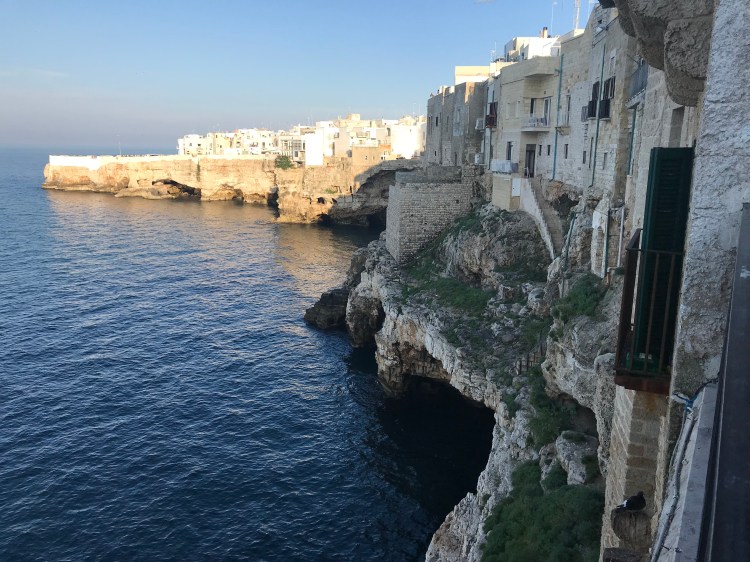
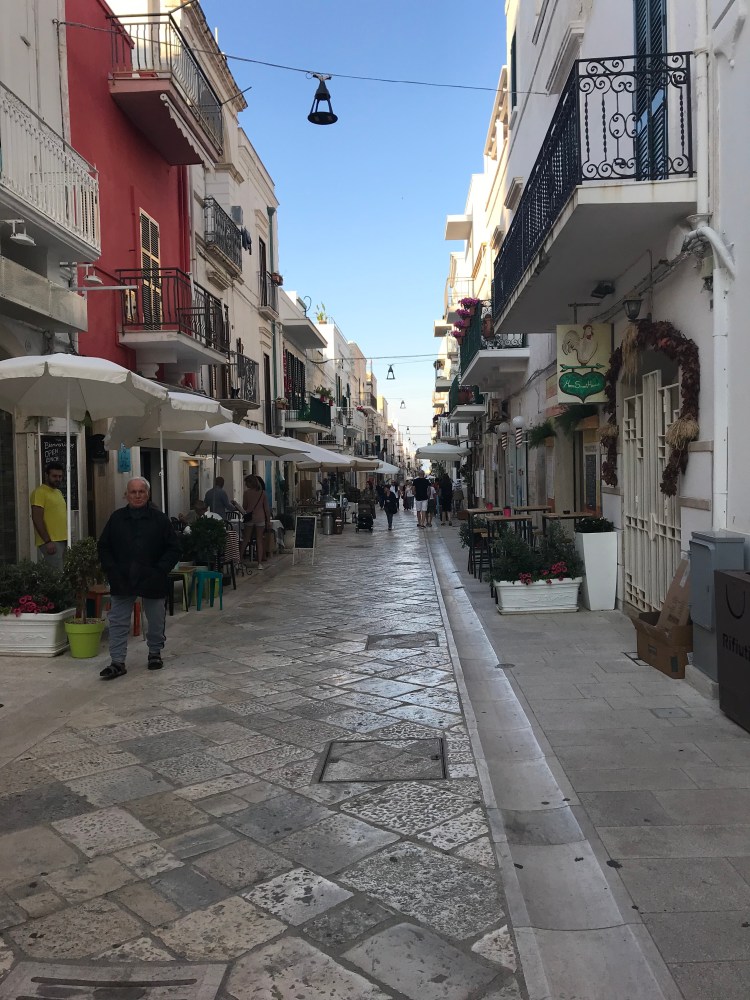
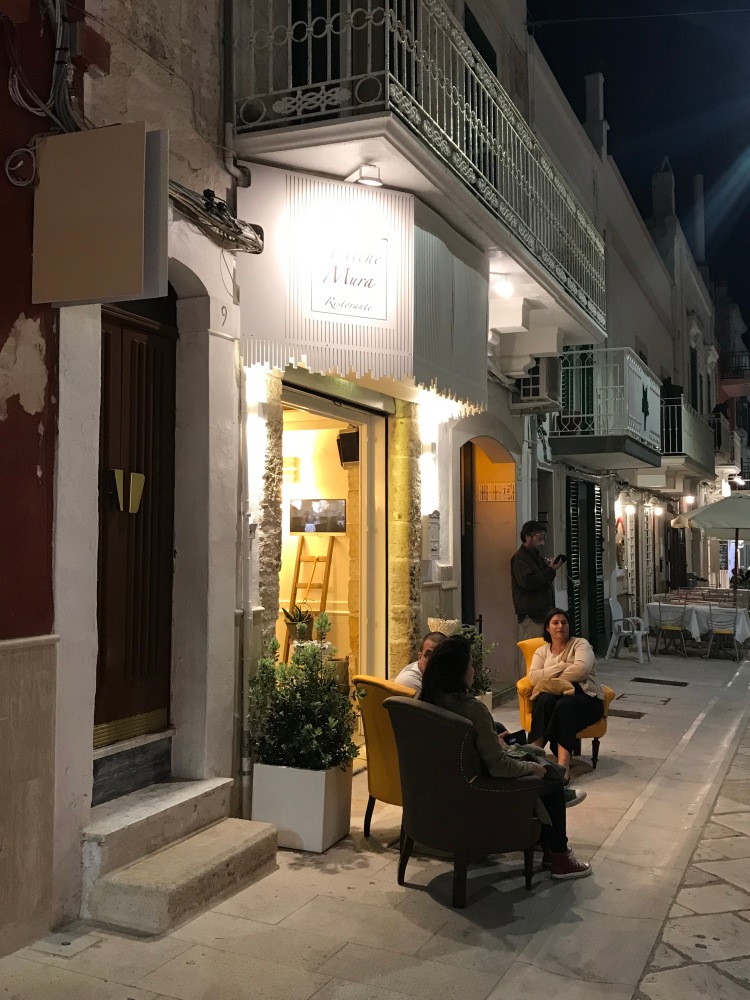
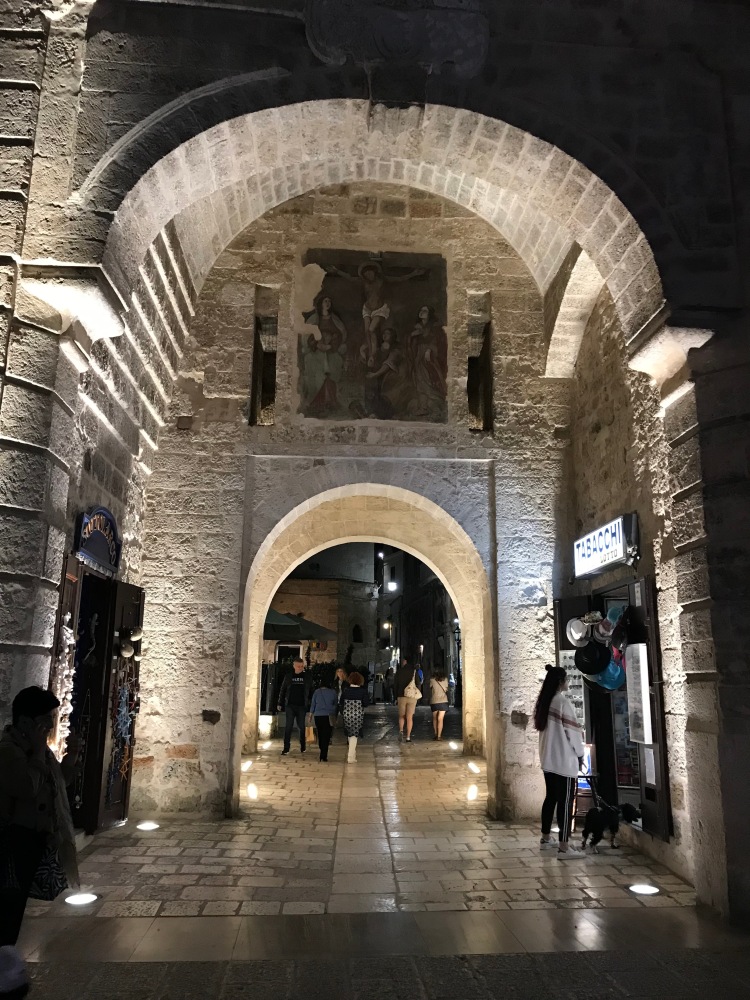
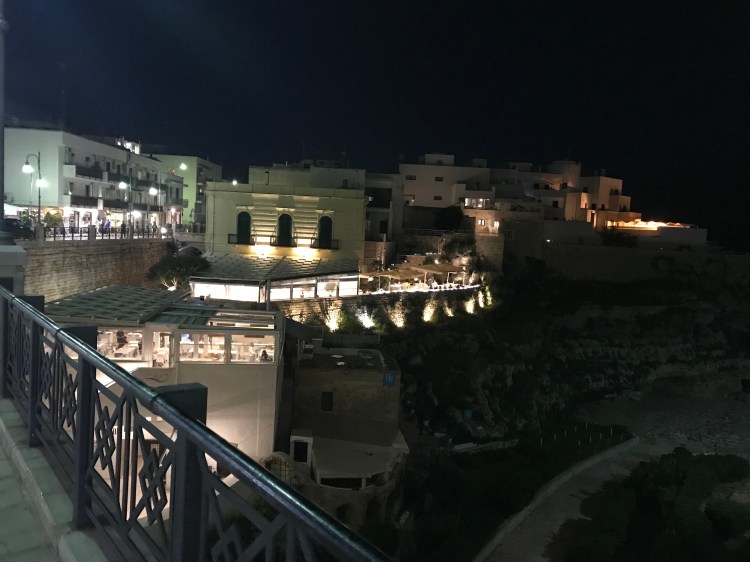
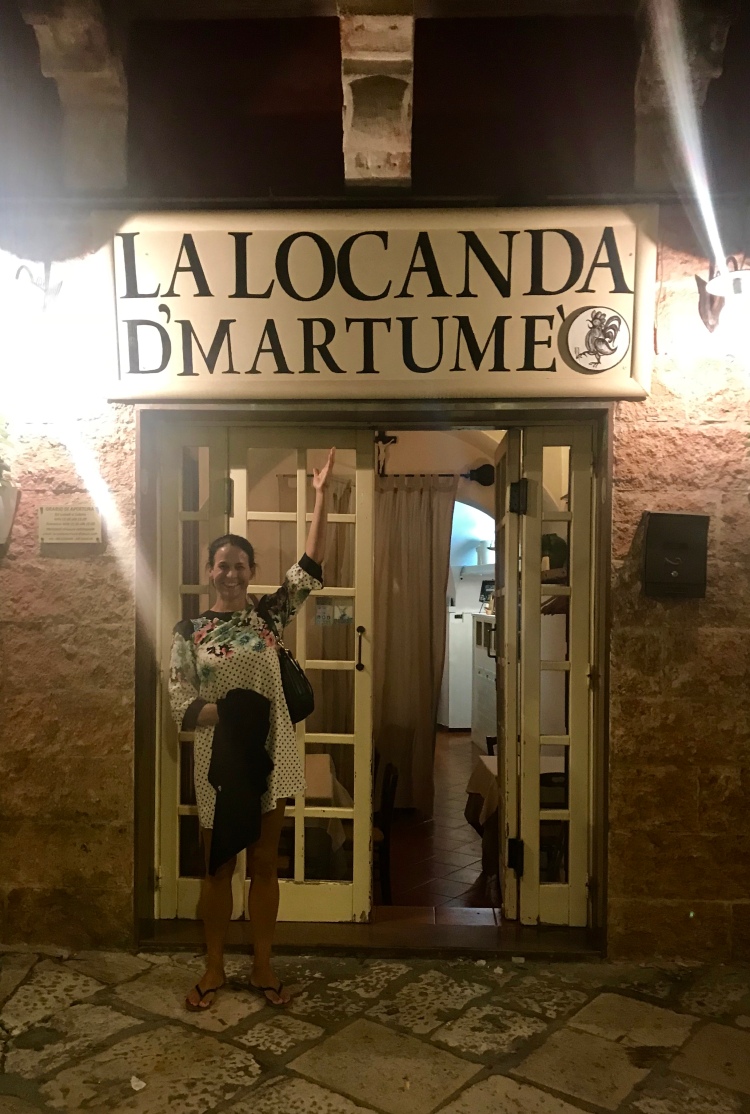
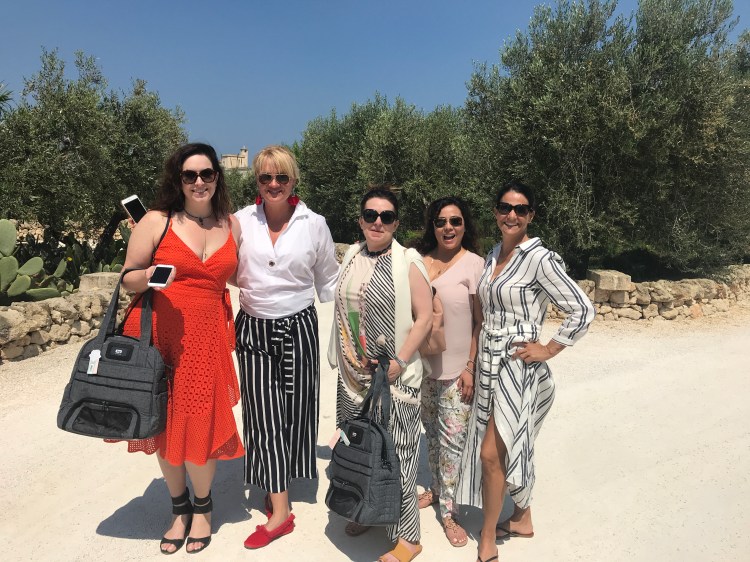
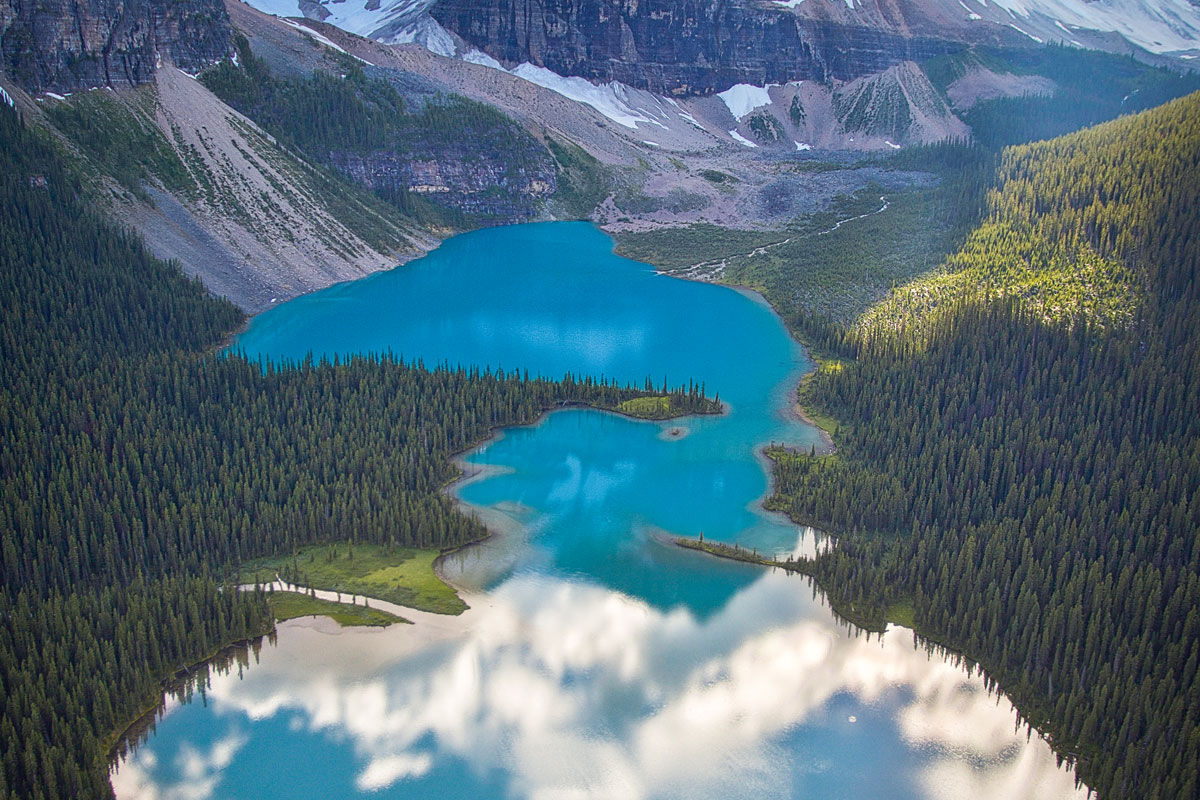
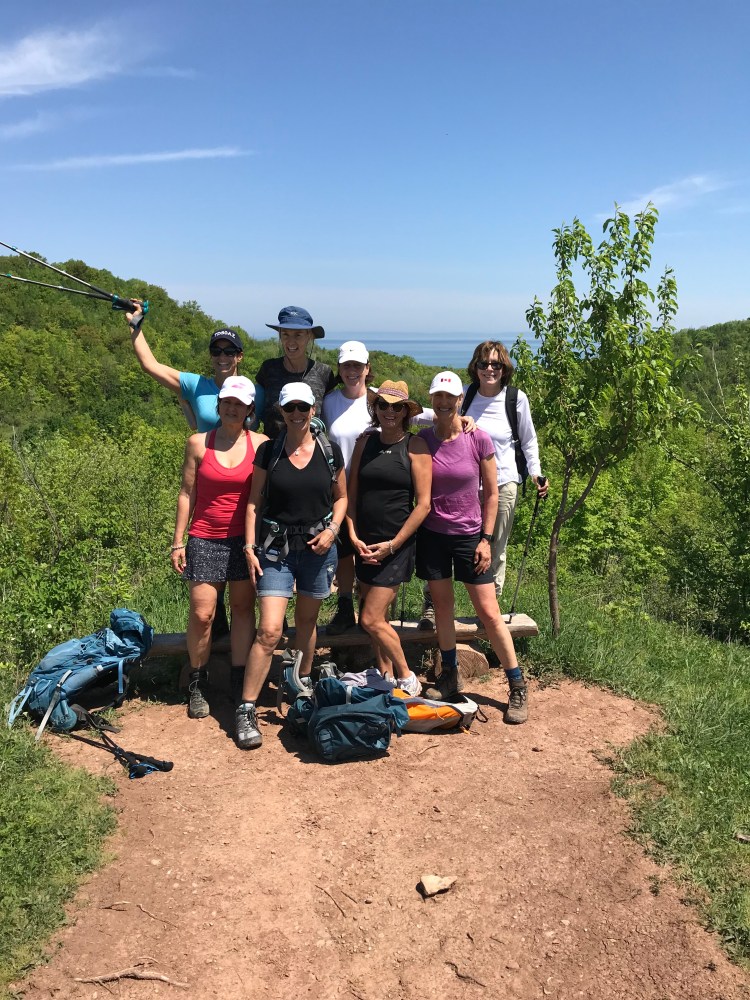


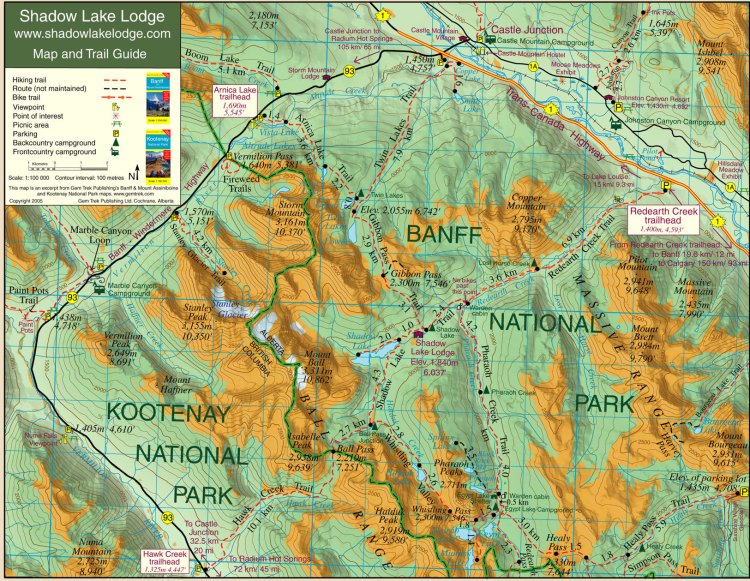 Our destination is Shadow Lake Lodge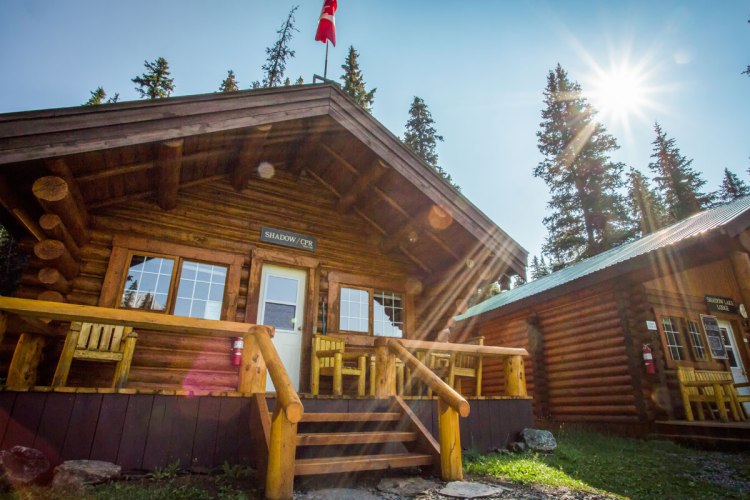
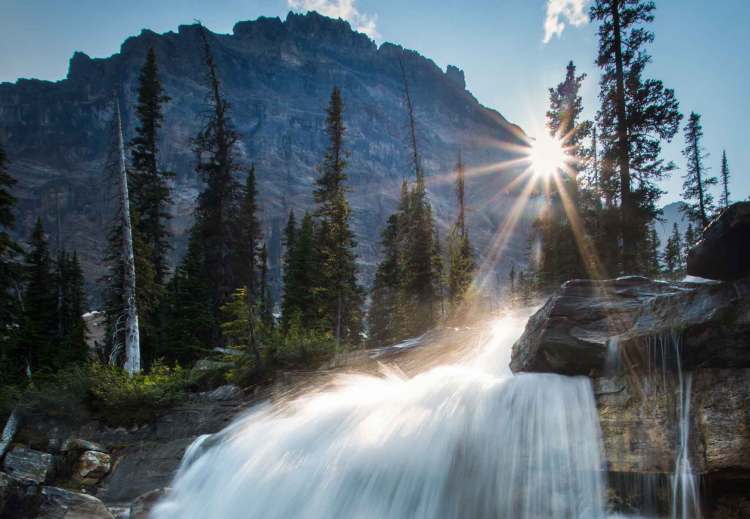
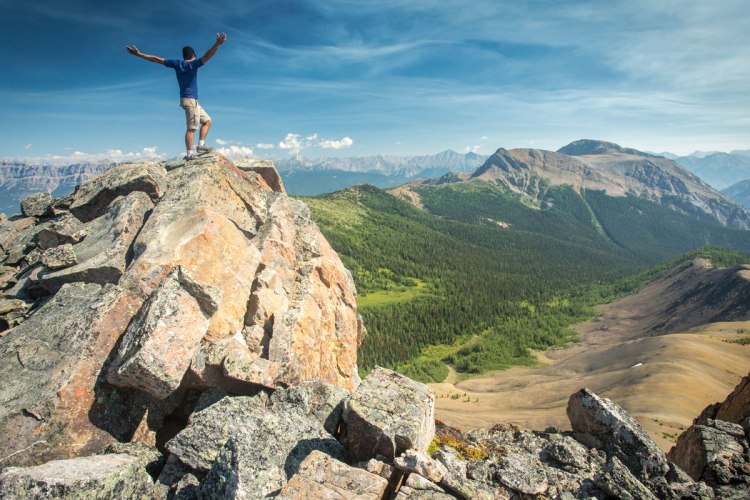
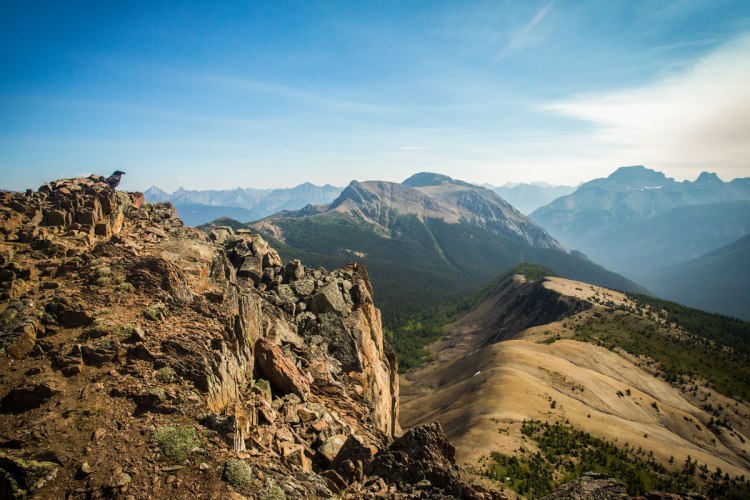
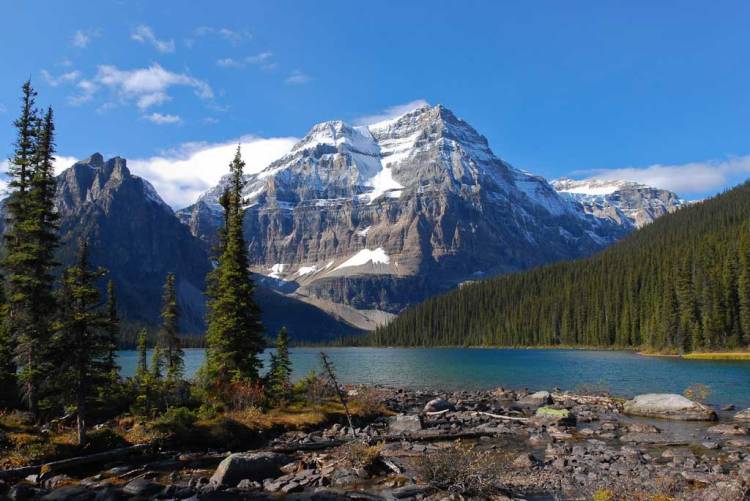
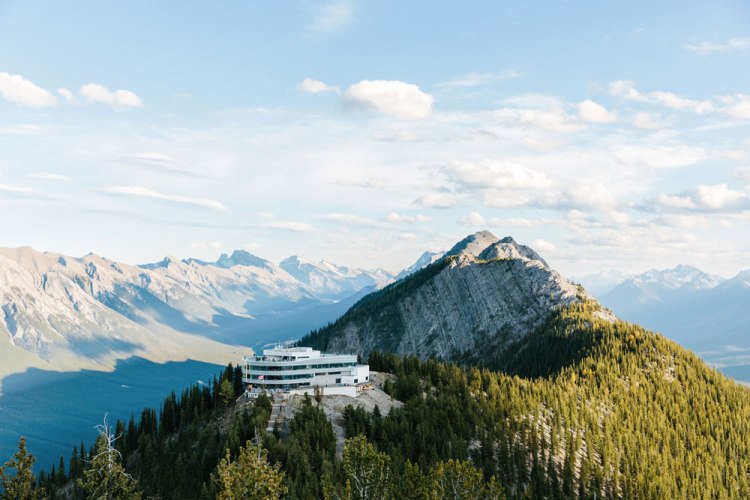
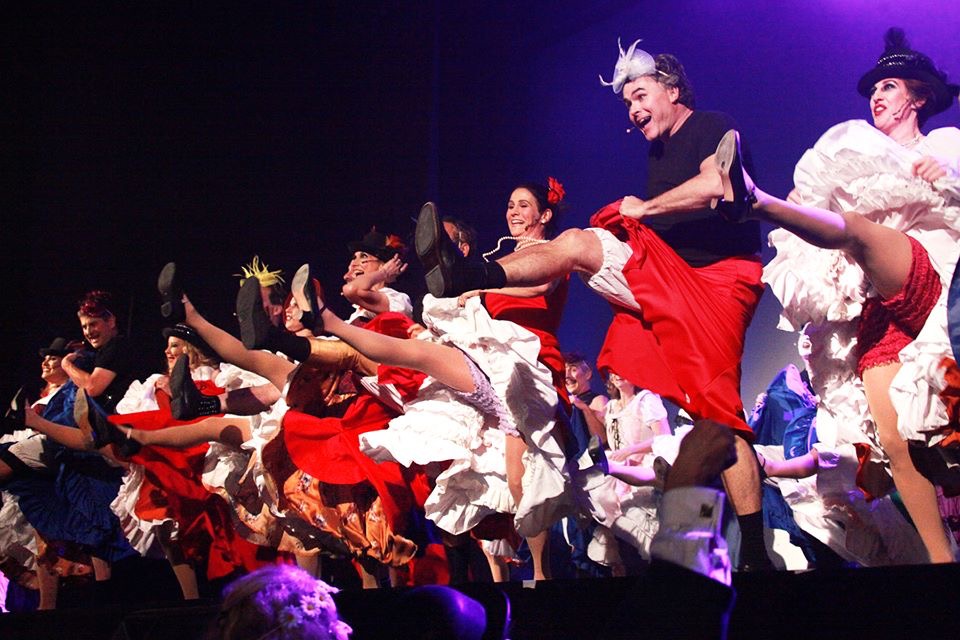
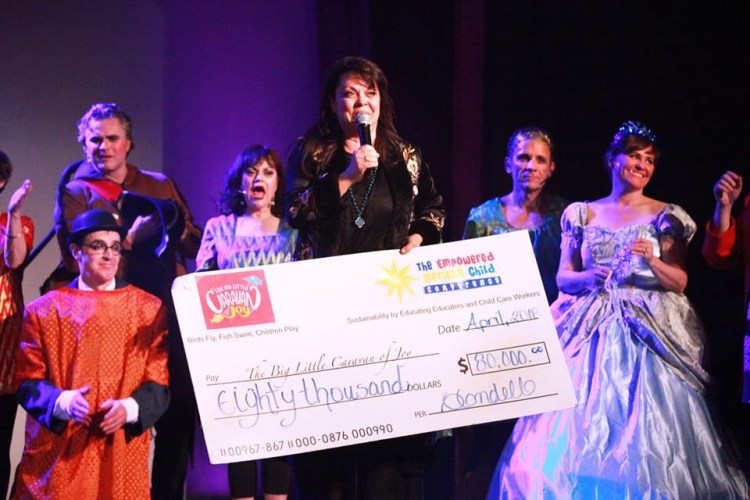
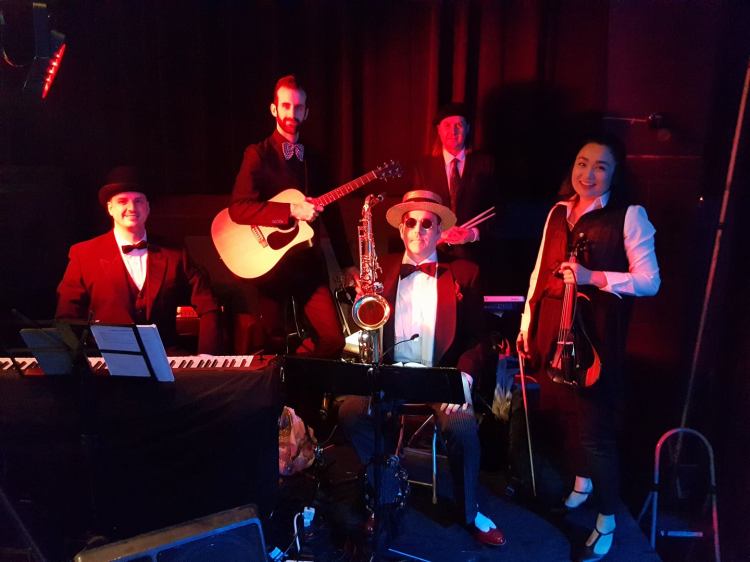


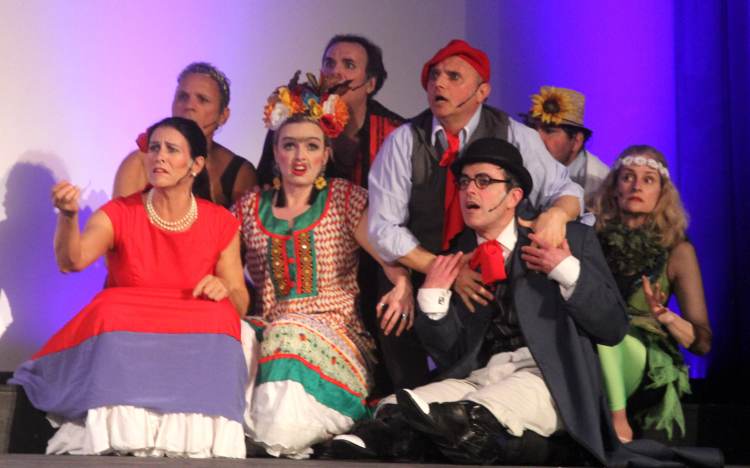
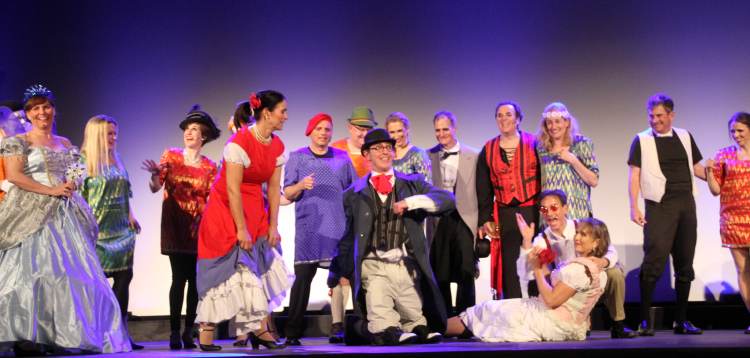

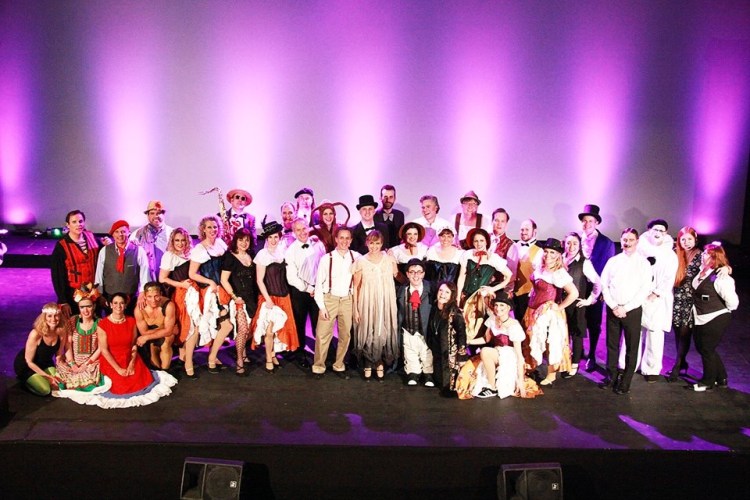
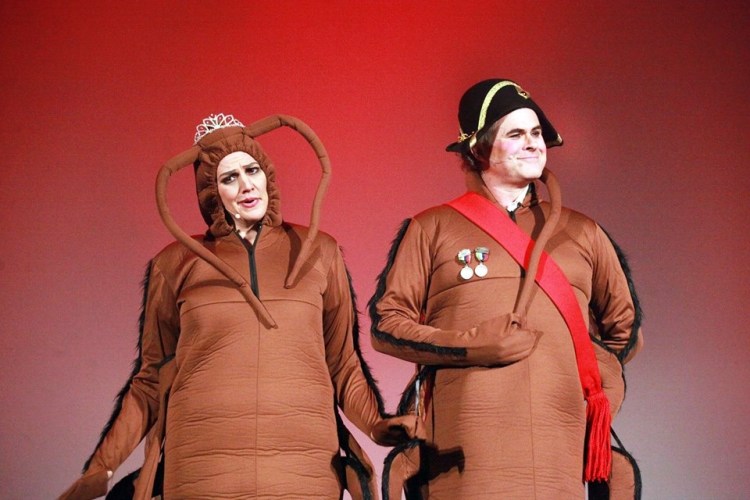
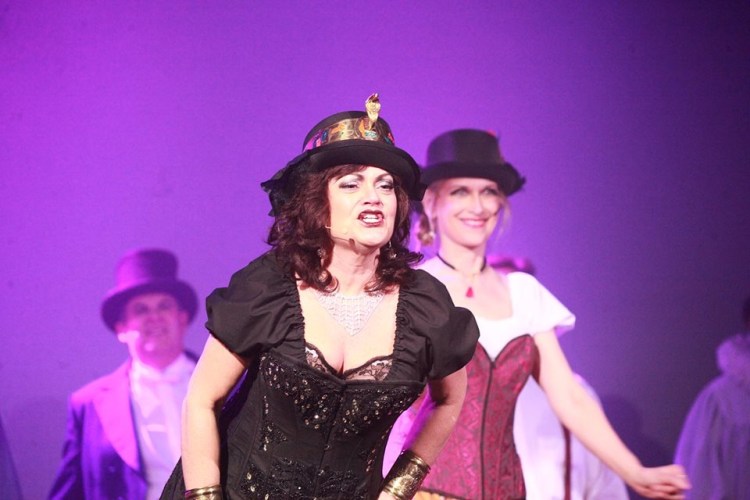
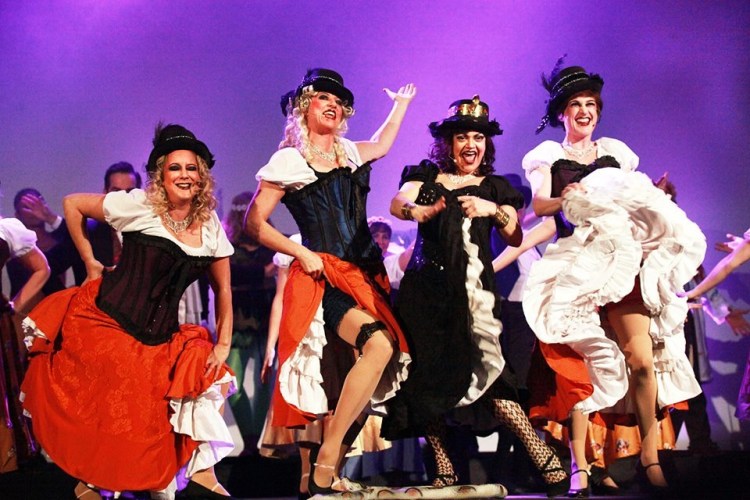
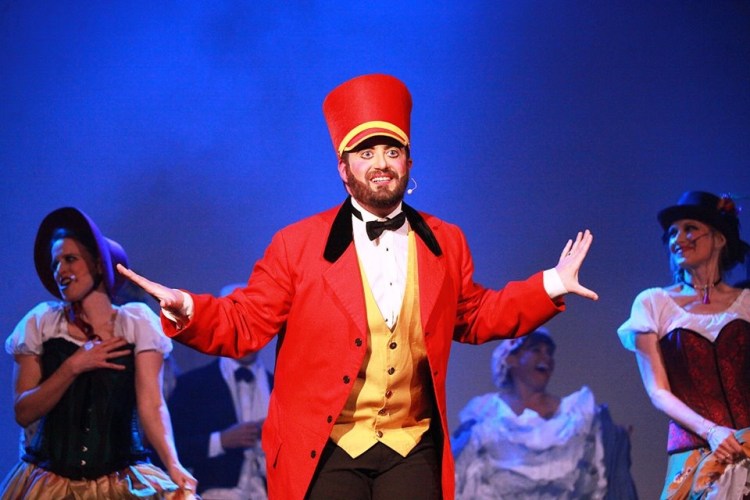
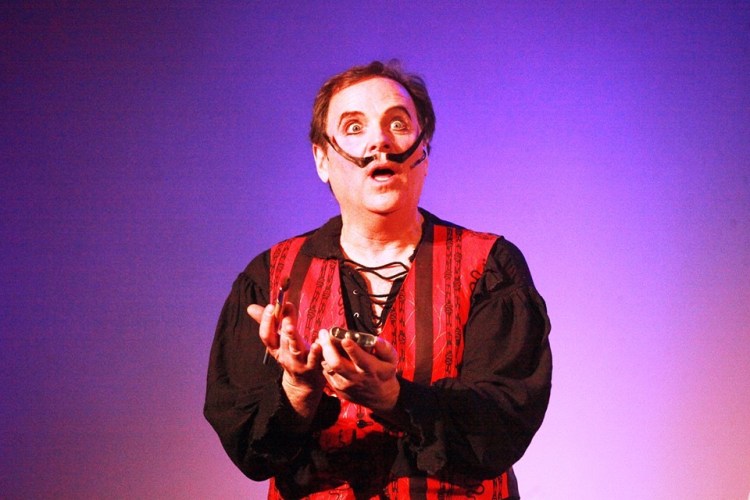
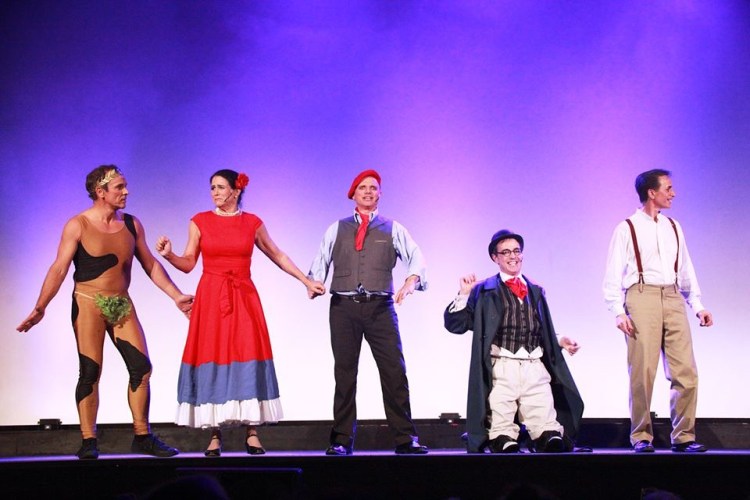
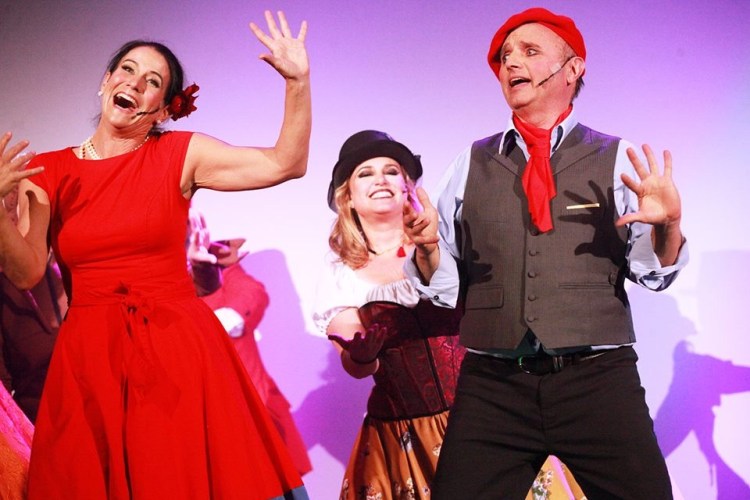
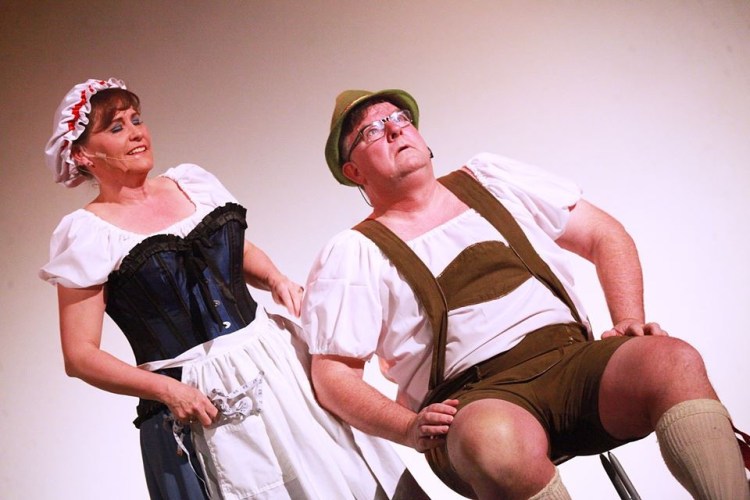
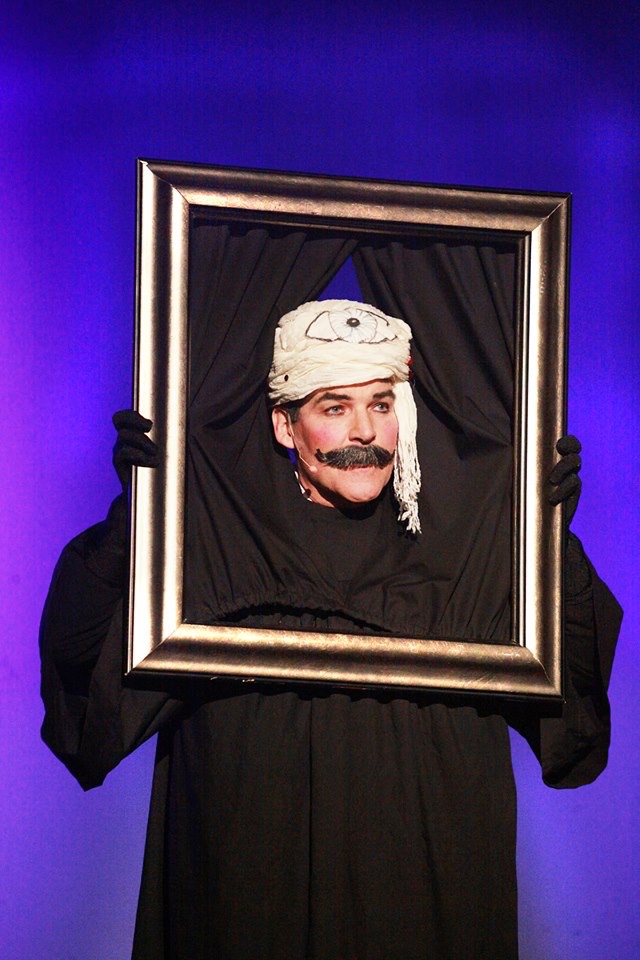
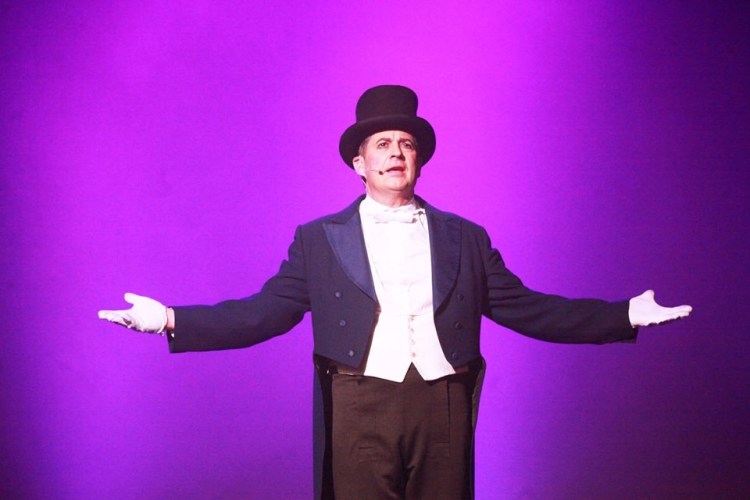
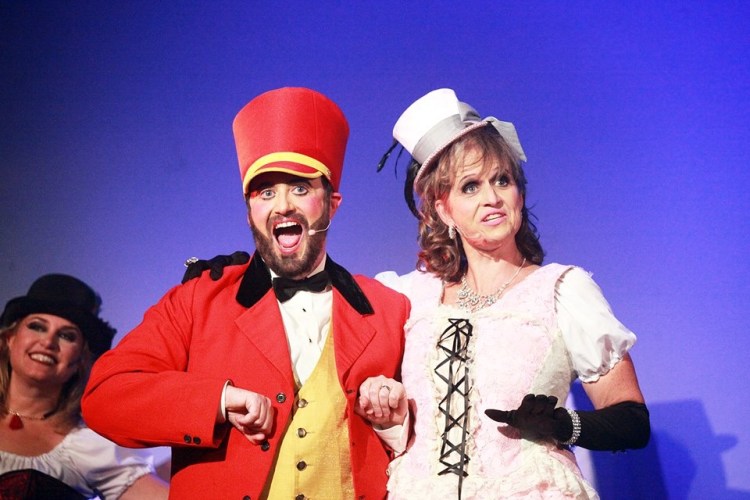
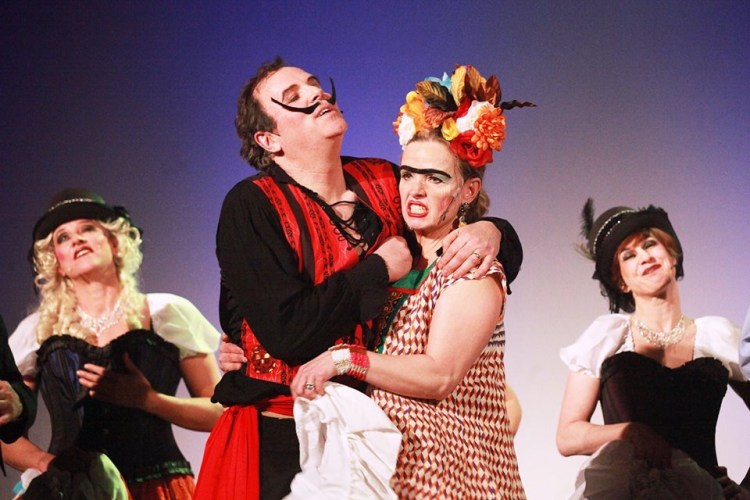
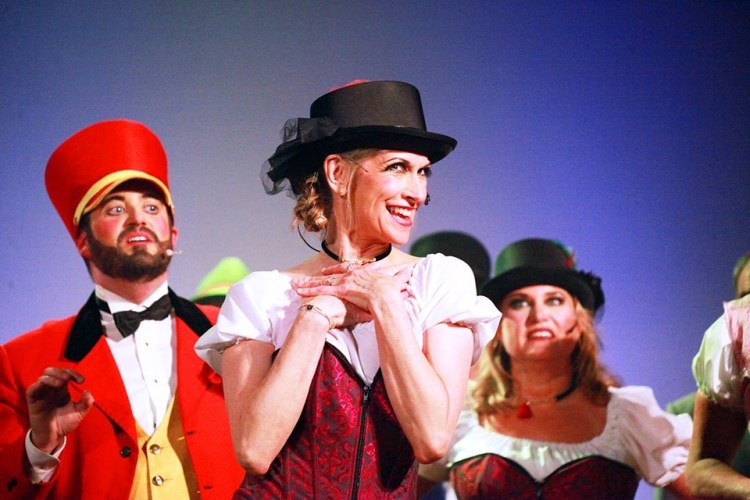
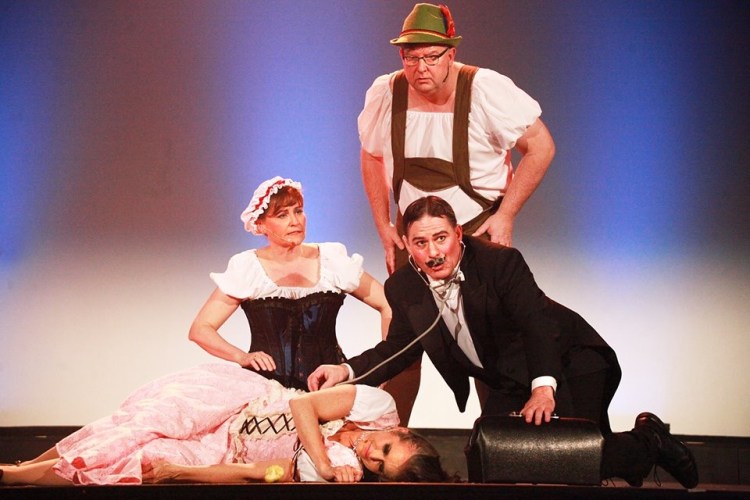
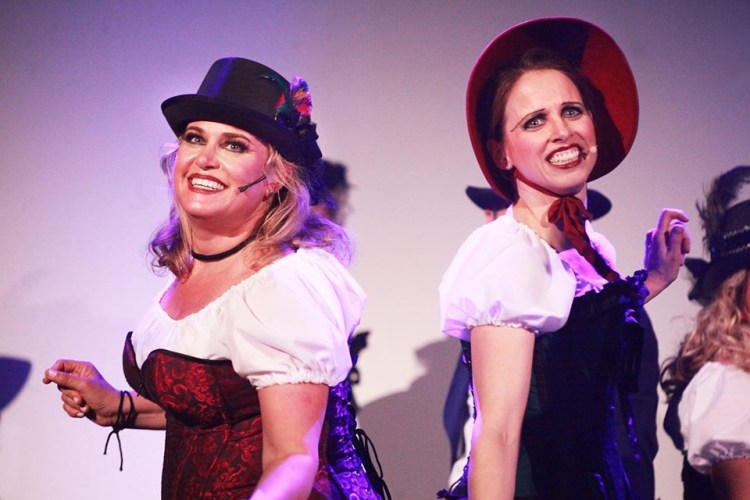
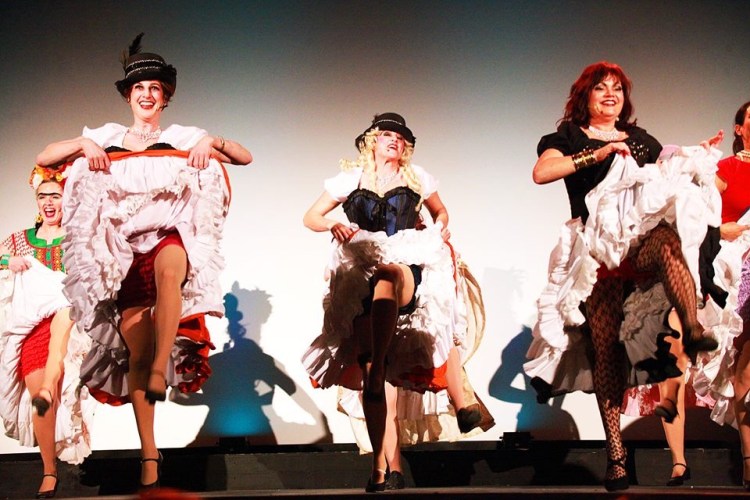
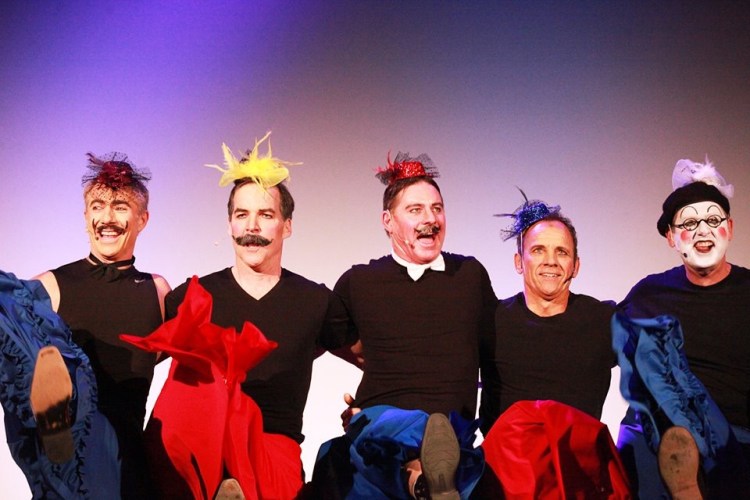
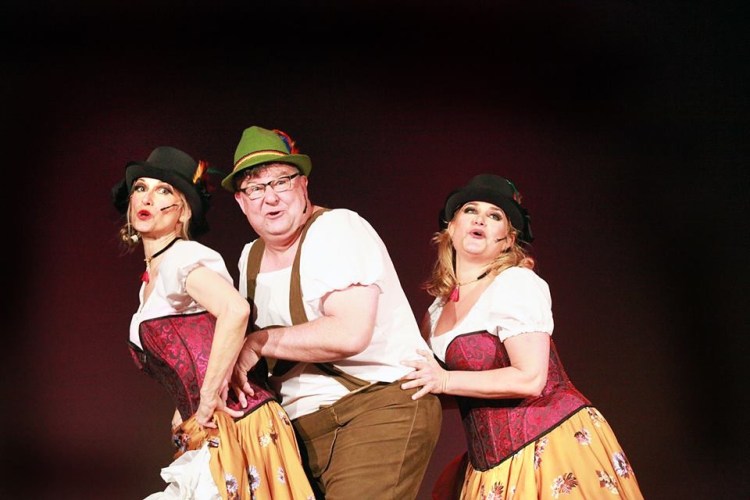


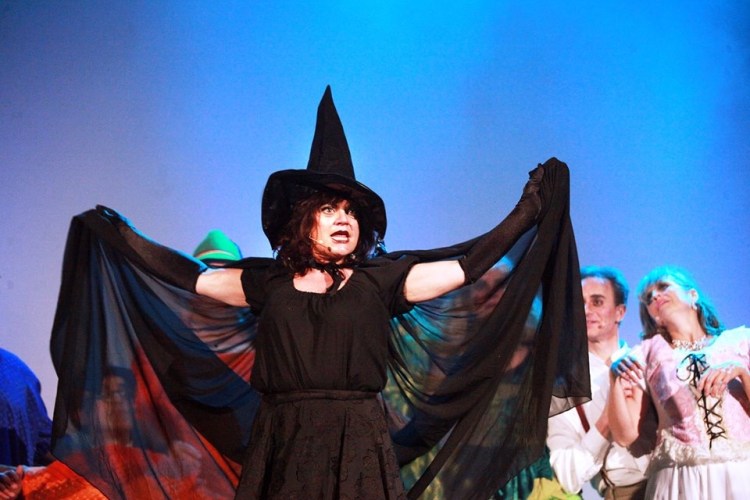
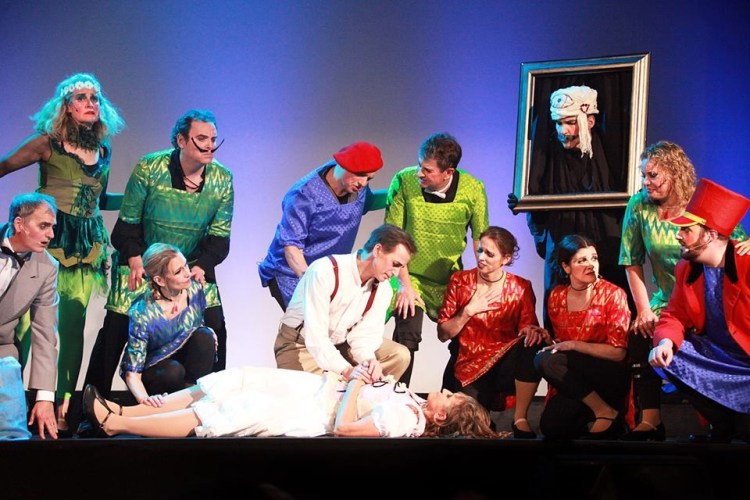
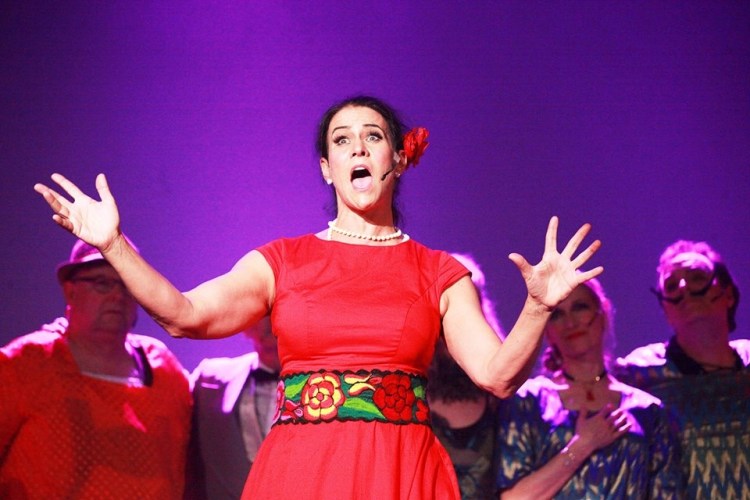


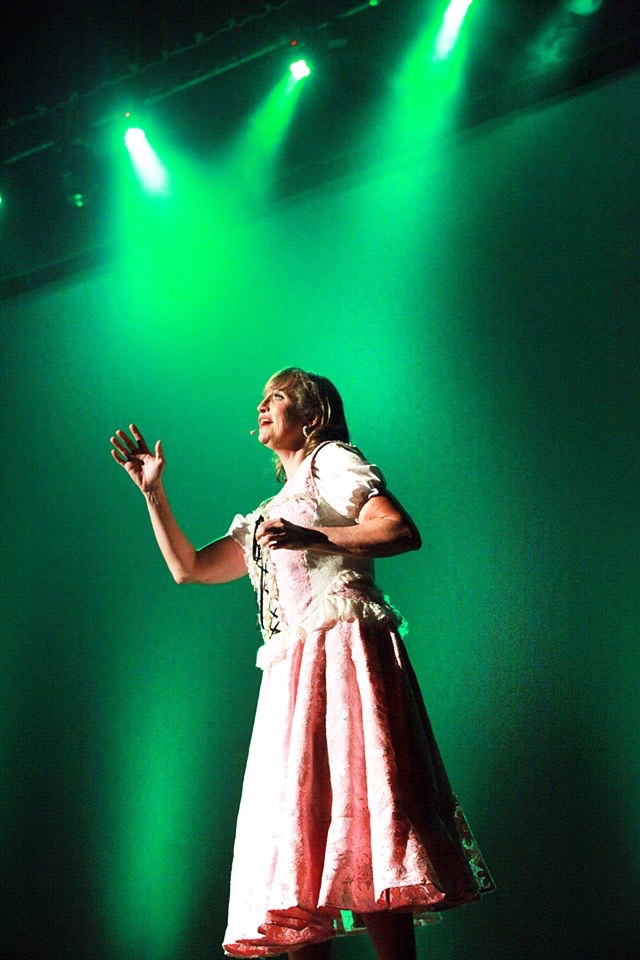
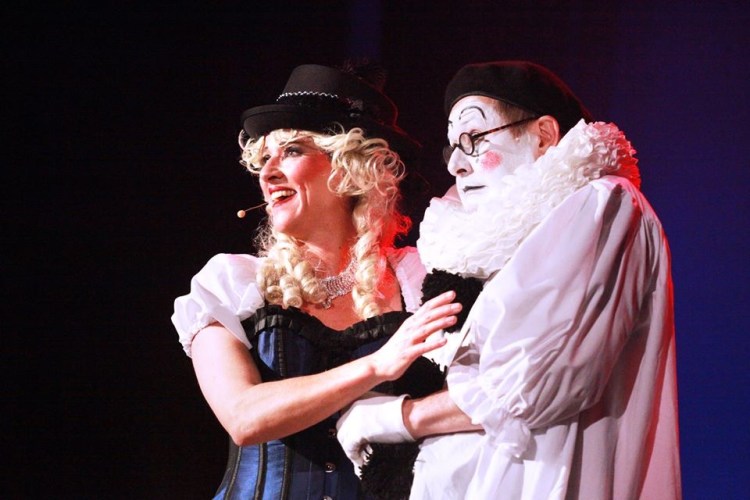
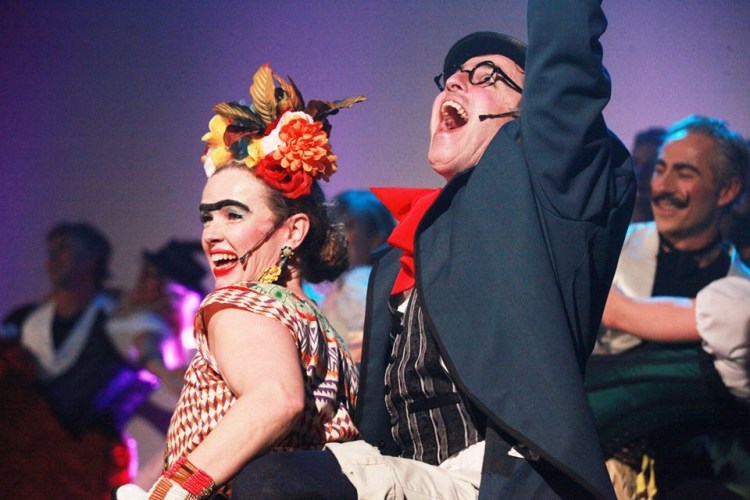
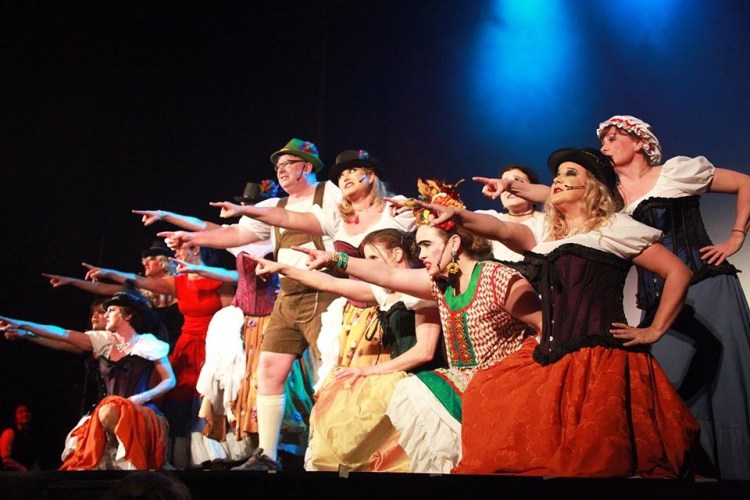

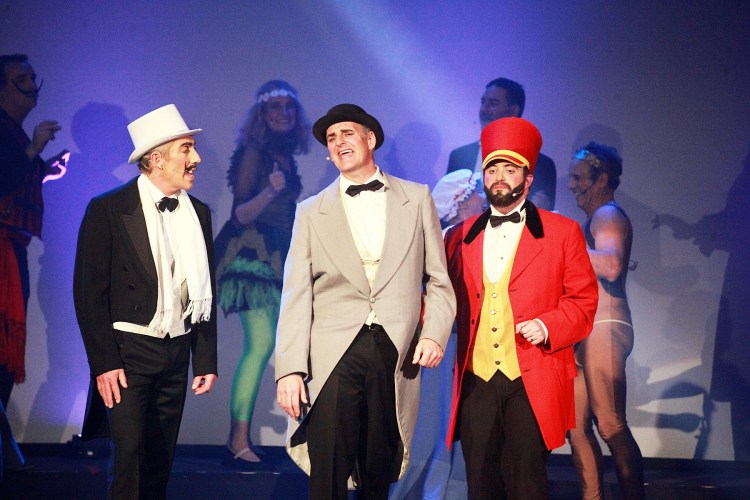

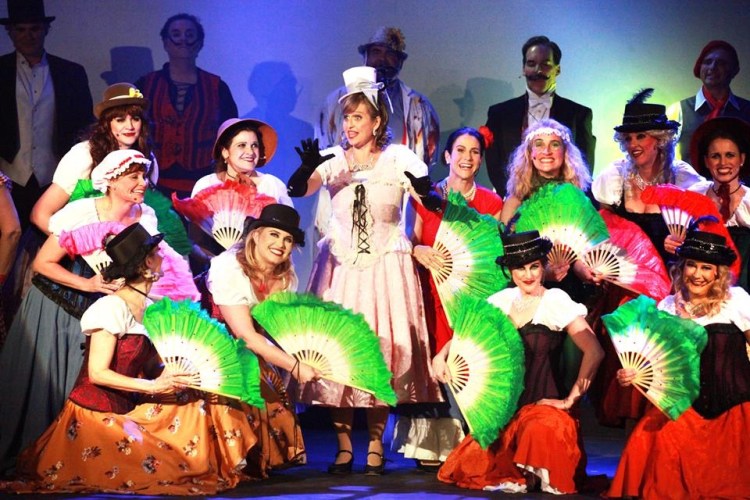
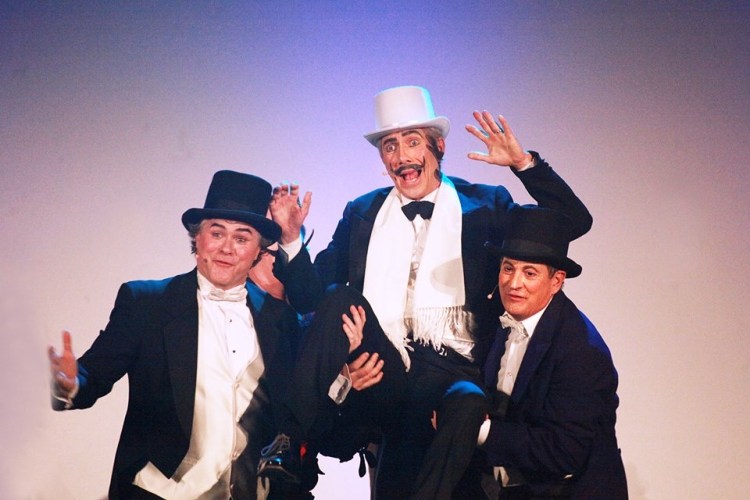
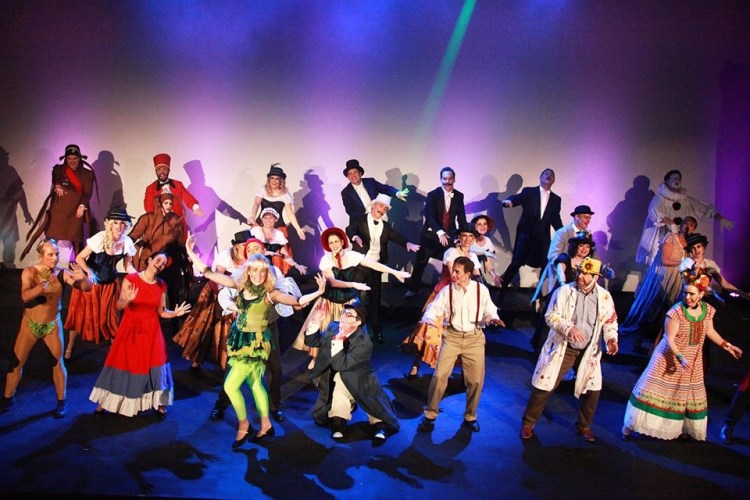

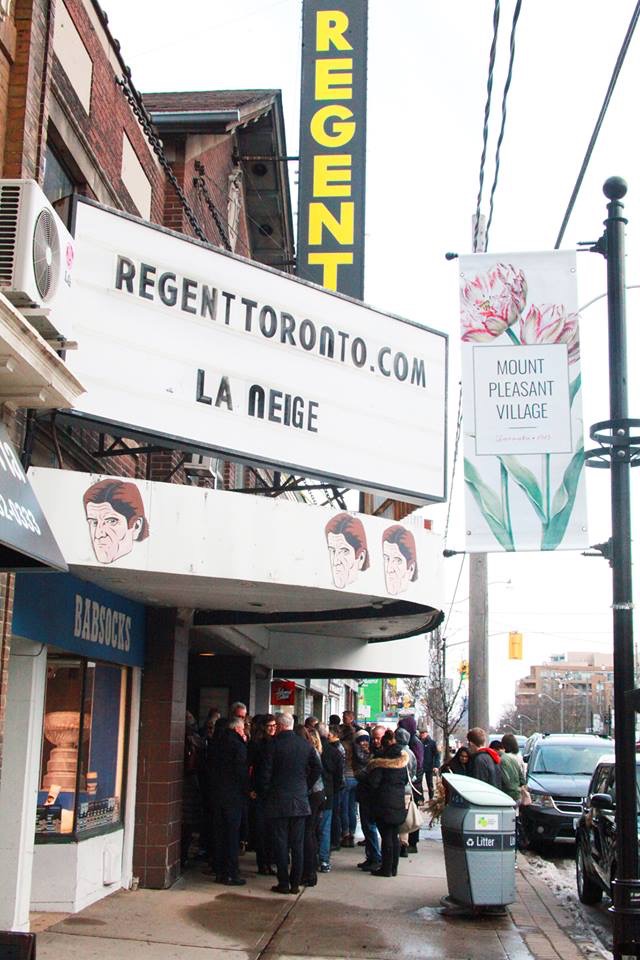
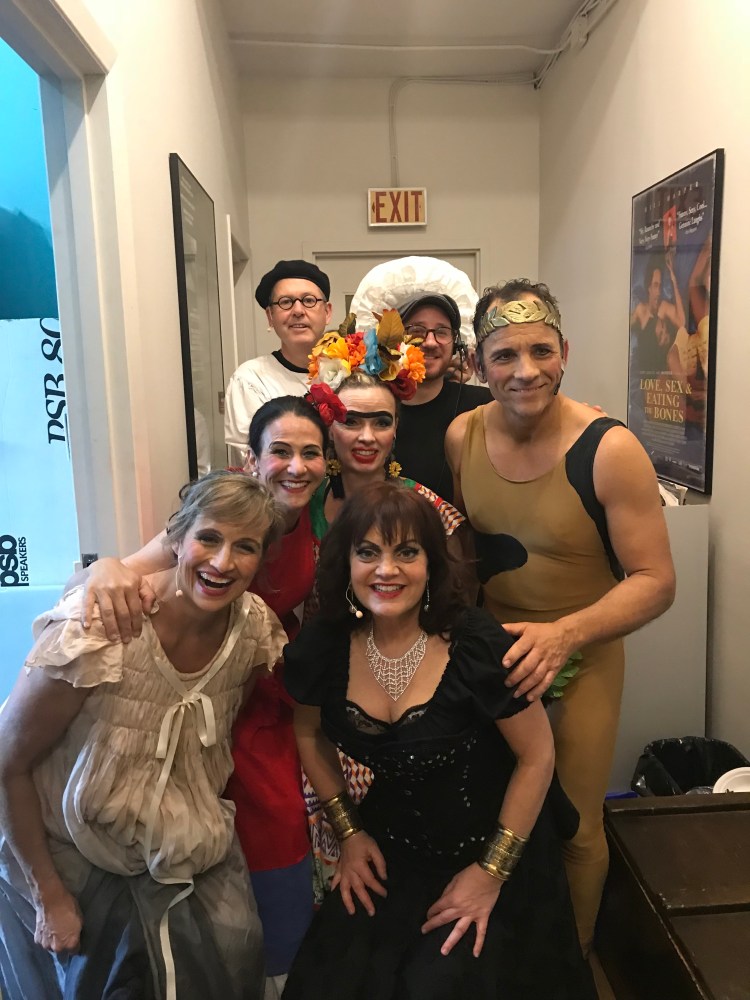
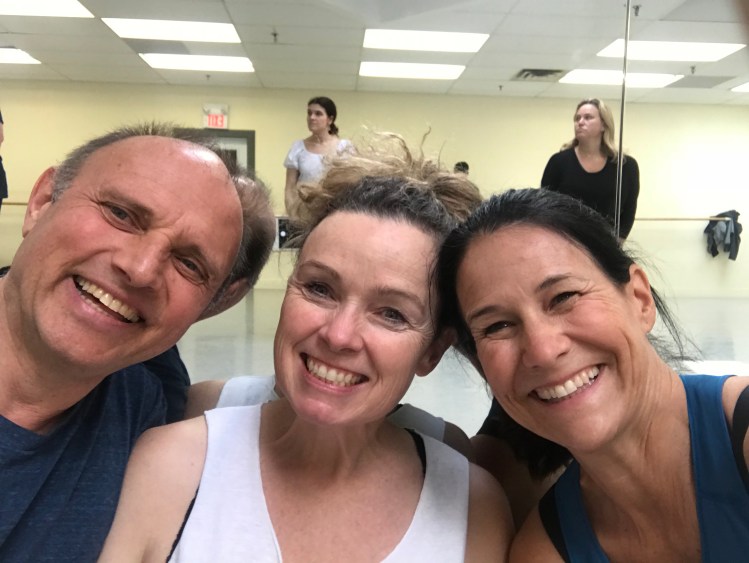 Rehearsal
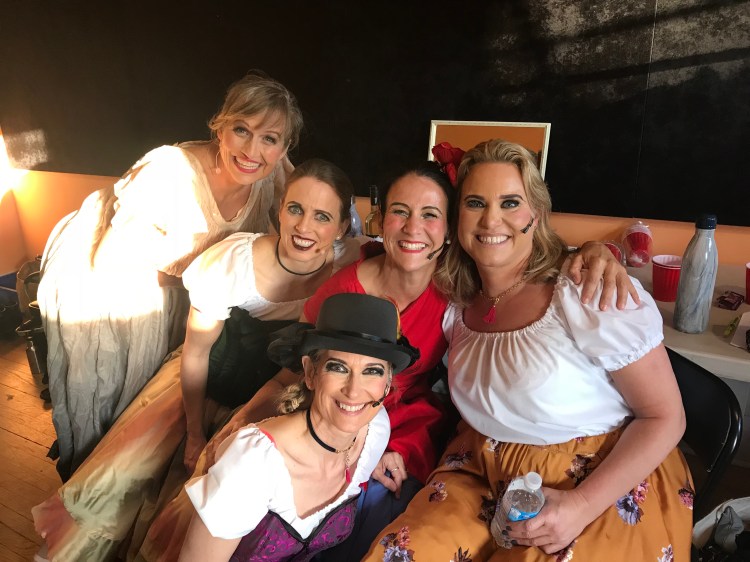
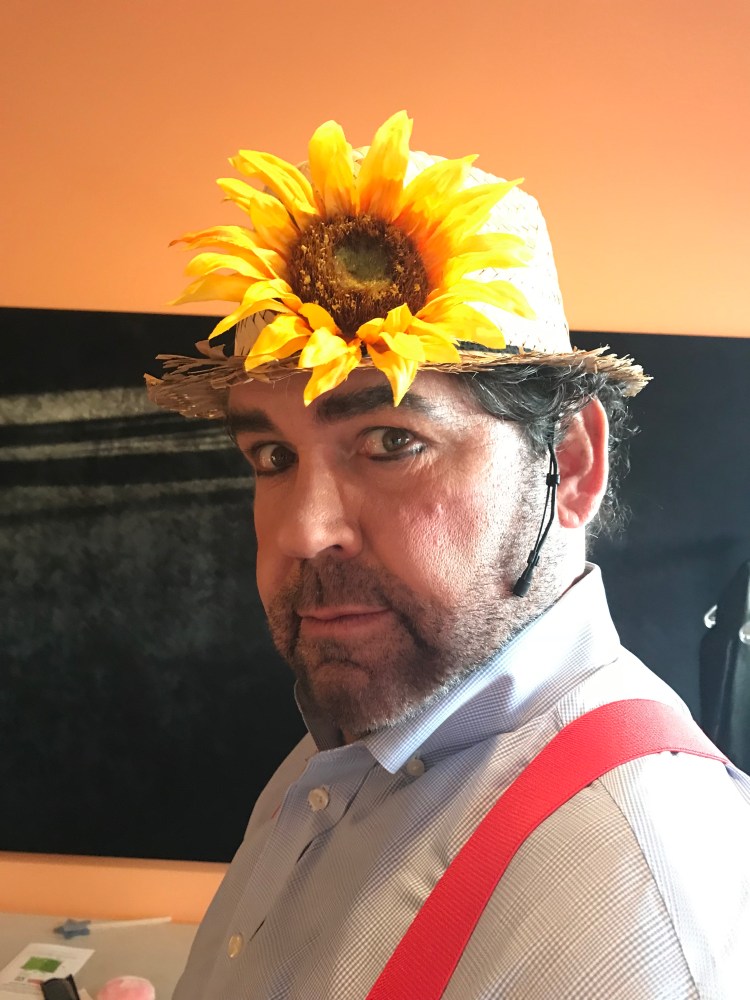
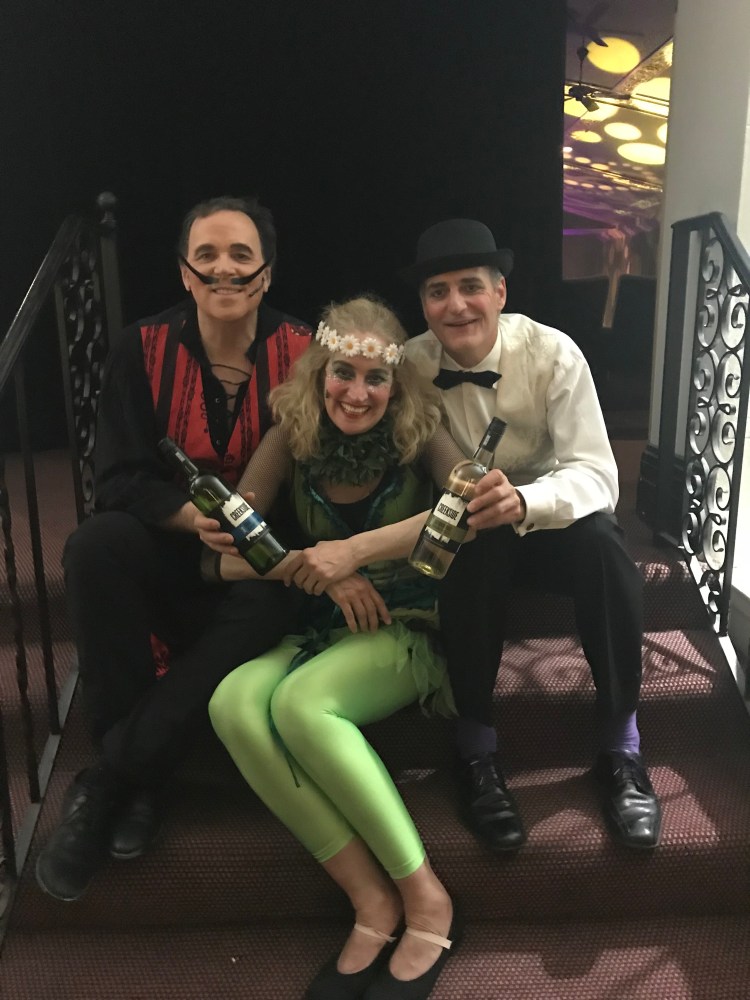
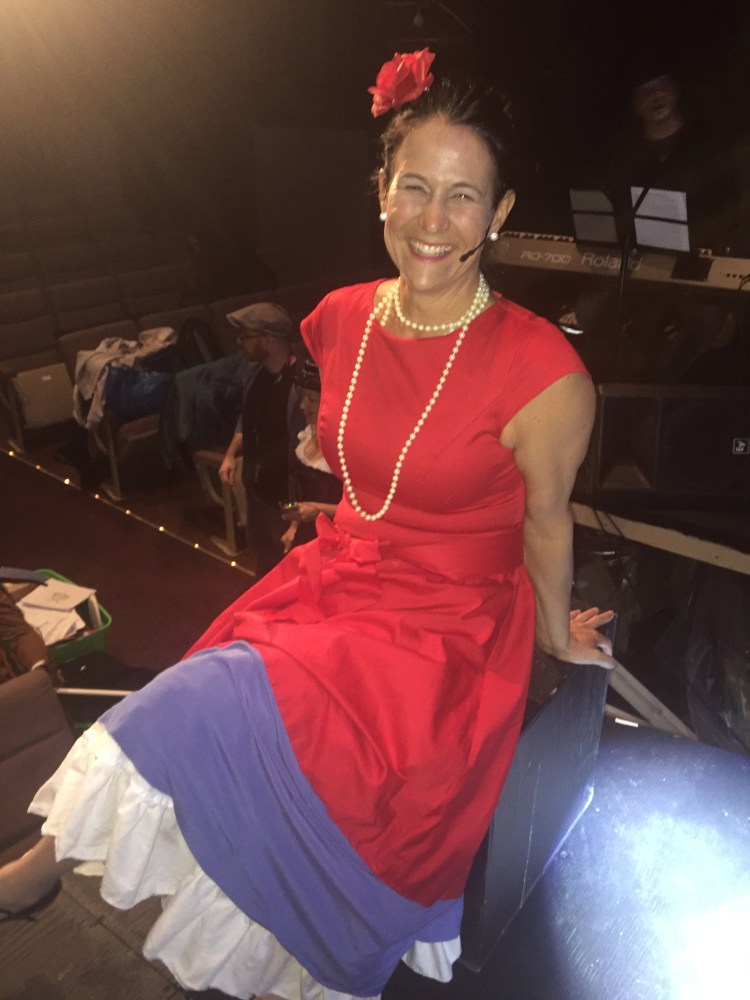
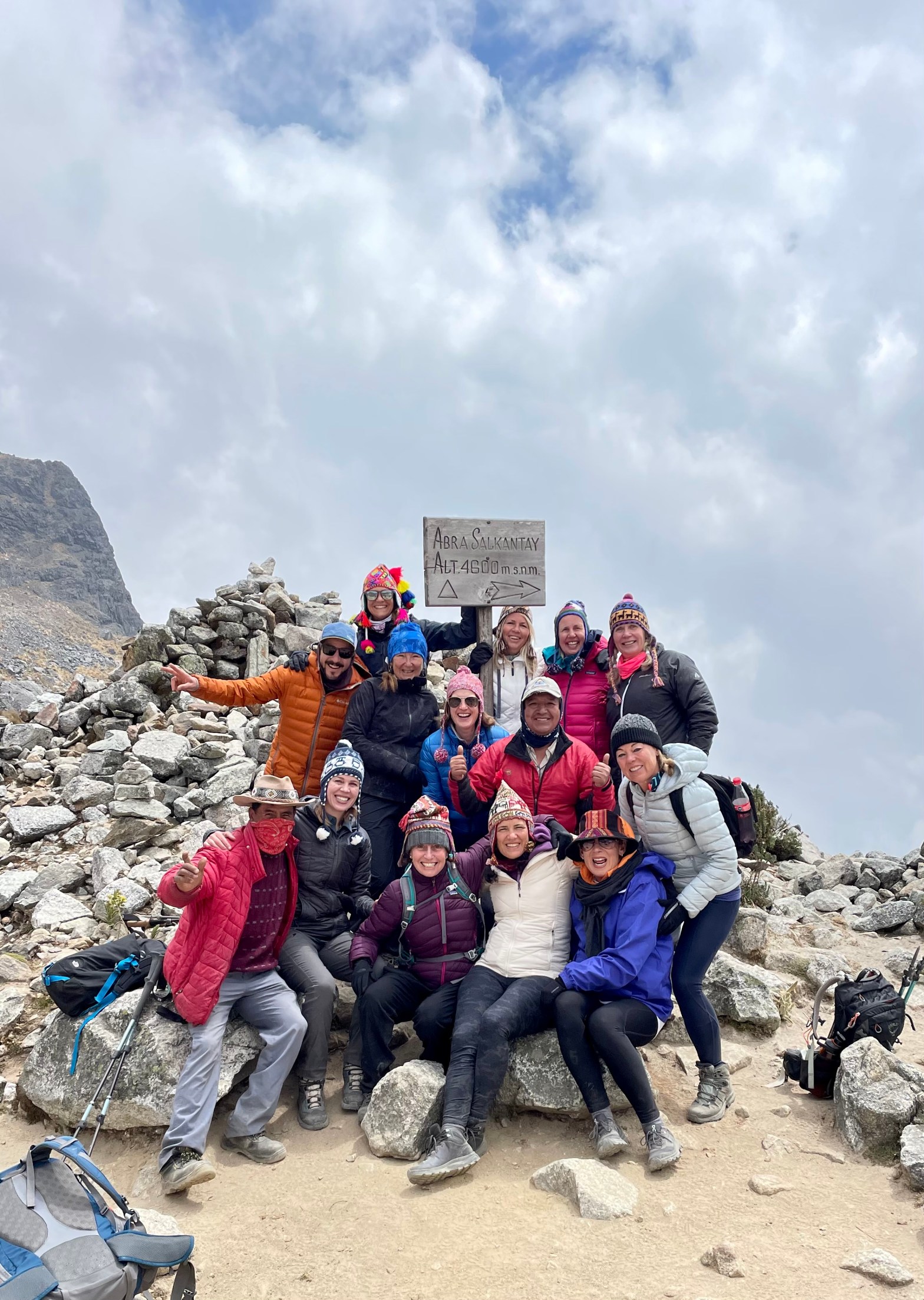
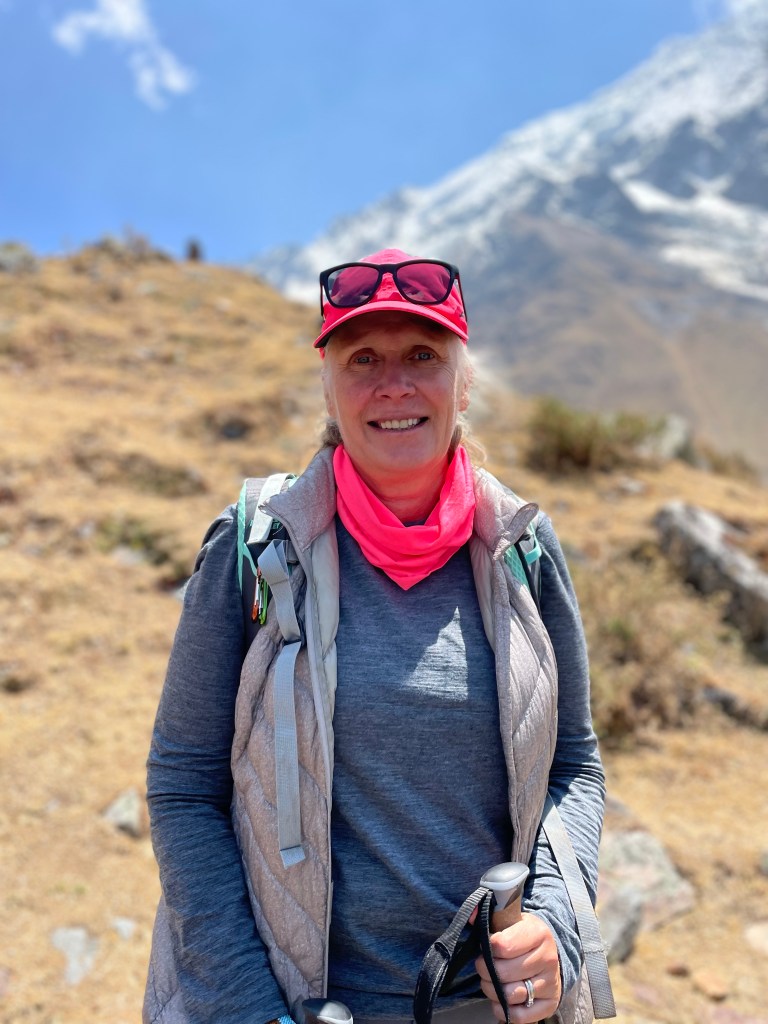
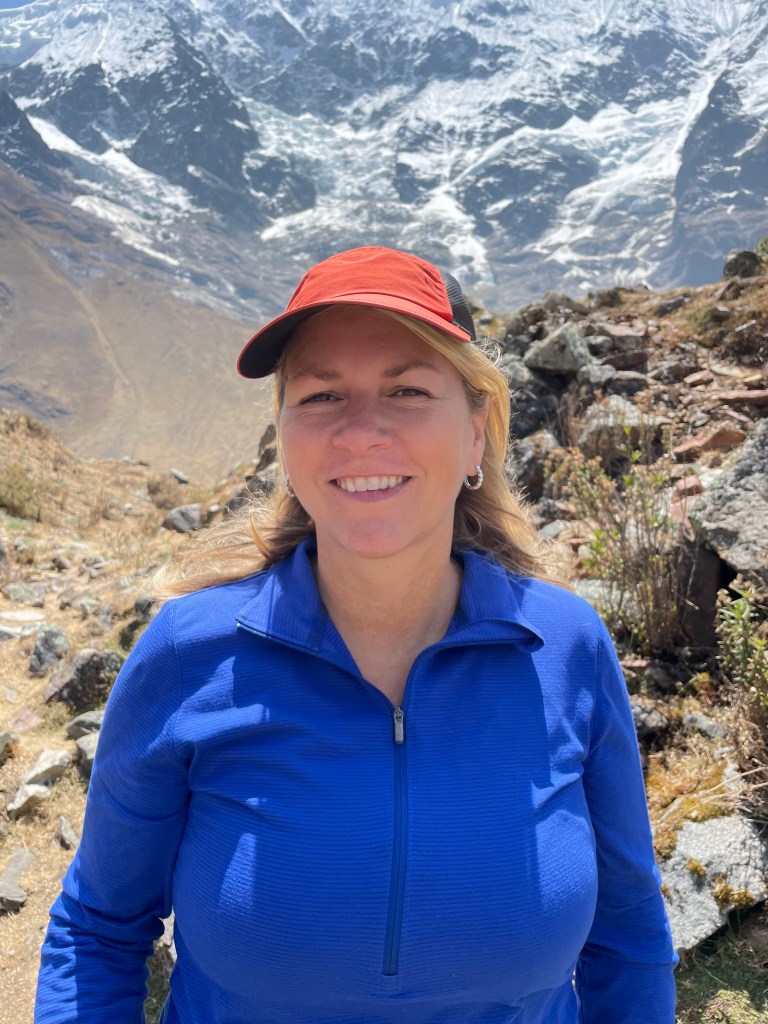
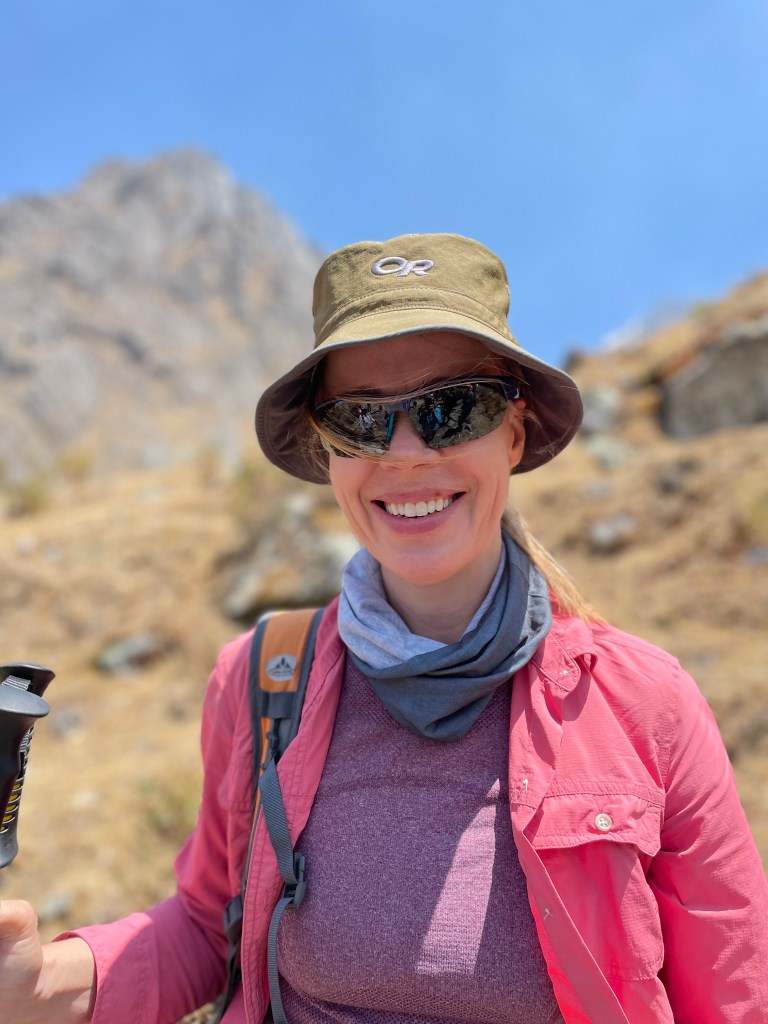
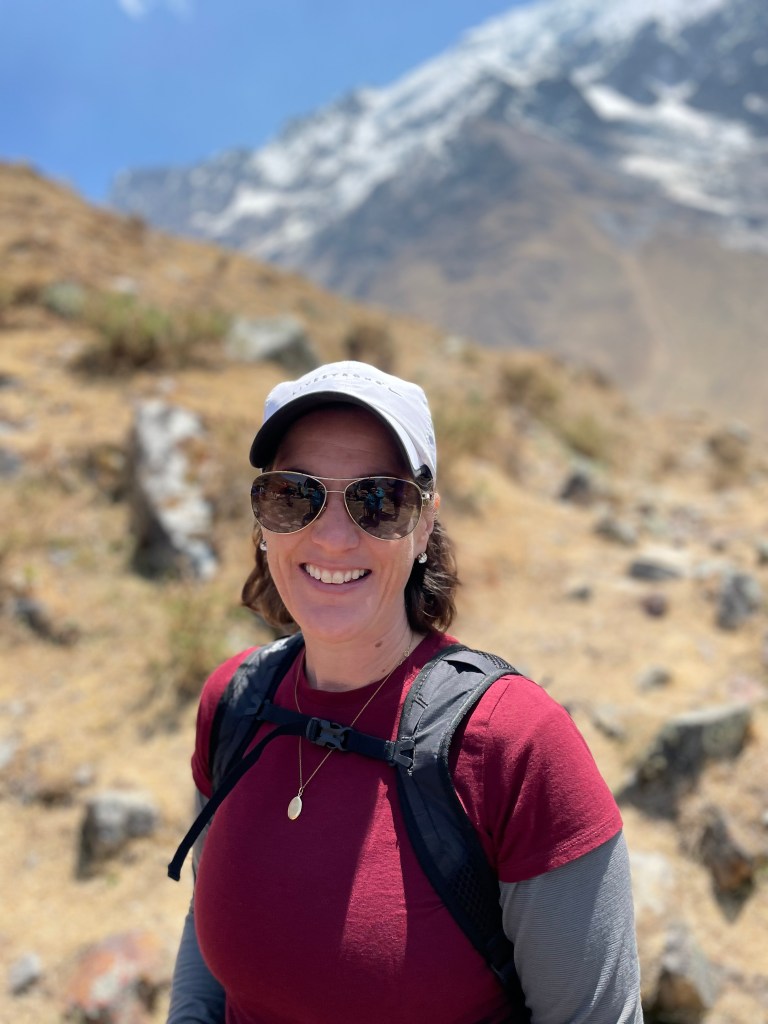
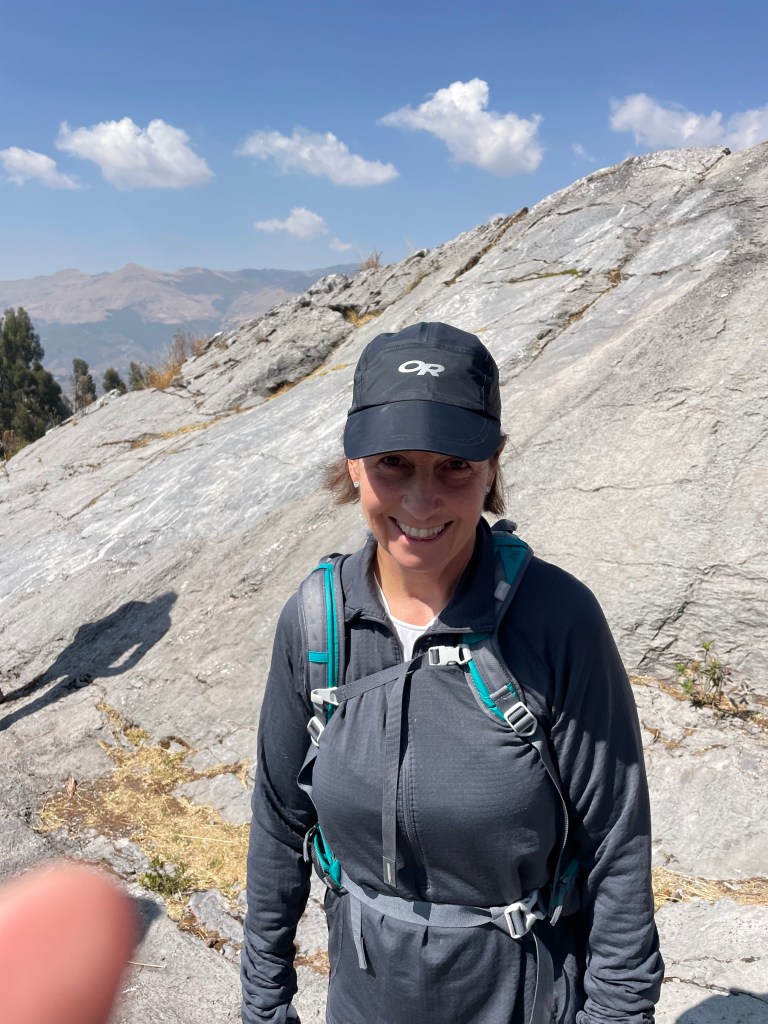
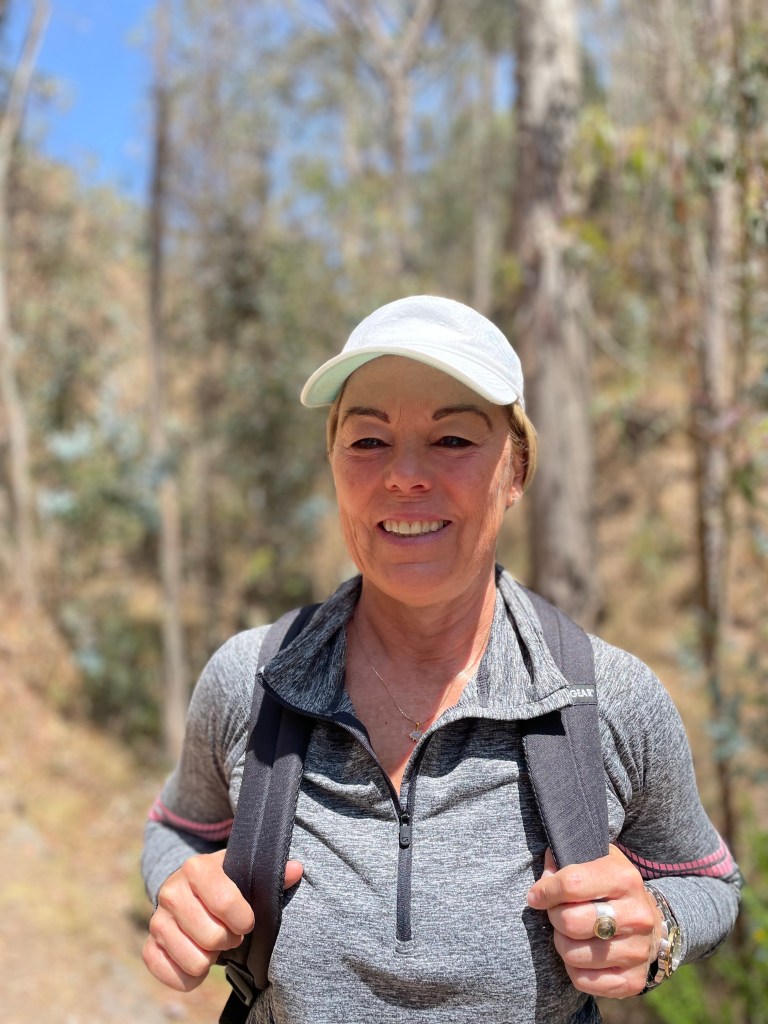
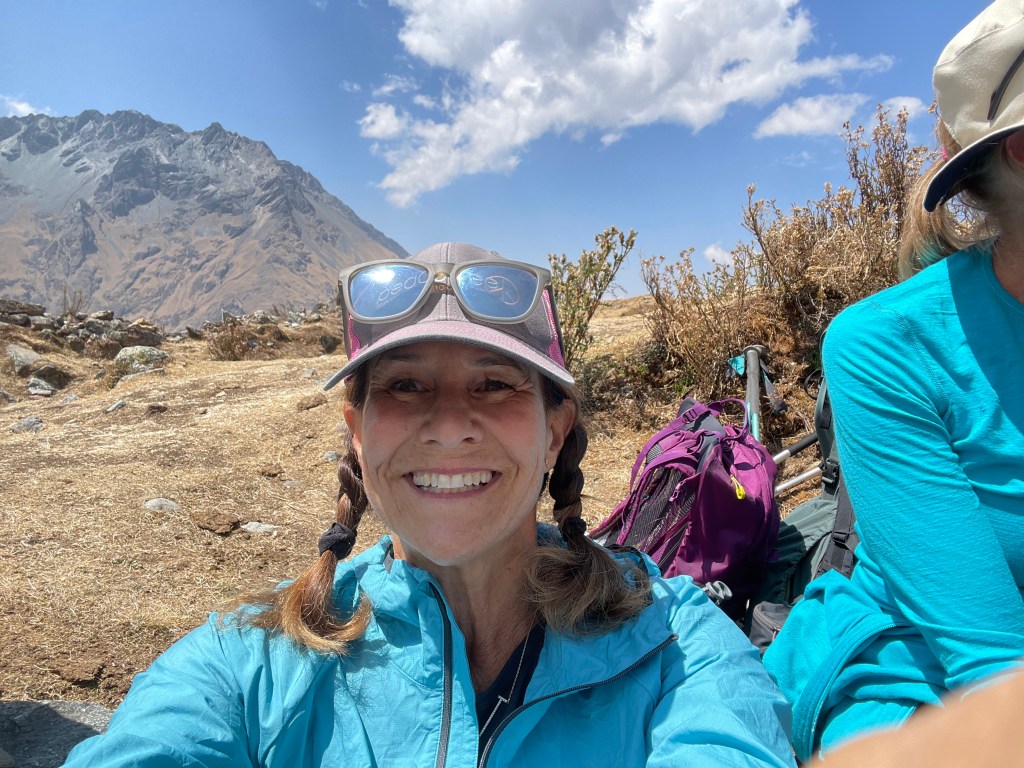
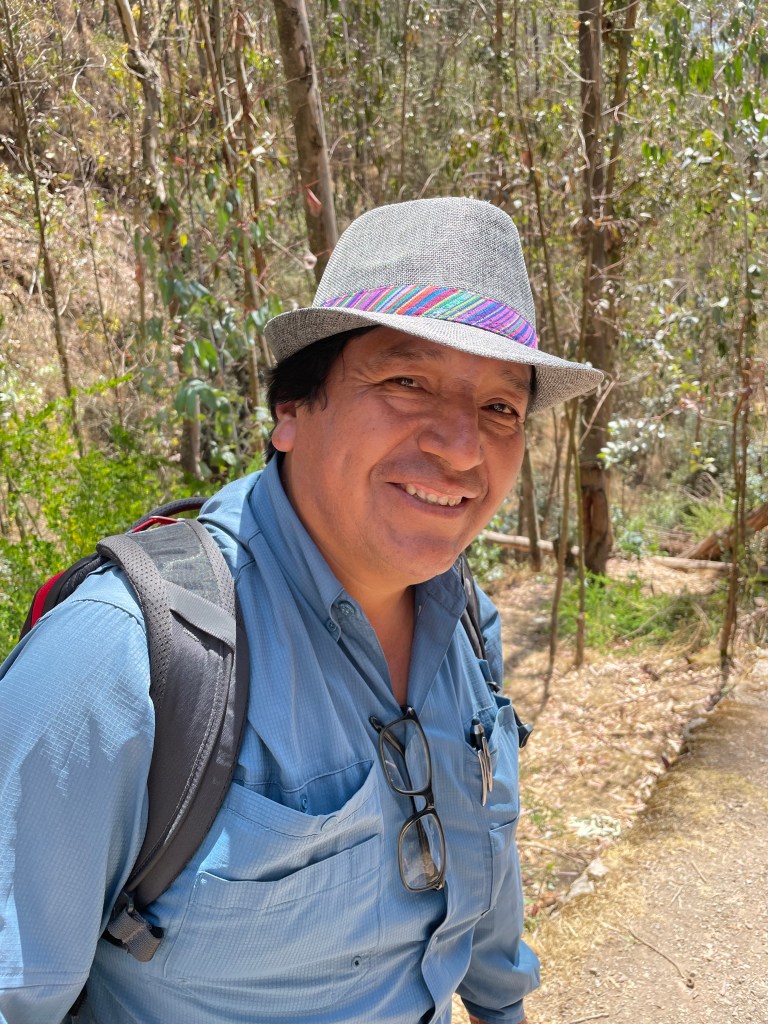
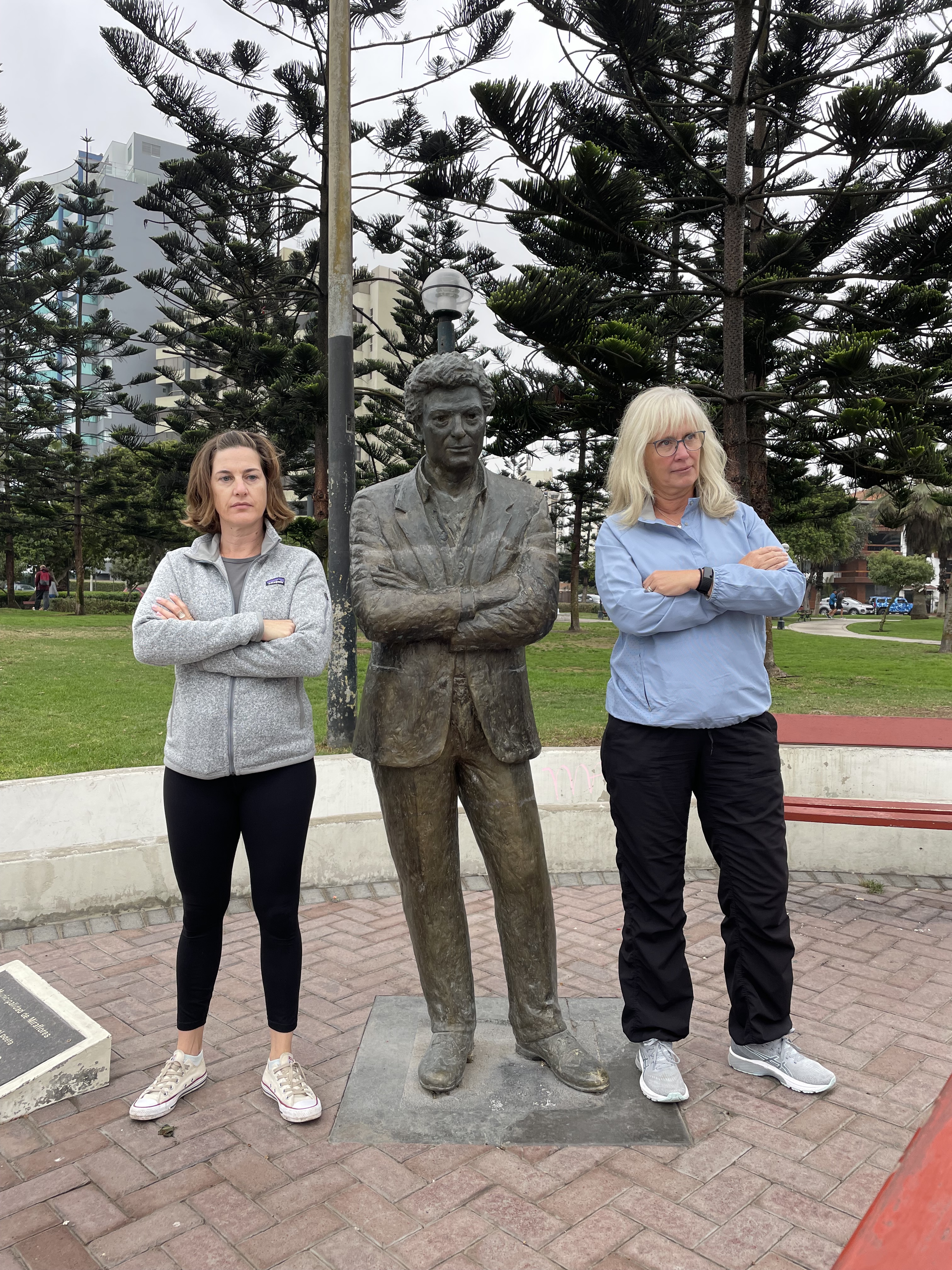
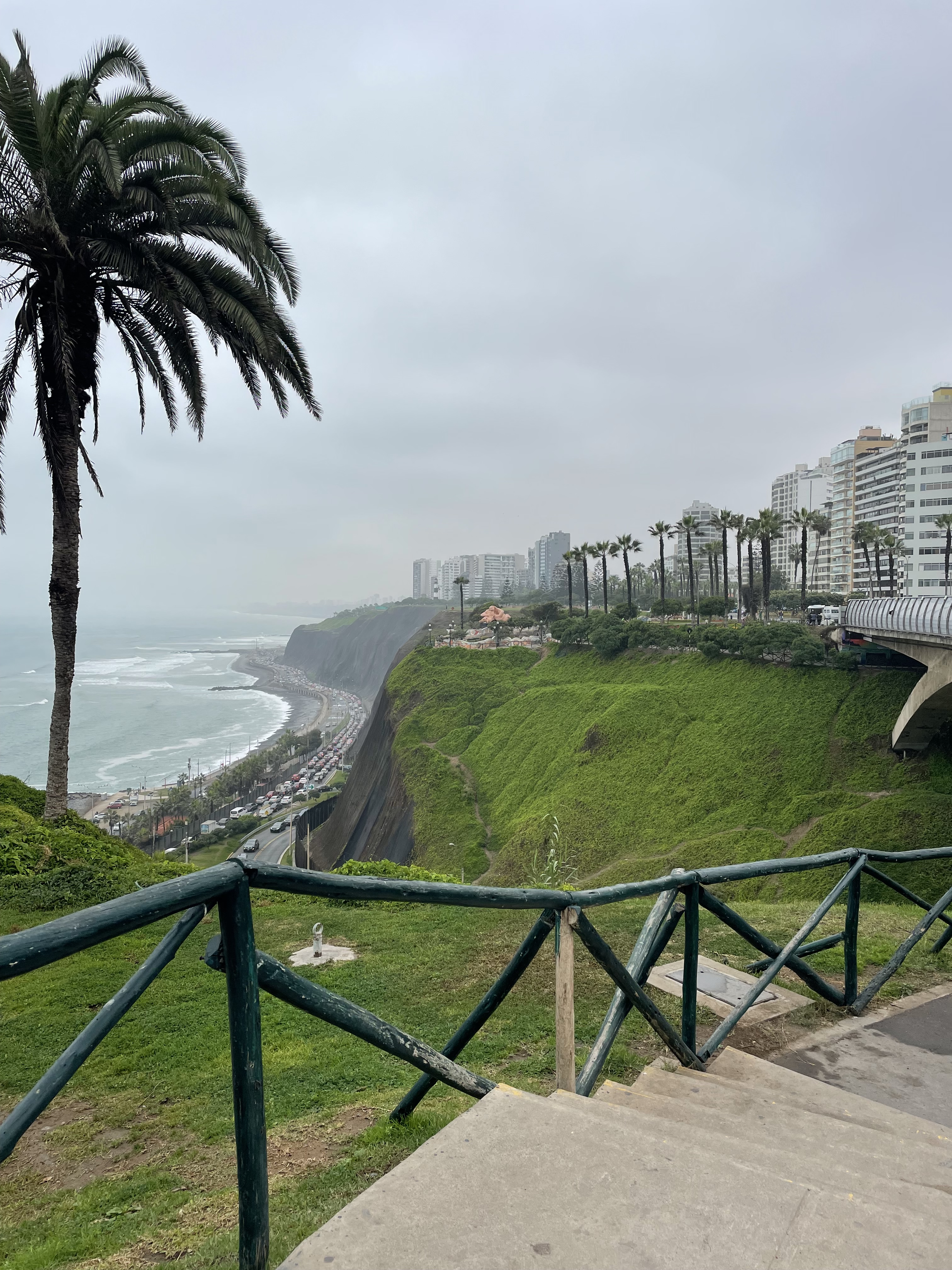
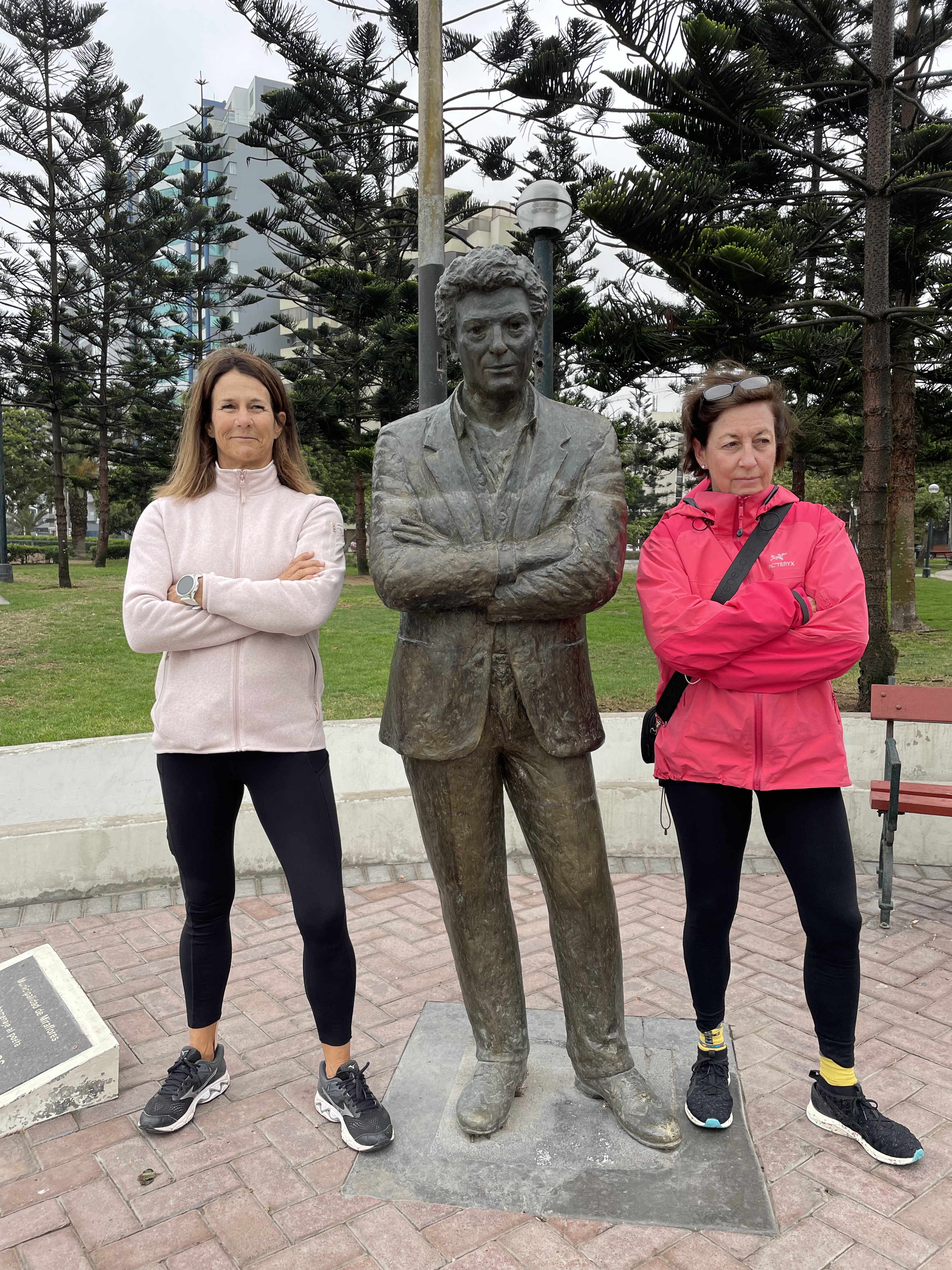
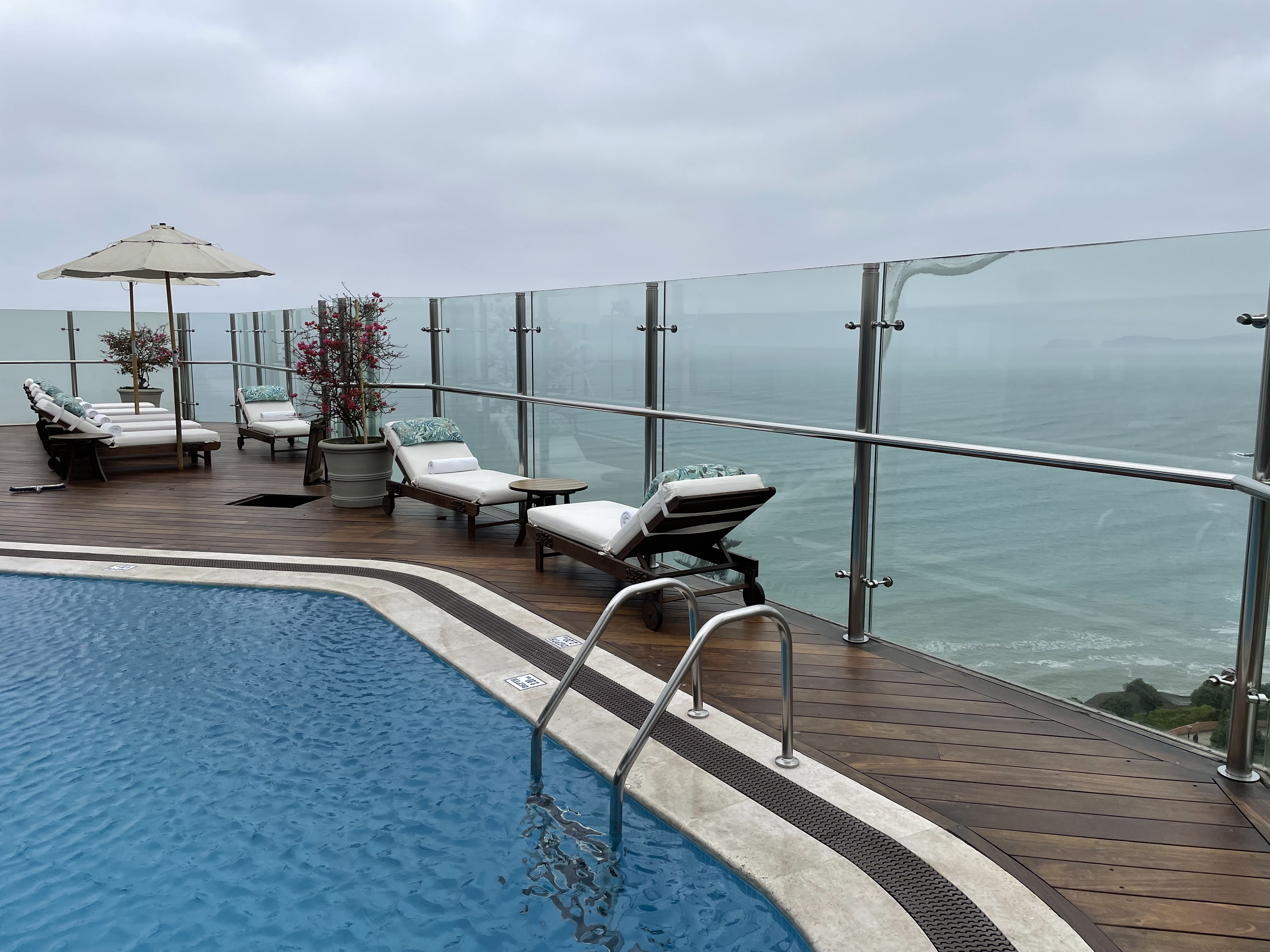

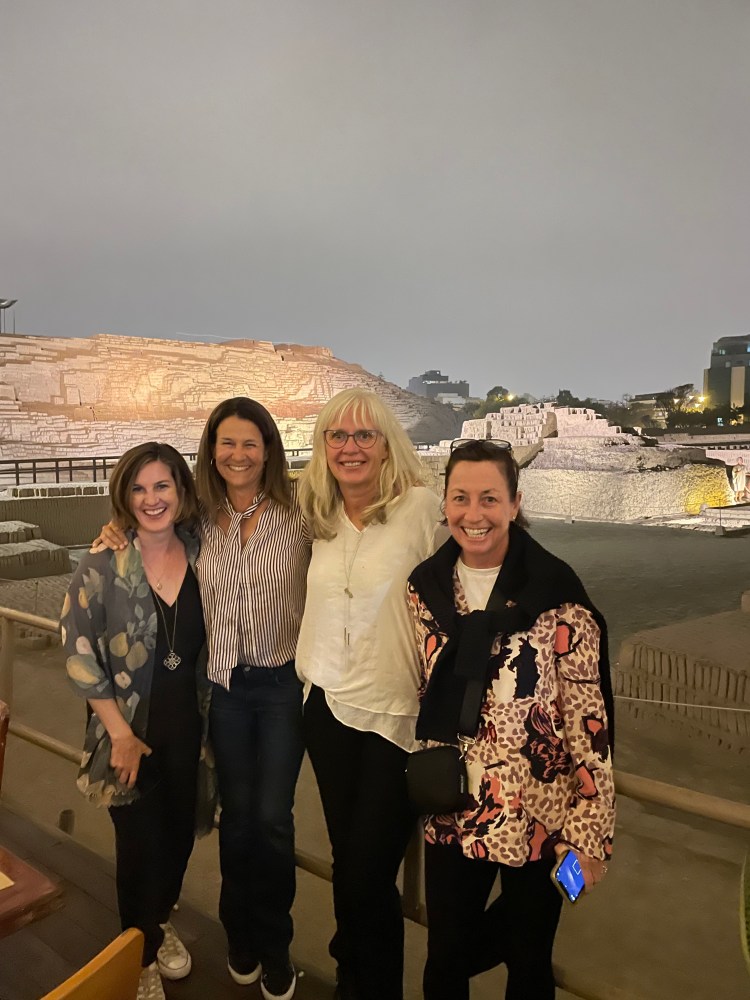
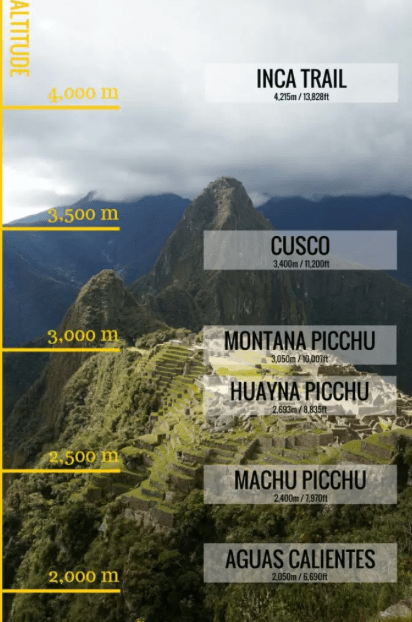
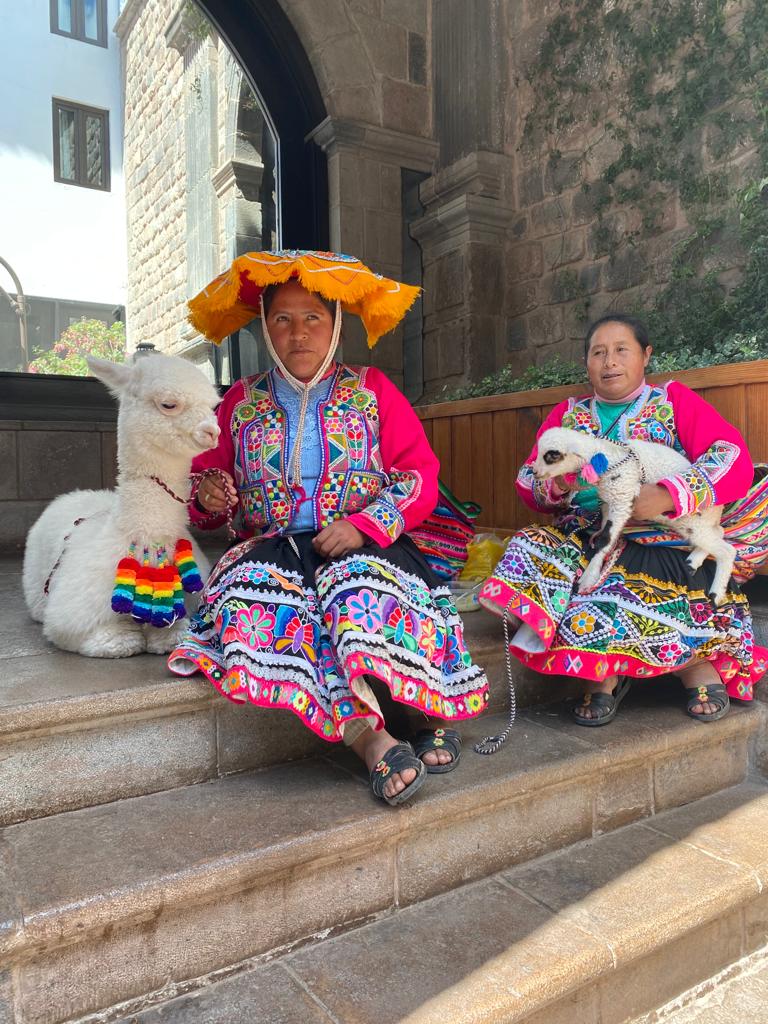
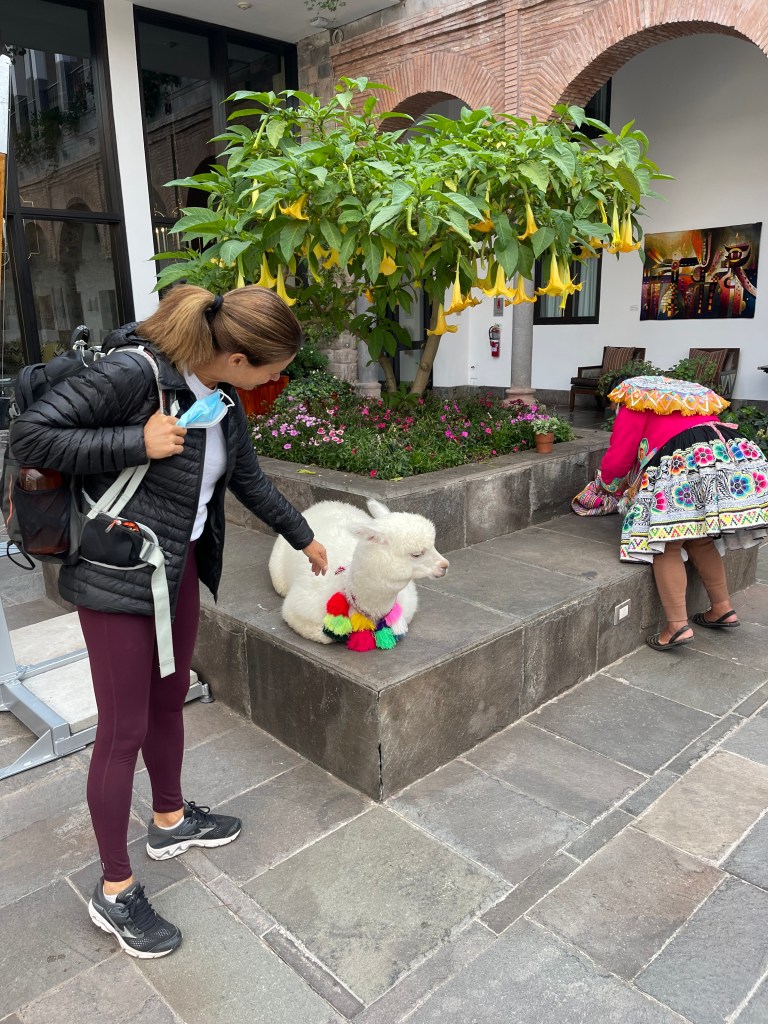
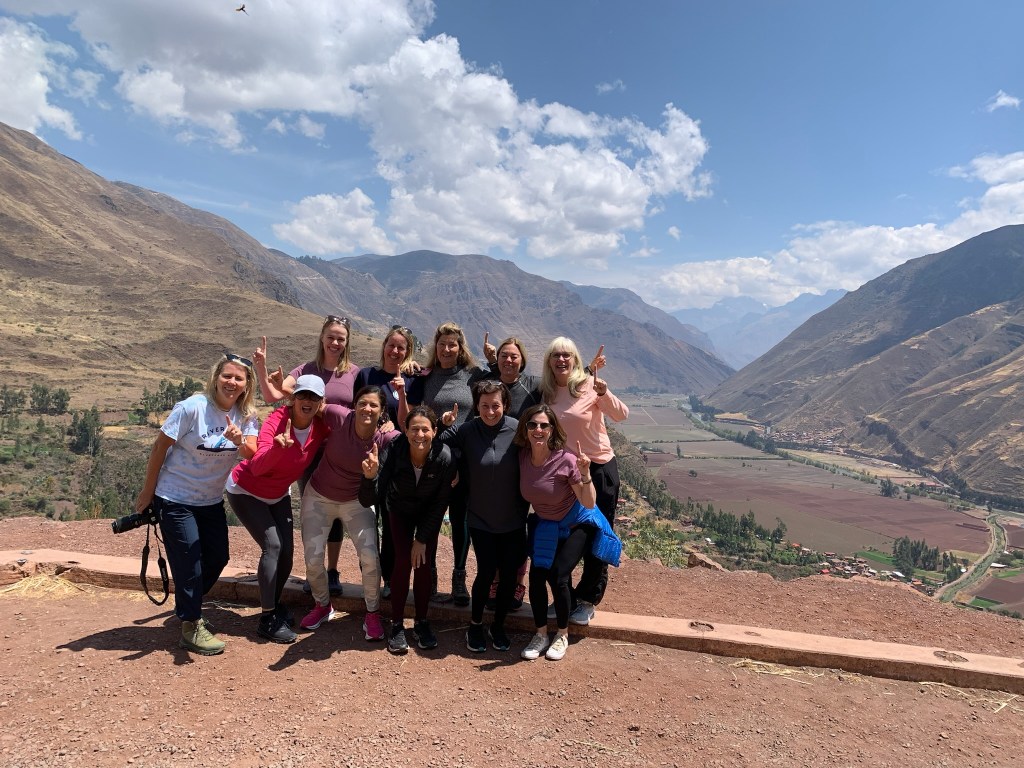

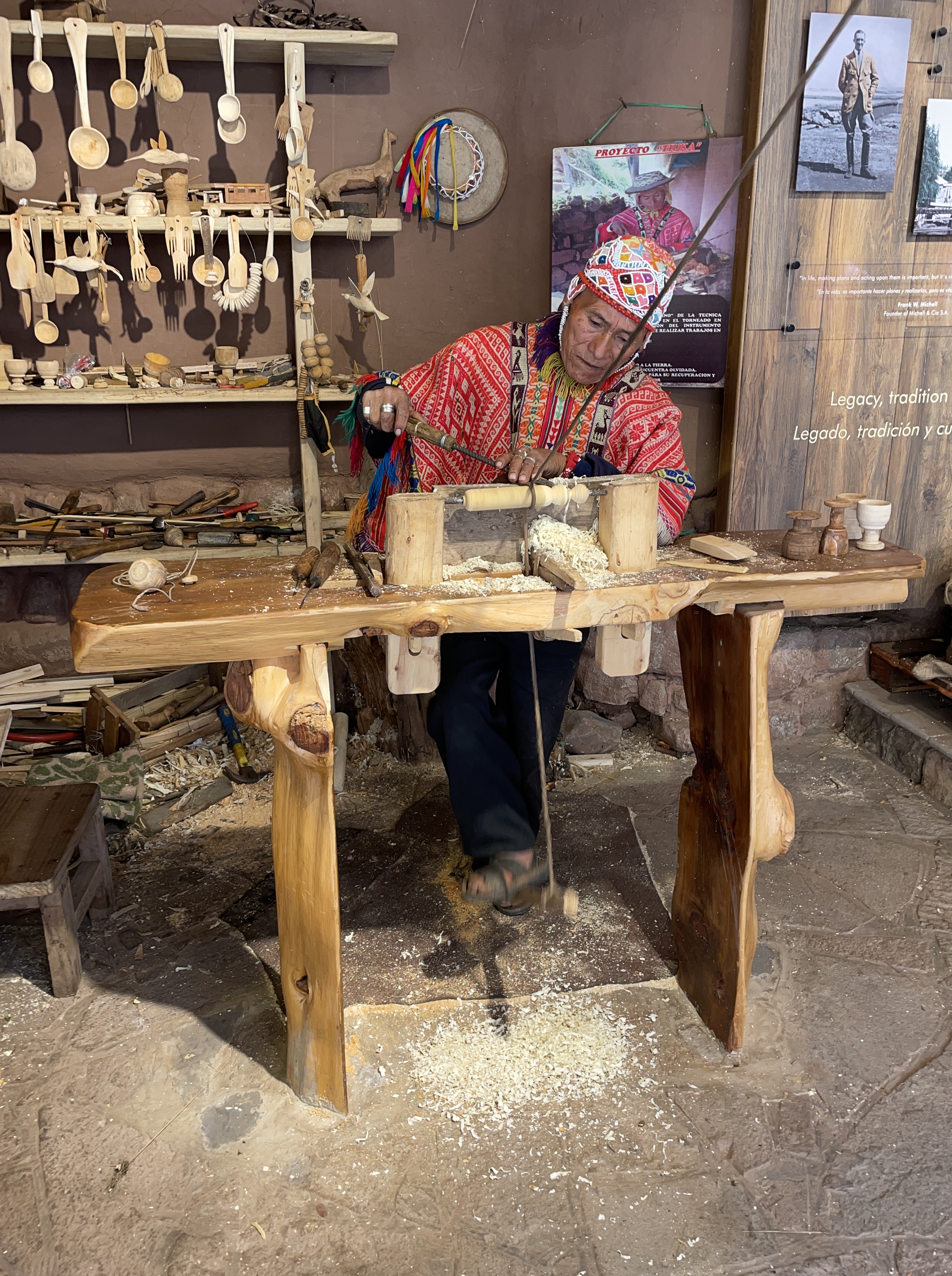
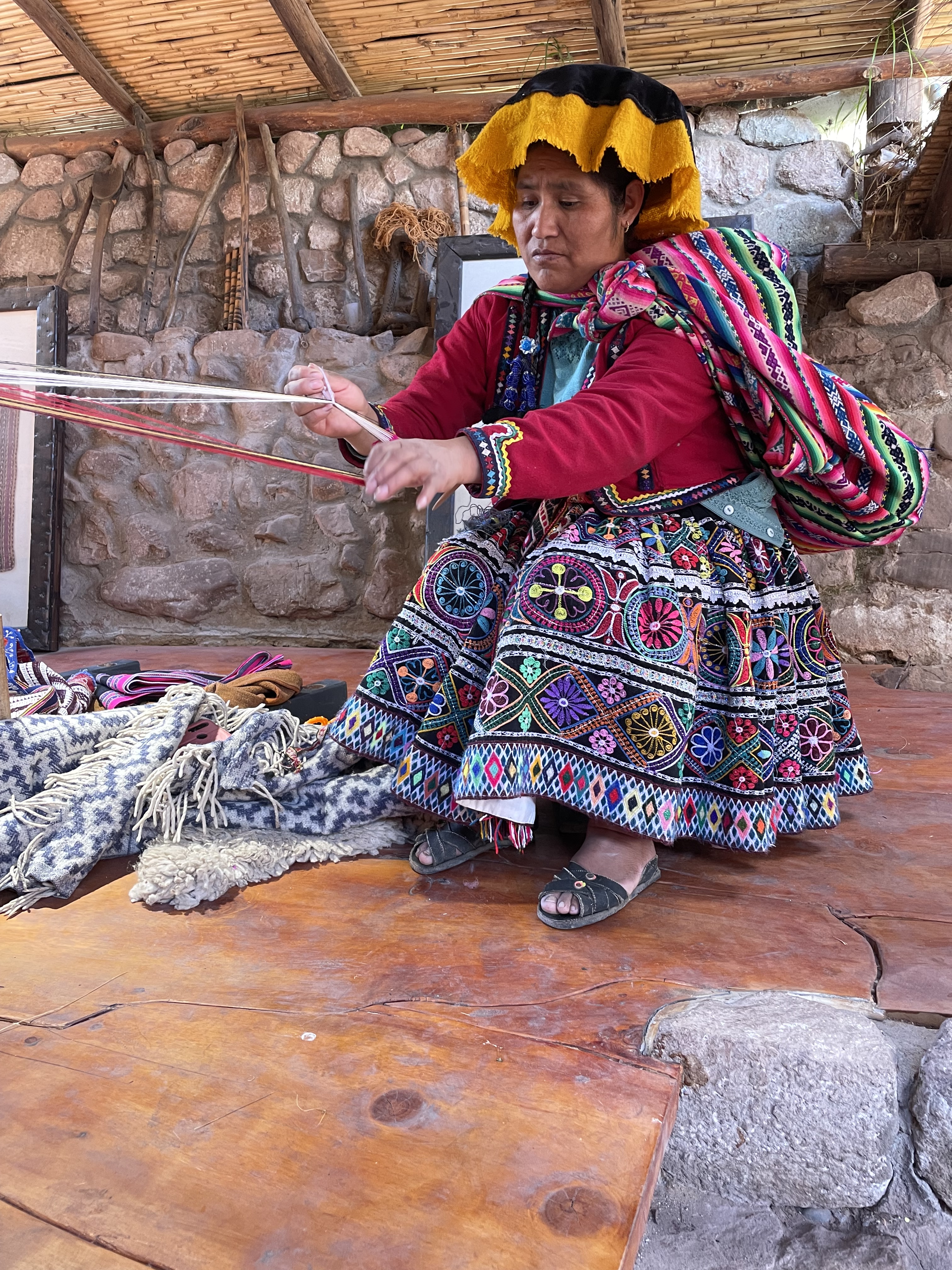
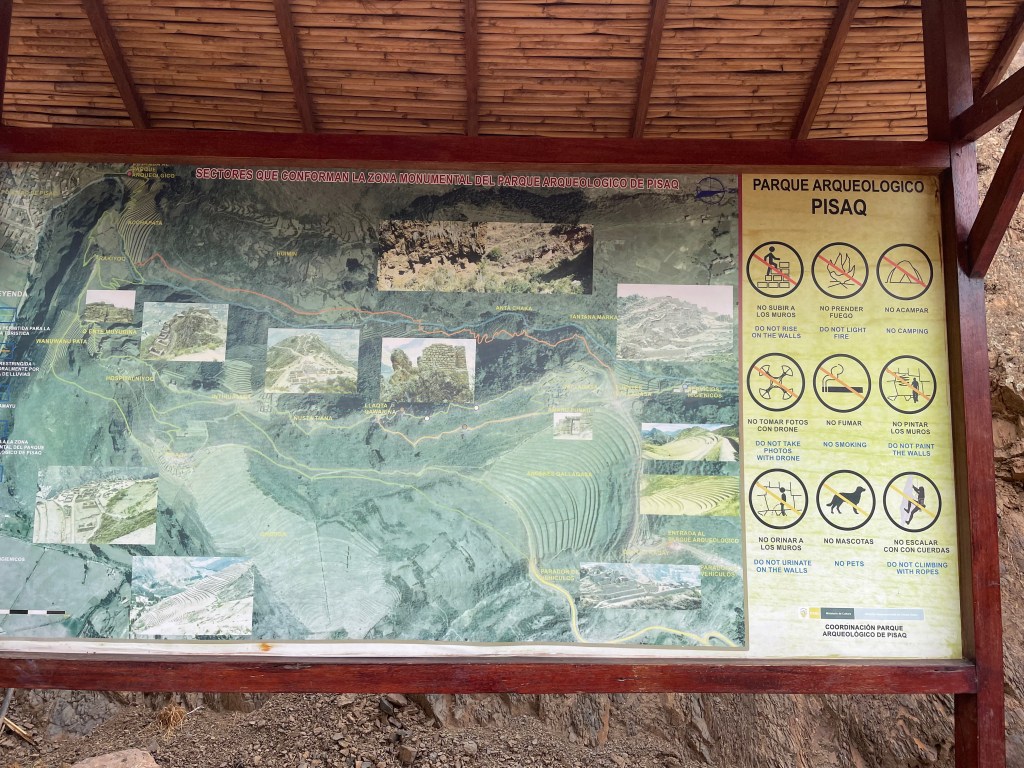


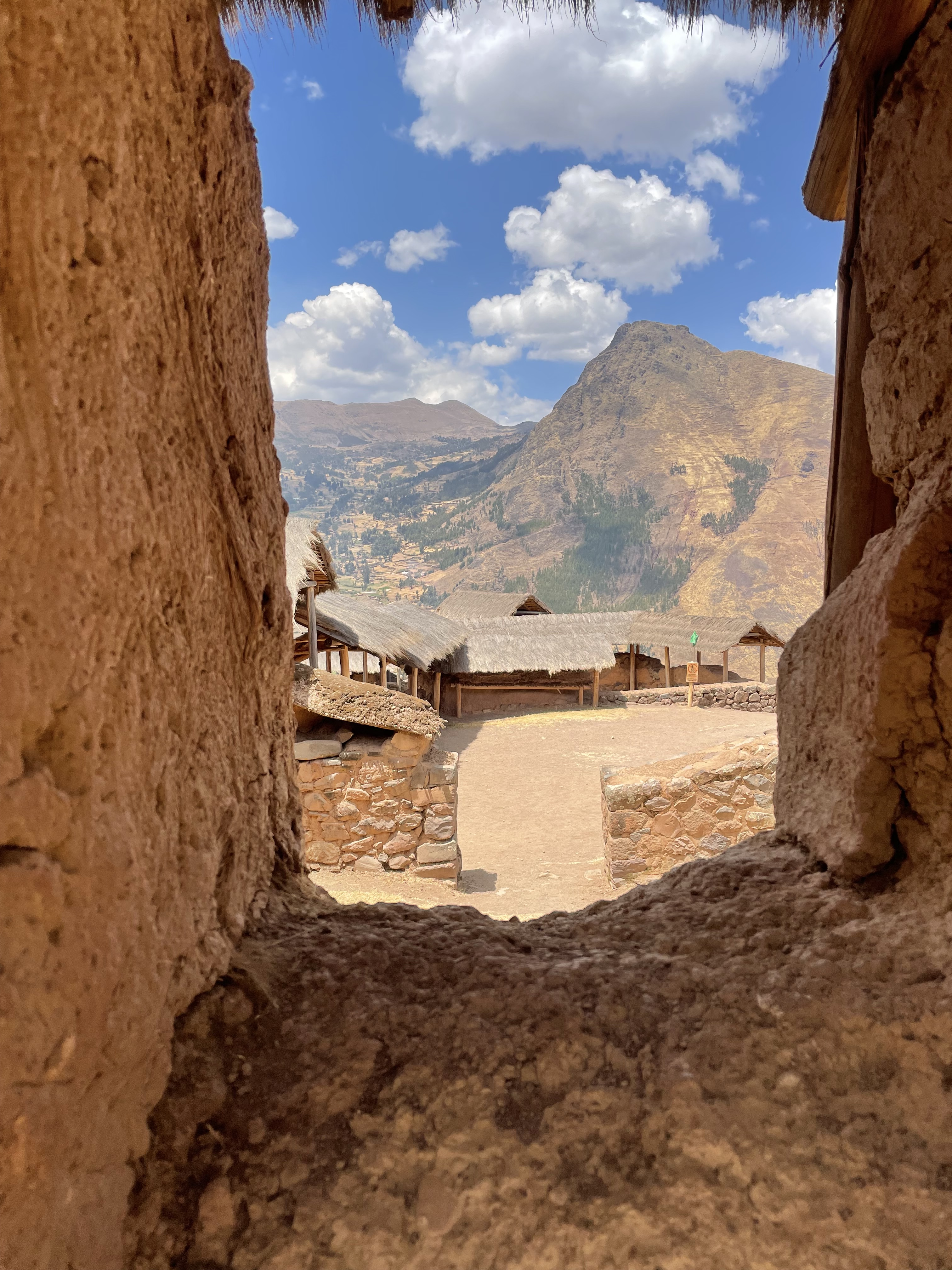

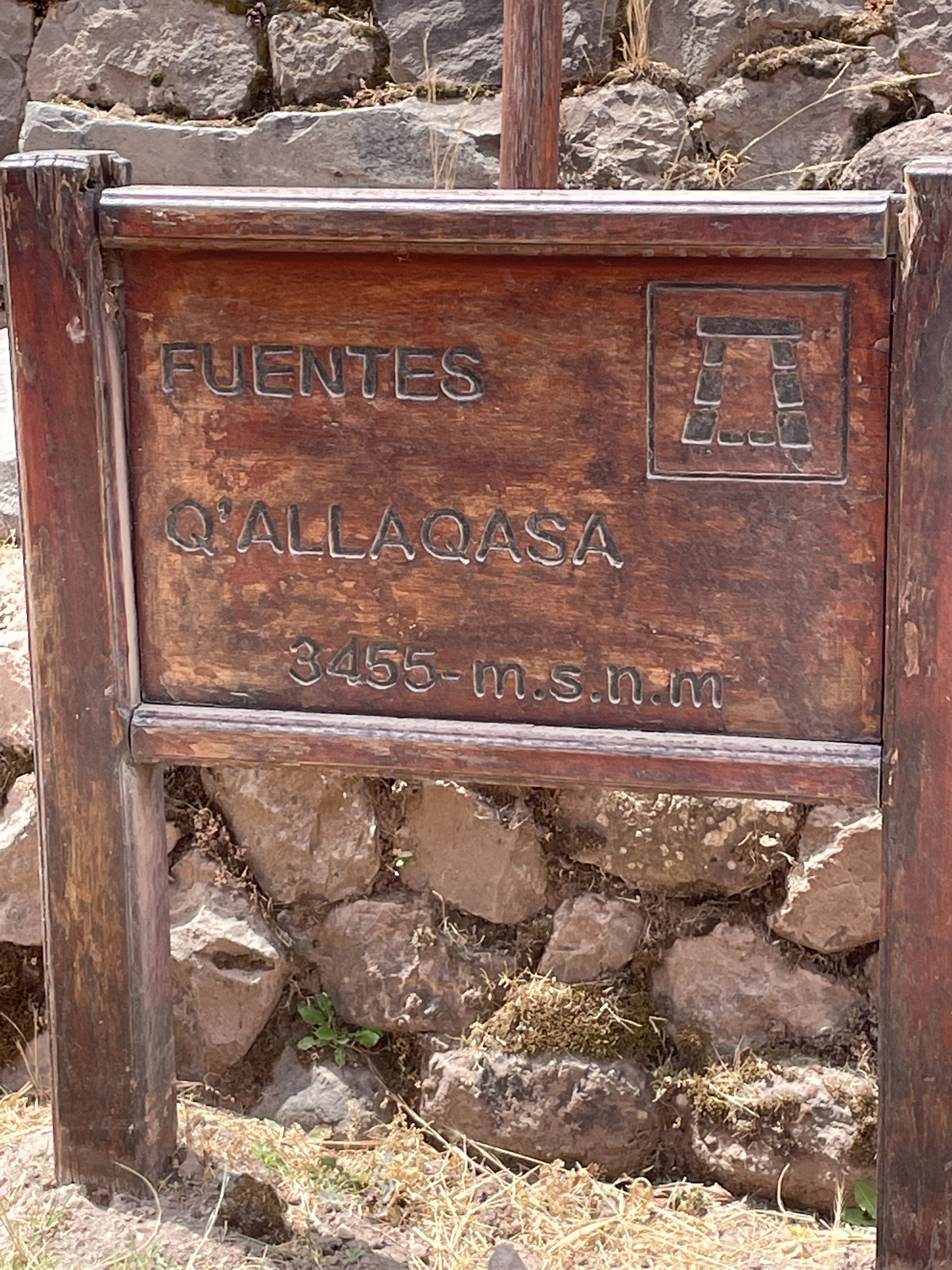
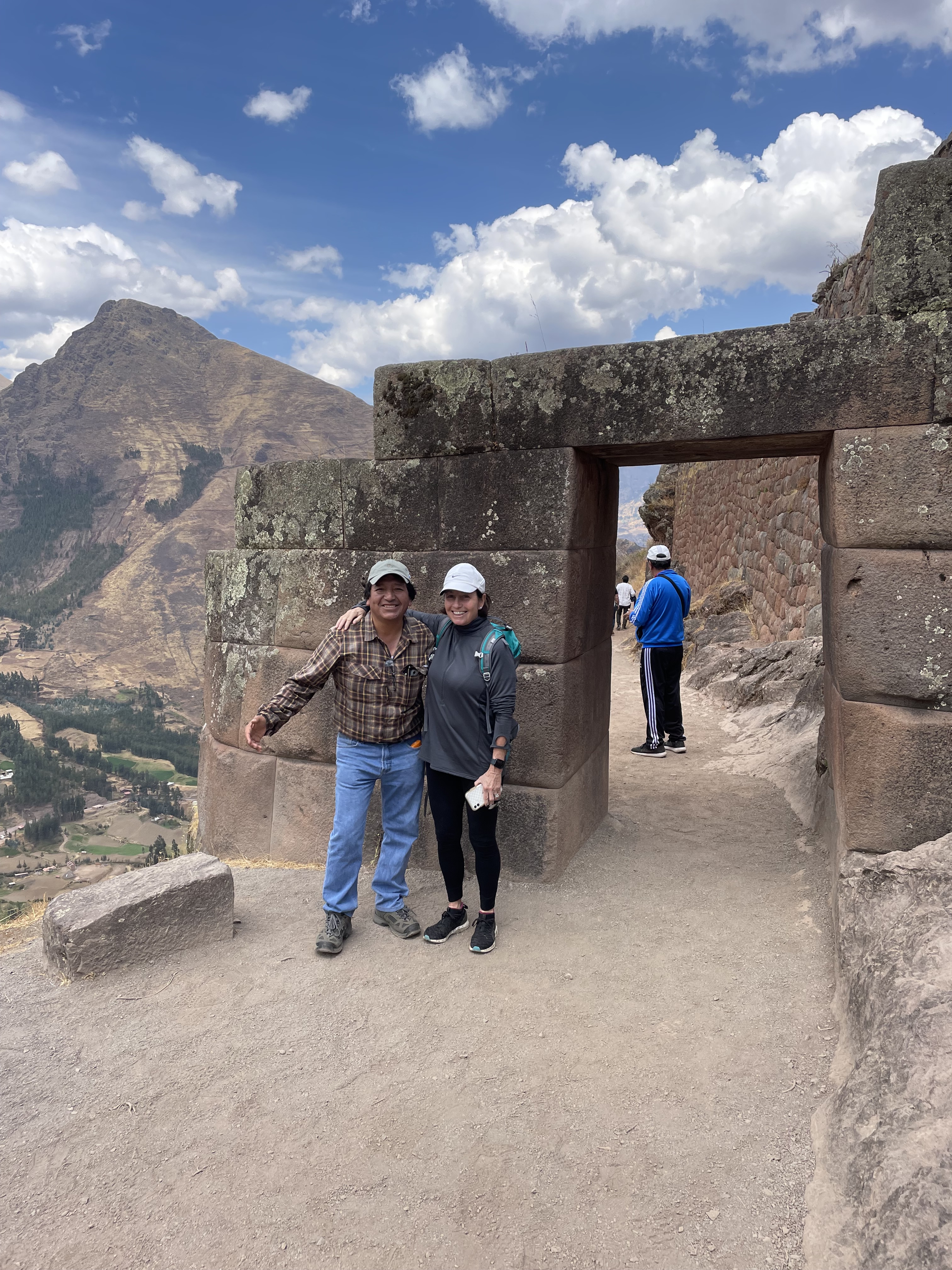
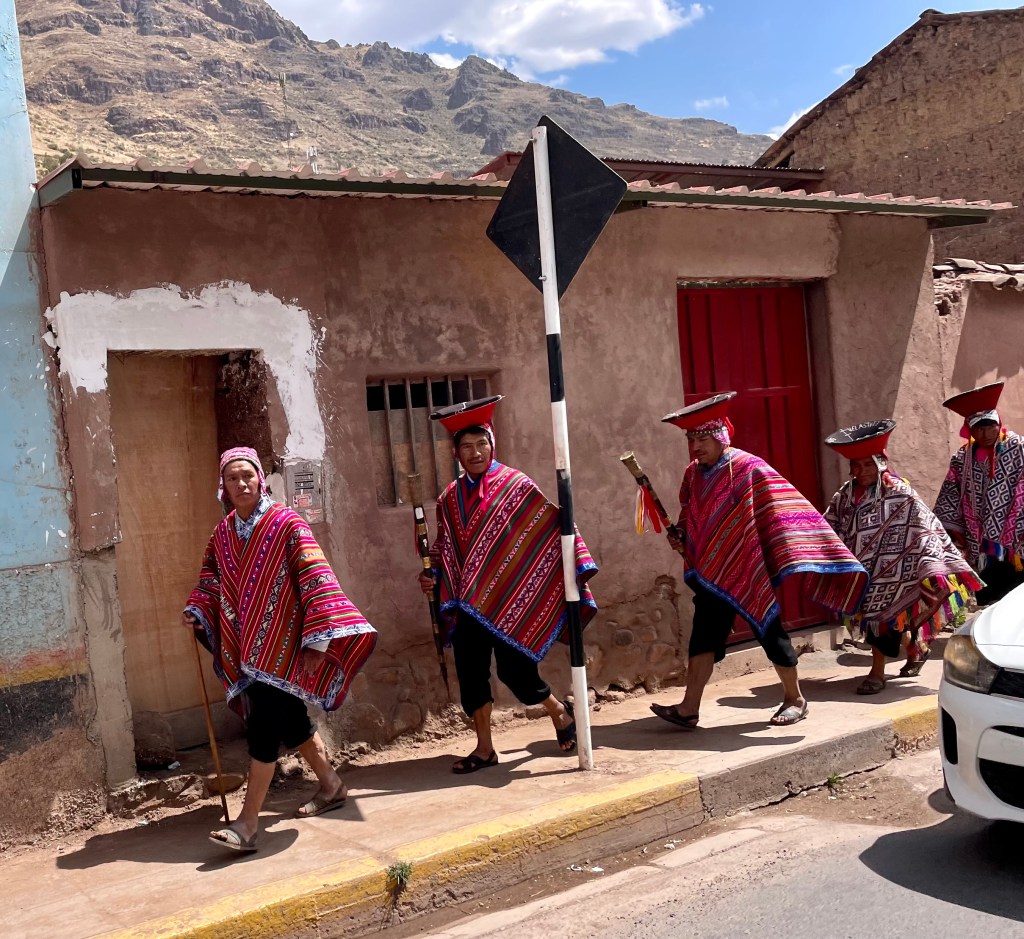
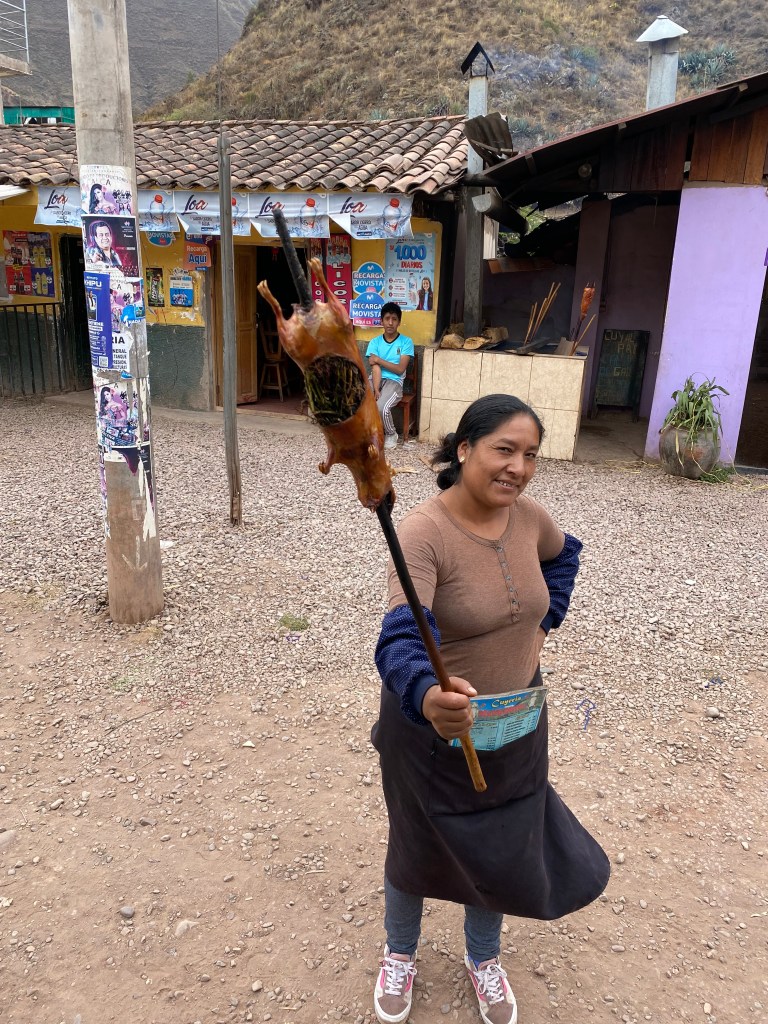
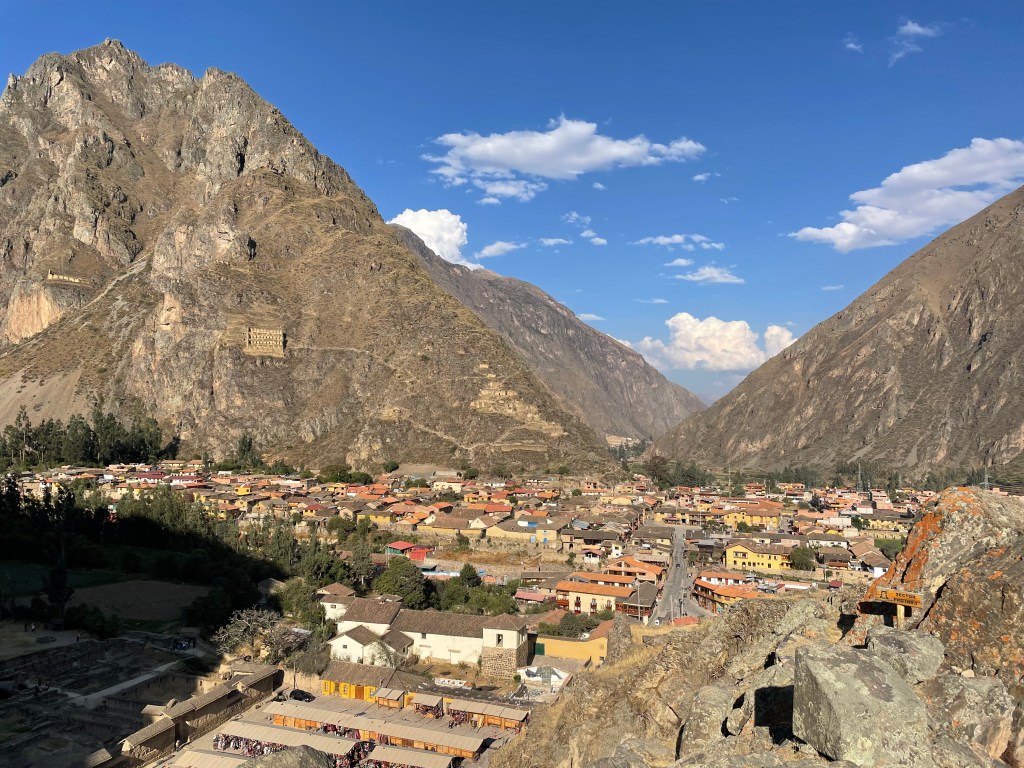
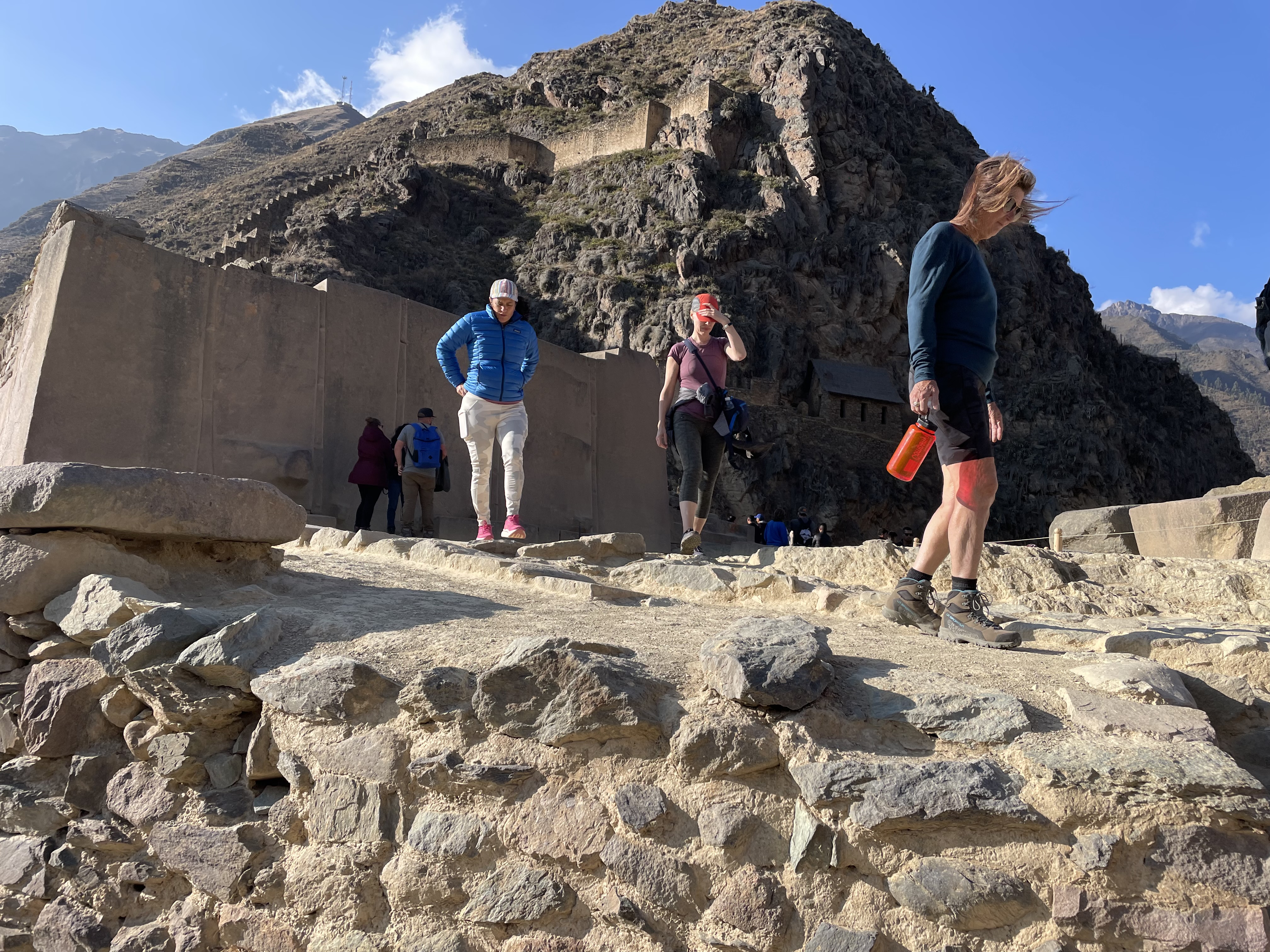
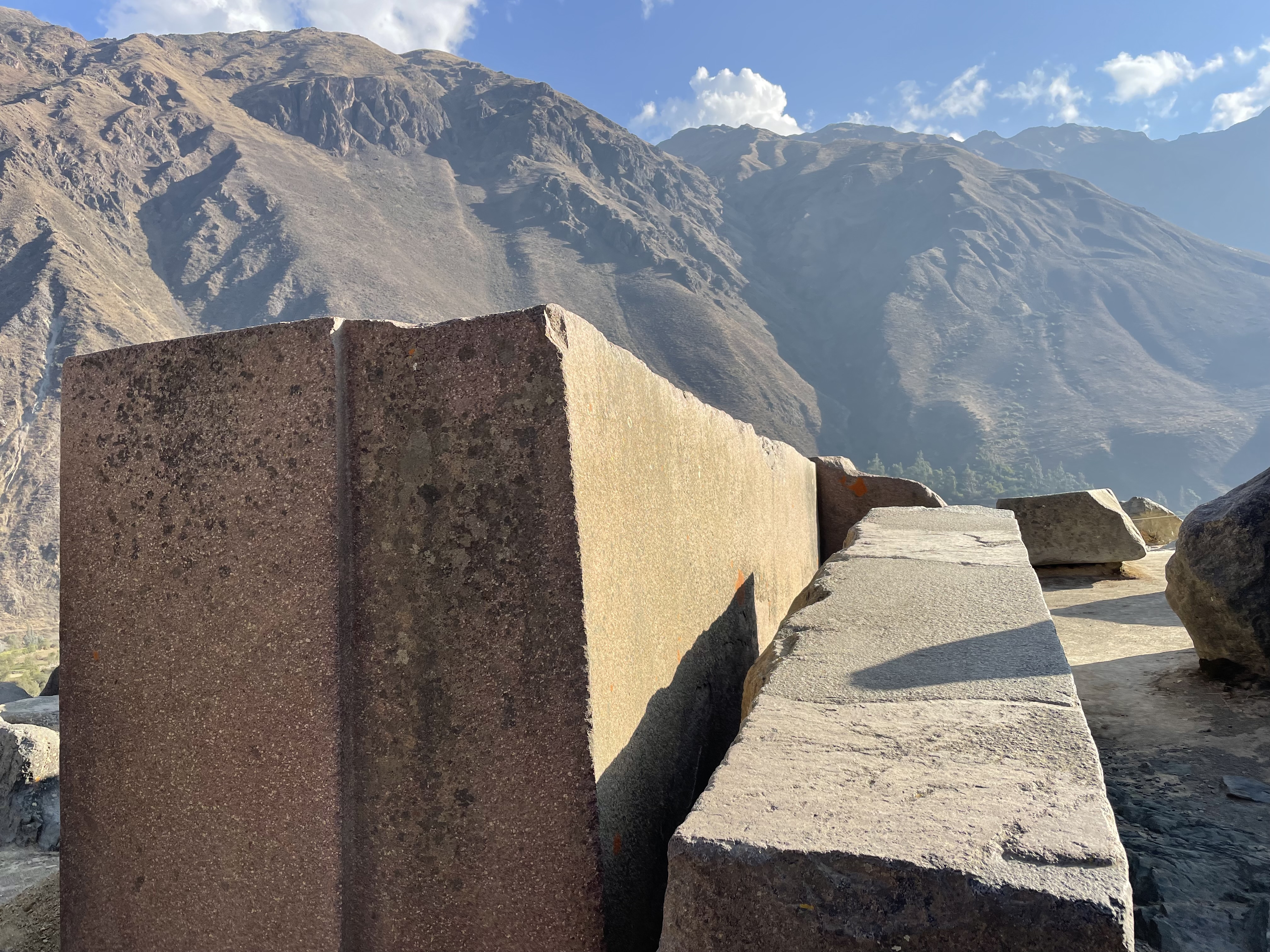
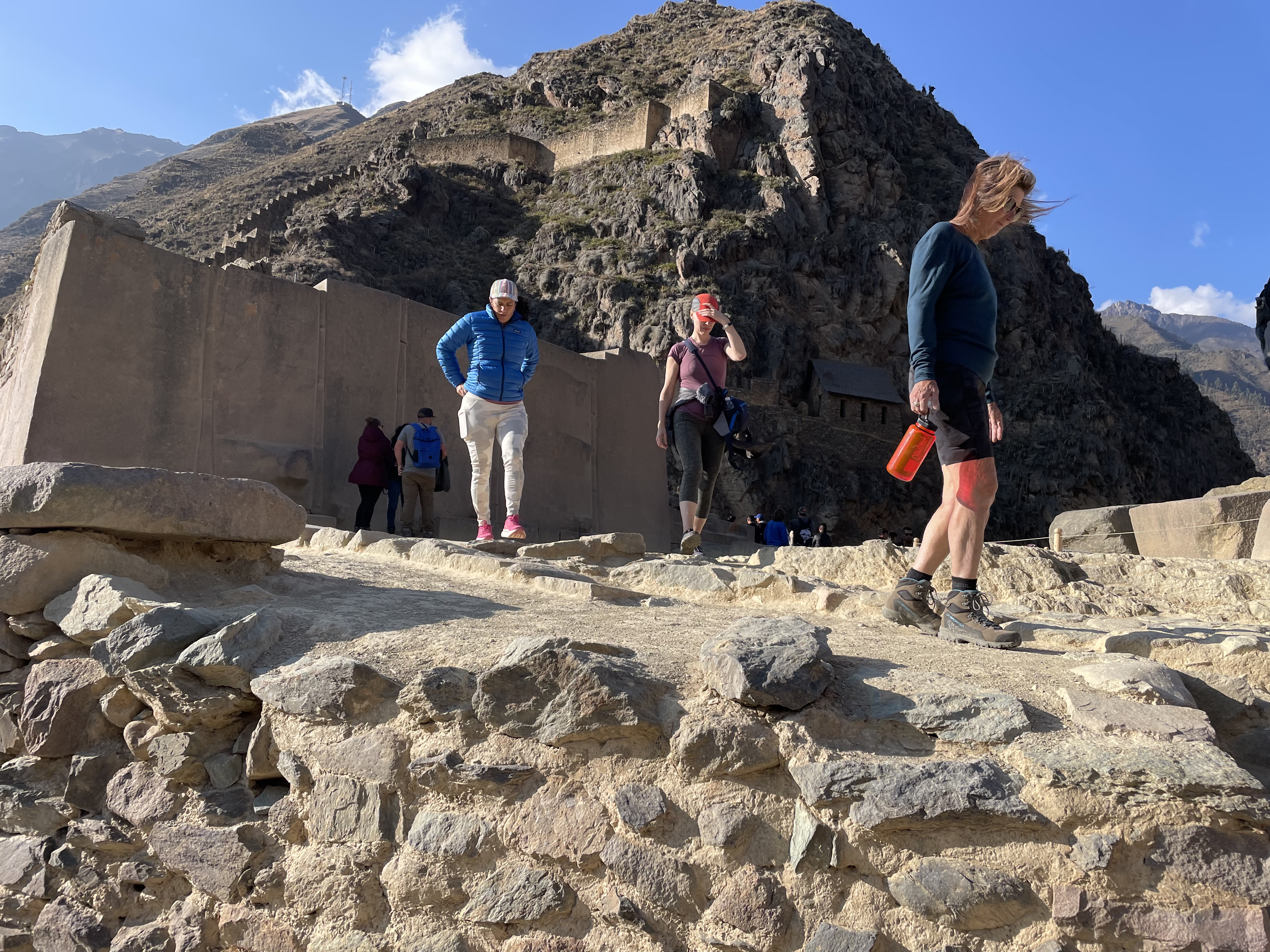

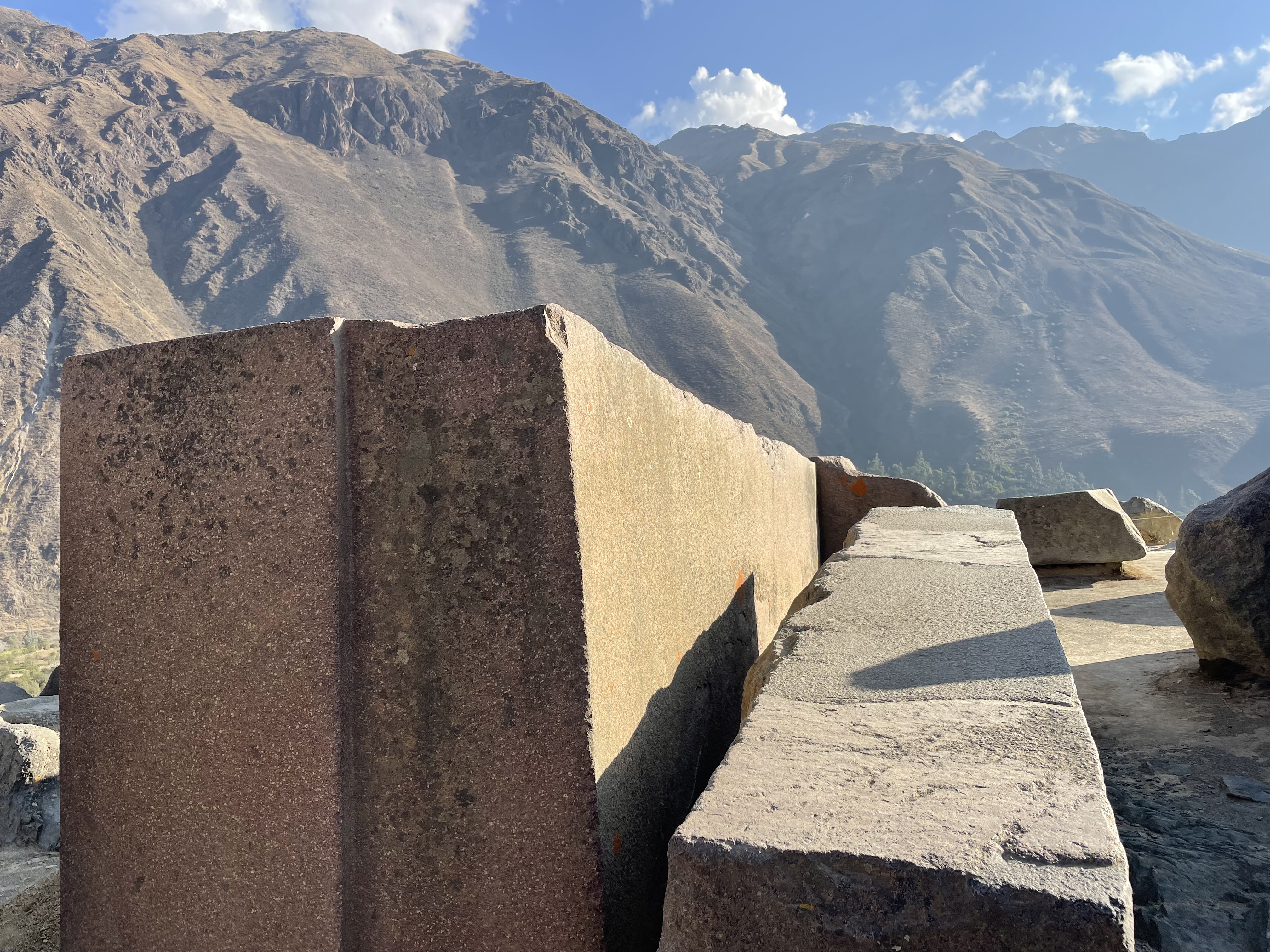


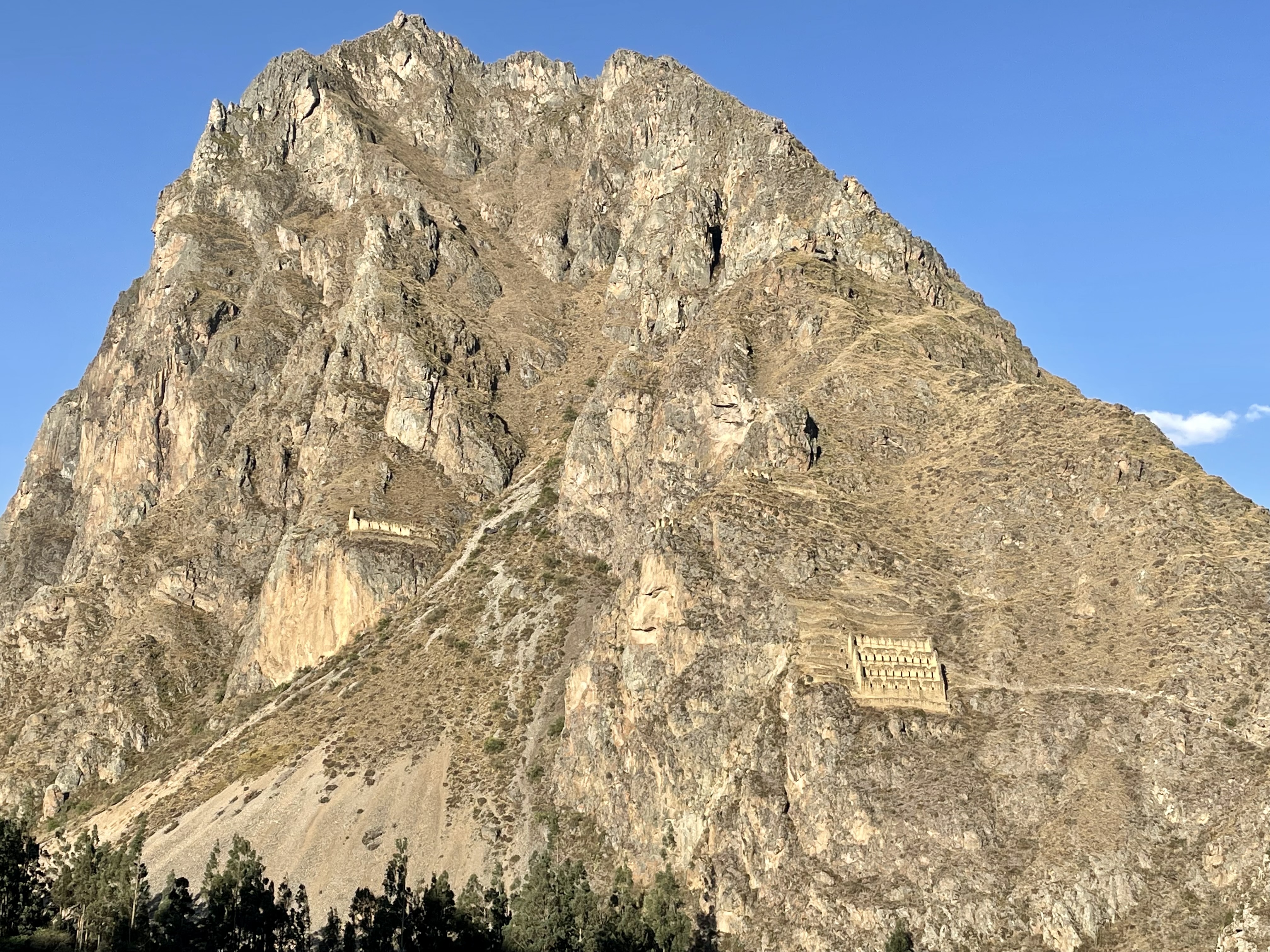

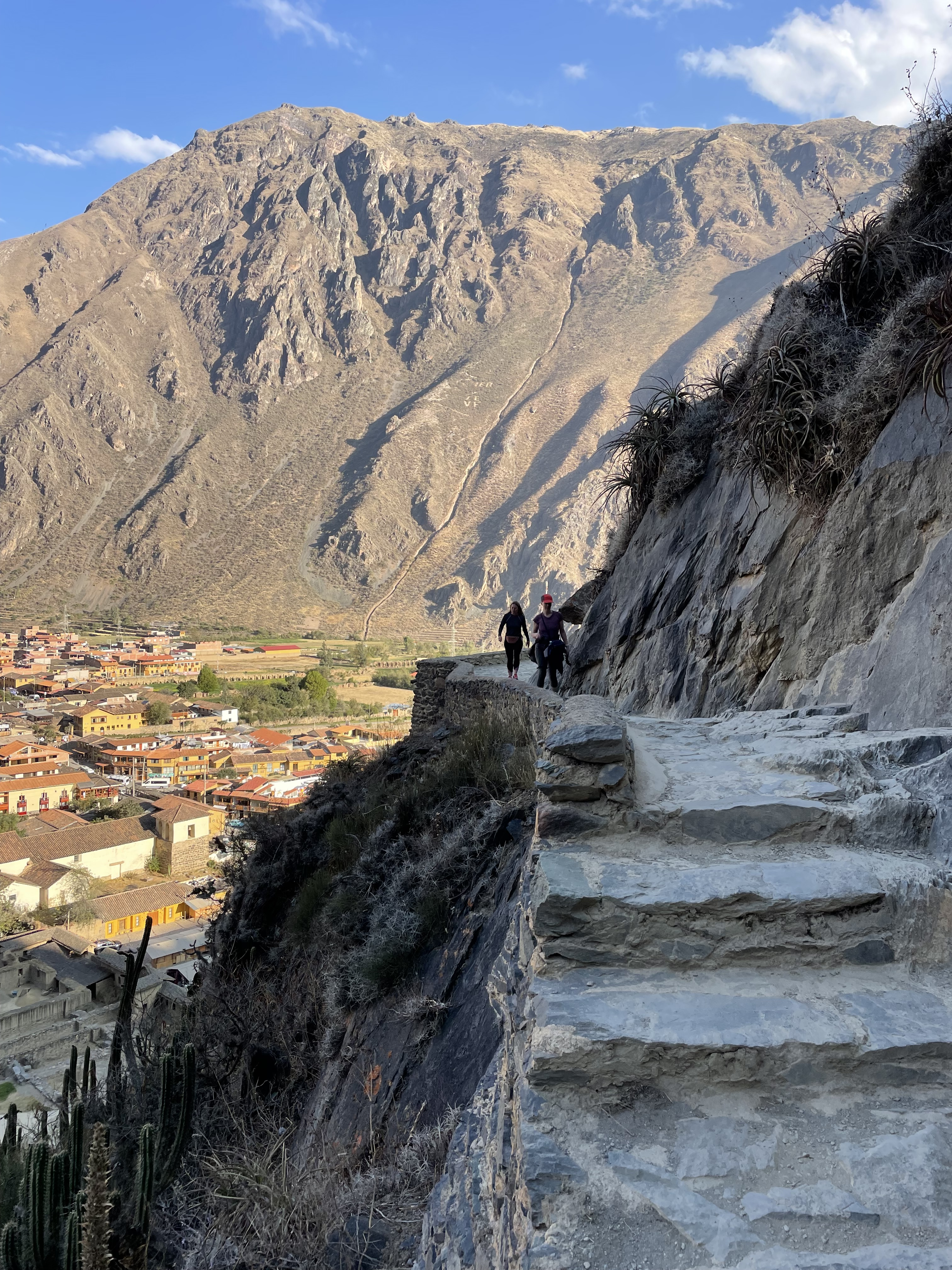


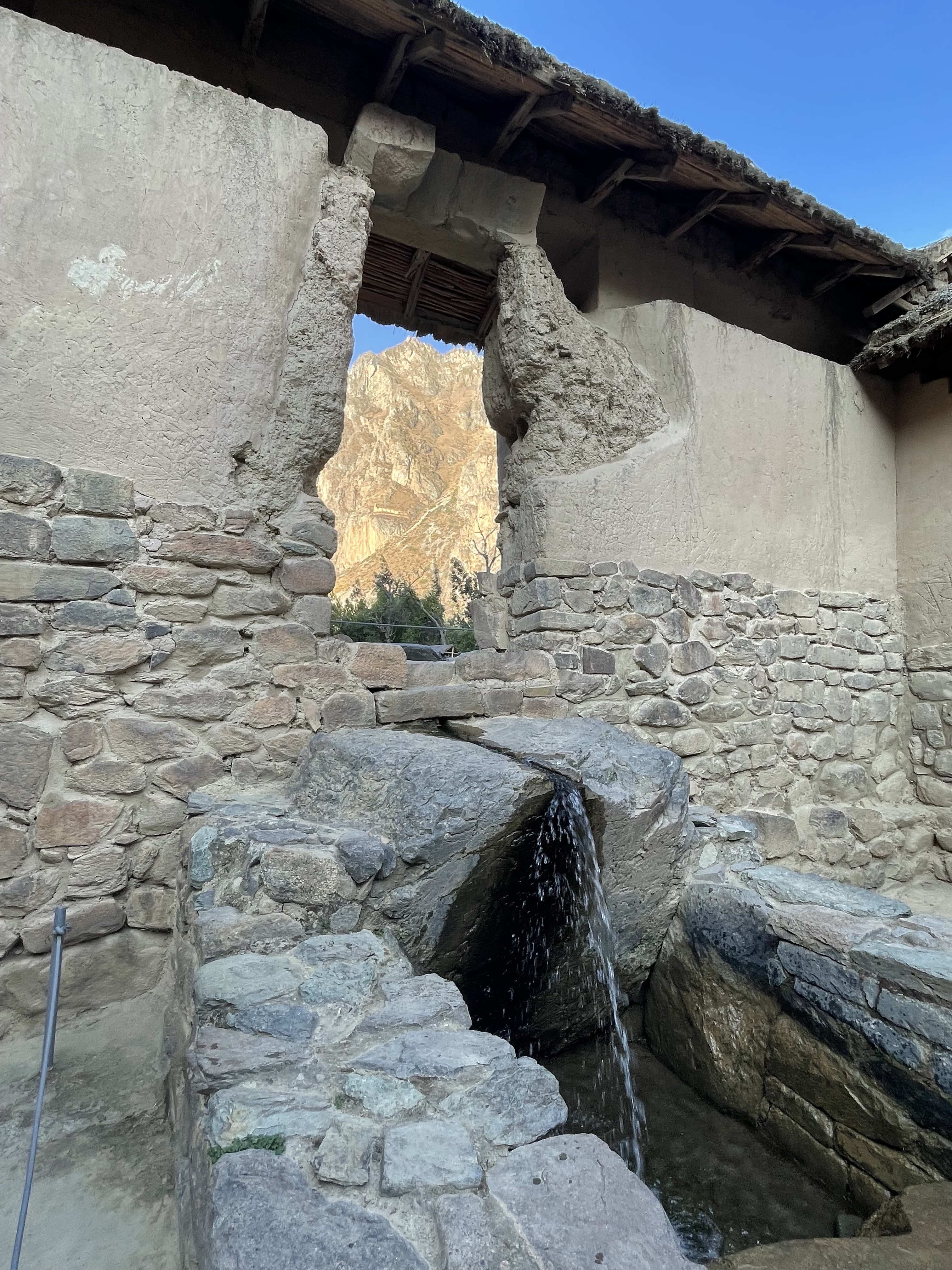


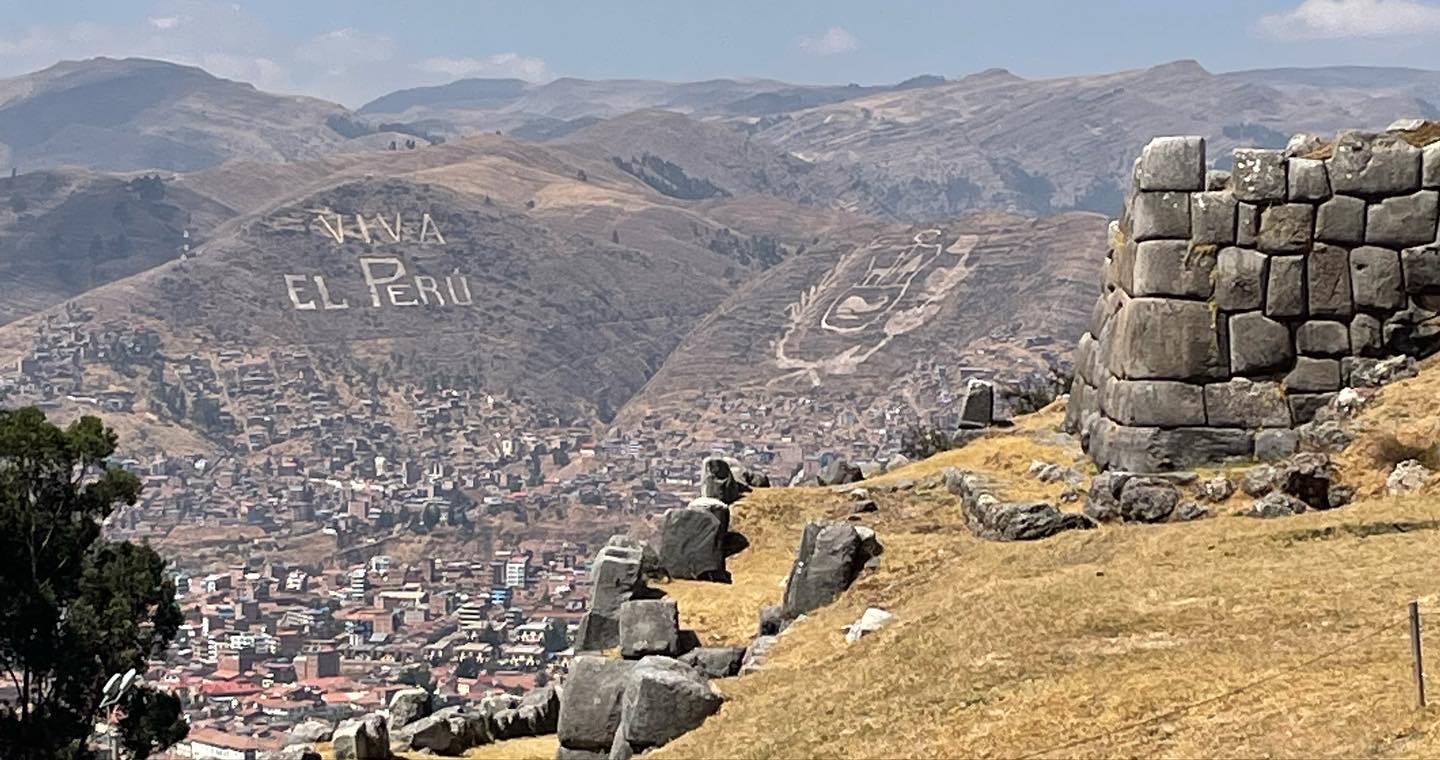
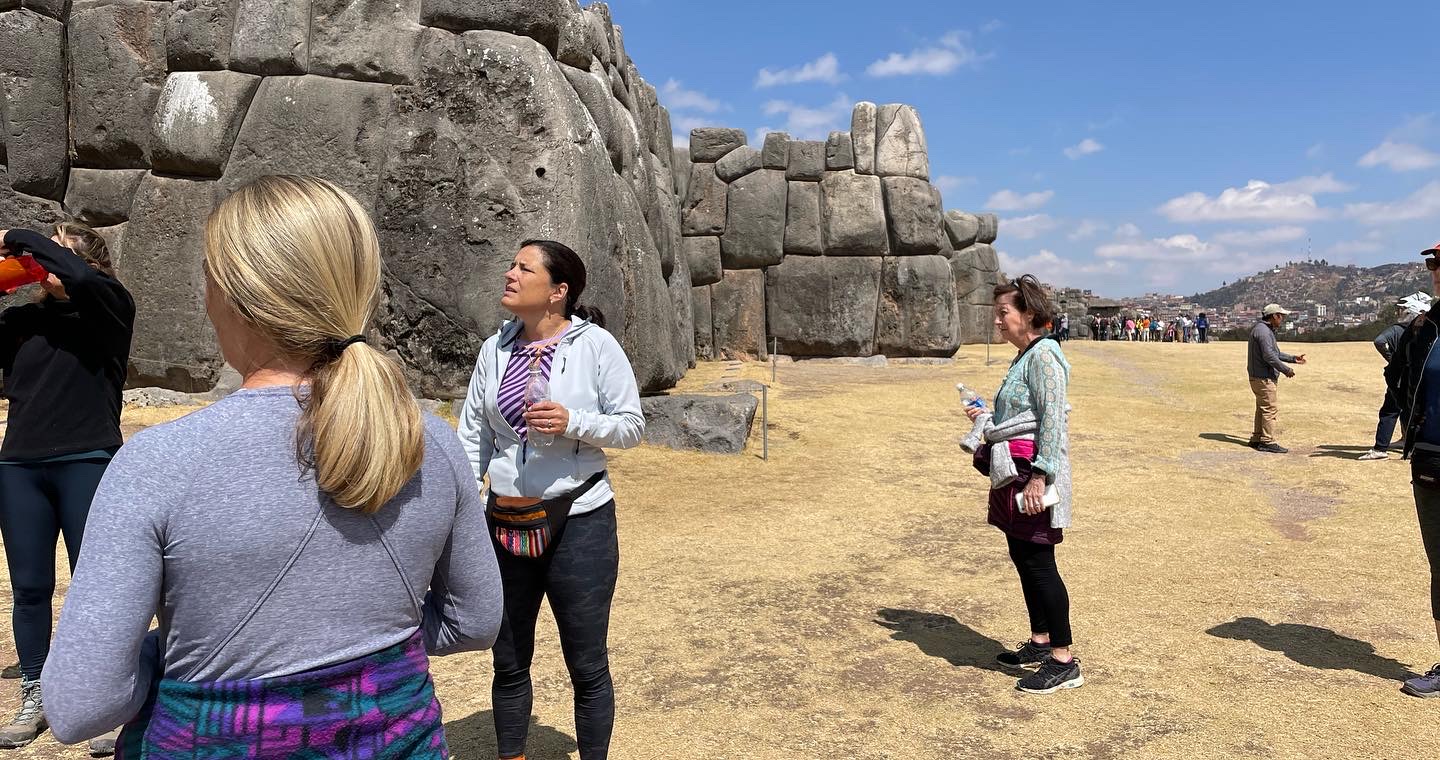
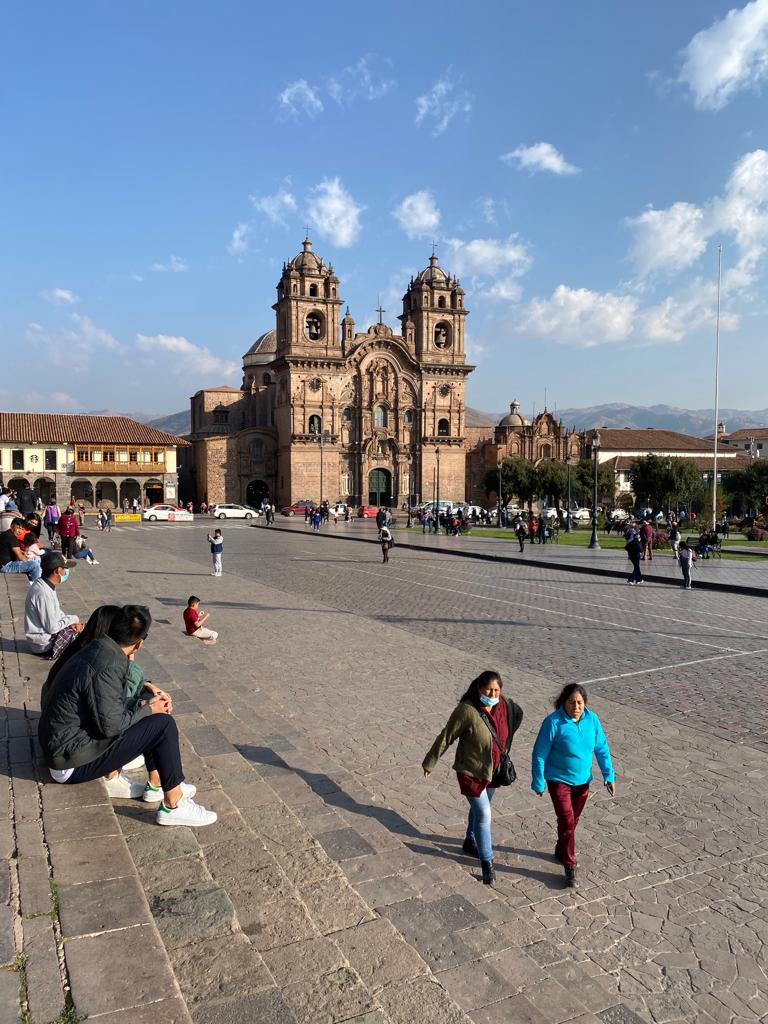
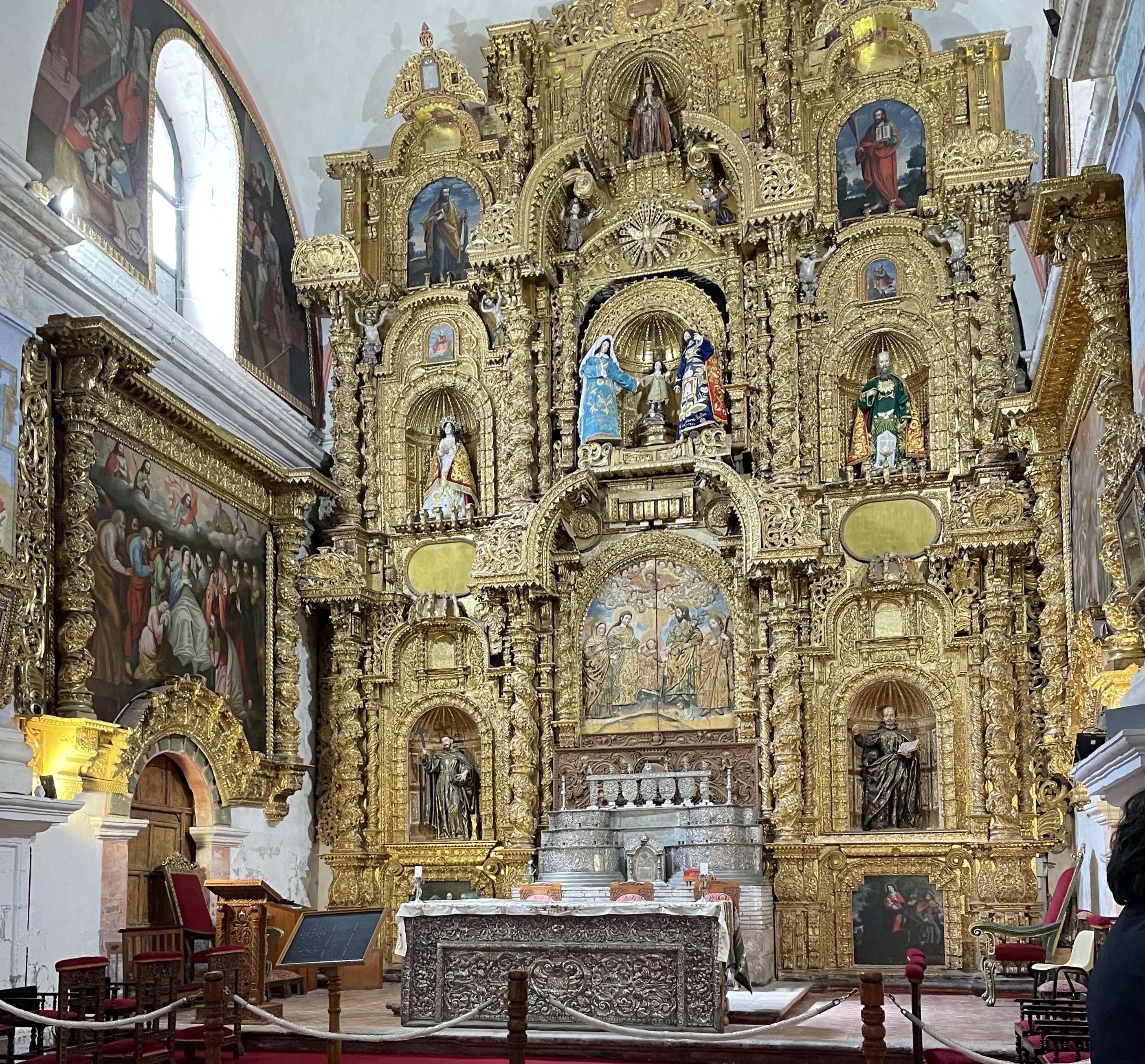
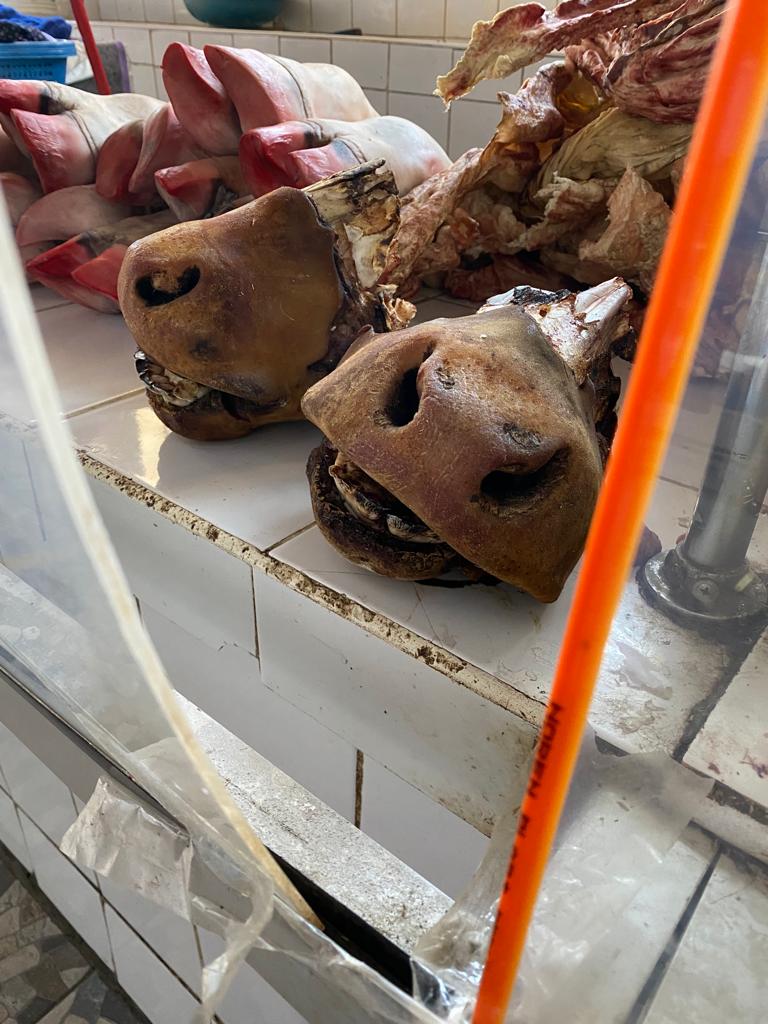
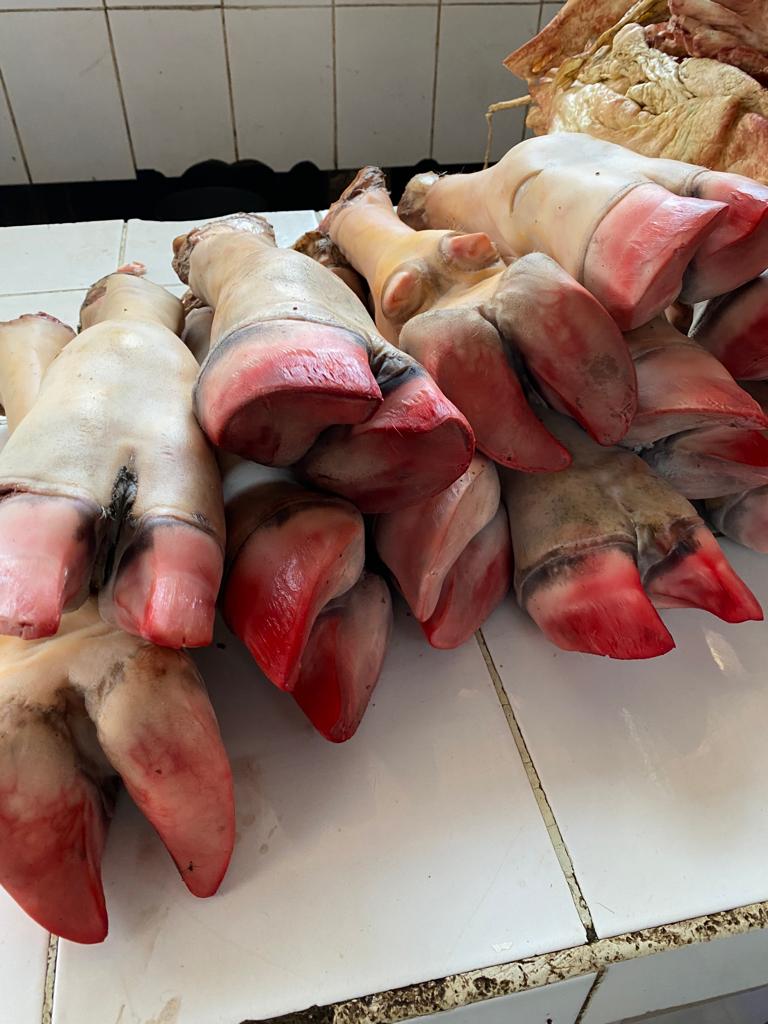
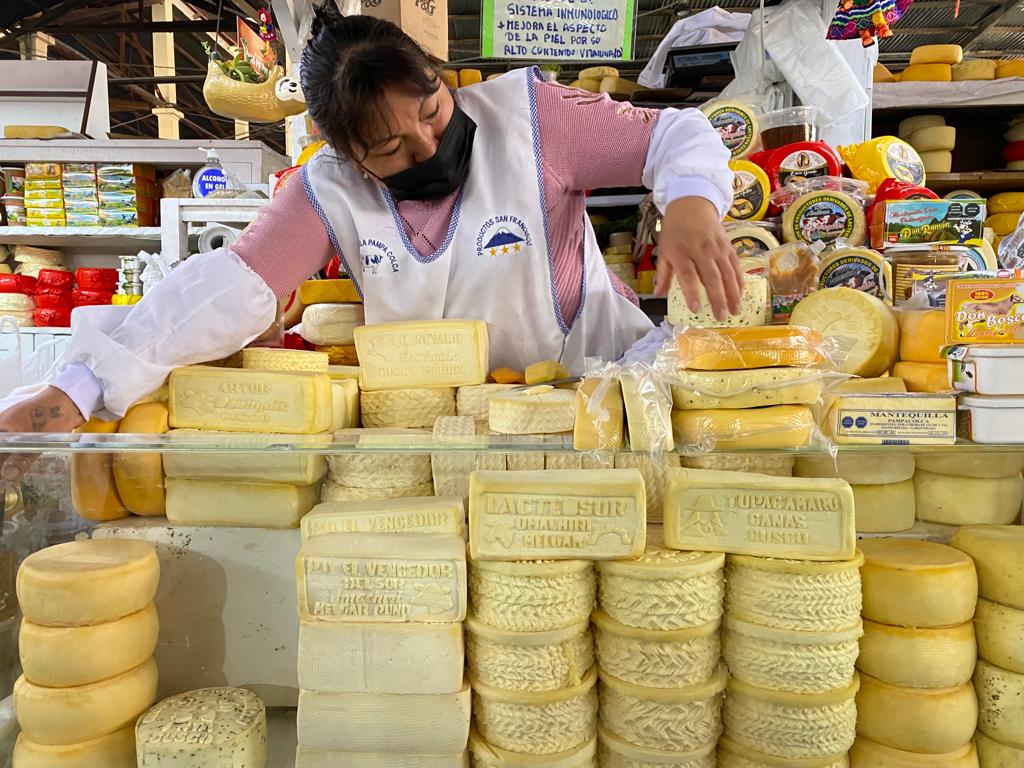

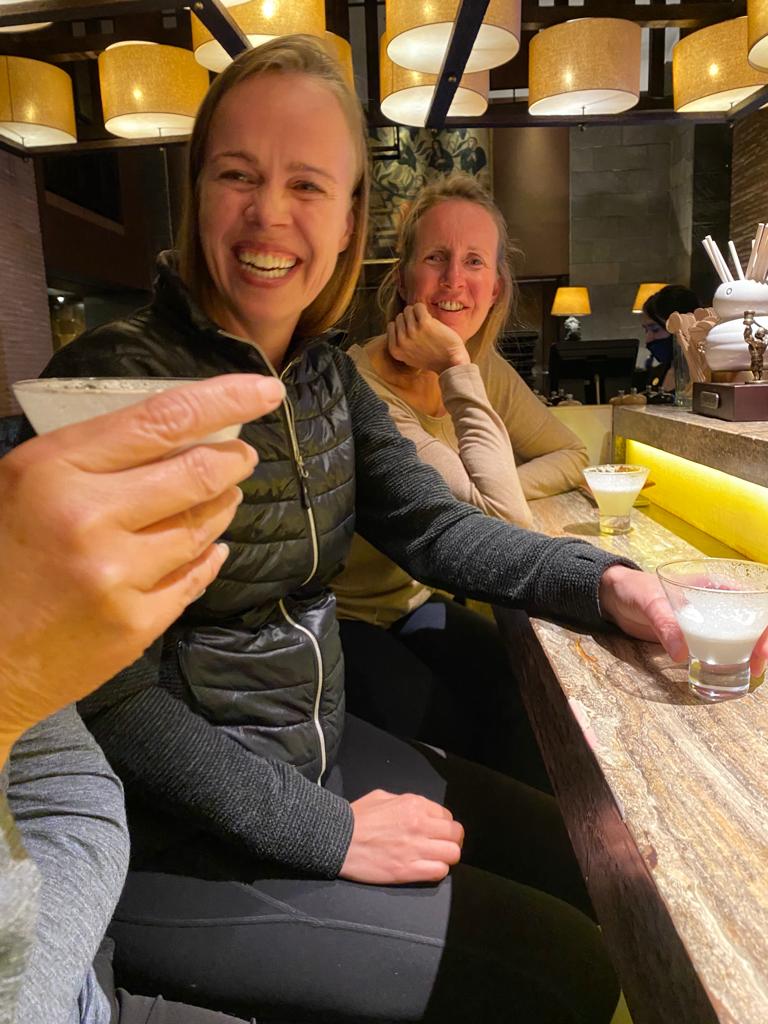
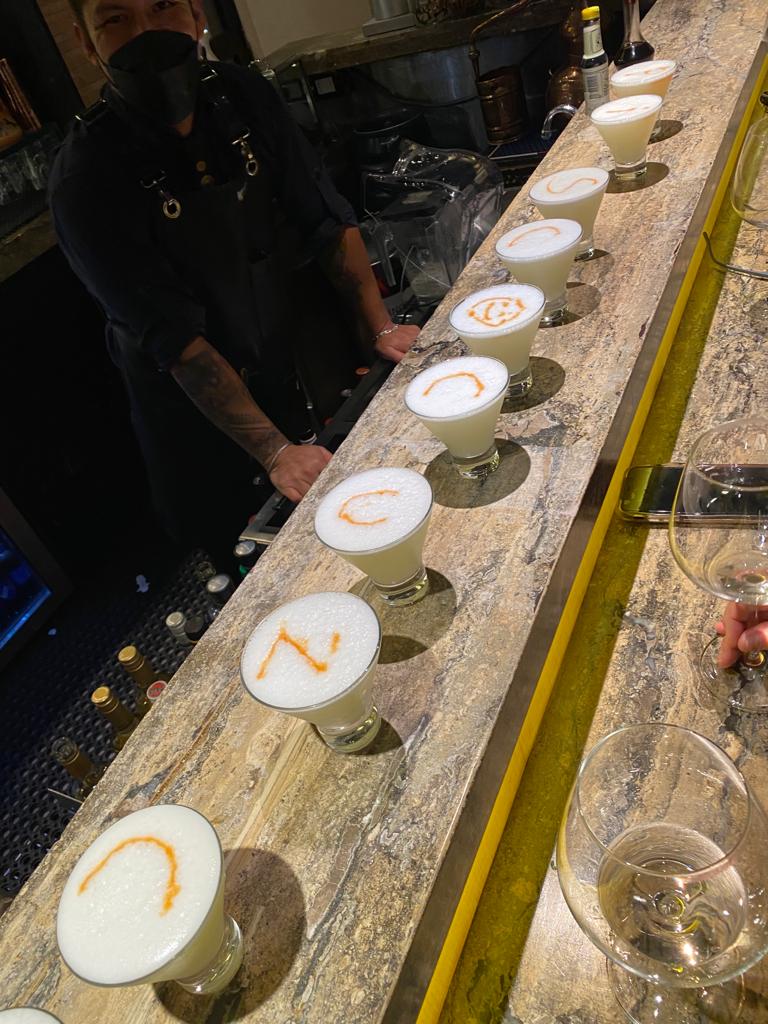
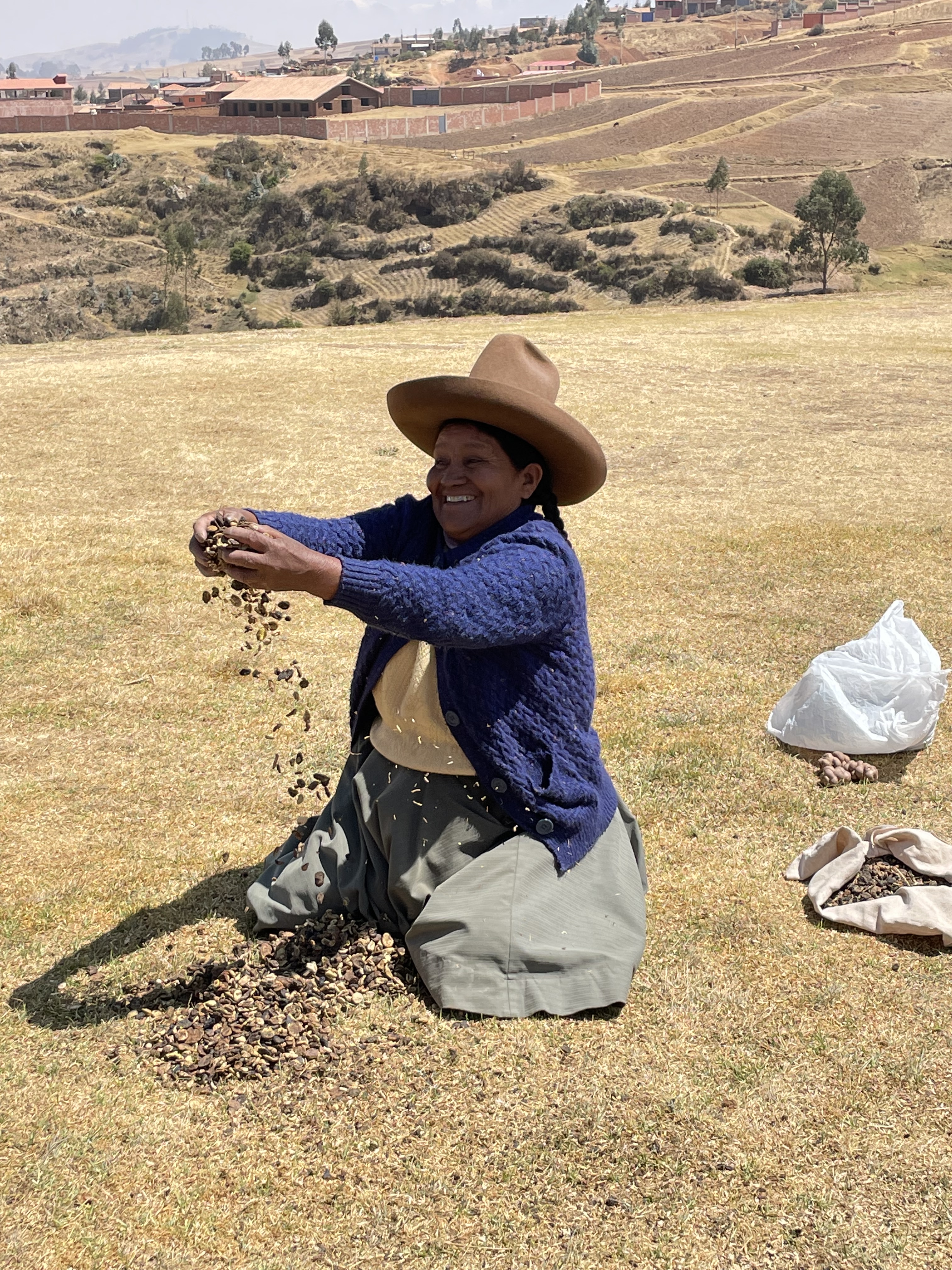


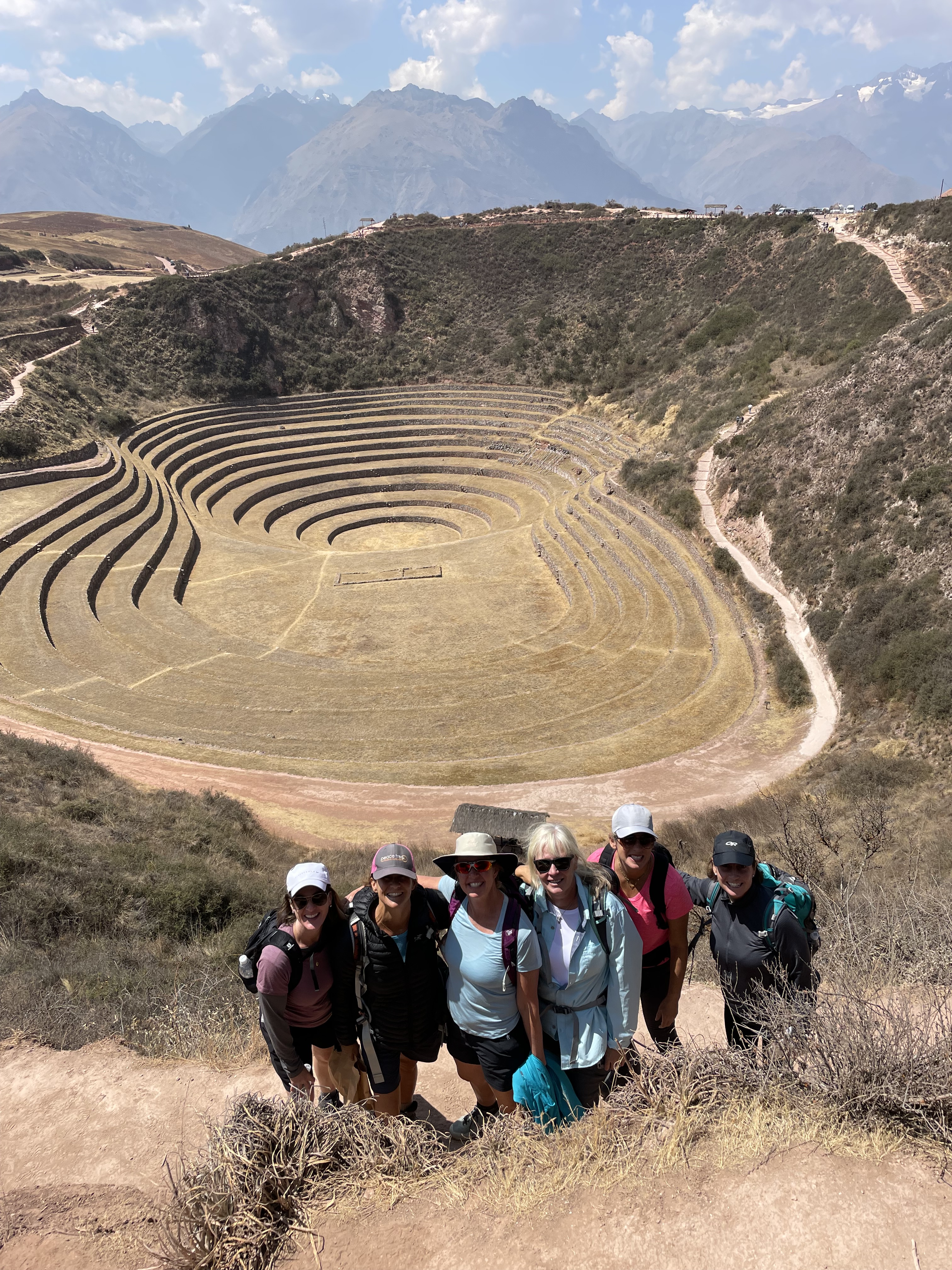


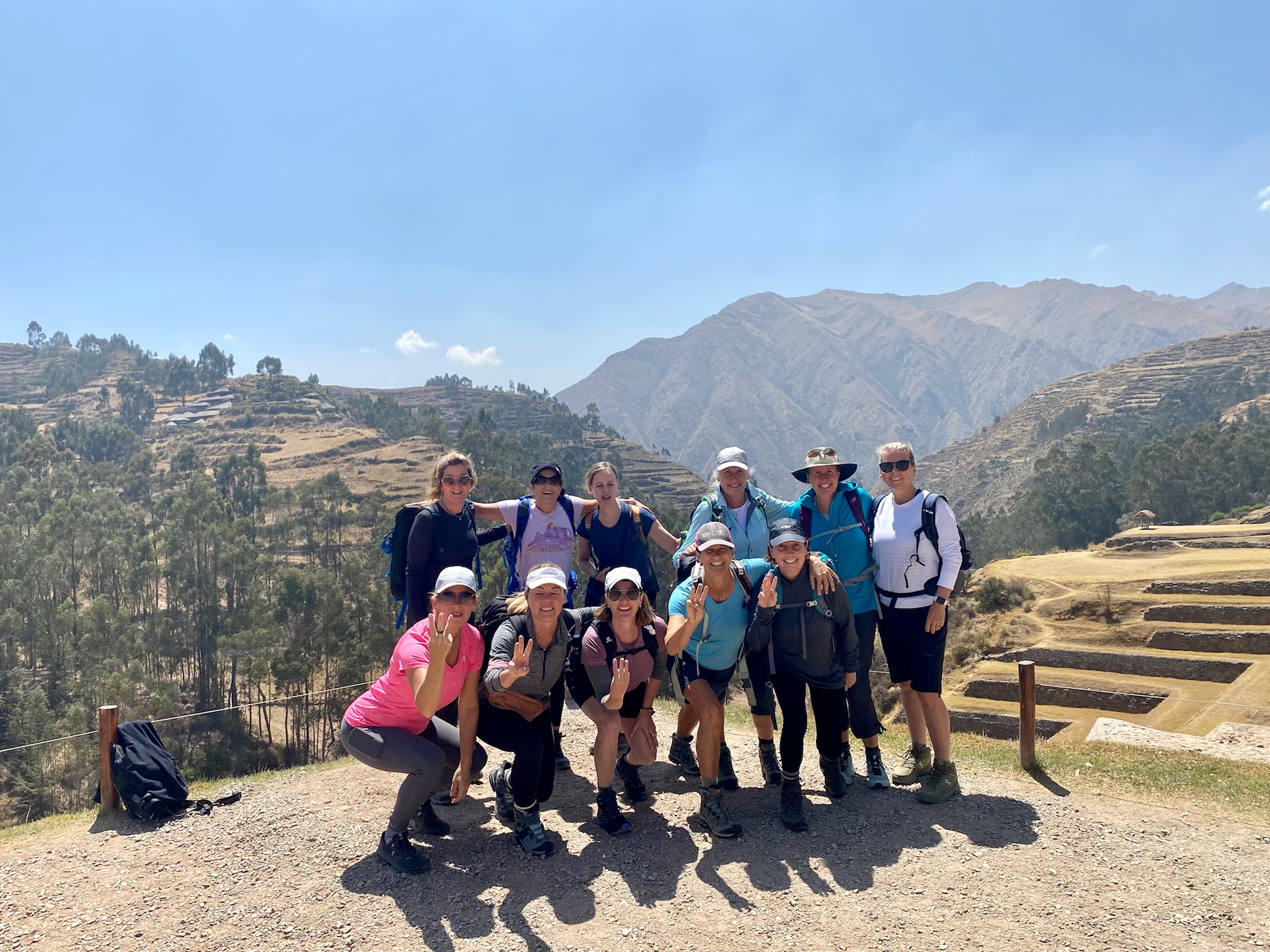
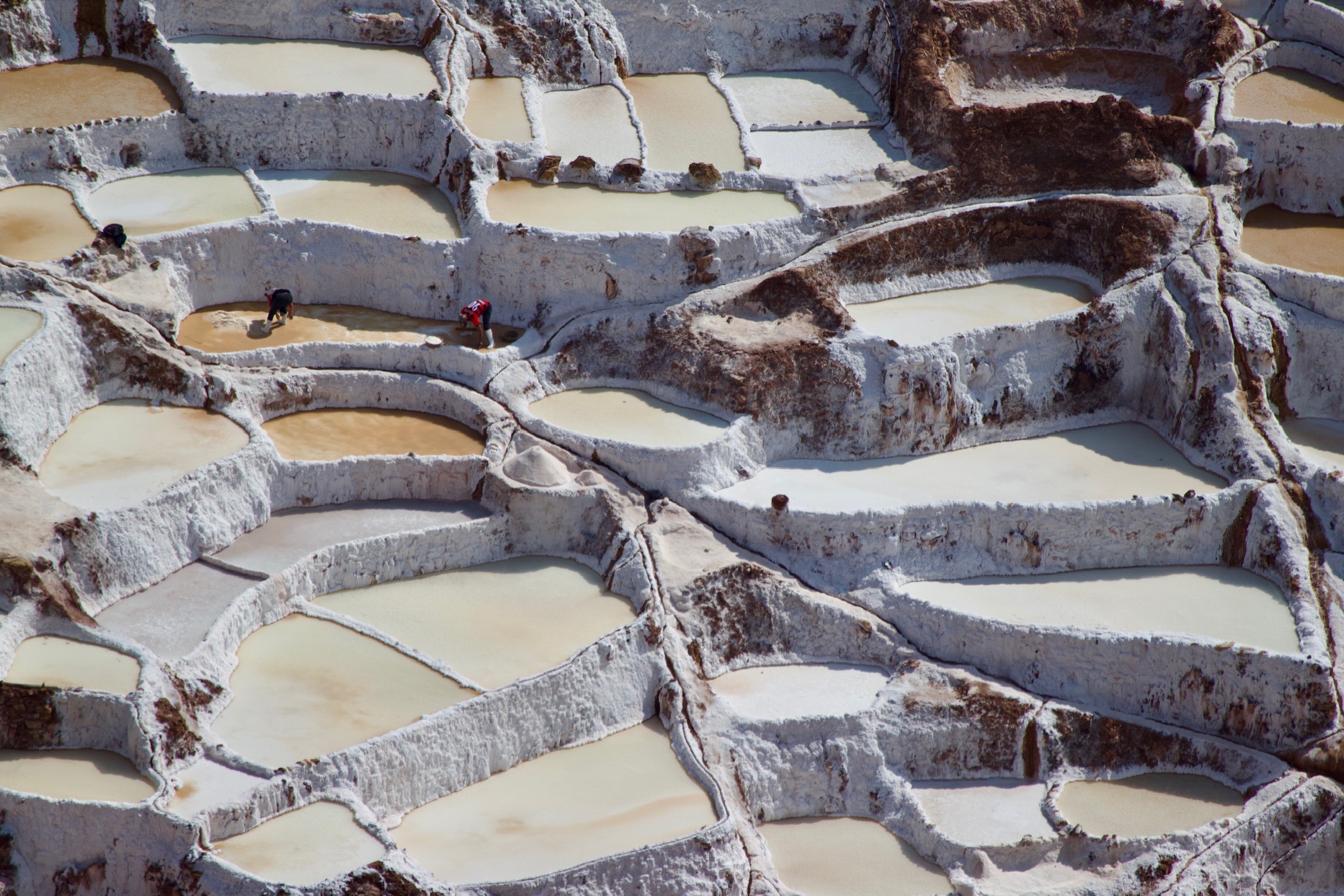
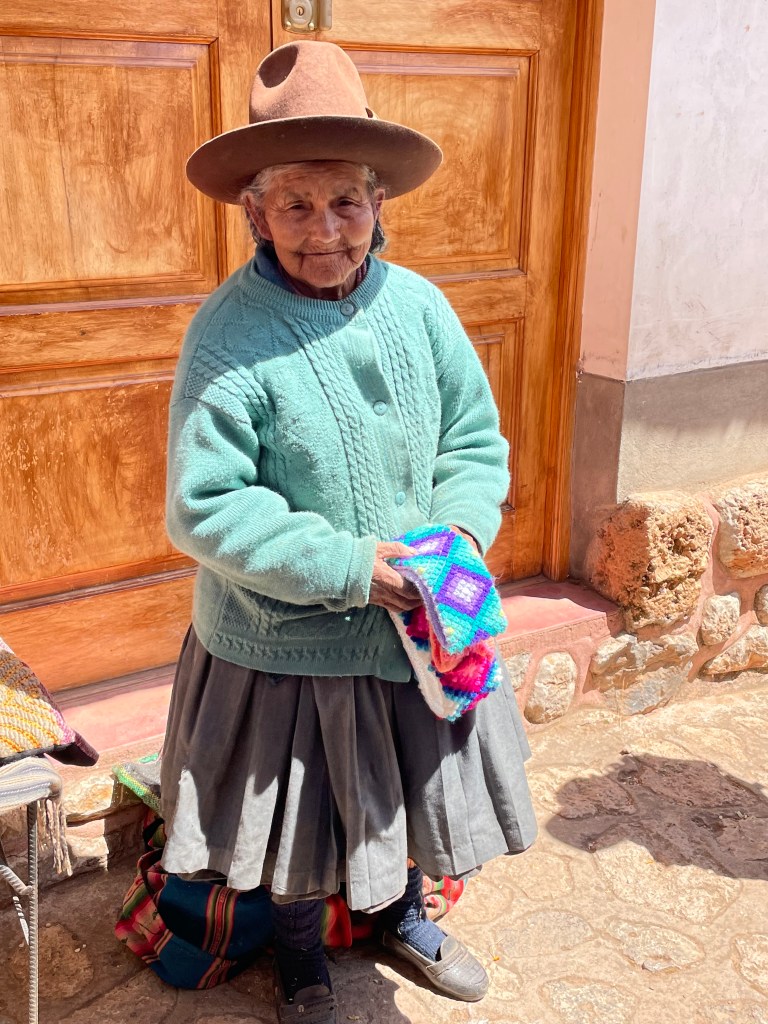
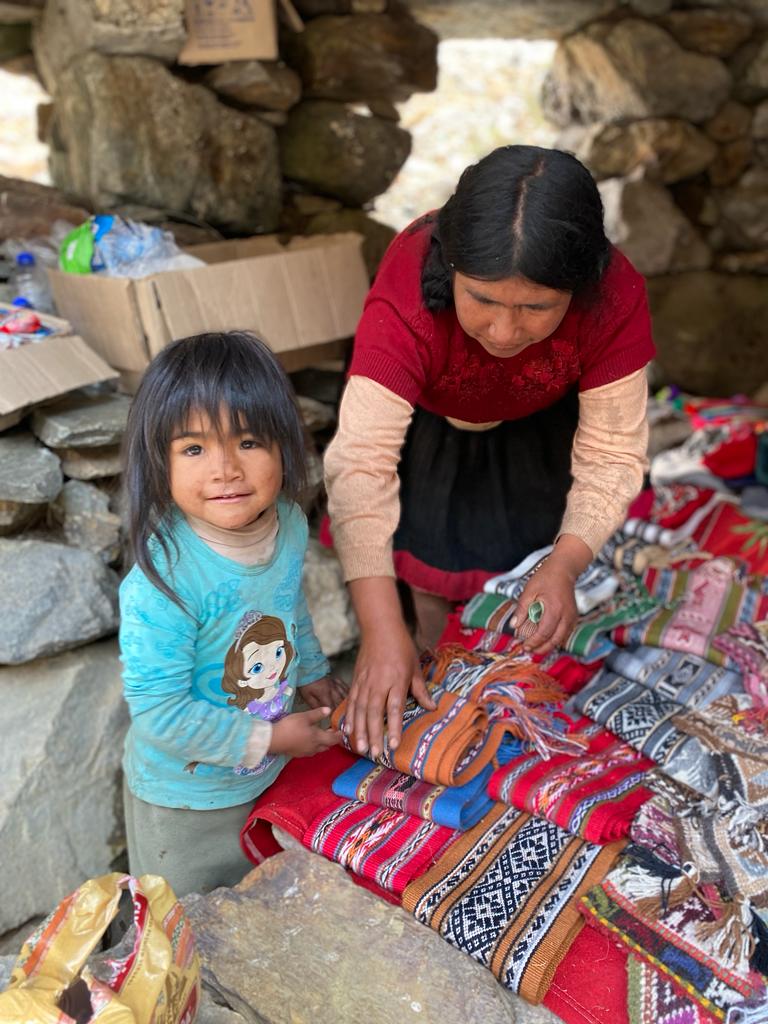
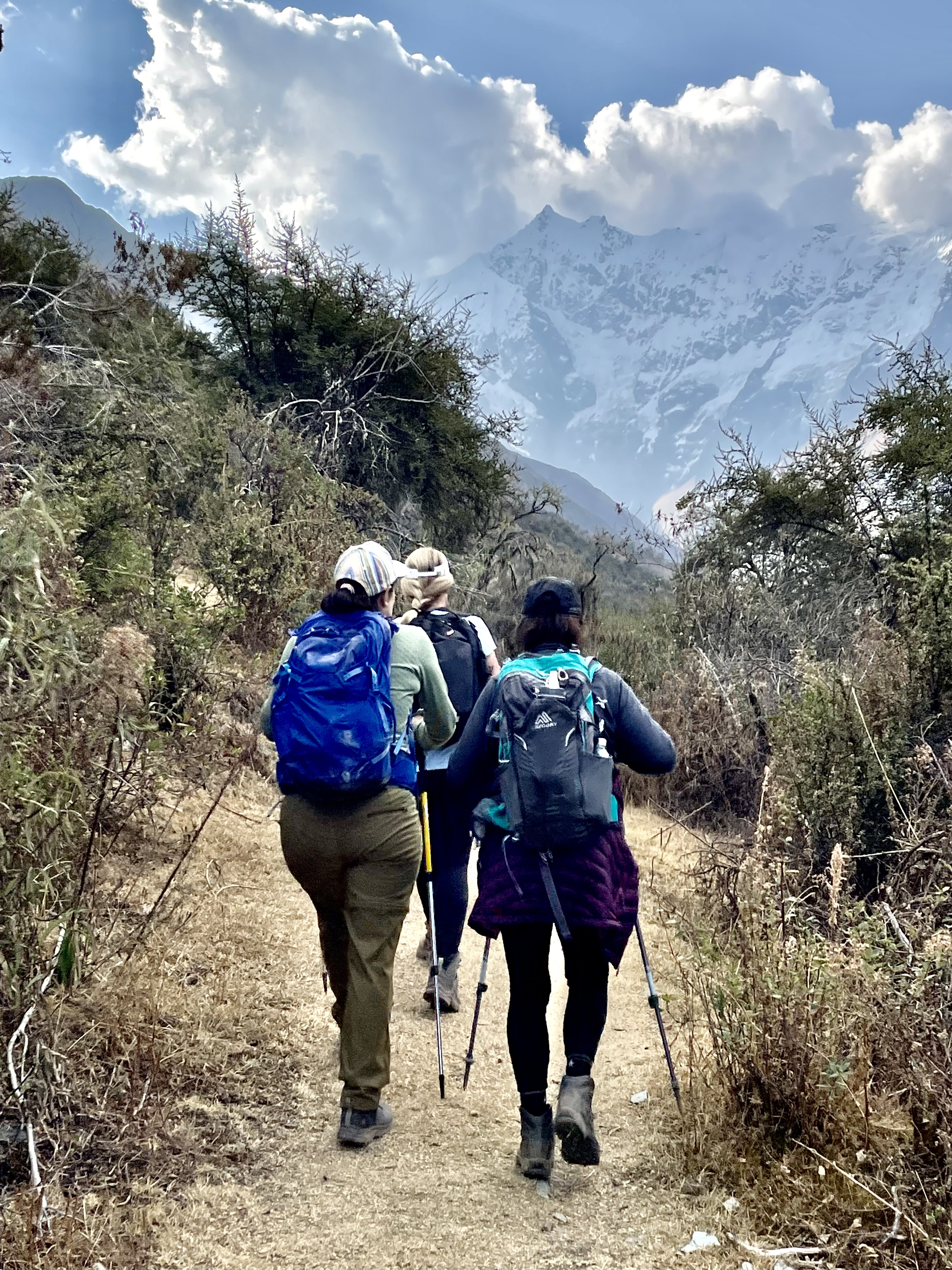
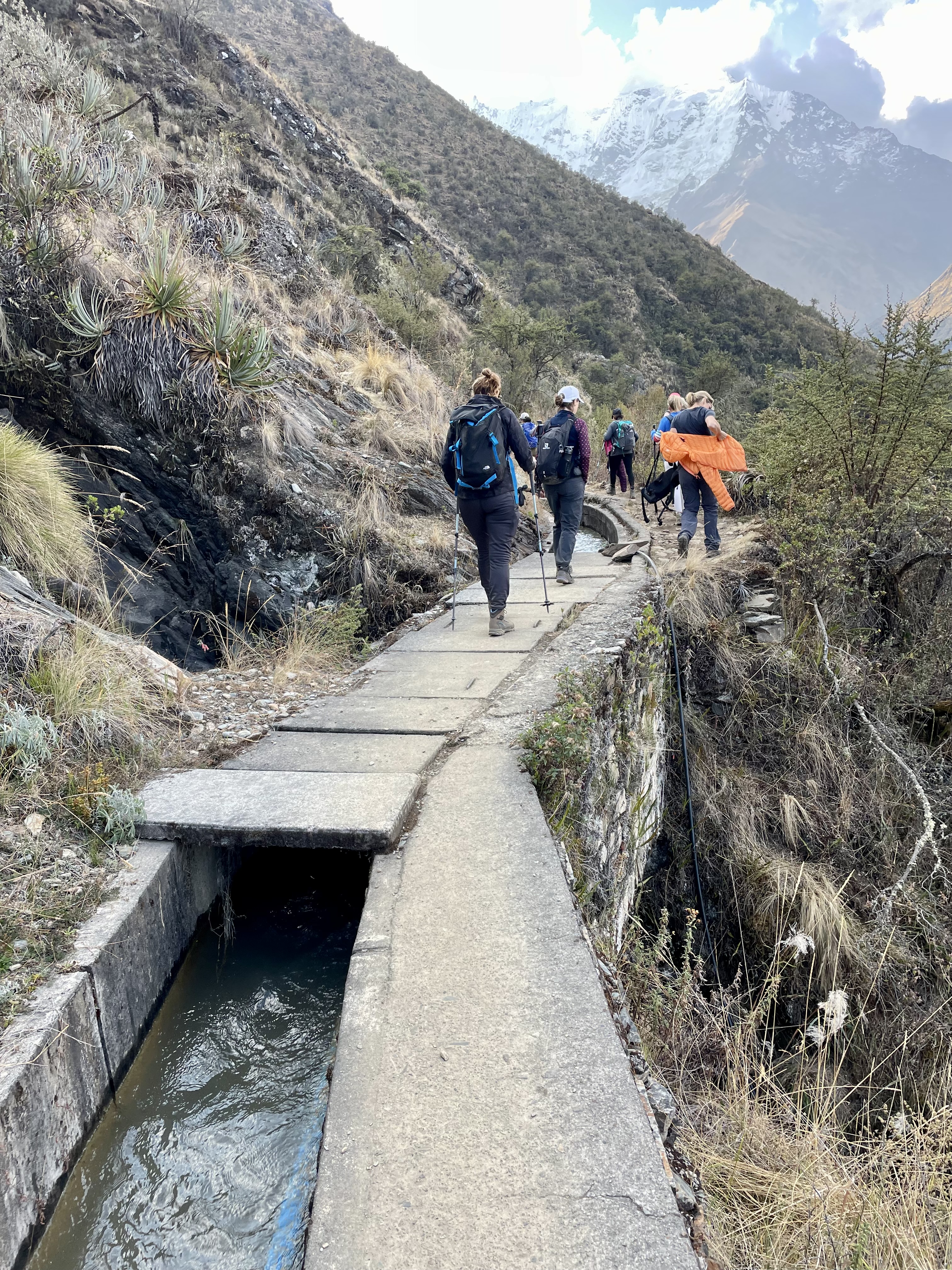
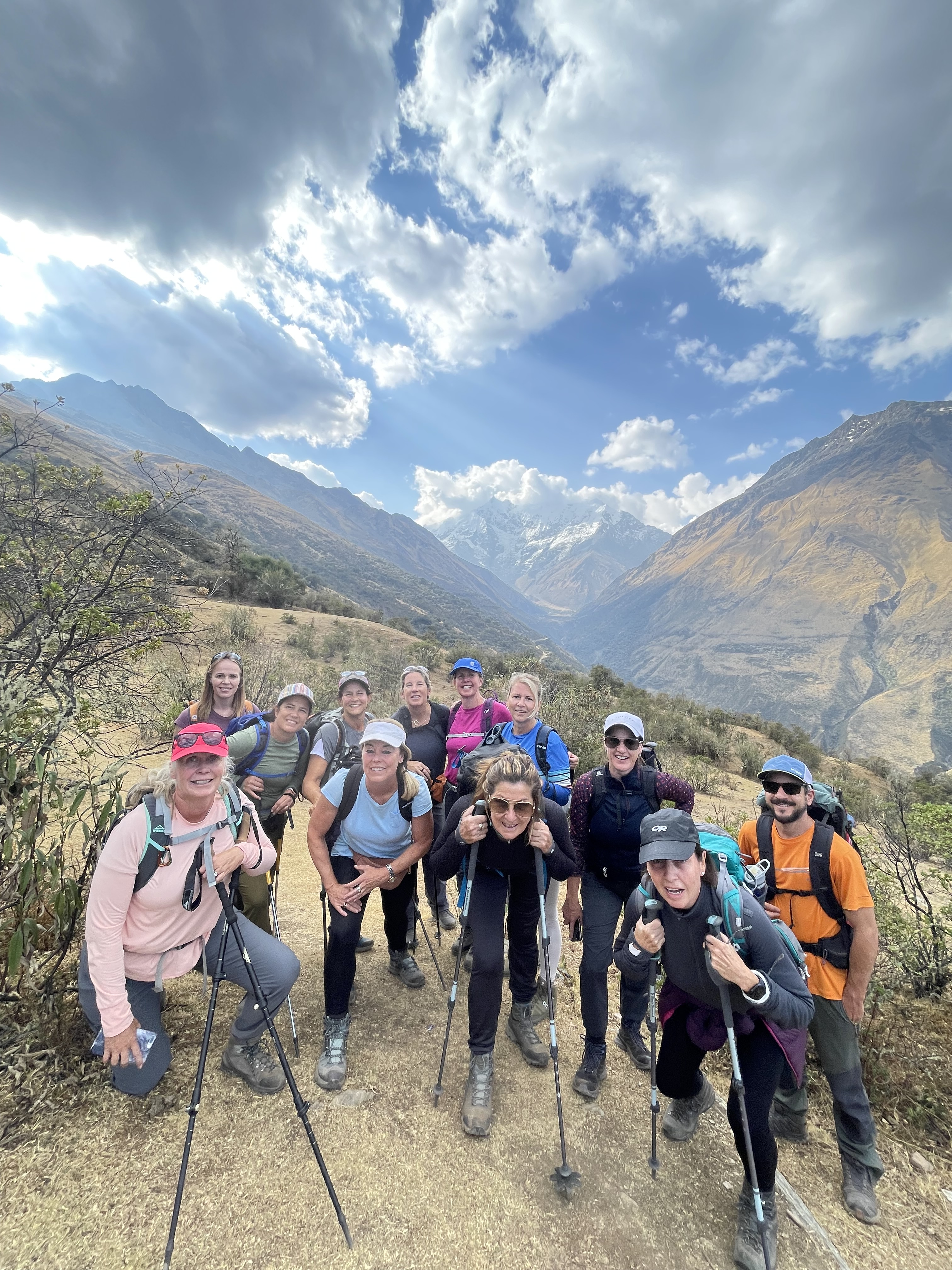
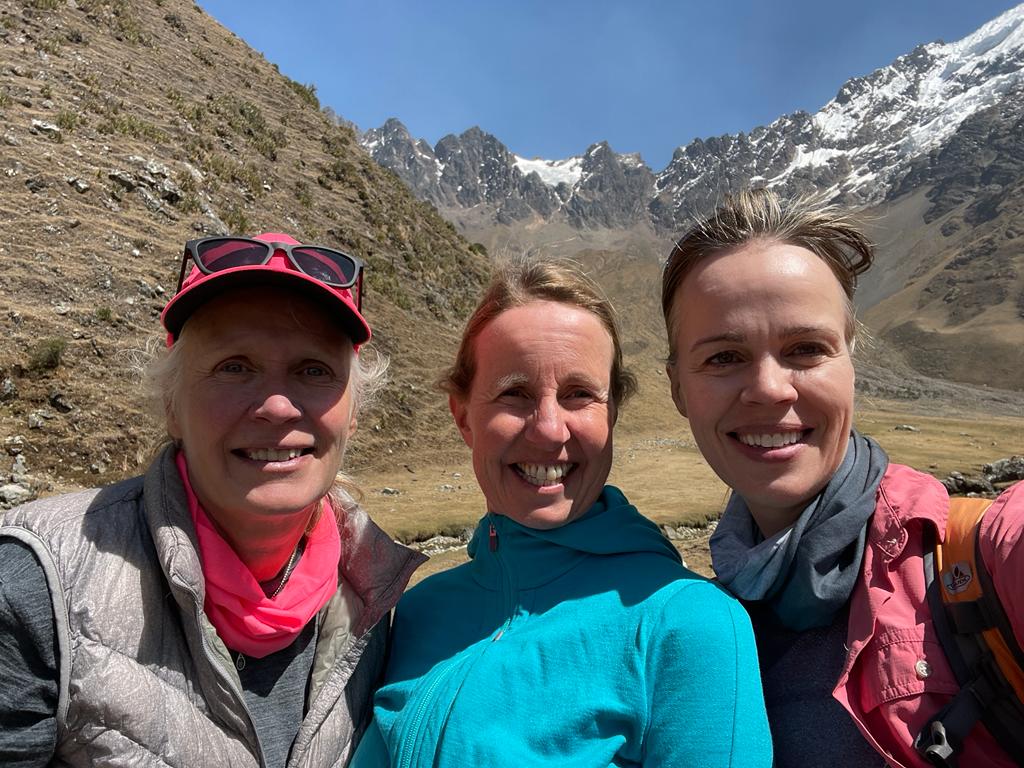
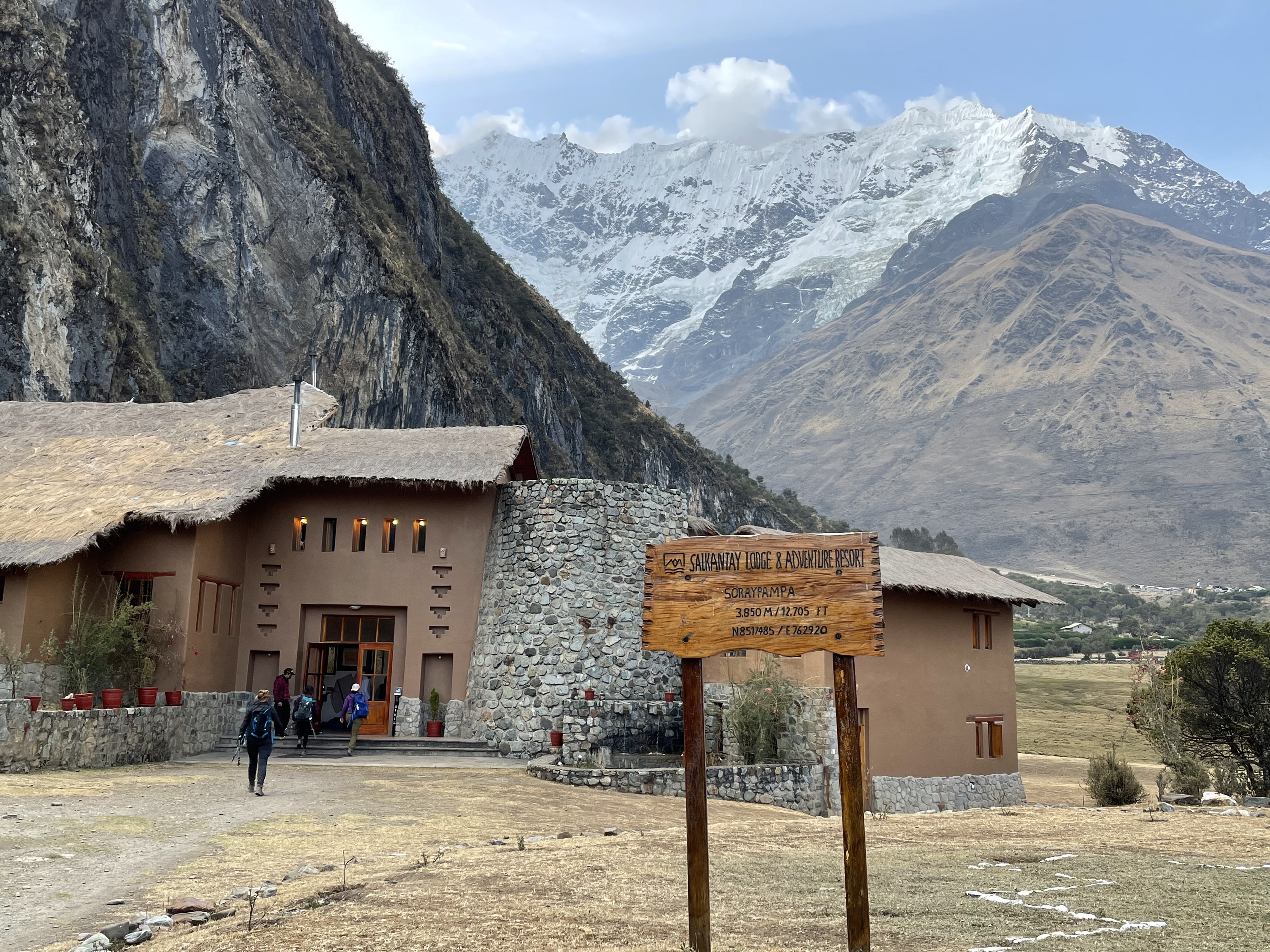
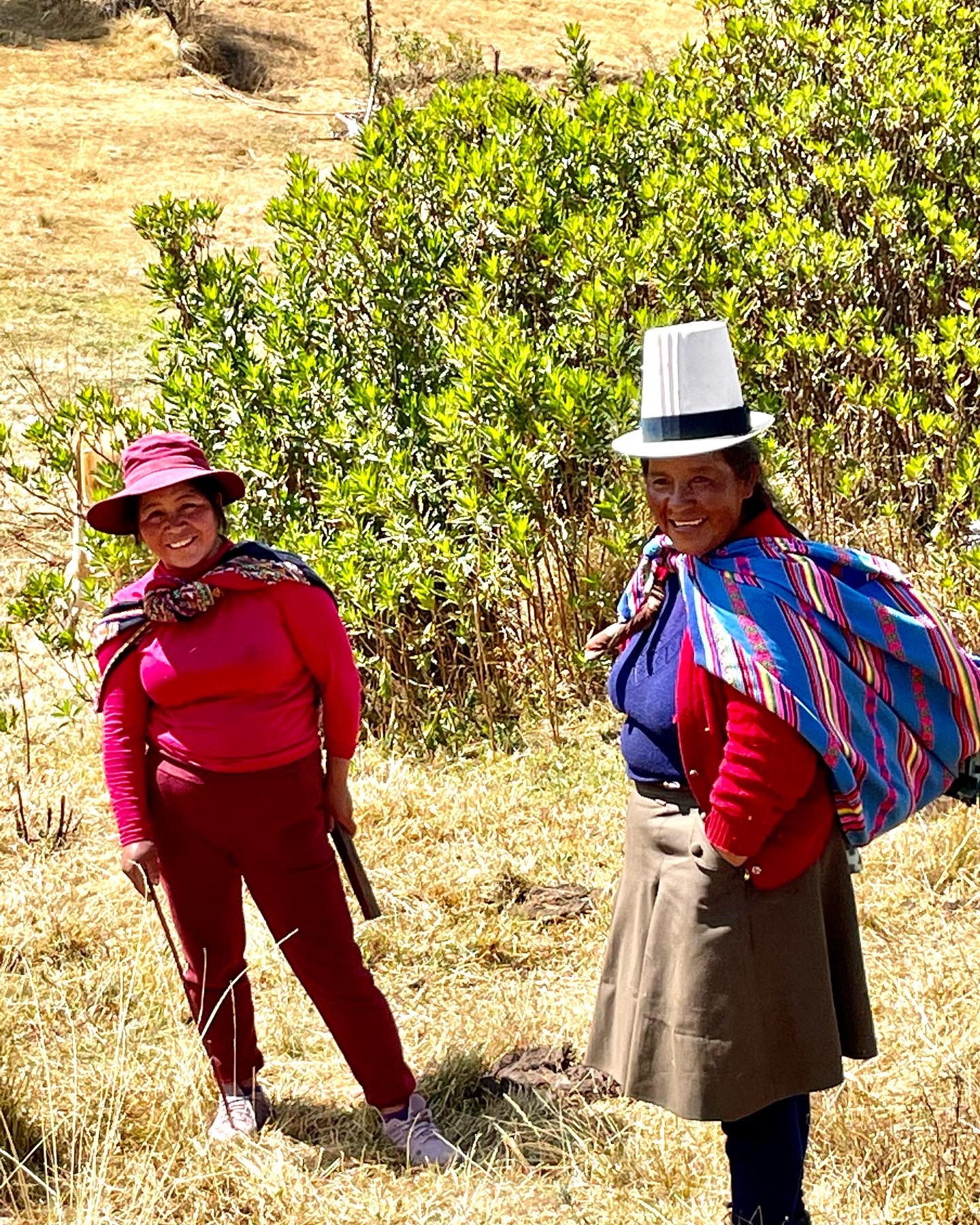
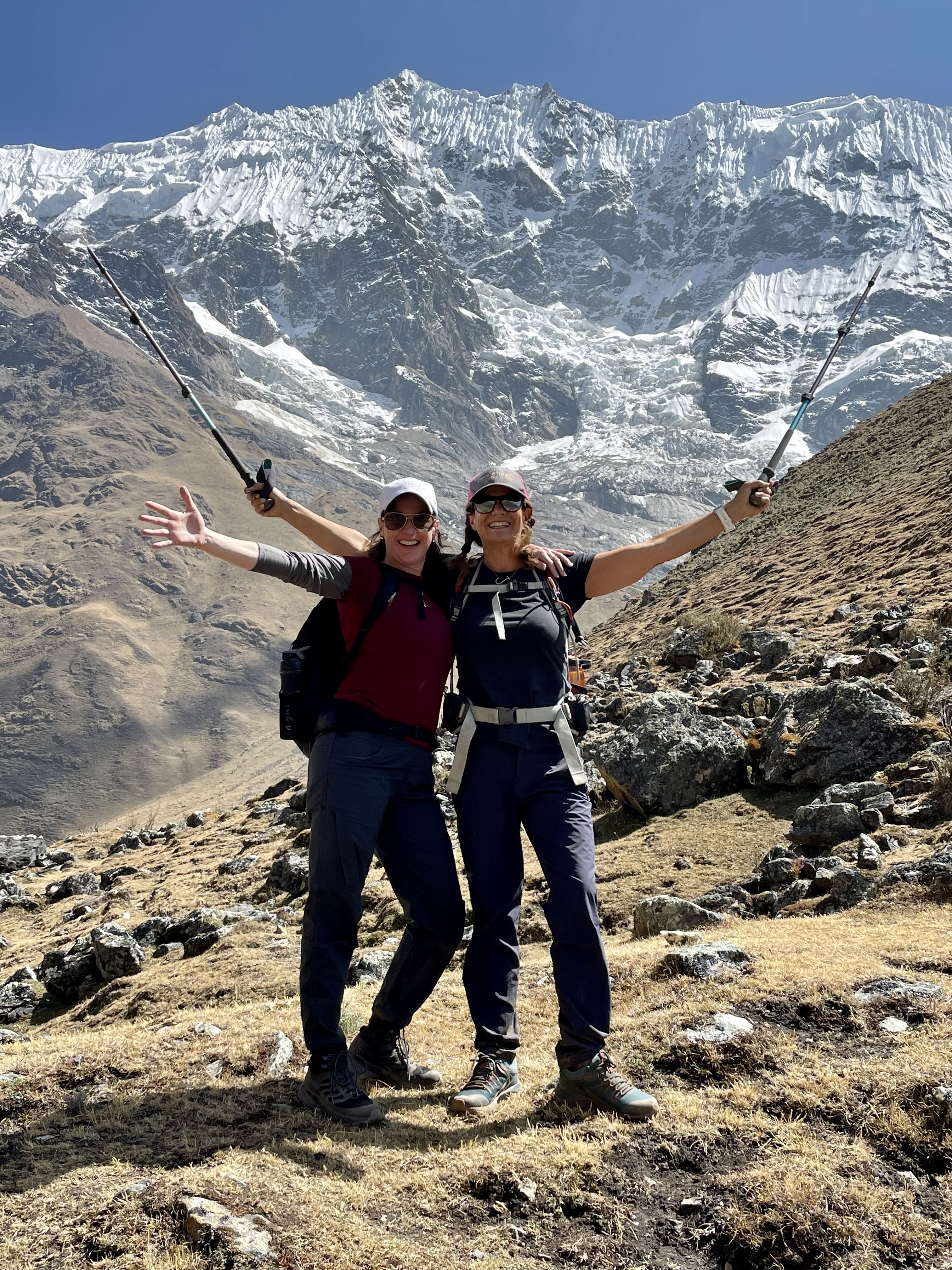

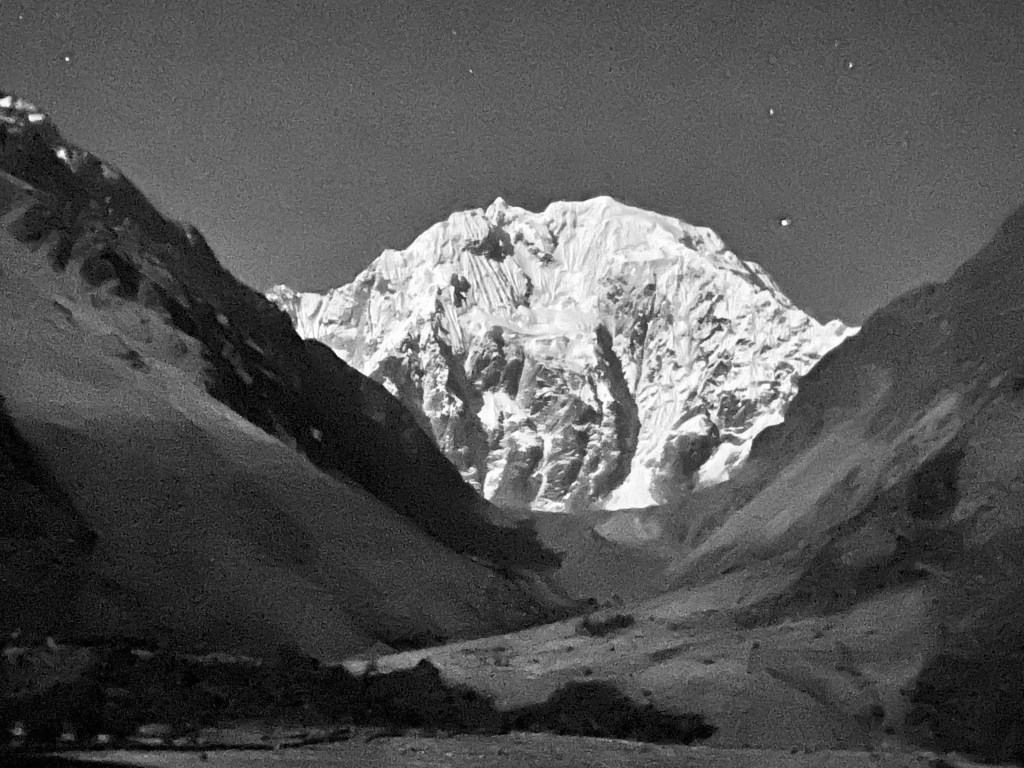
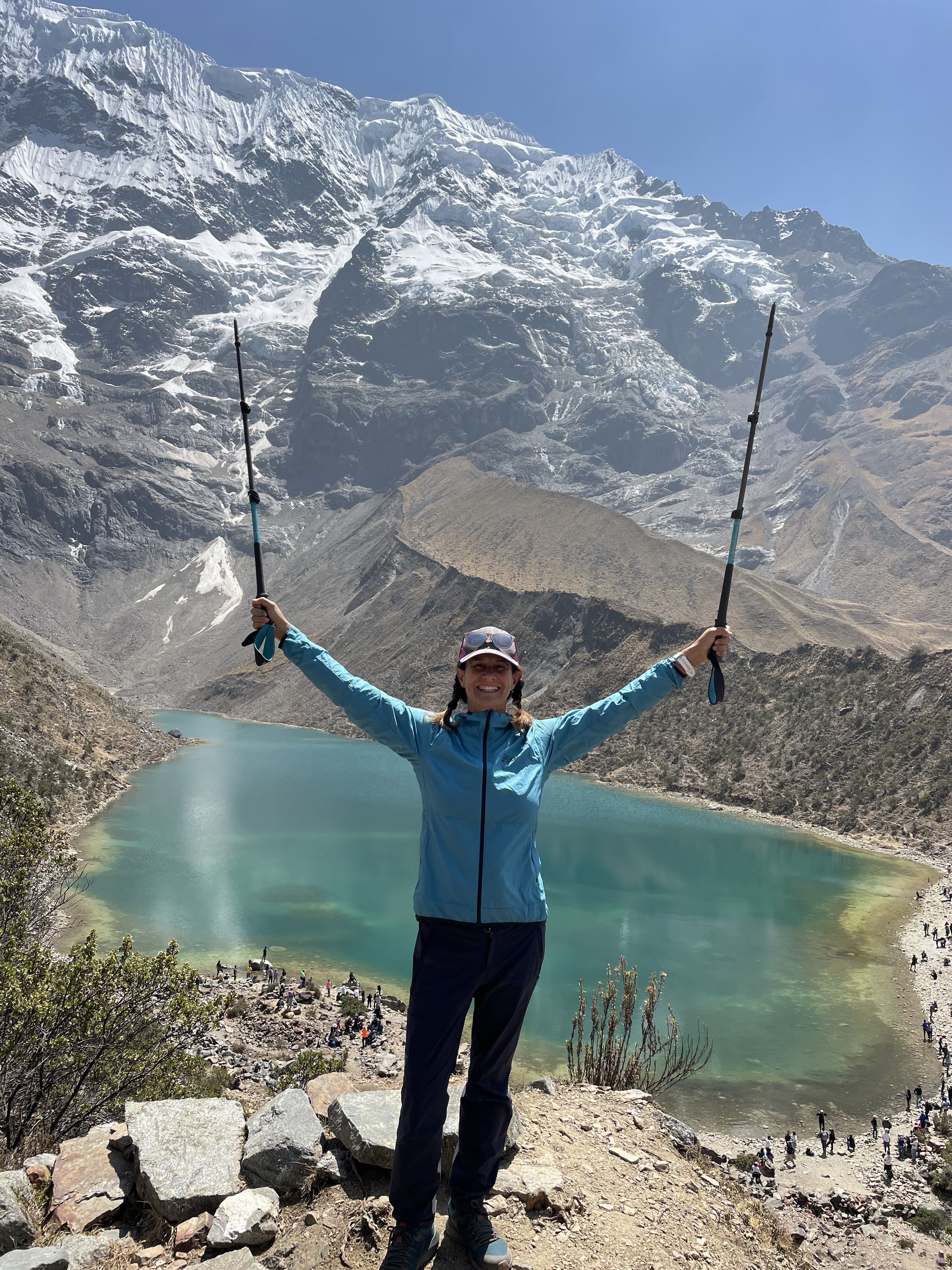

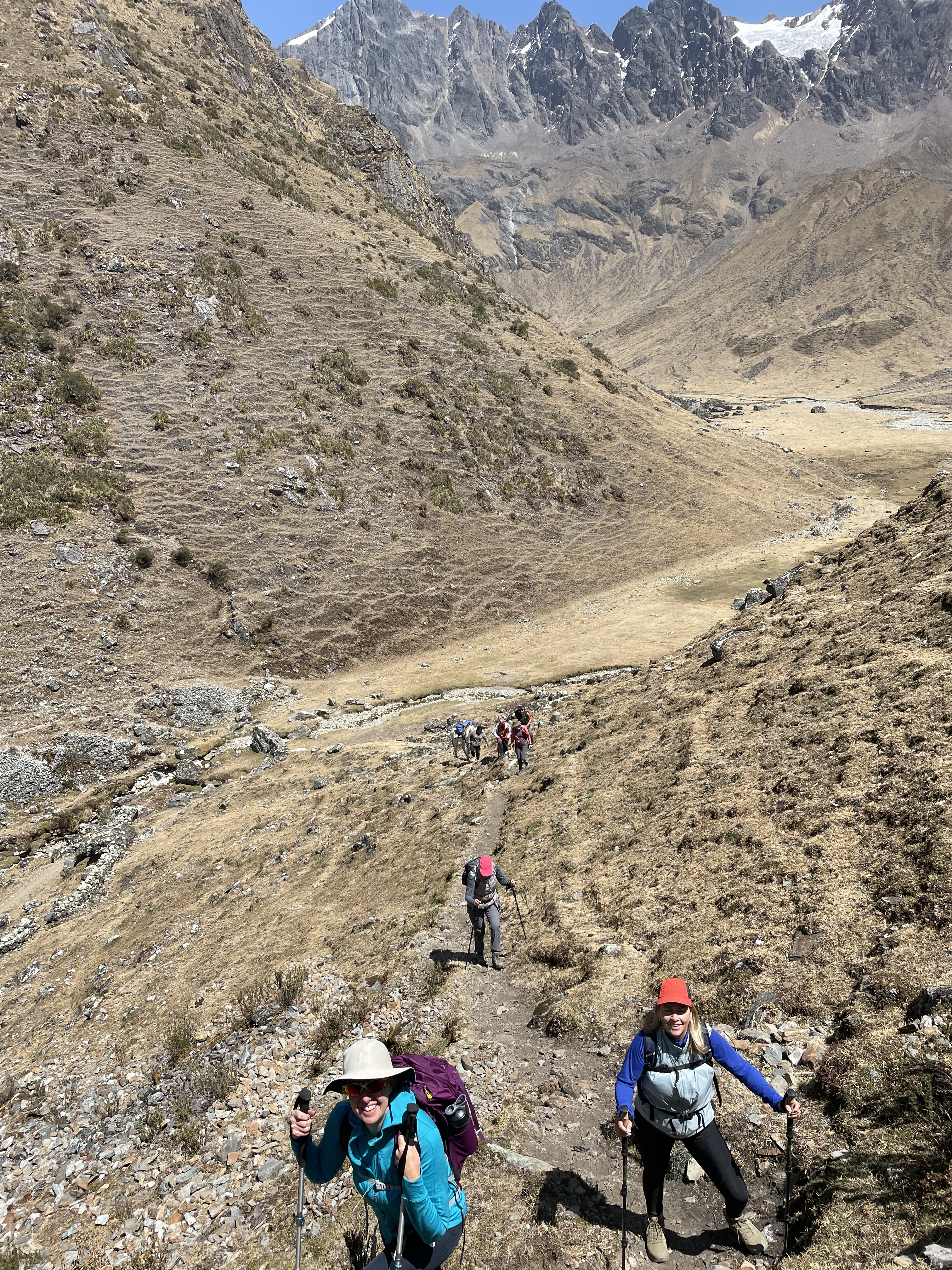
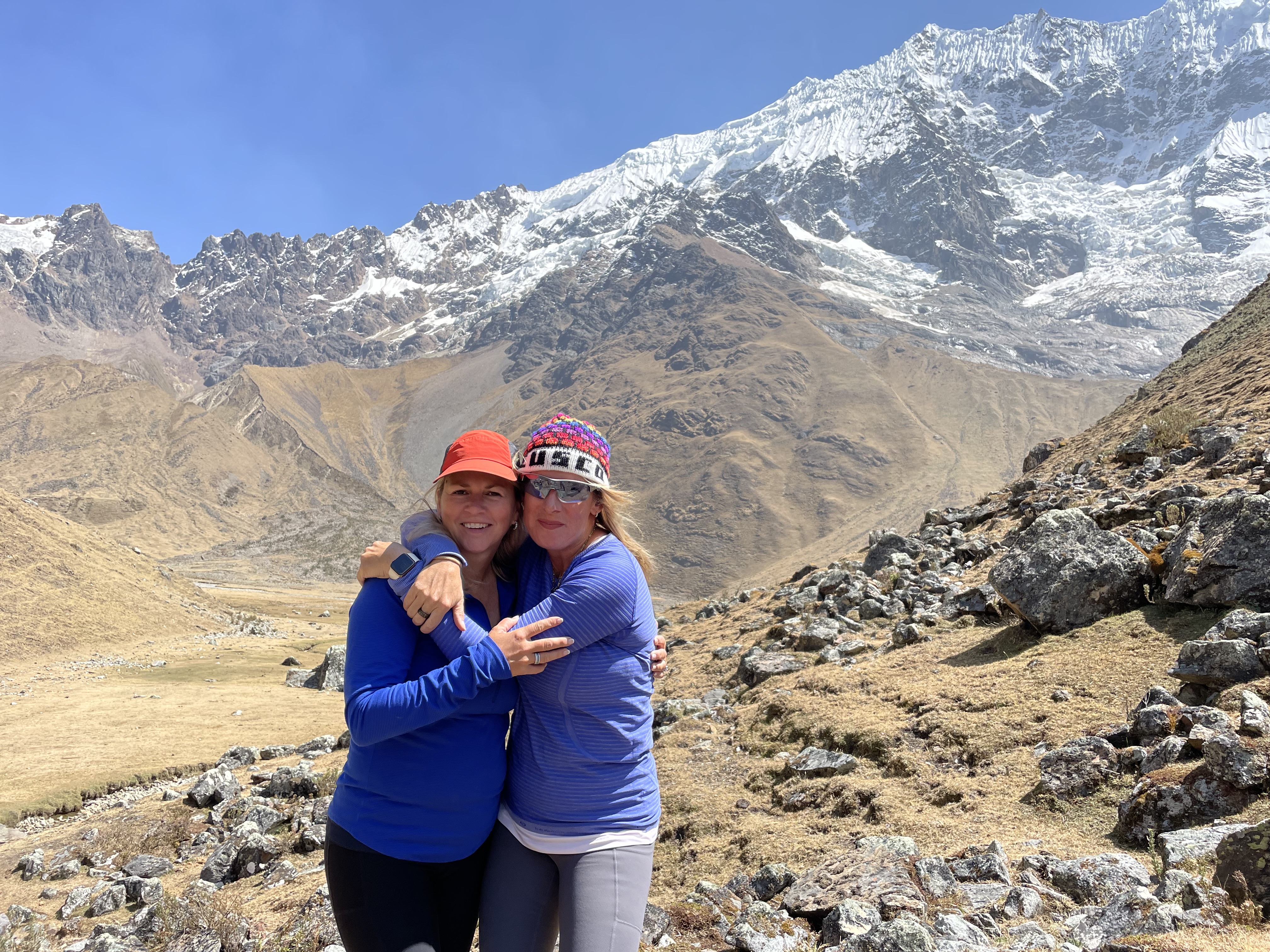
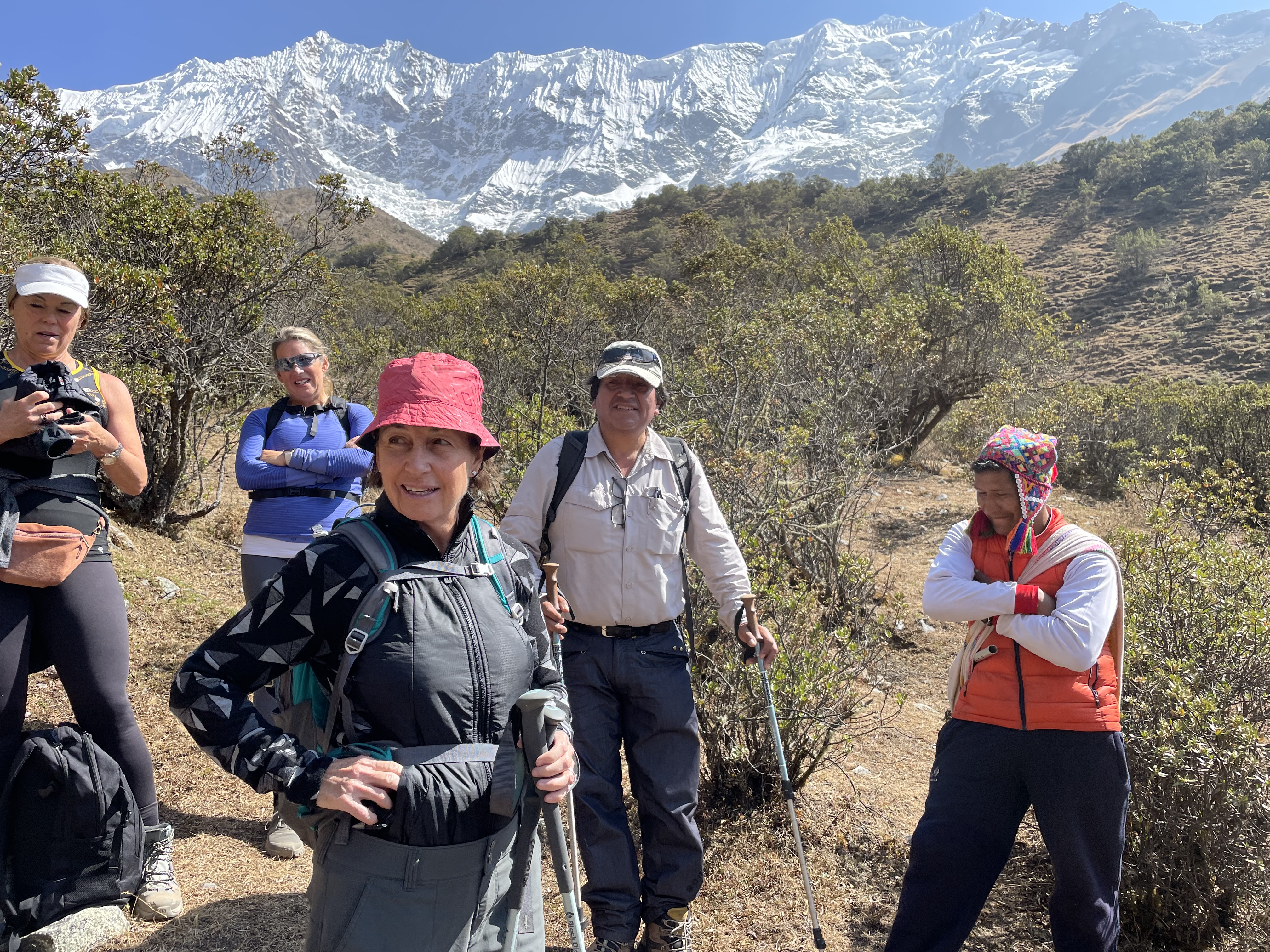
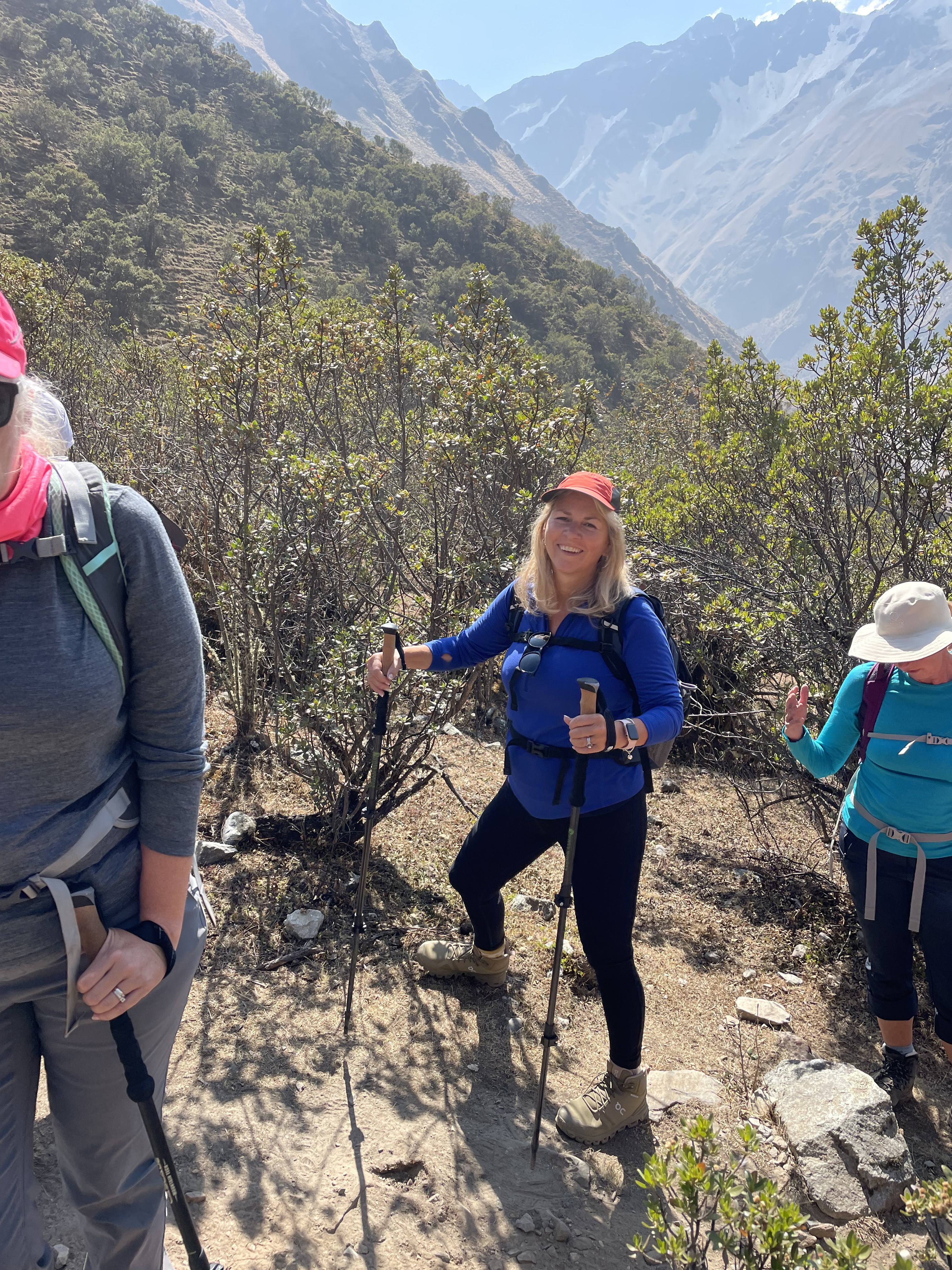
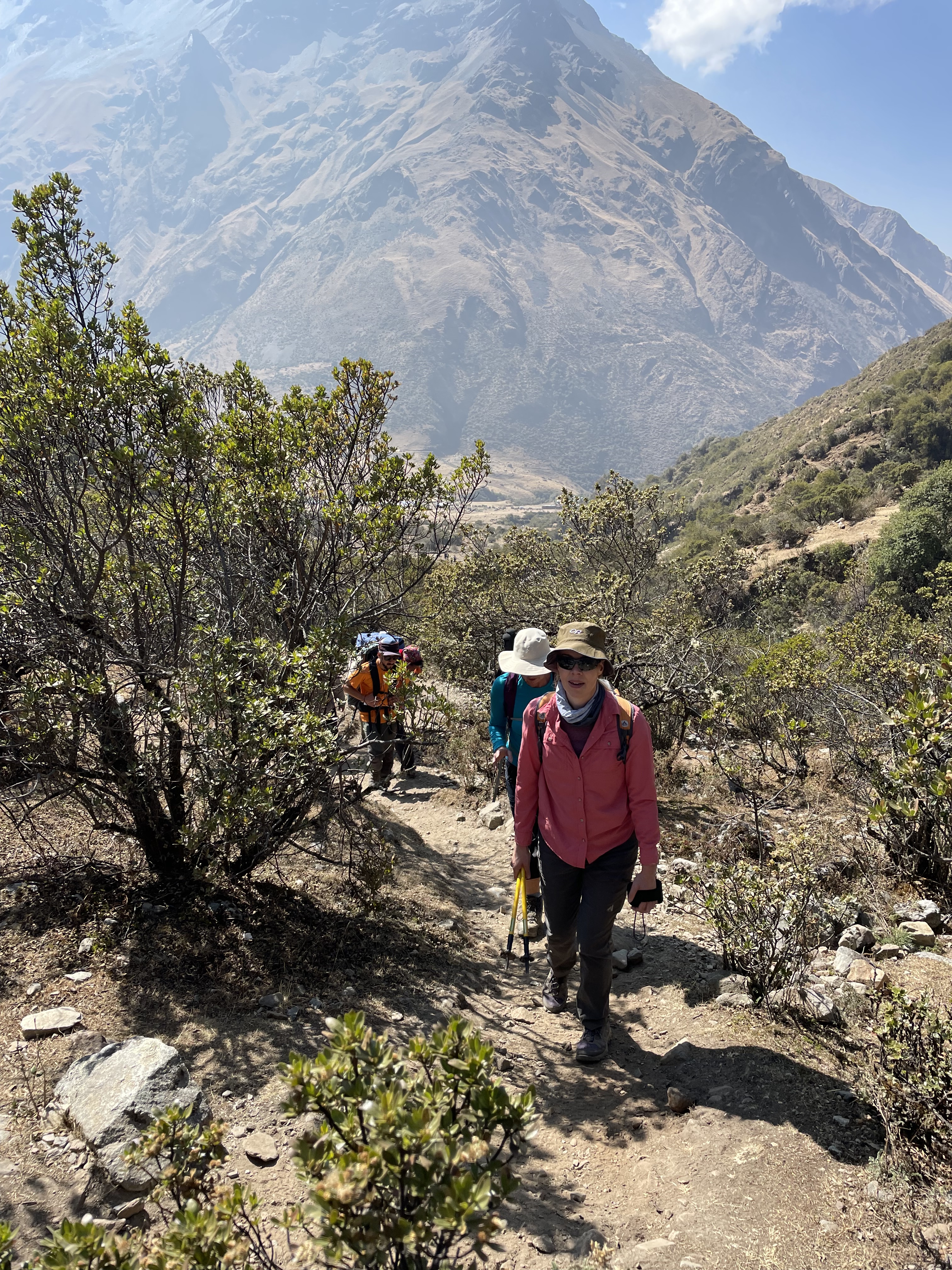
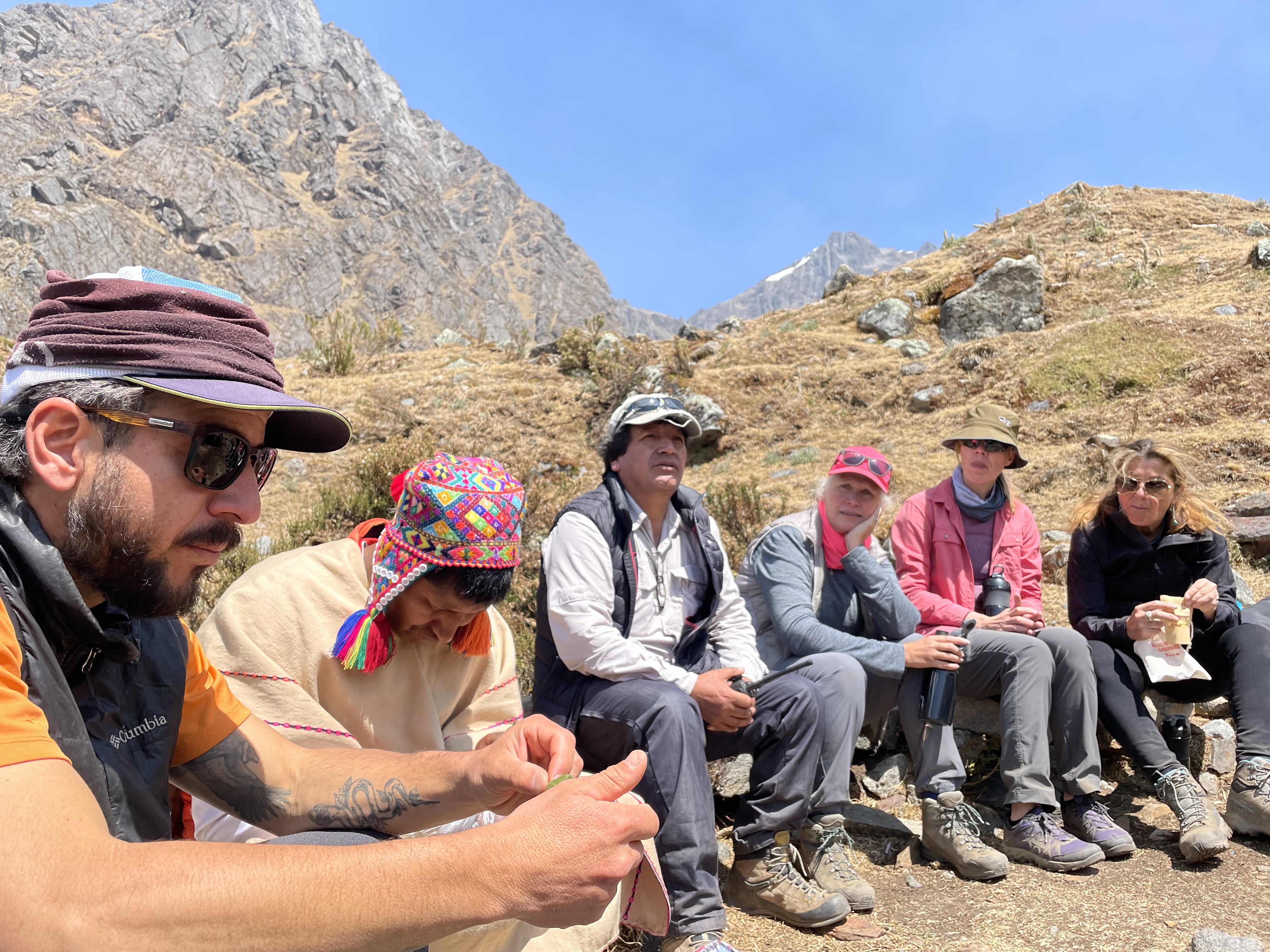
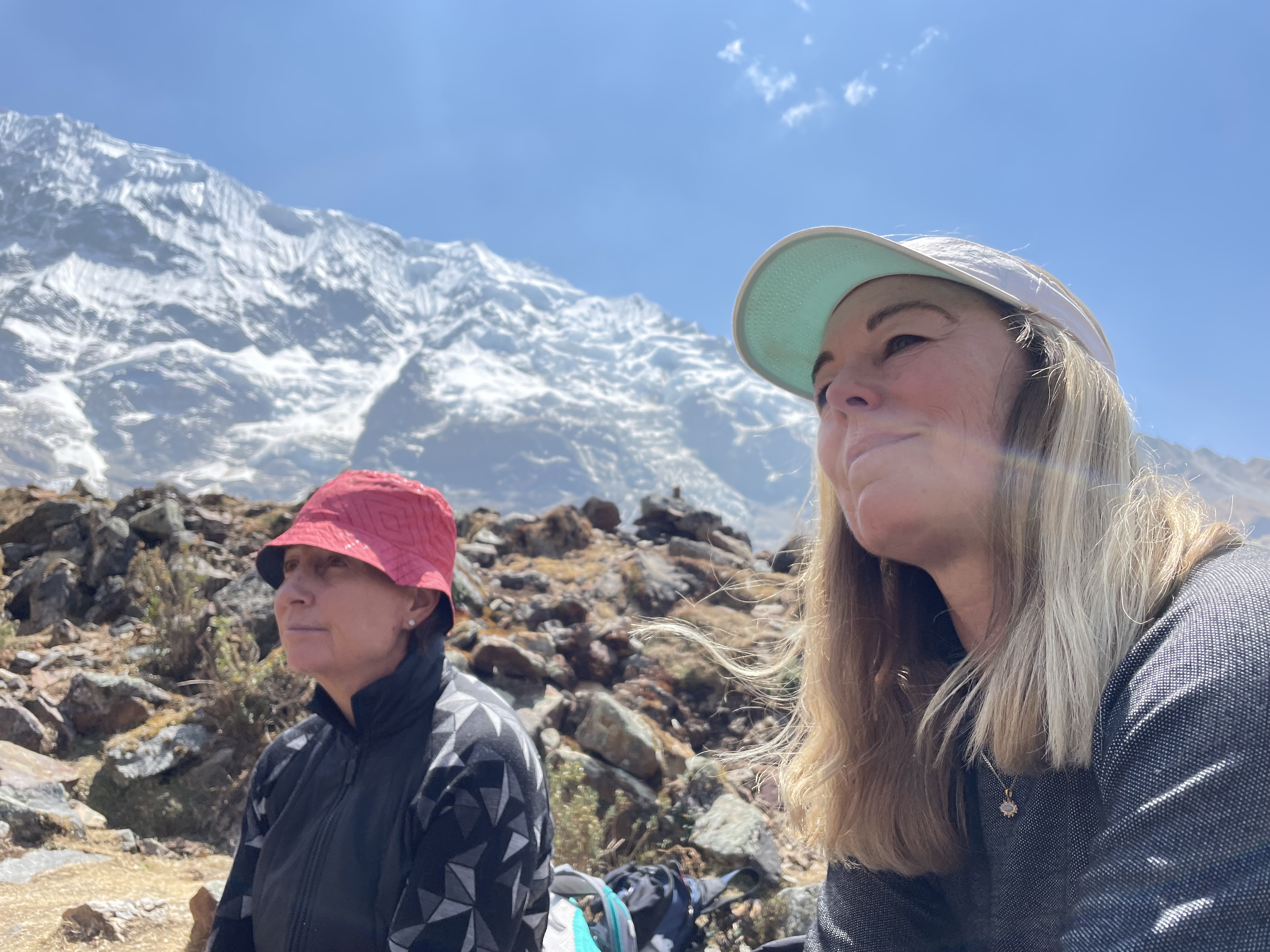

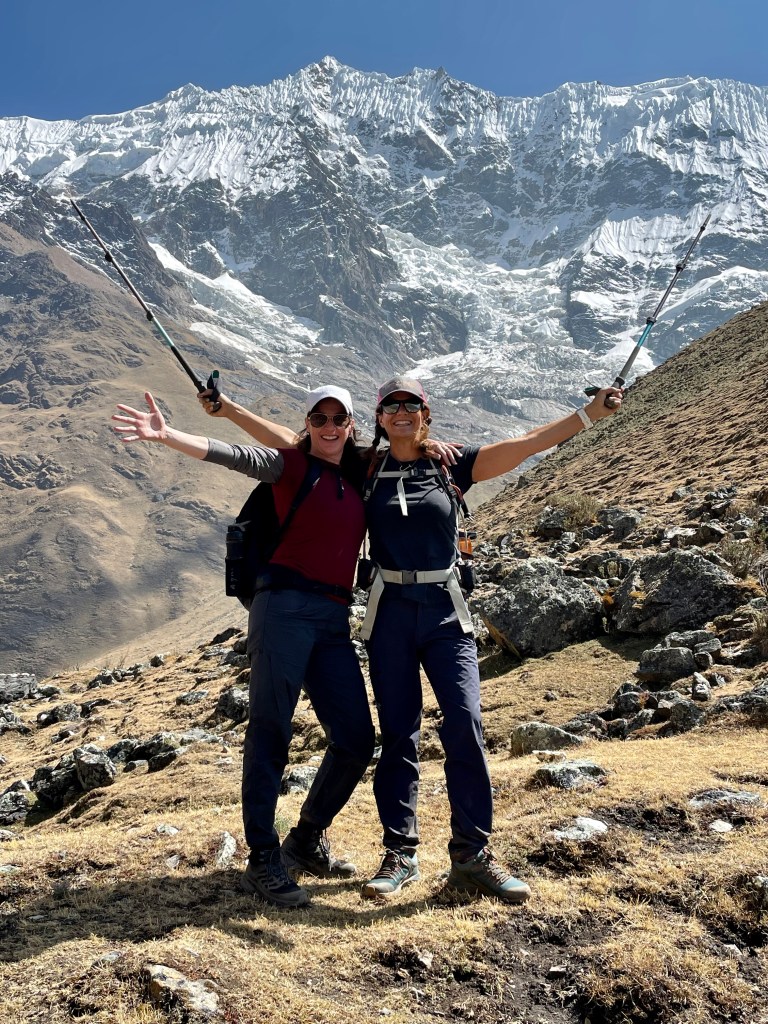

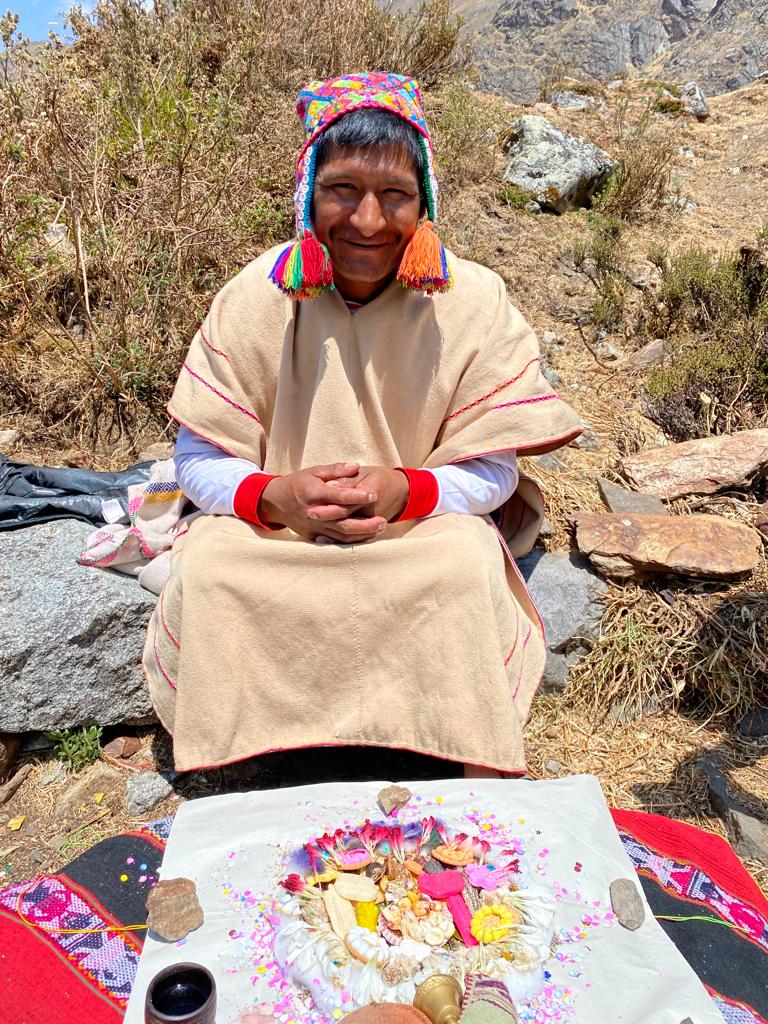
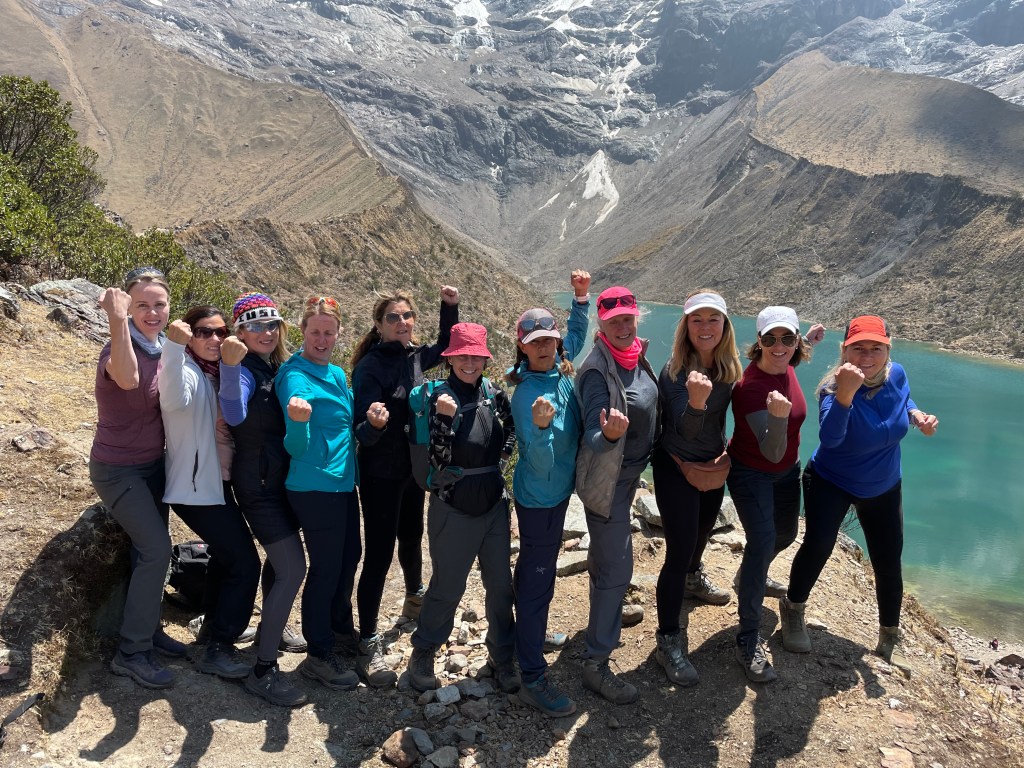
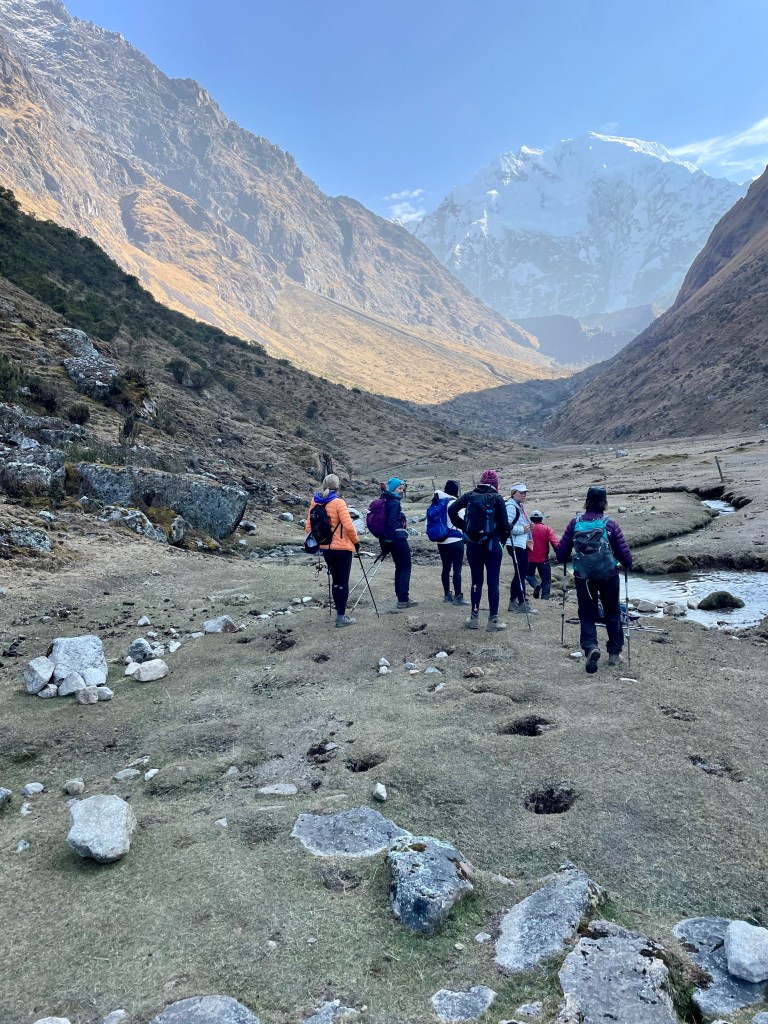
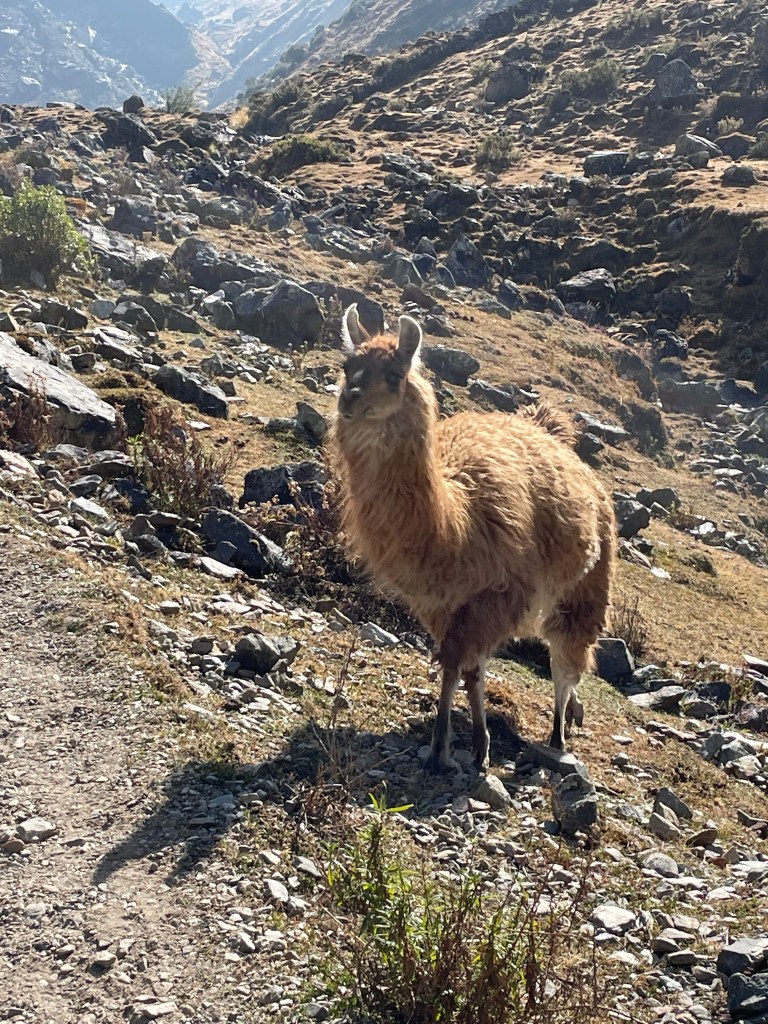
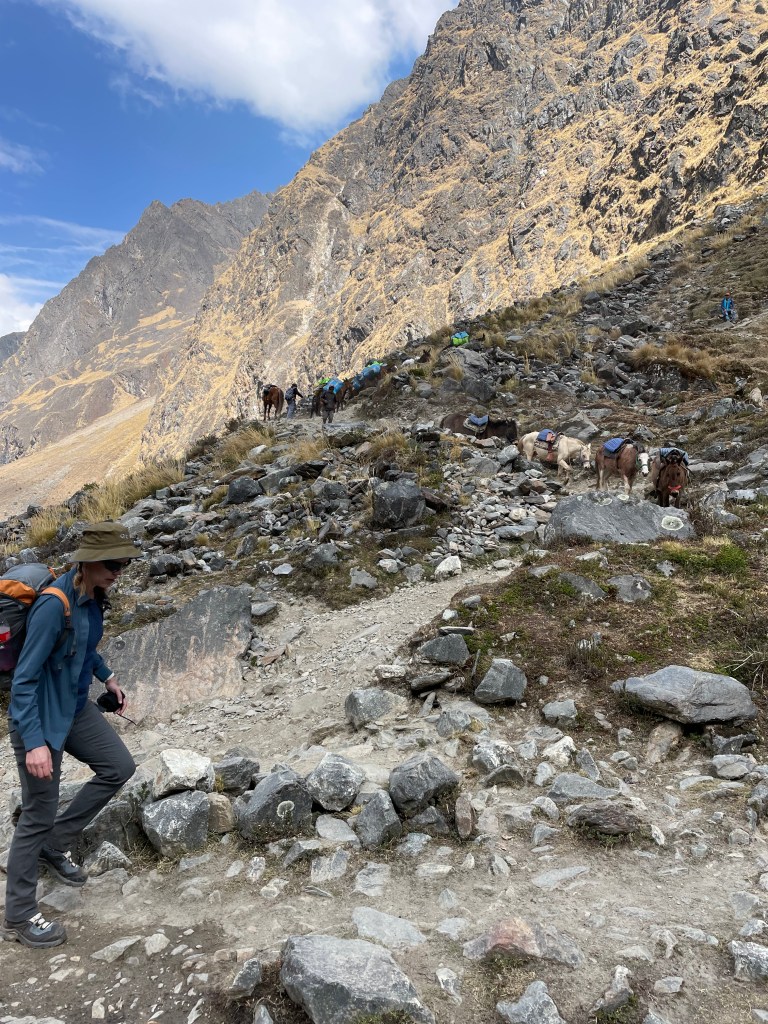
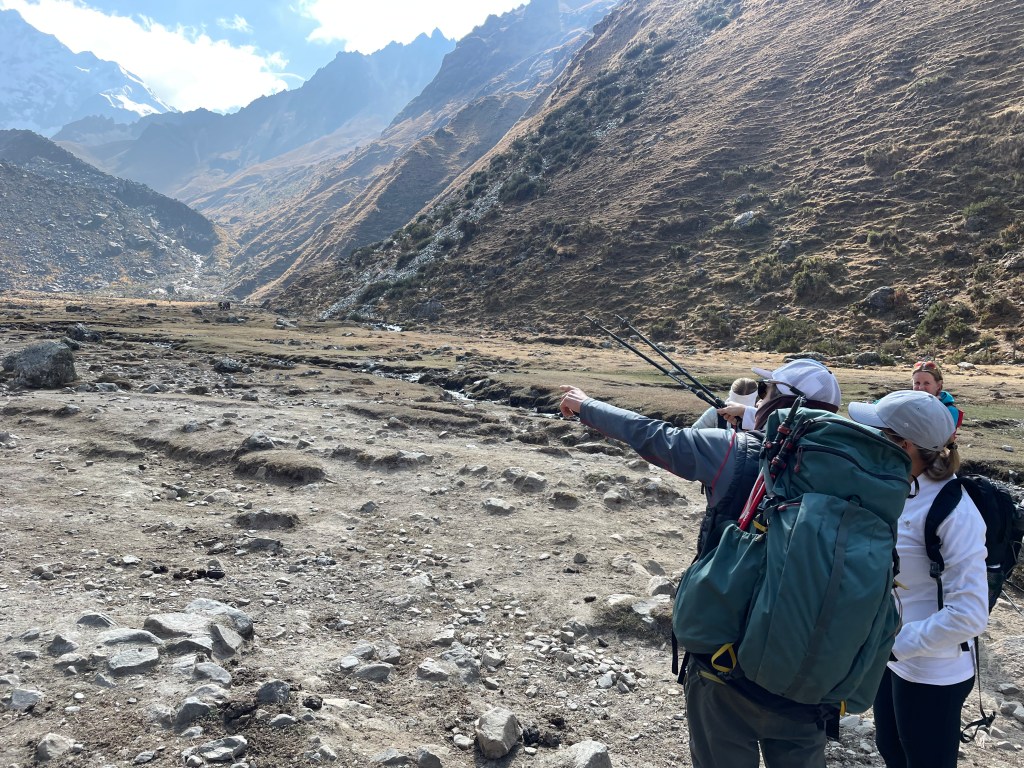

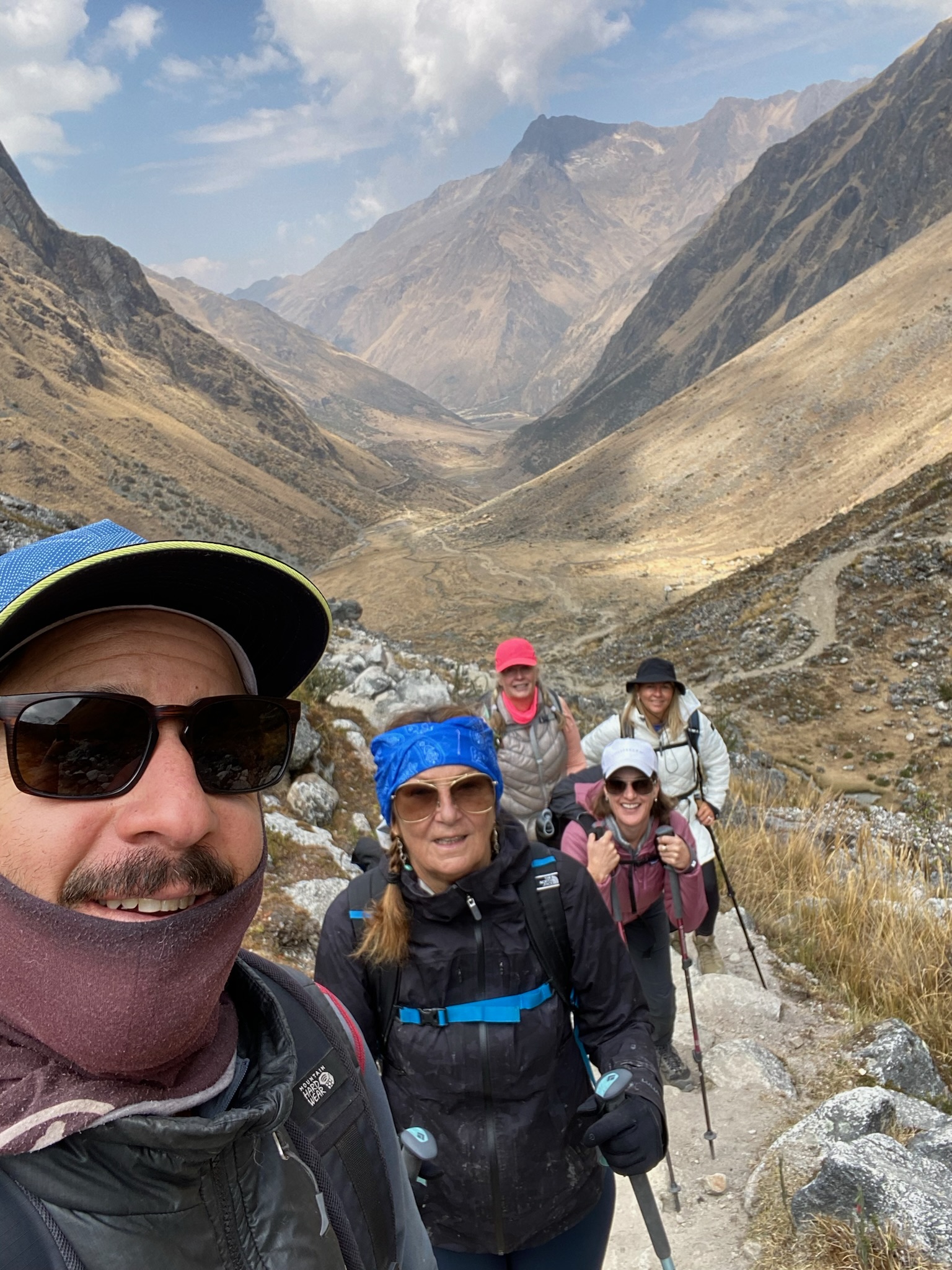
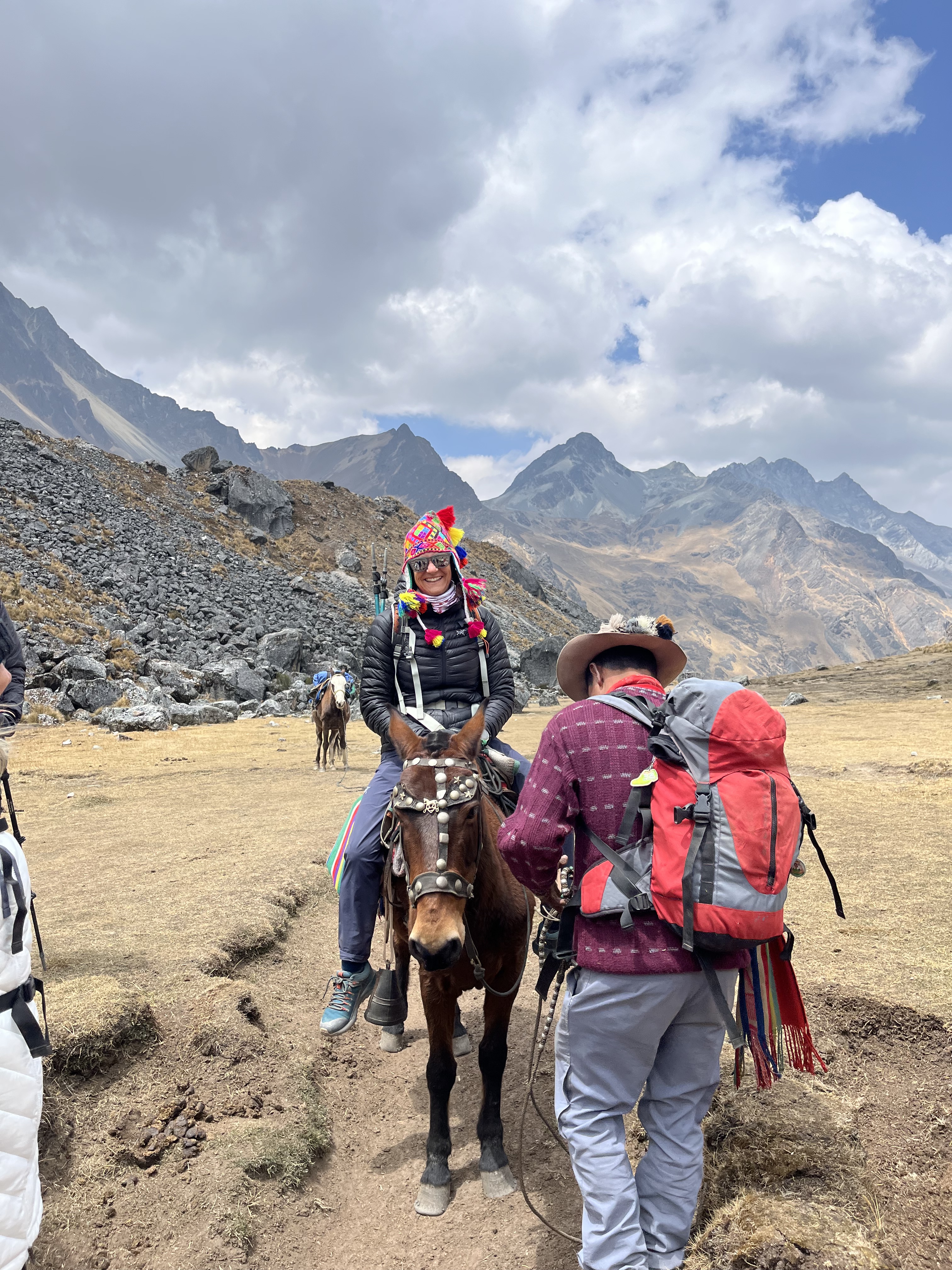
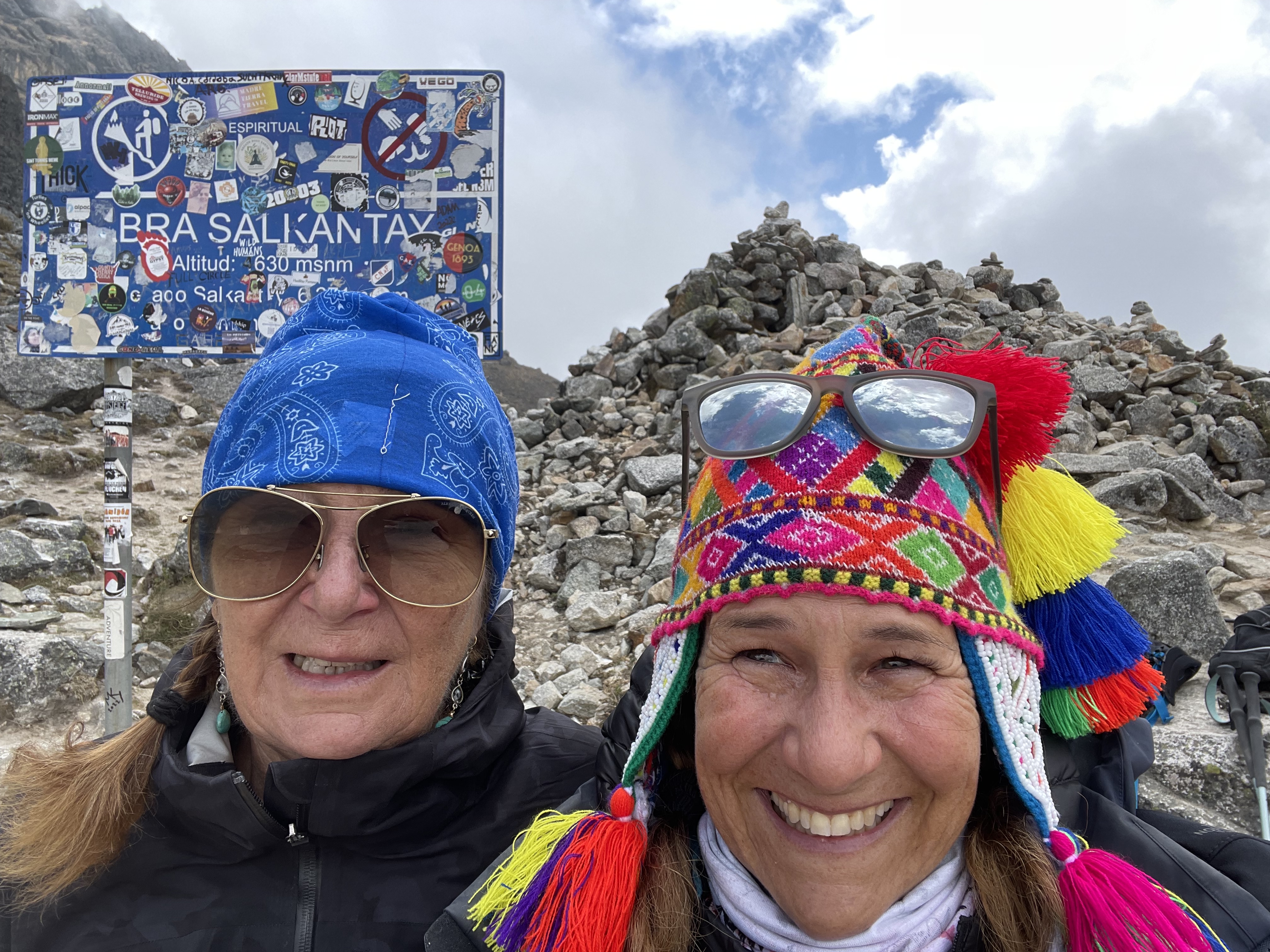
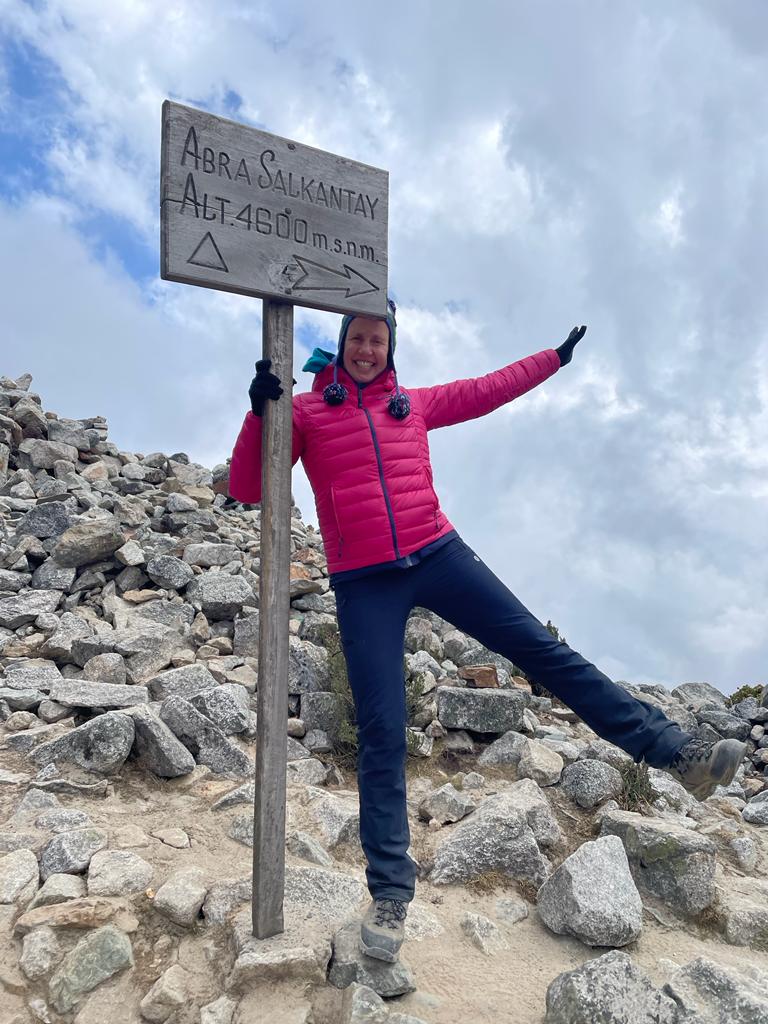


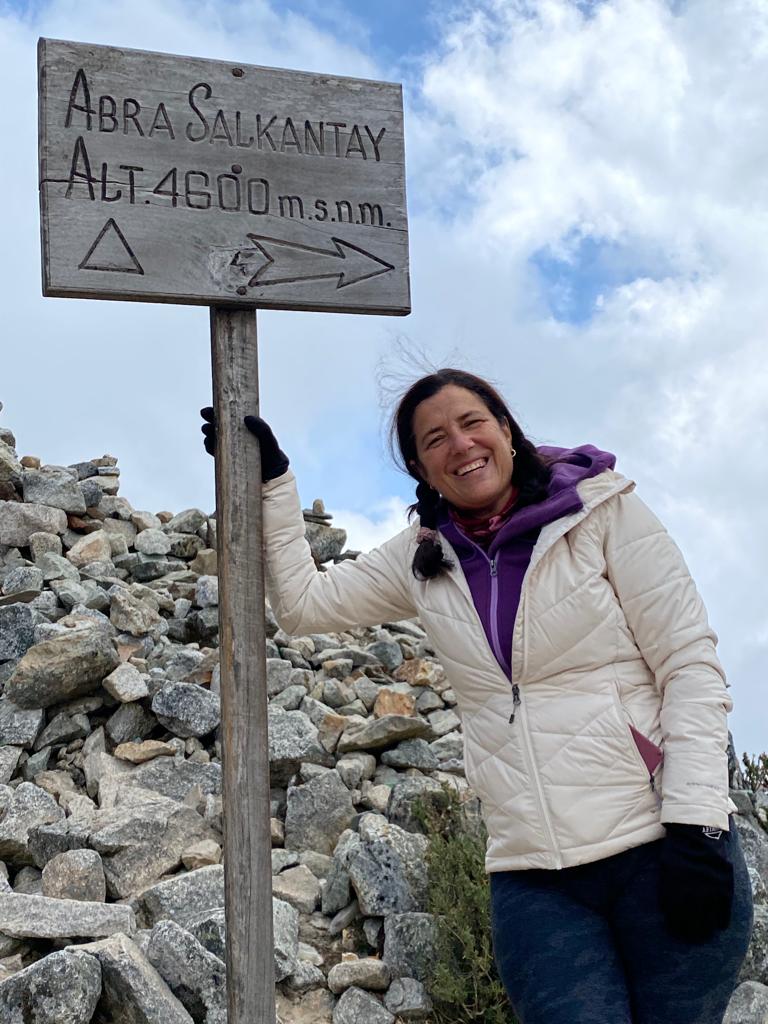
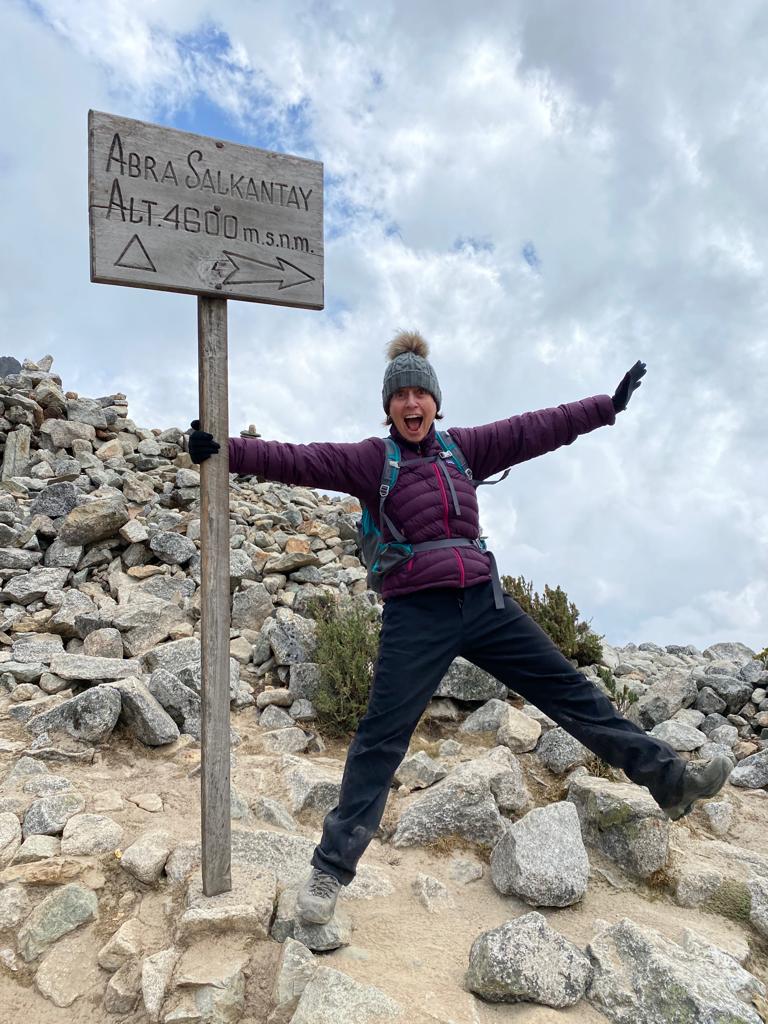
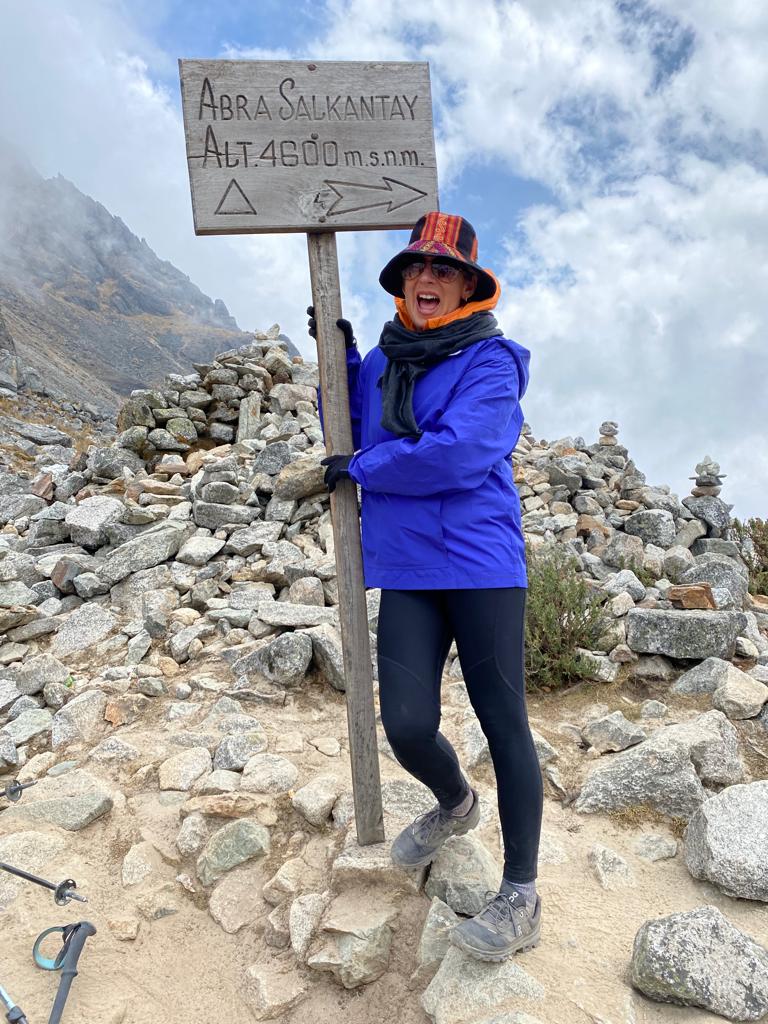
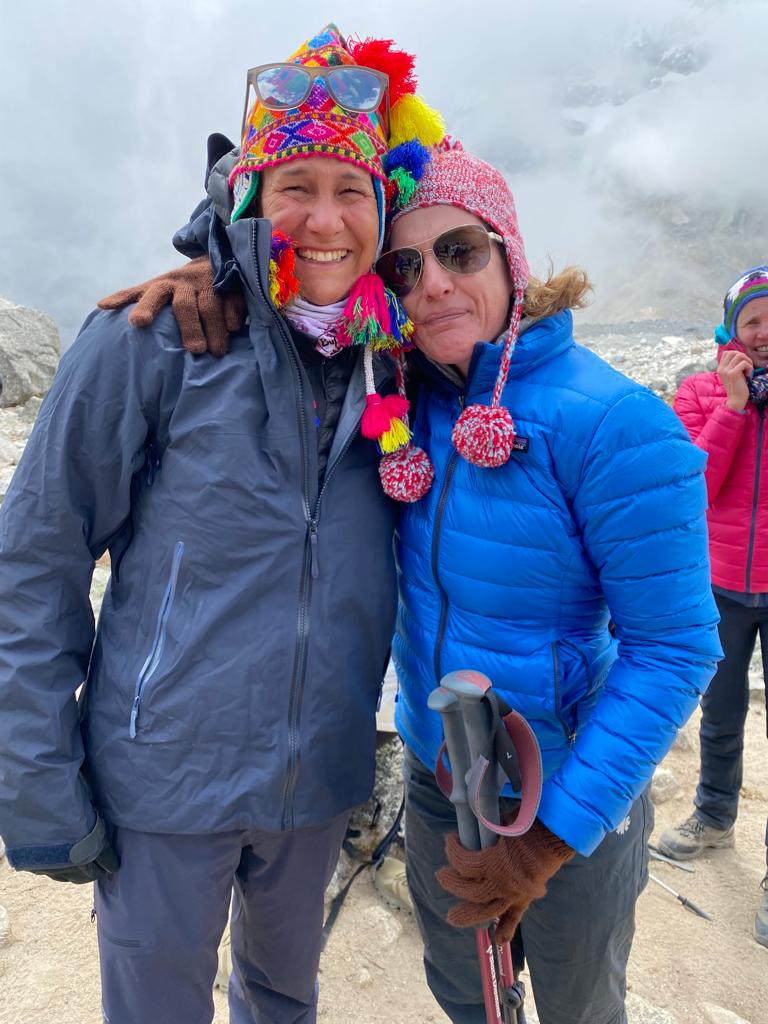
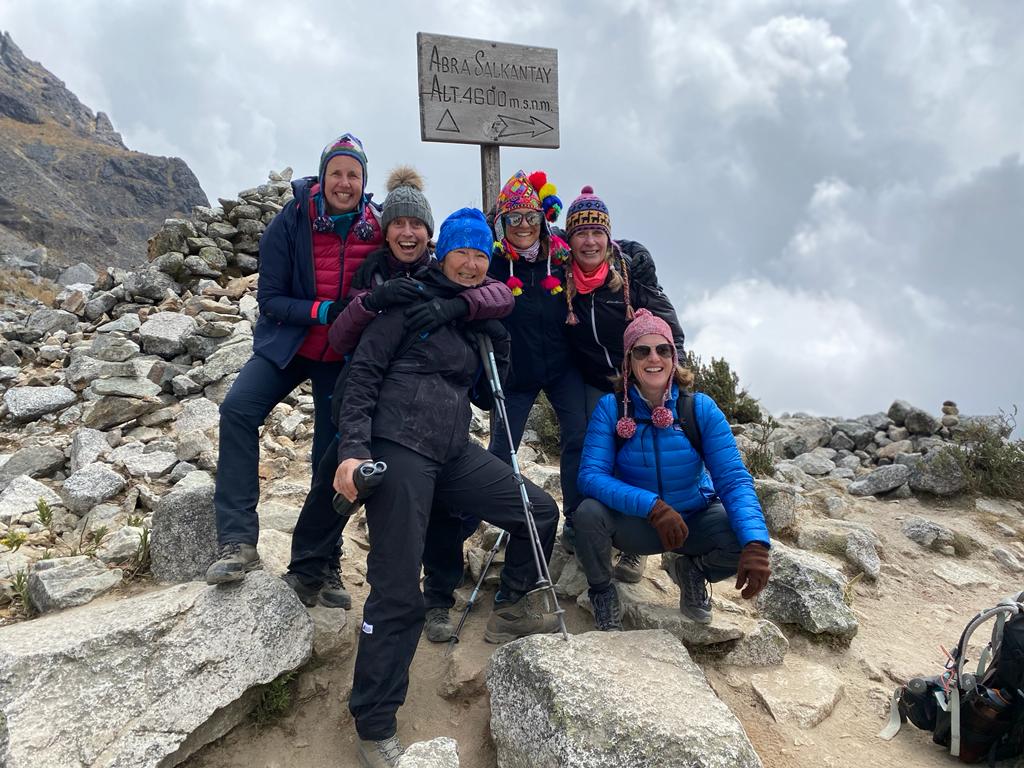
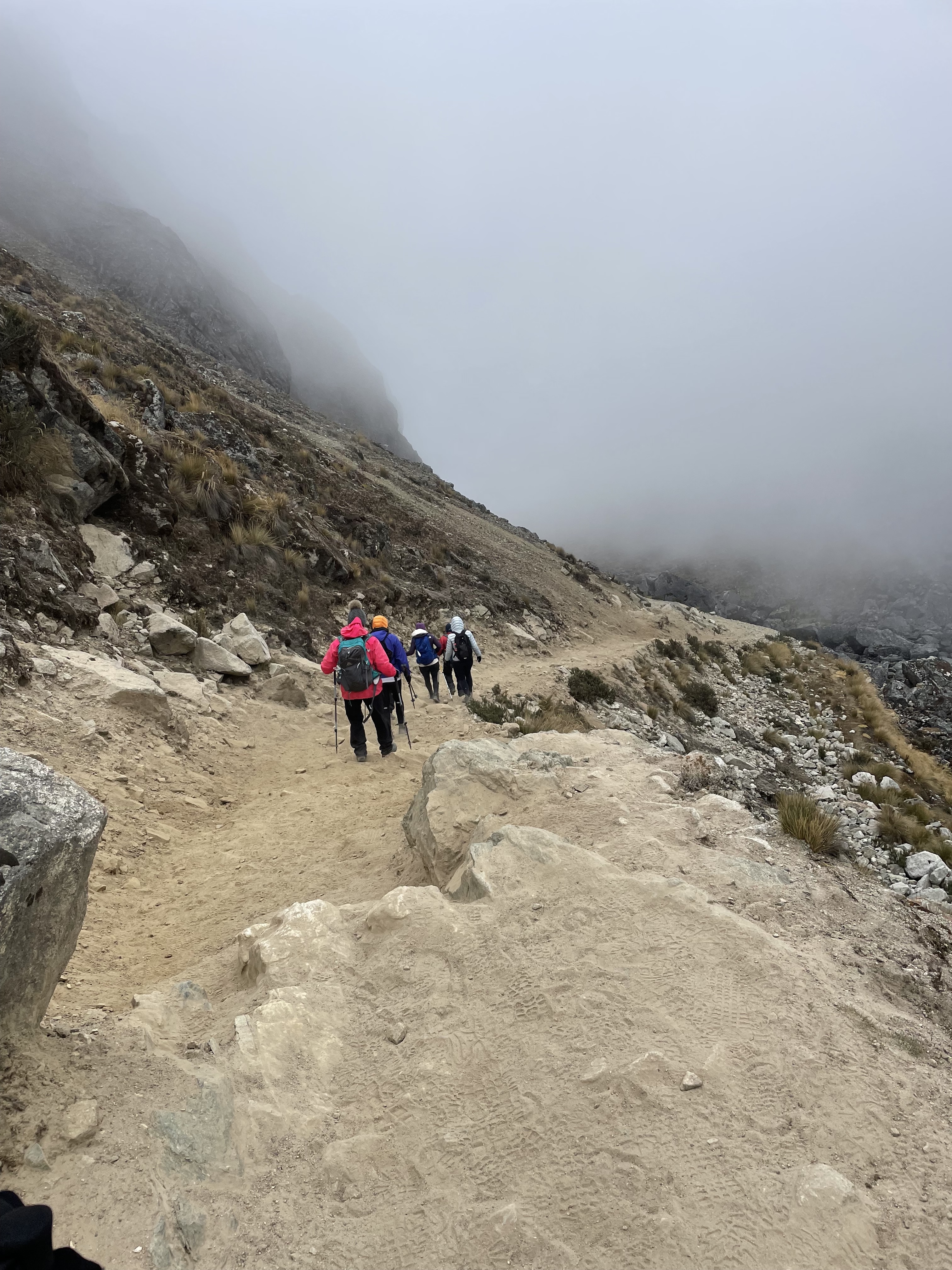
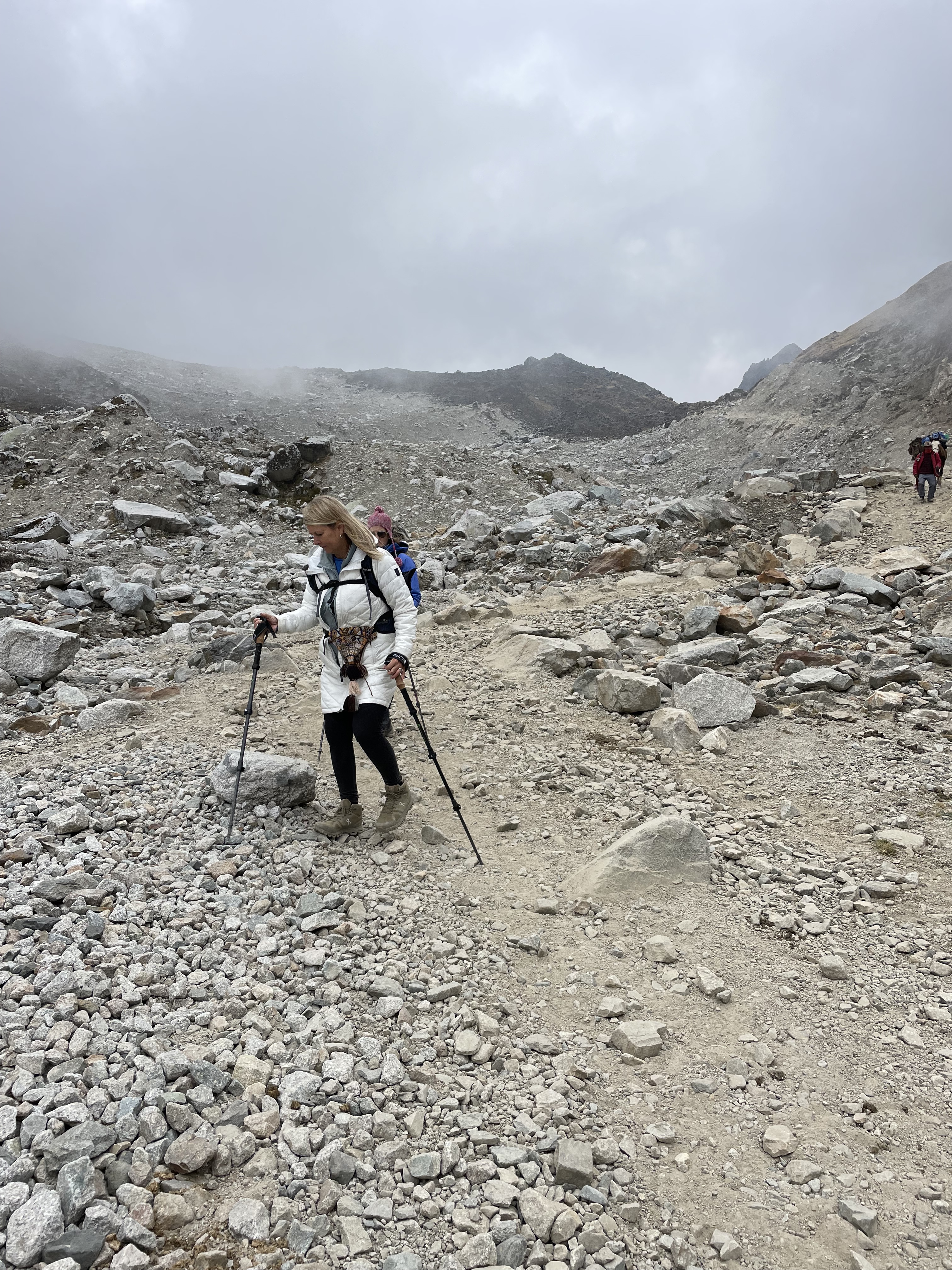
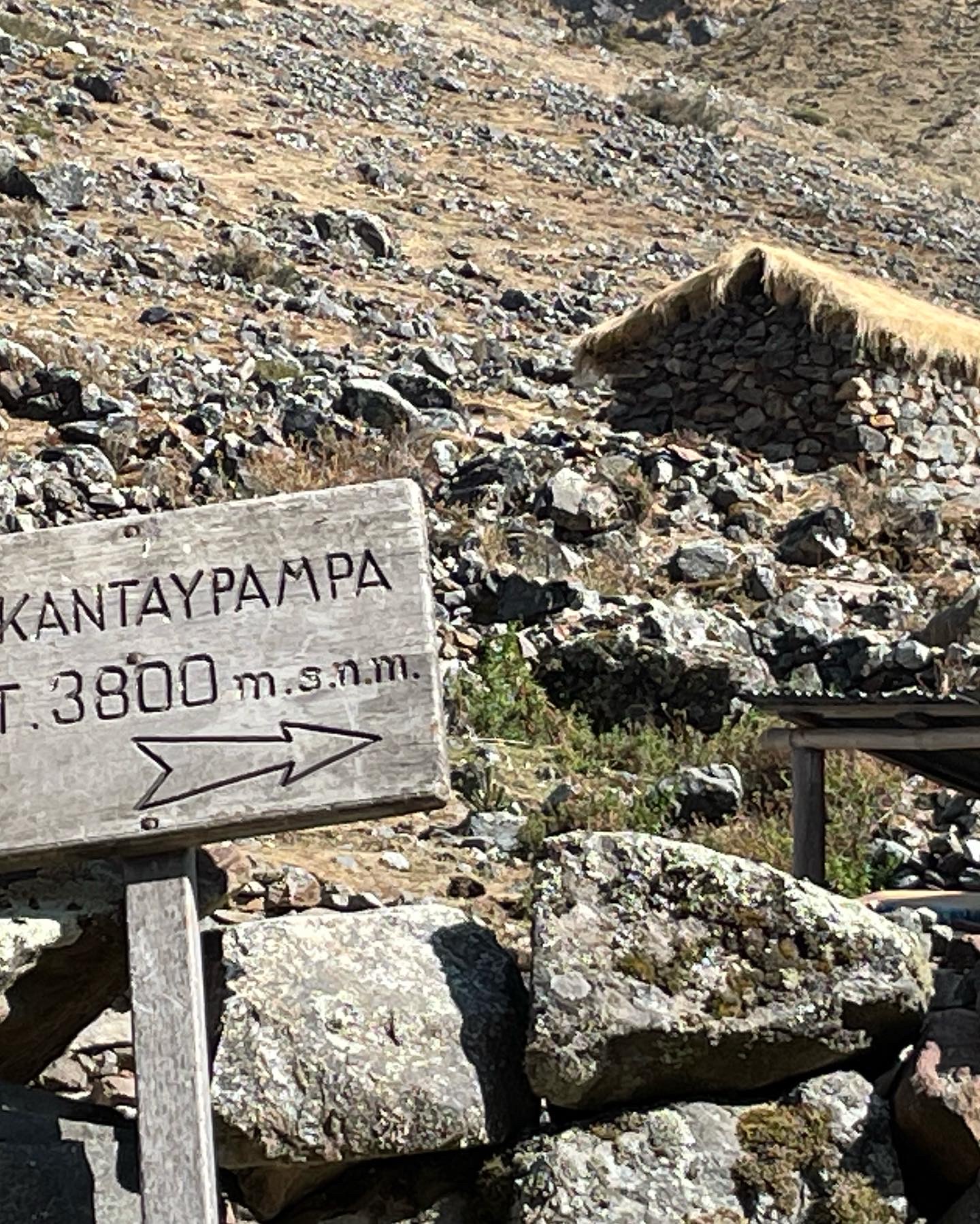
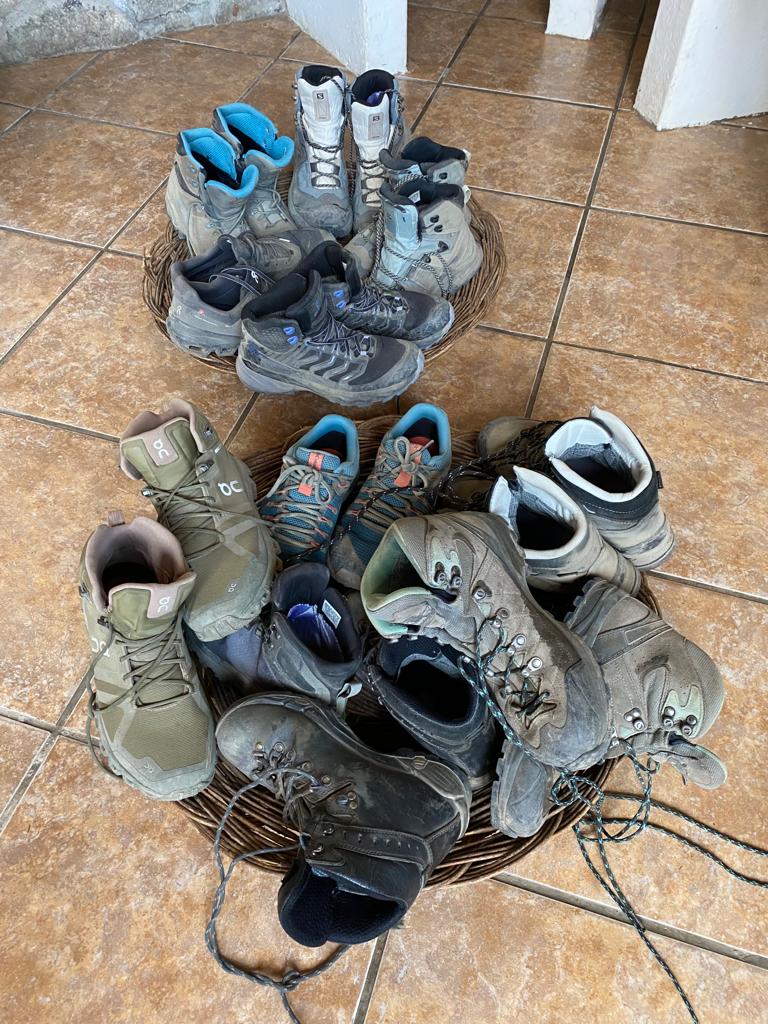
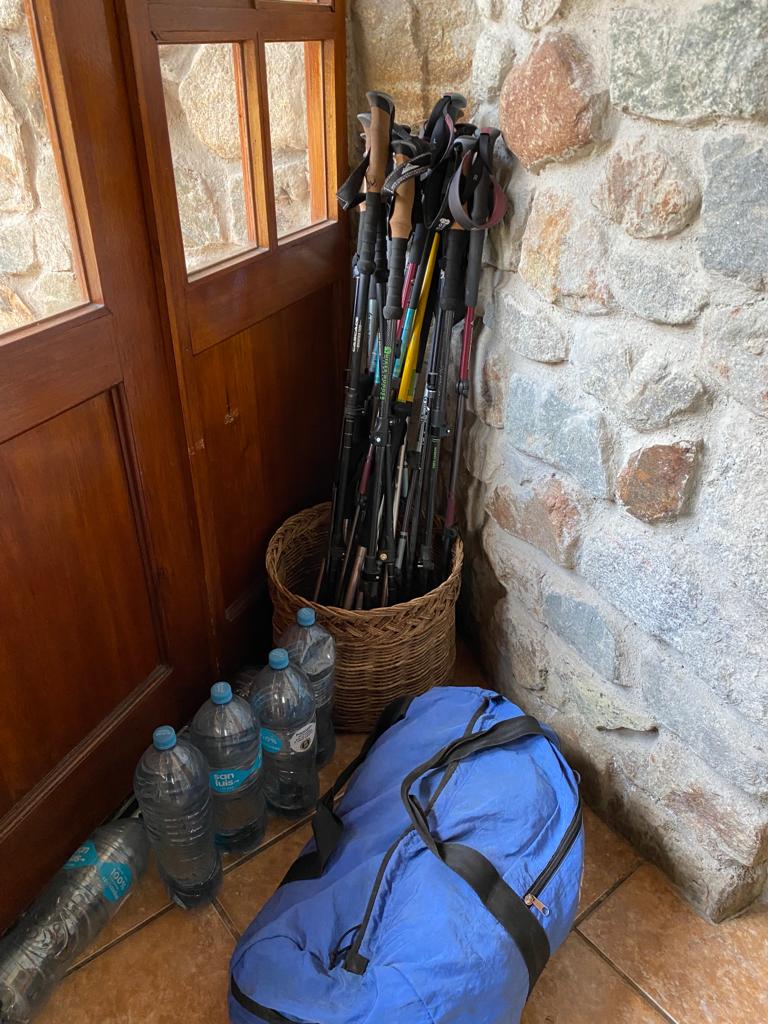
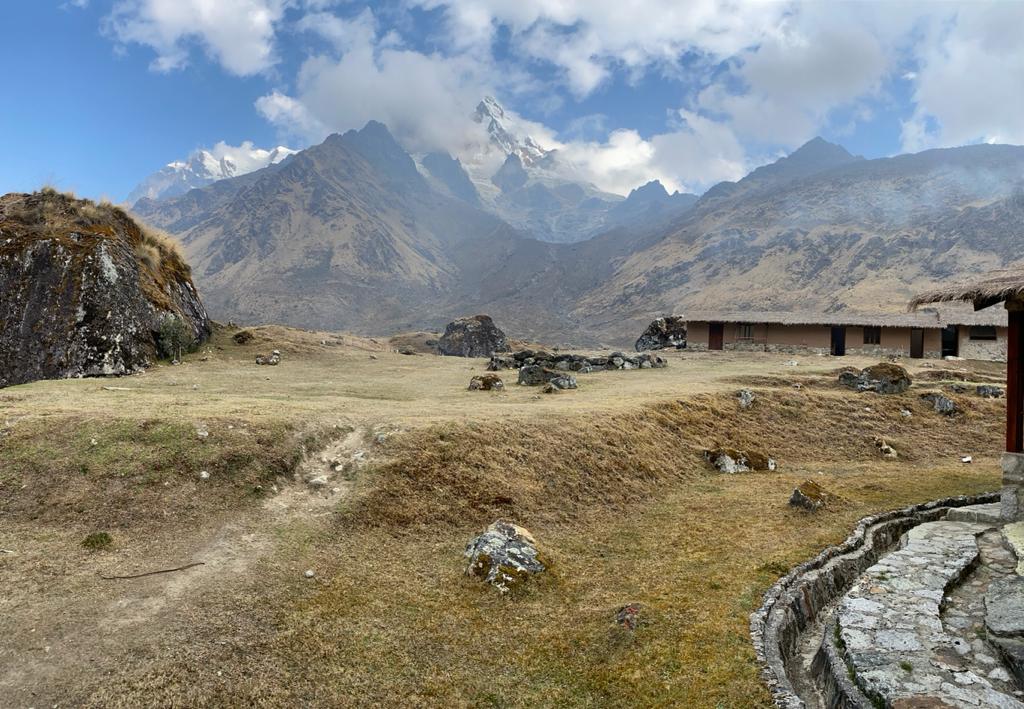
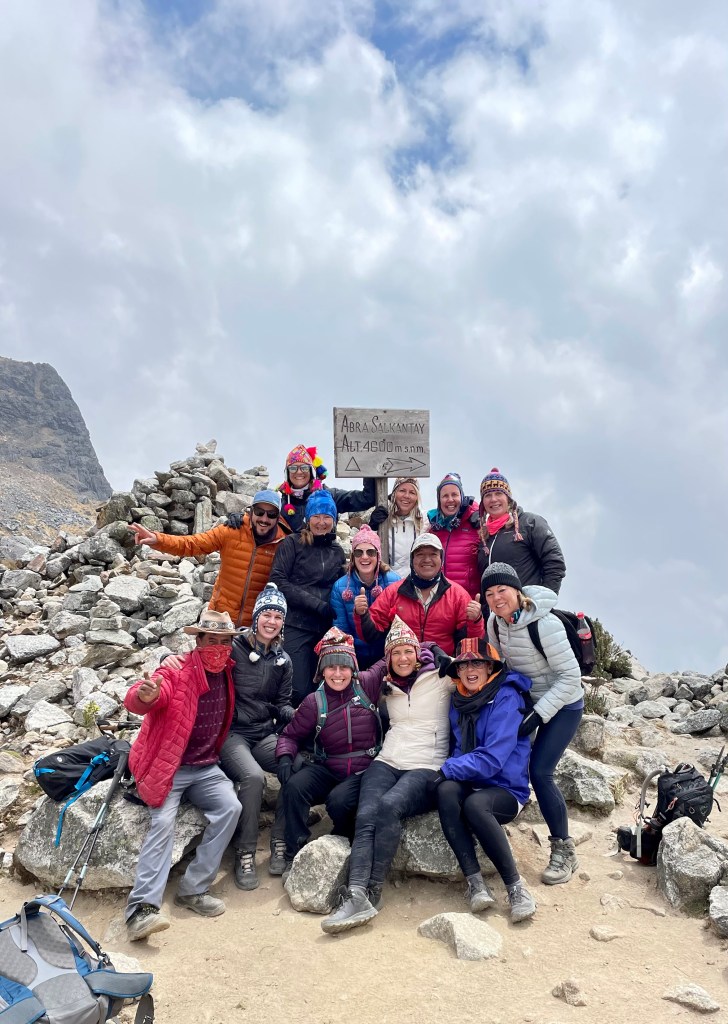
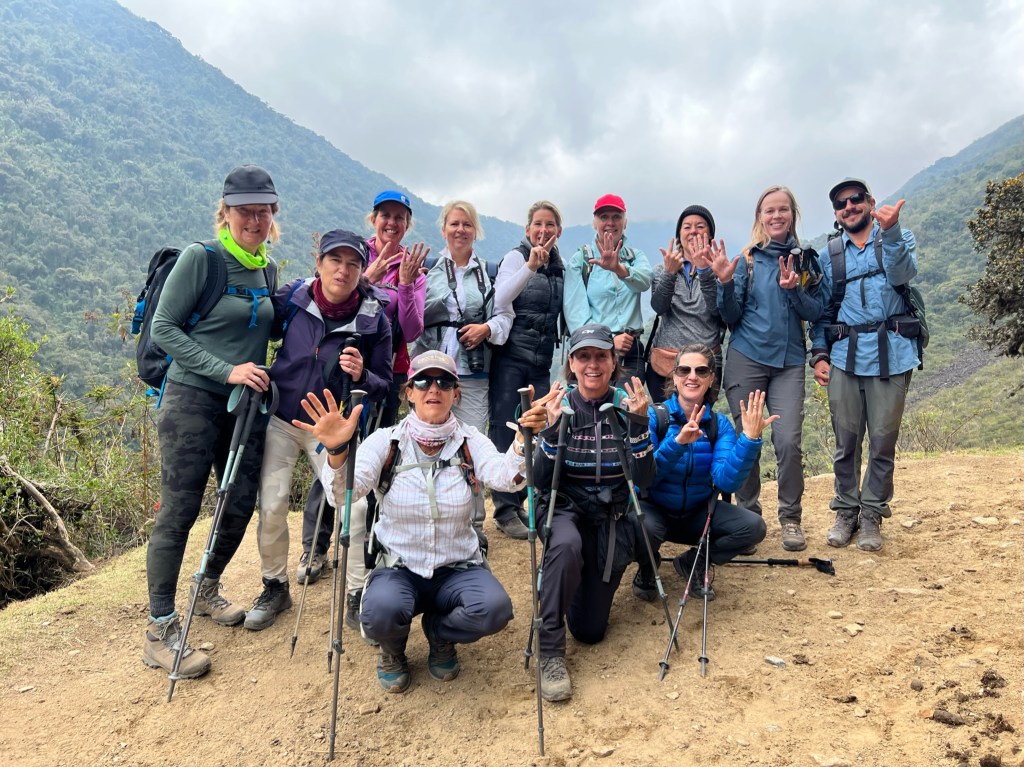
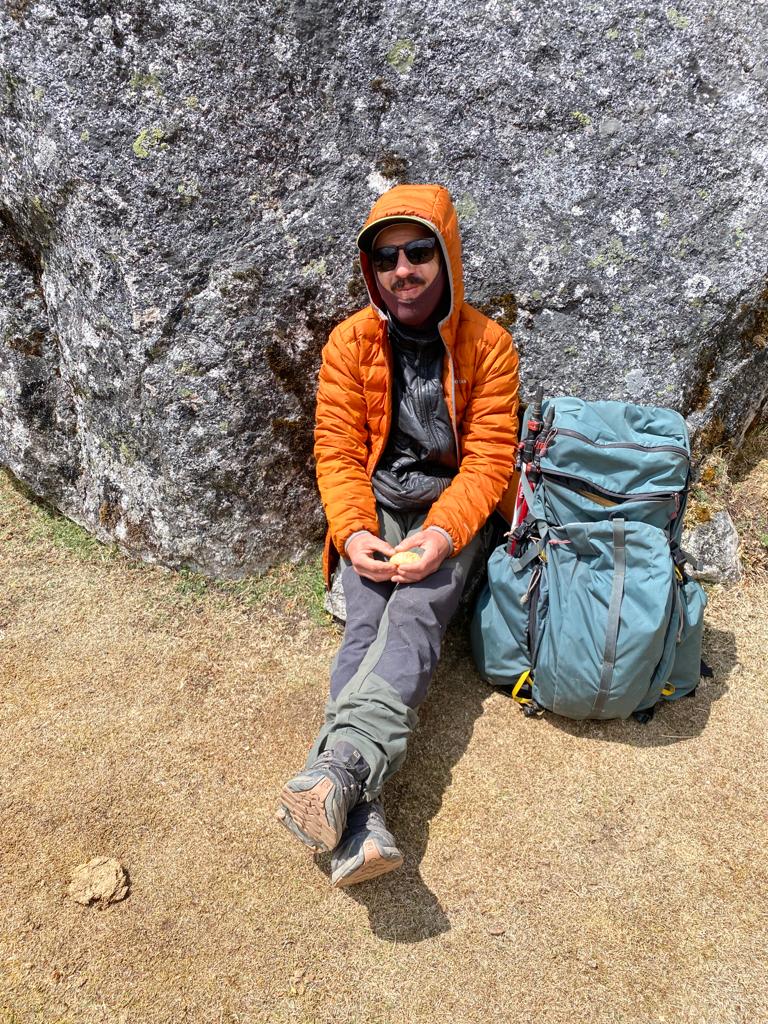
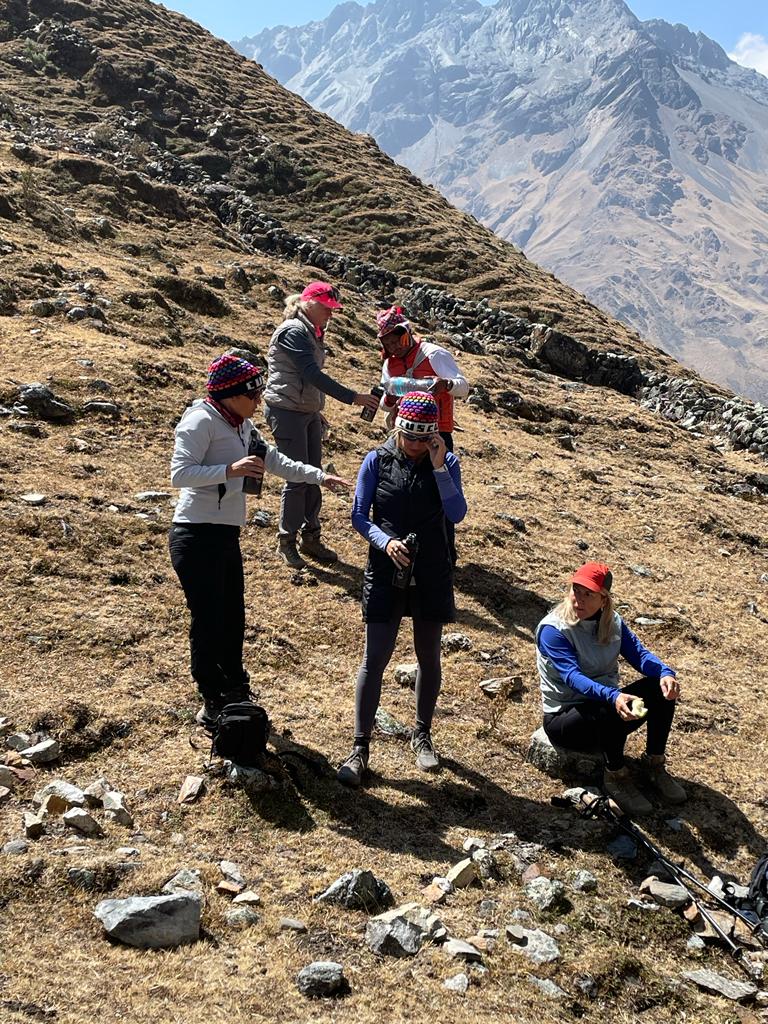
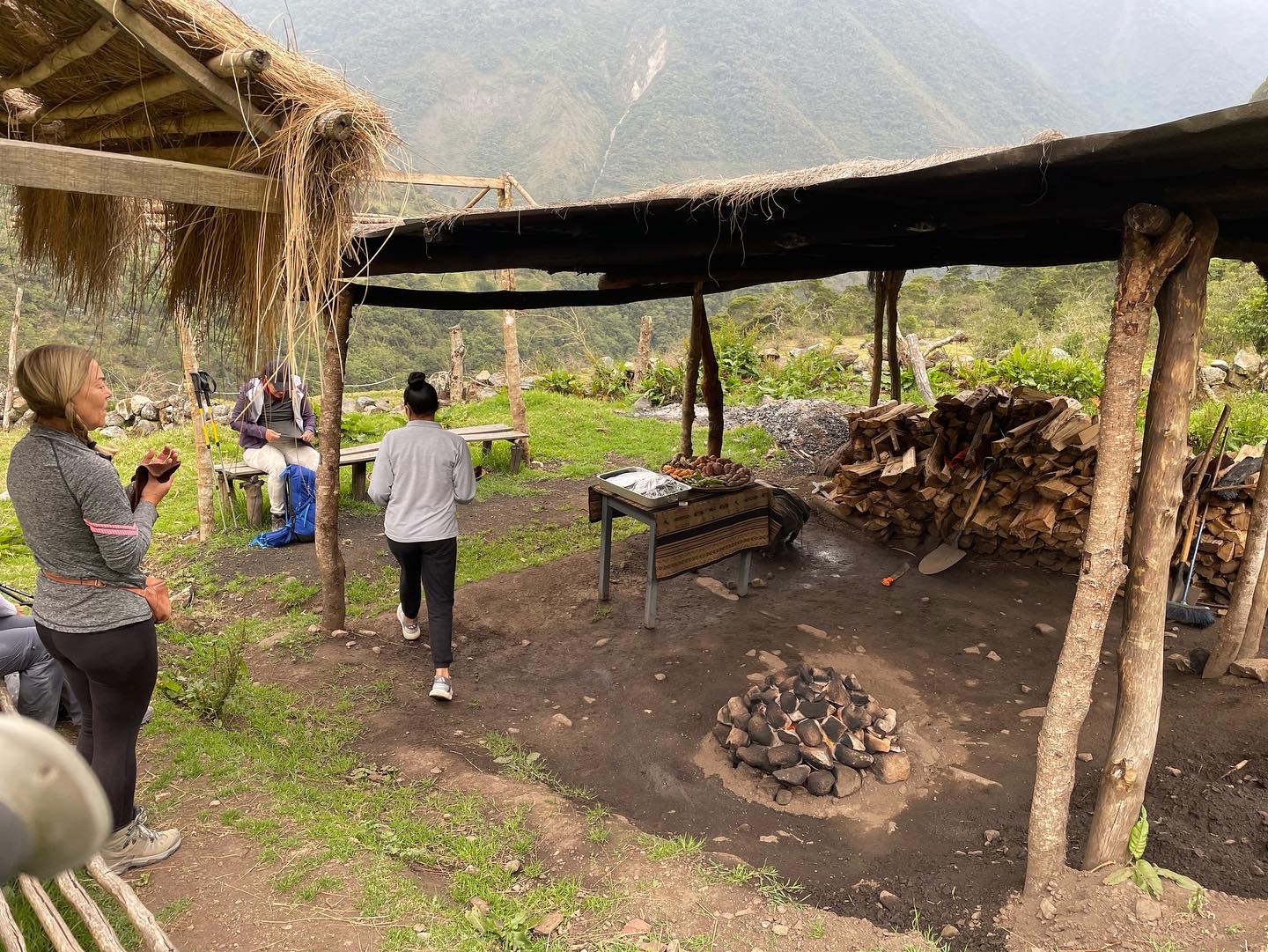

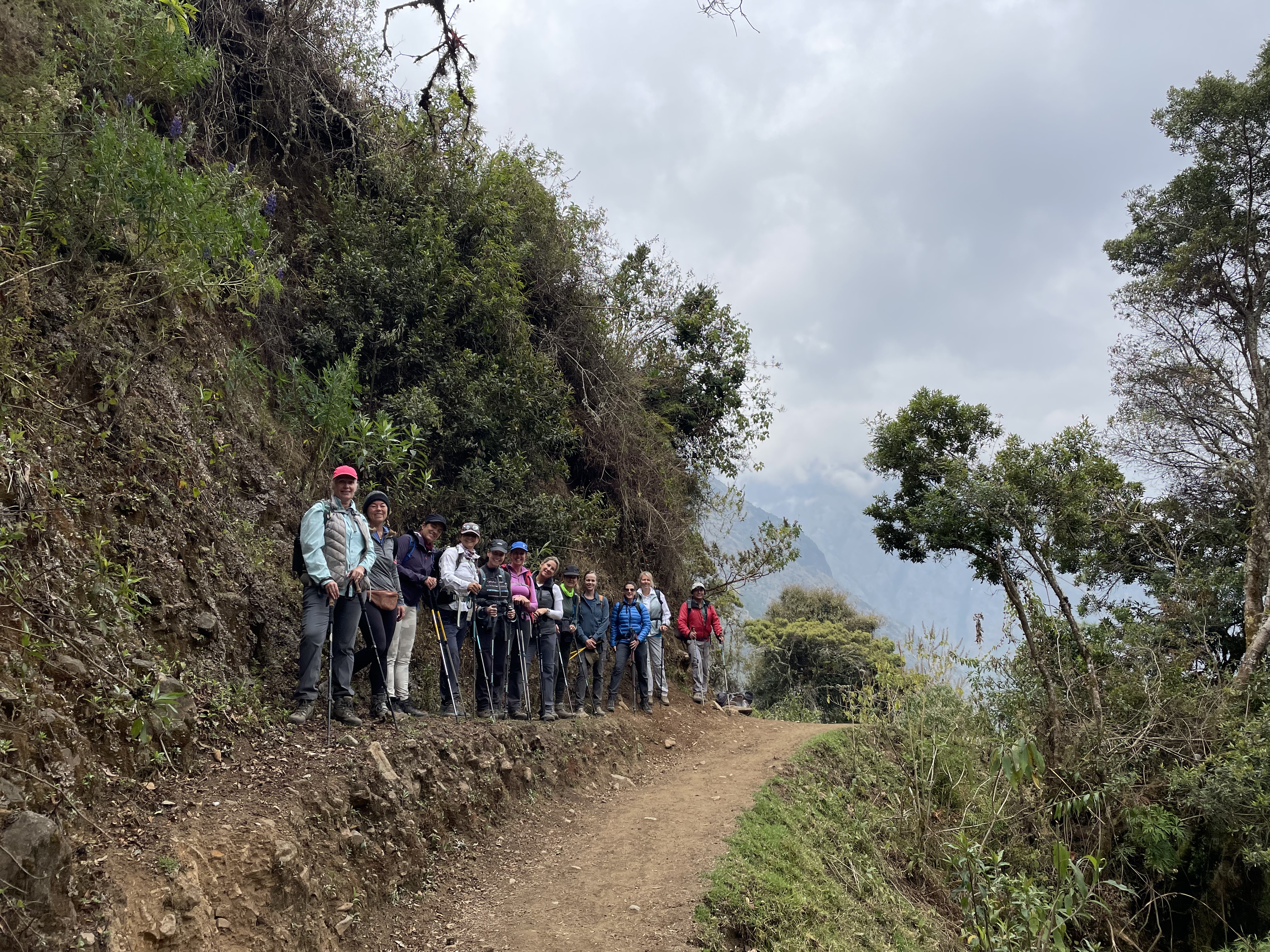
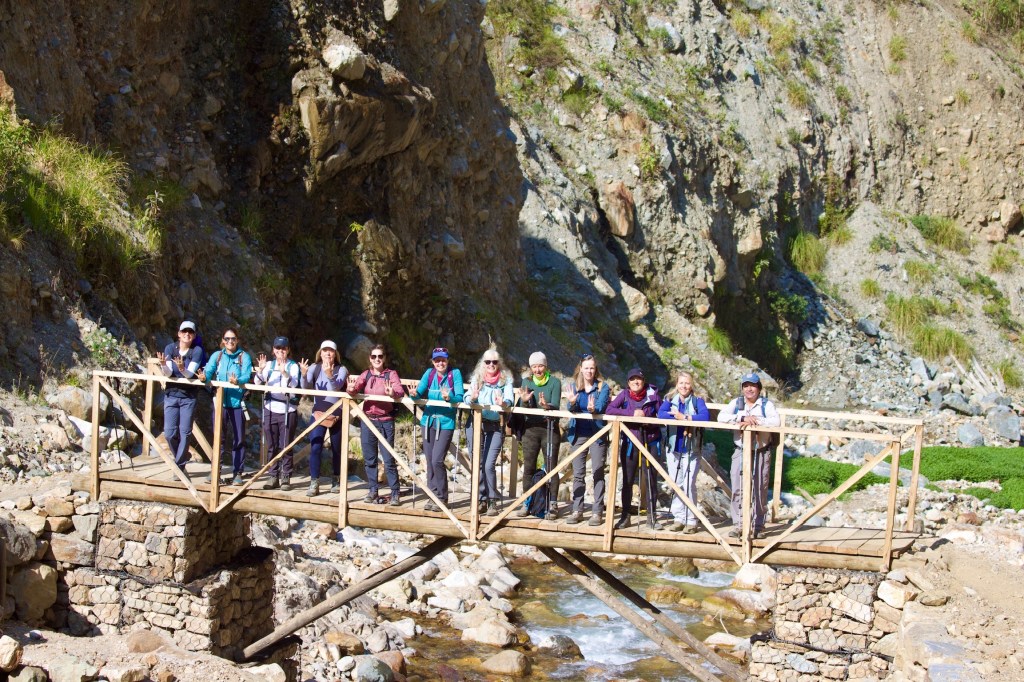
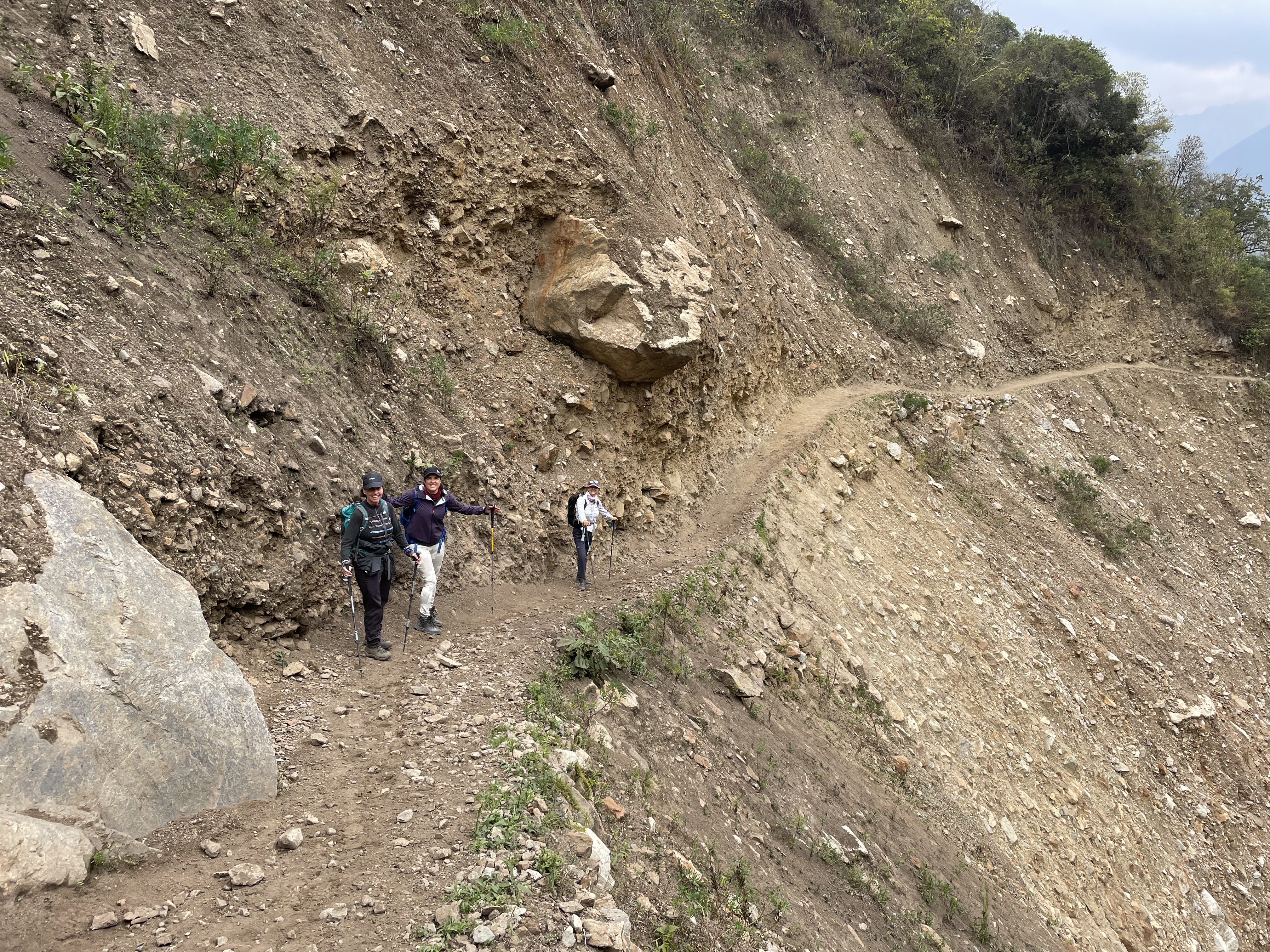
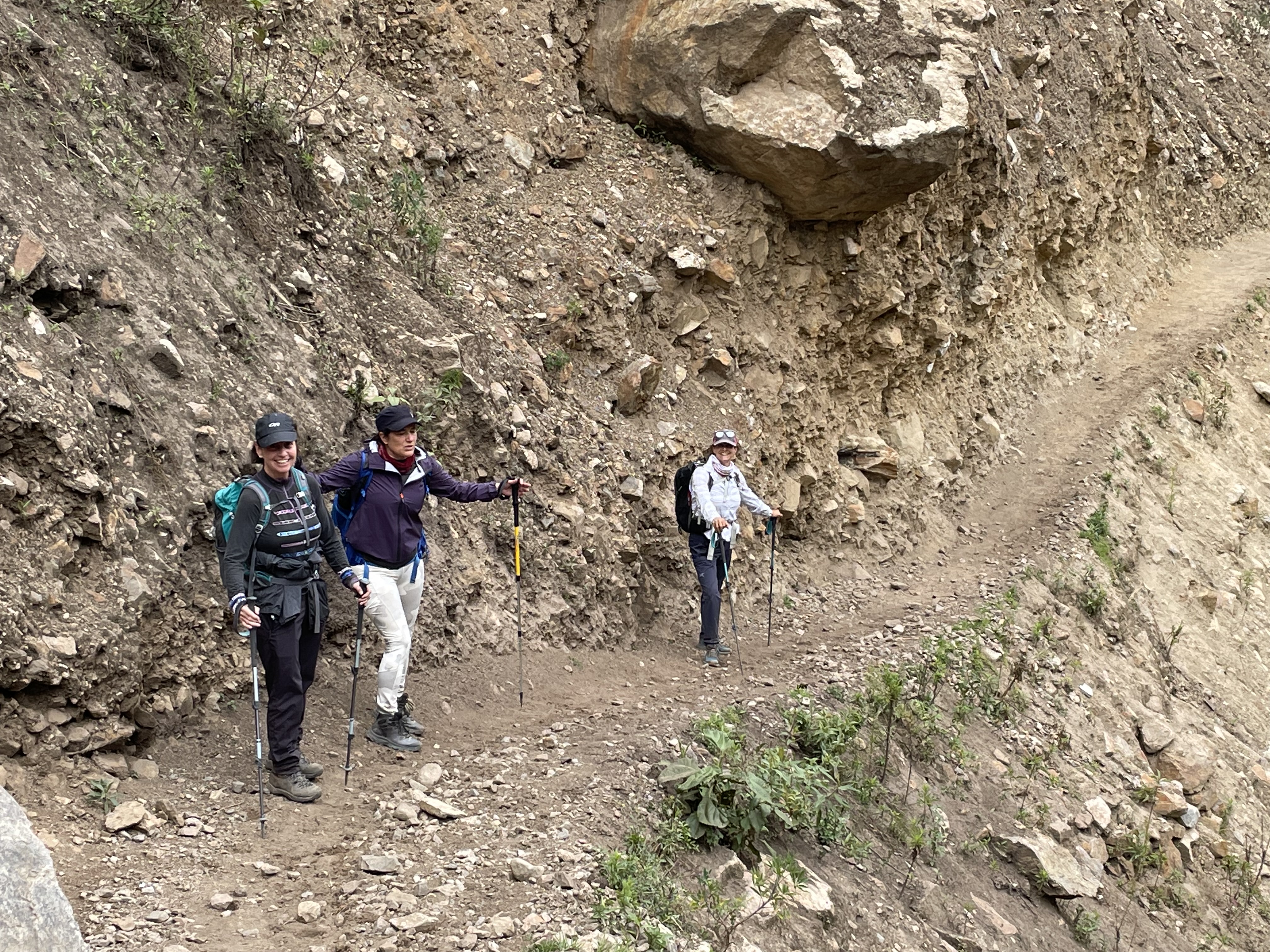
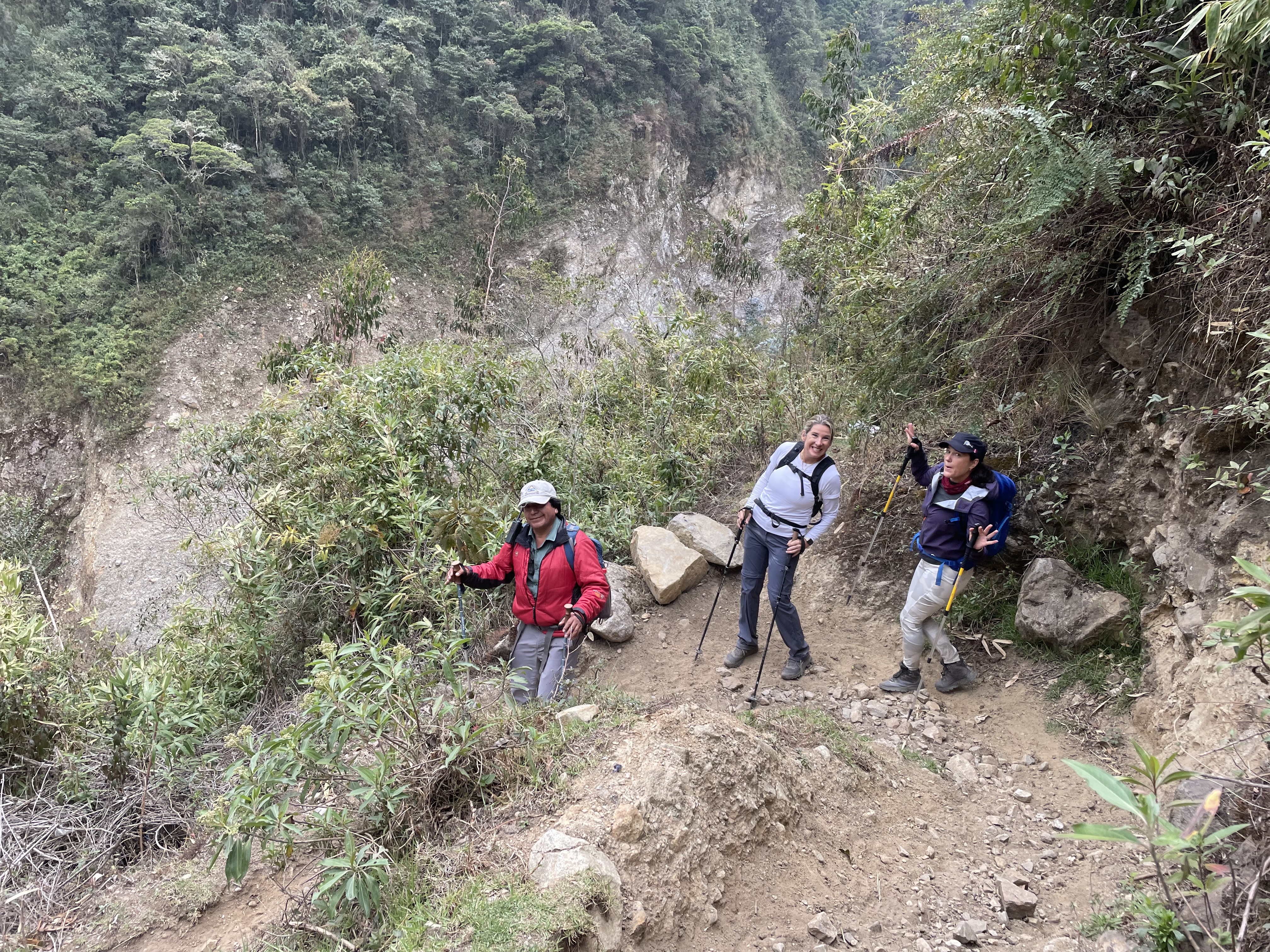
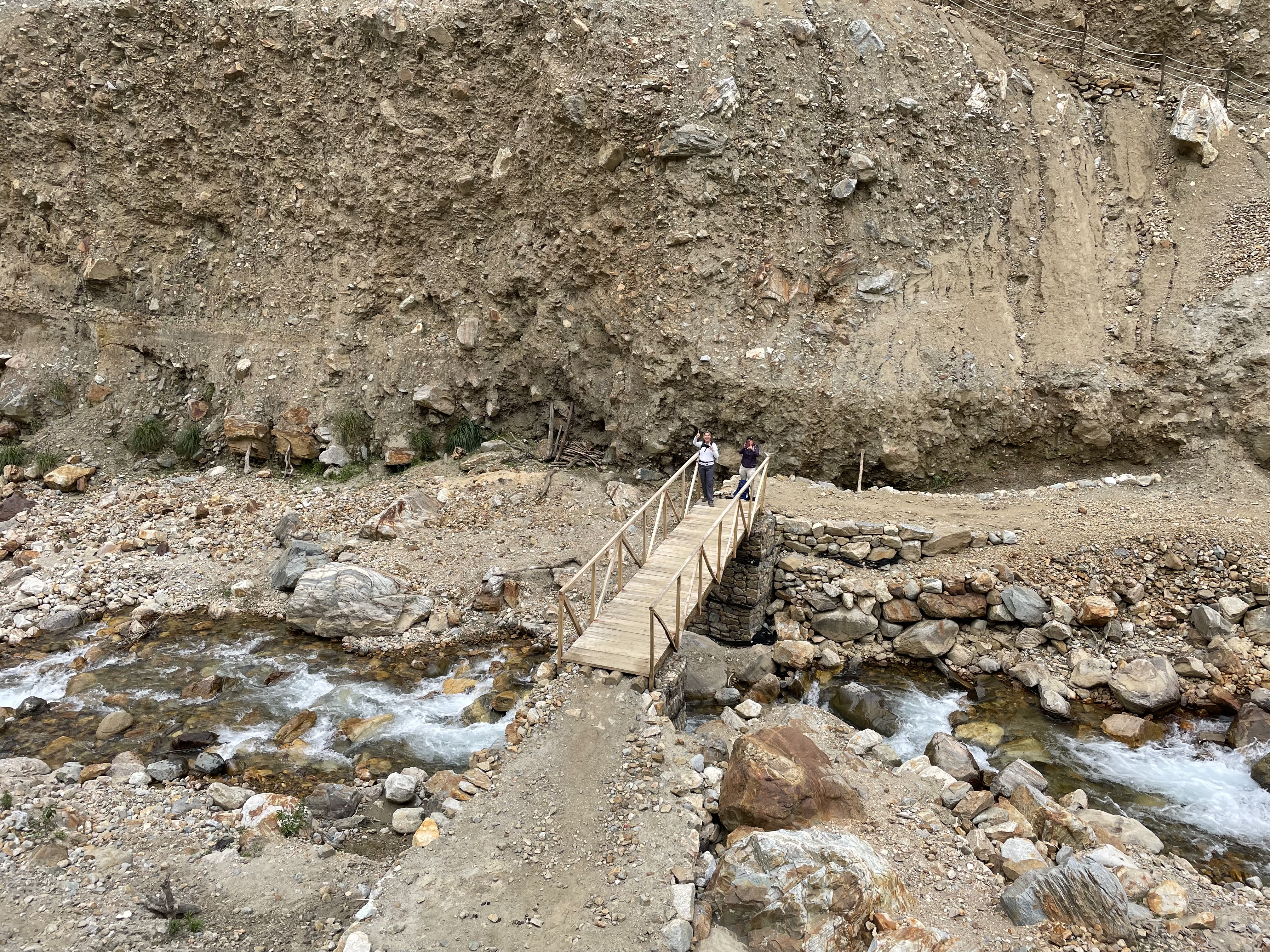
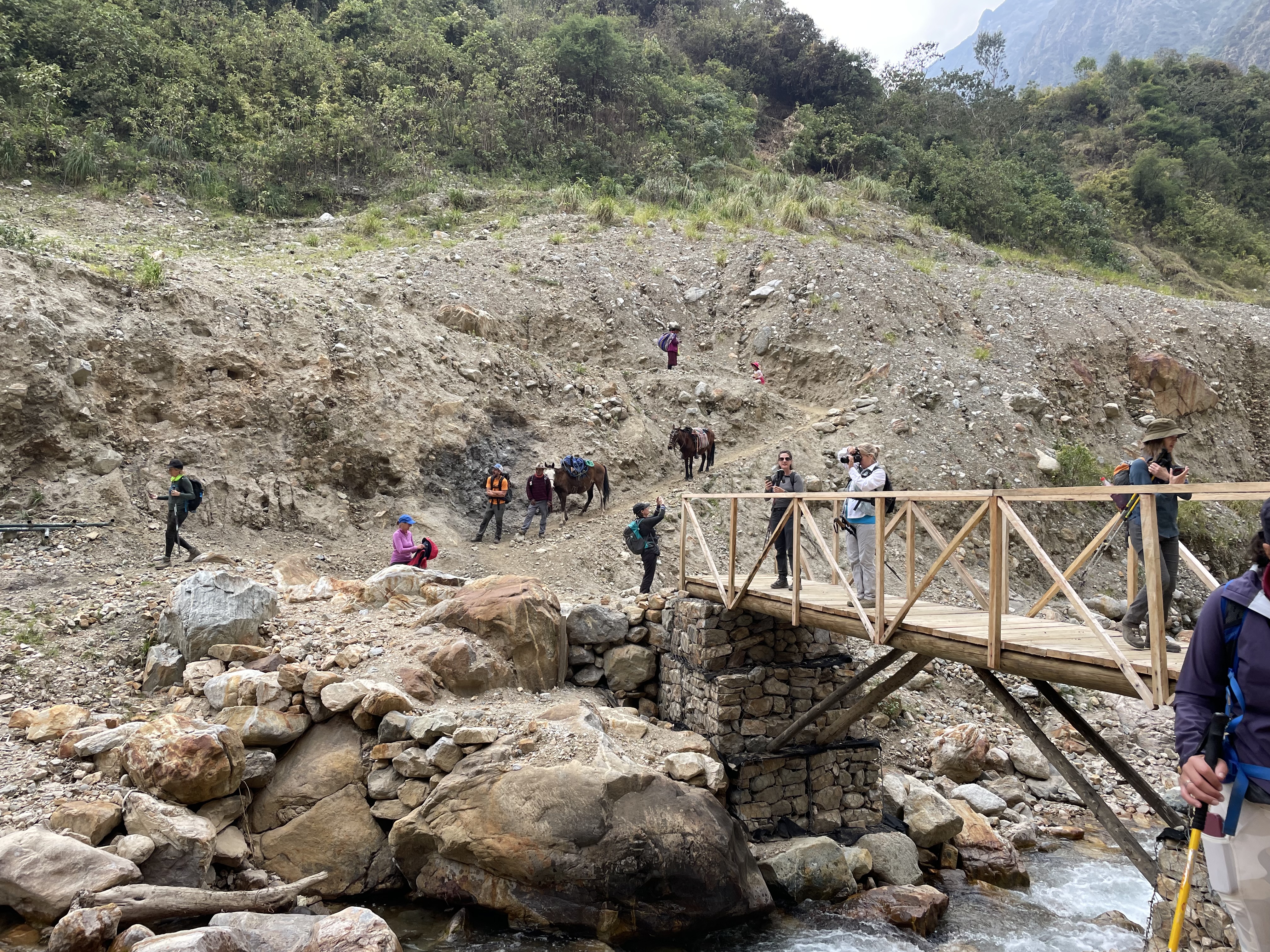
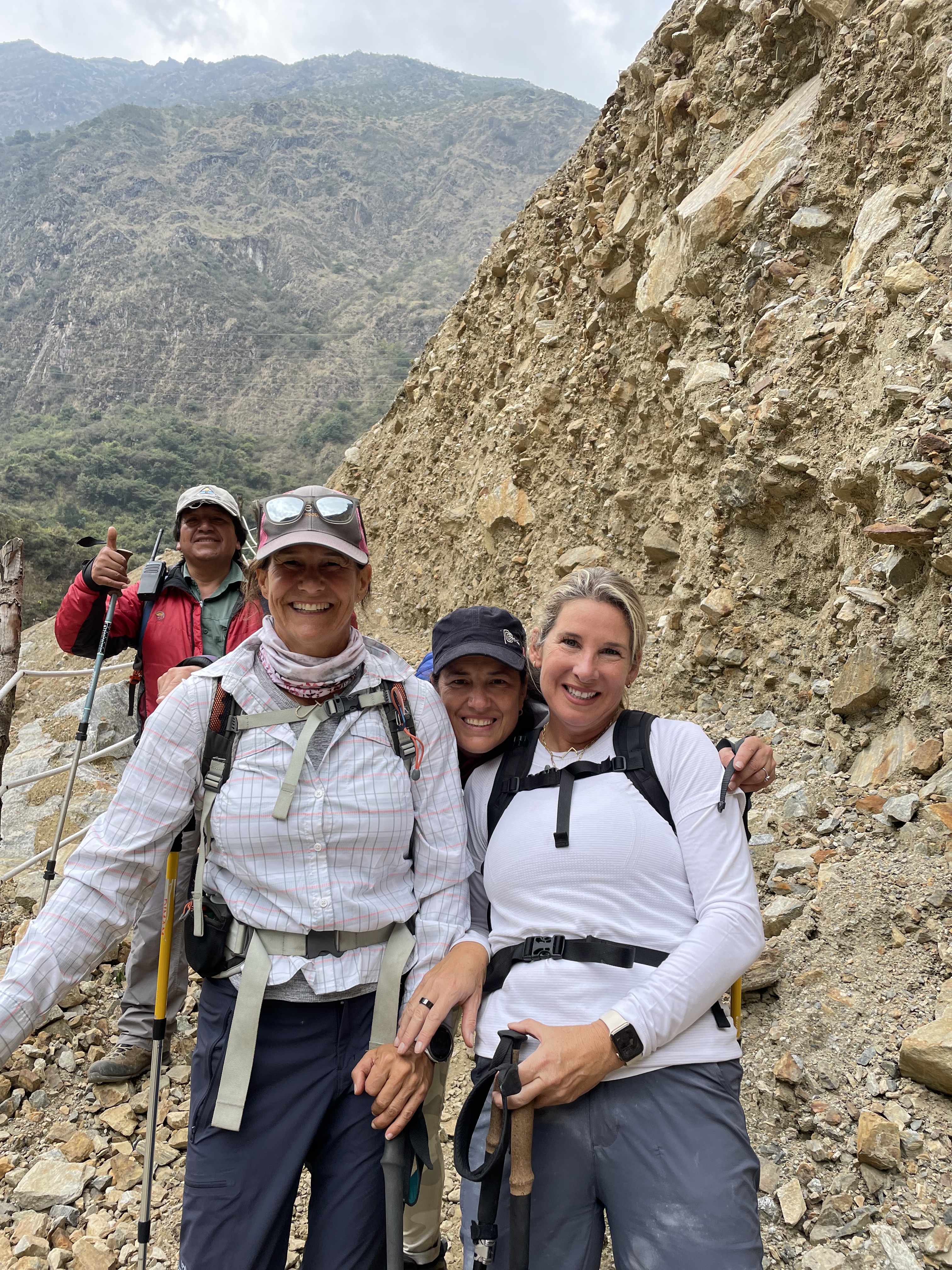
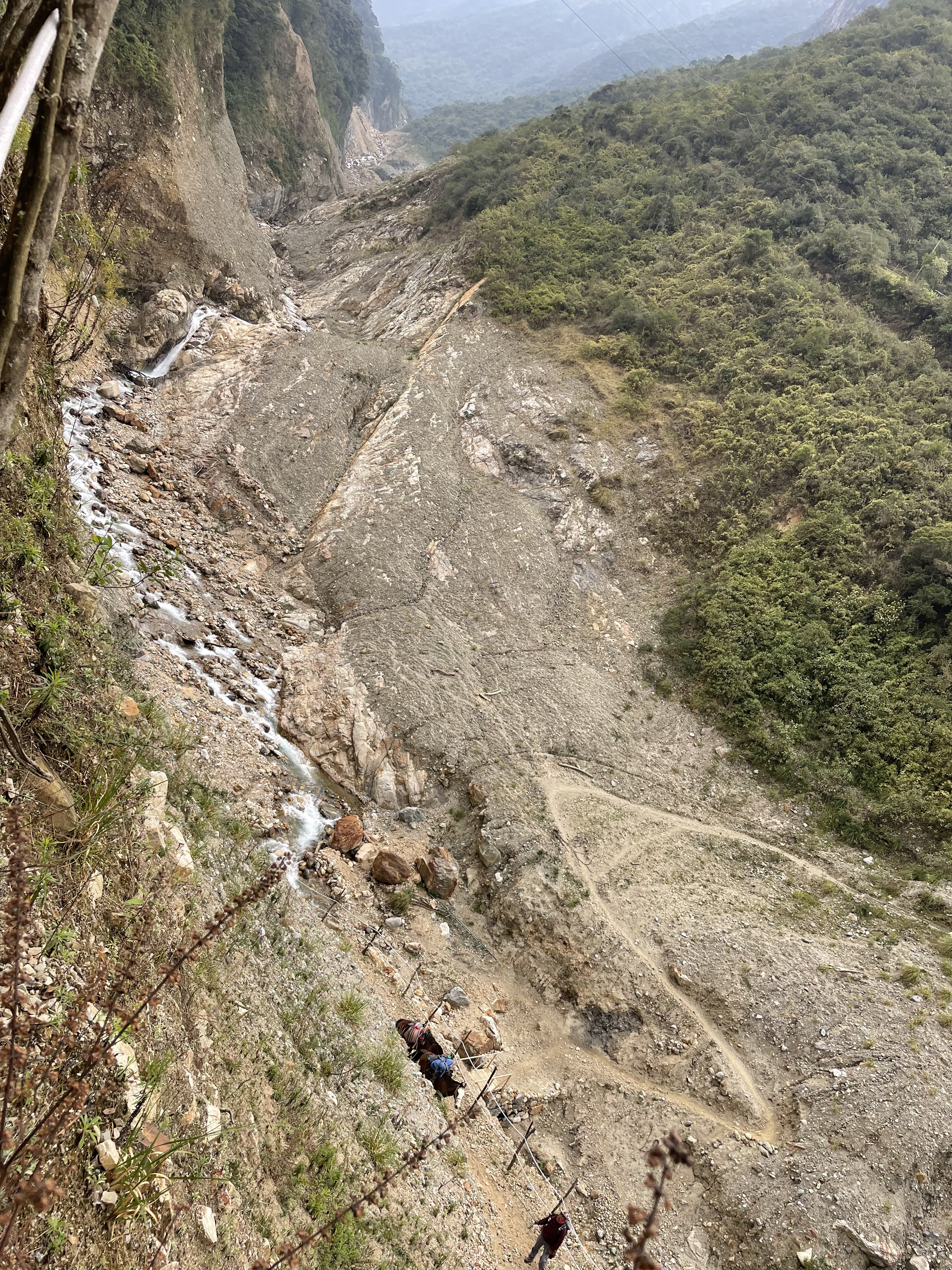
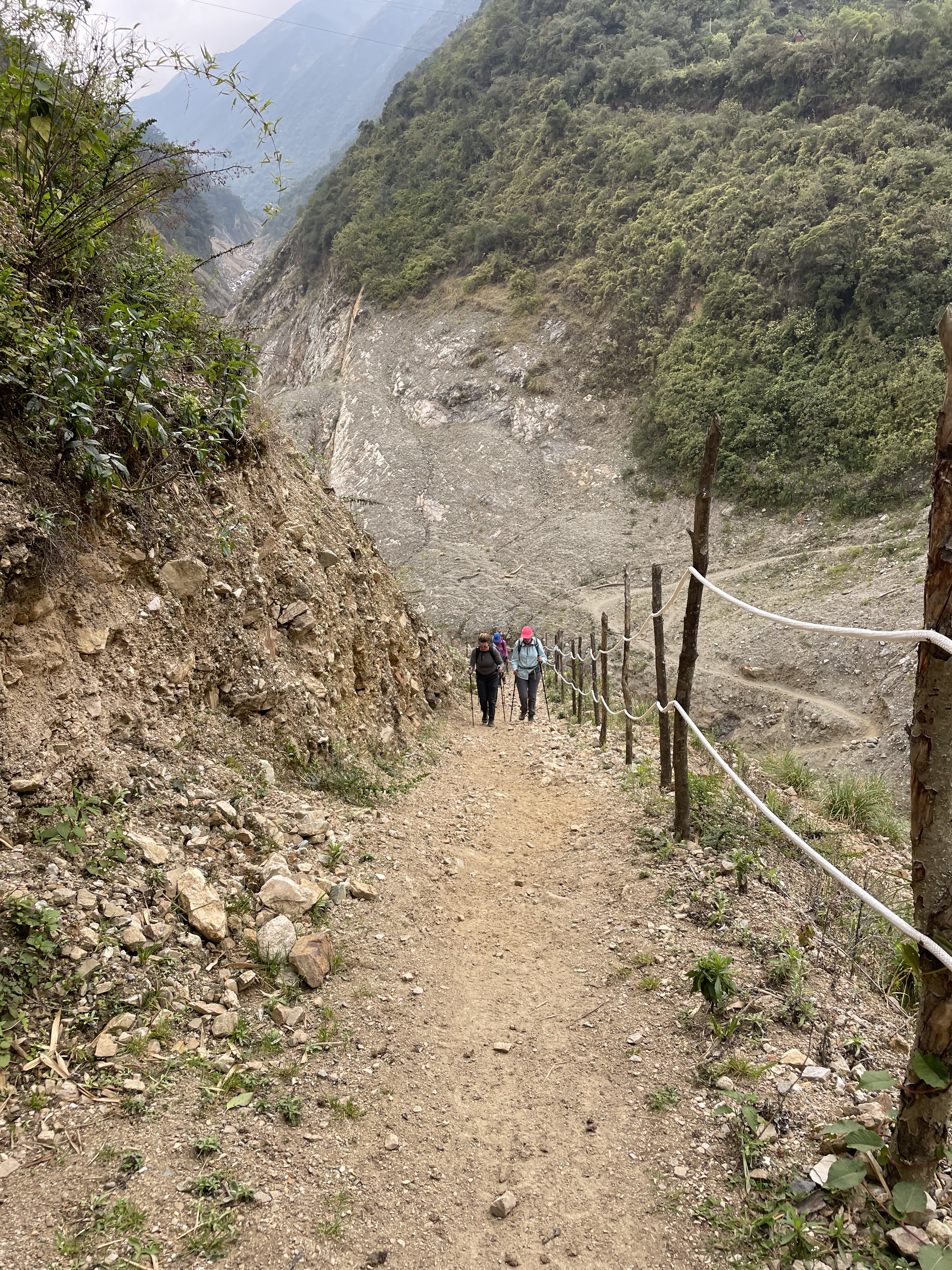
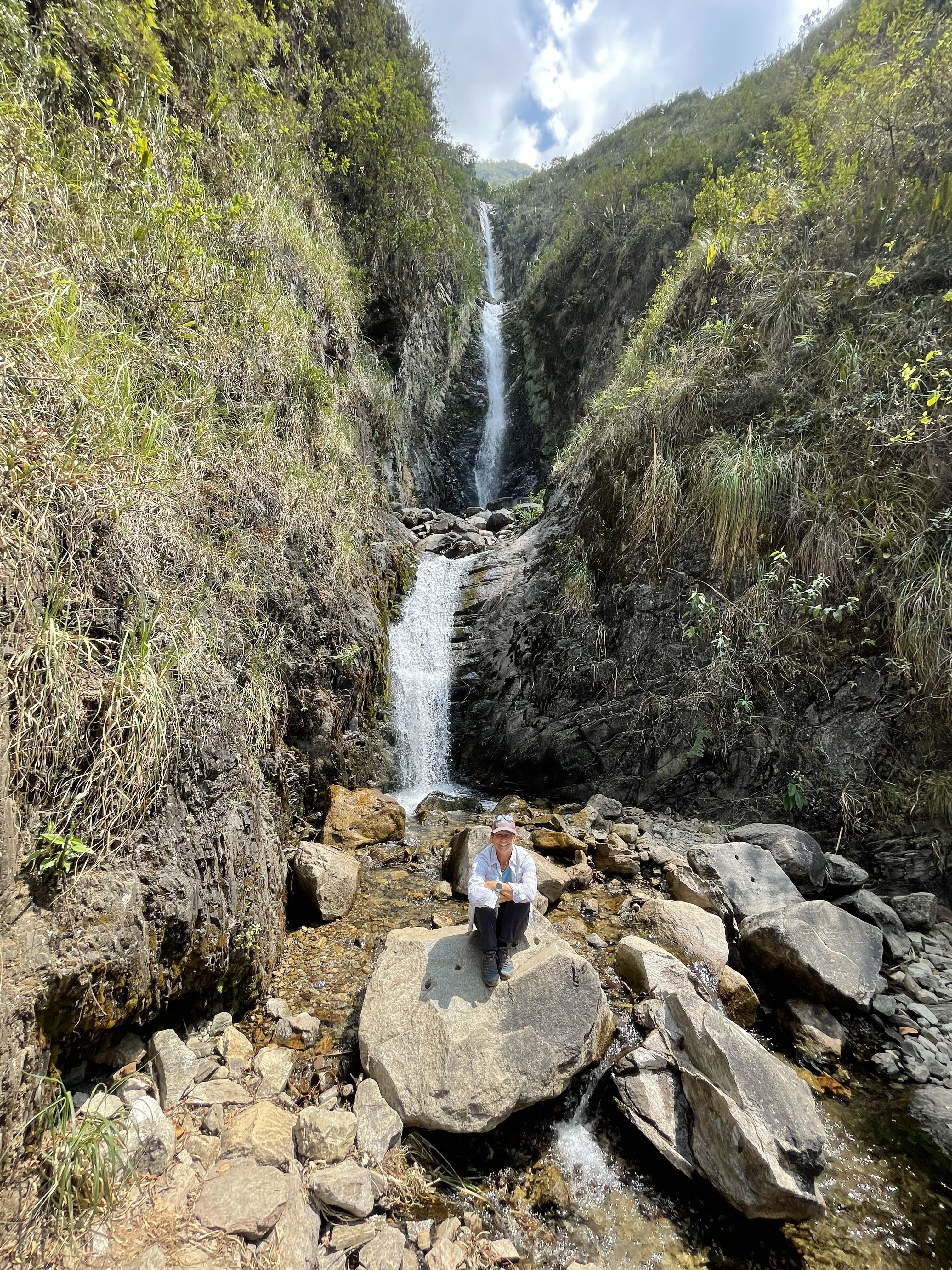
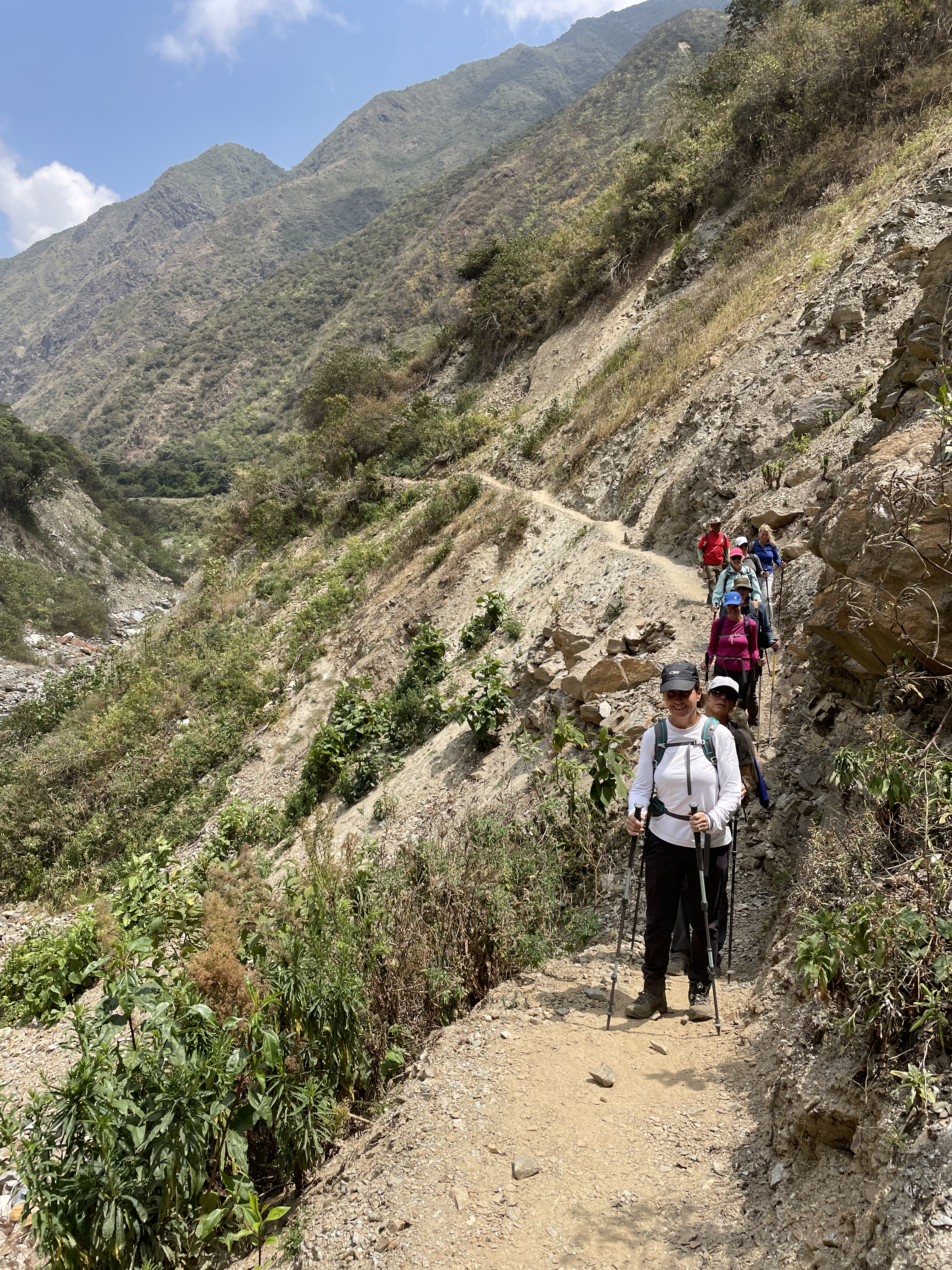

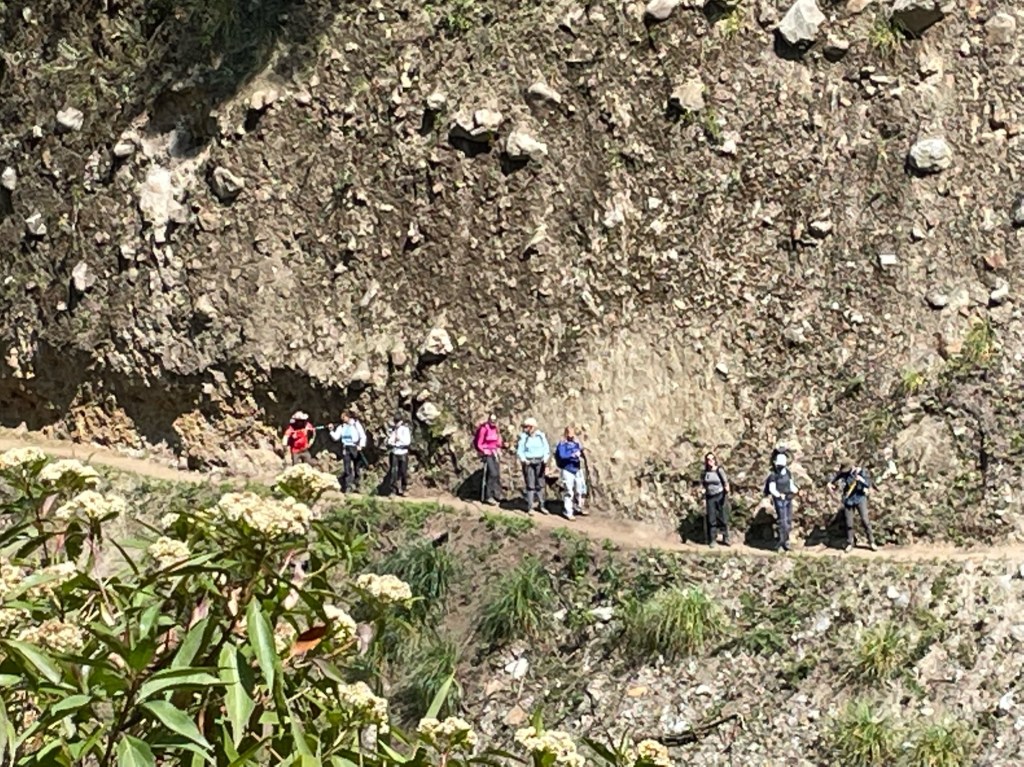
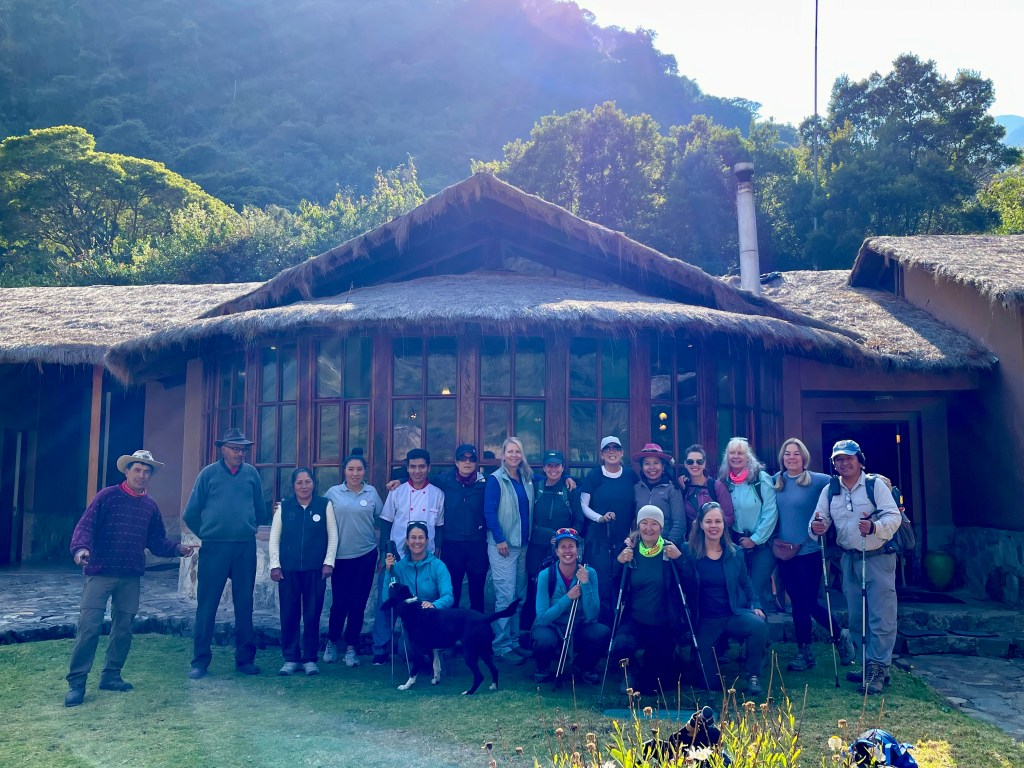
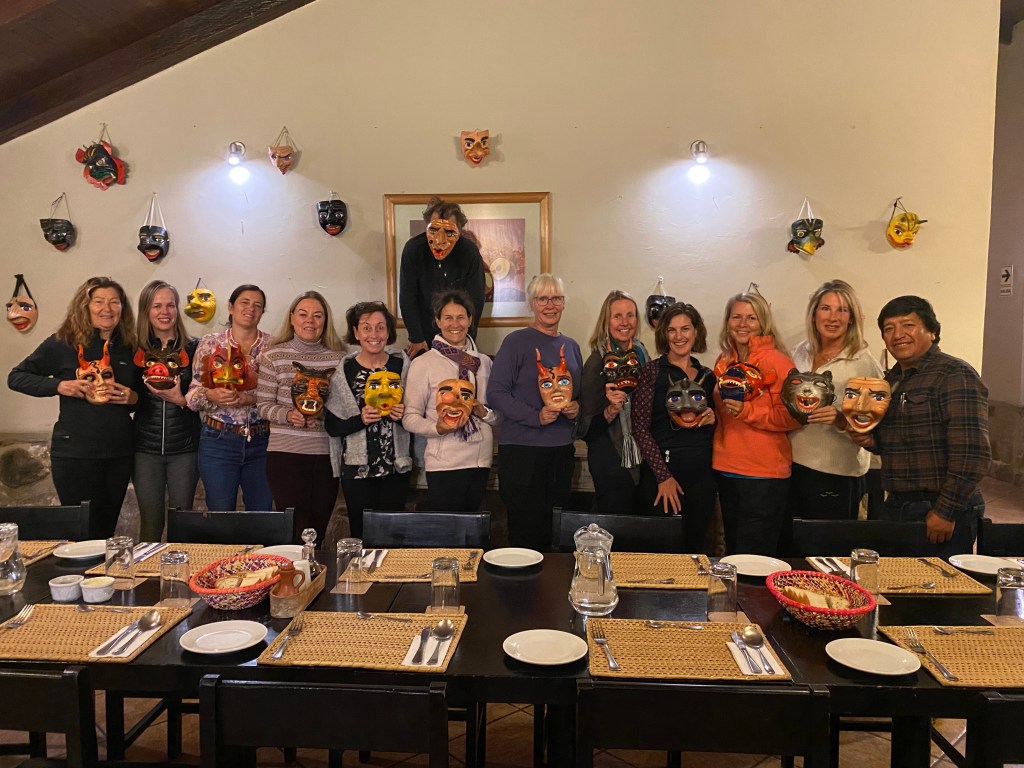
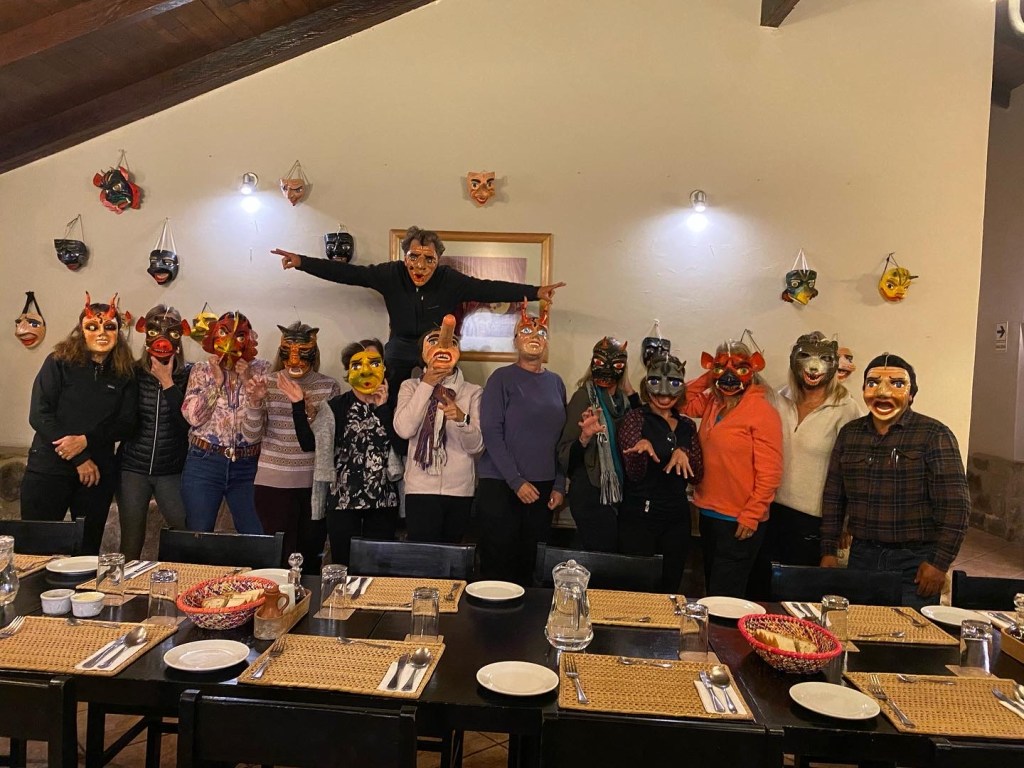
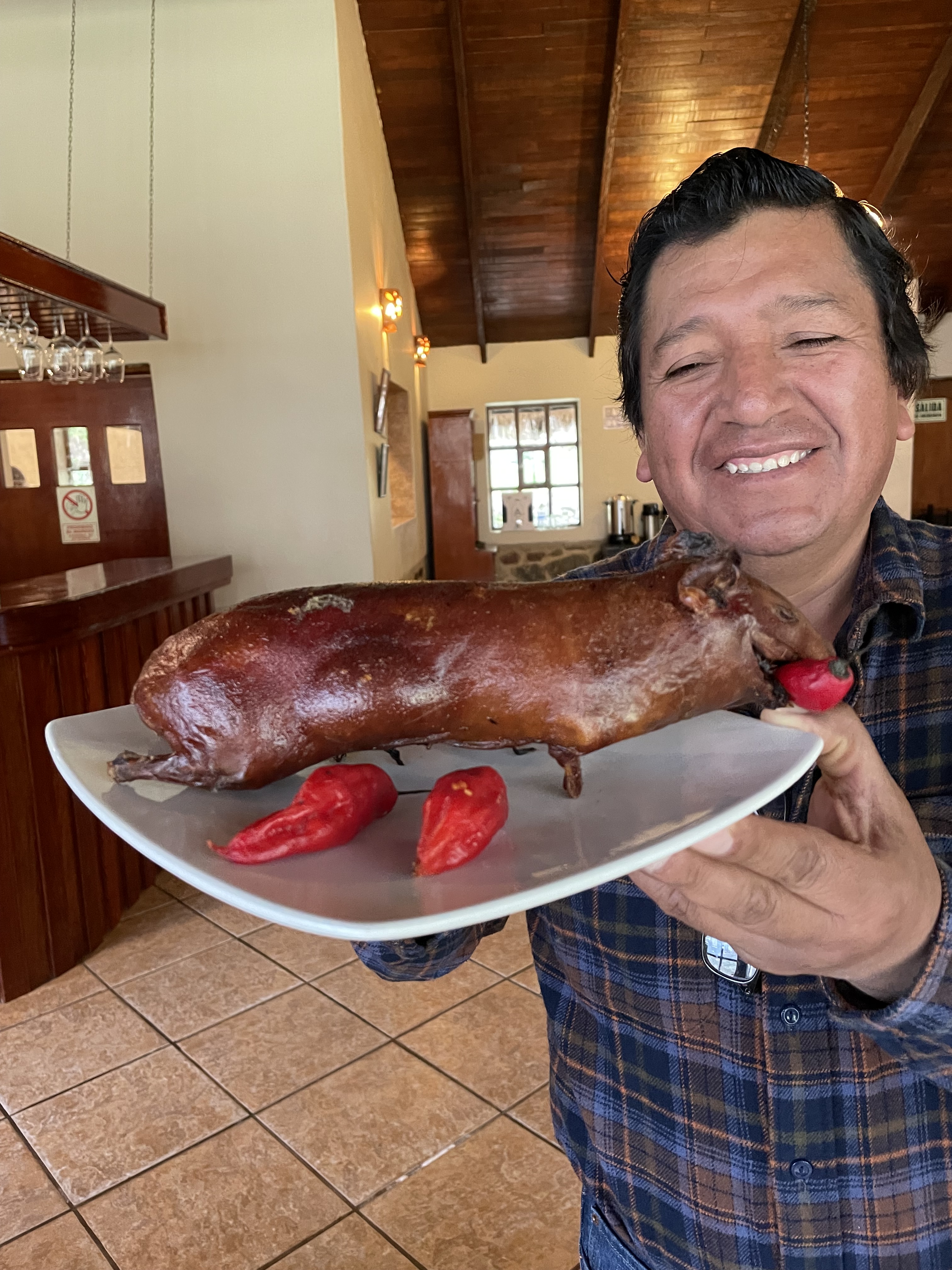

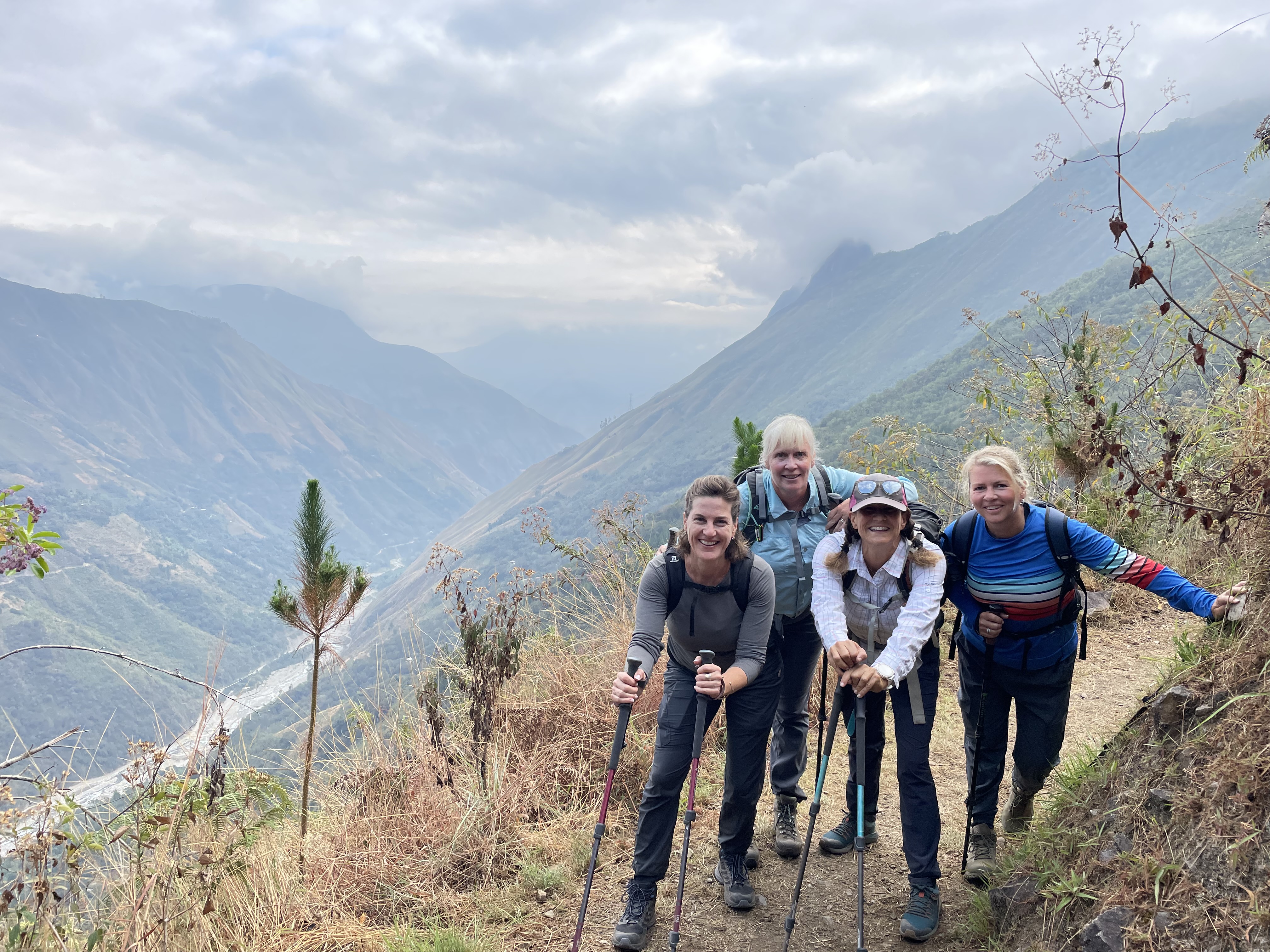

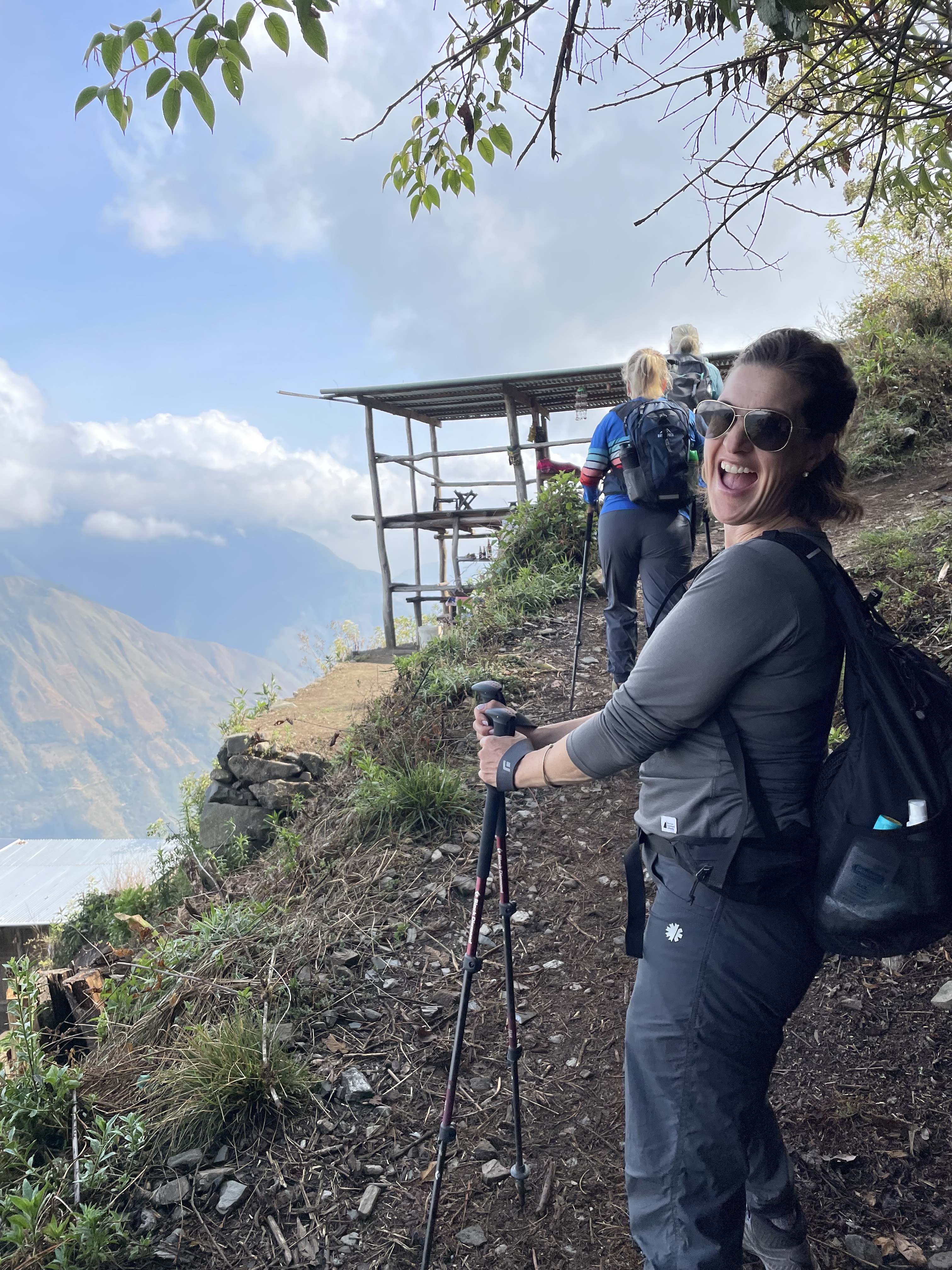
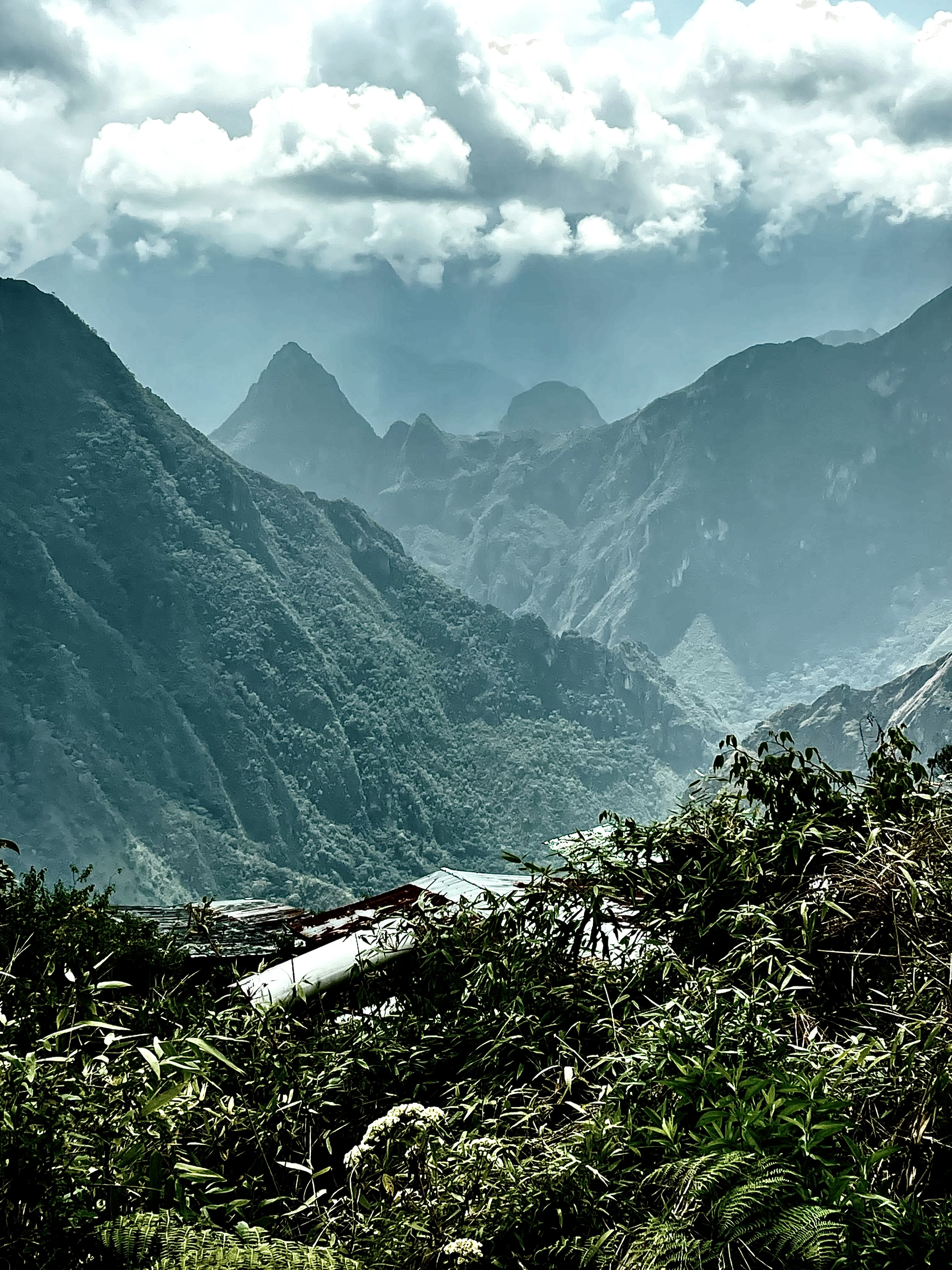
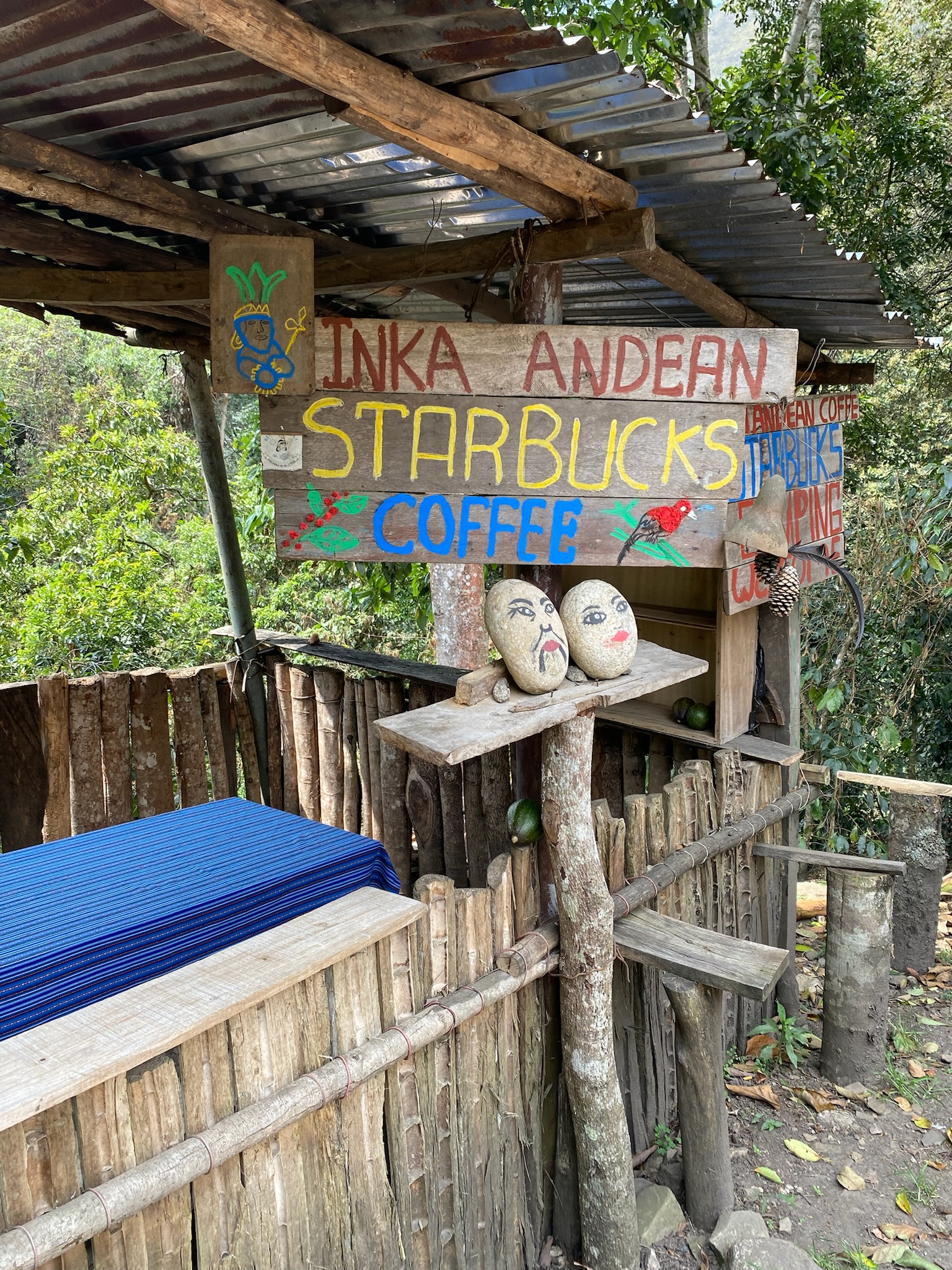
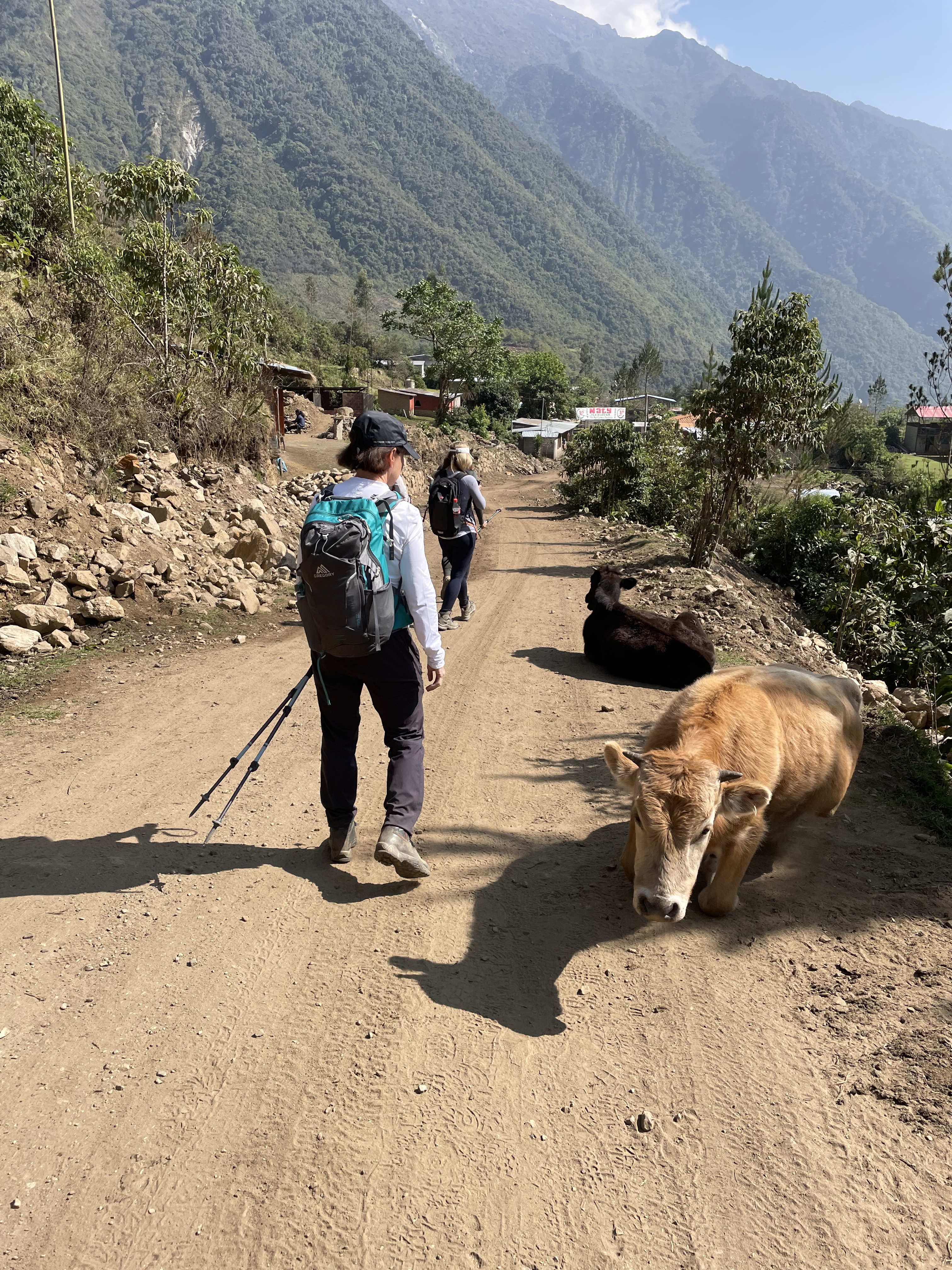

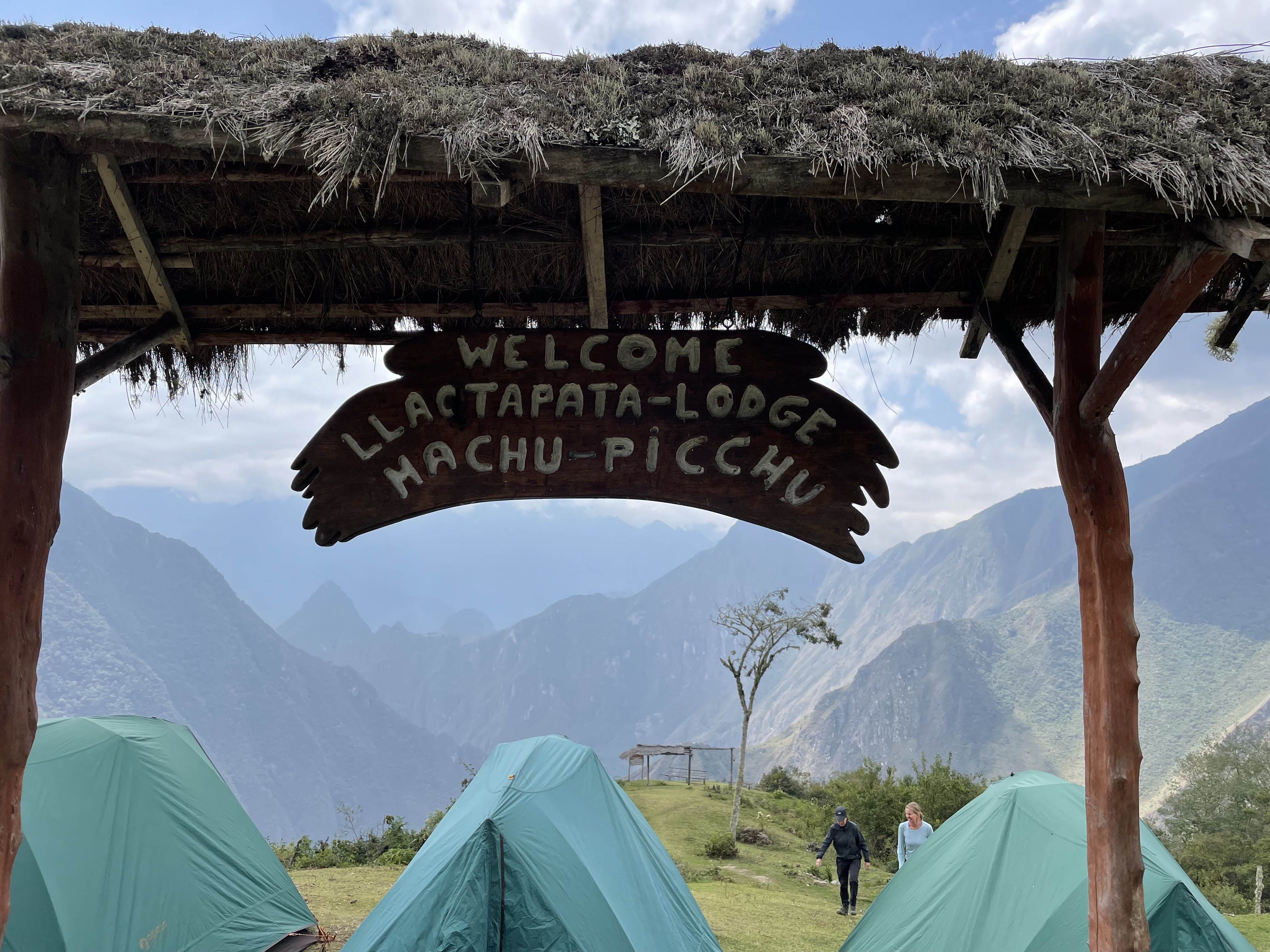
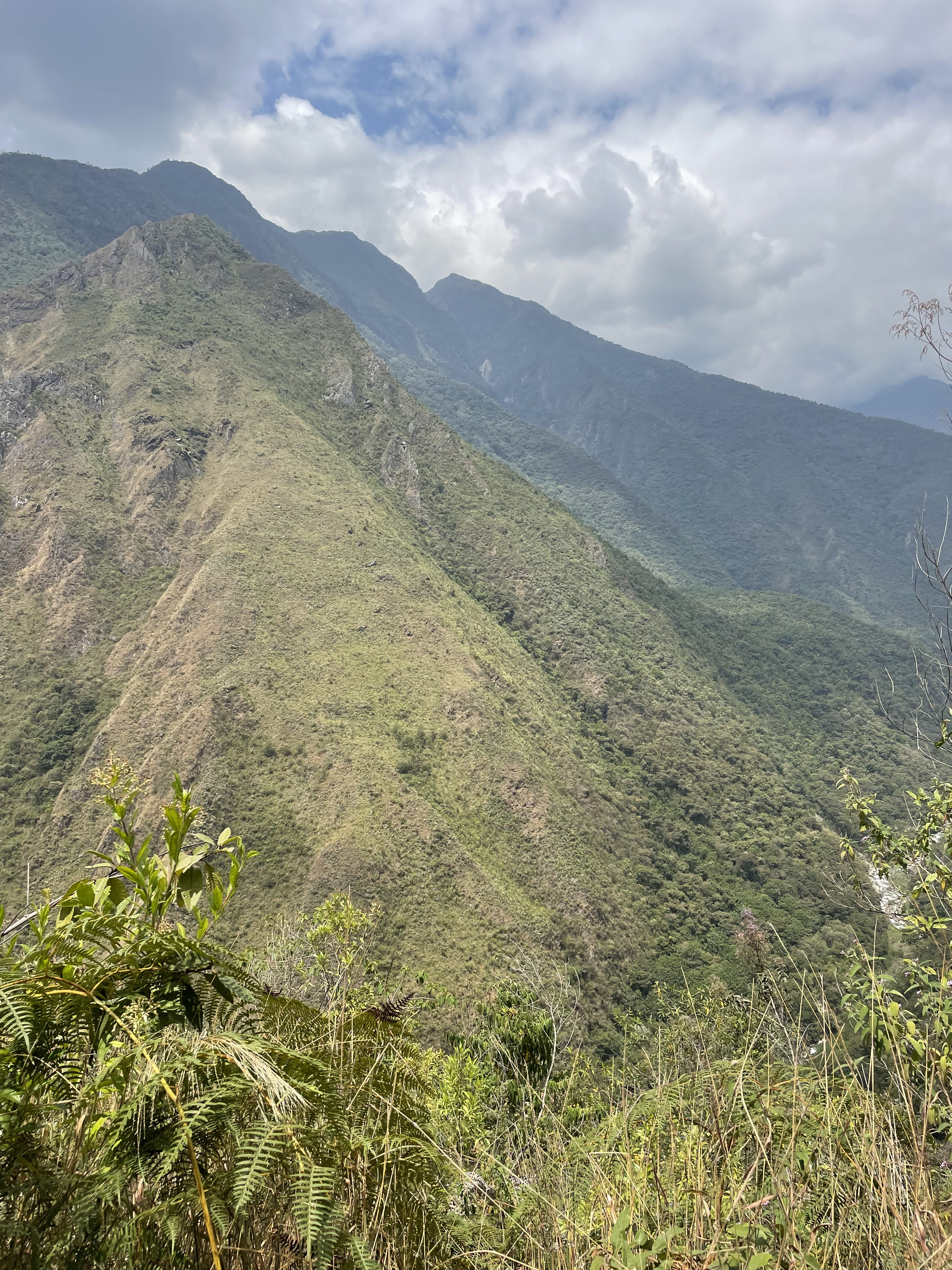
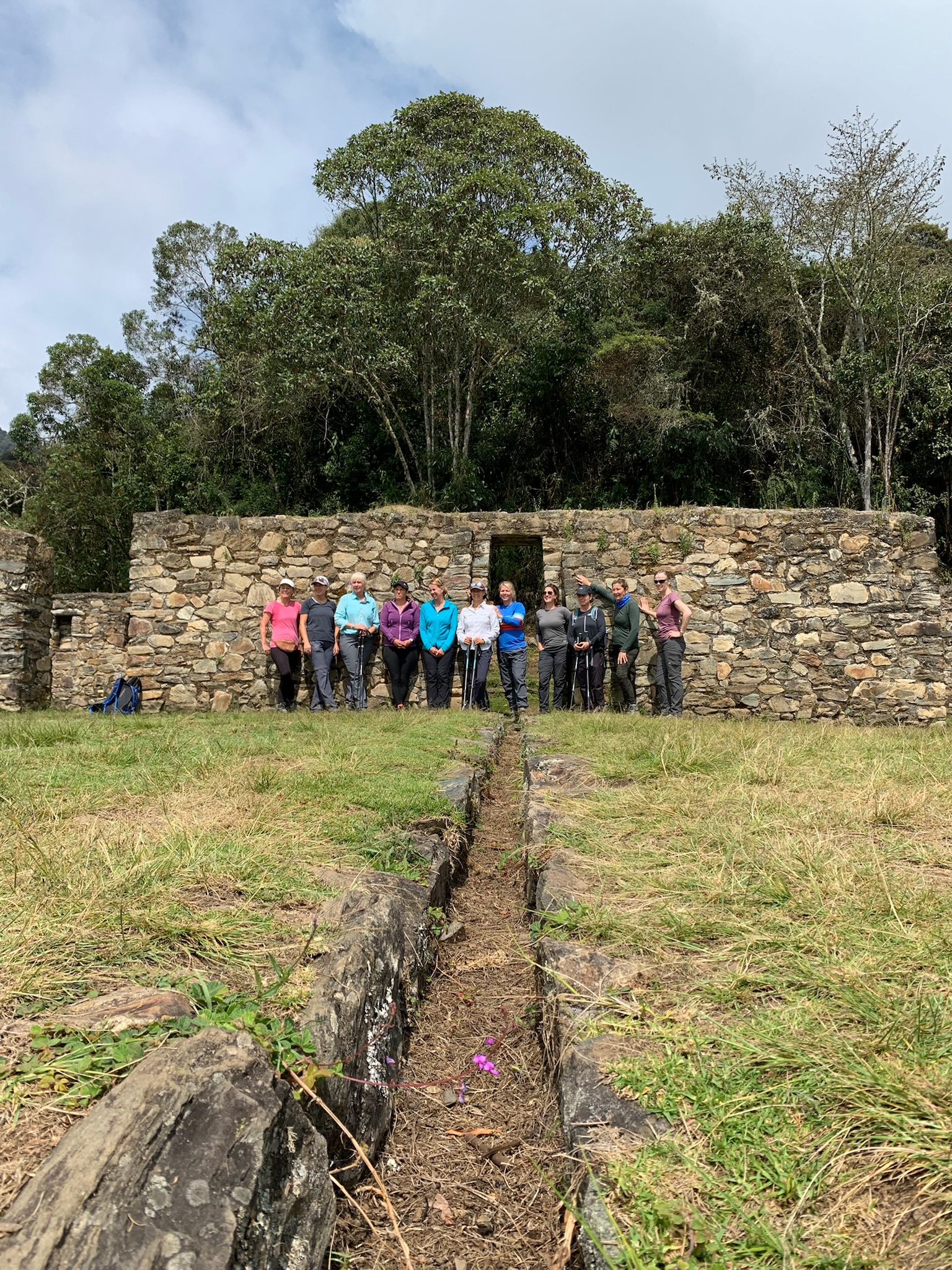
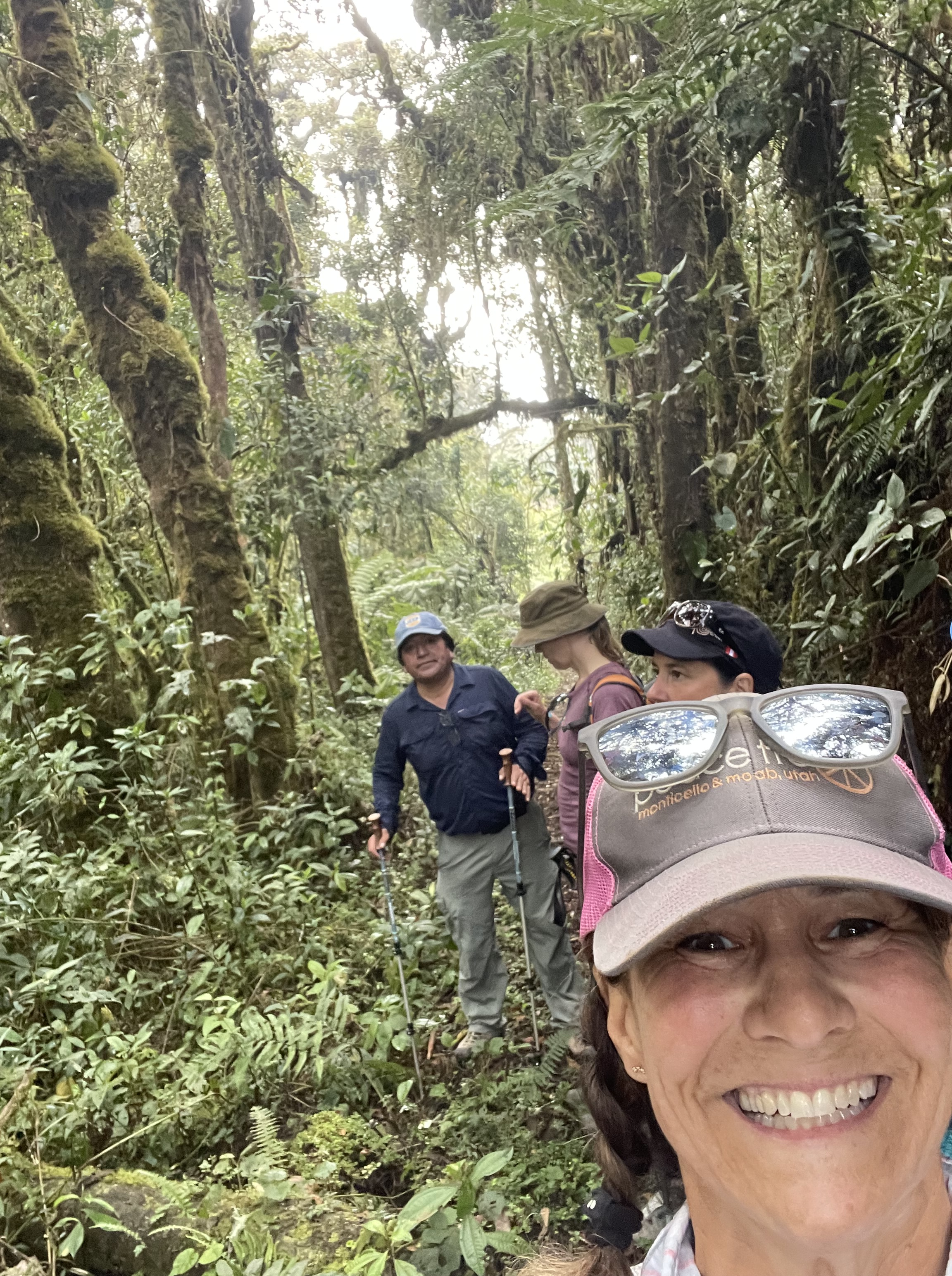
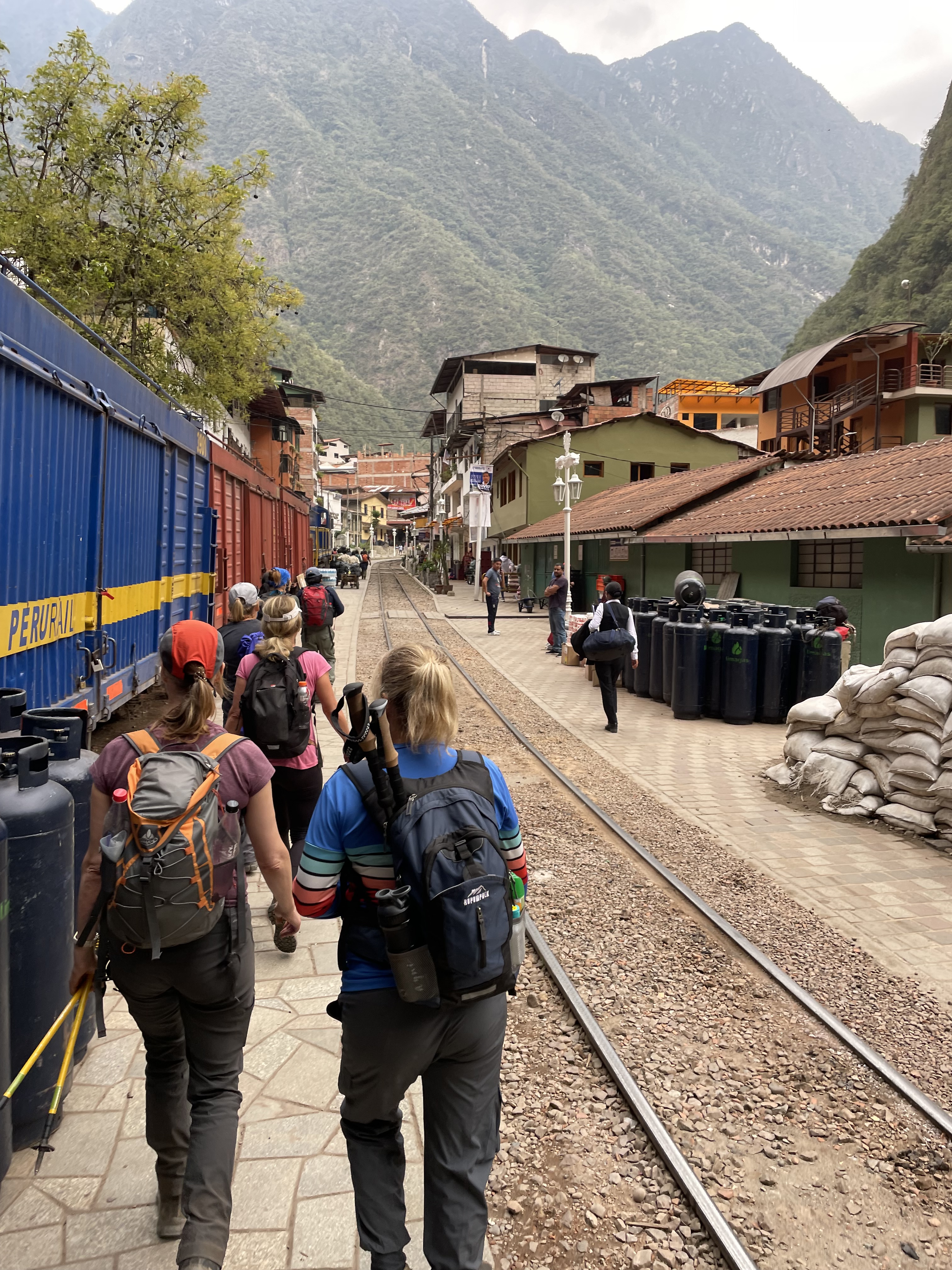
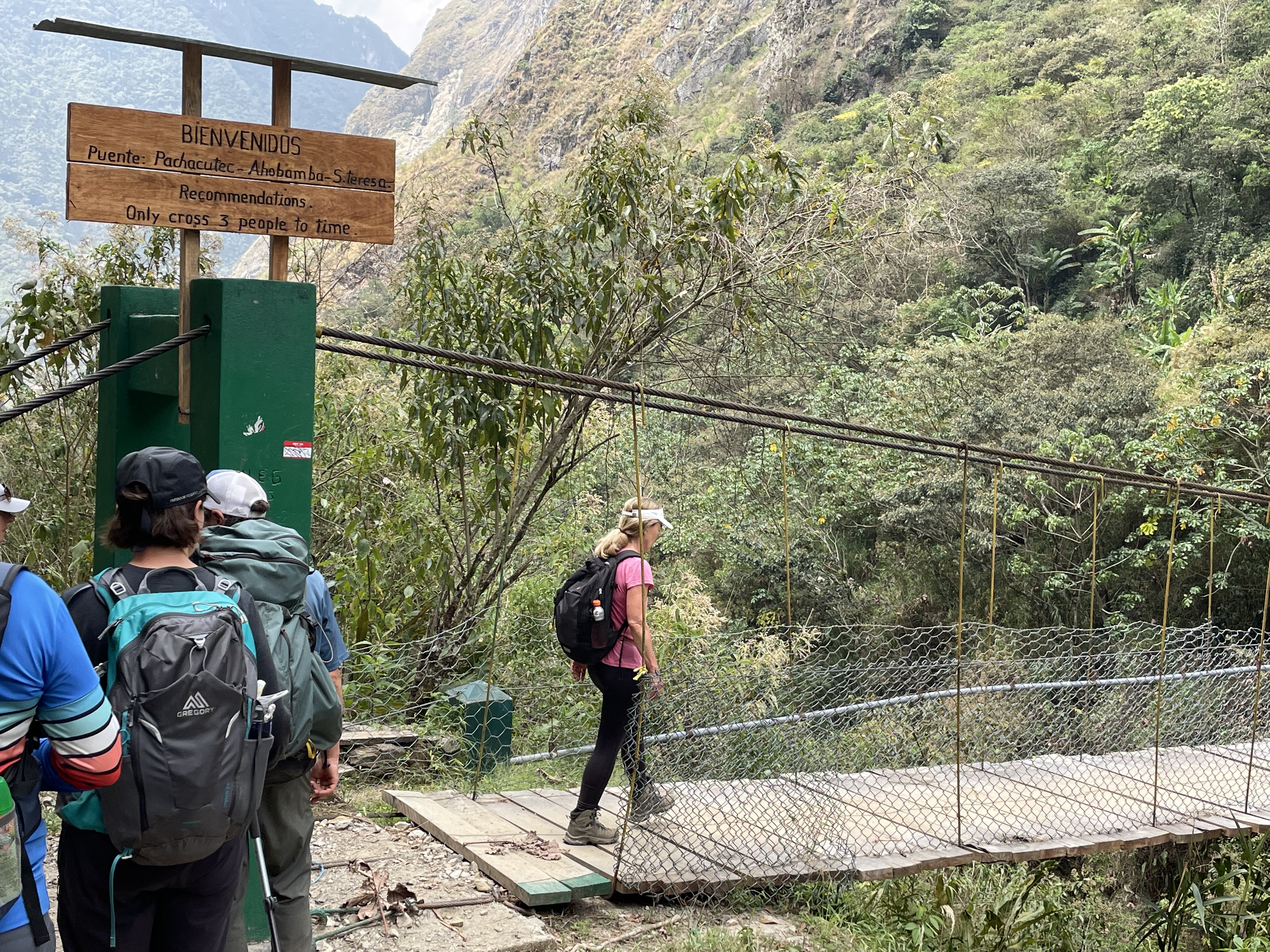
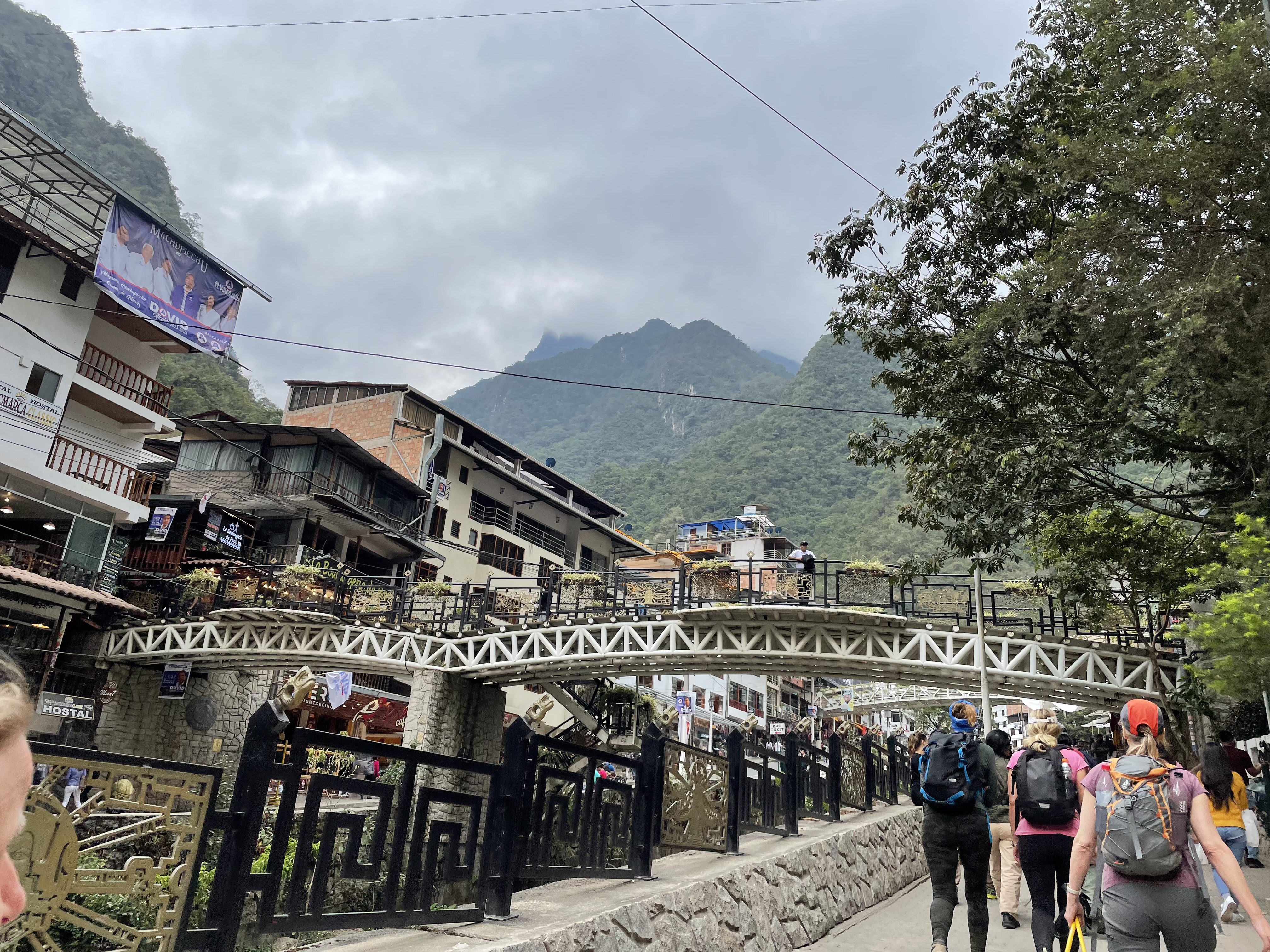
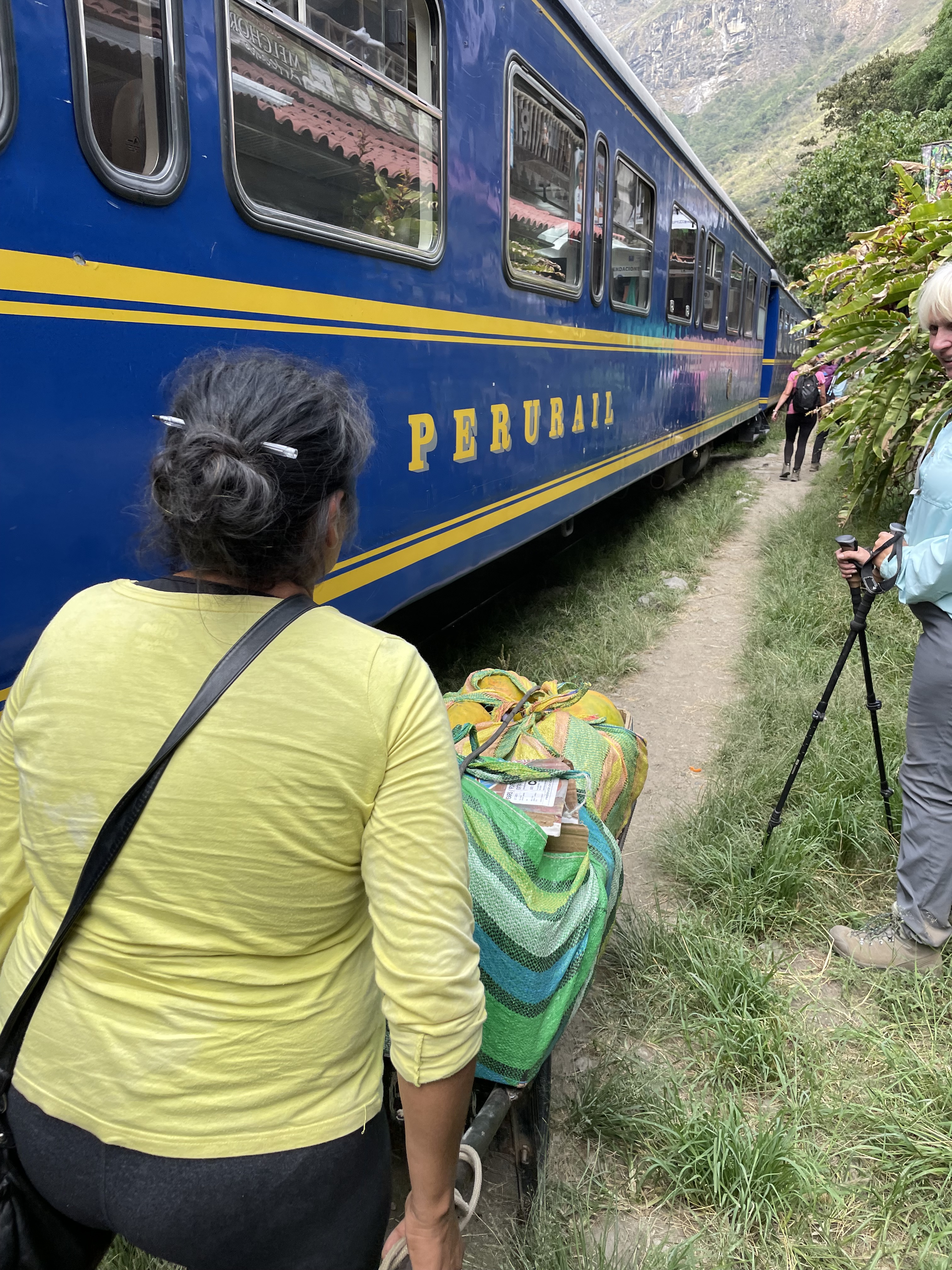

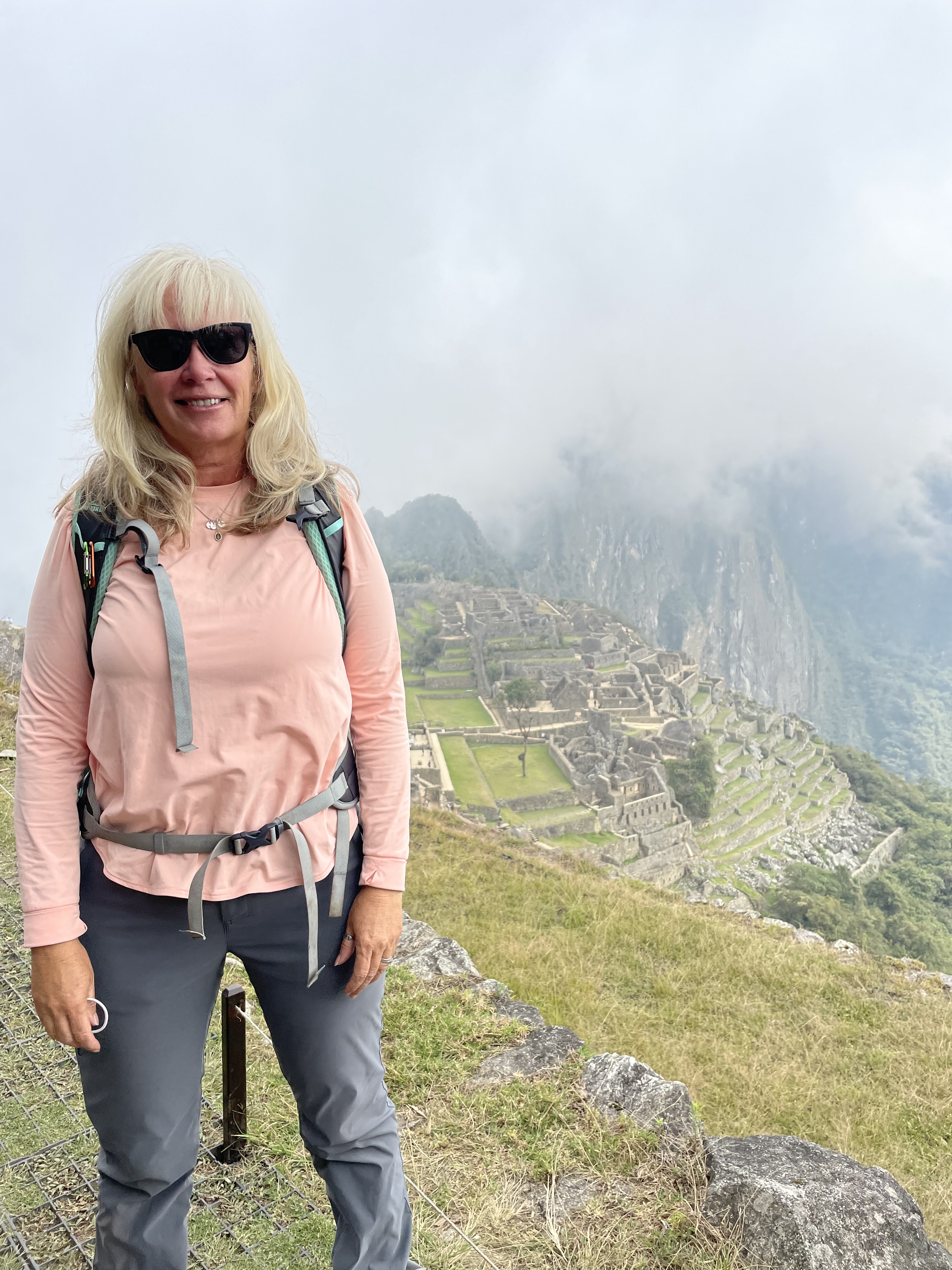
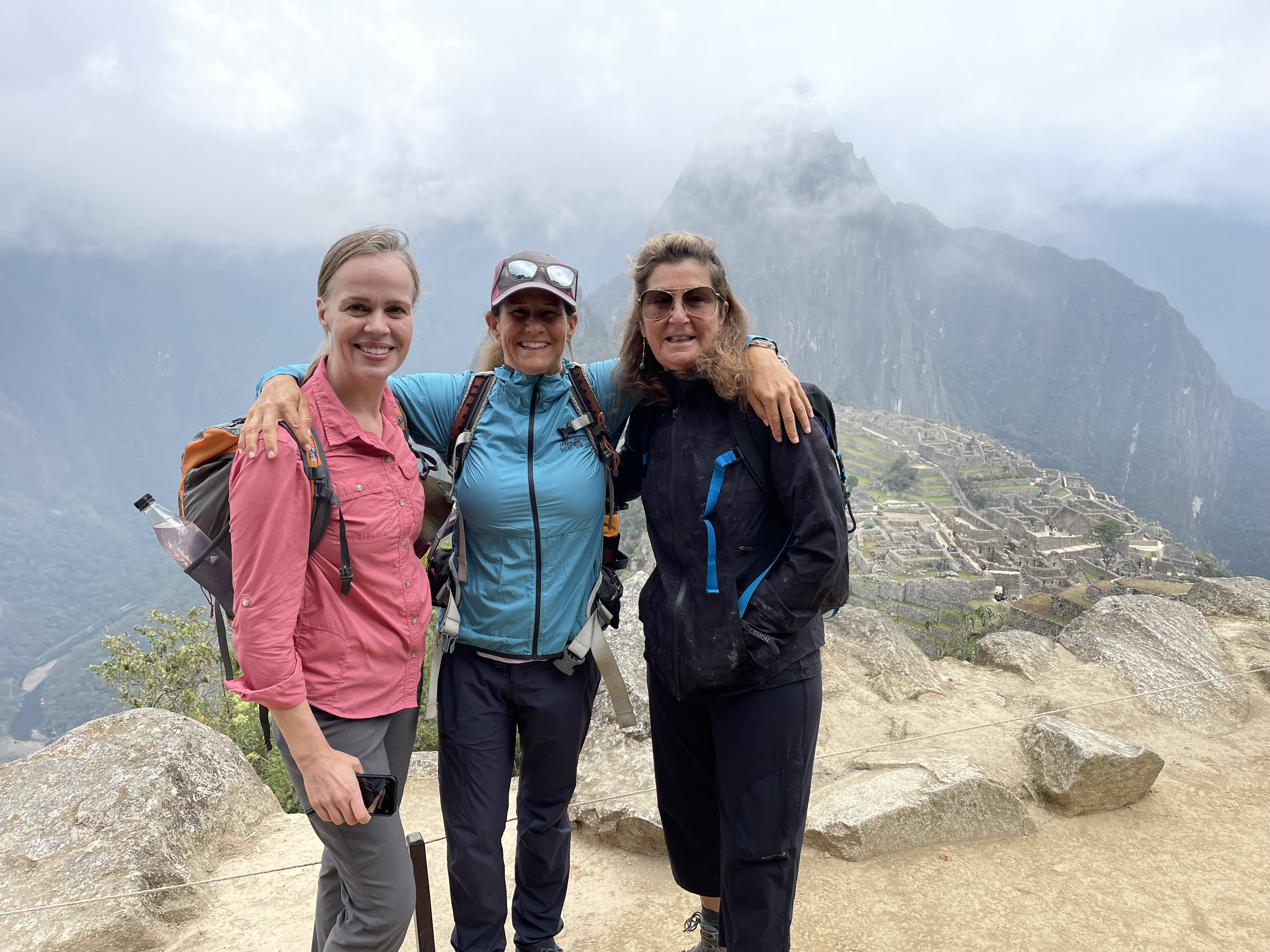
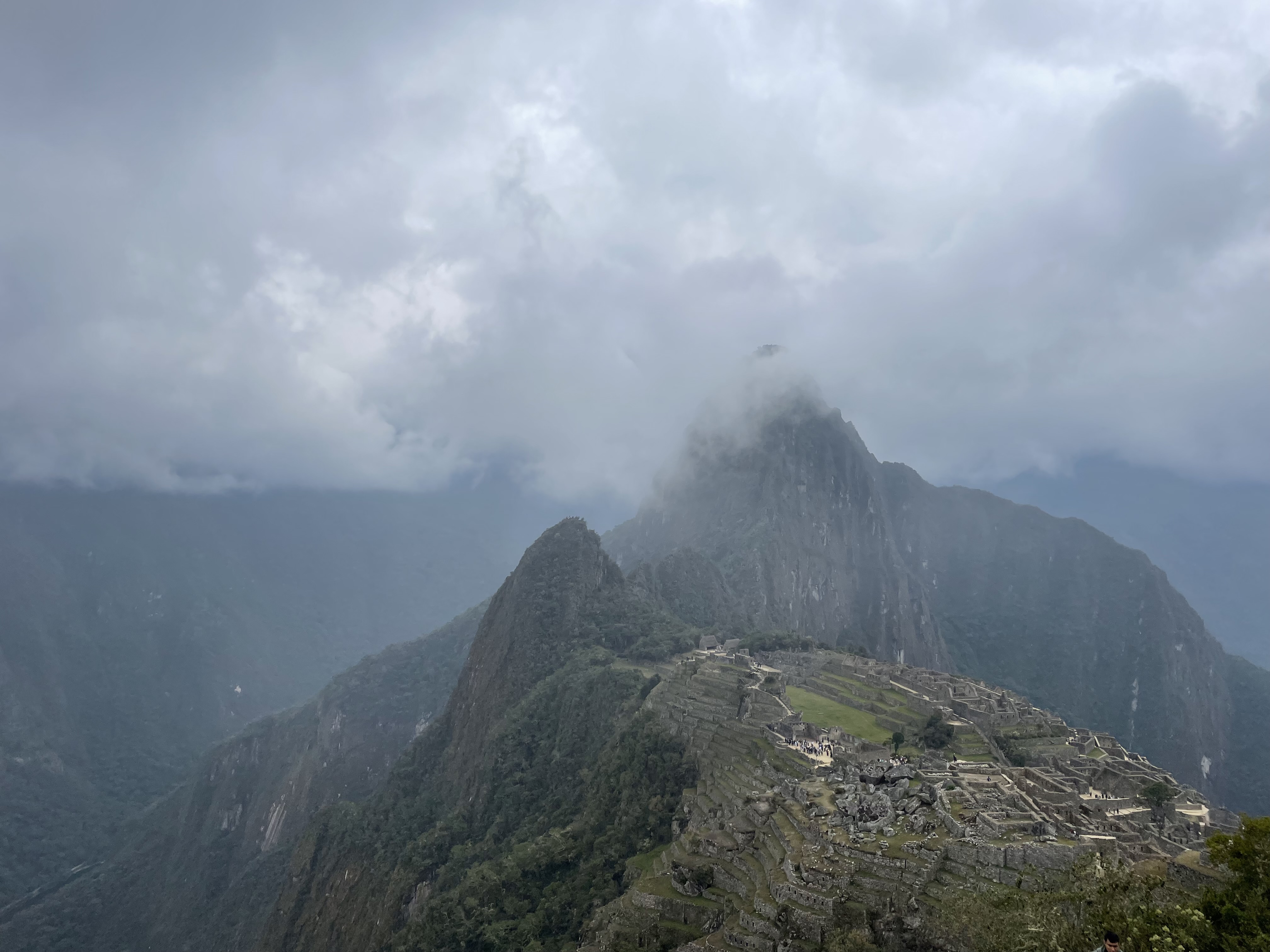
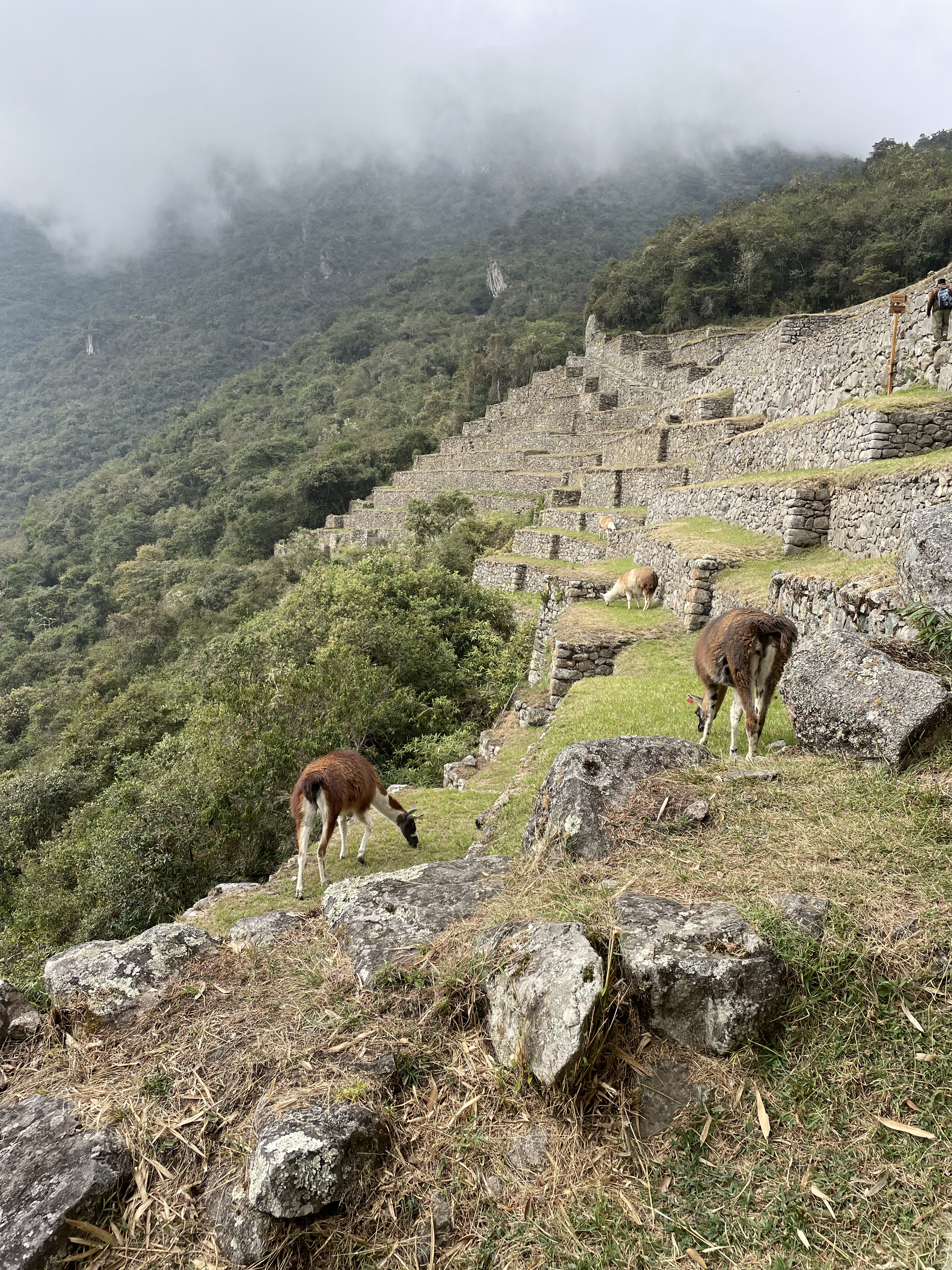
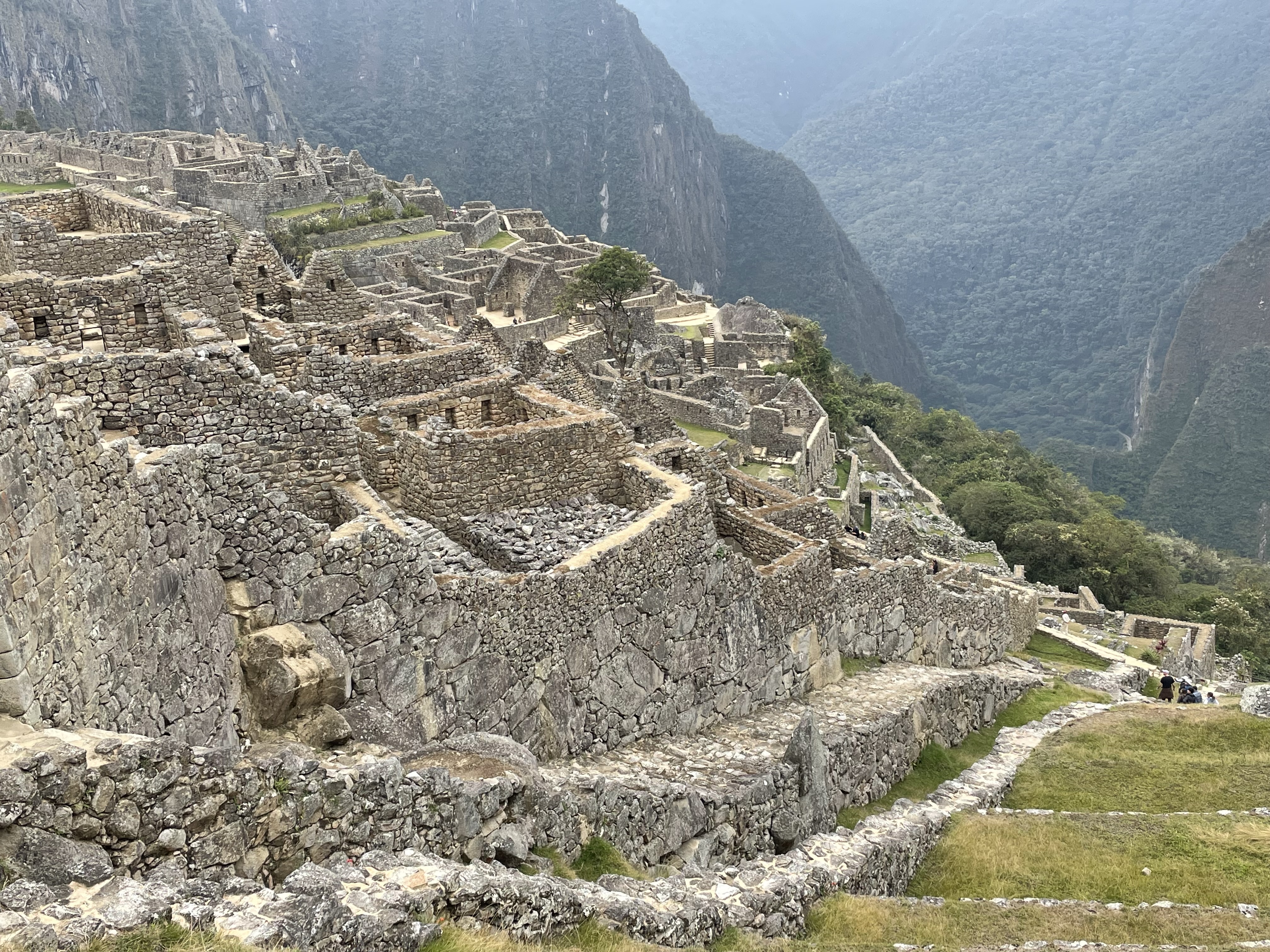
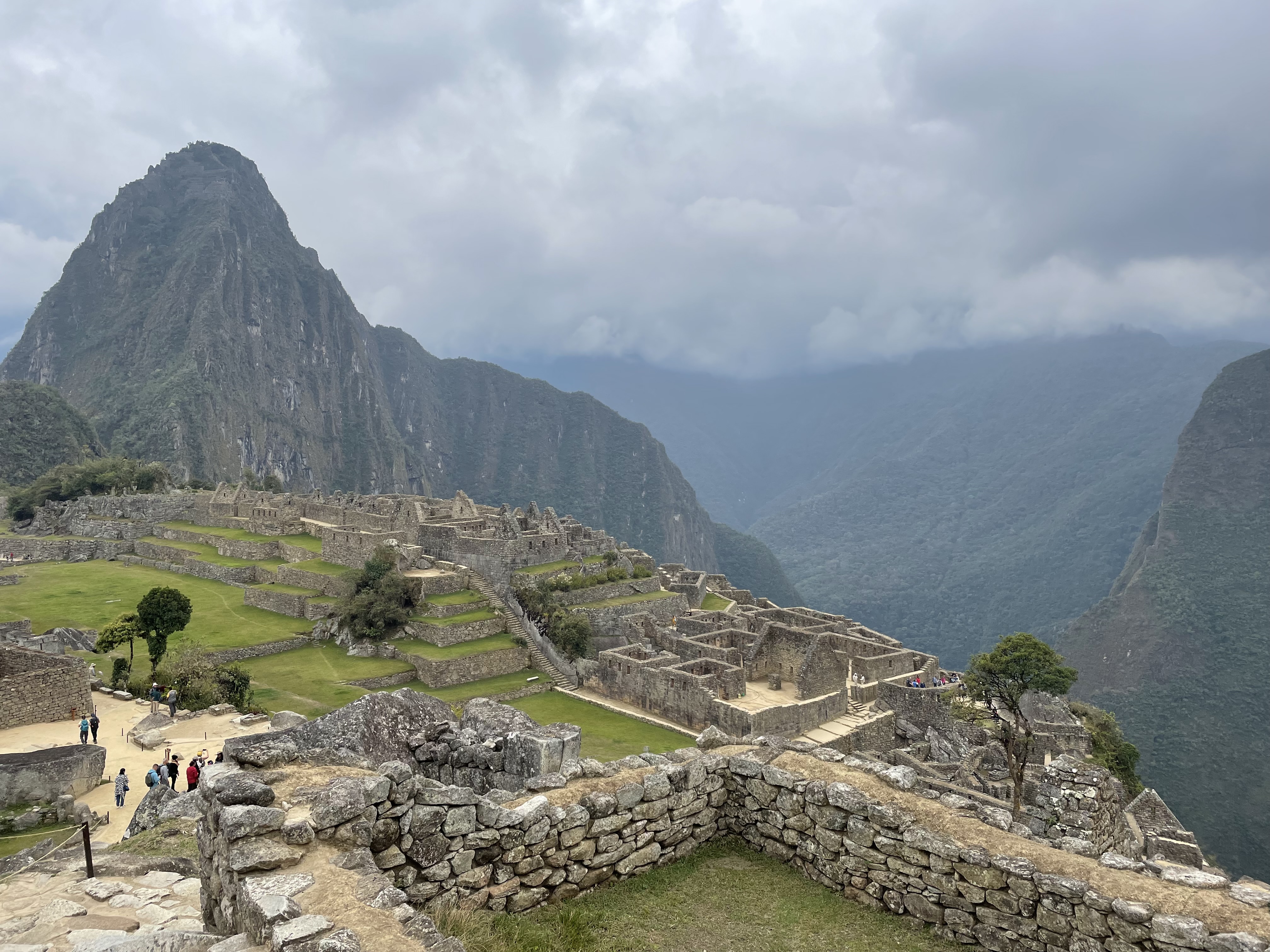
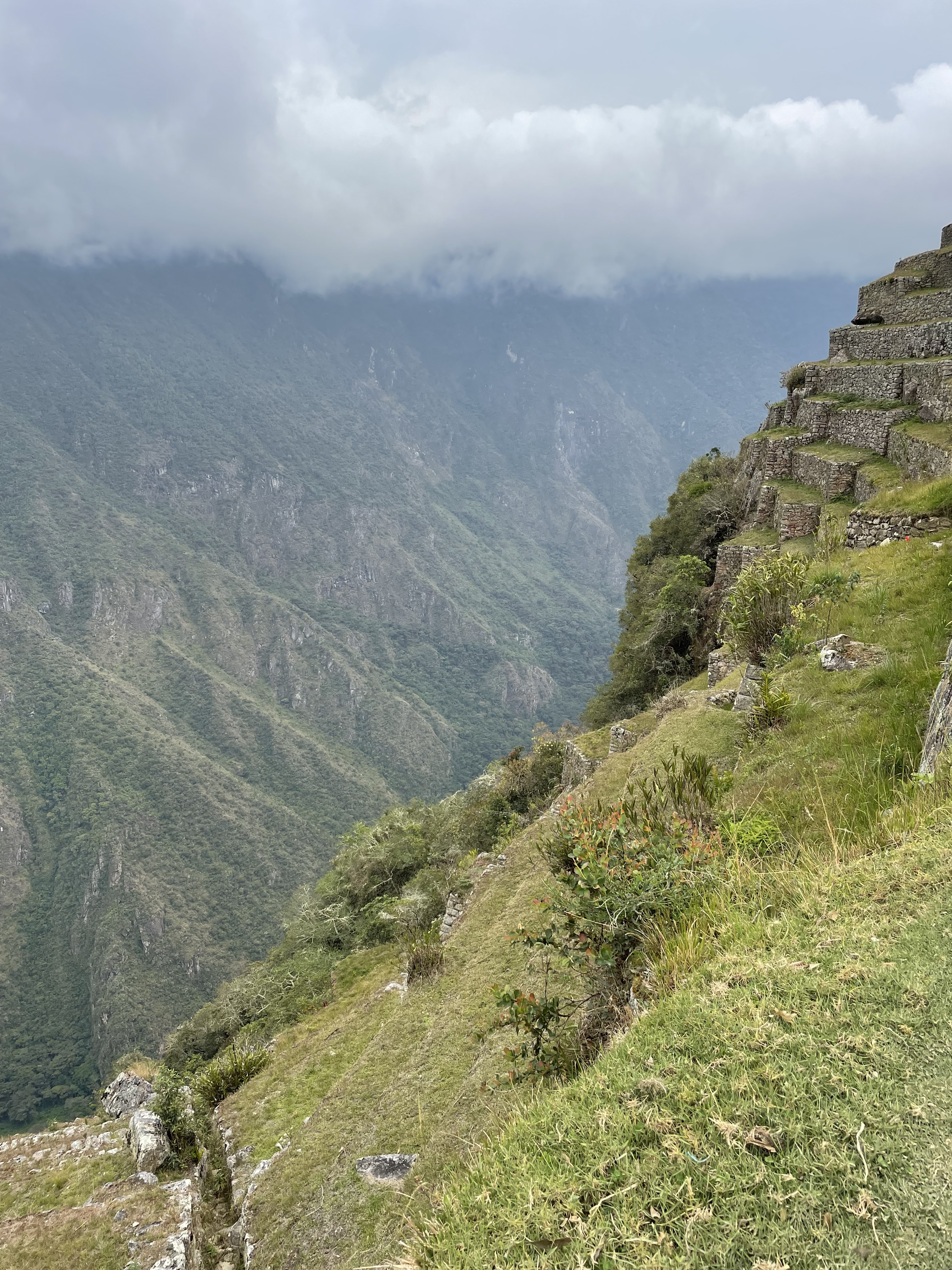
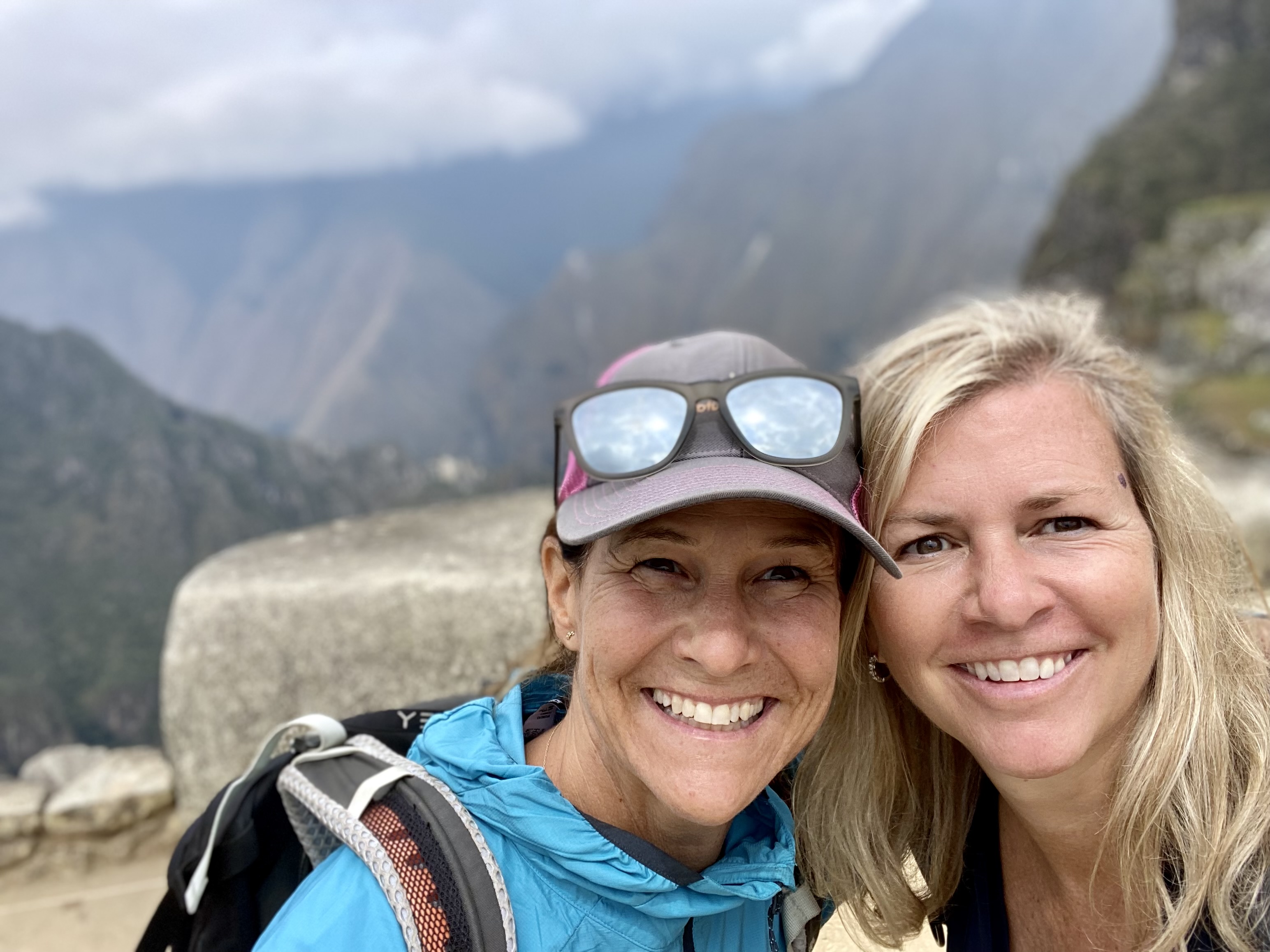
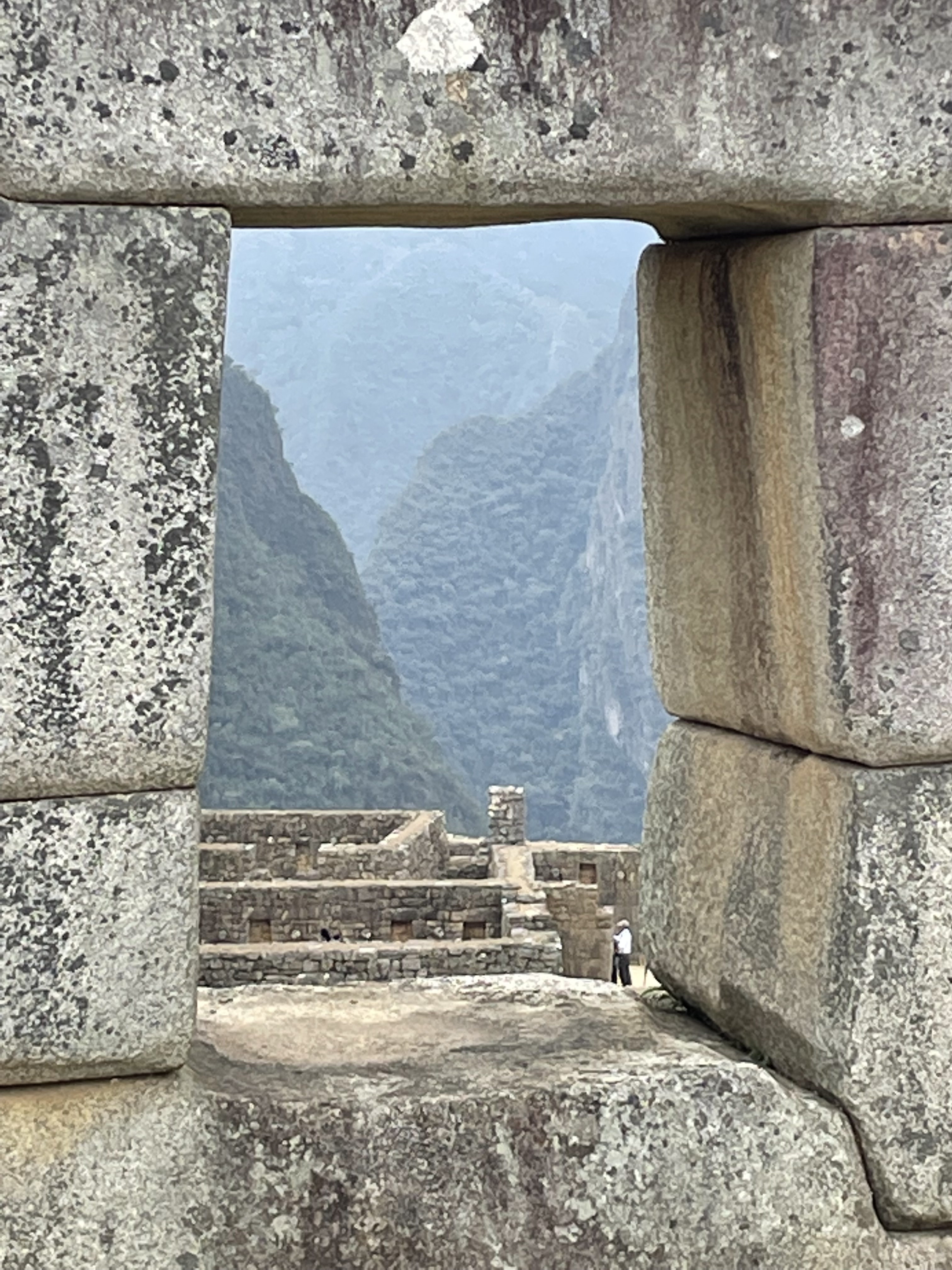
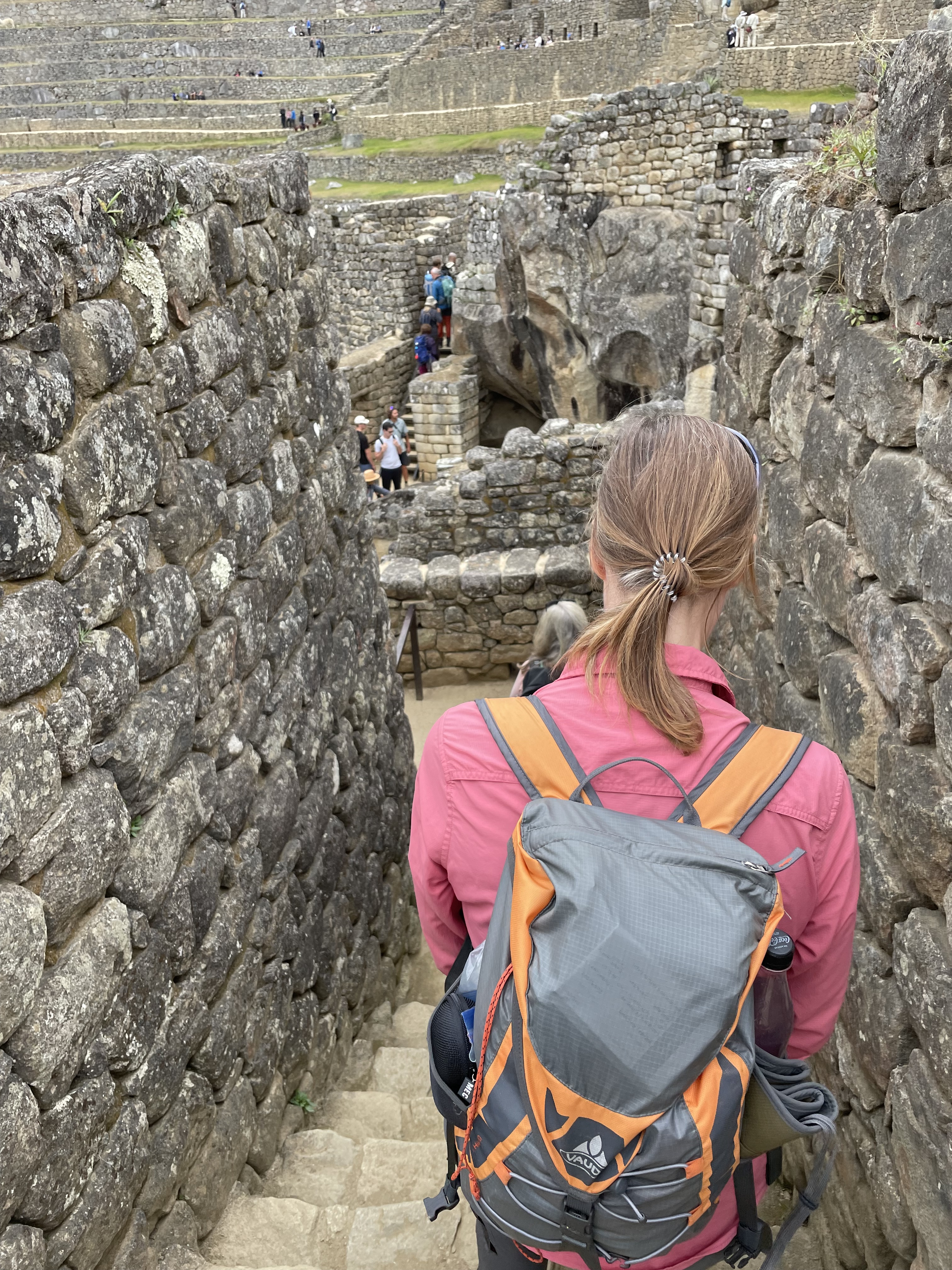
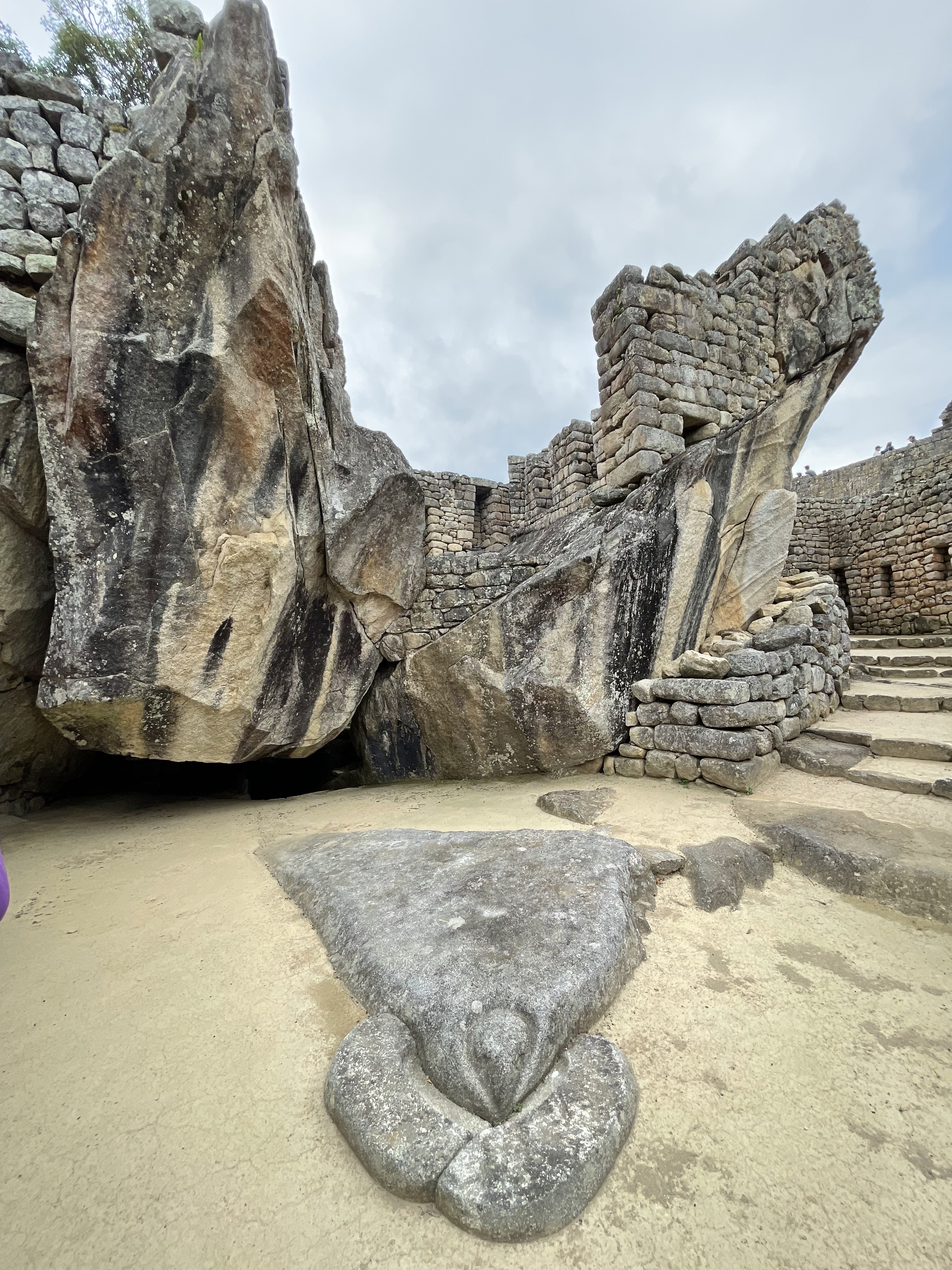
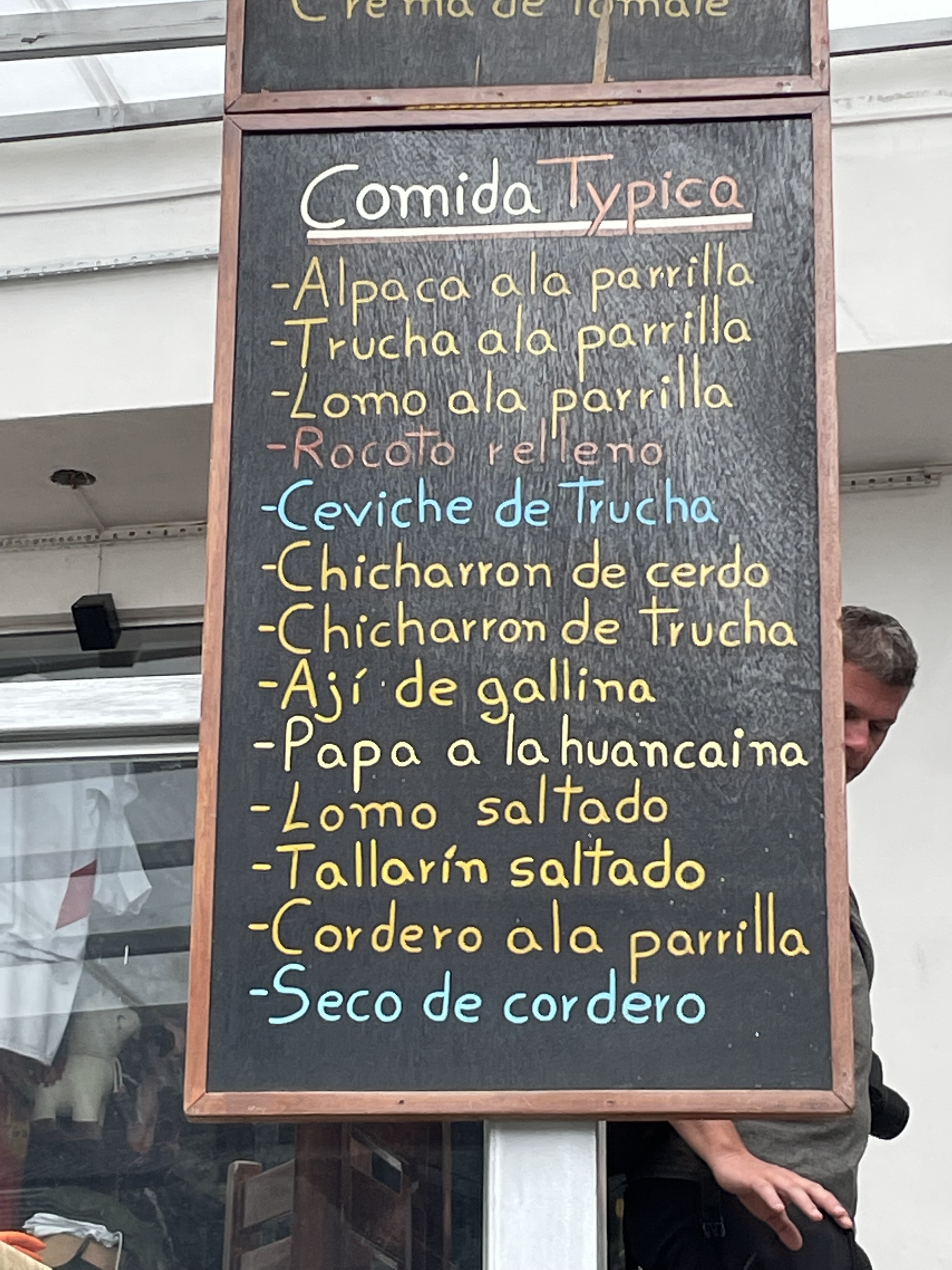
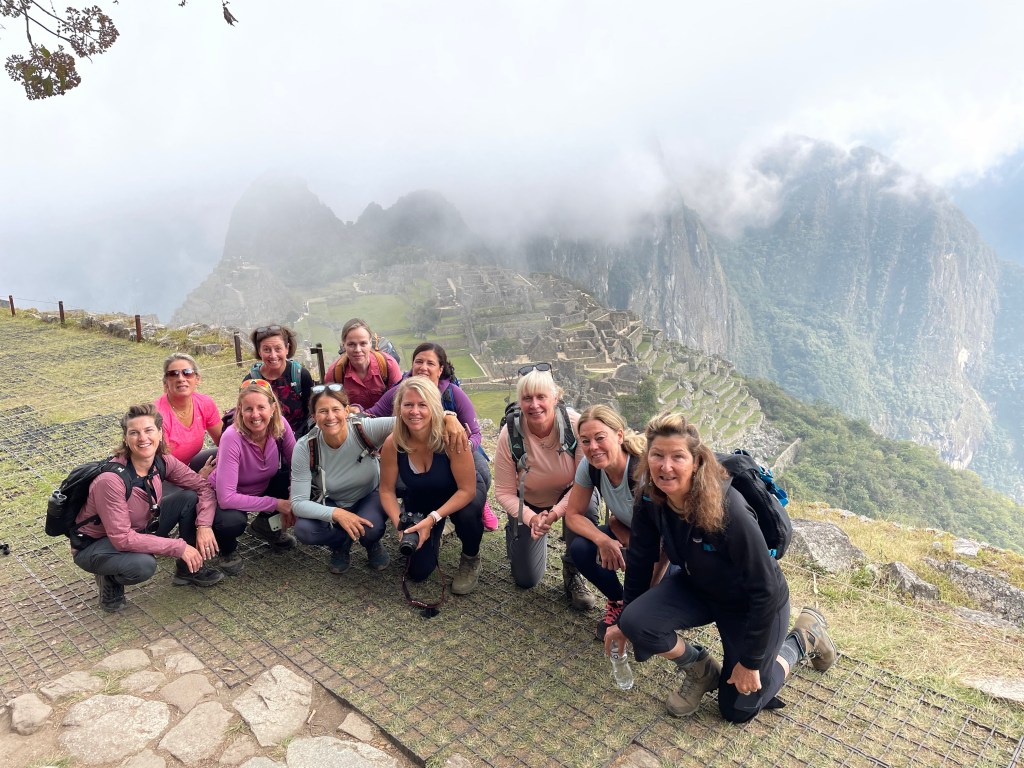
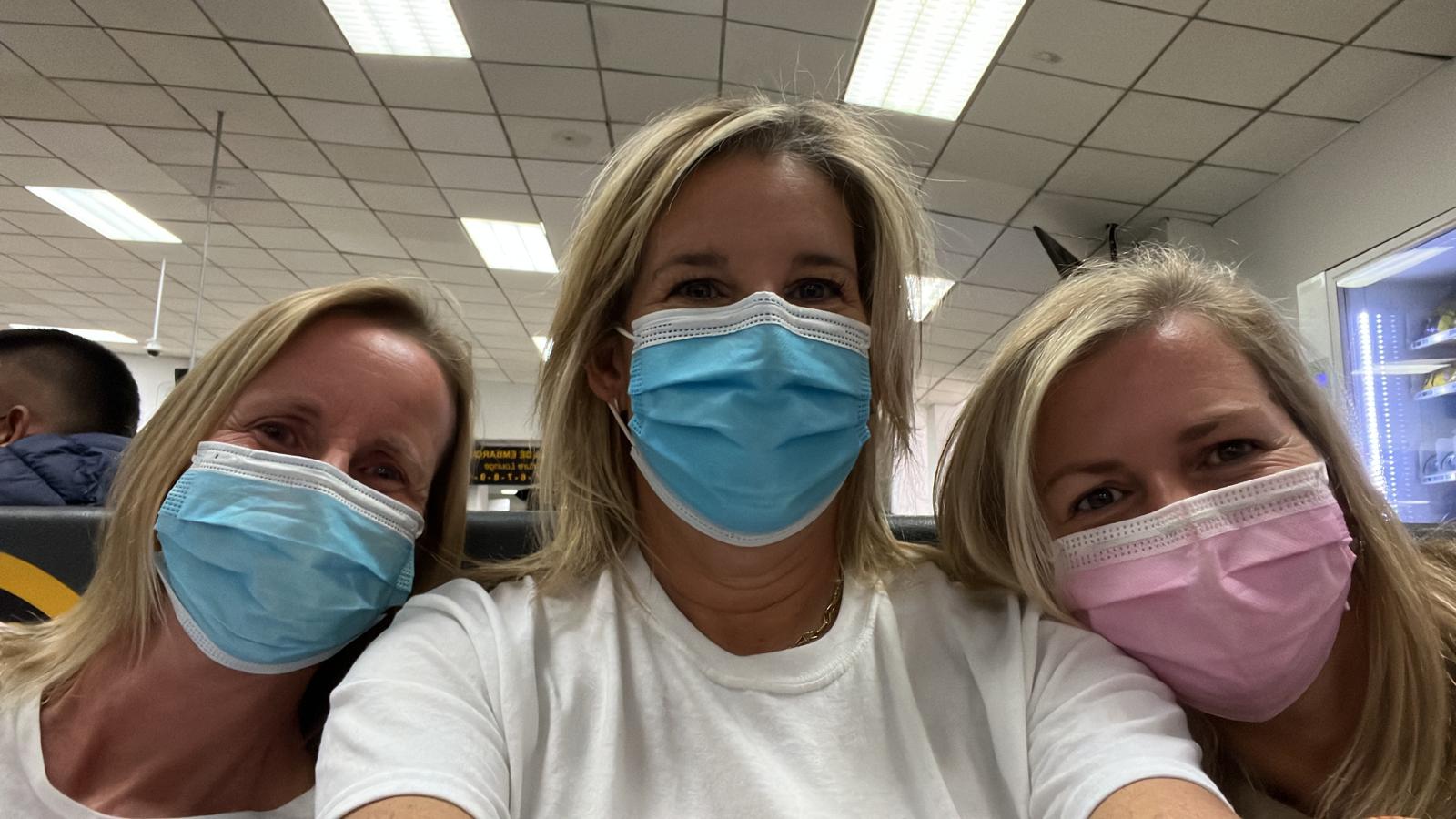
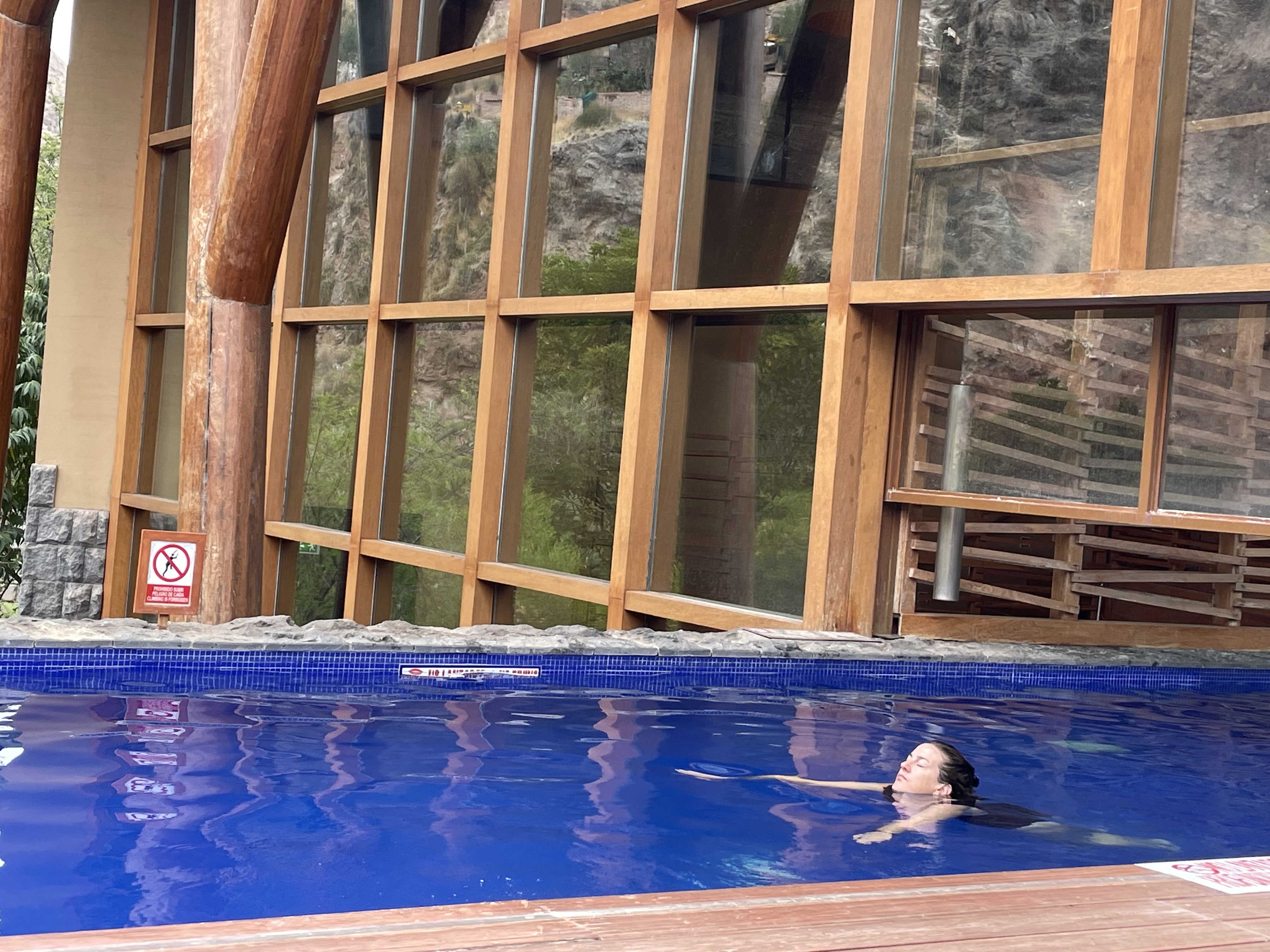
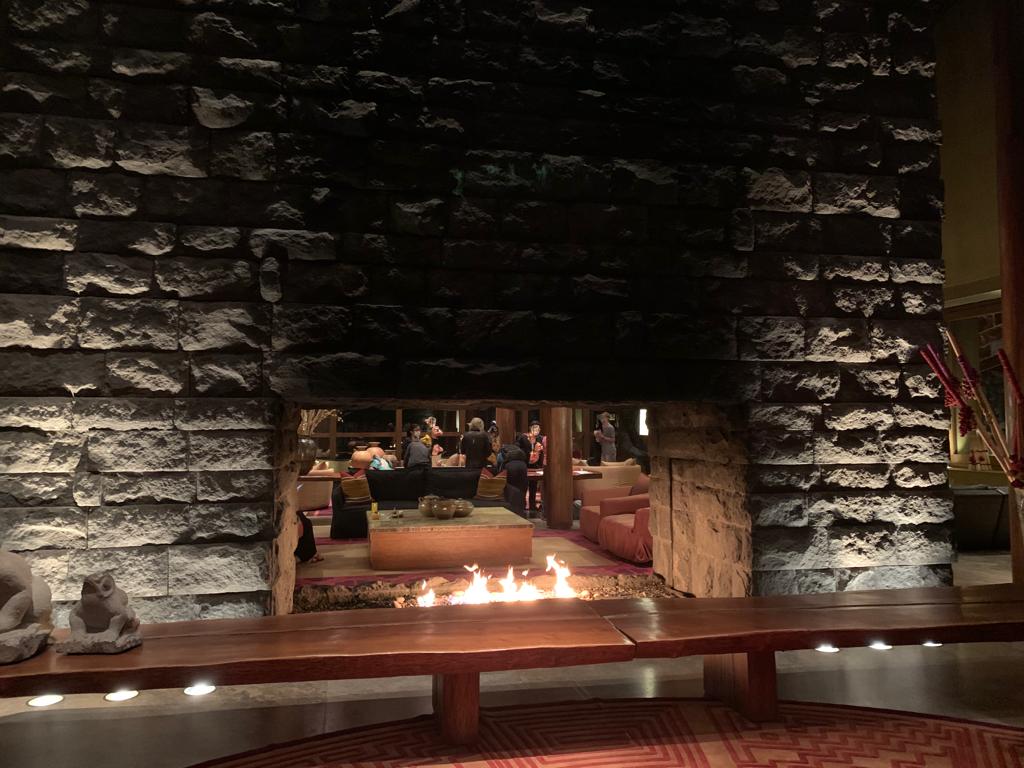
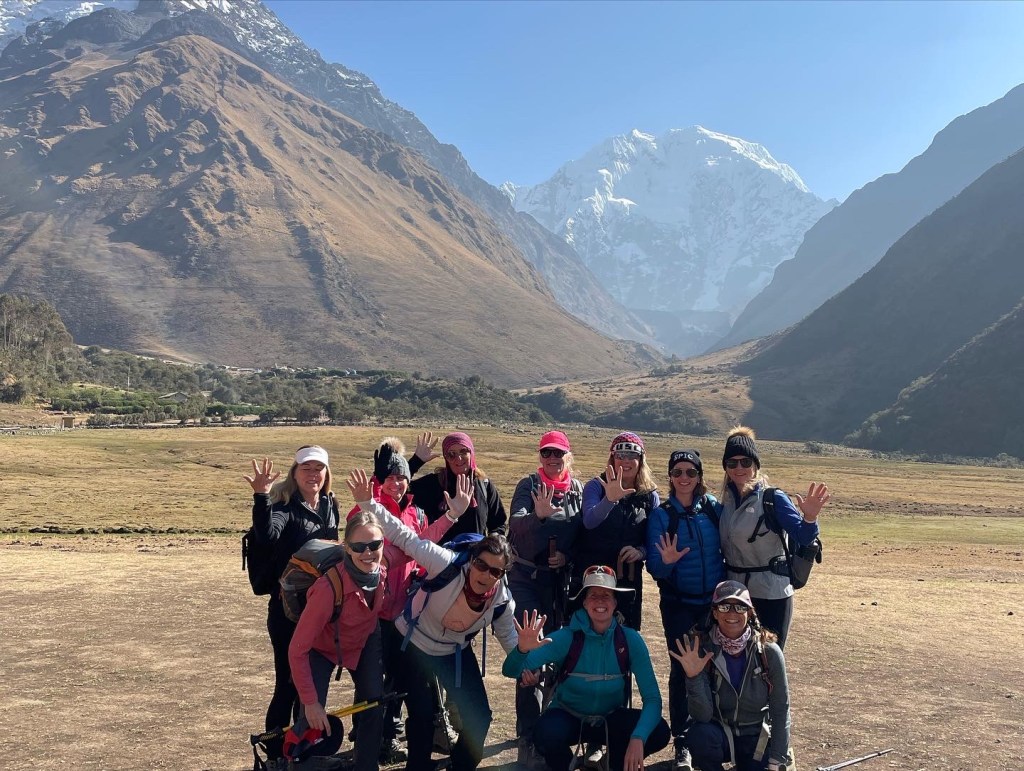
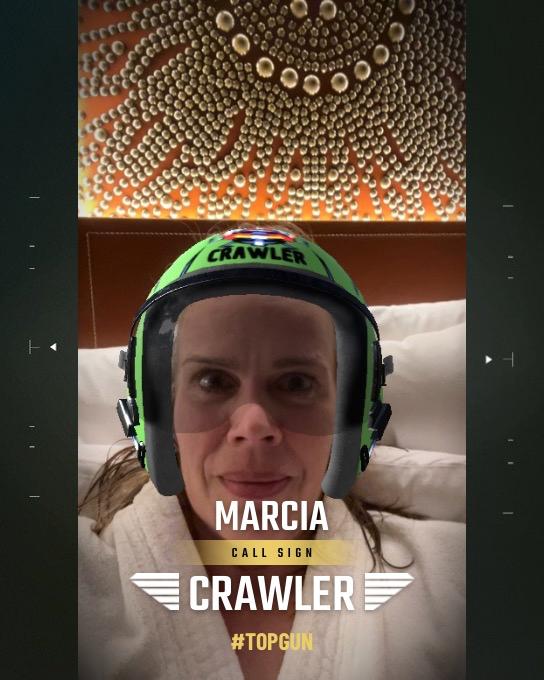
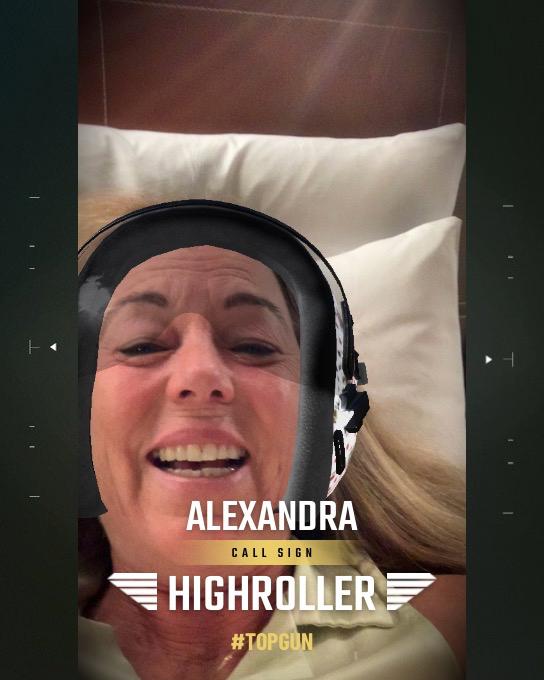
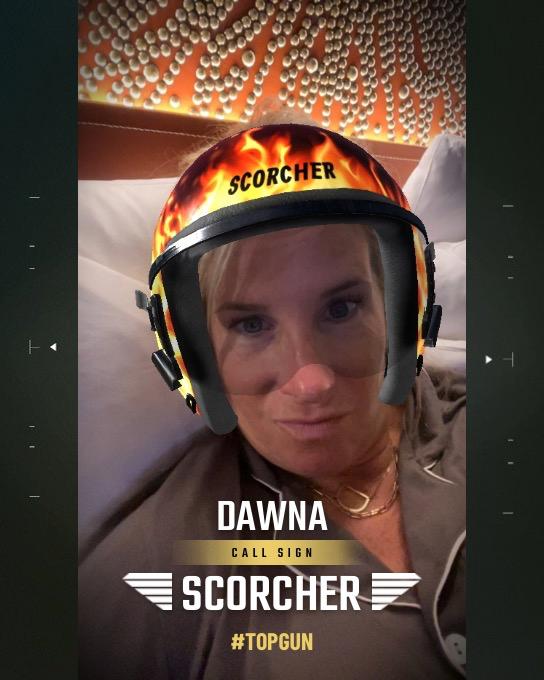

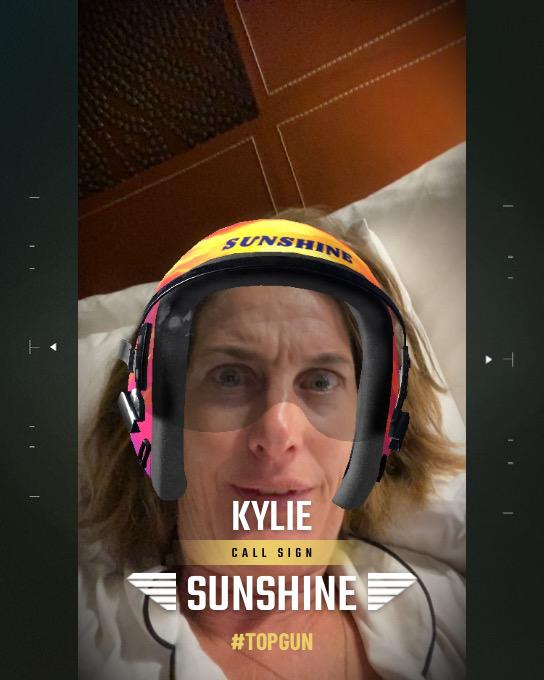
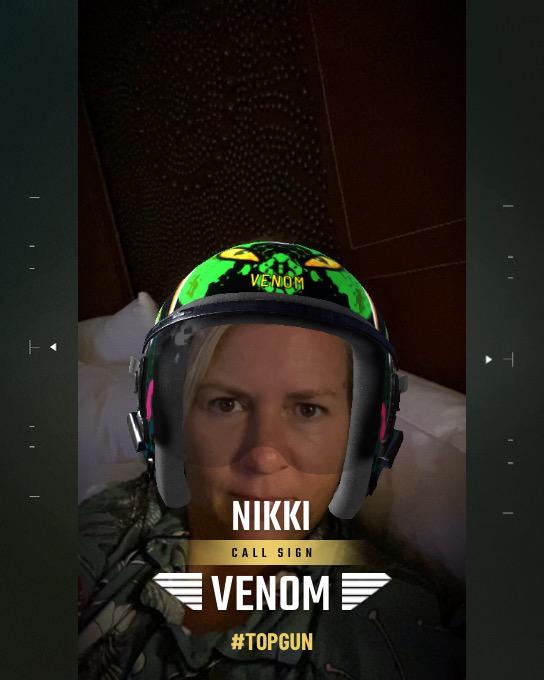
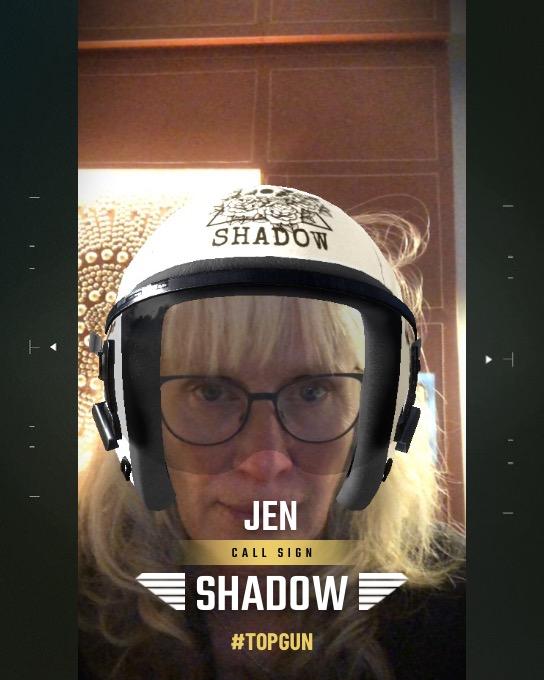
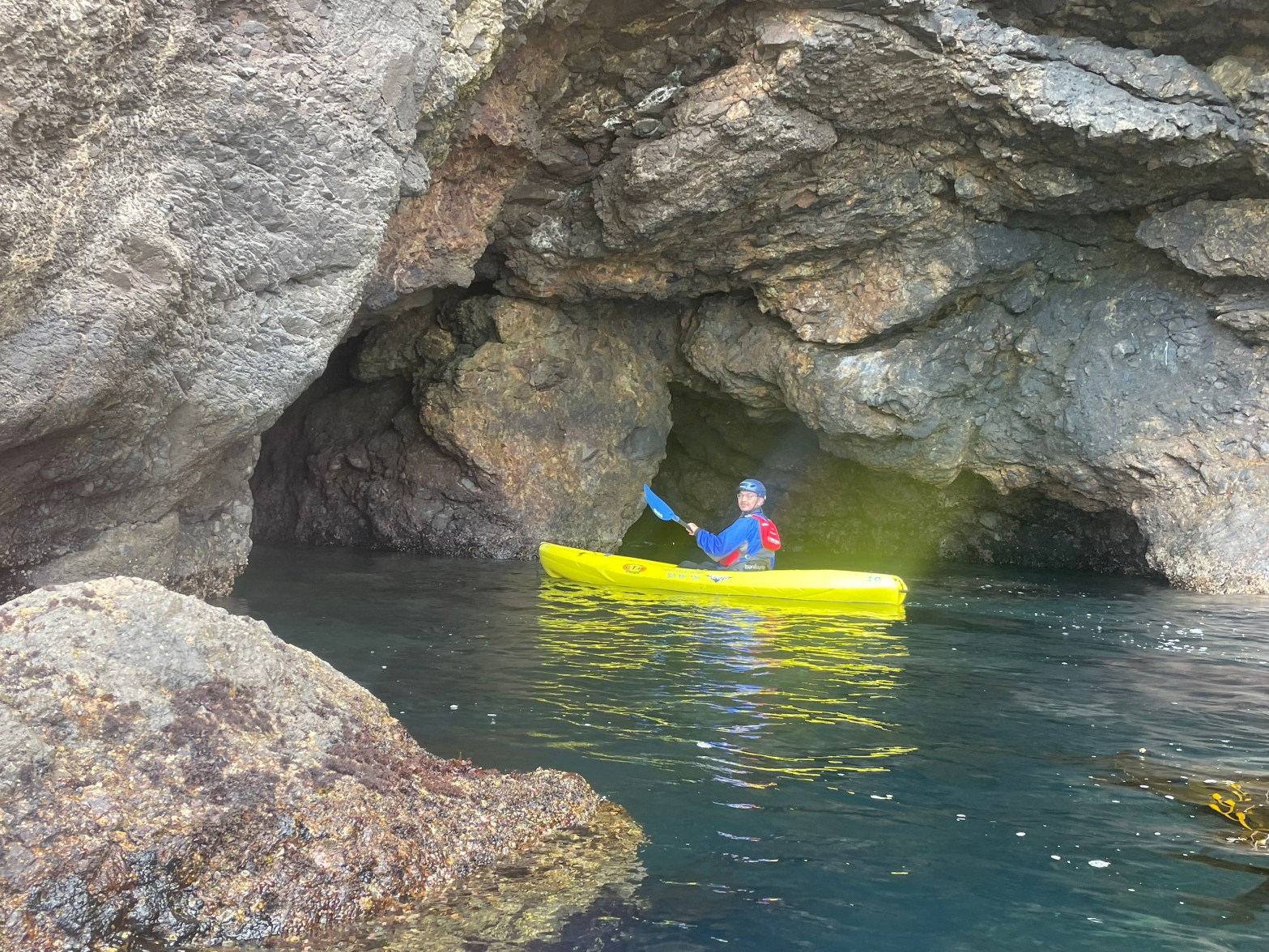


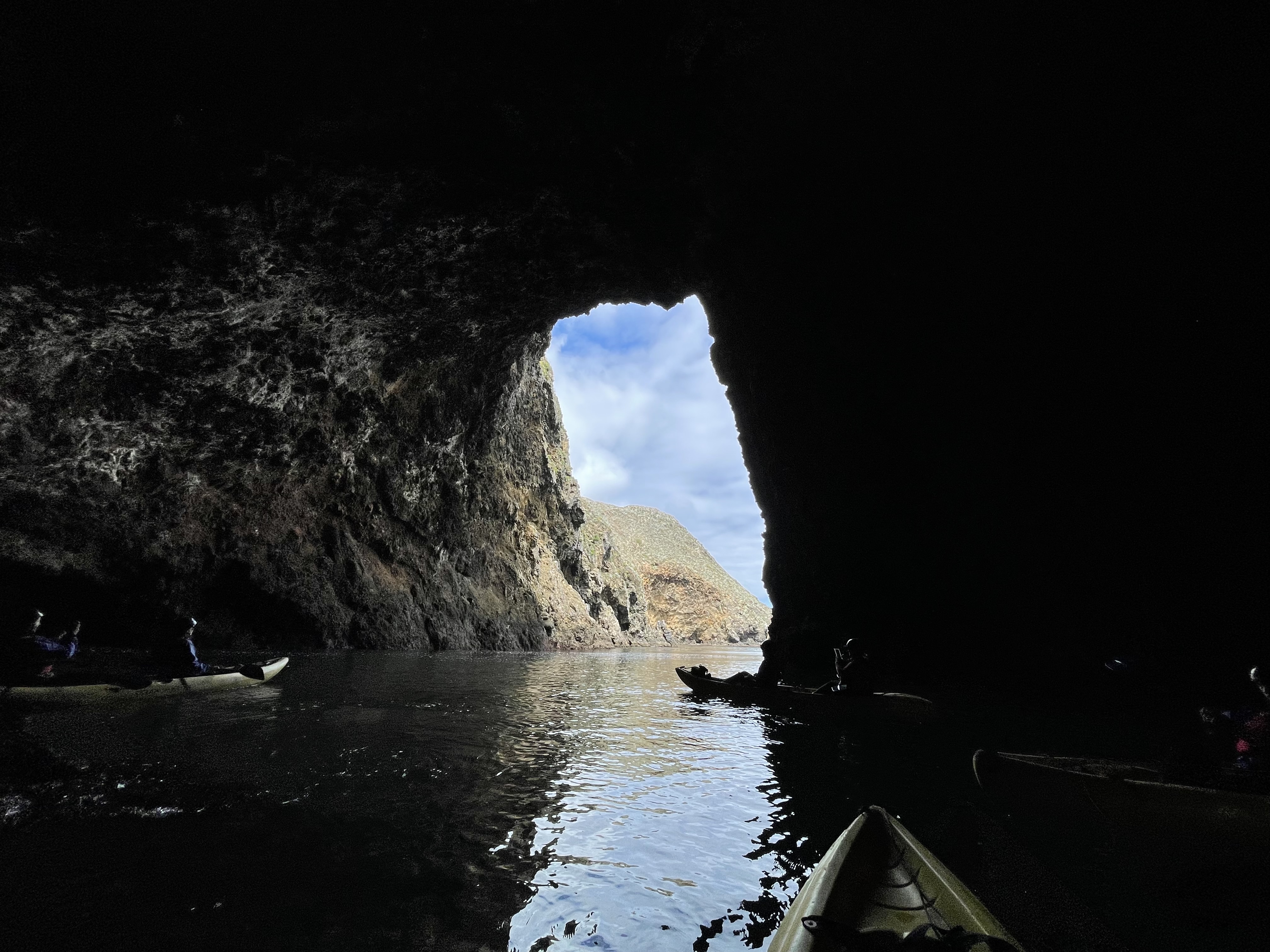


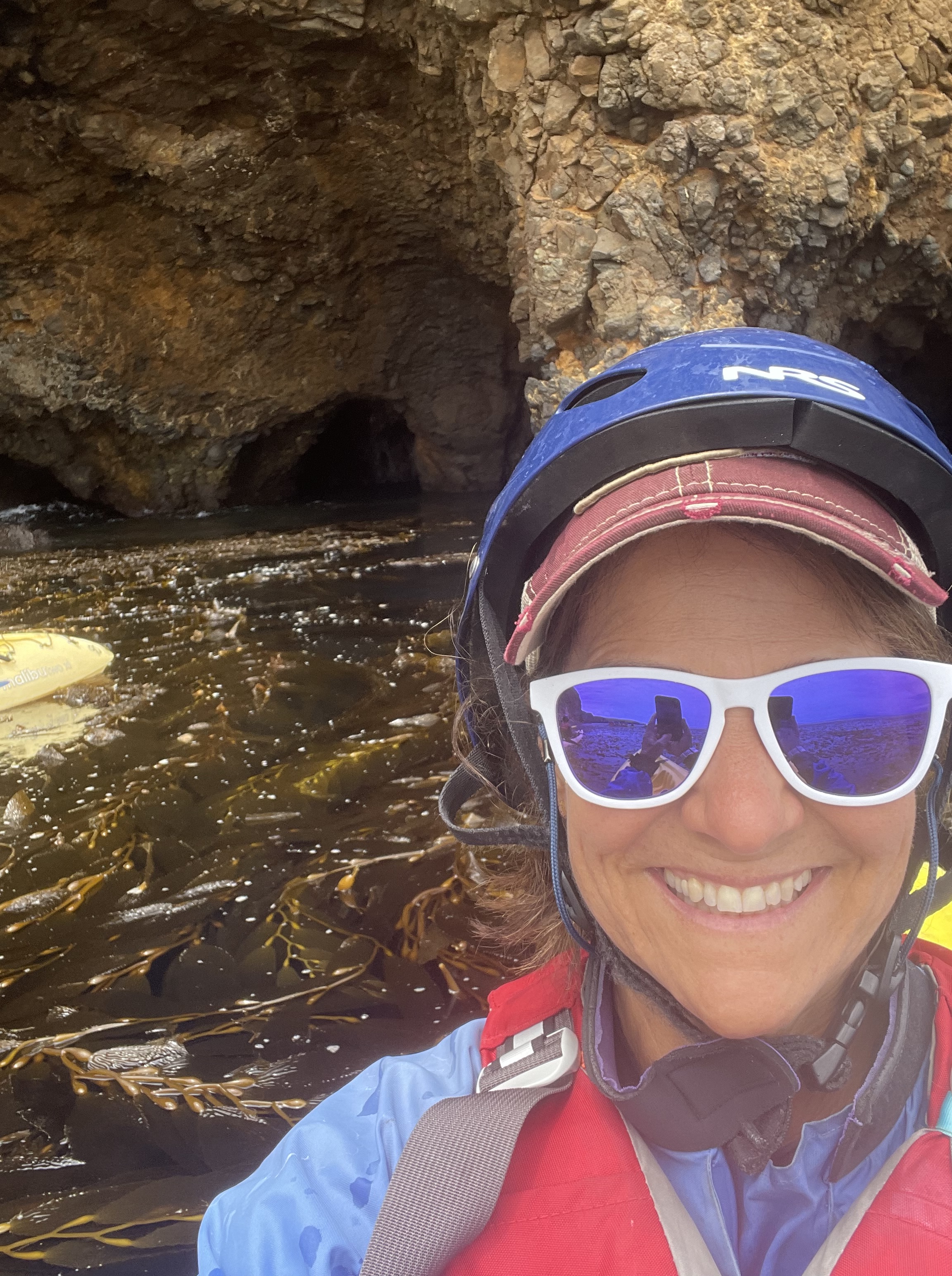
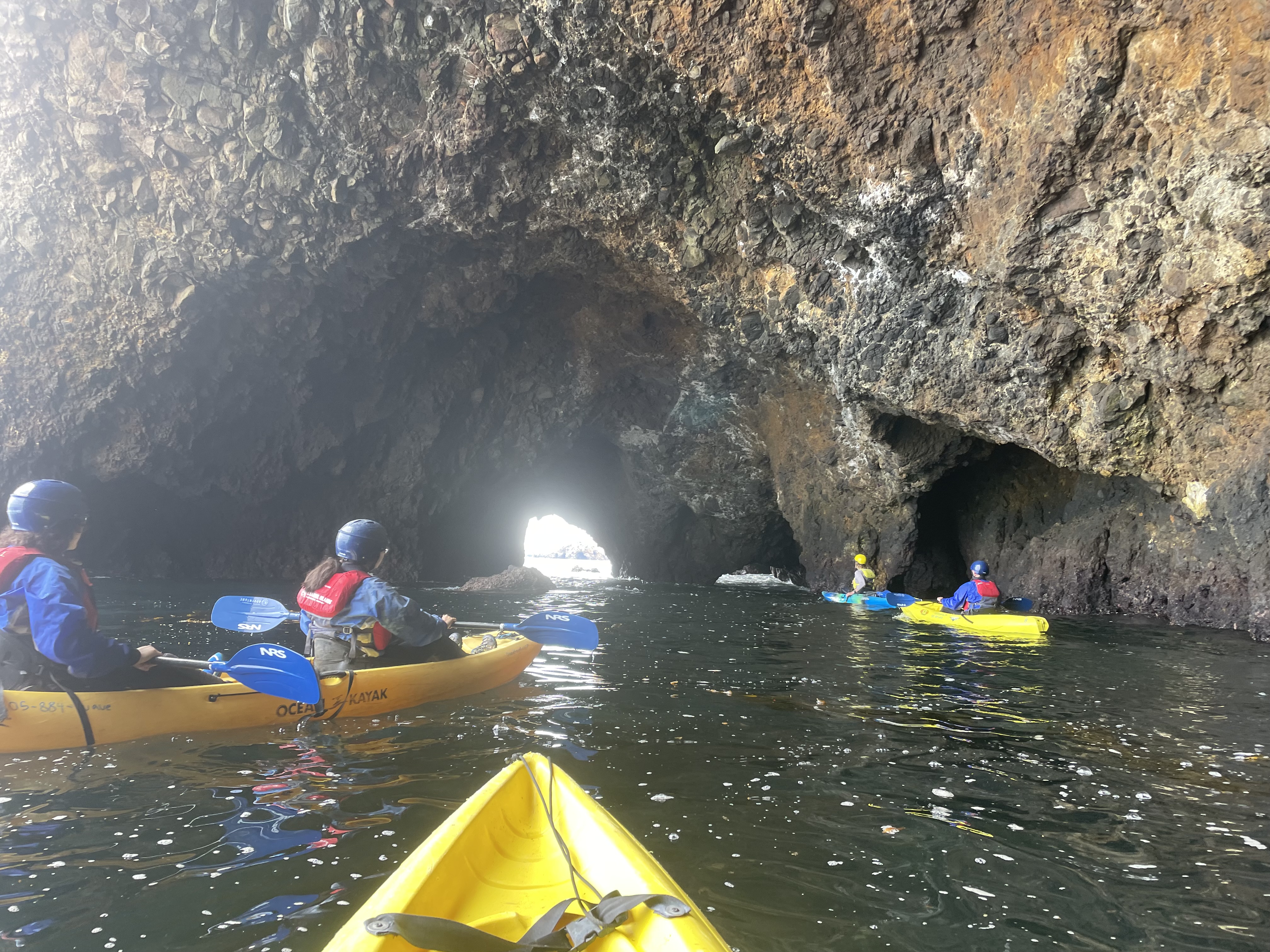


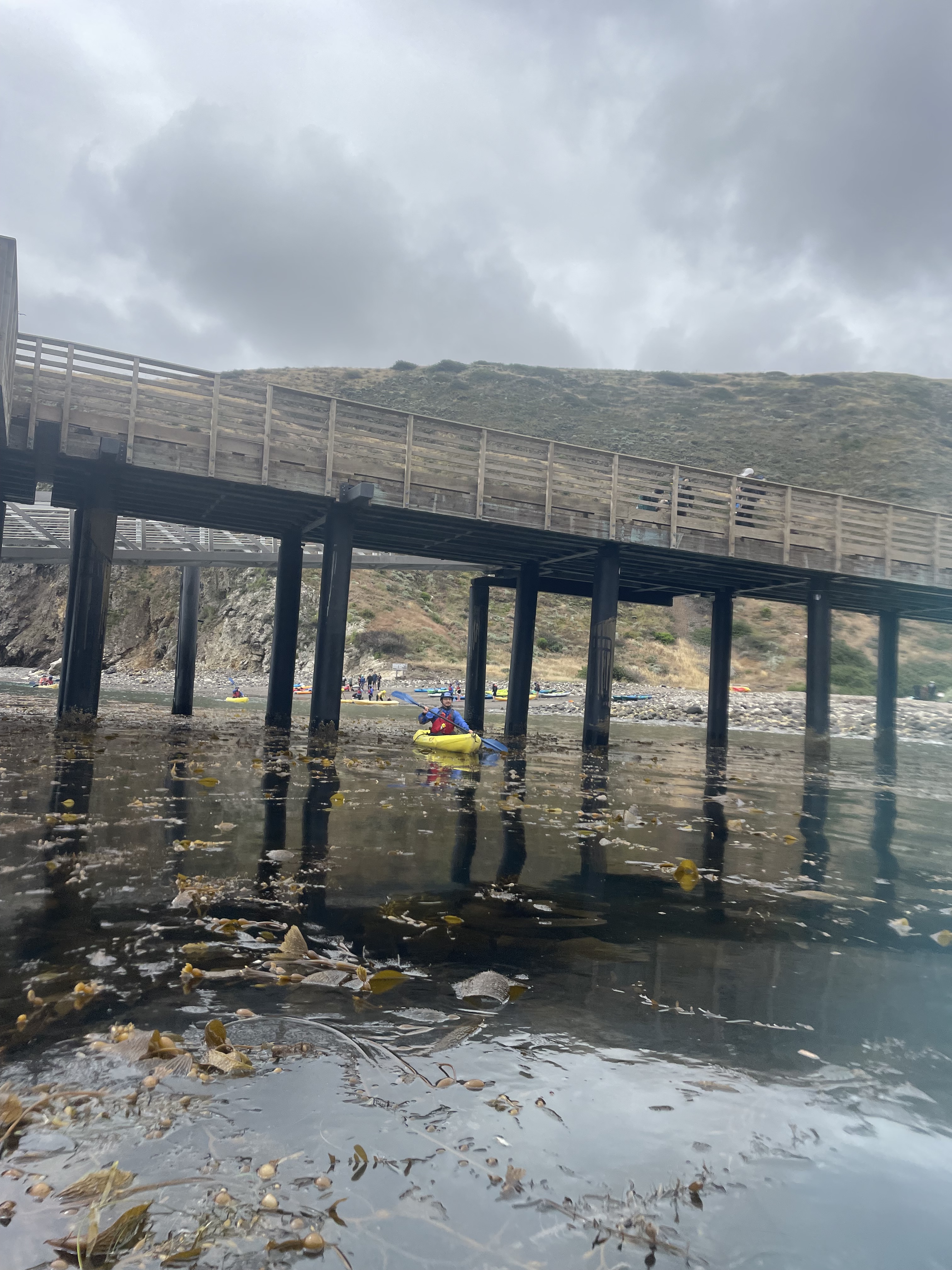
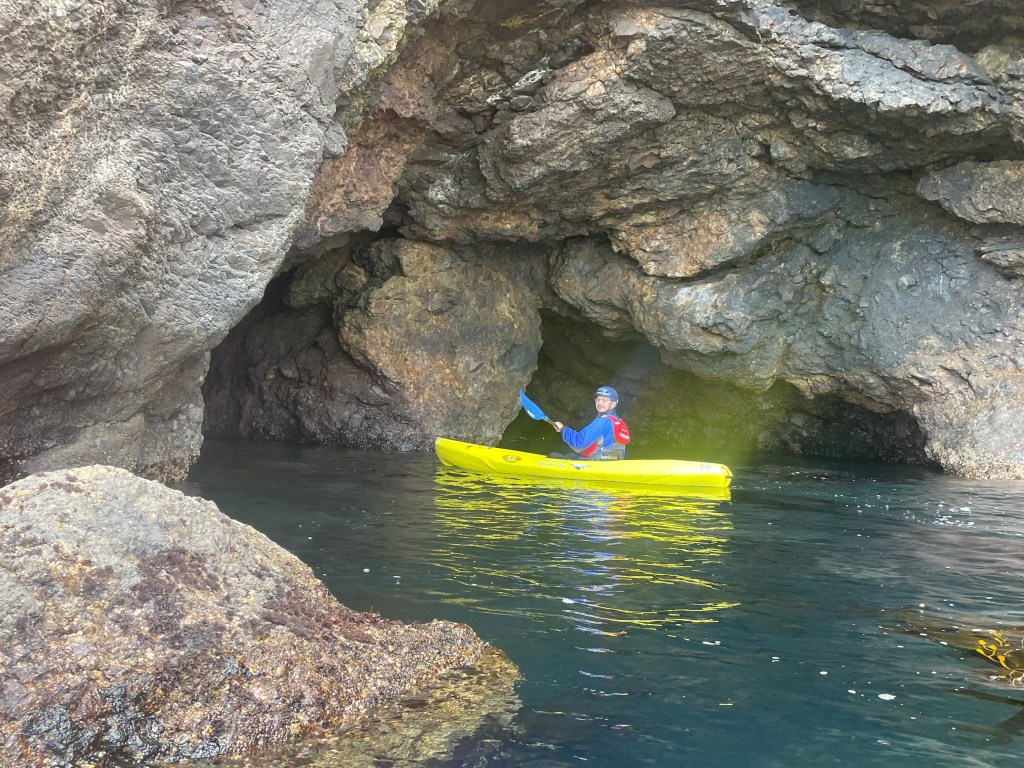
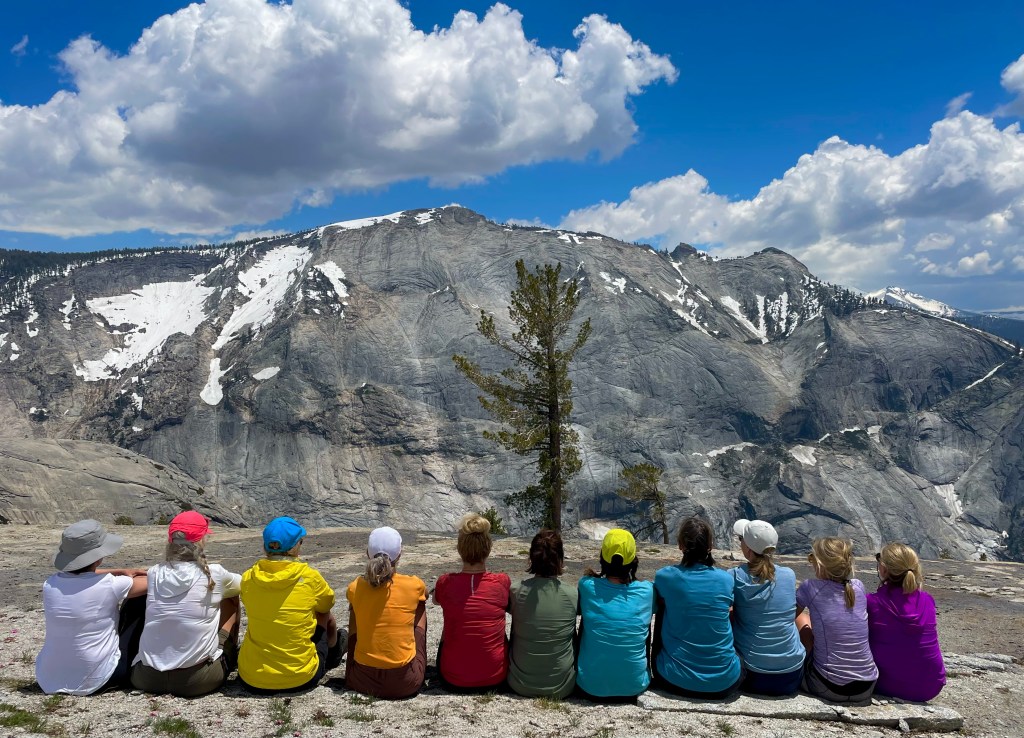
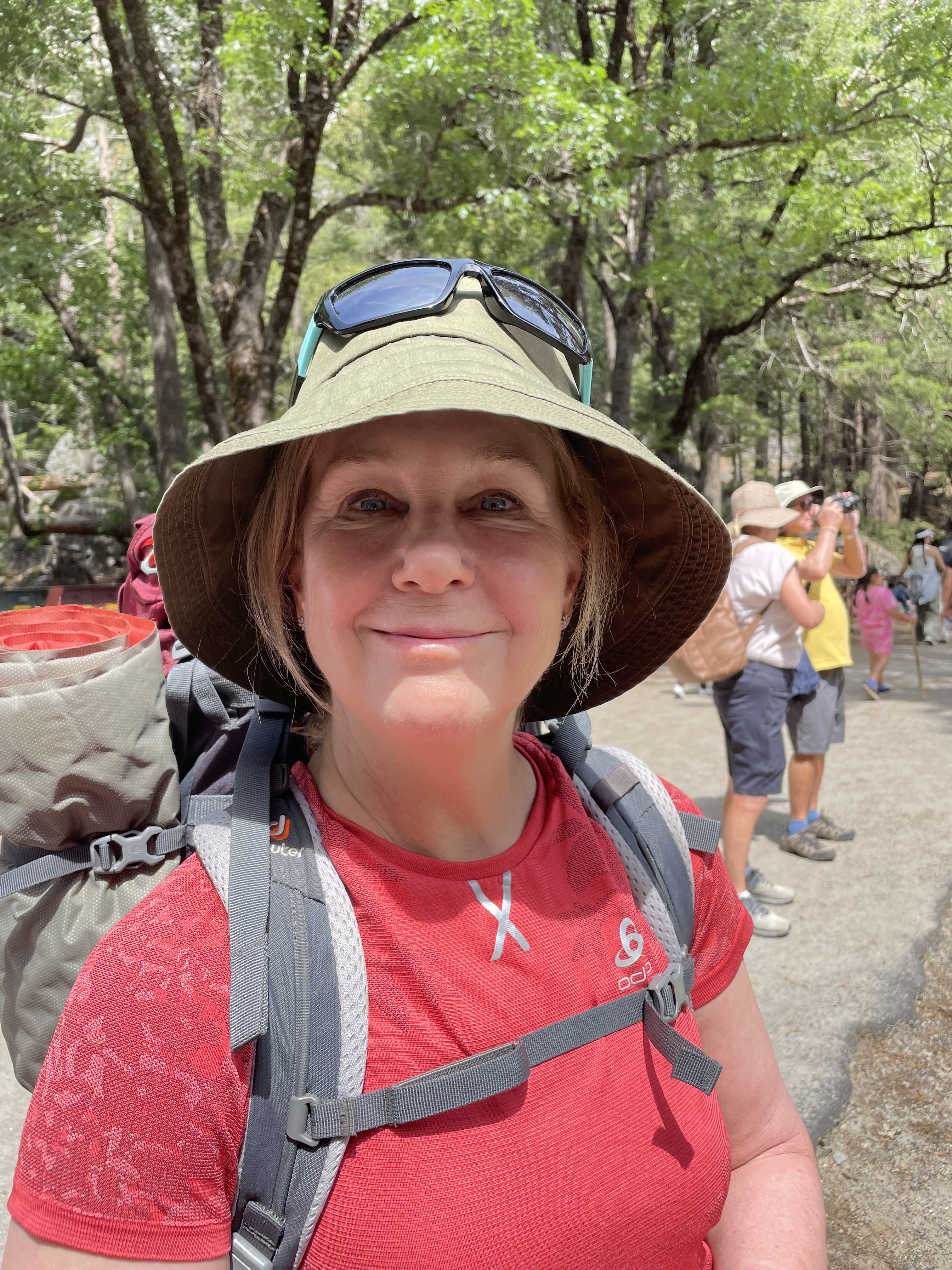
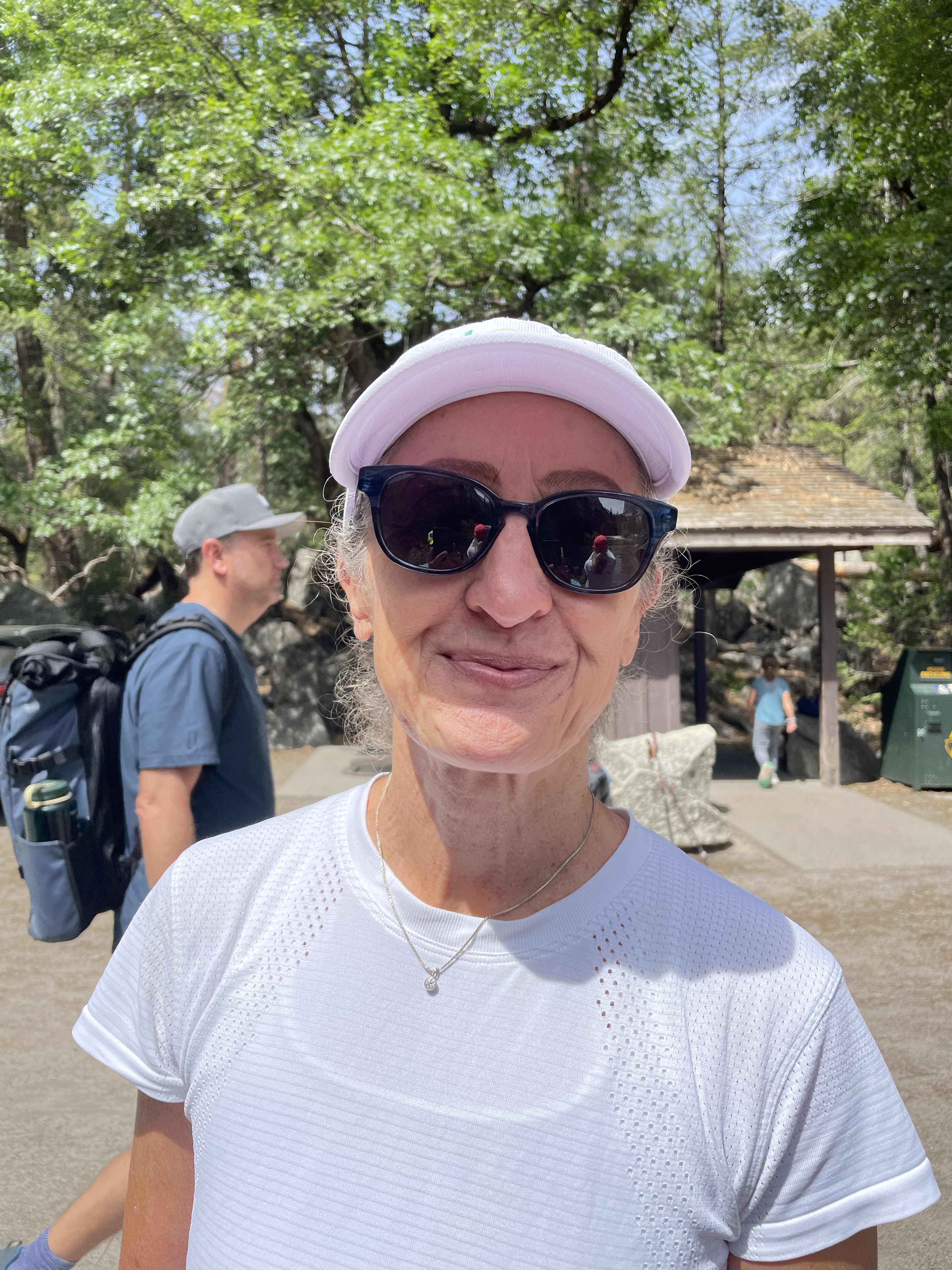
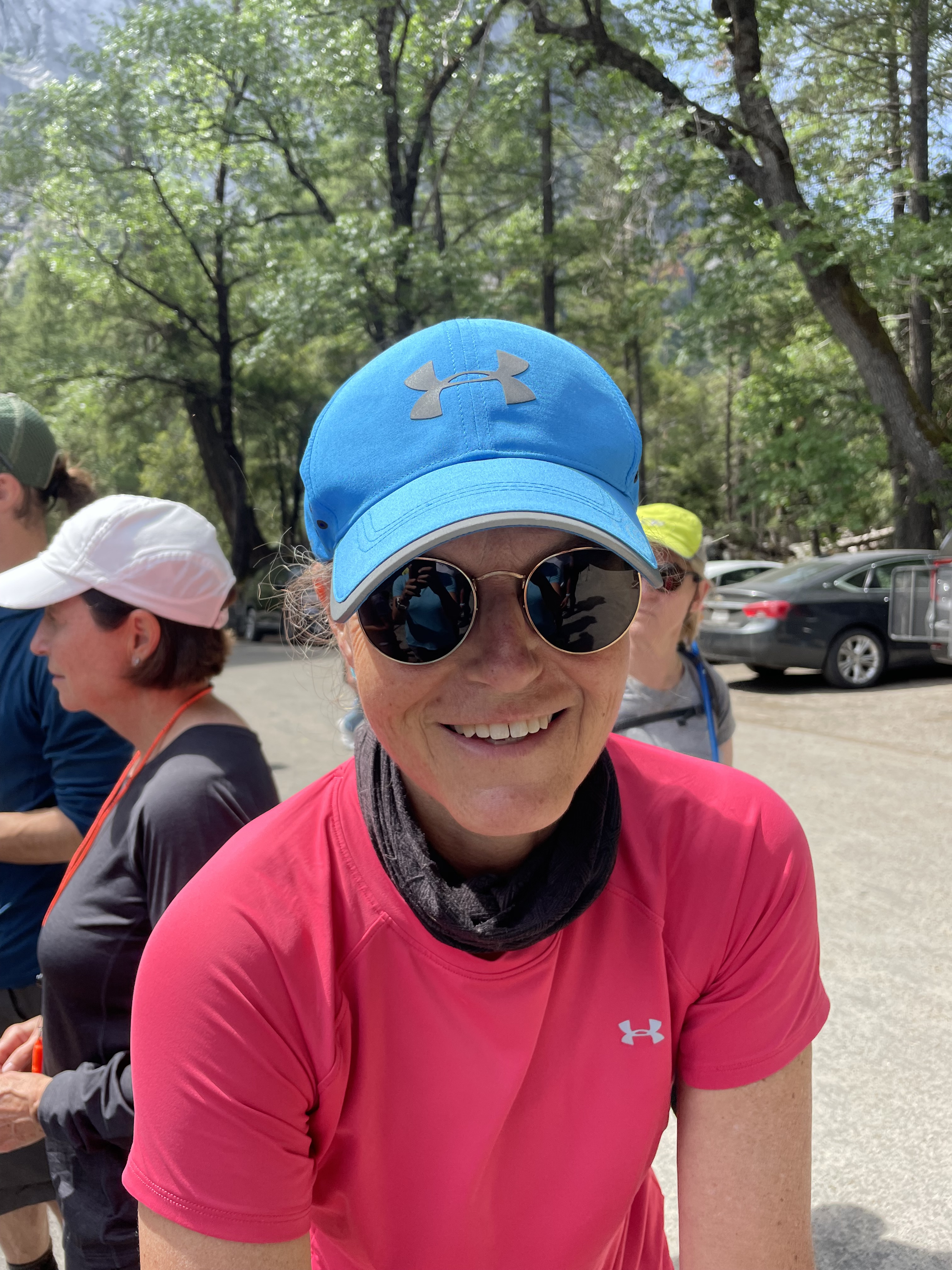
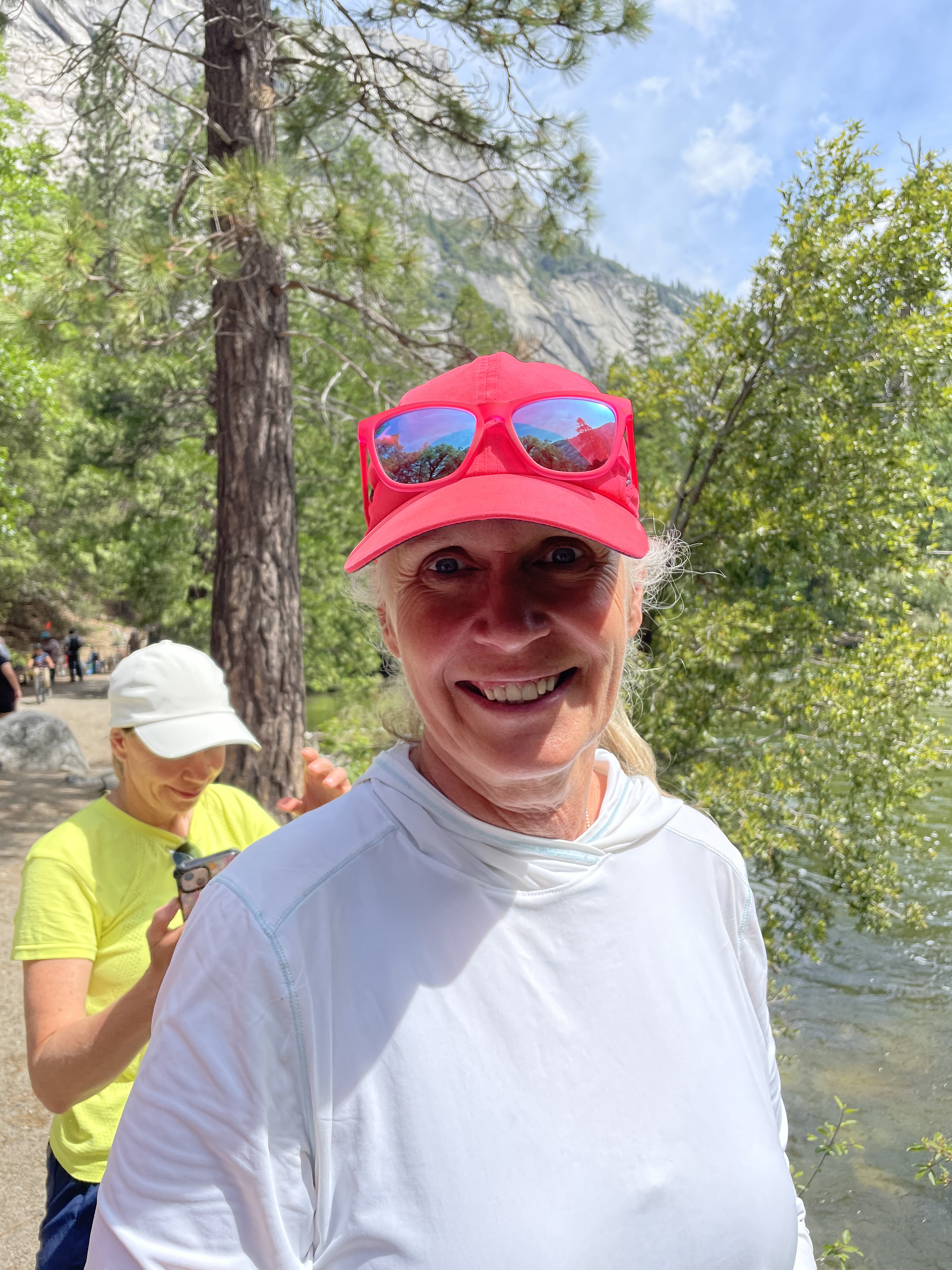
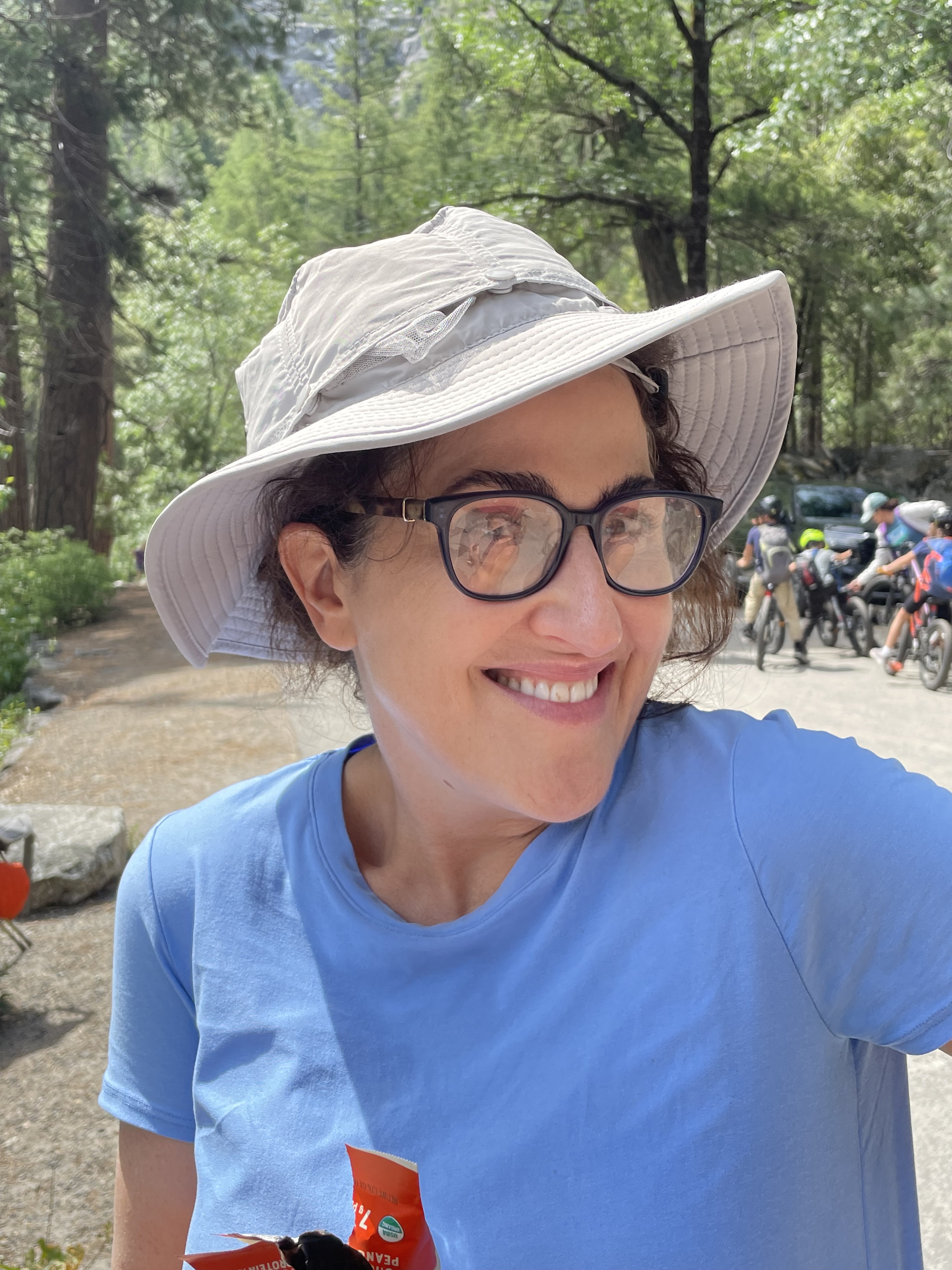
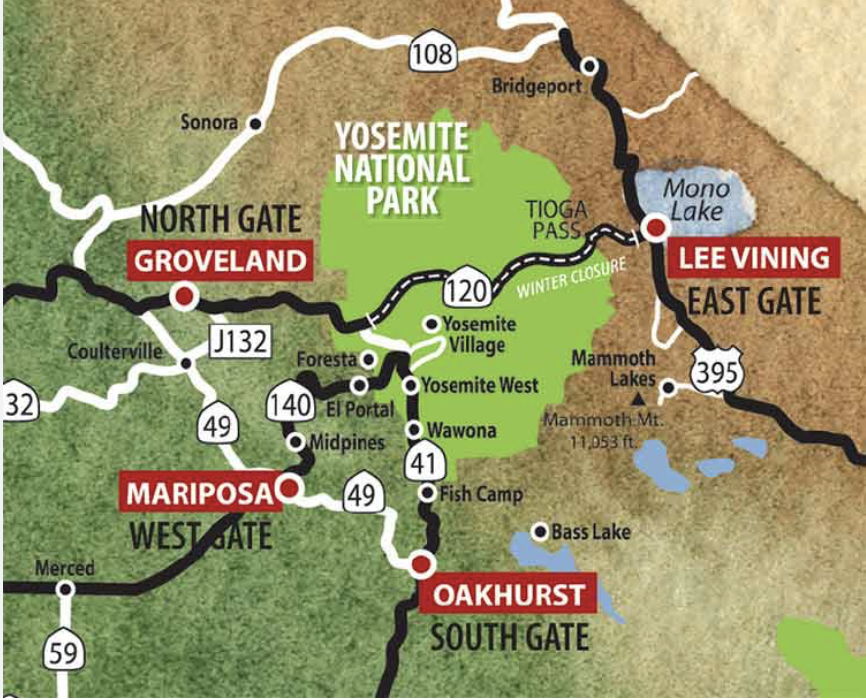
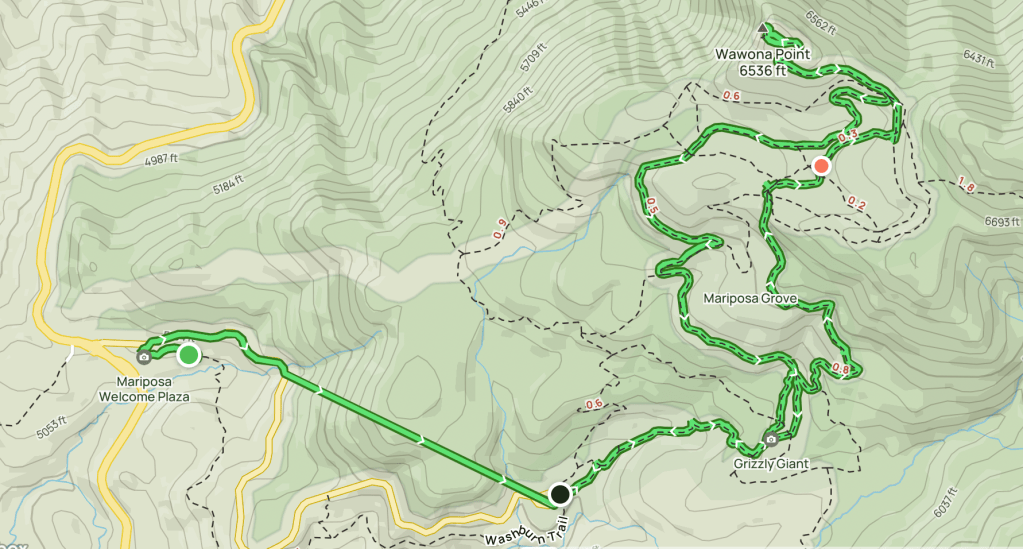
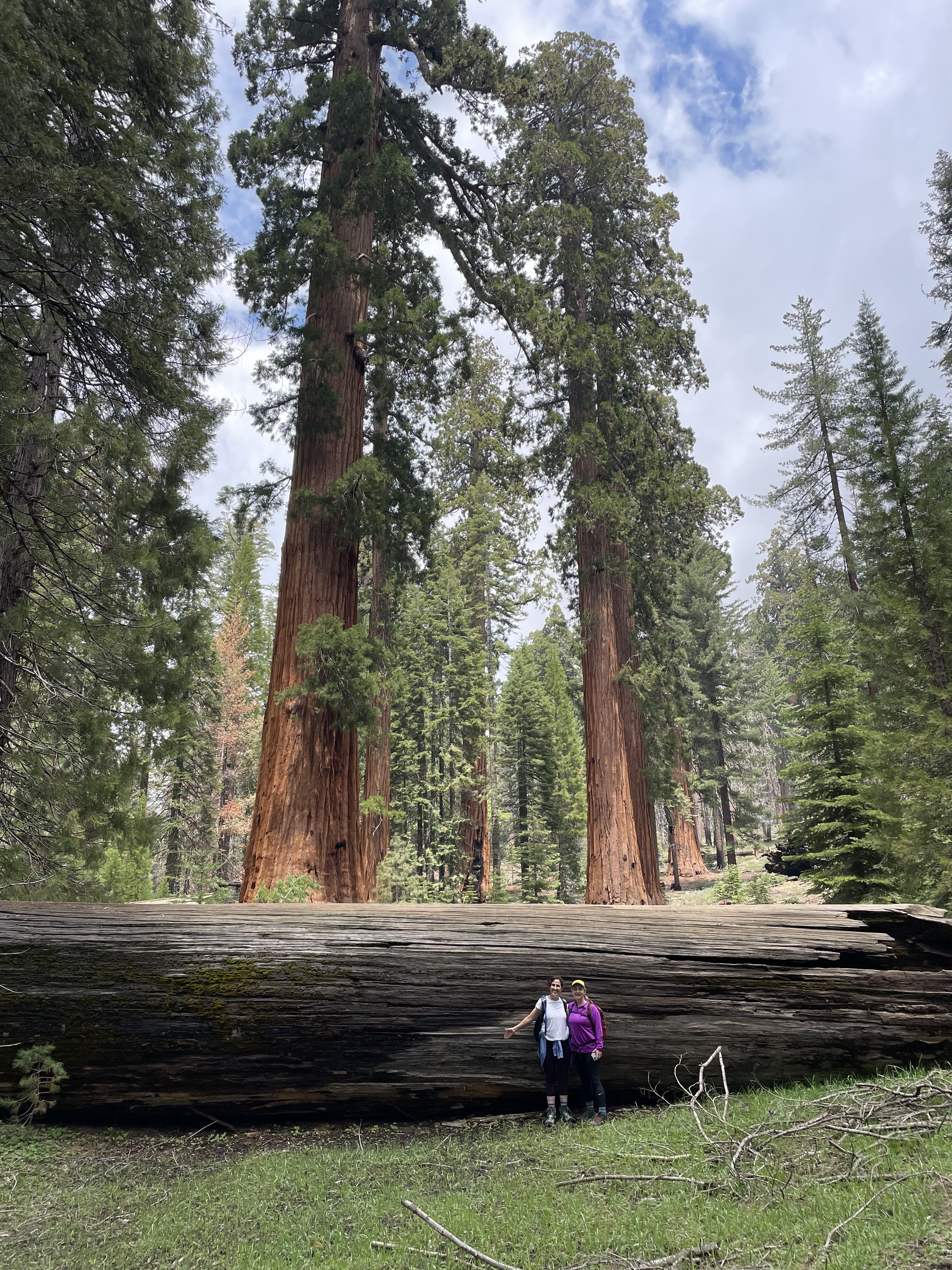
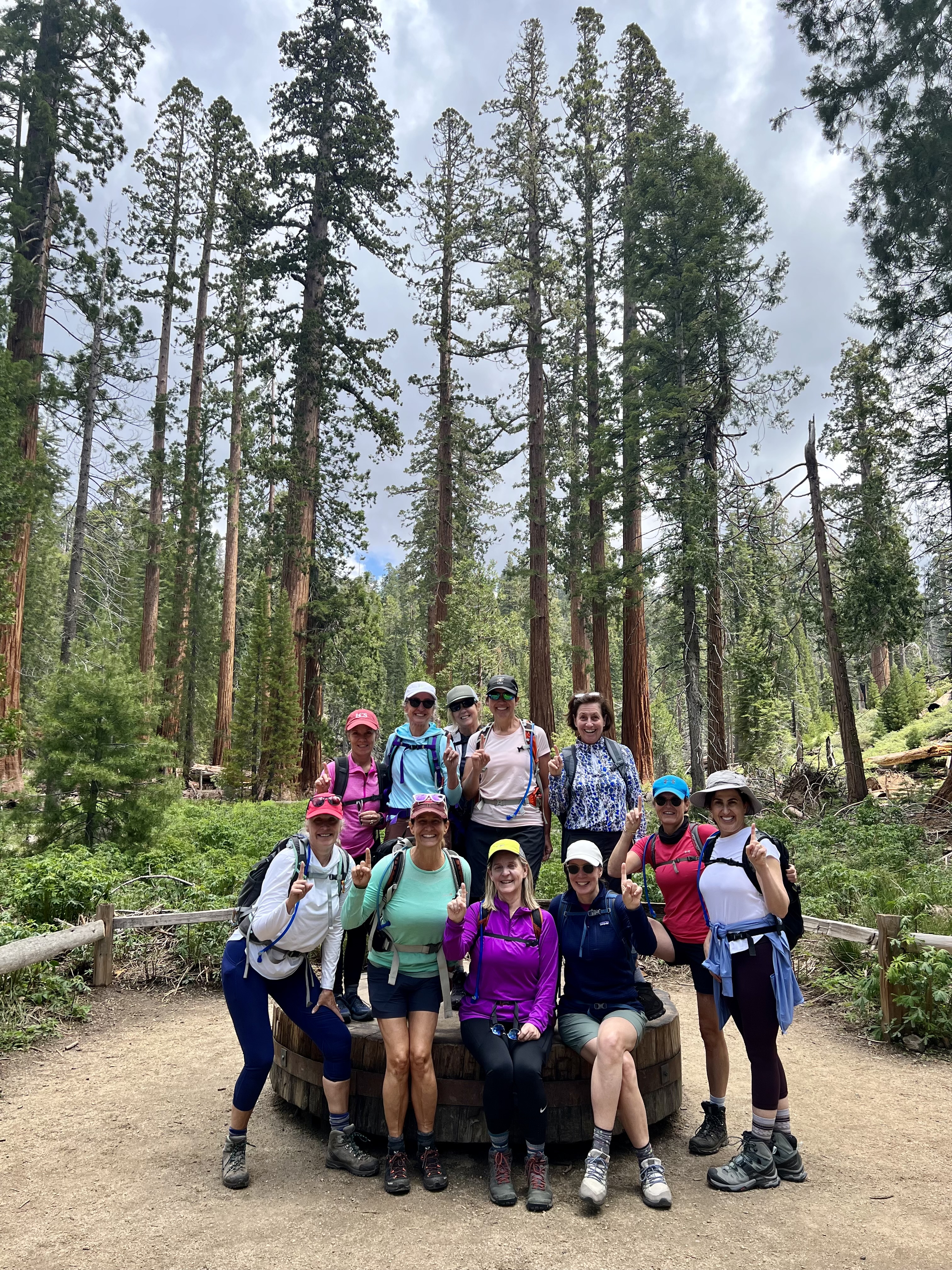
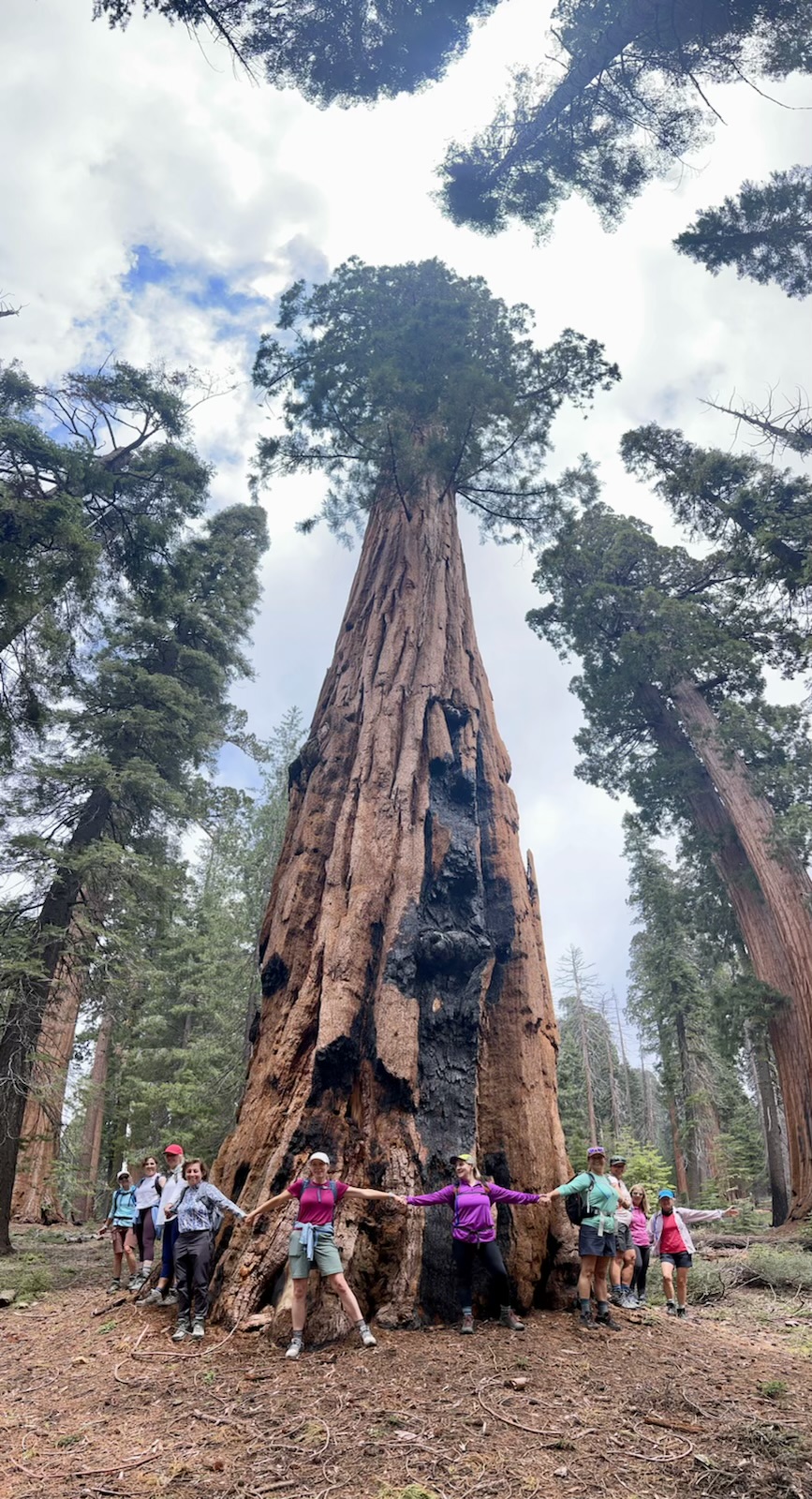
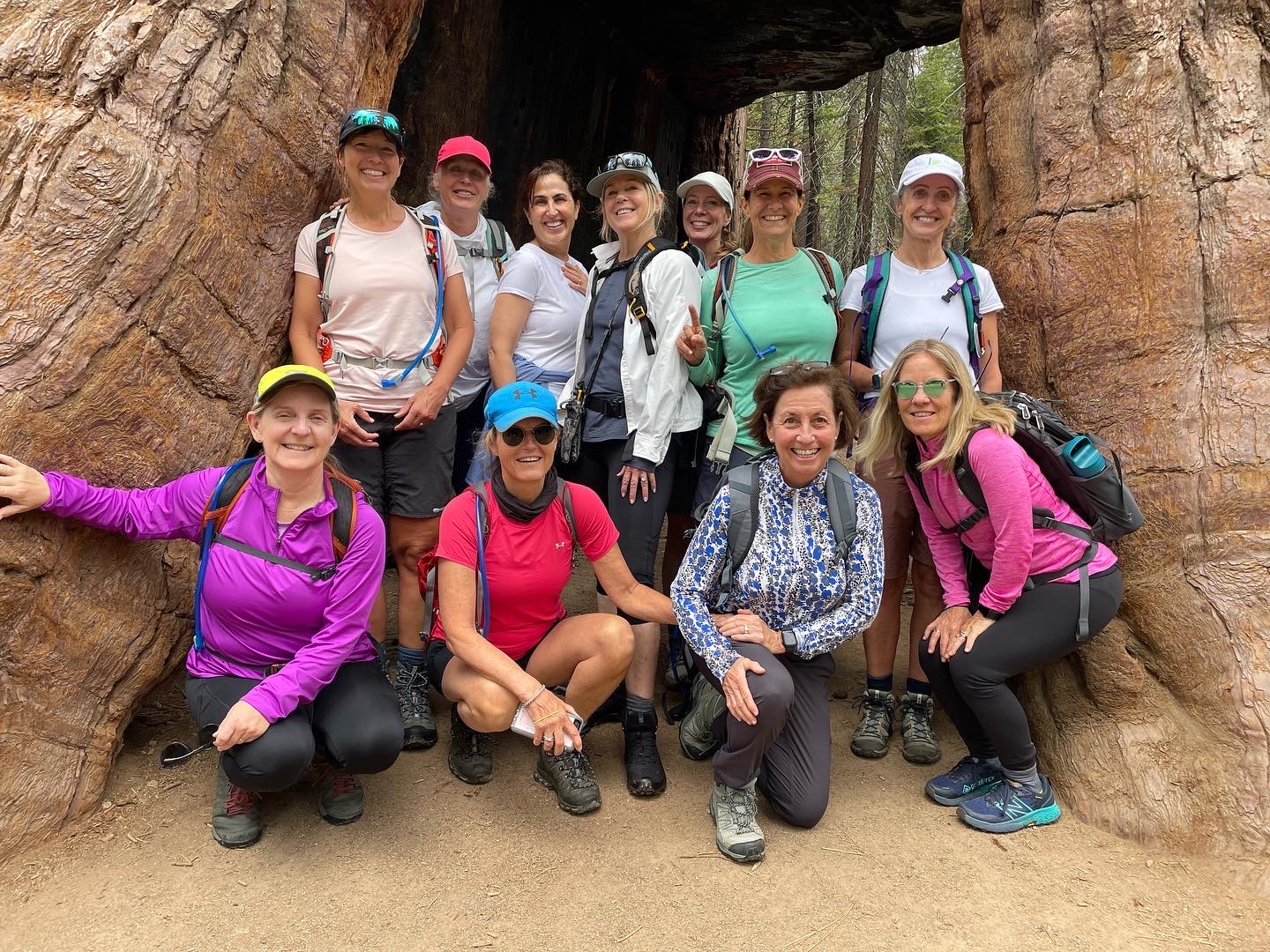
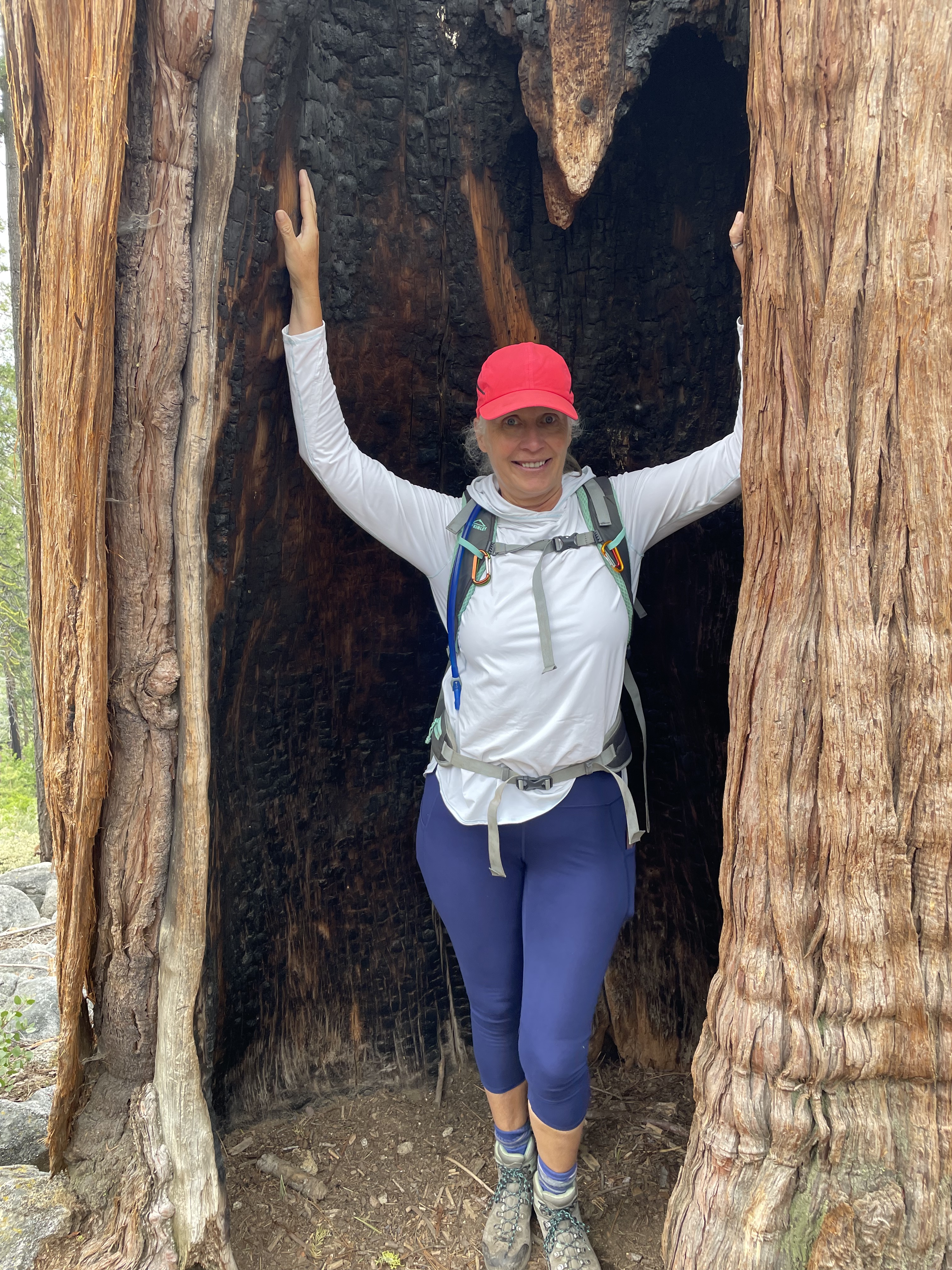
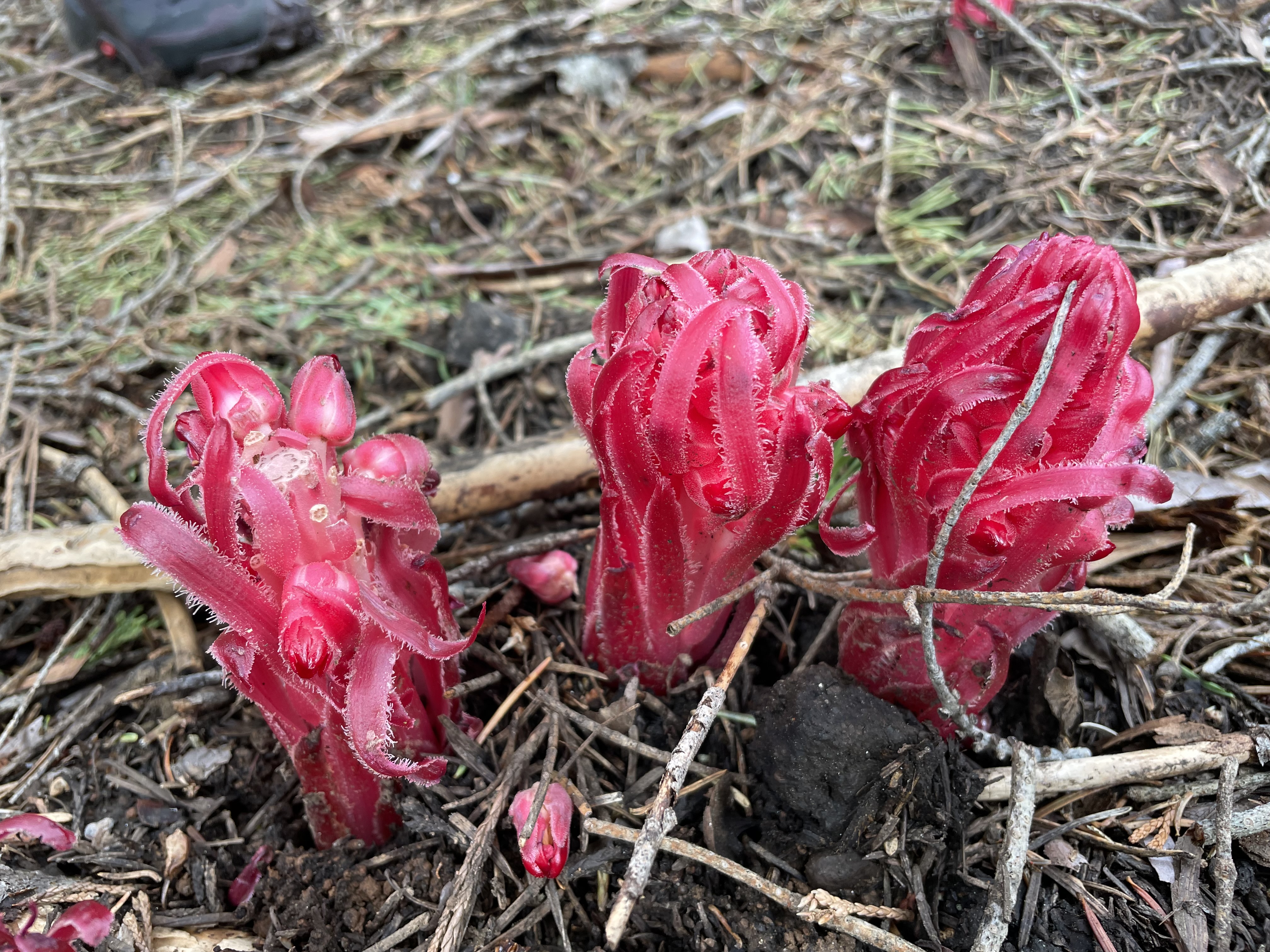
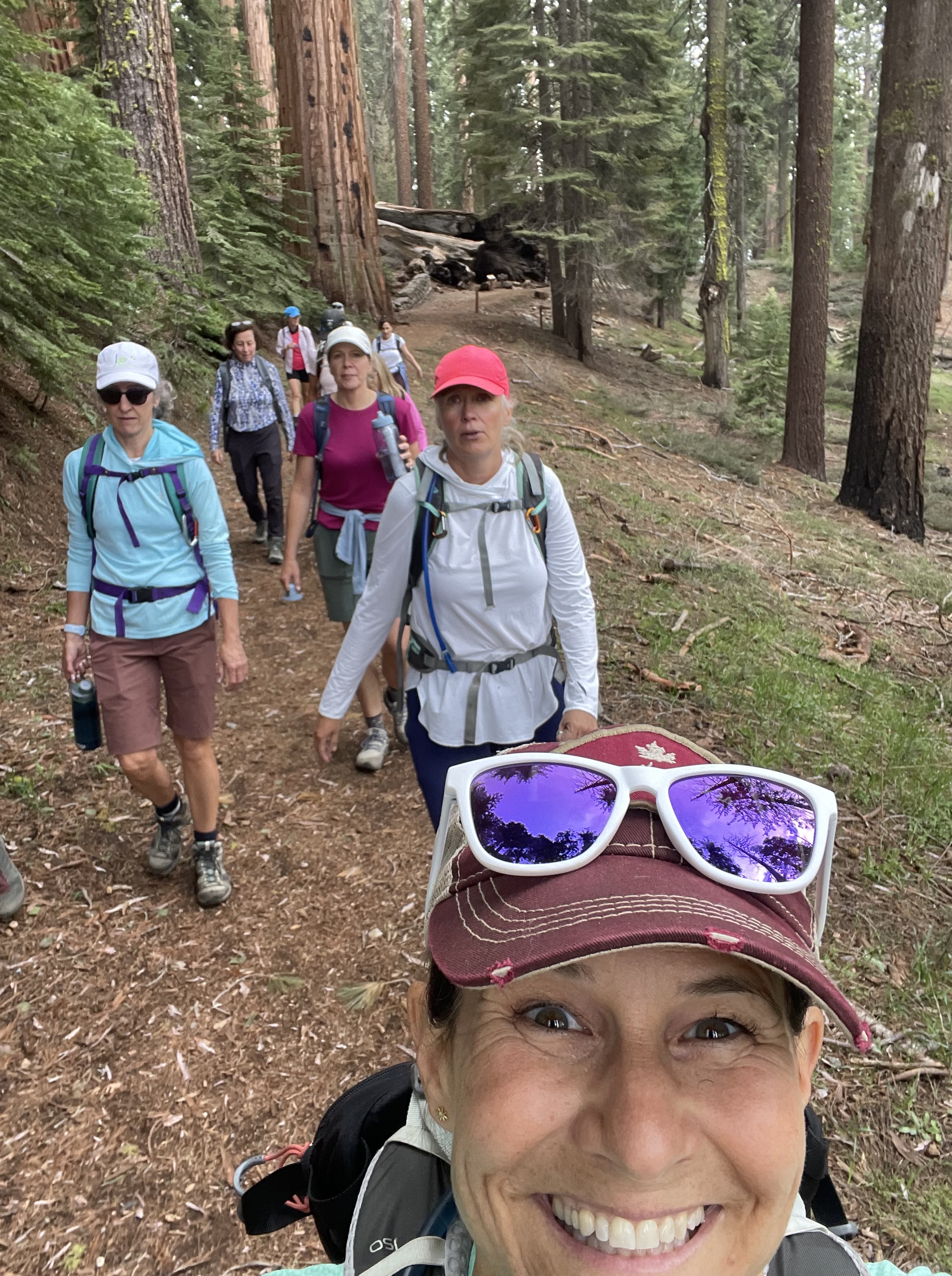
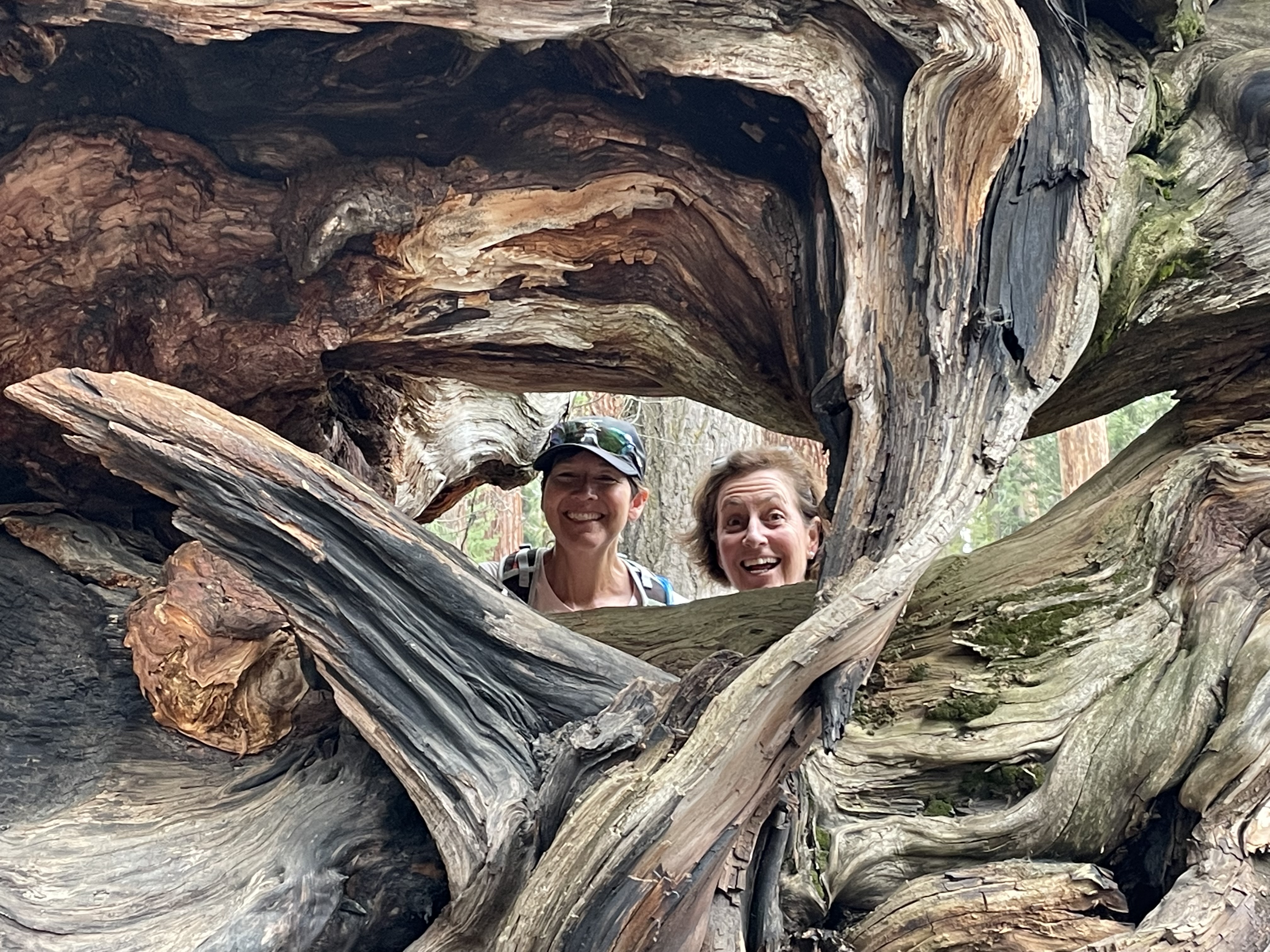
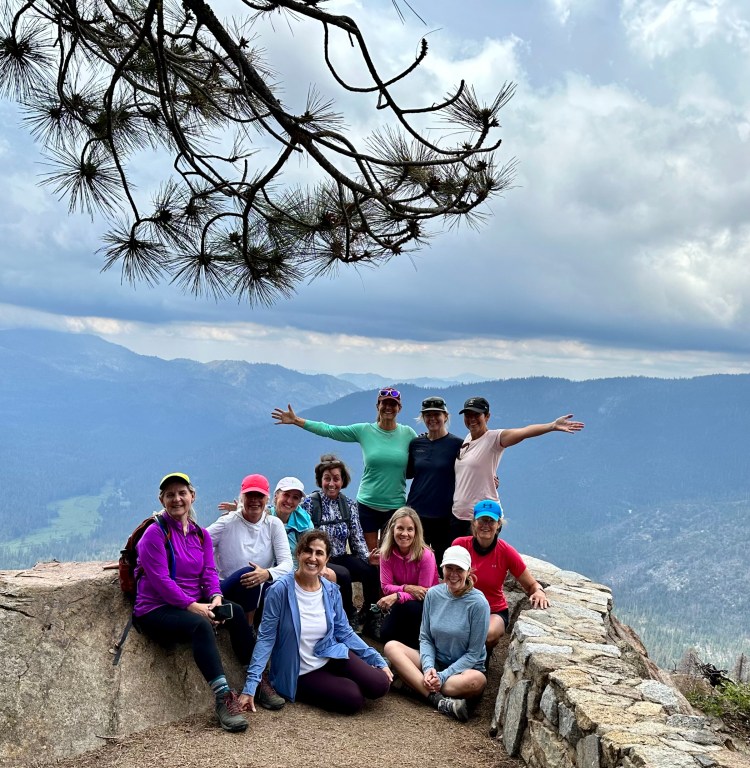

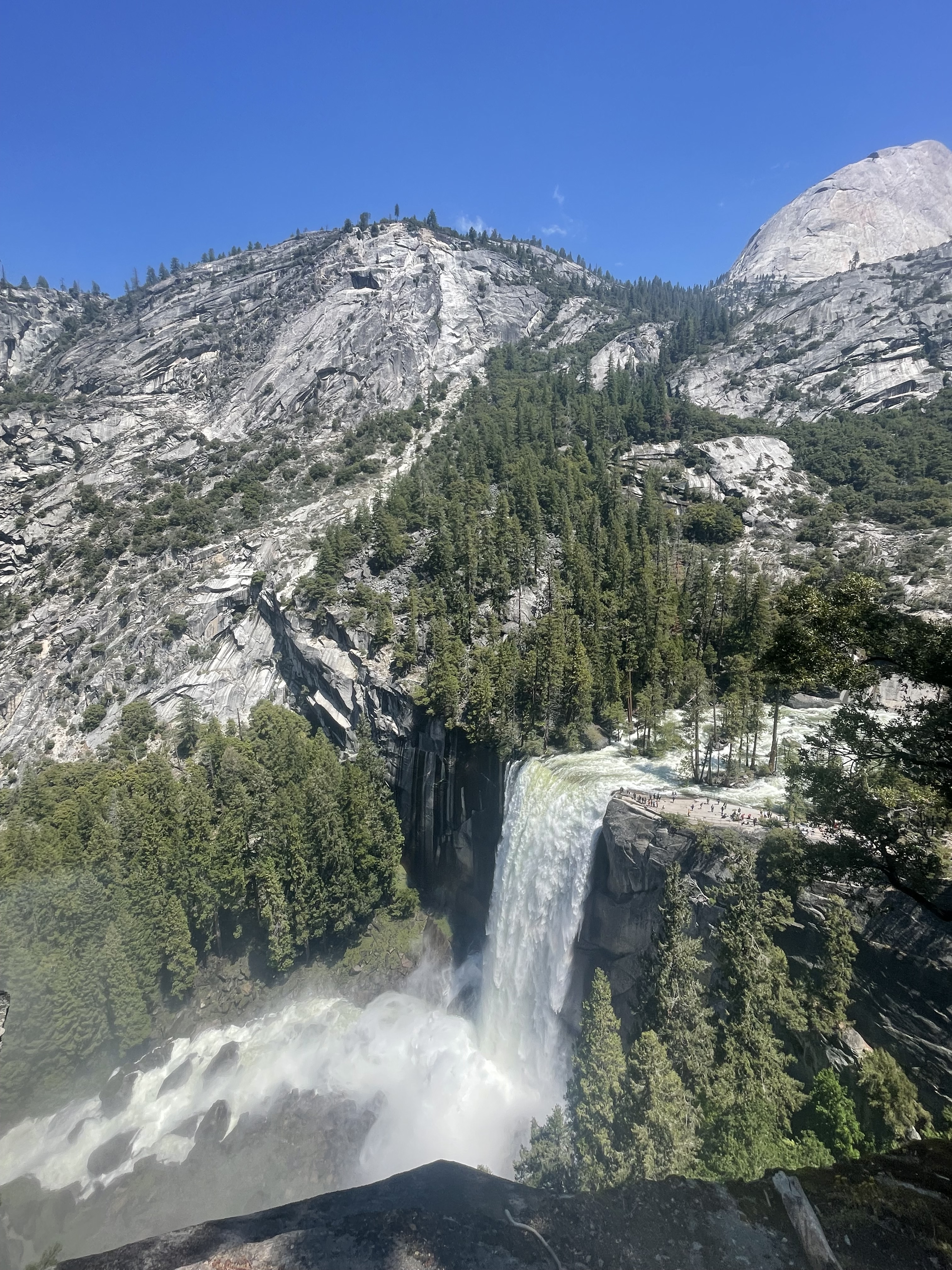
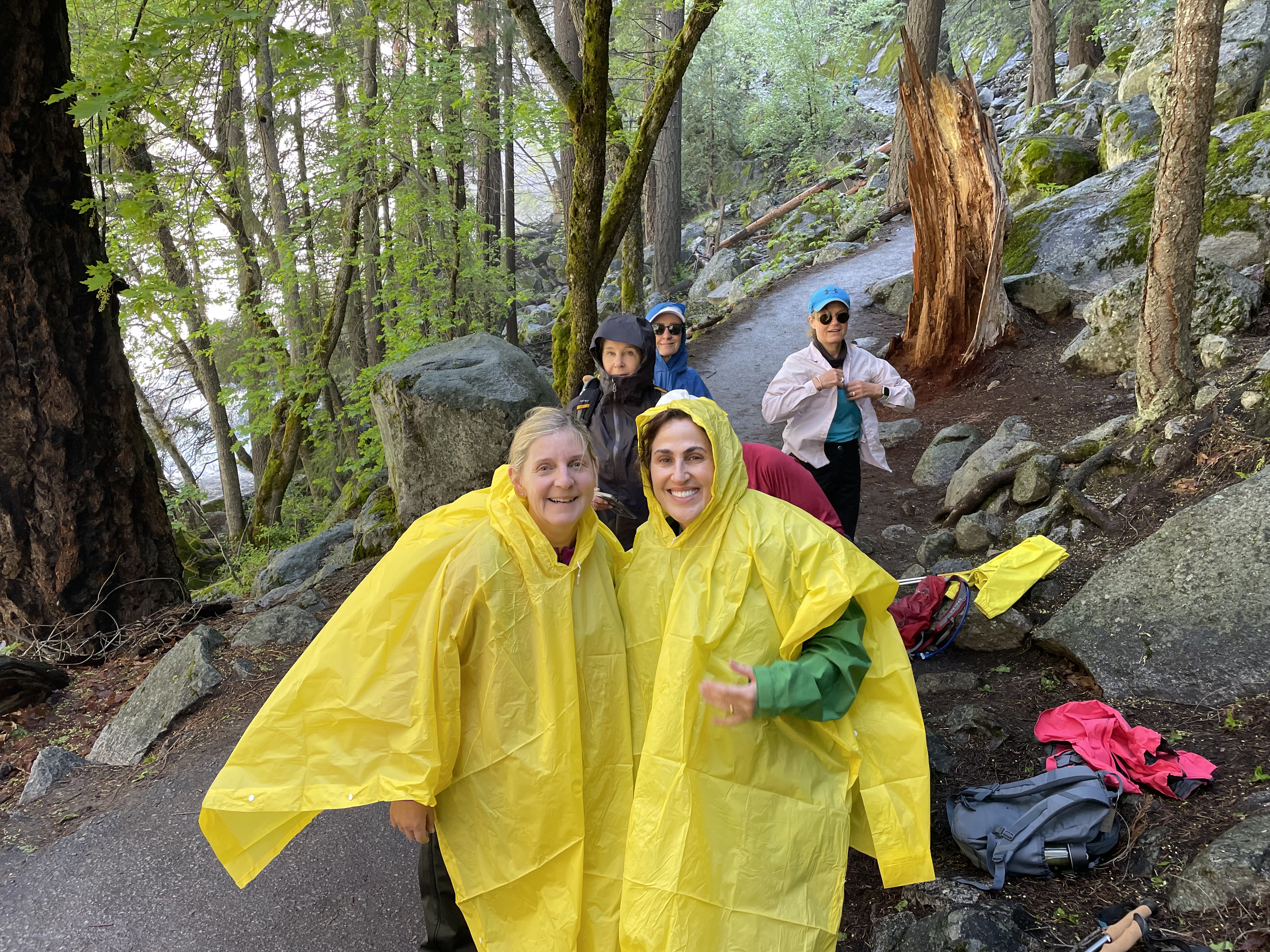
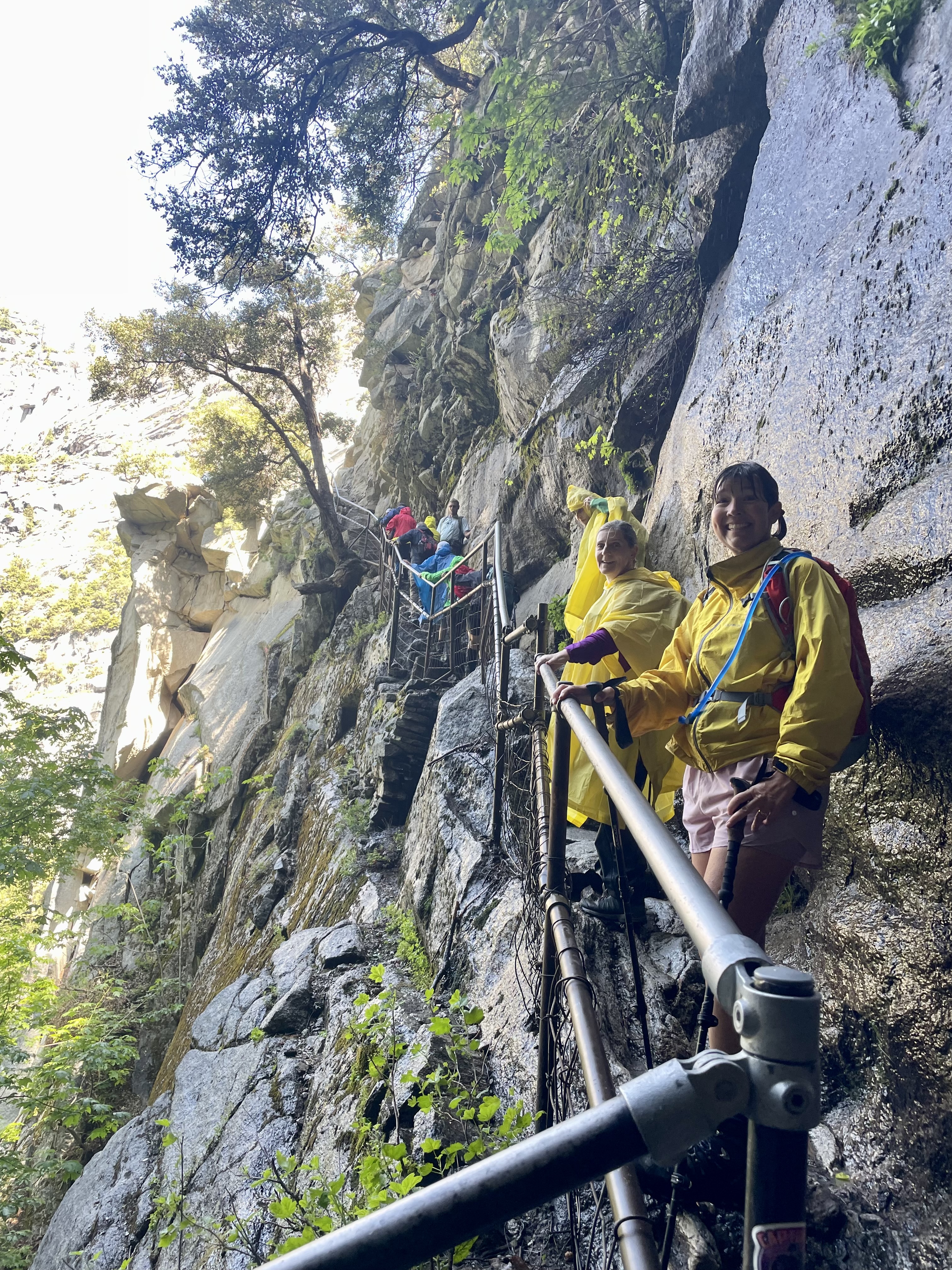
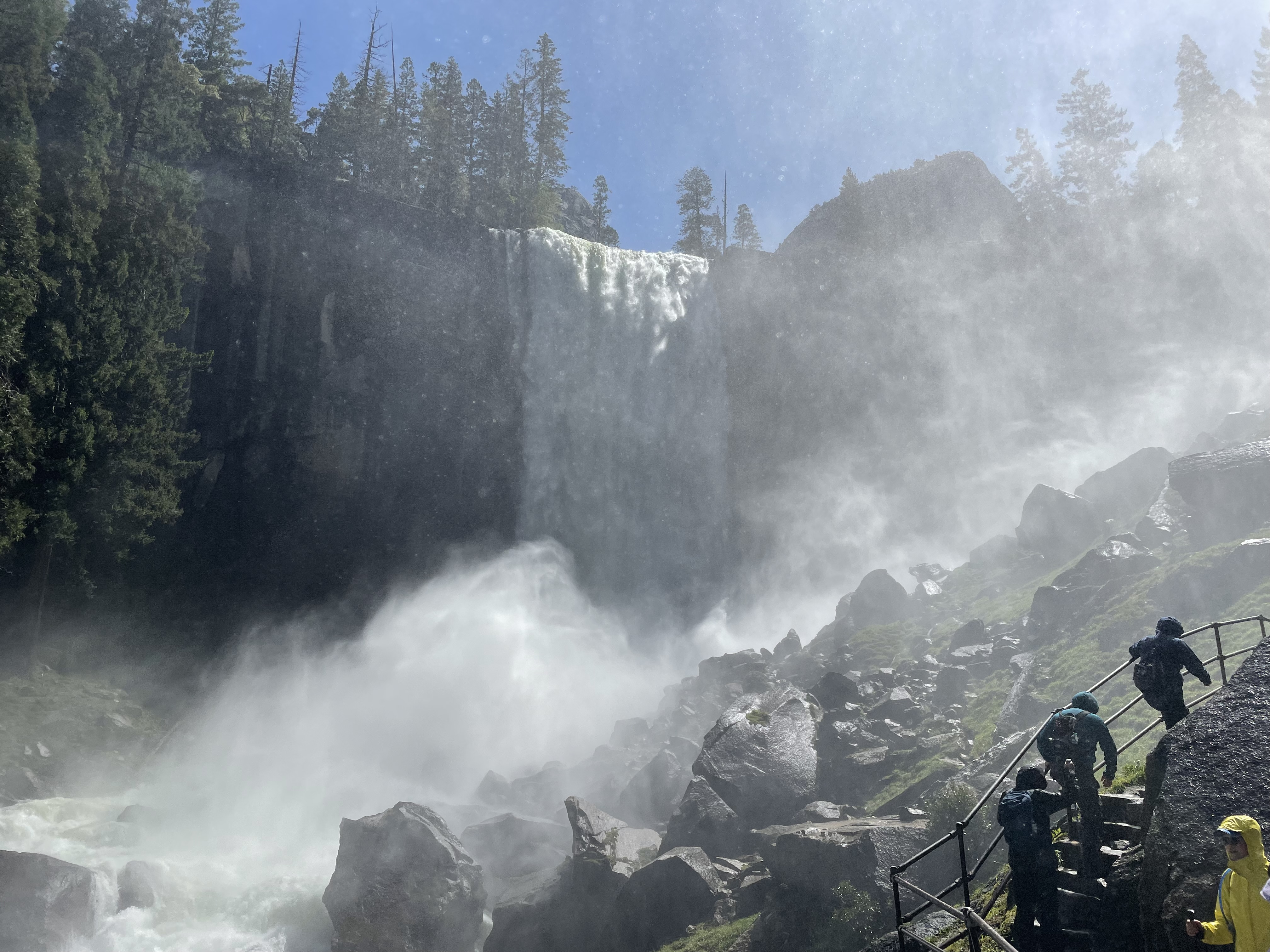
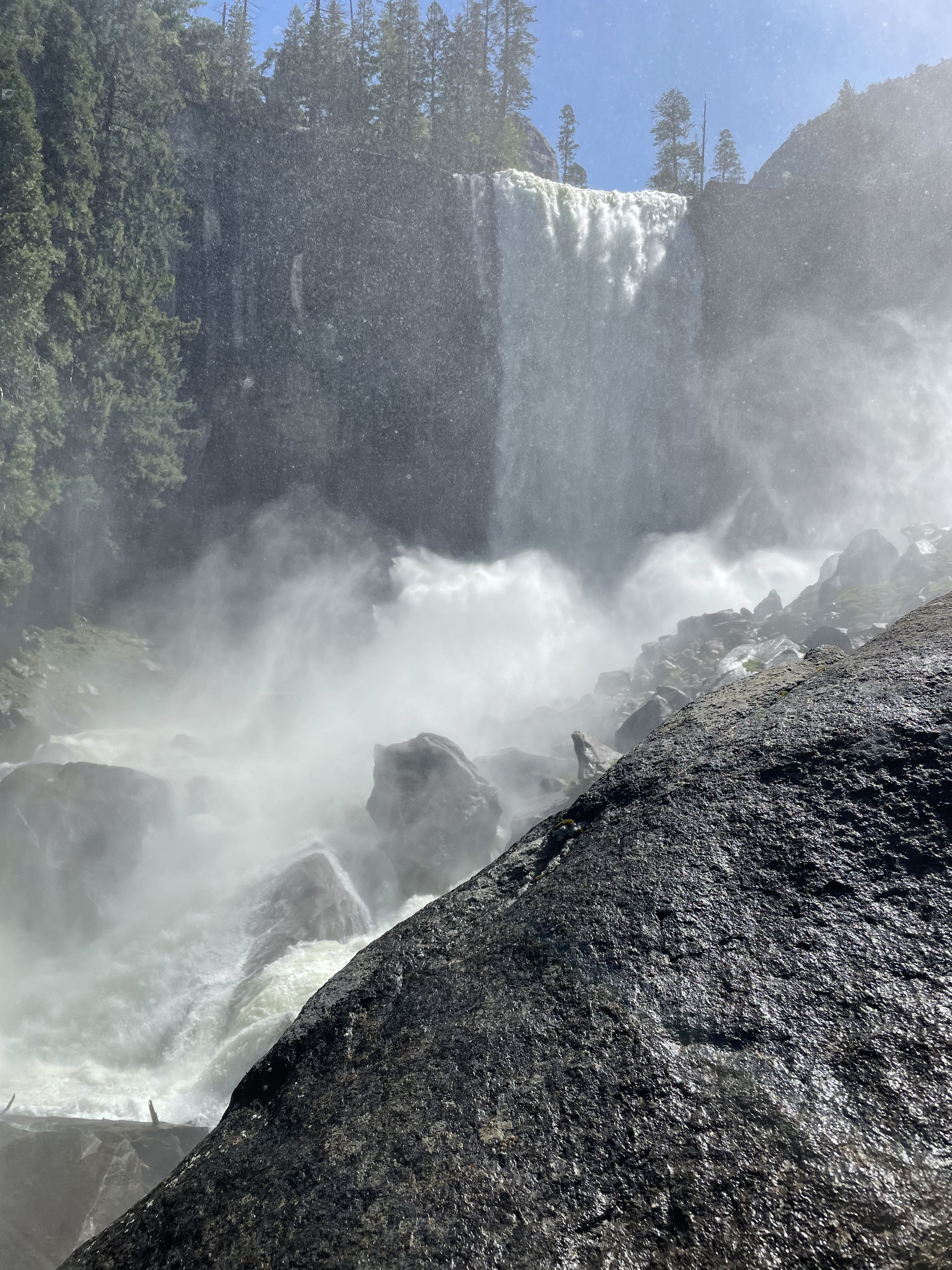
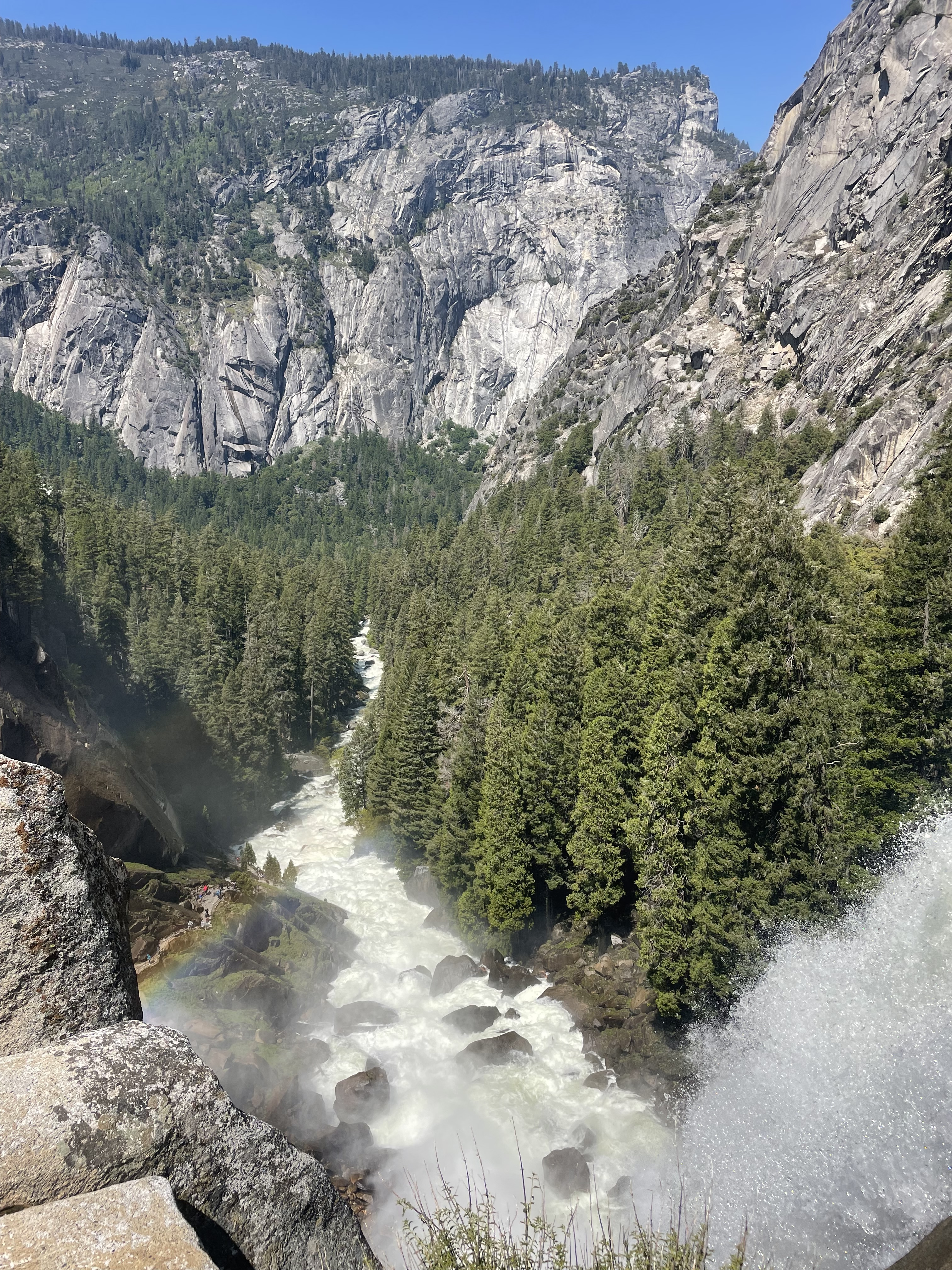
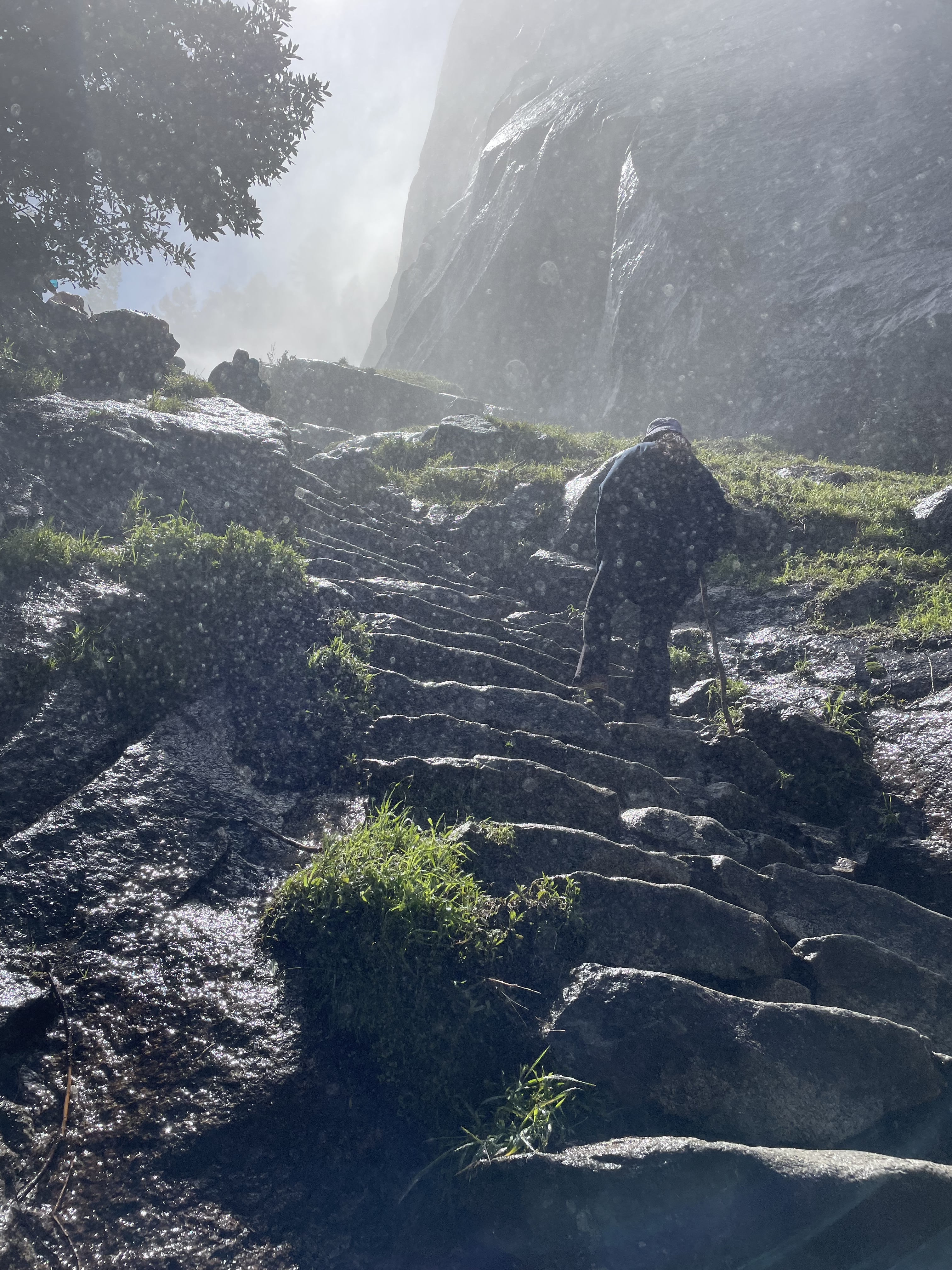
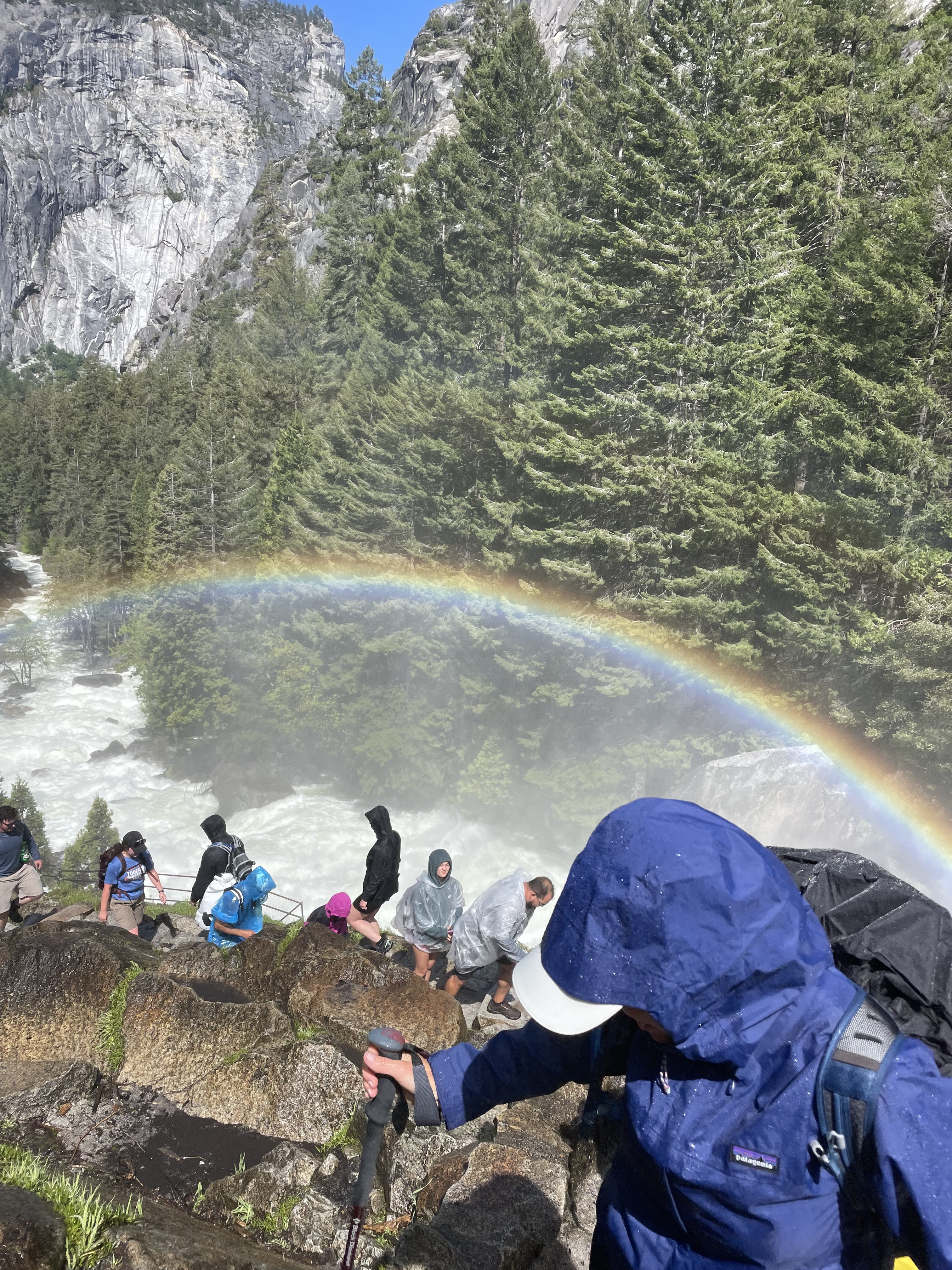
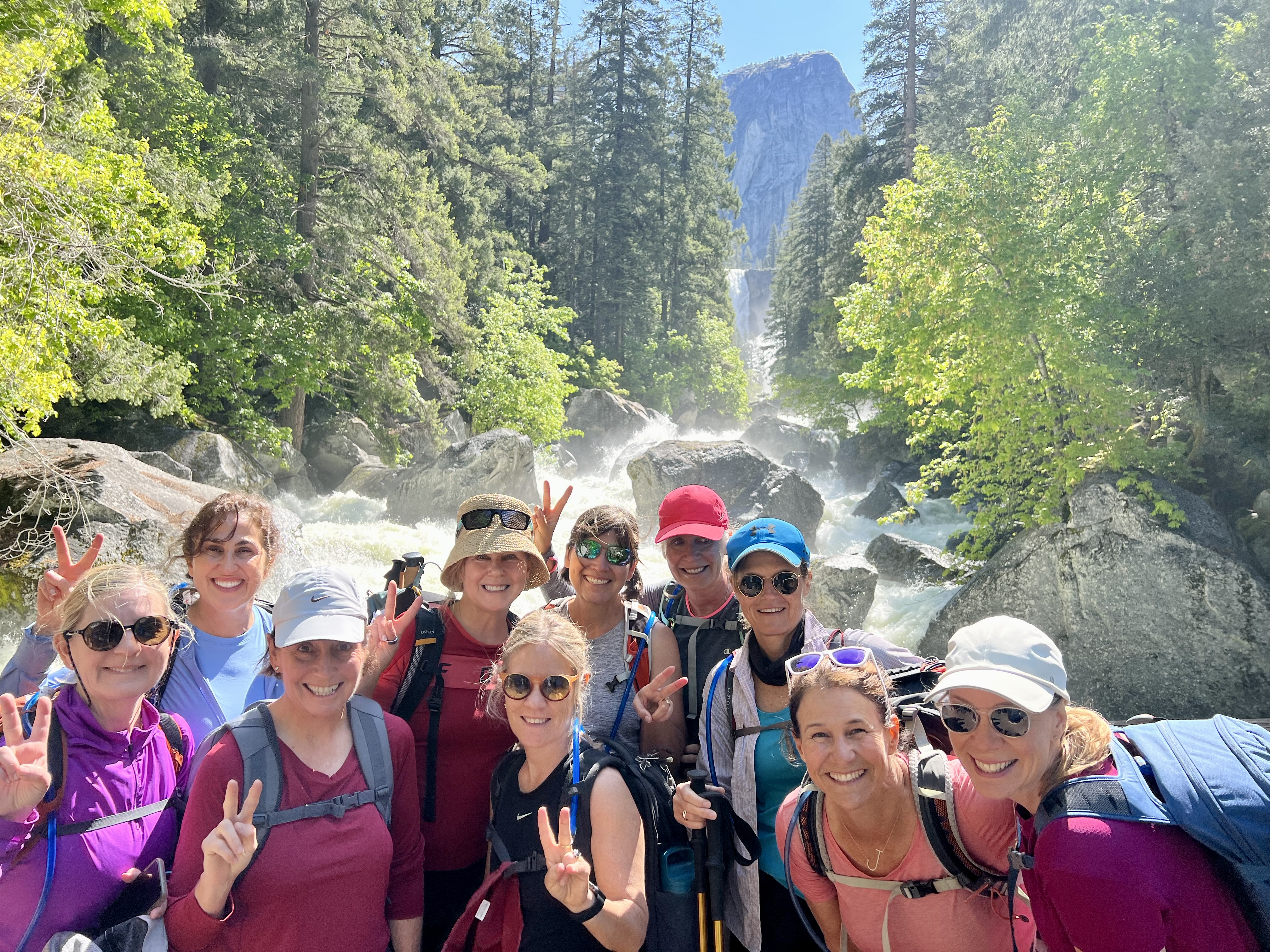
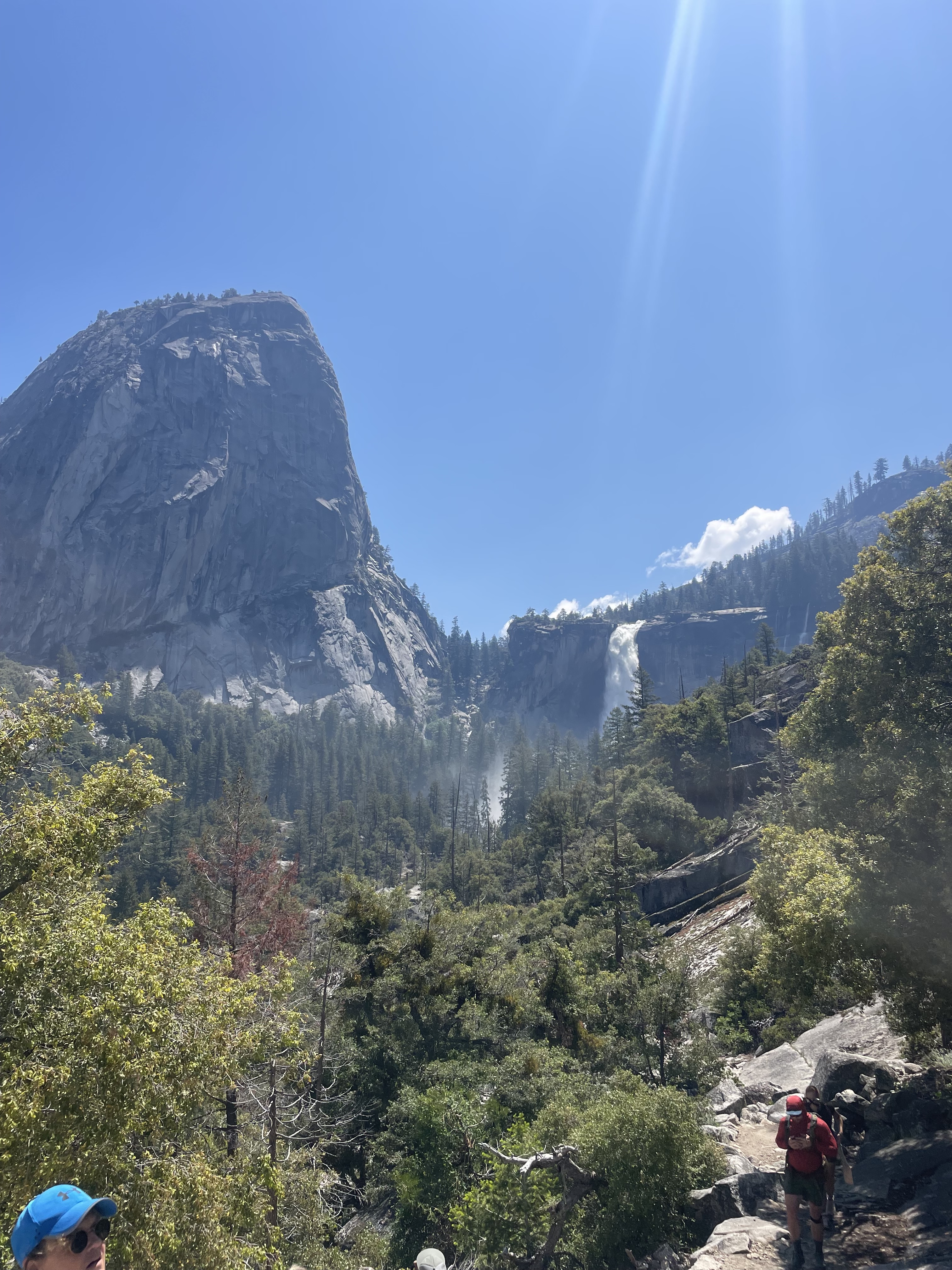
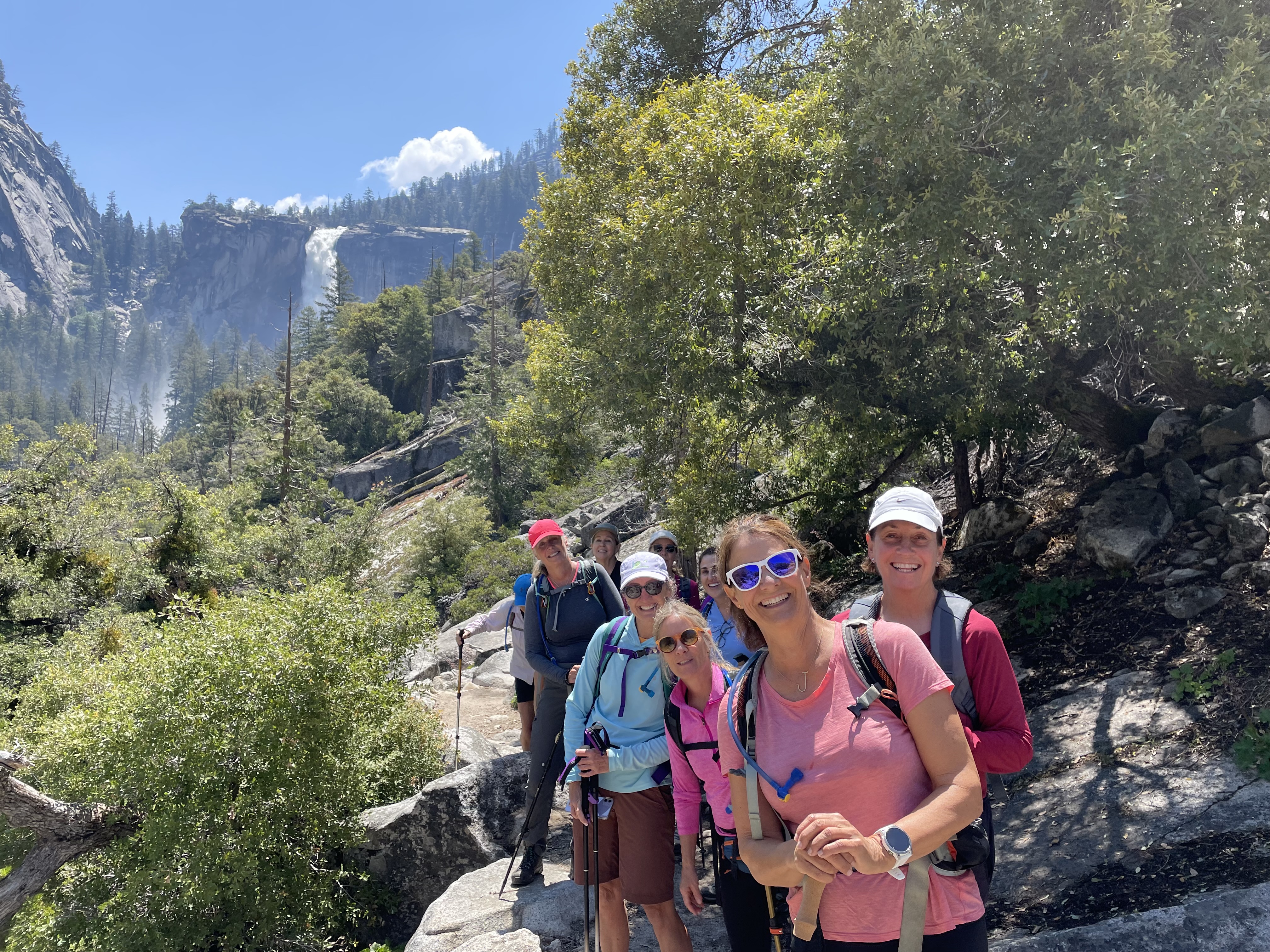
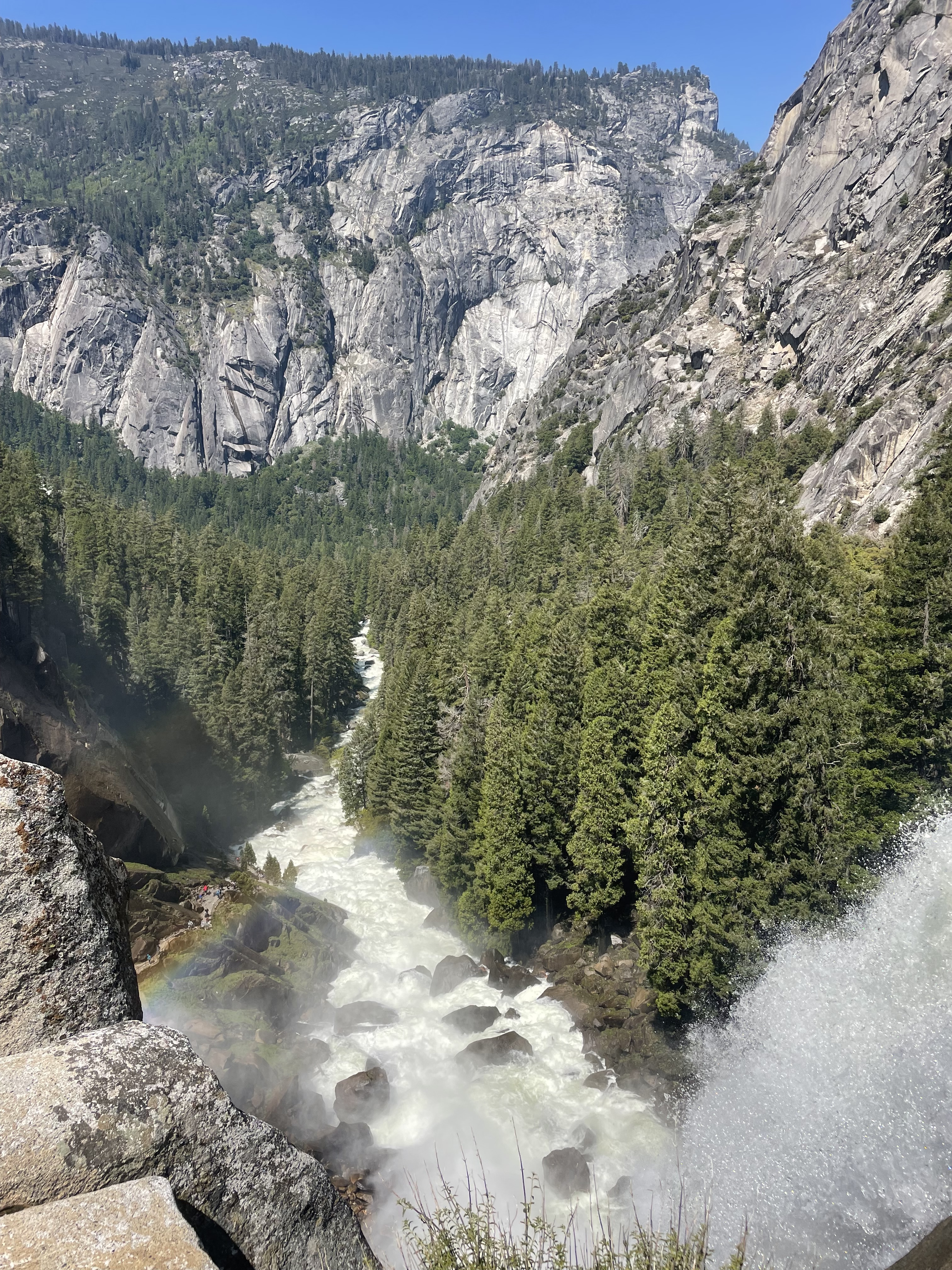
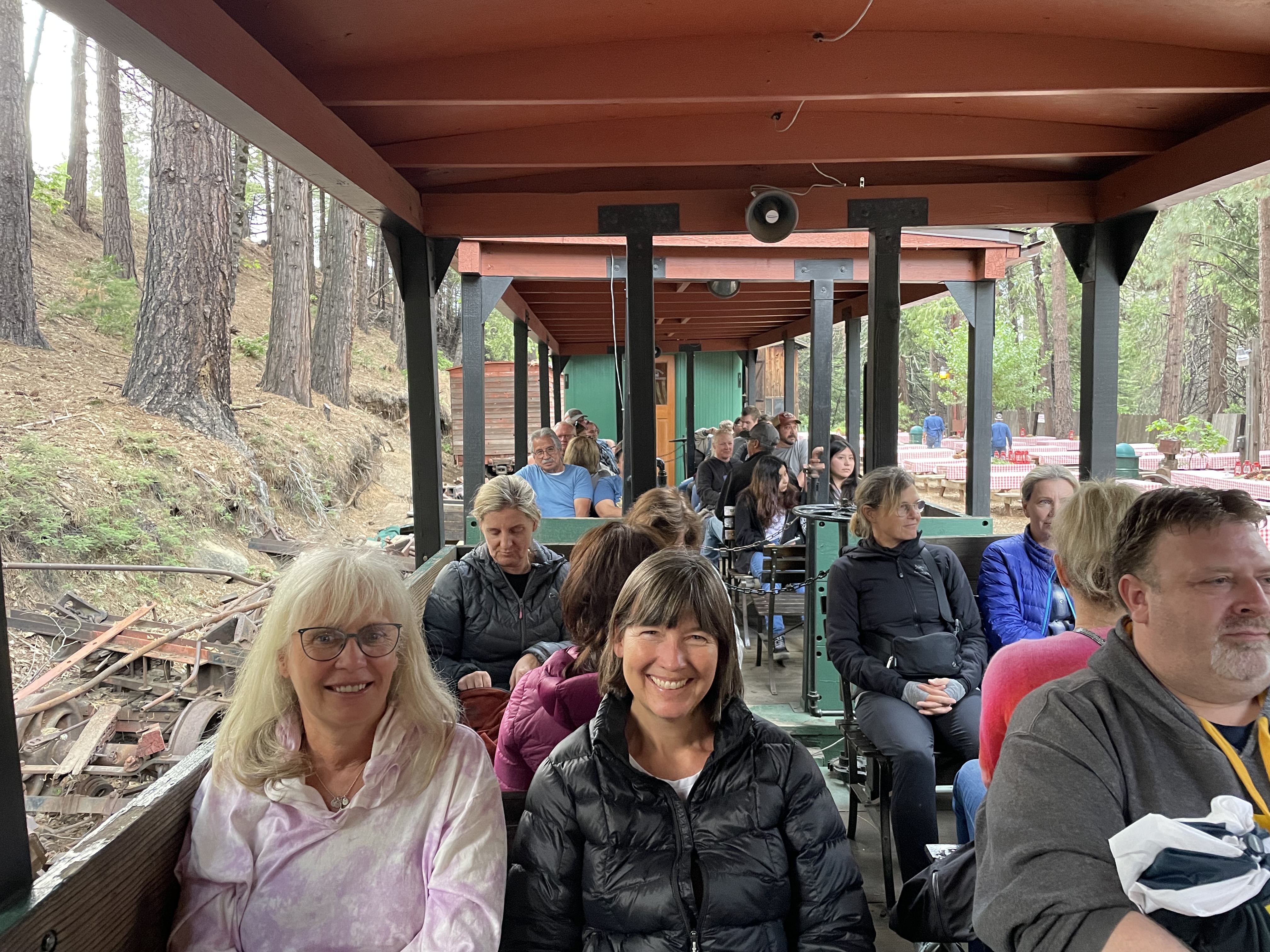
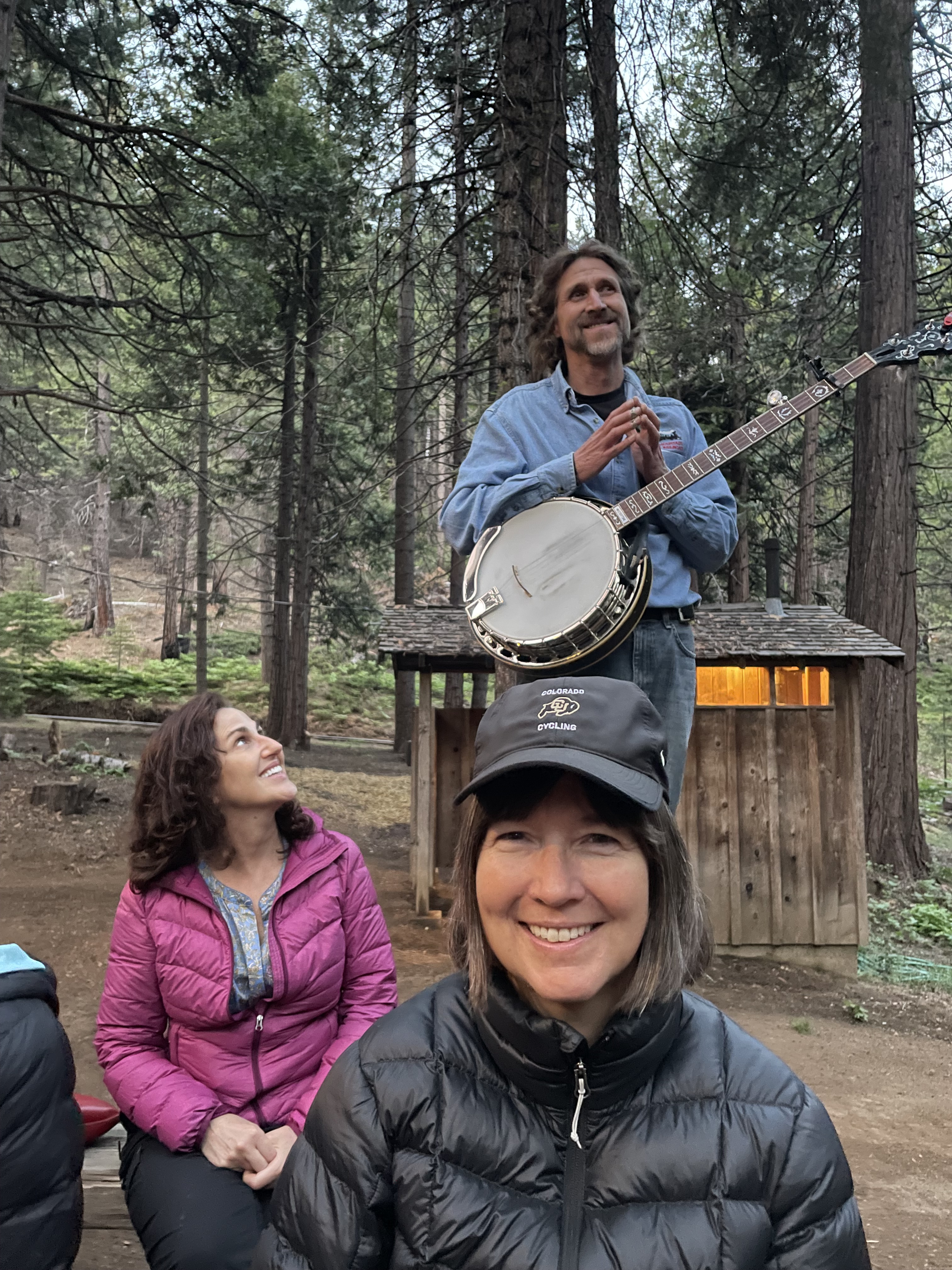
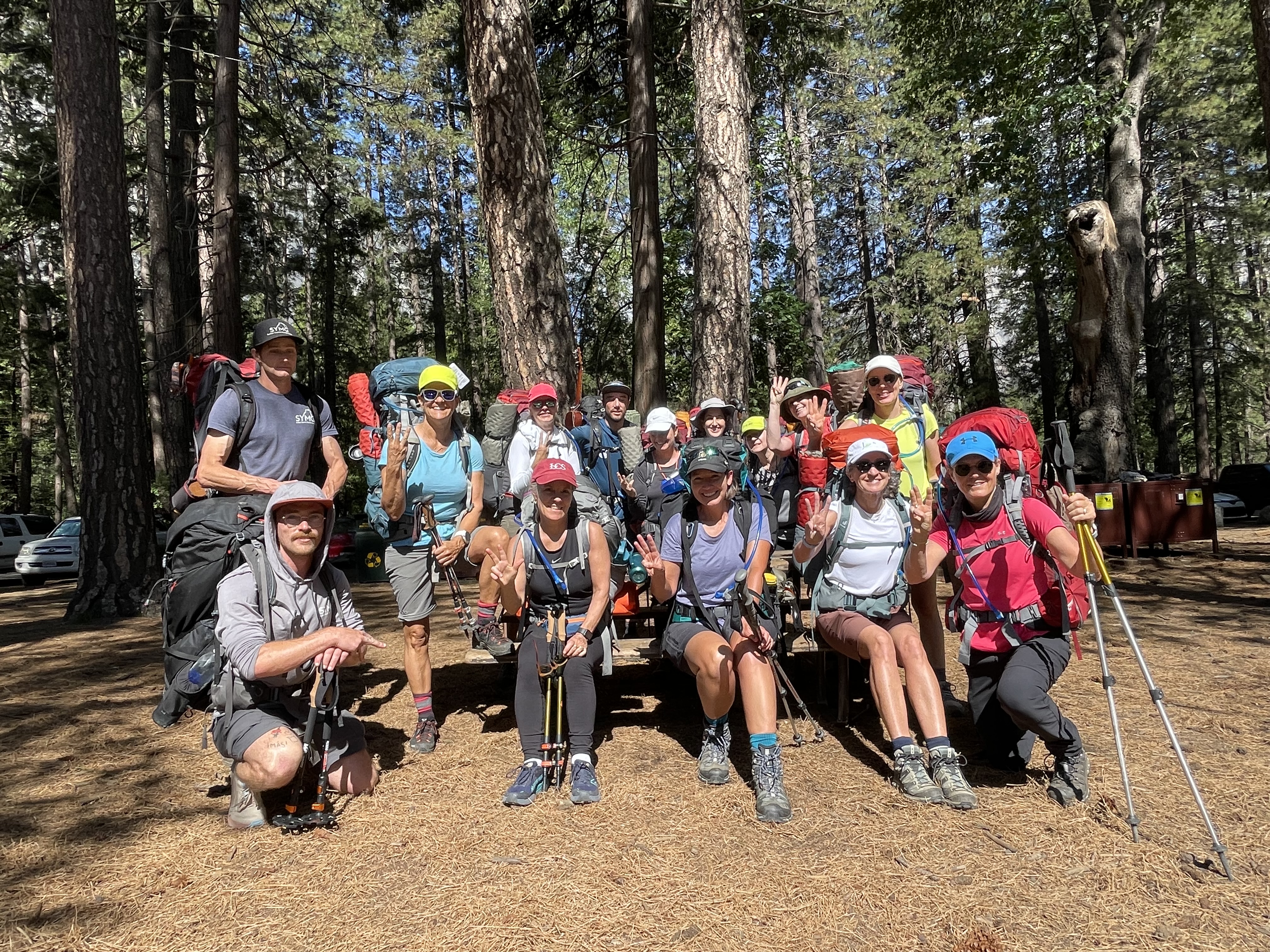
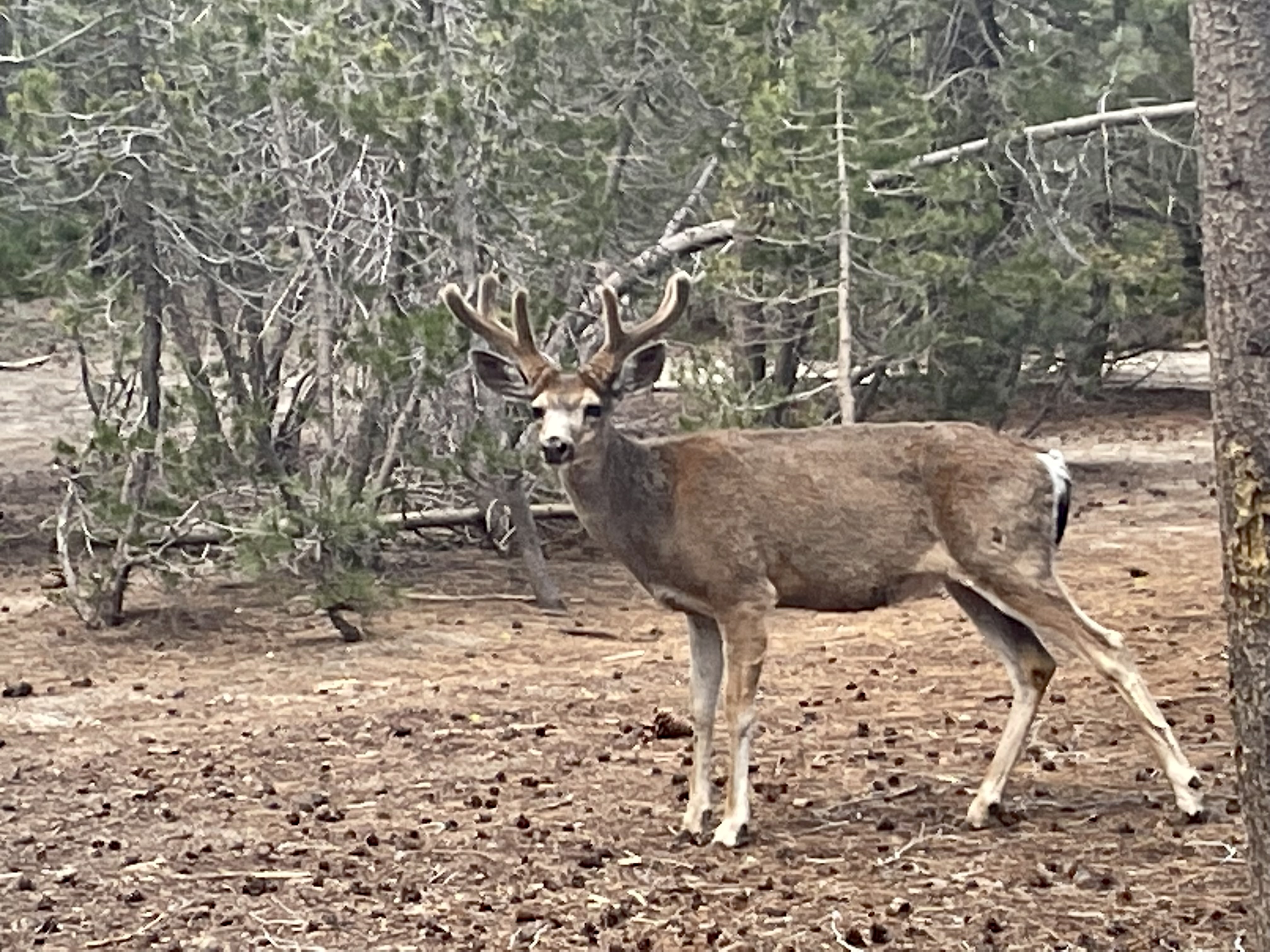
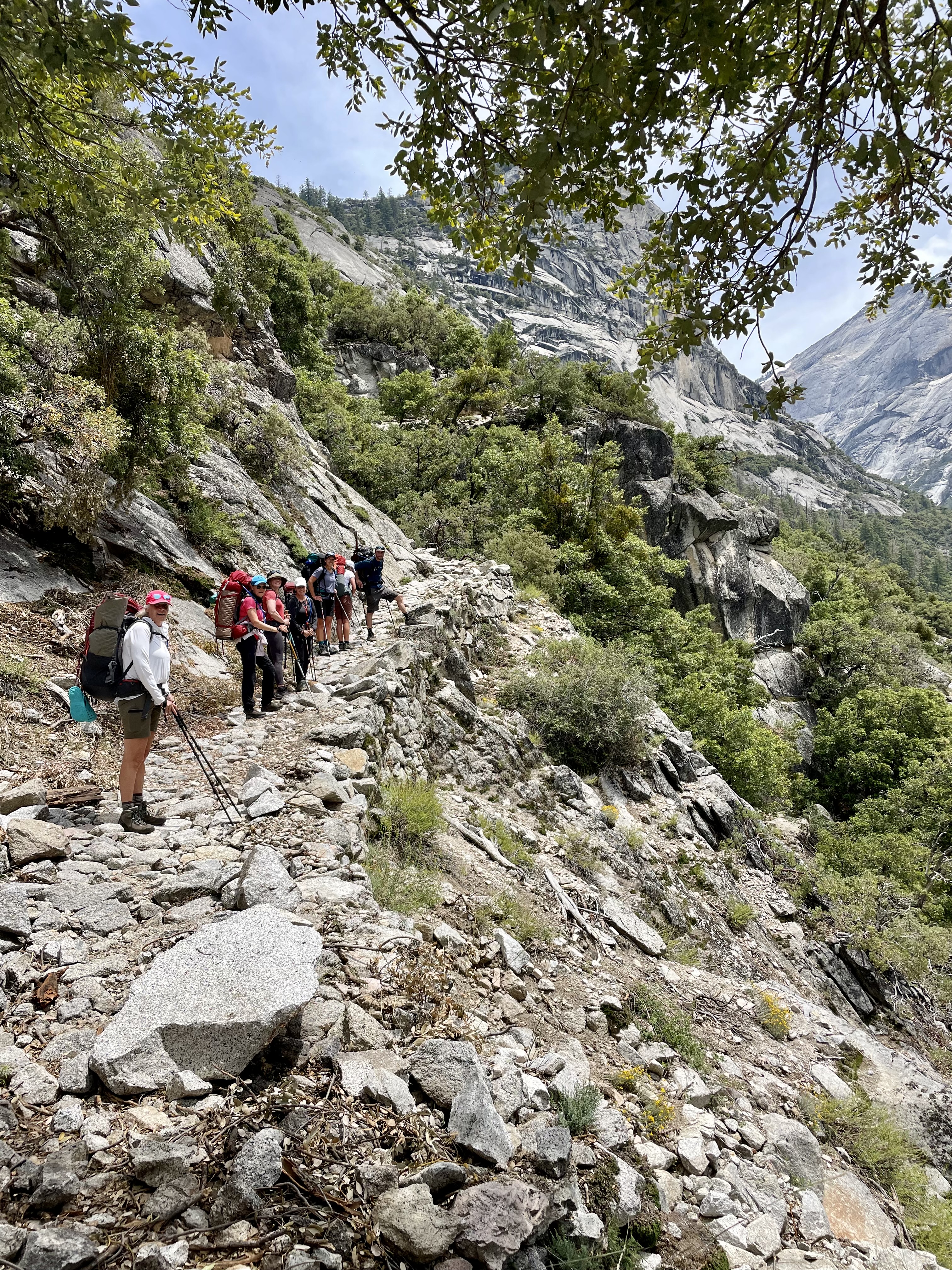
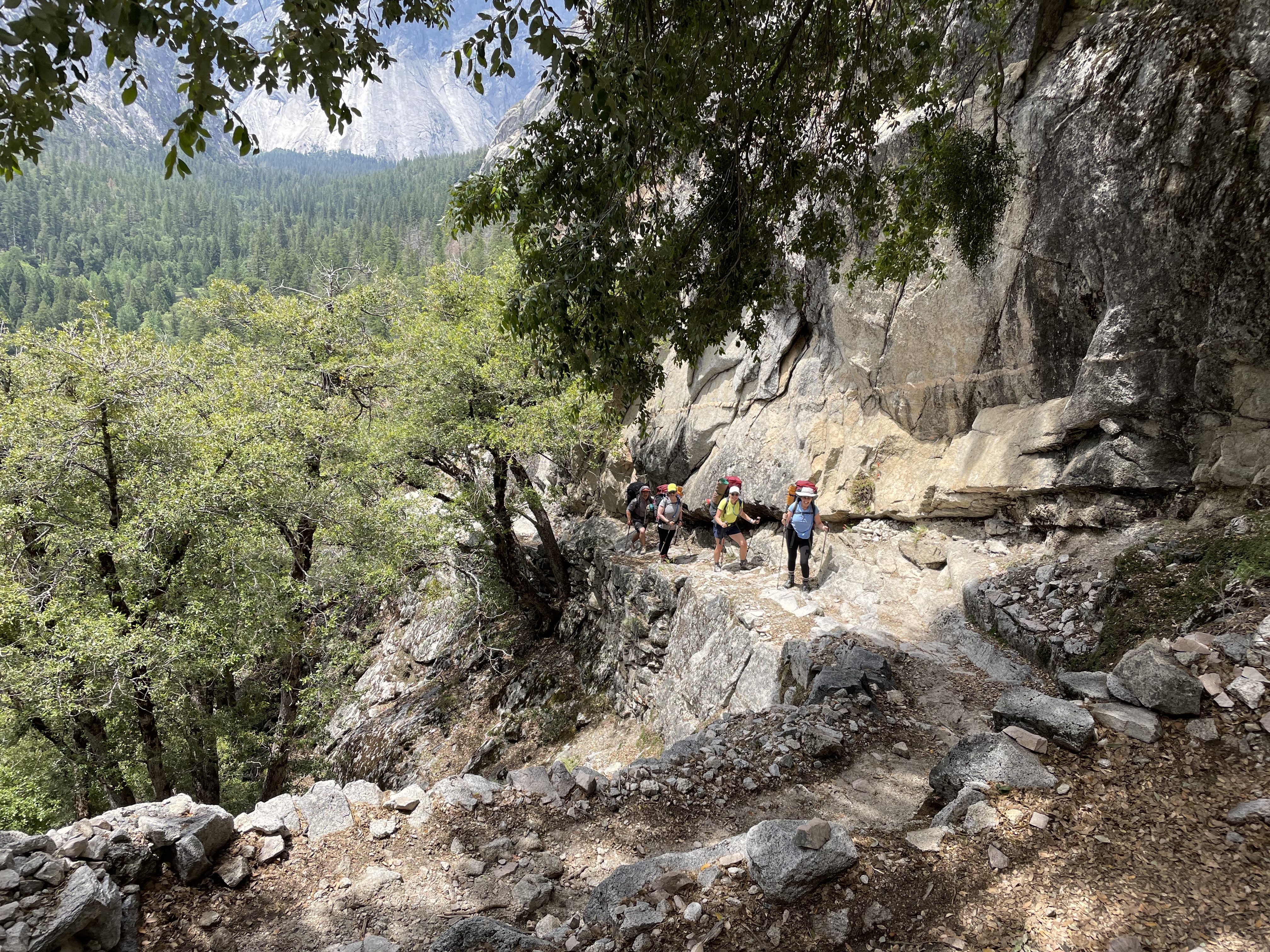
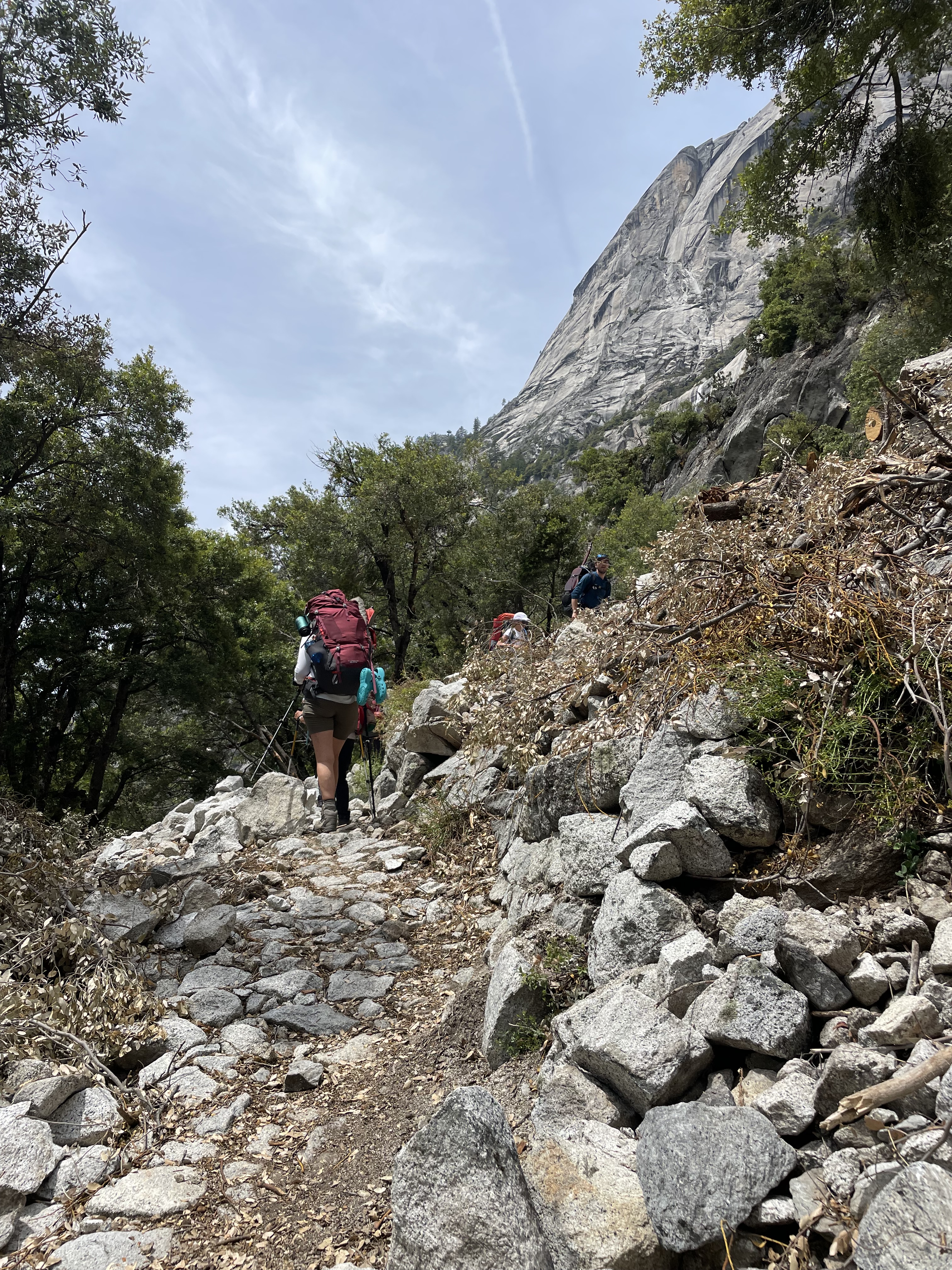
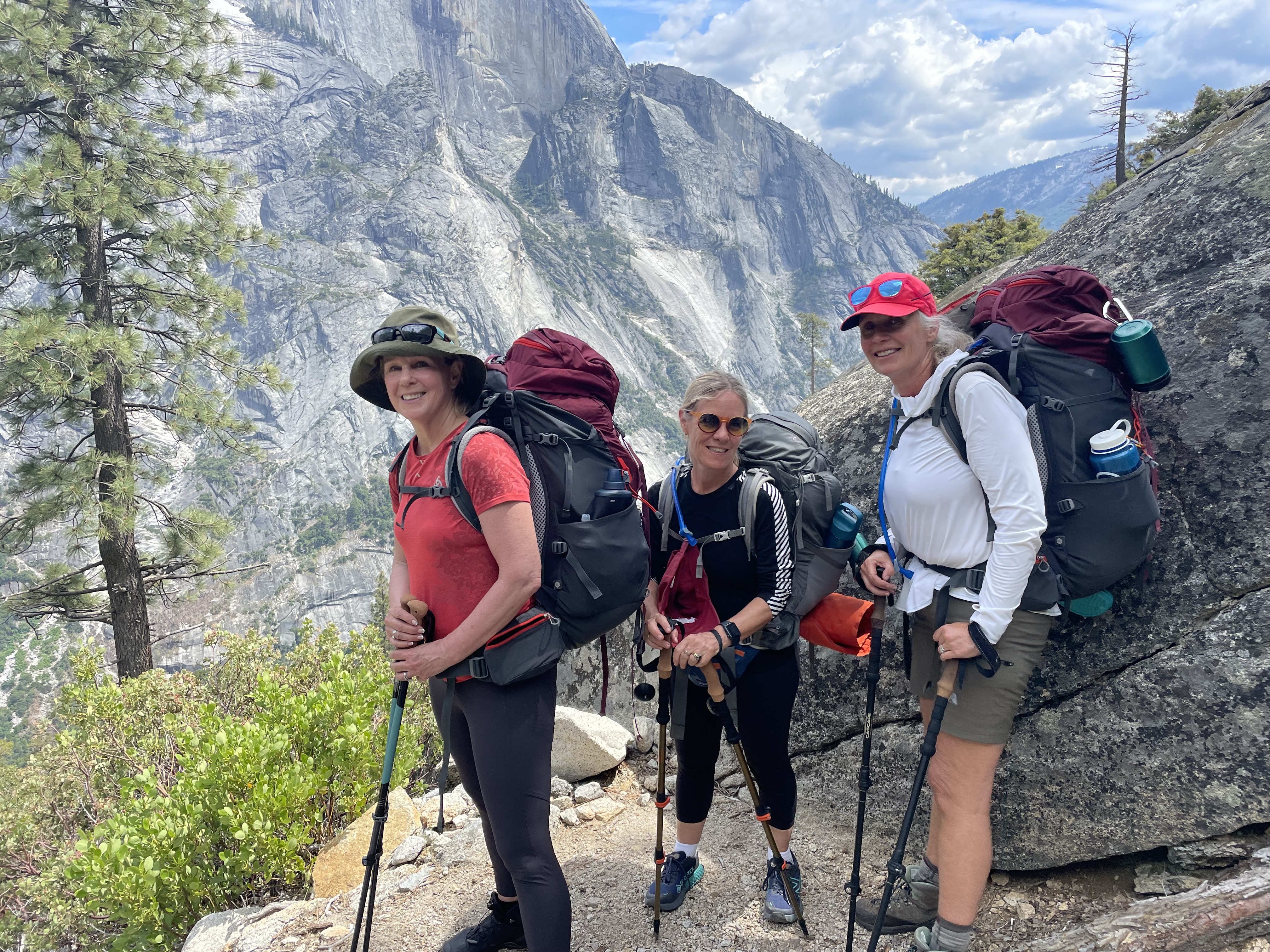
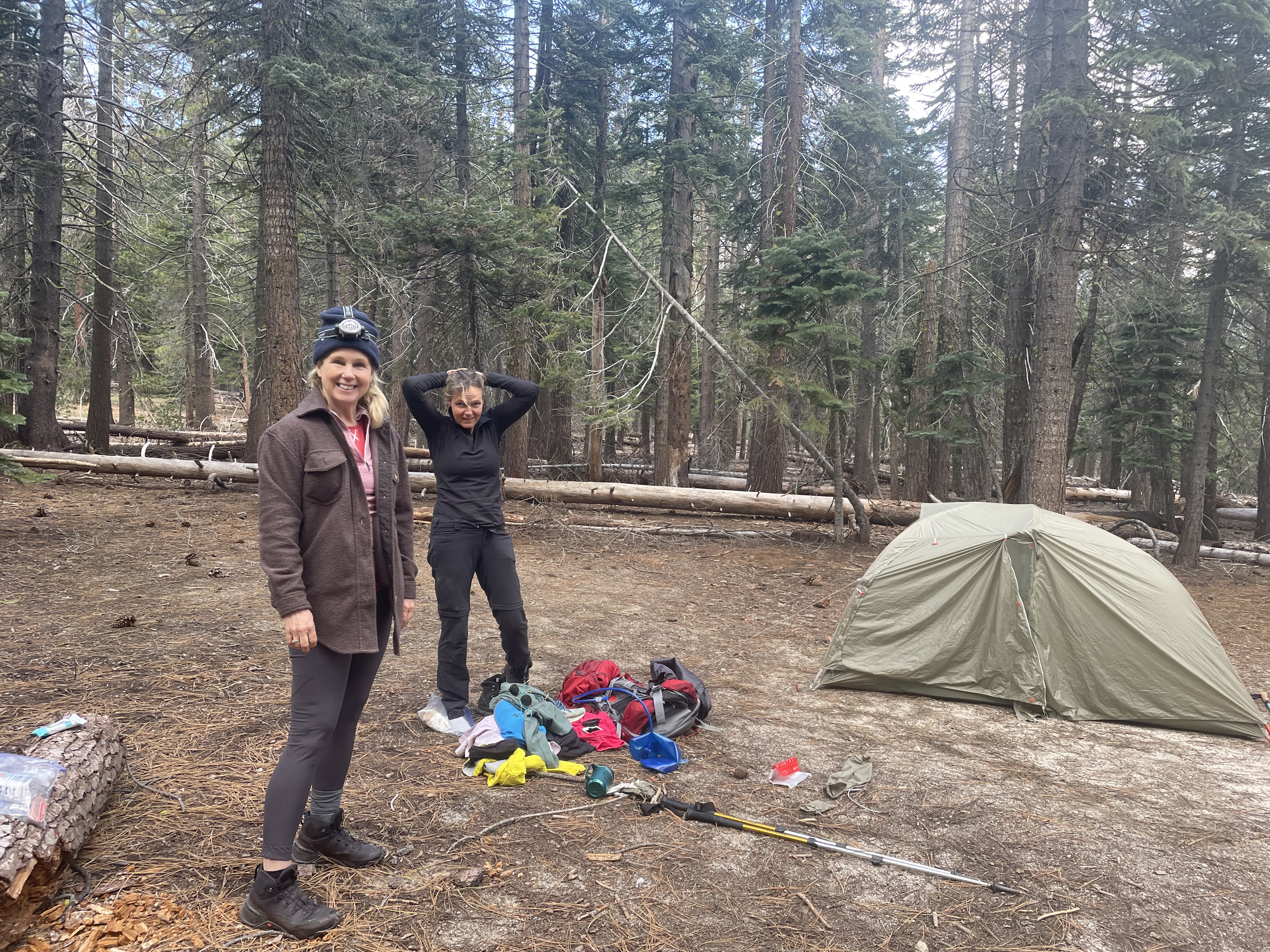
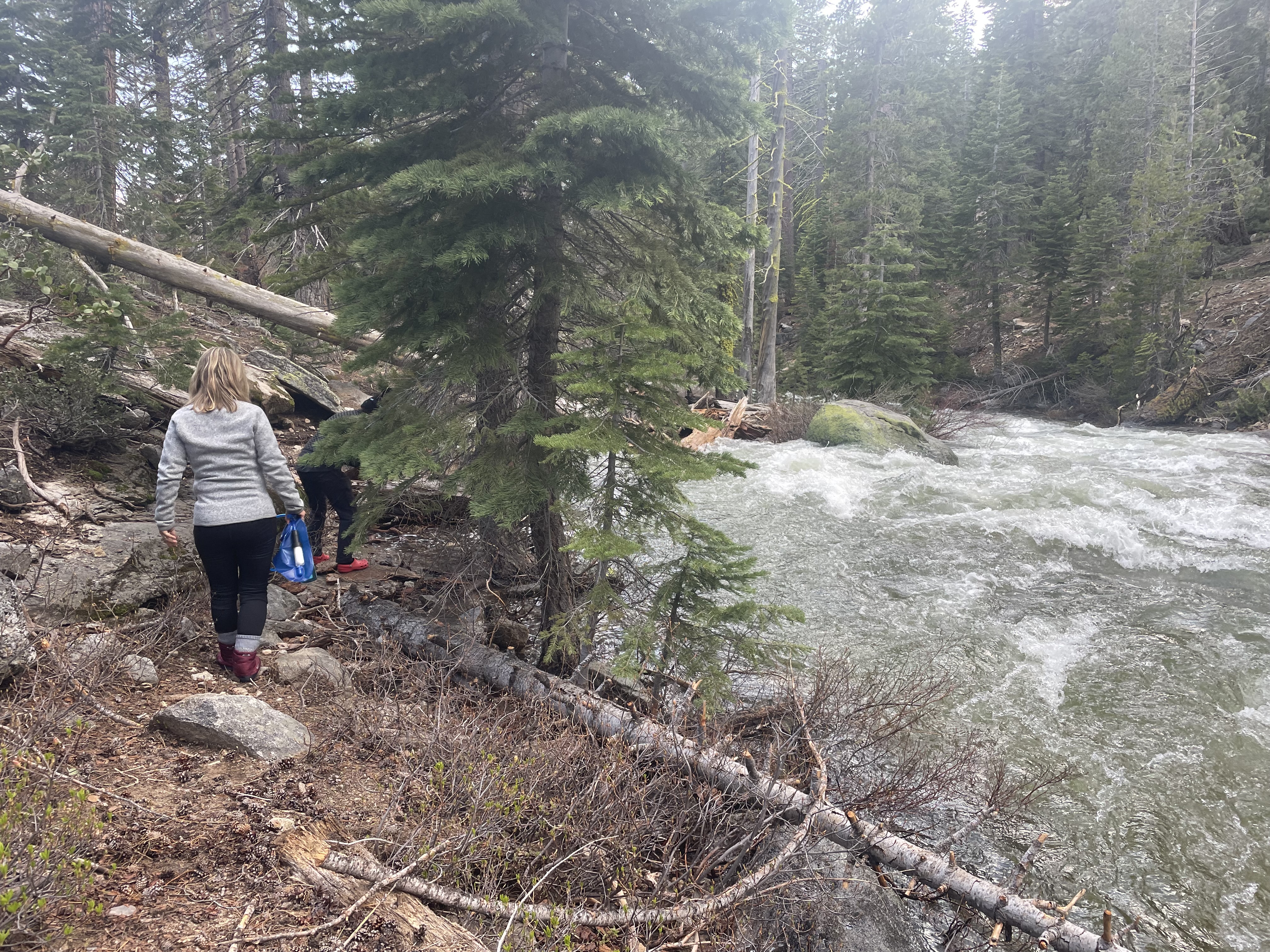
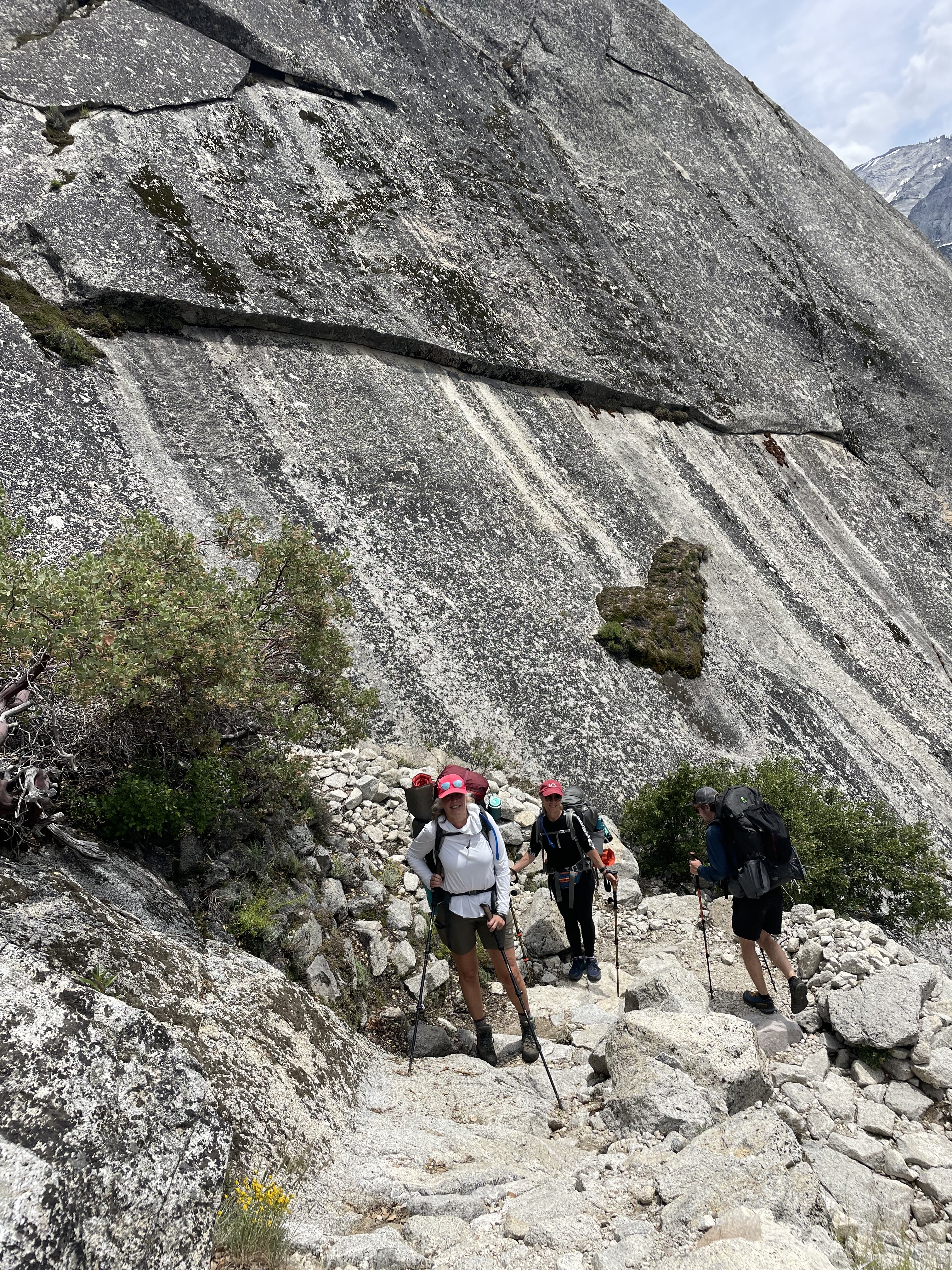
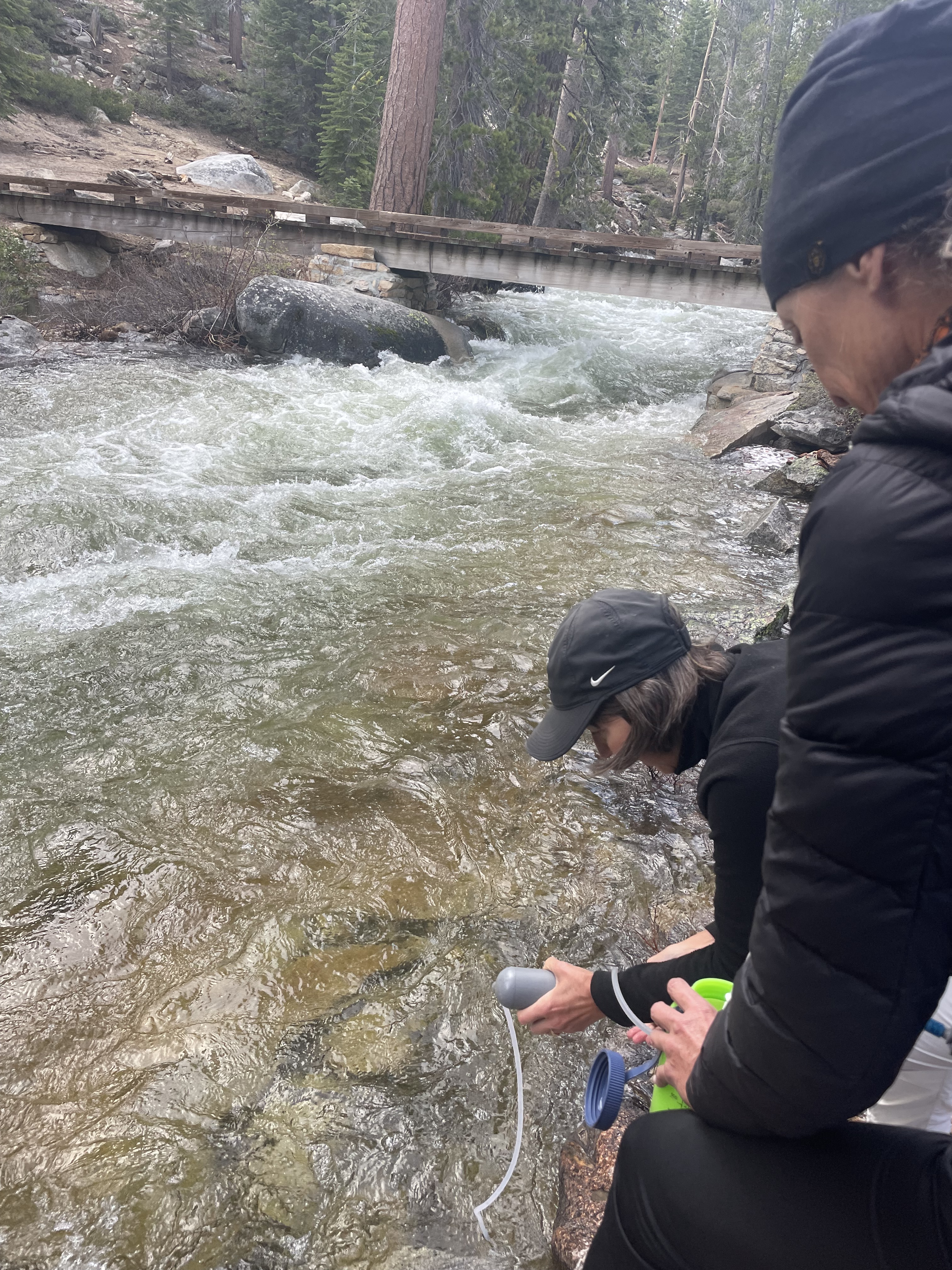
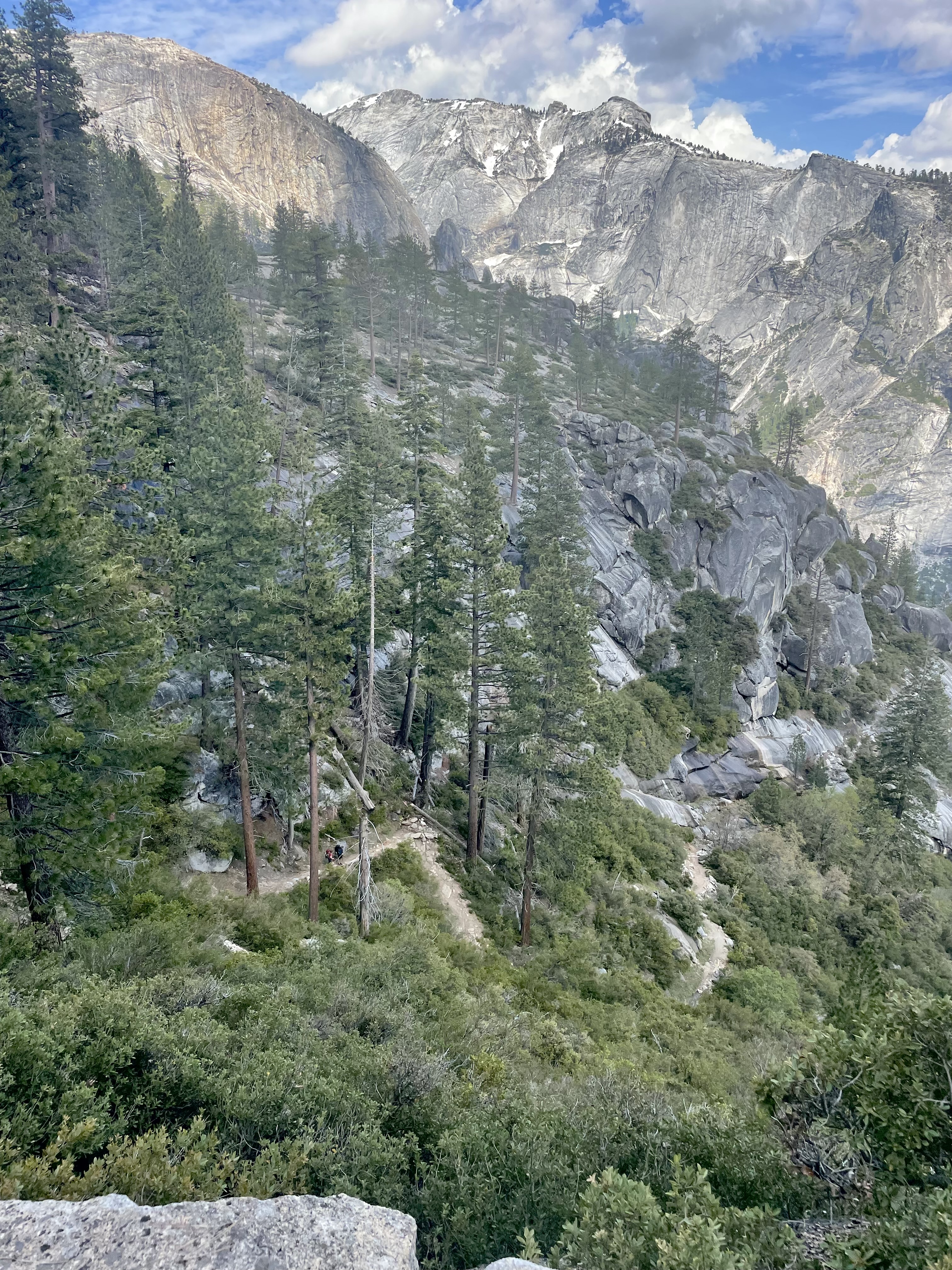
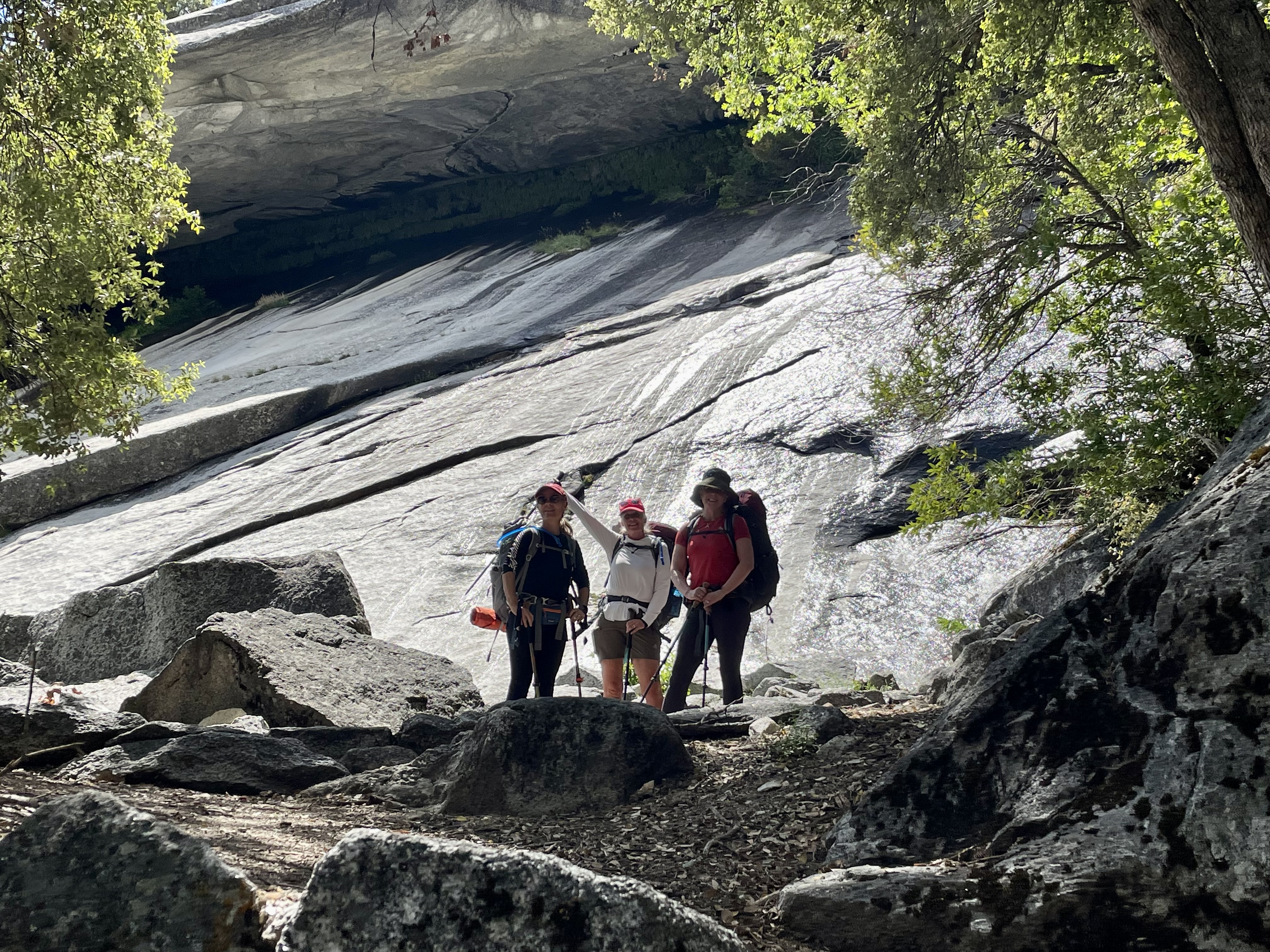
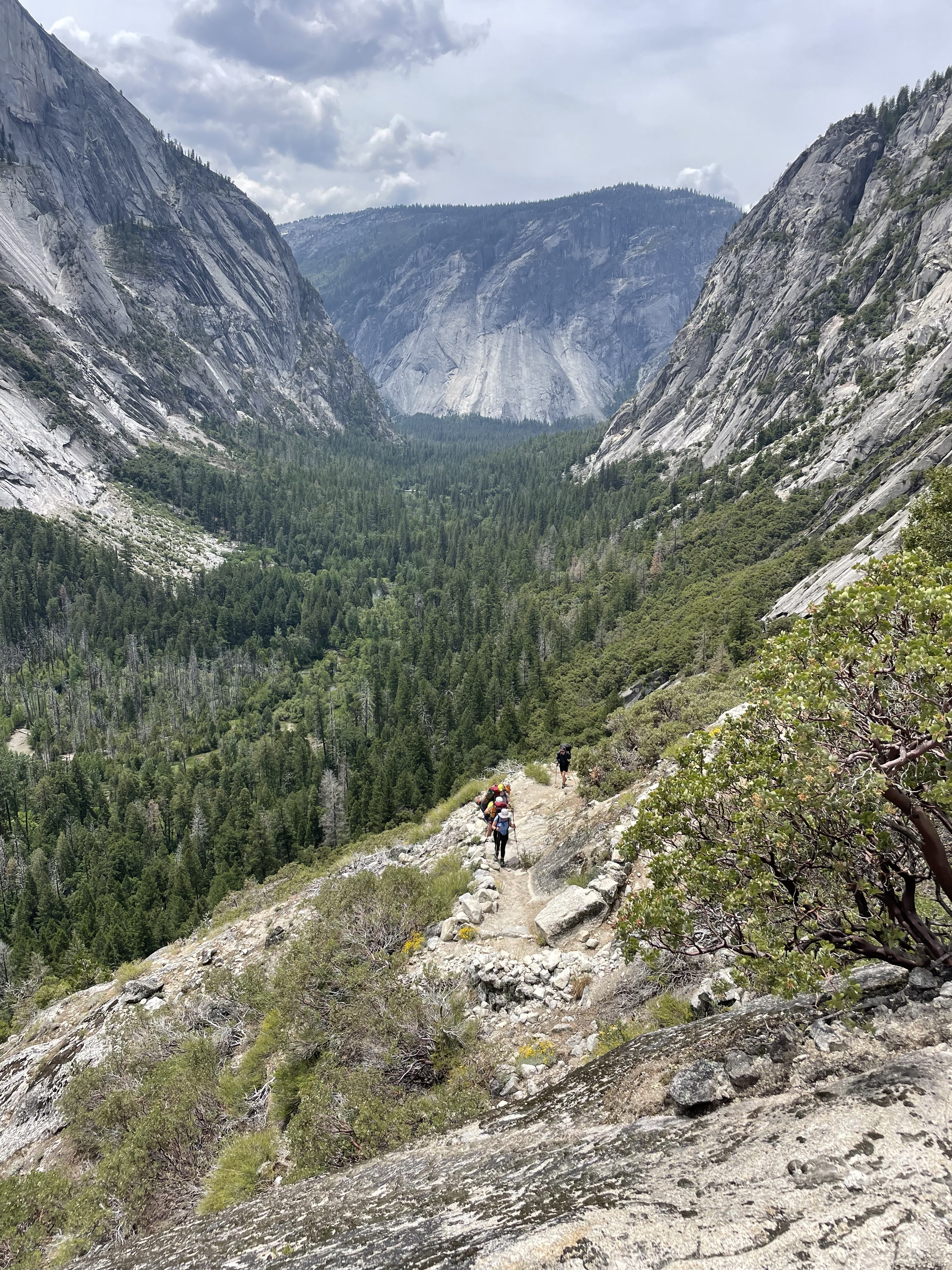
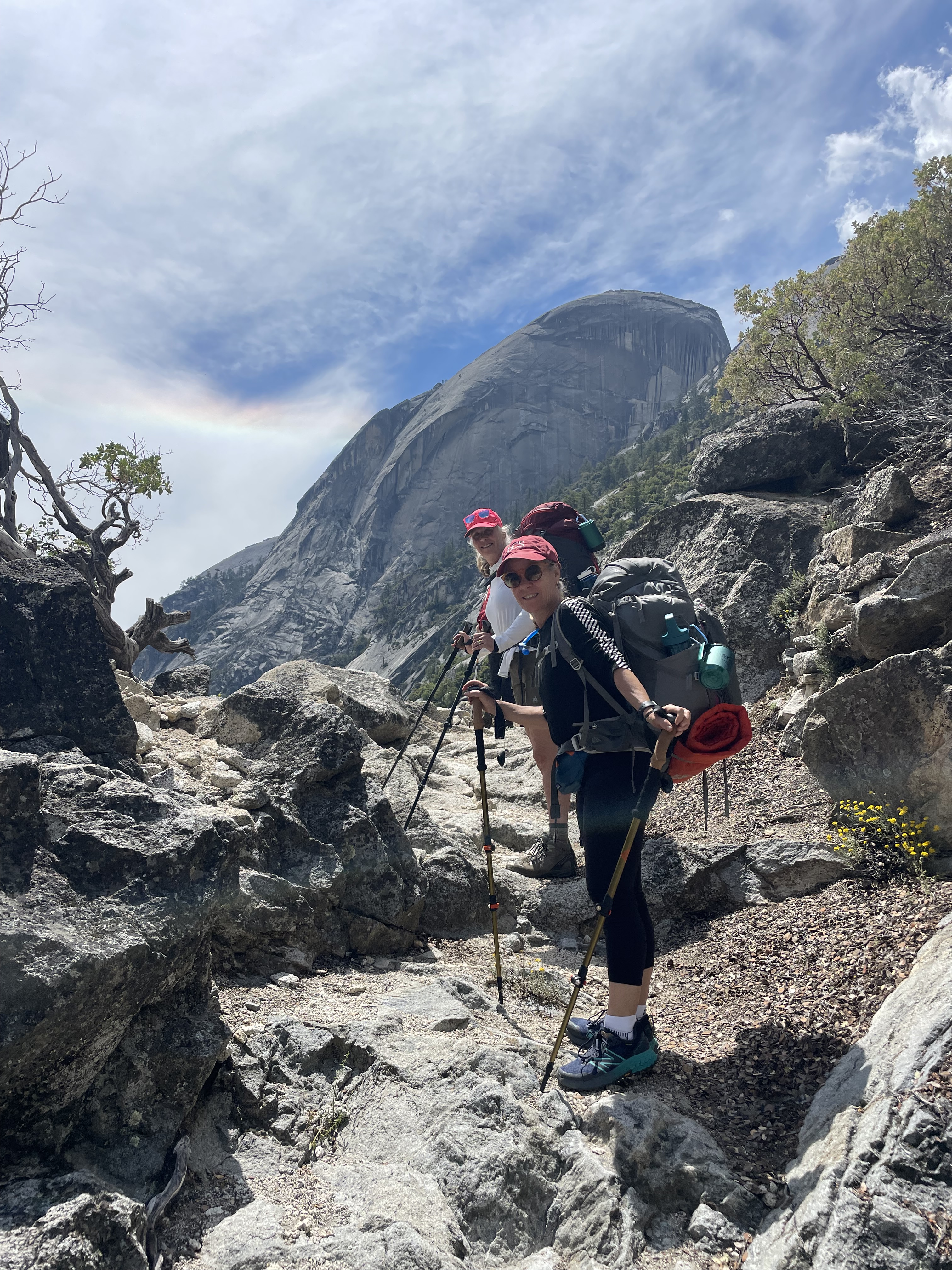
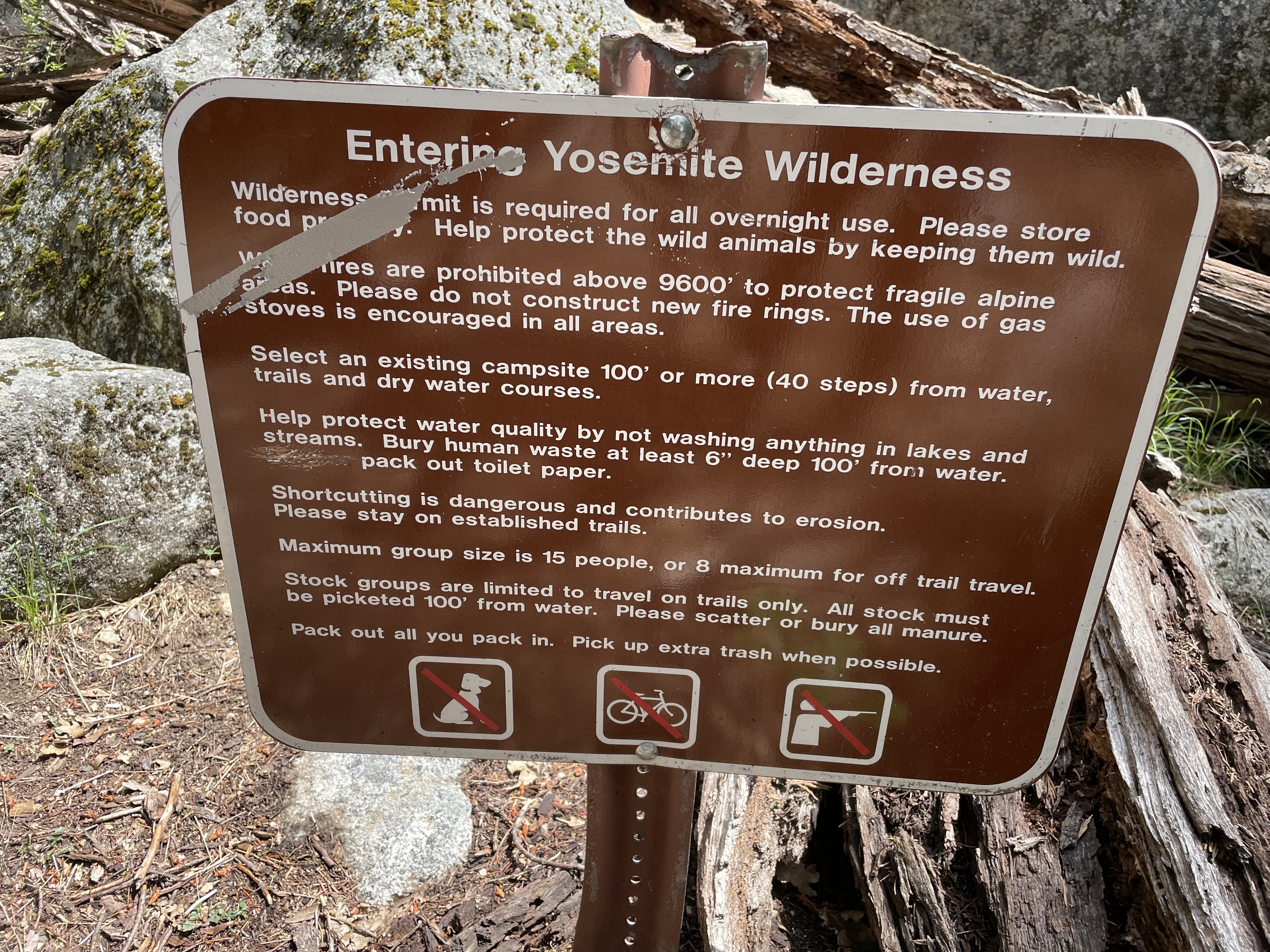
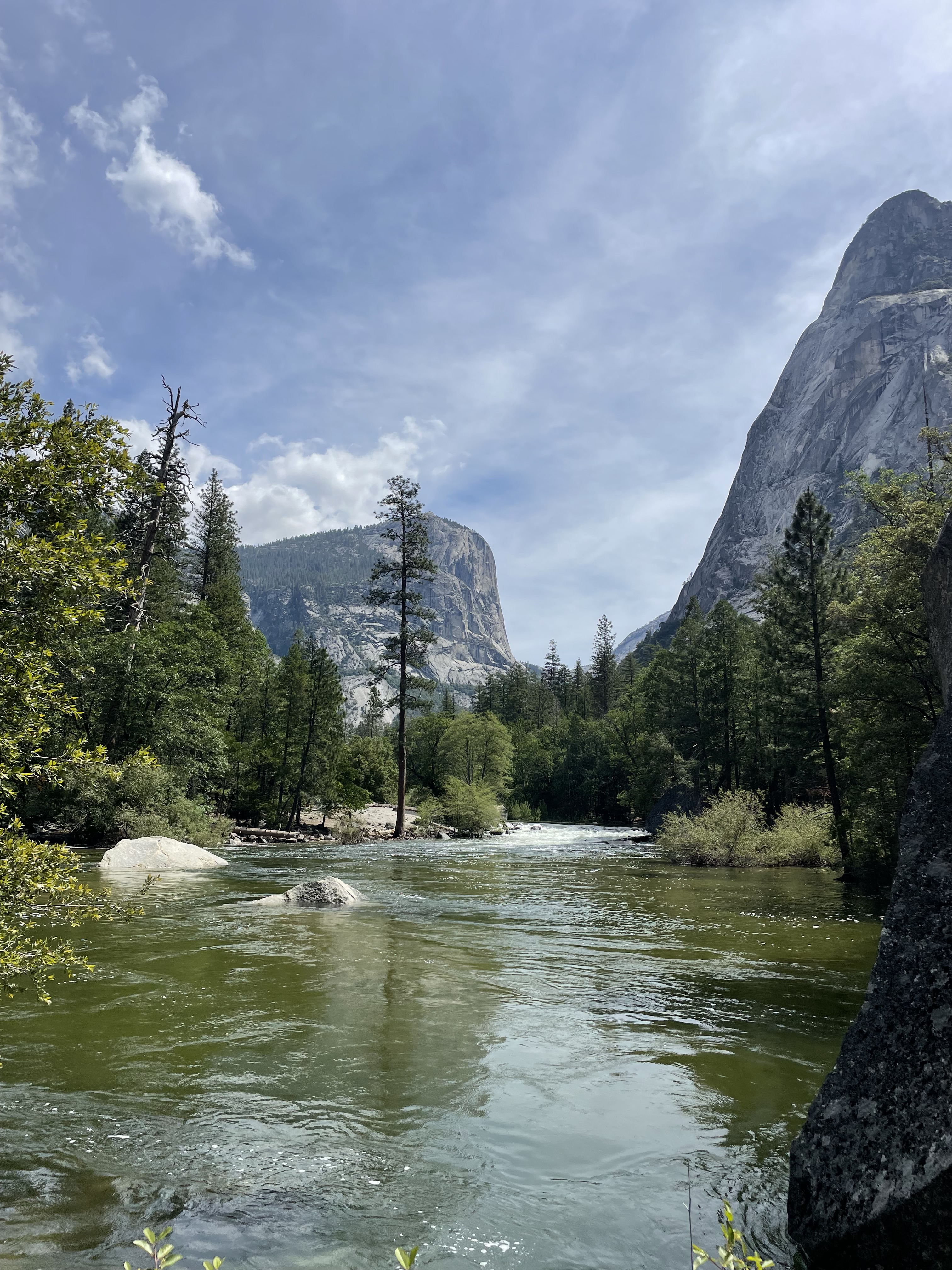
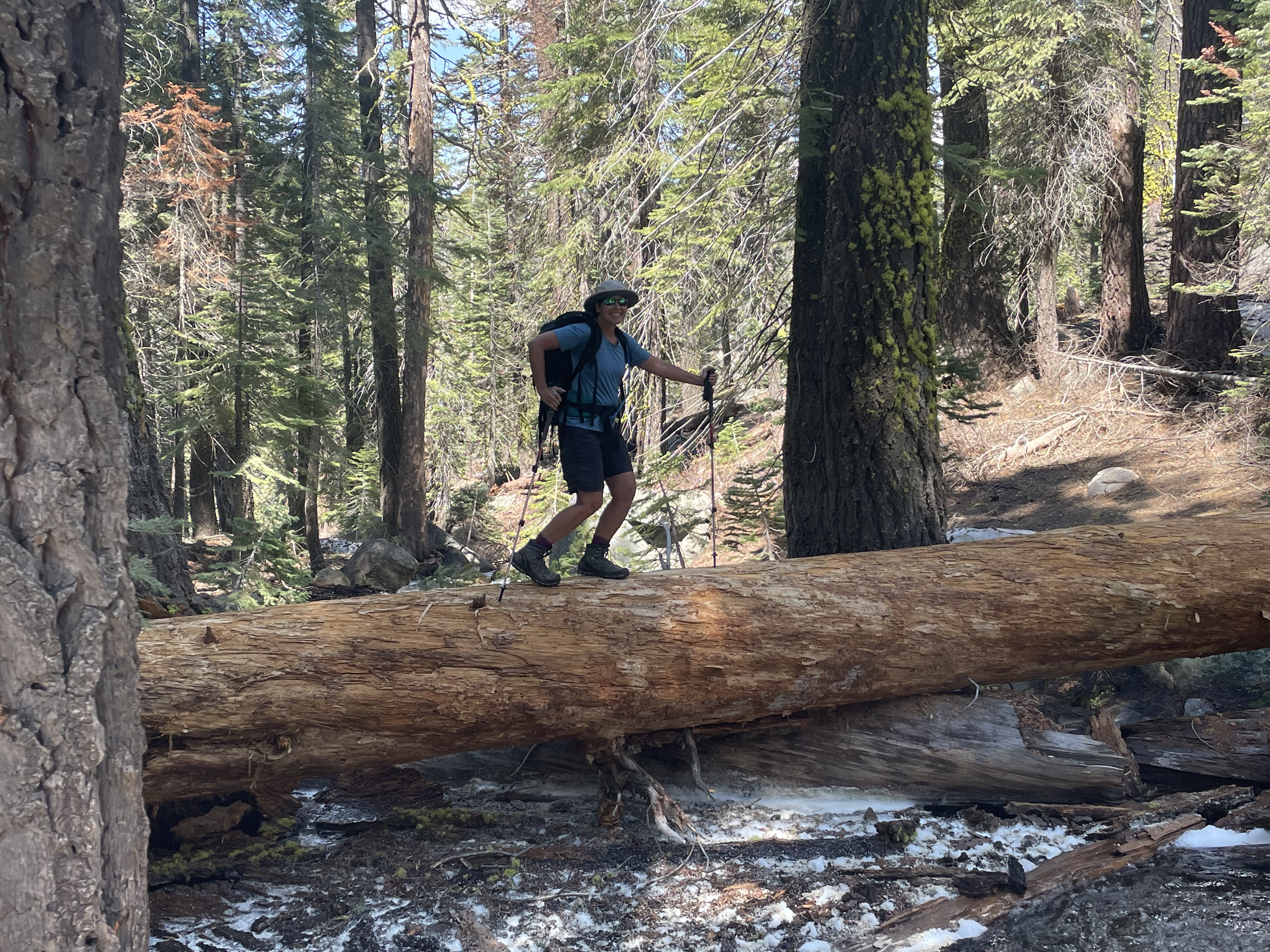
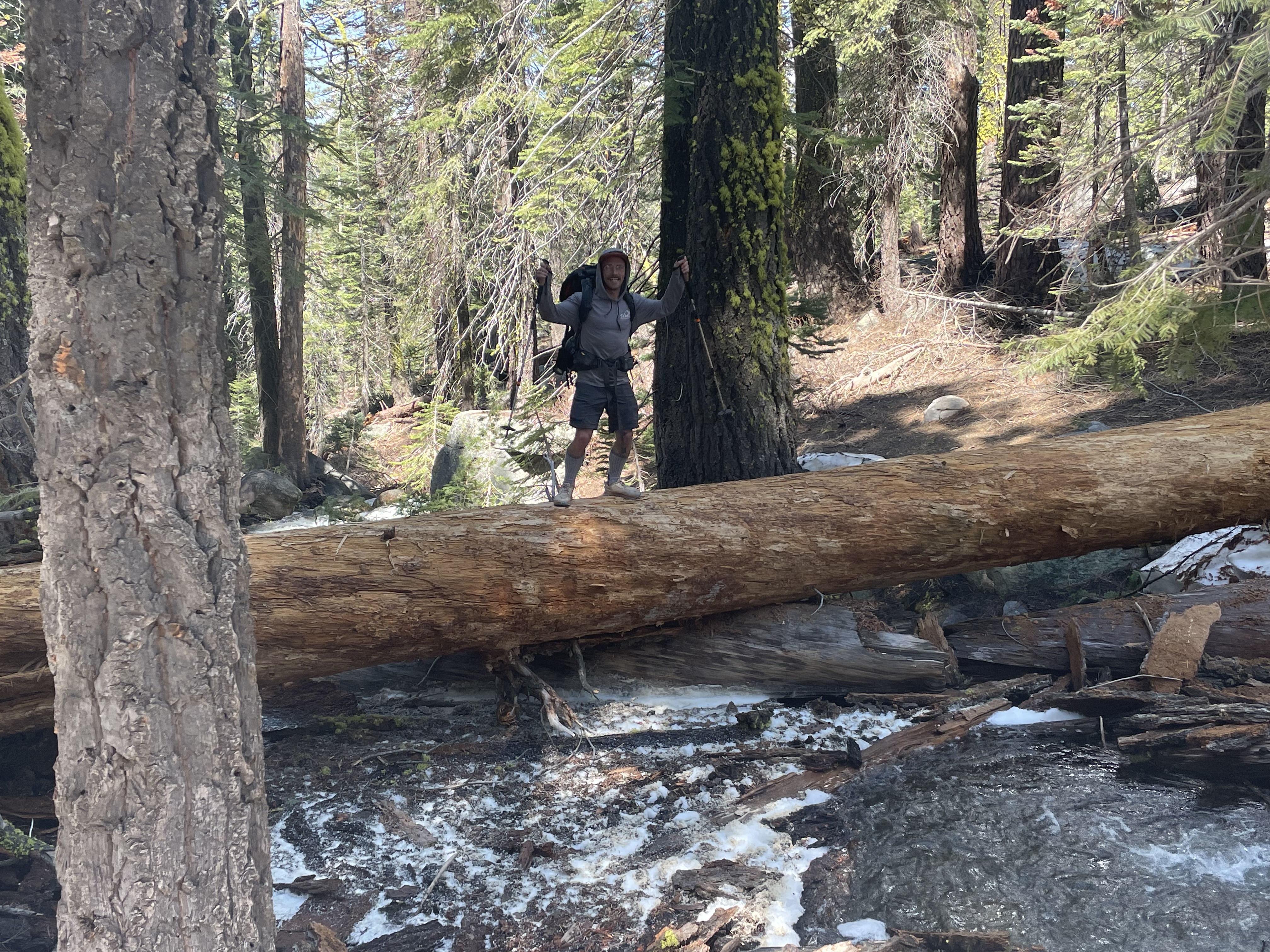
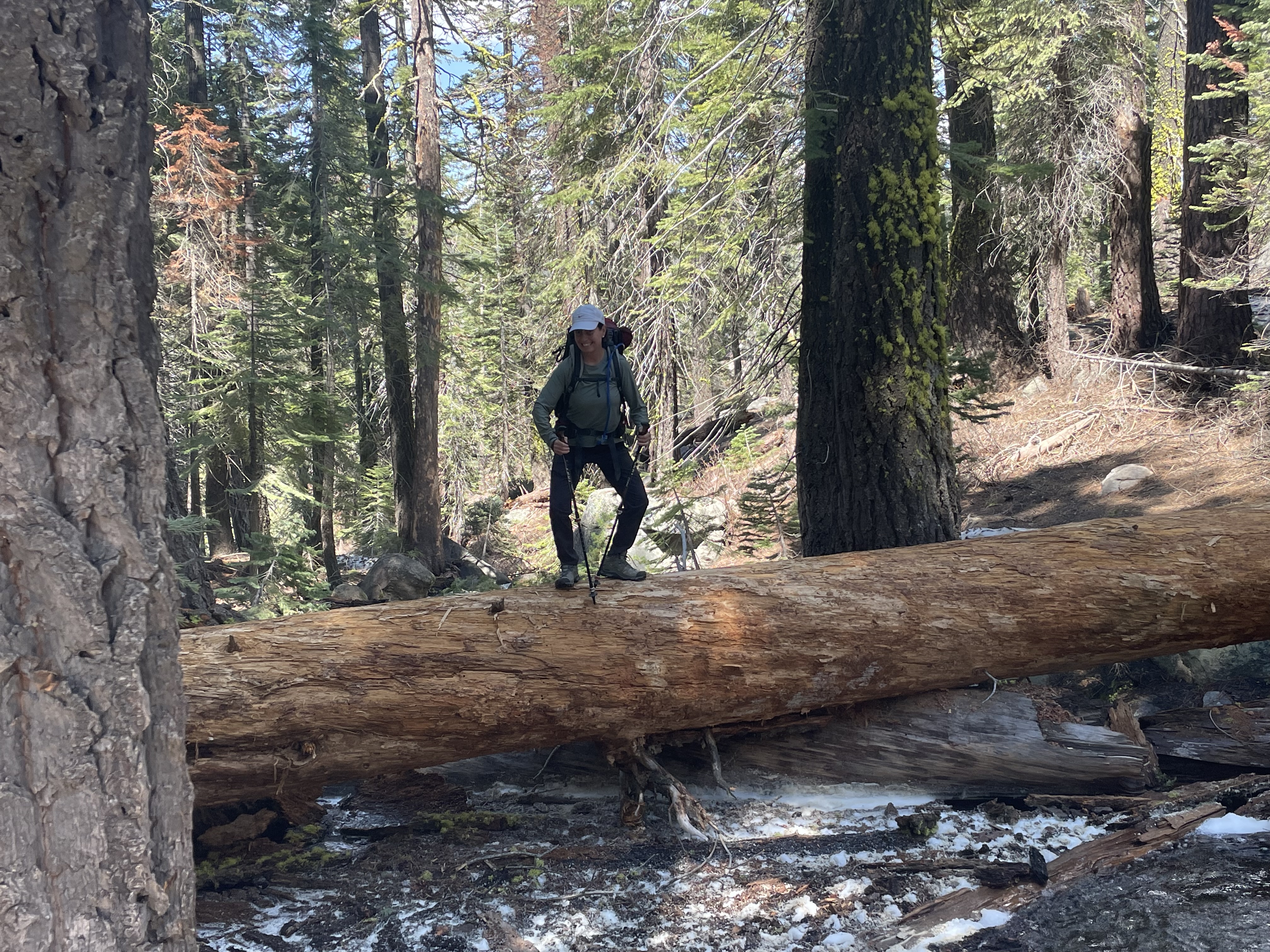
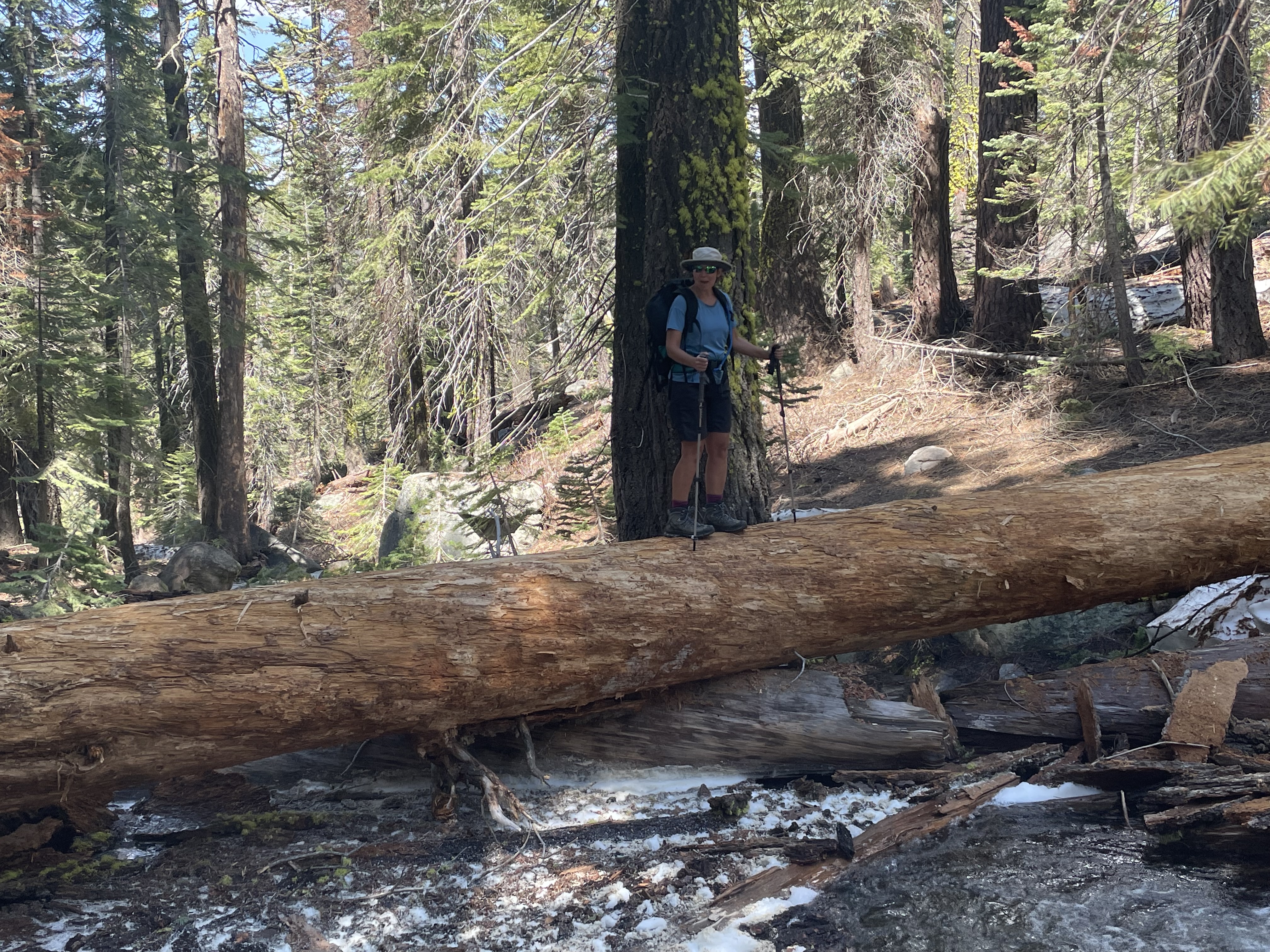
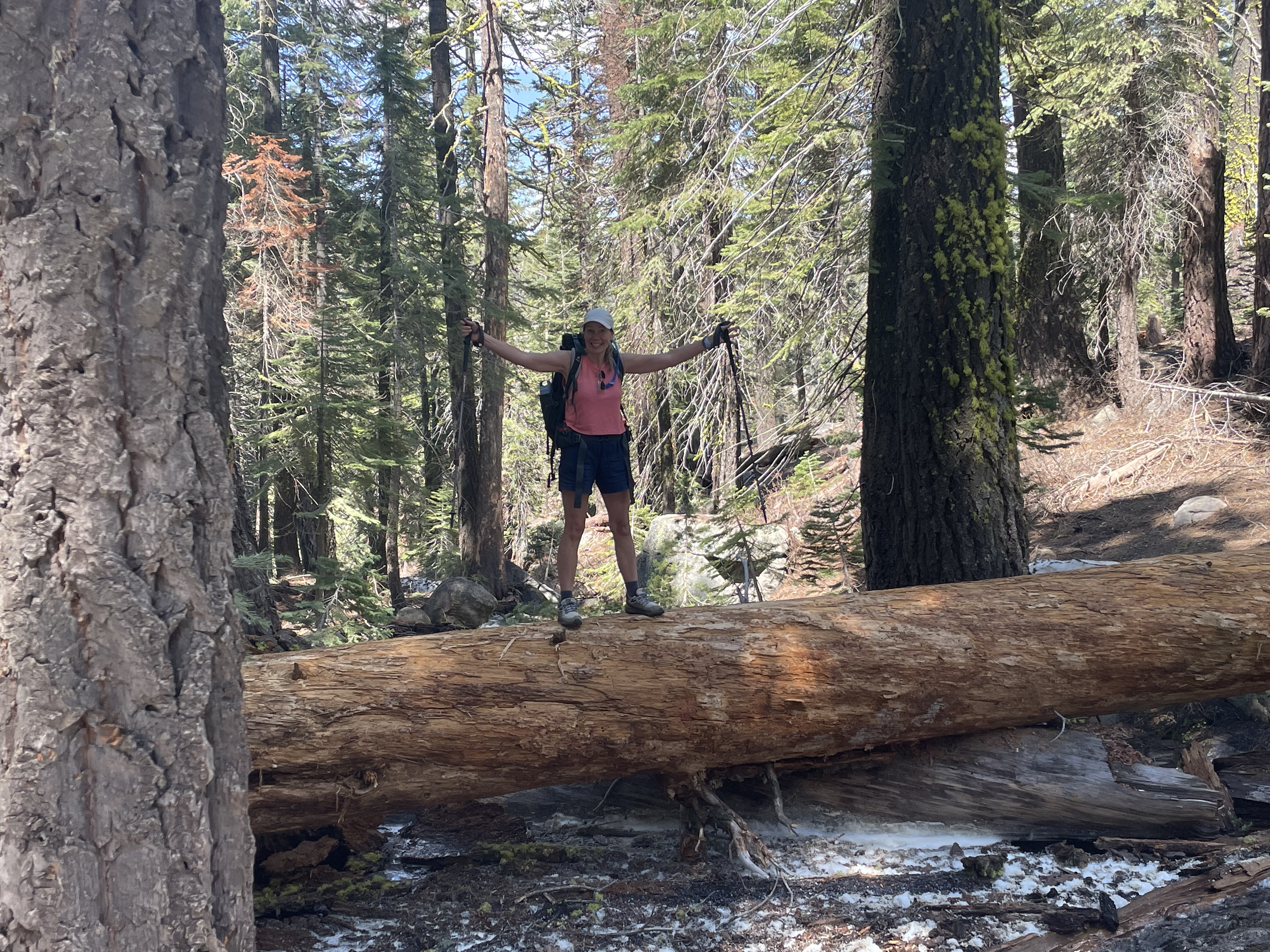
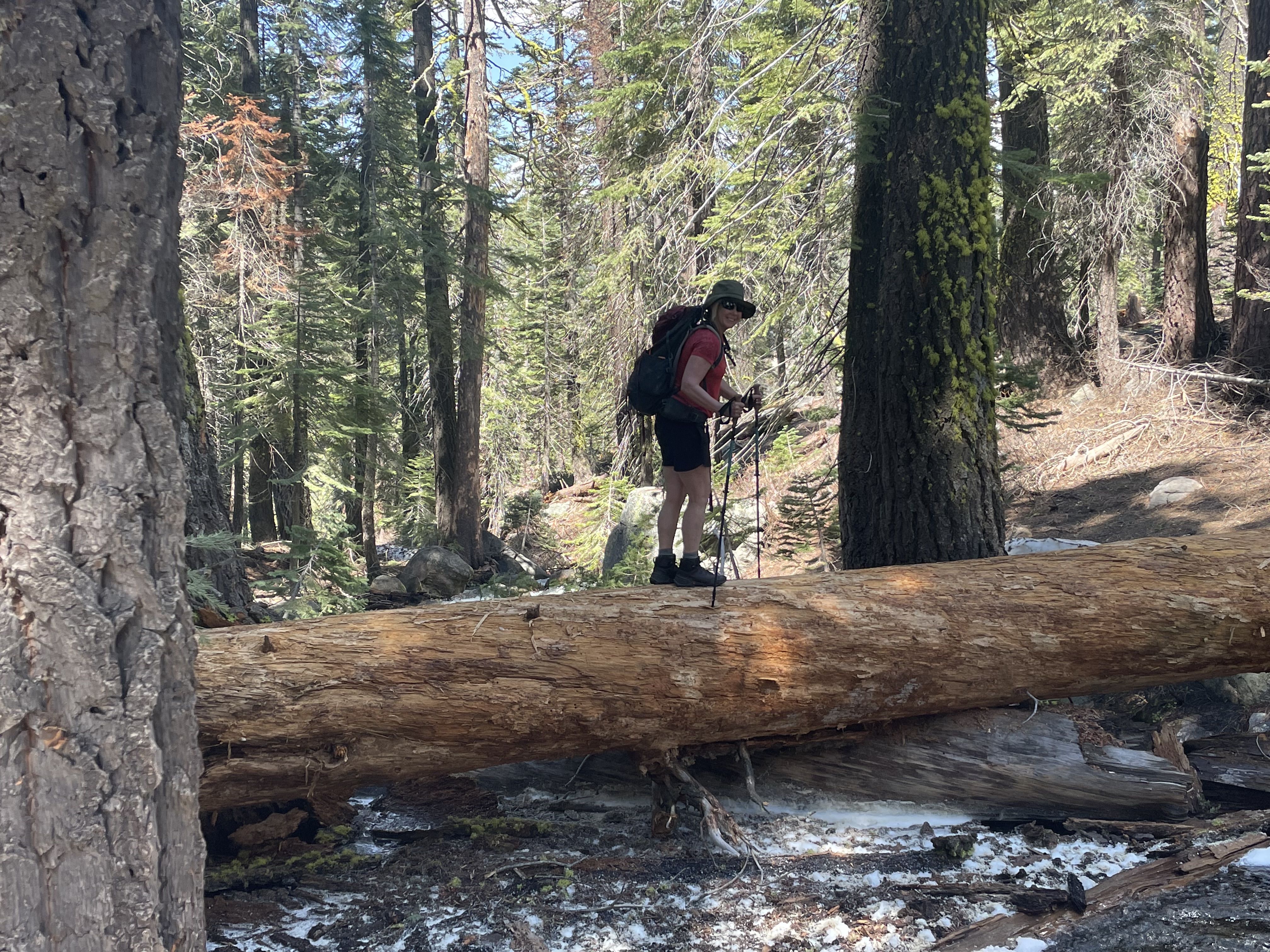
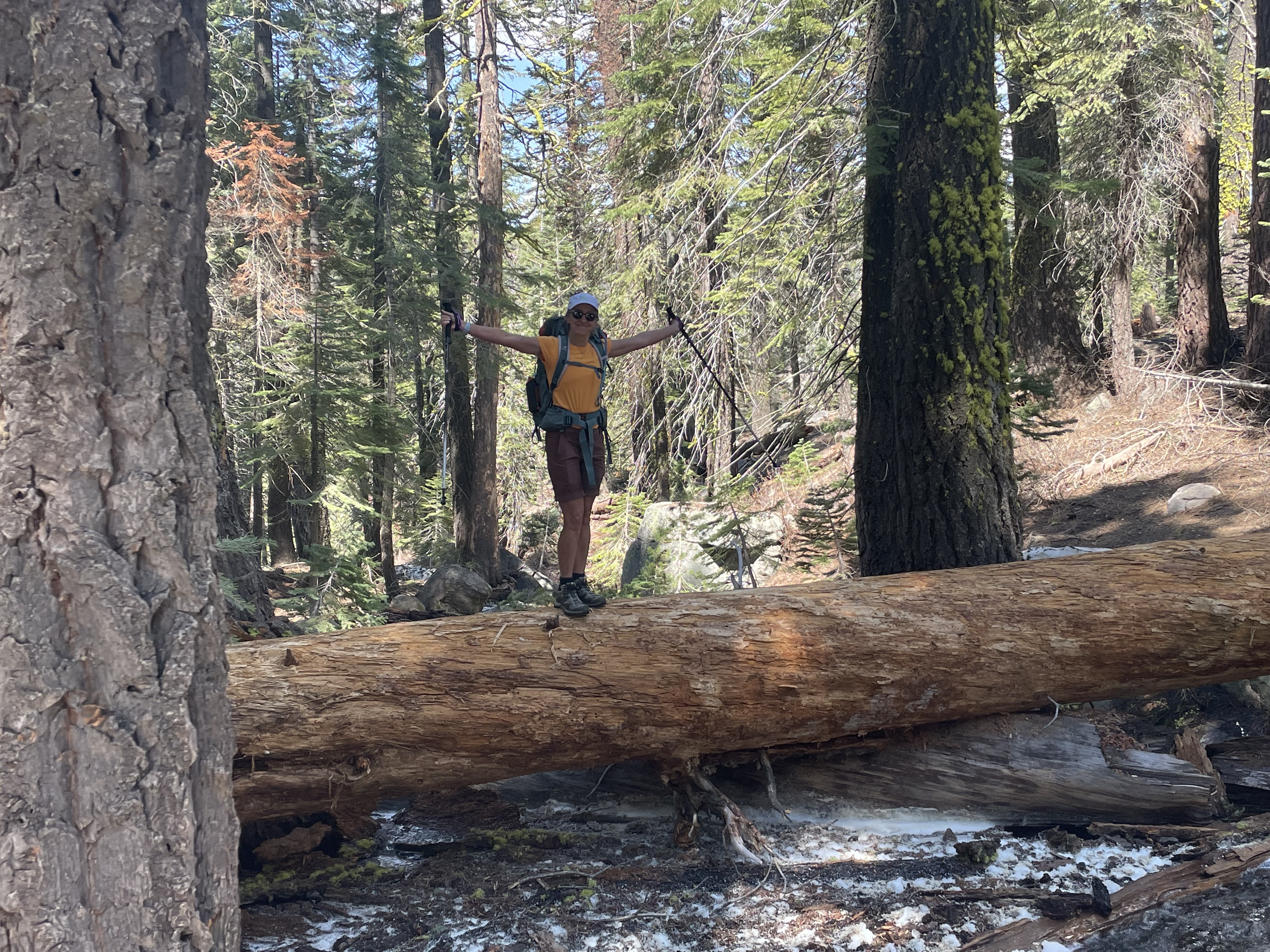
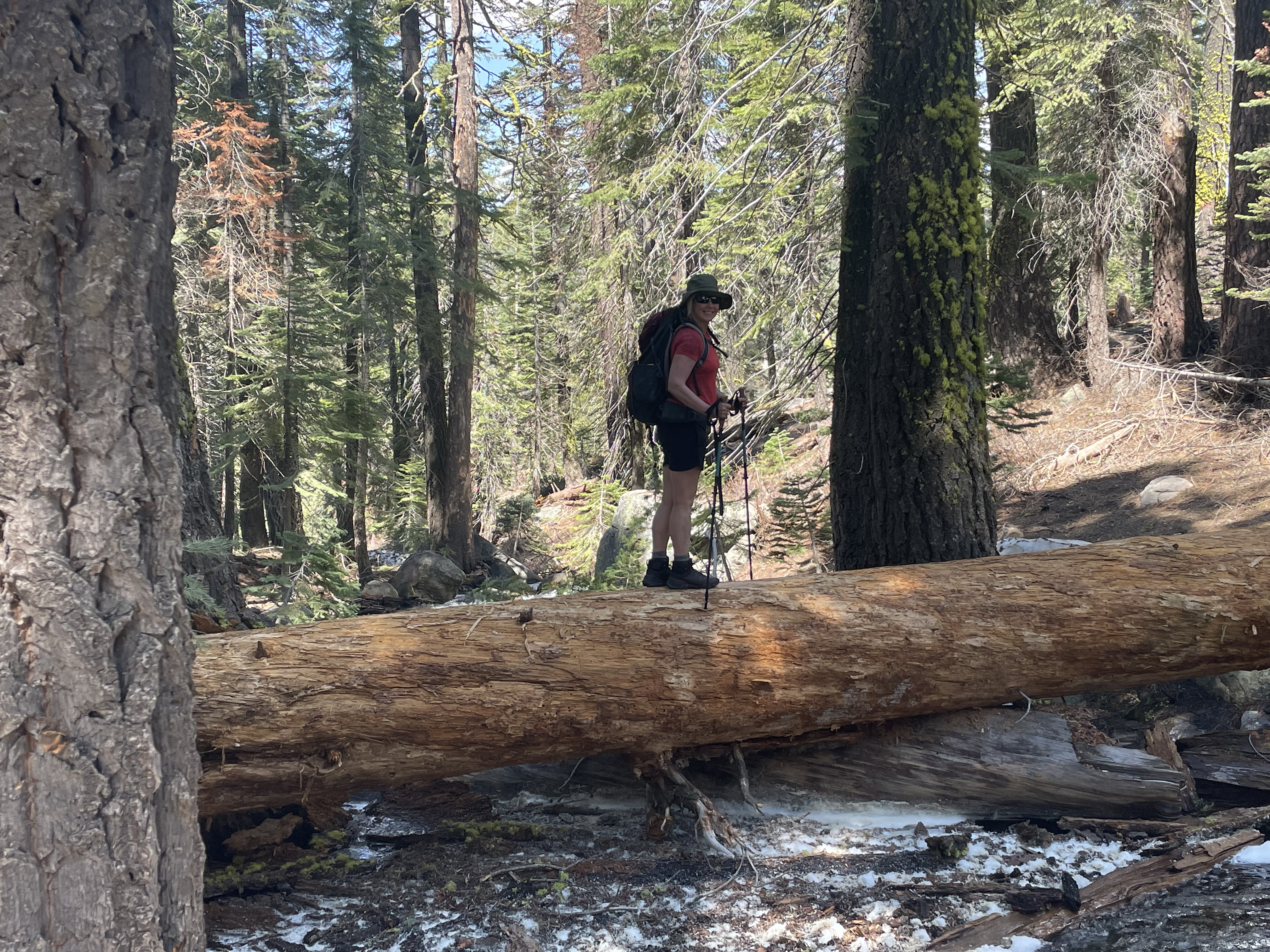
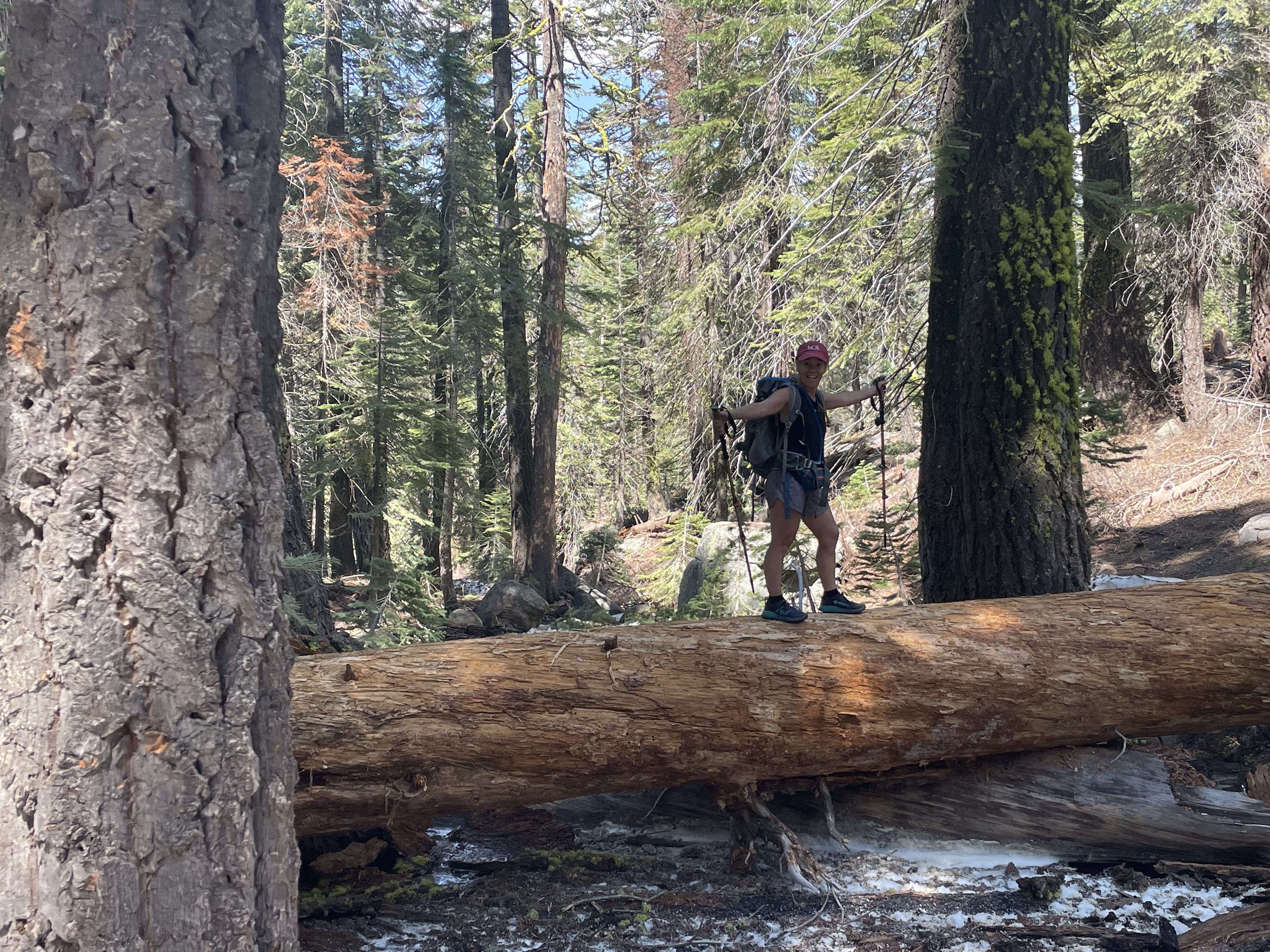
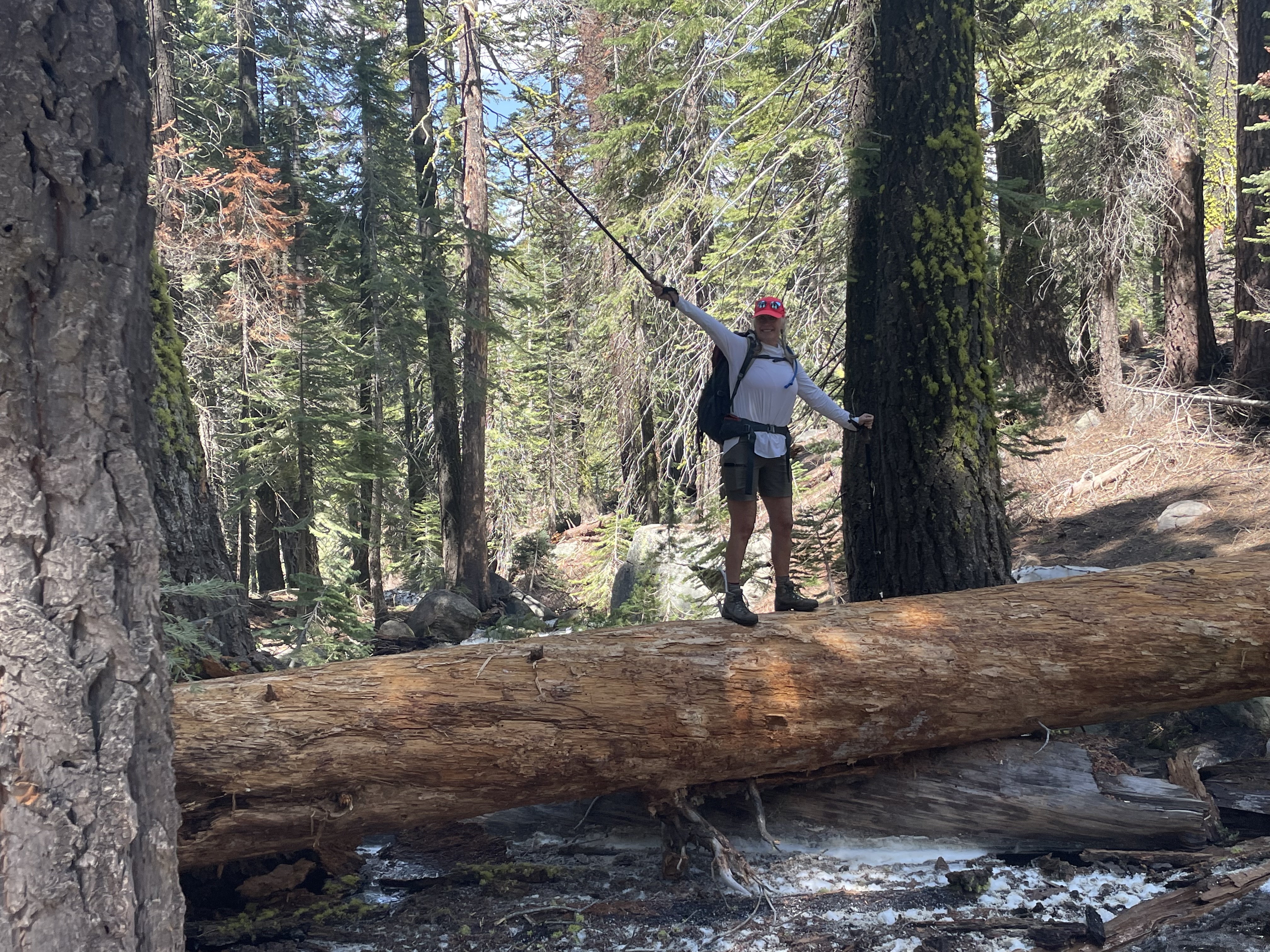
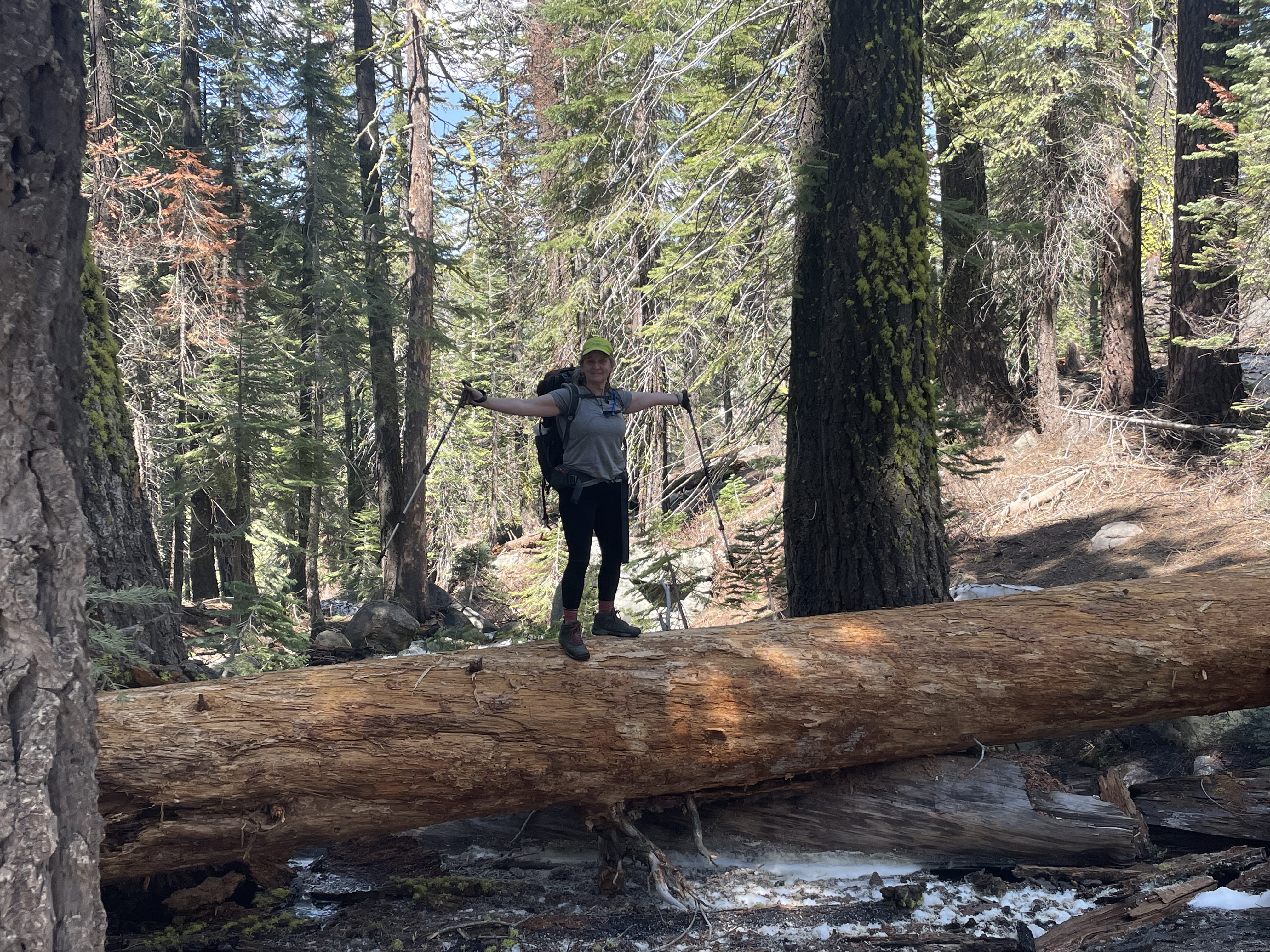
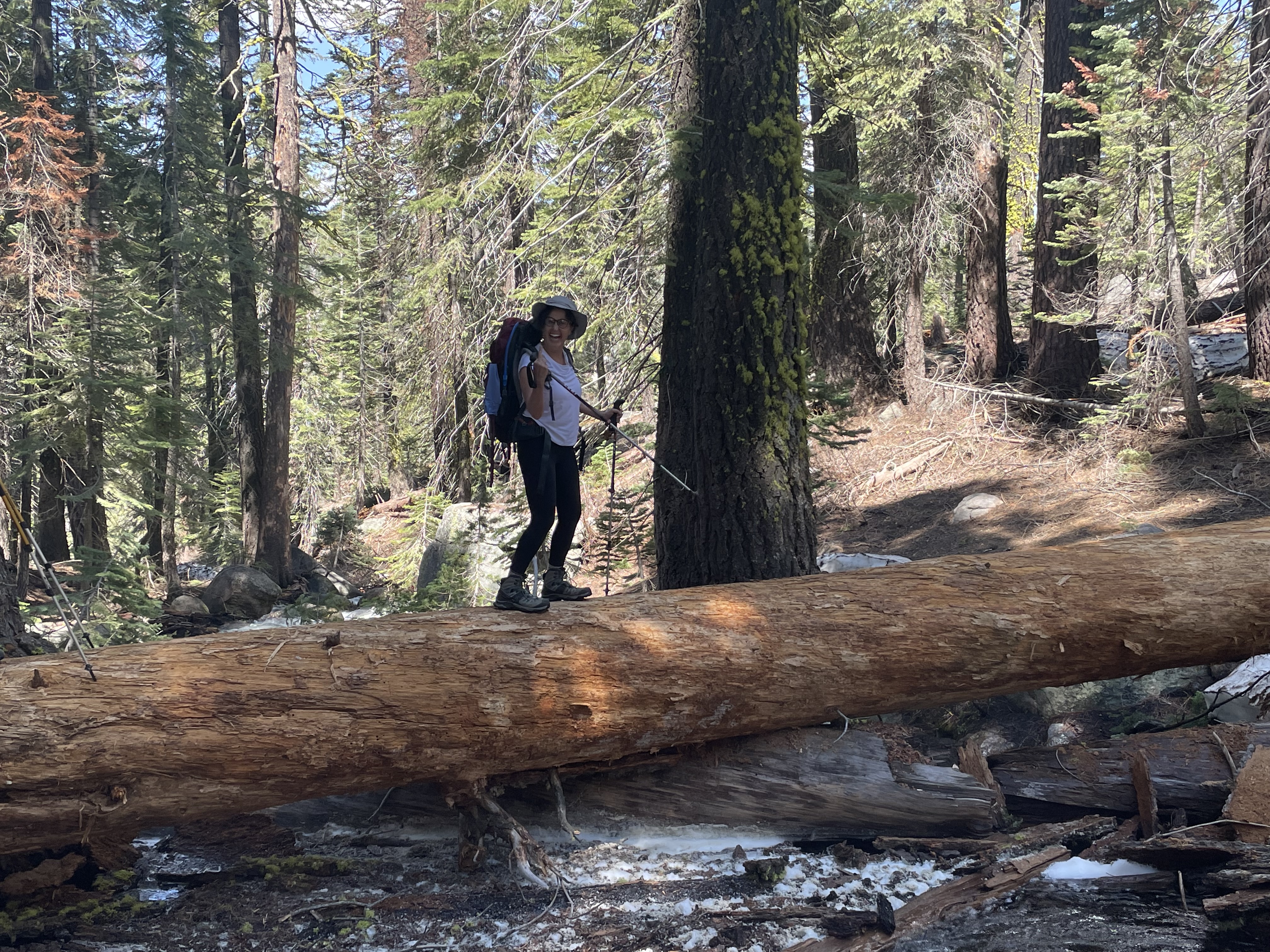
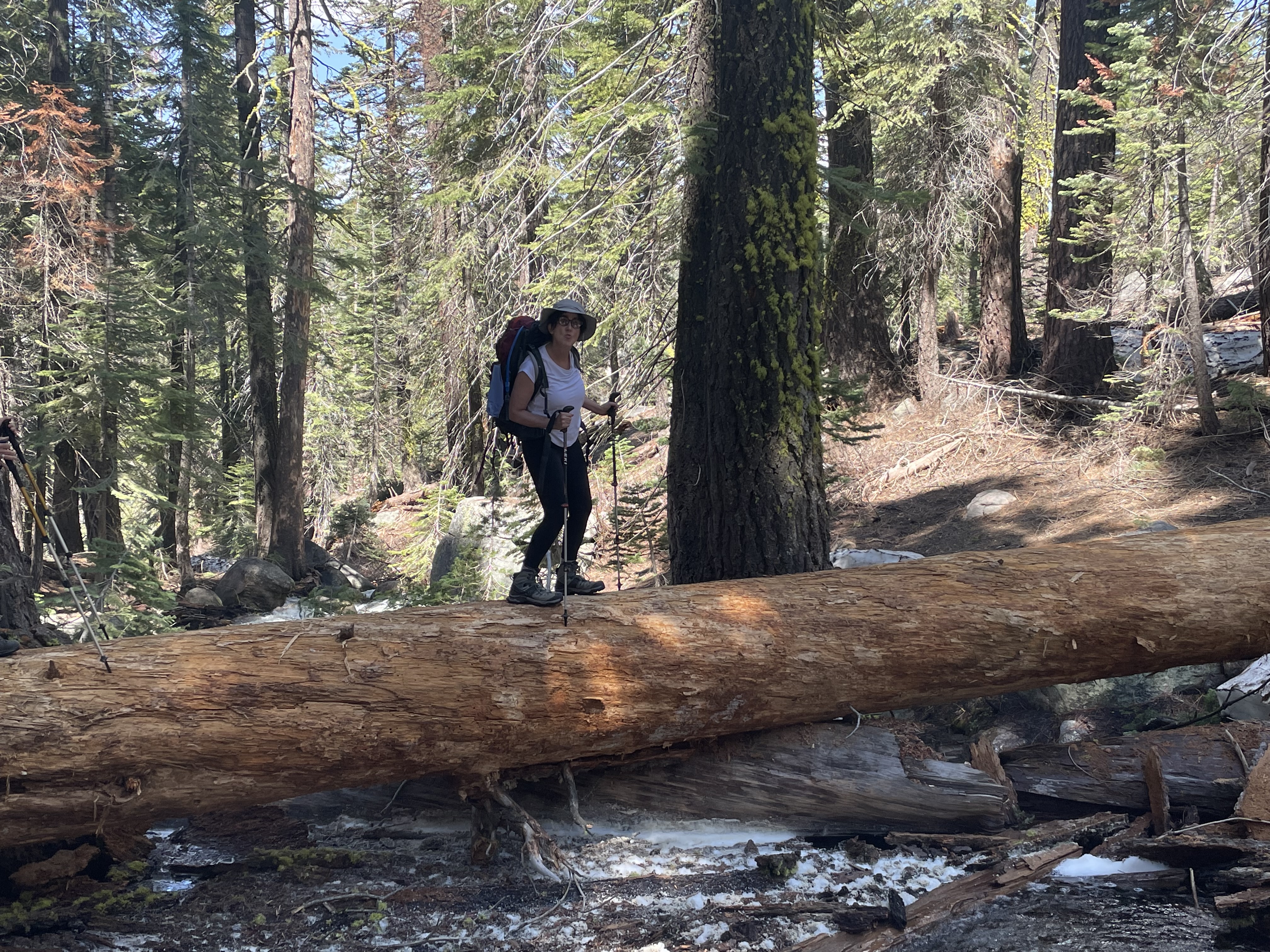
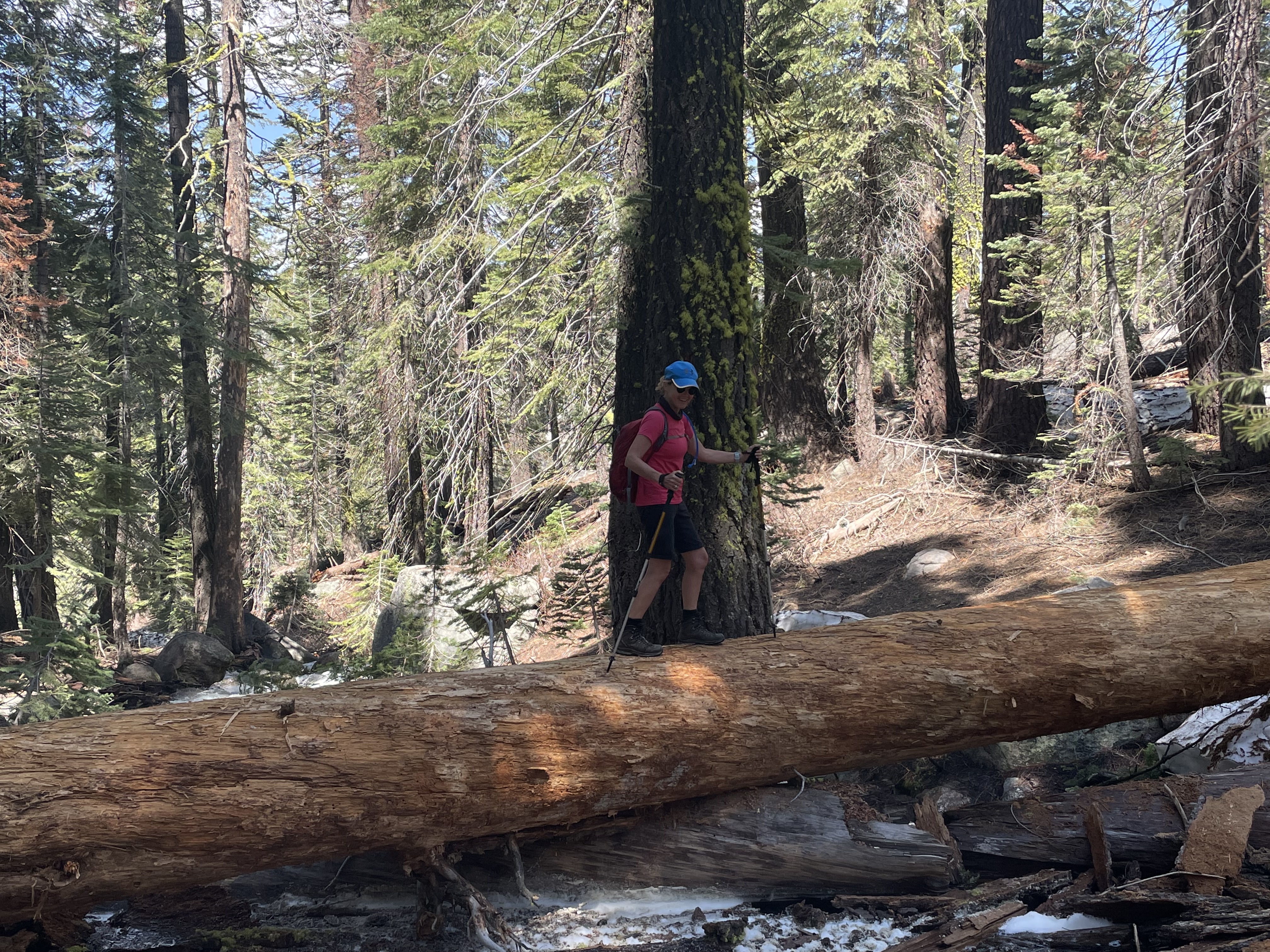
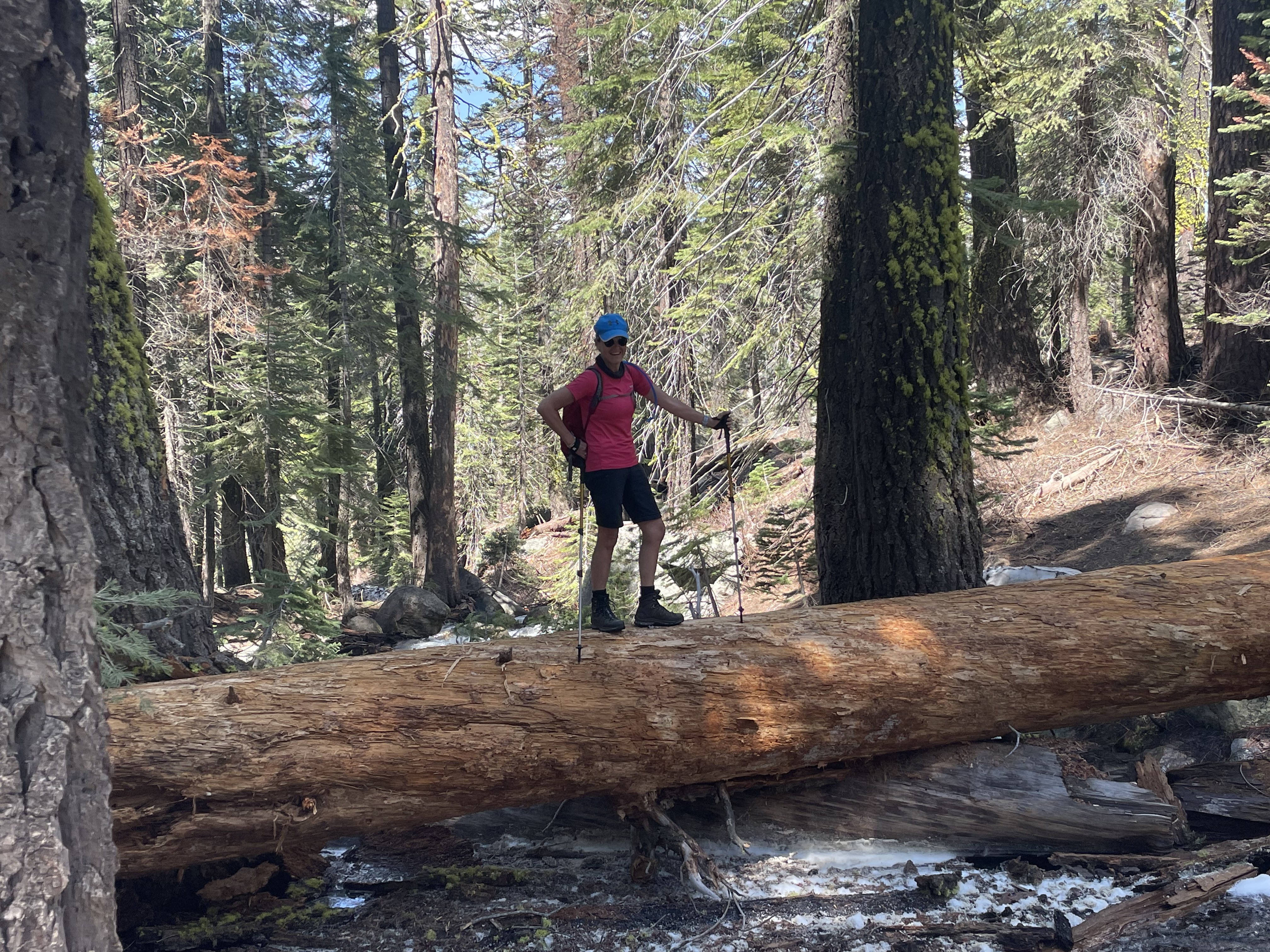
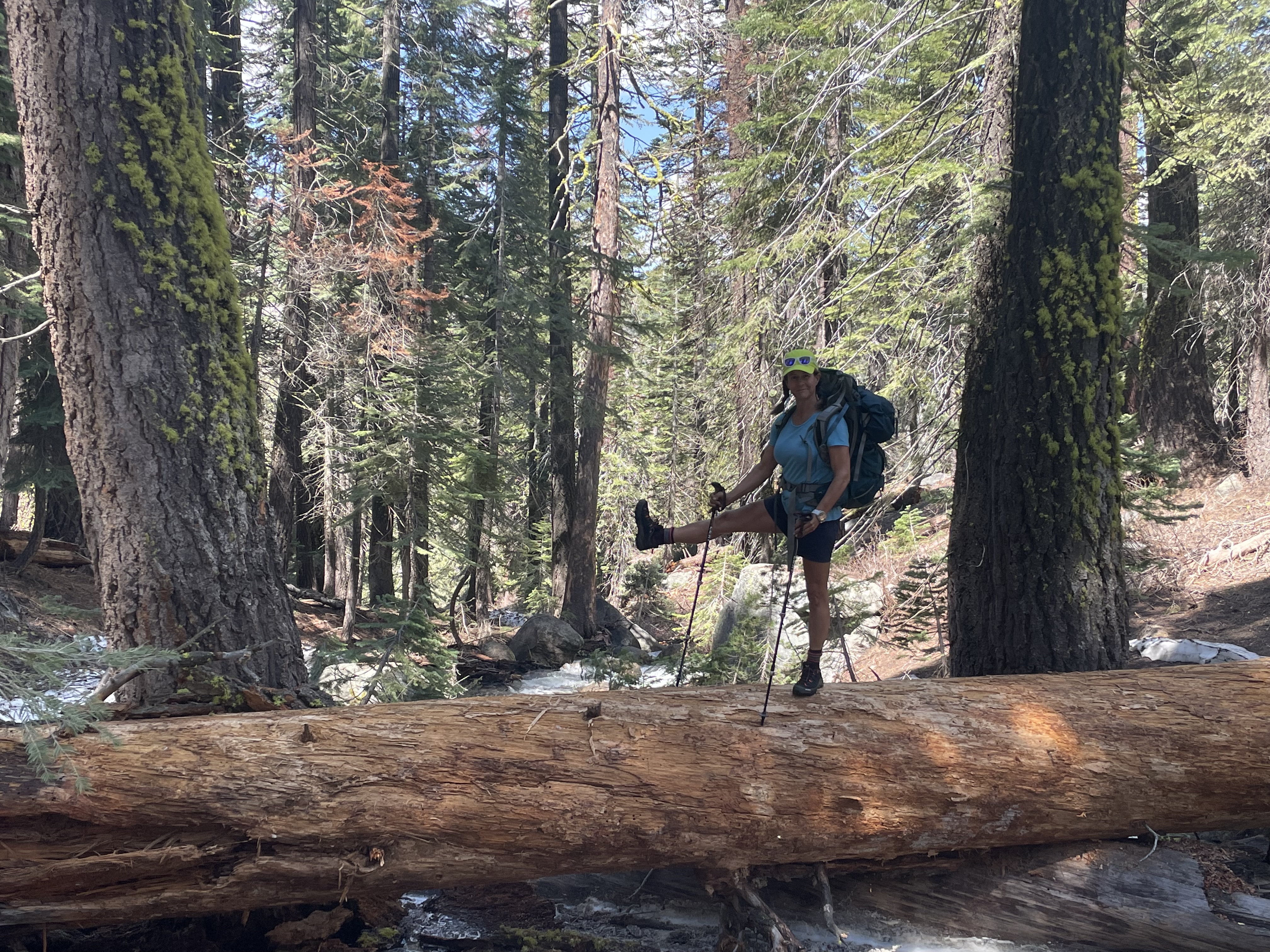
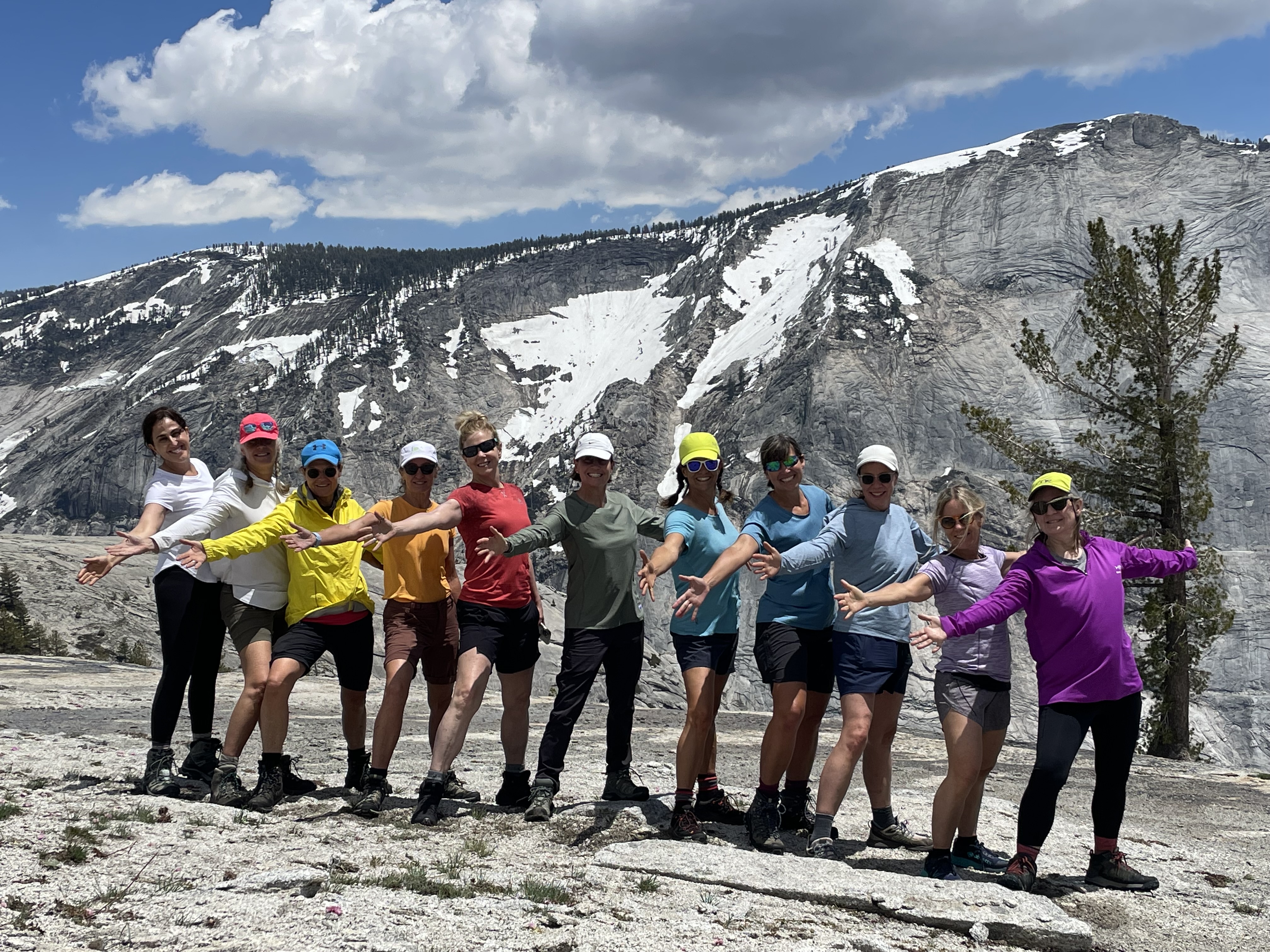
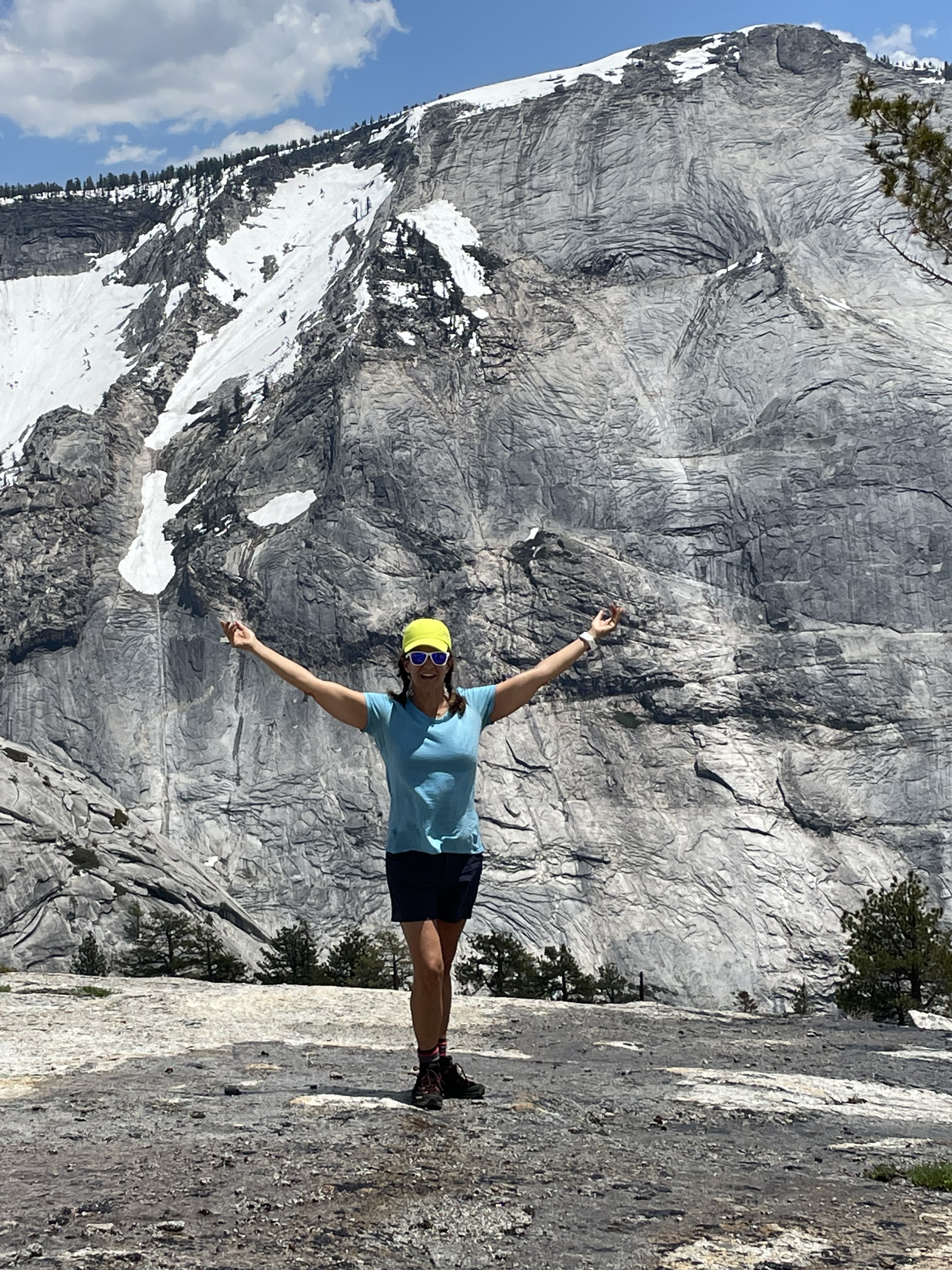
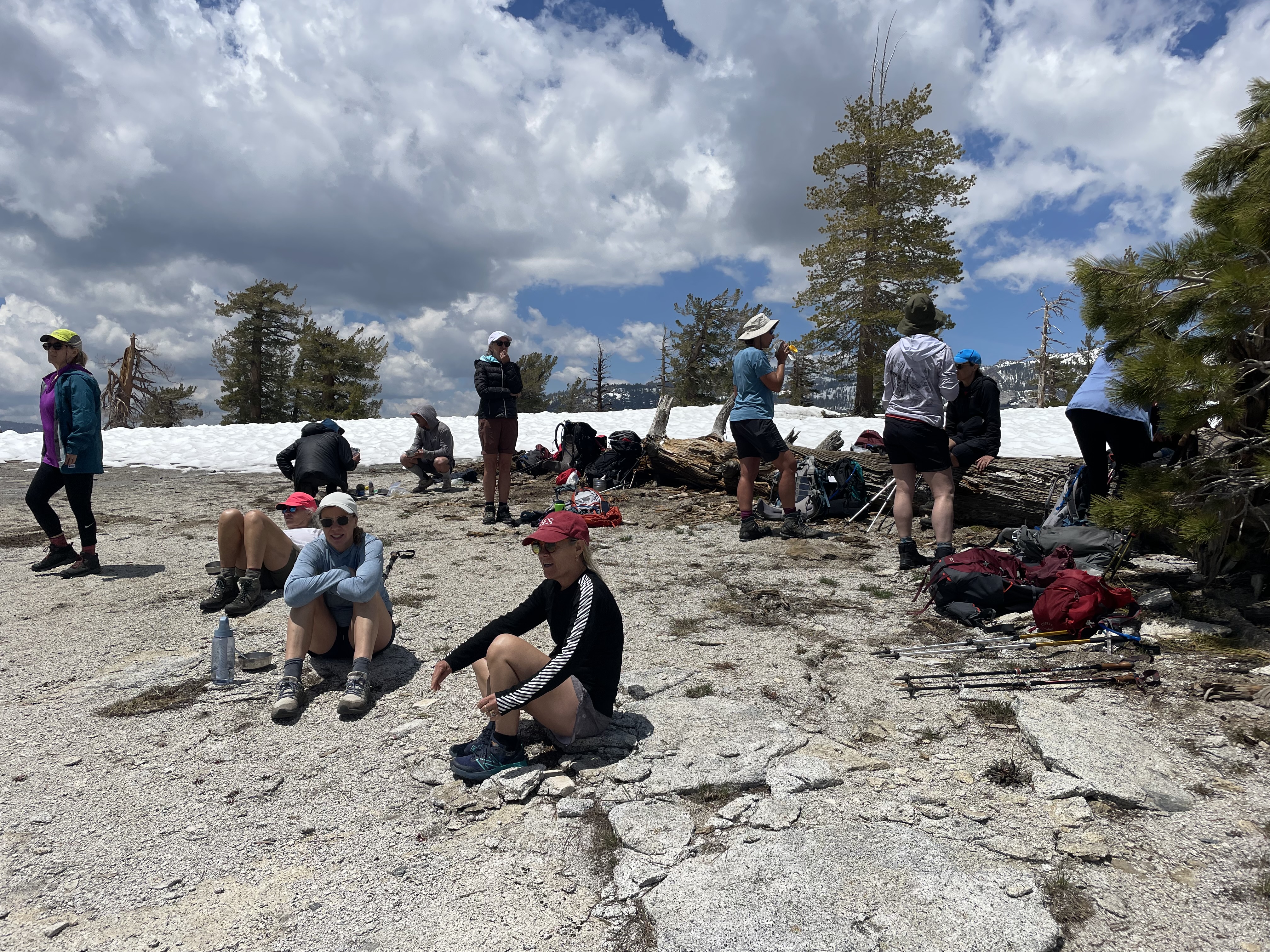
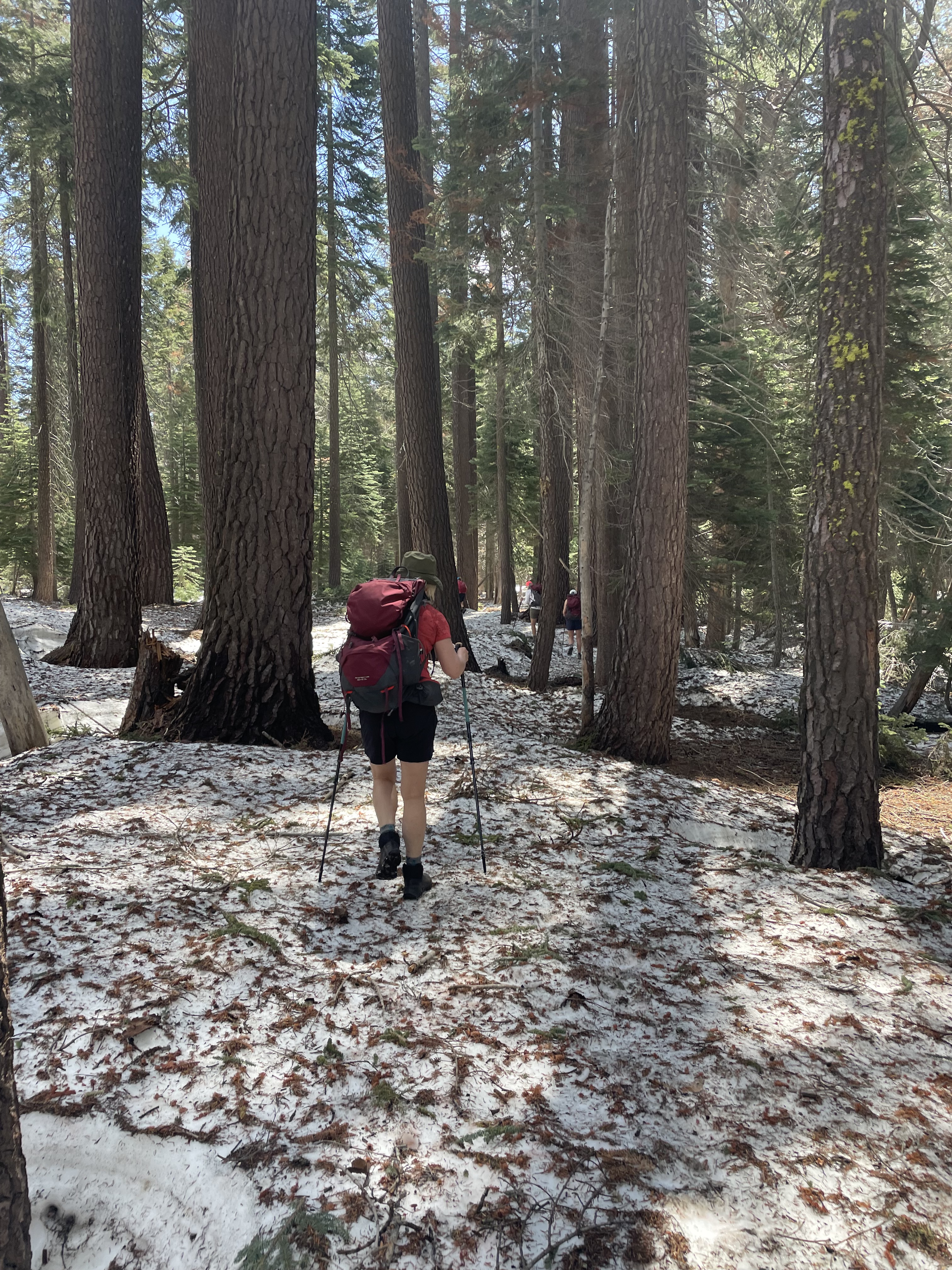
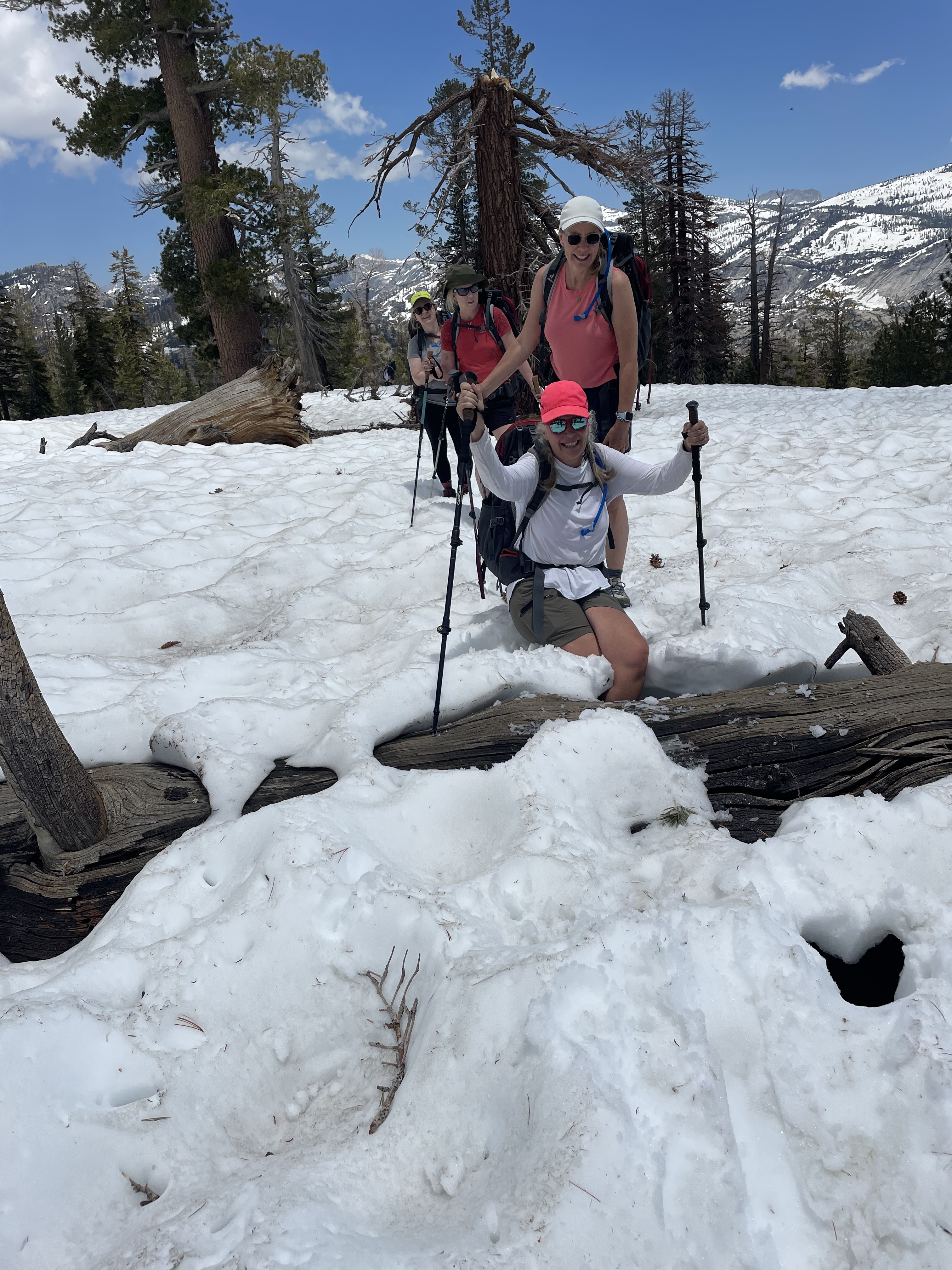
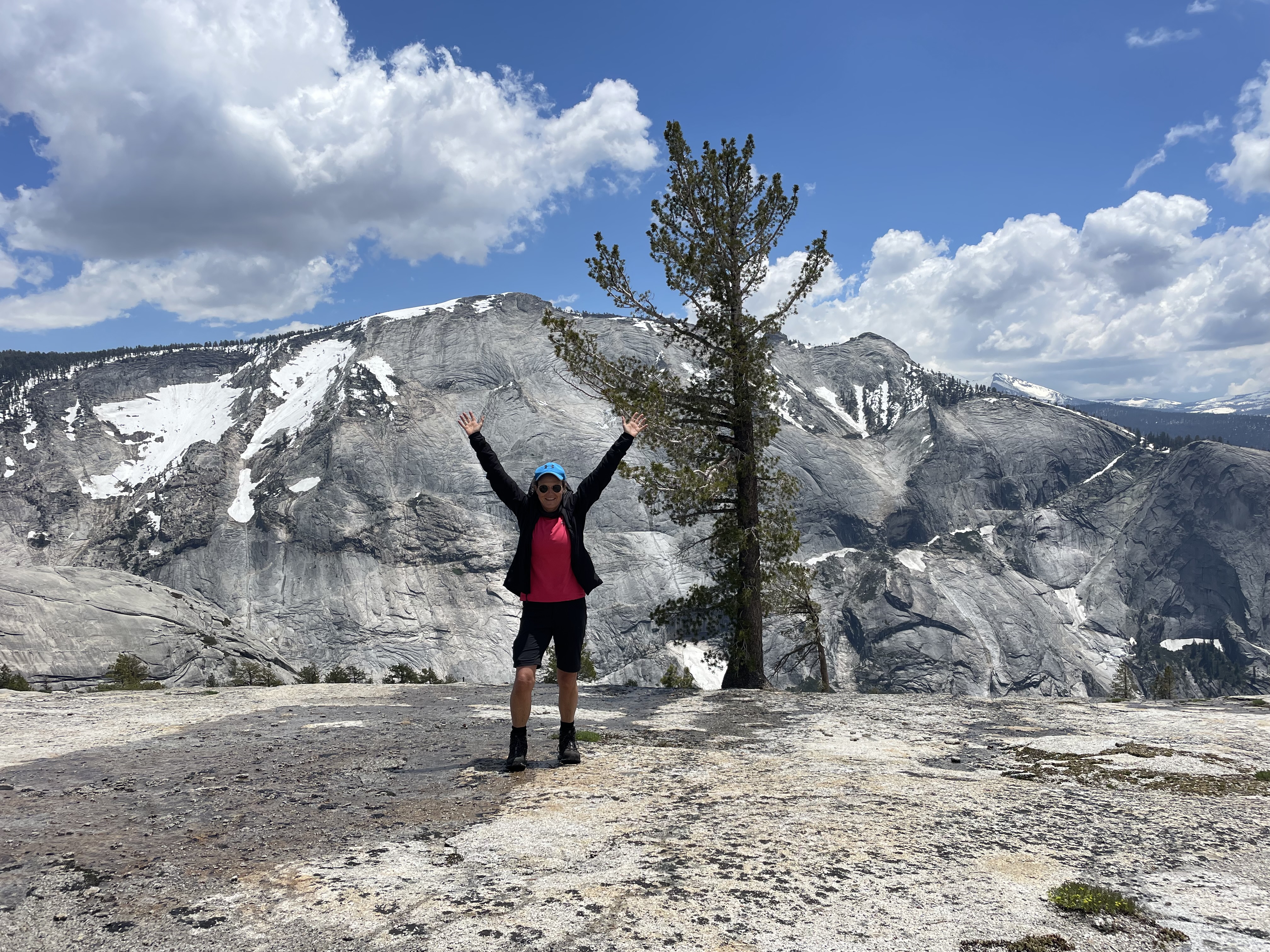
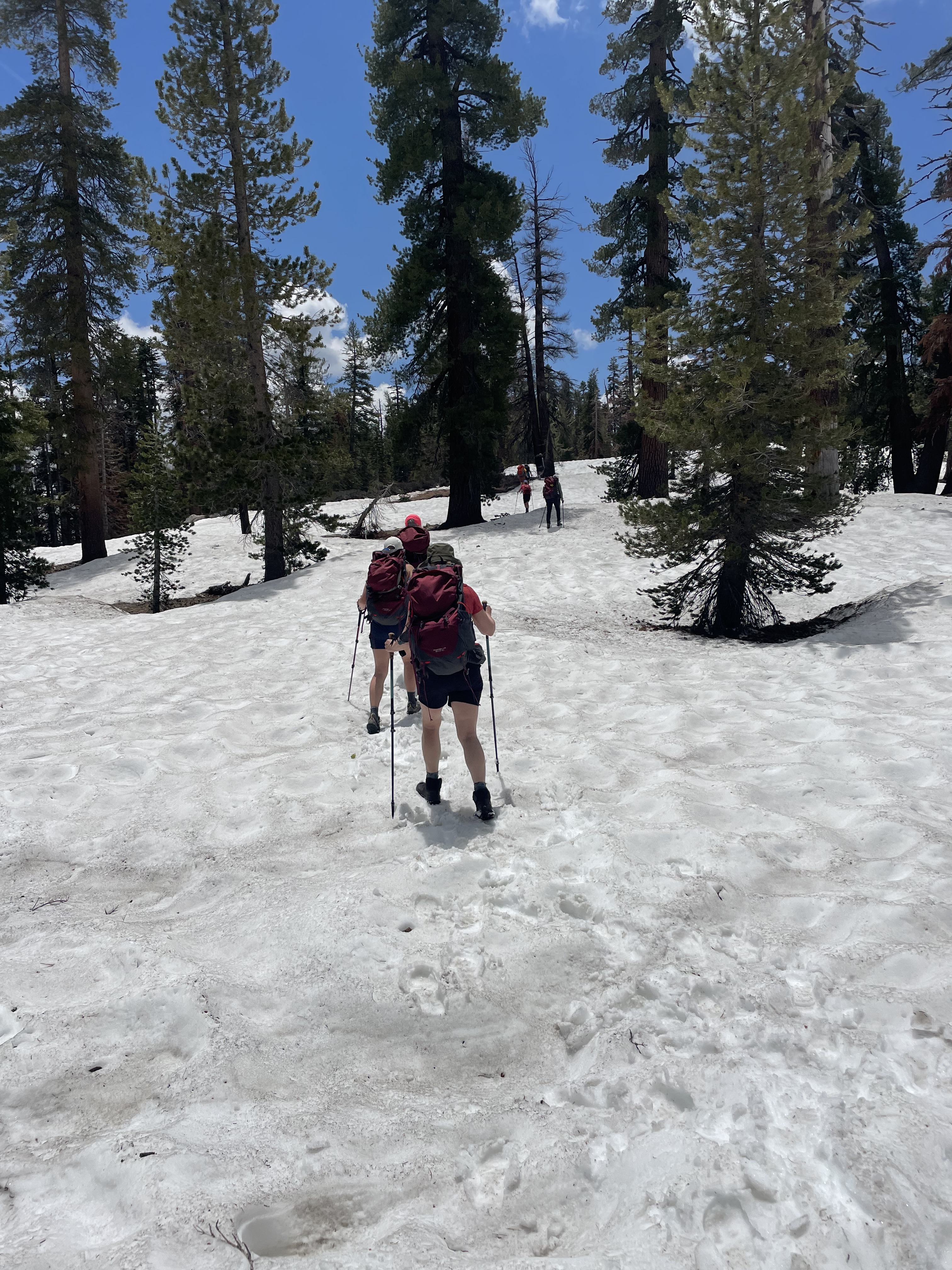
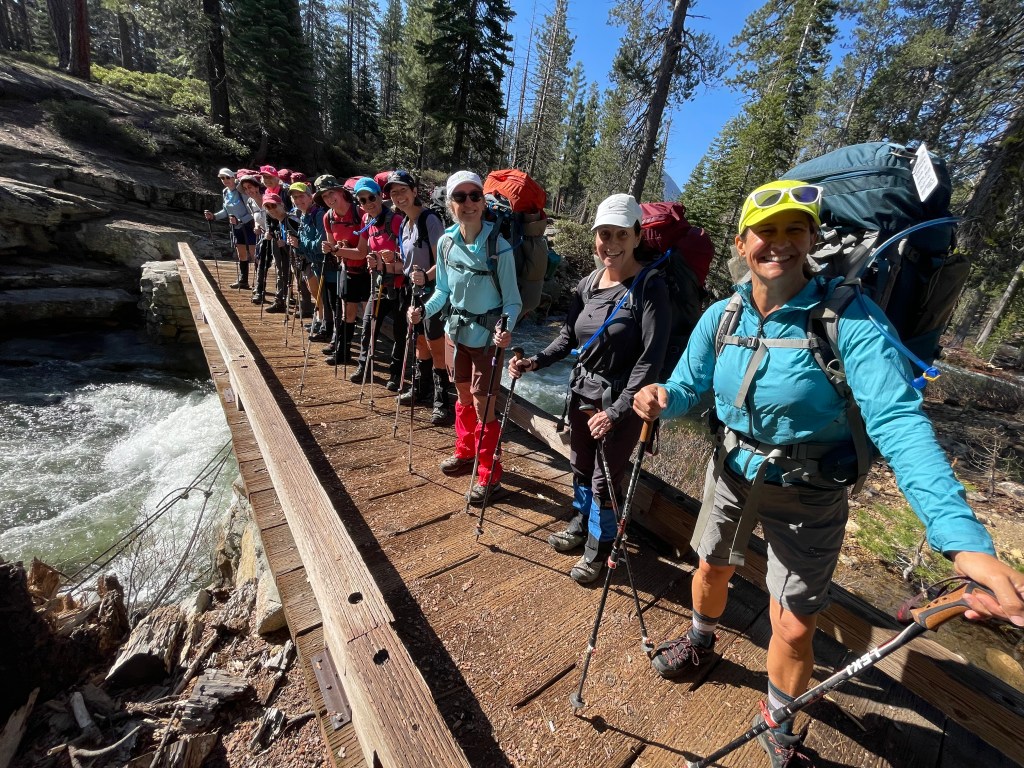
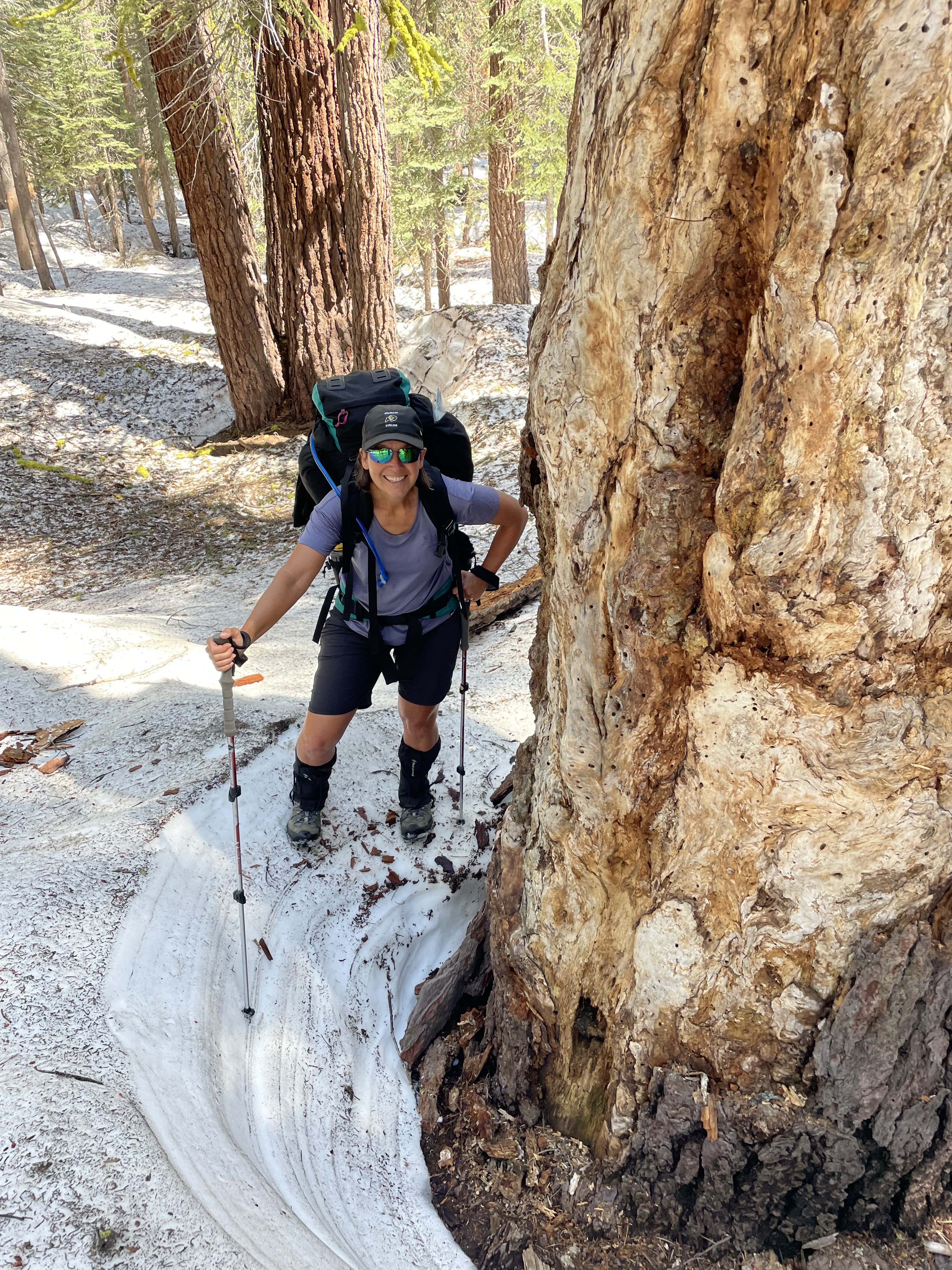

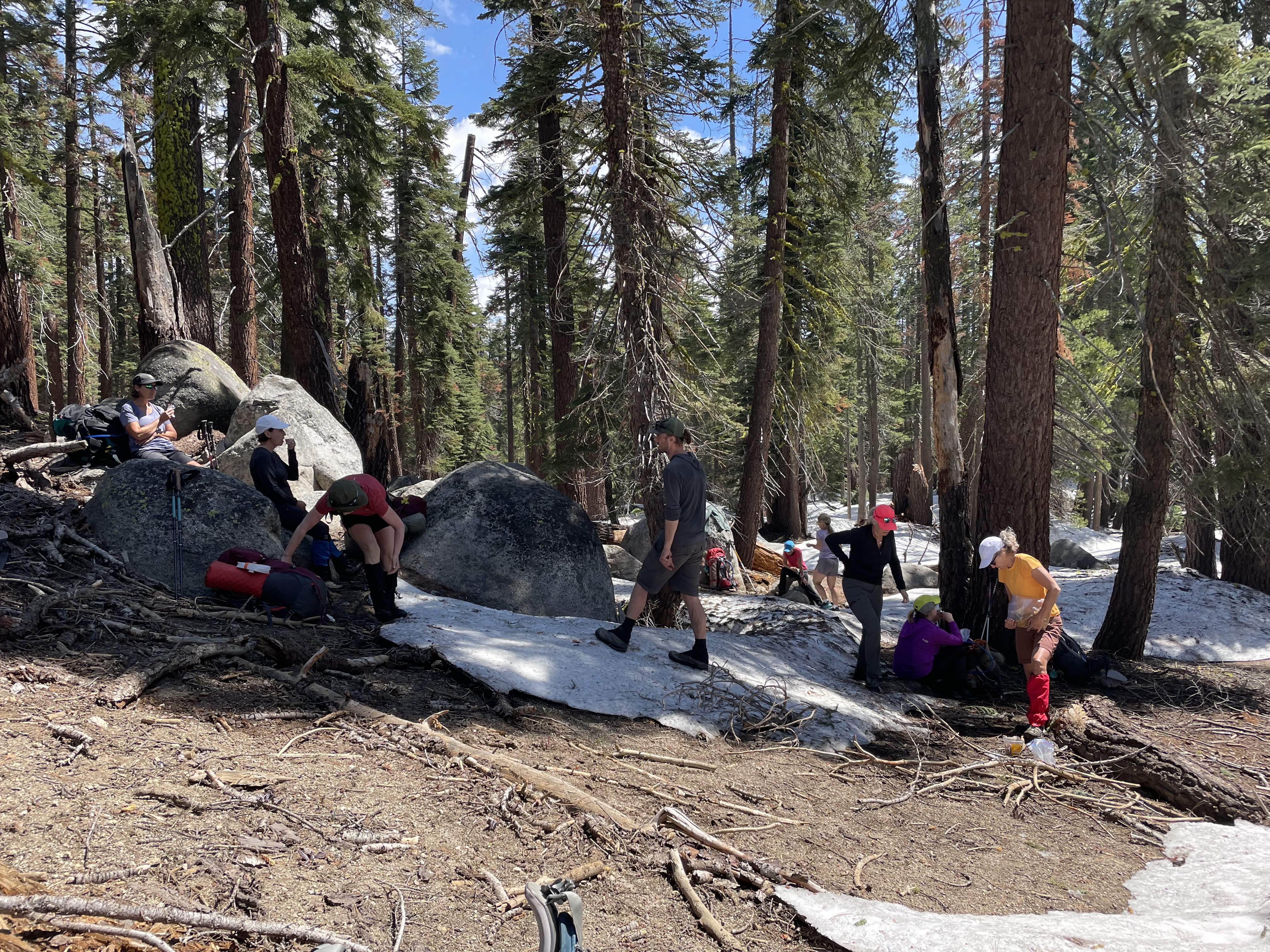

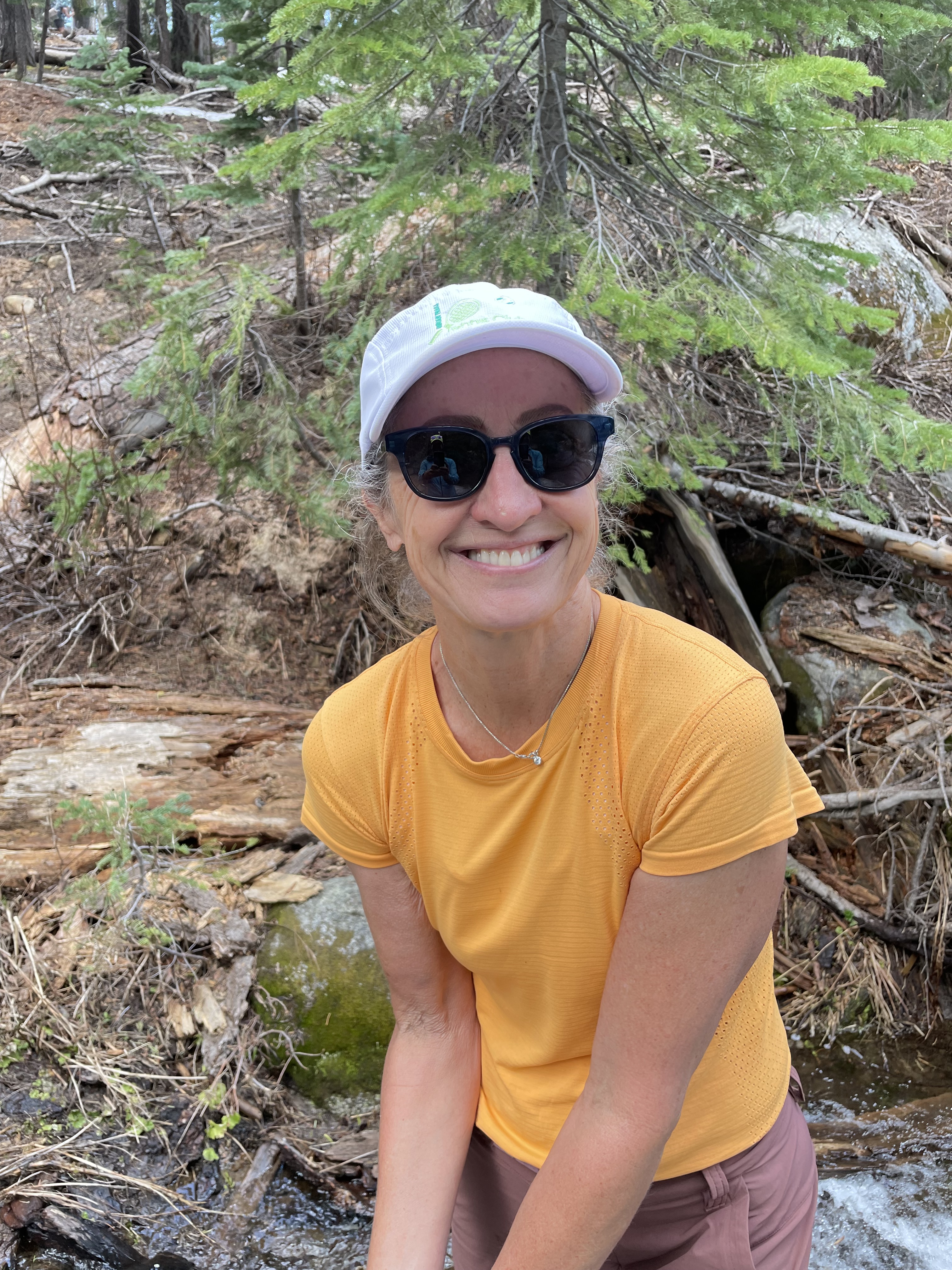
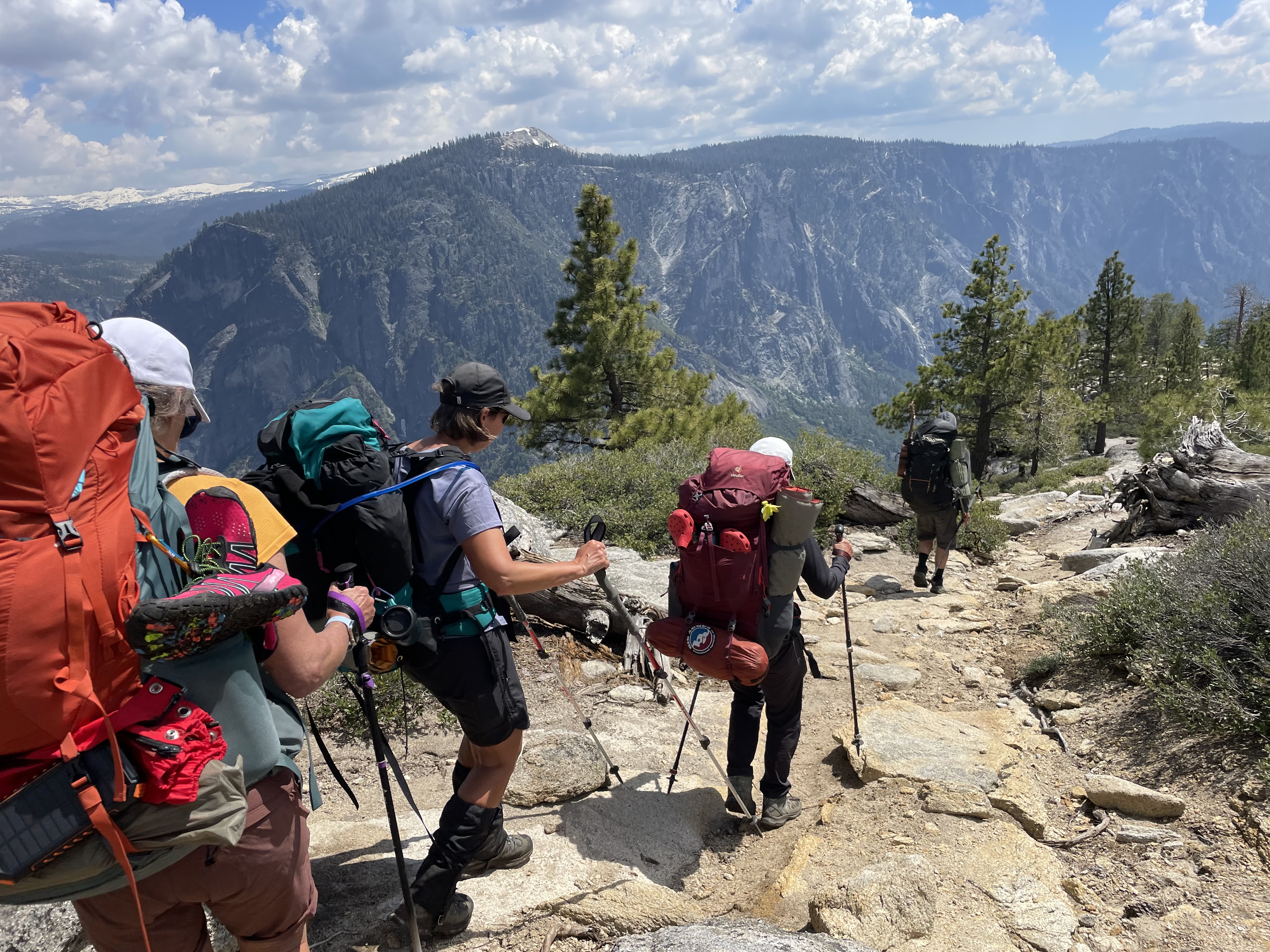

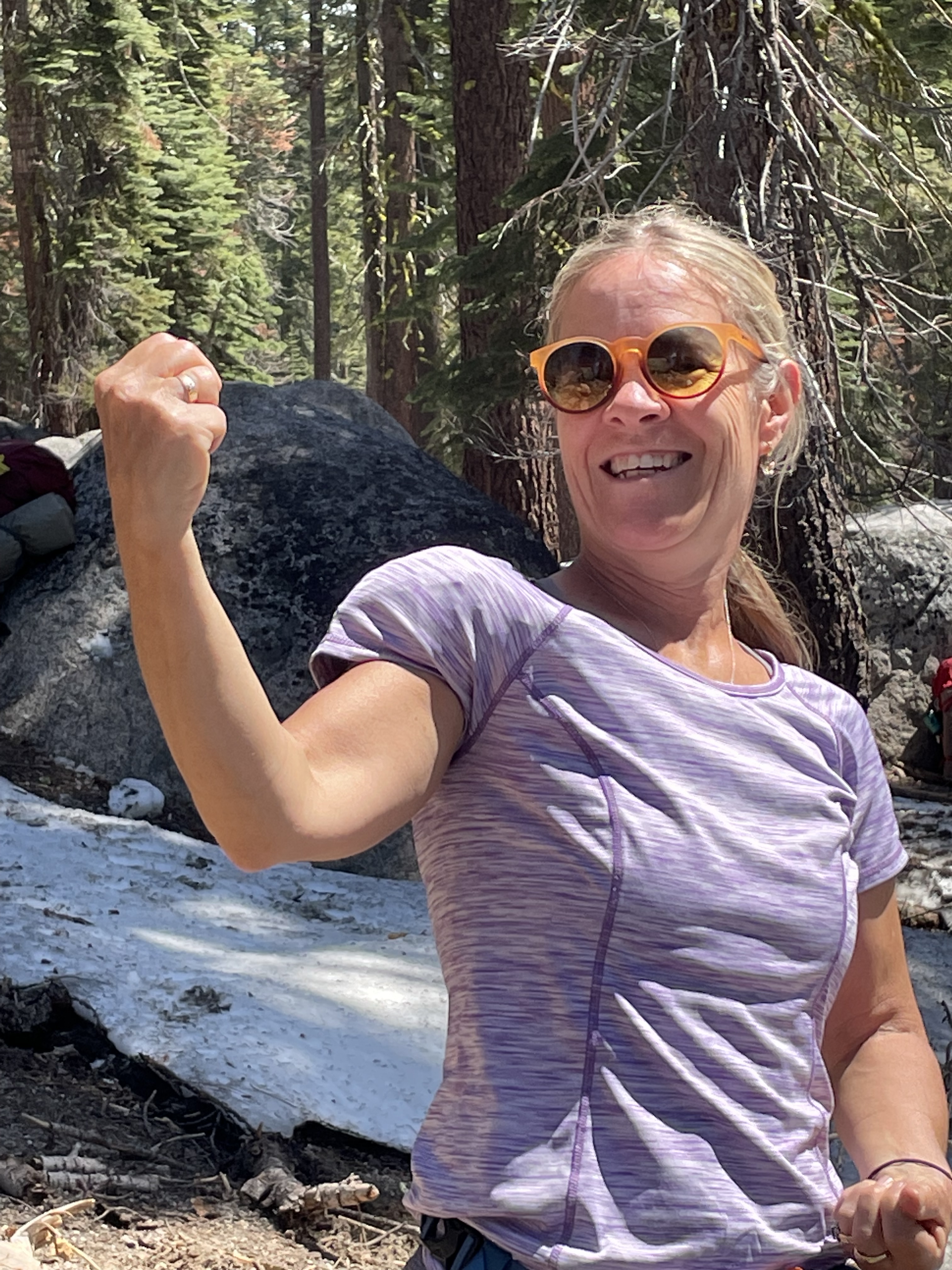
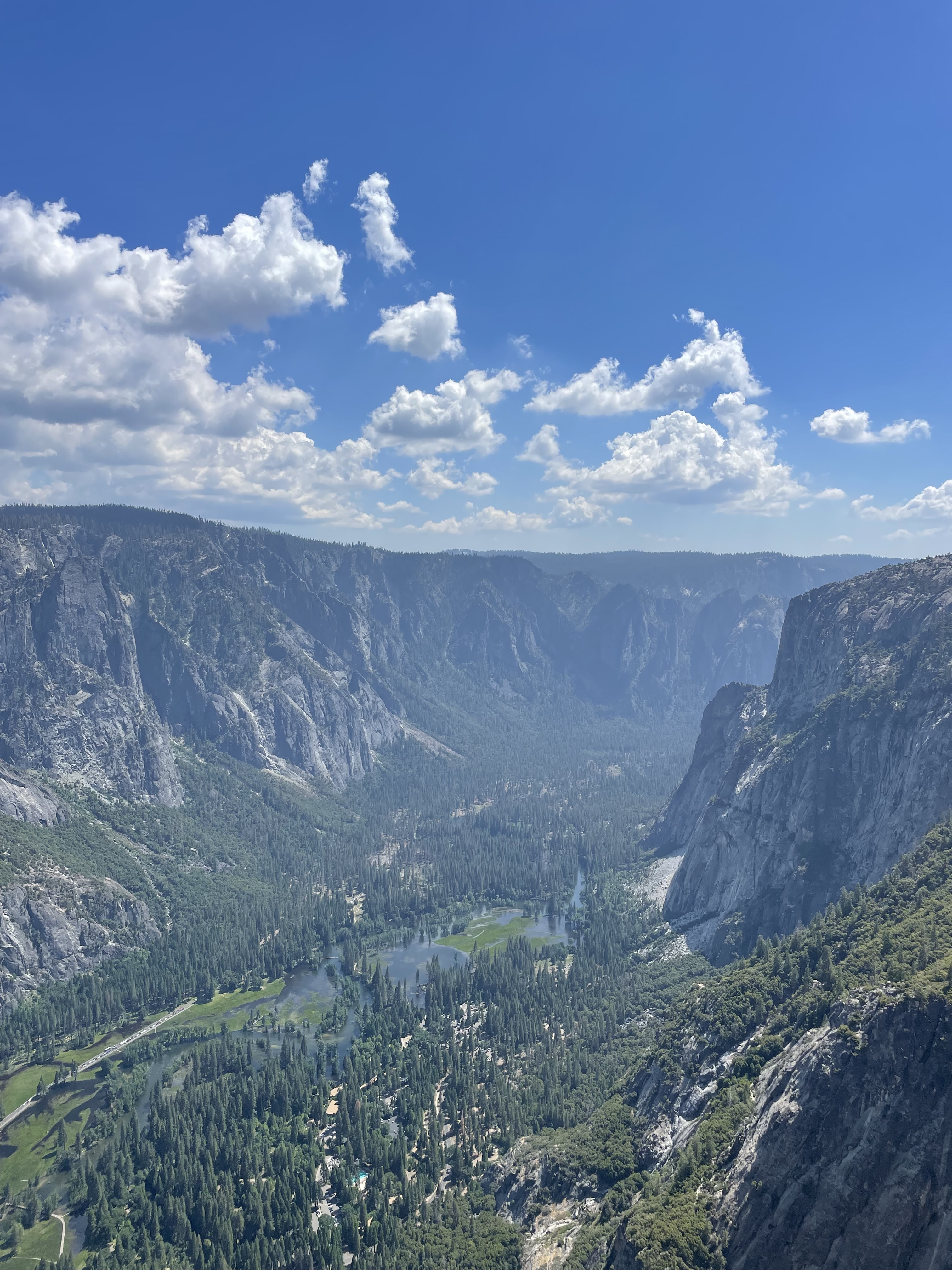
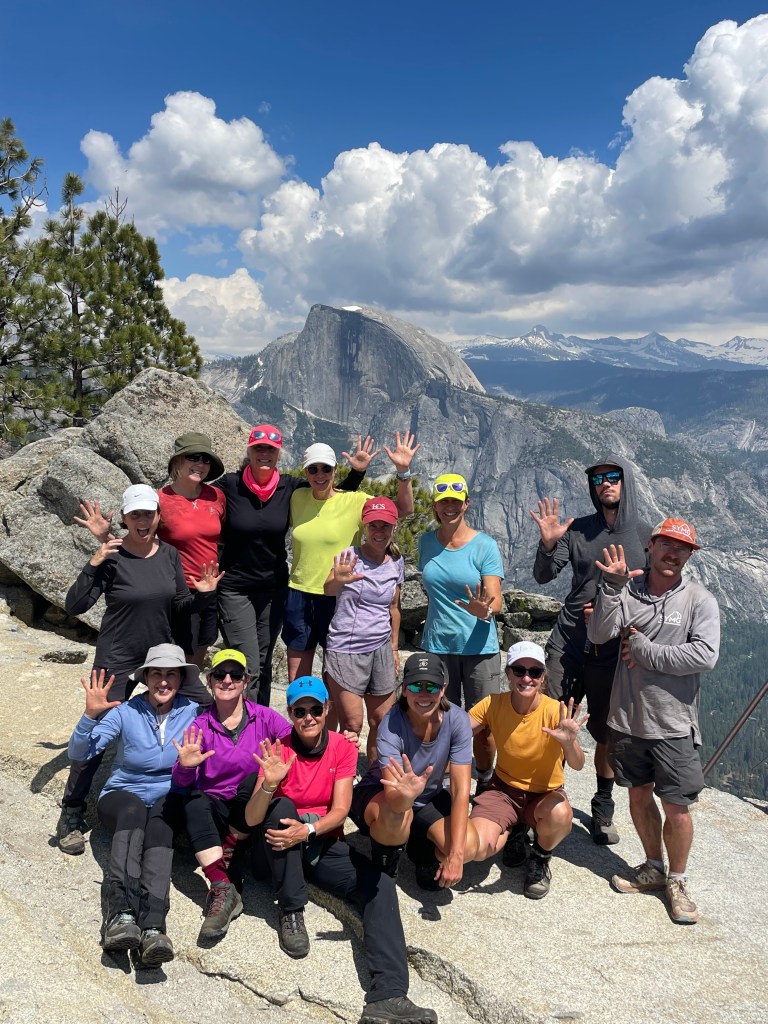
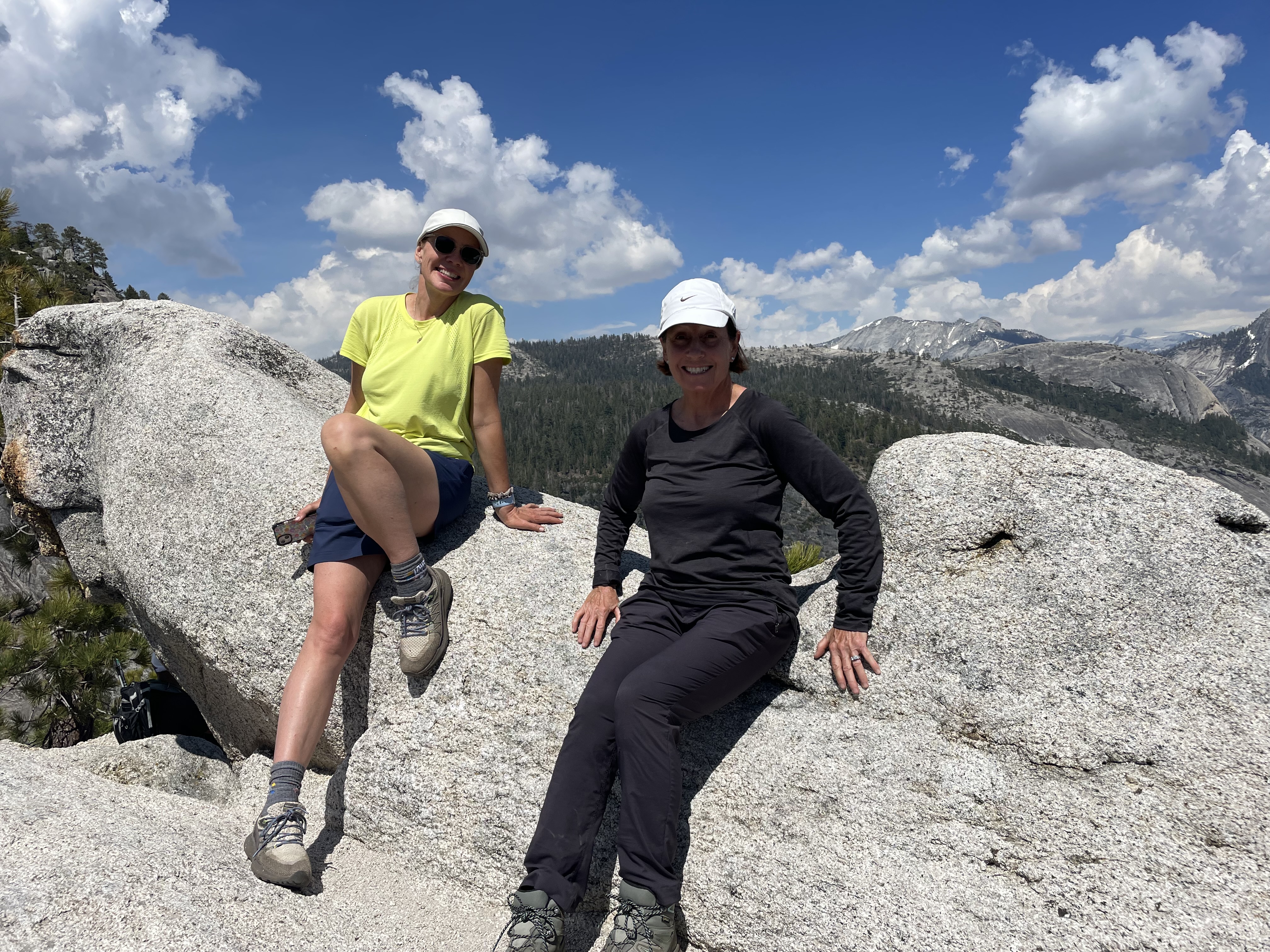
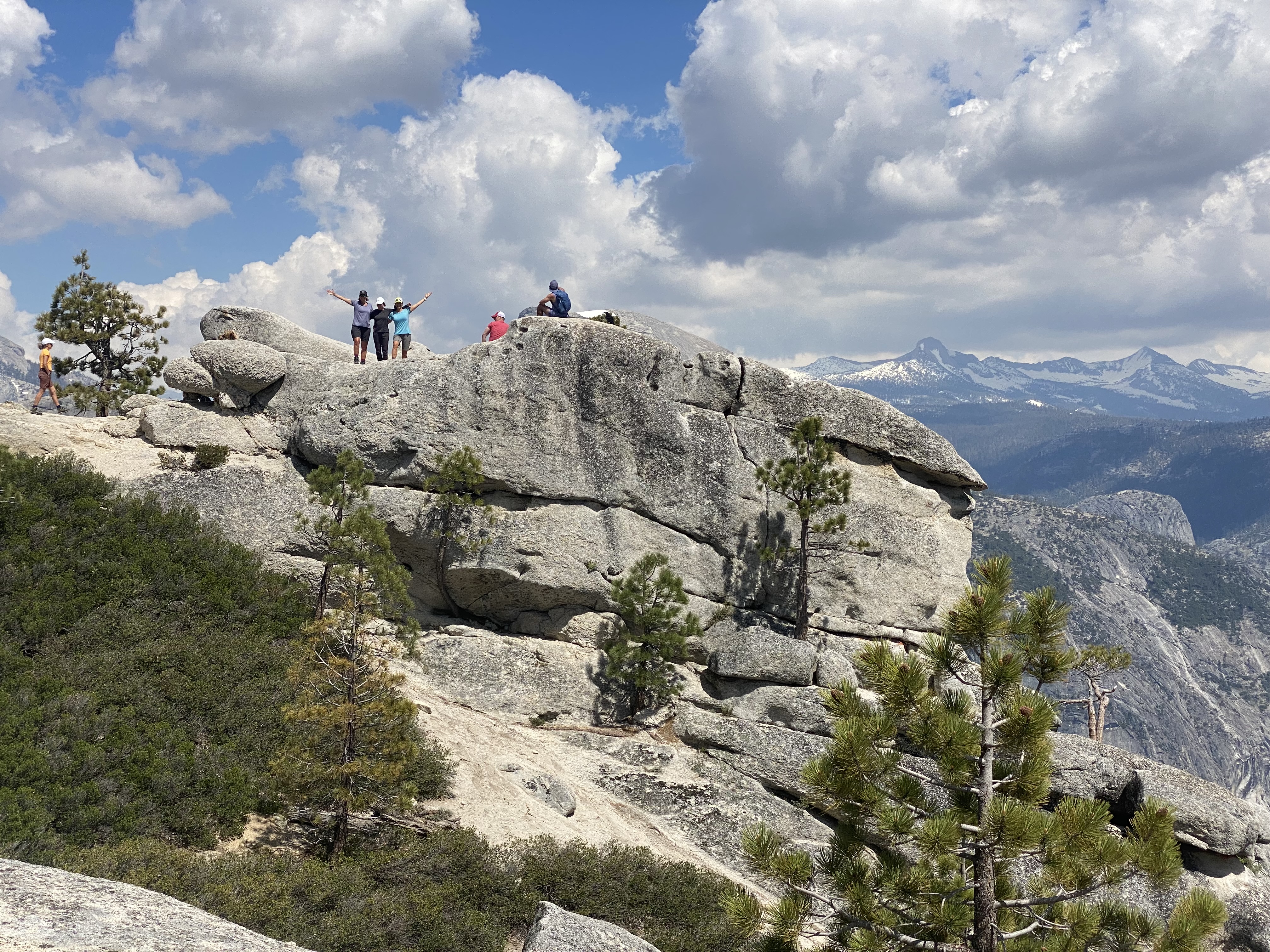
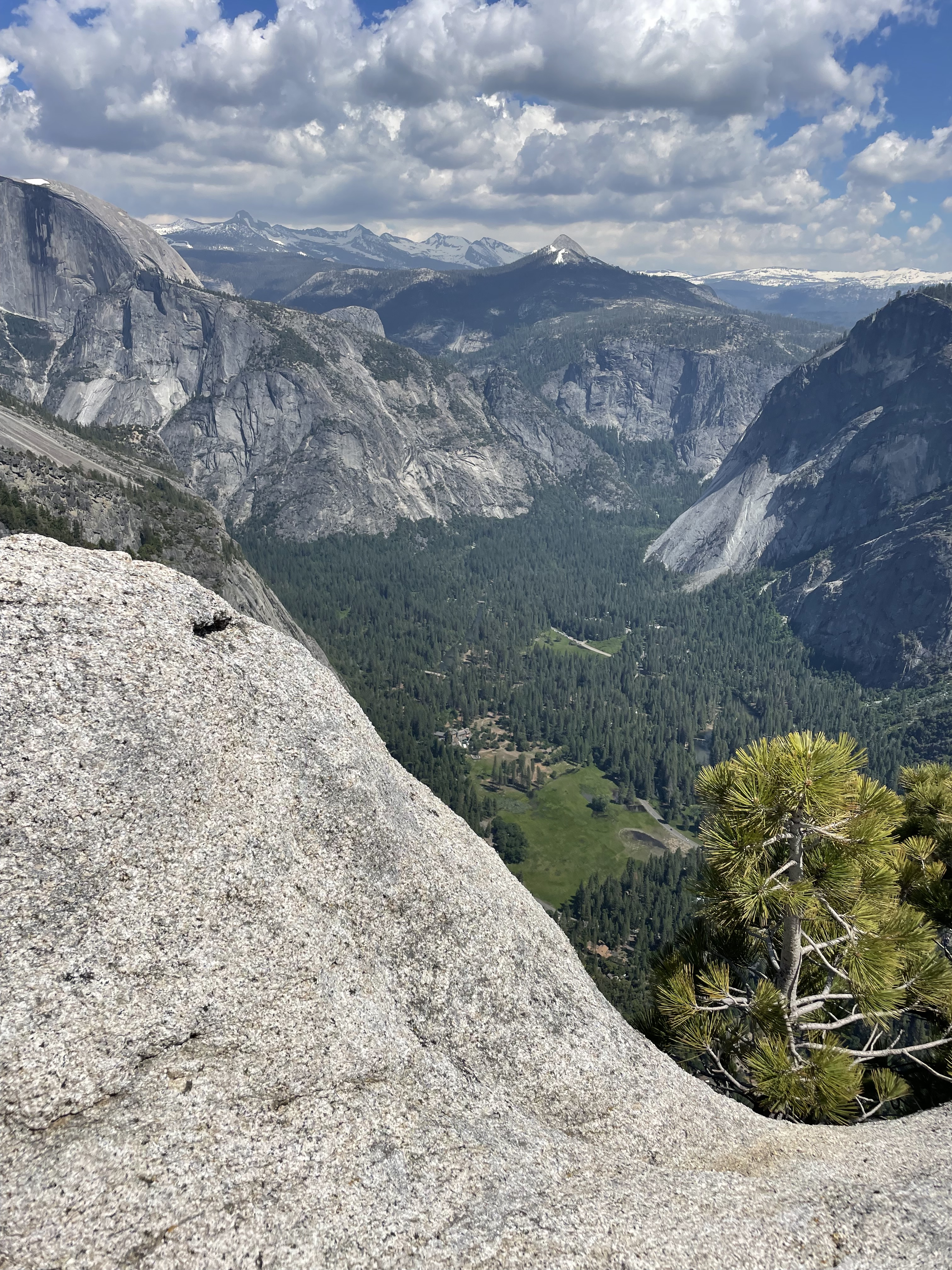
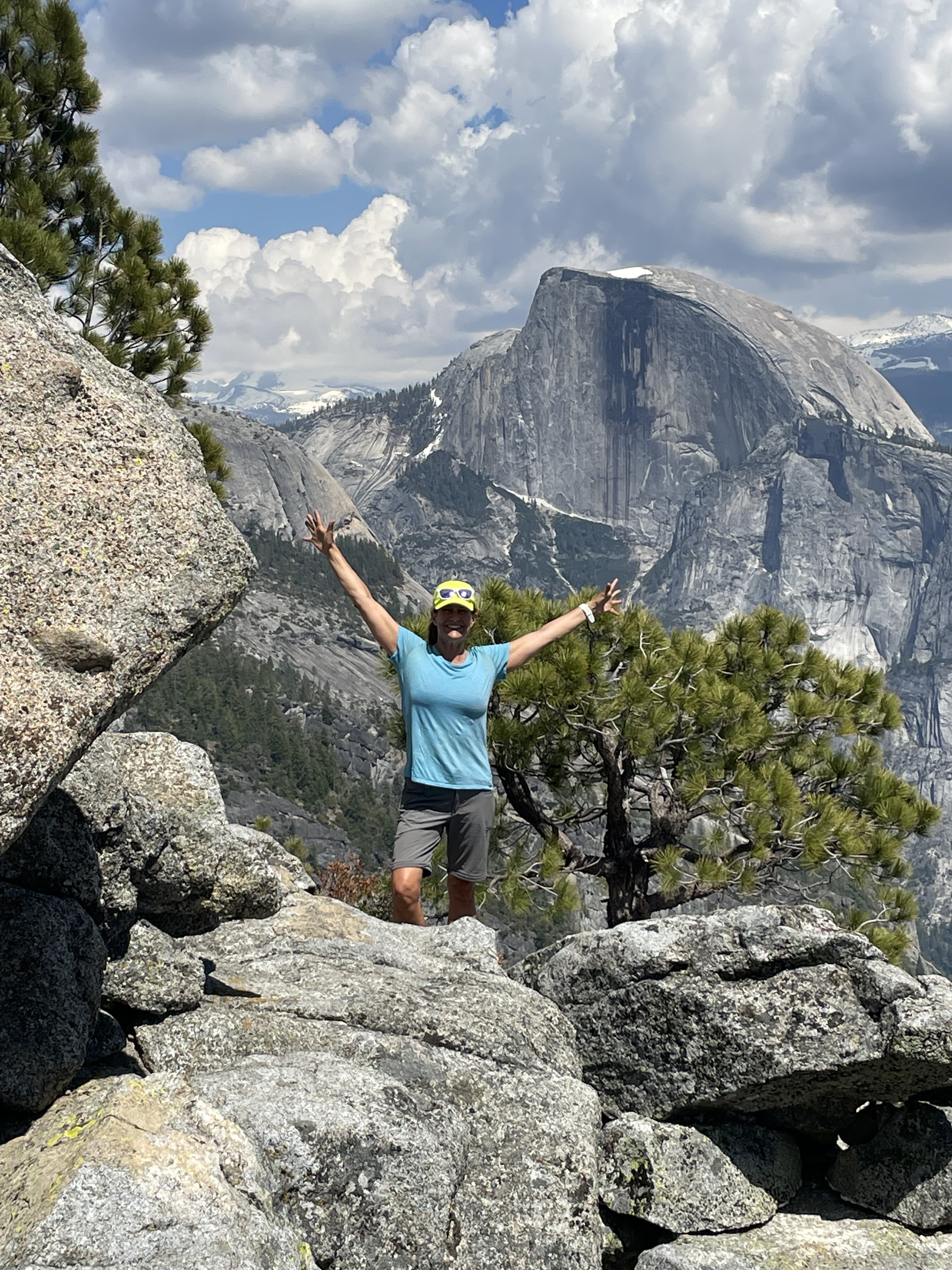

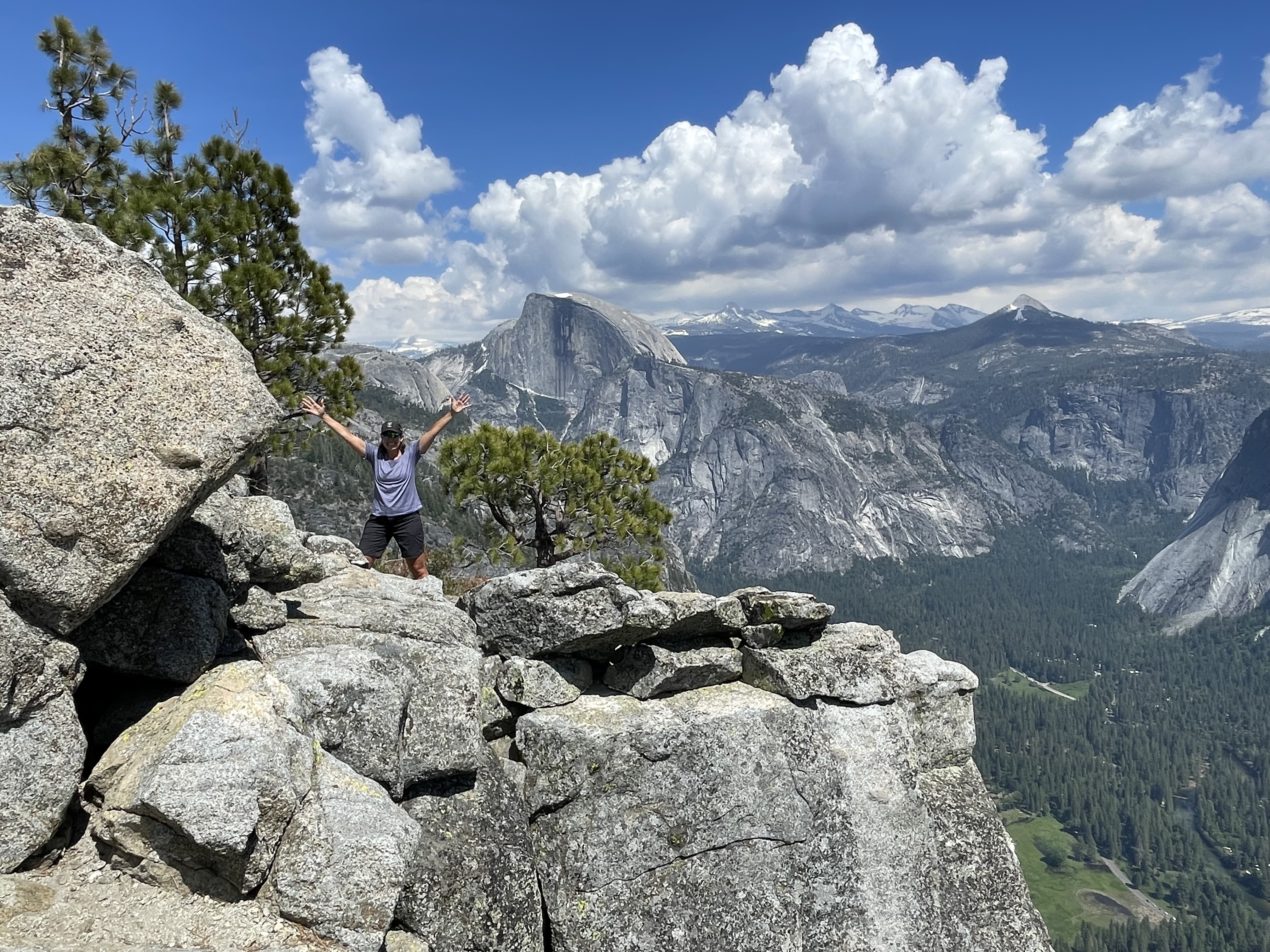
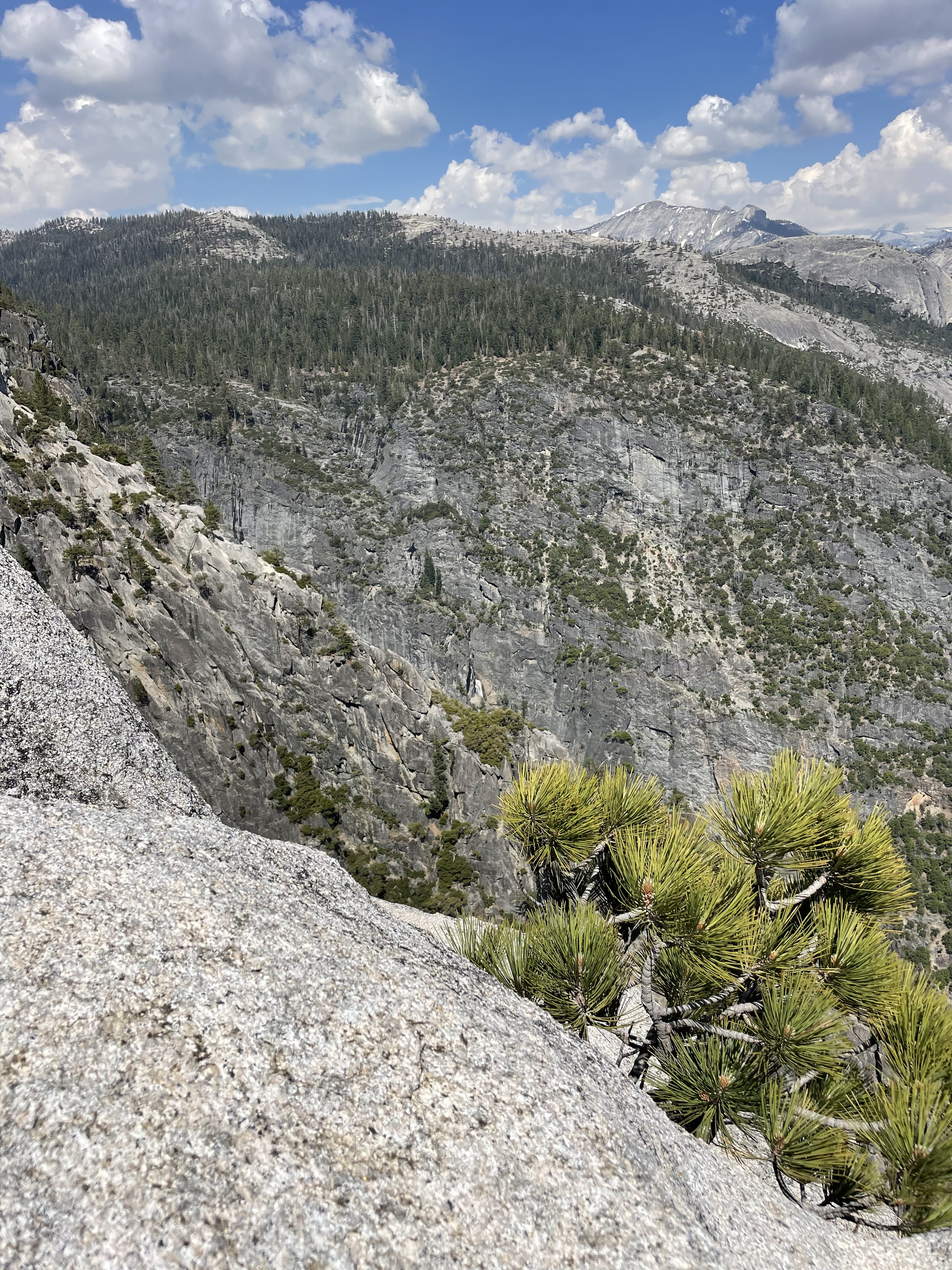
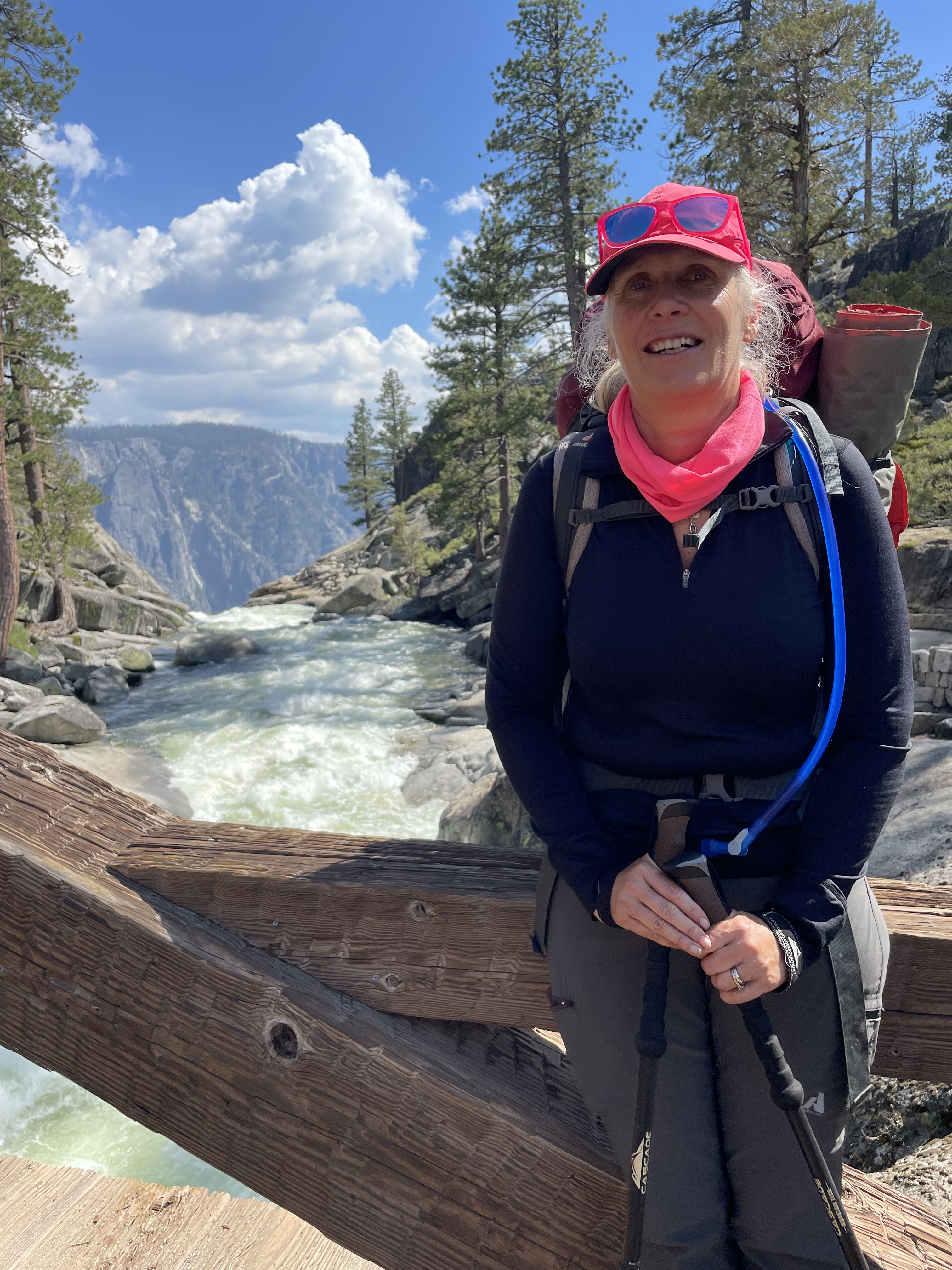
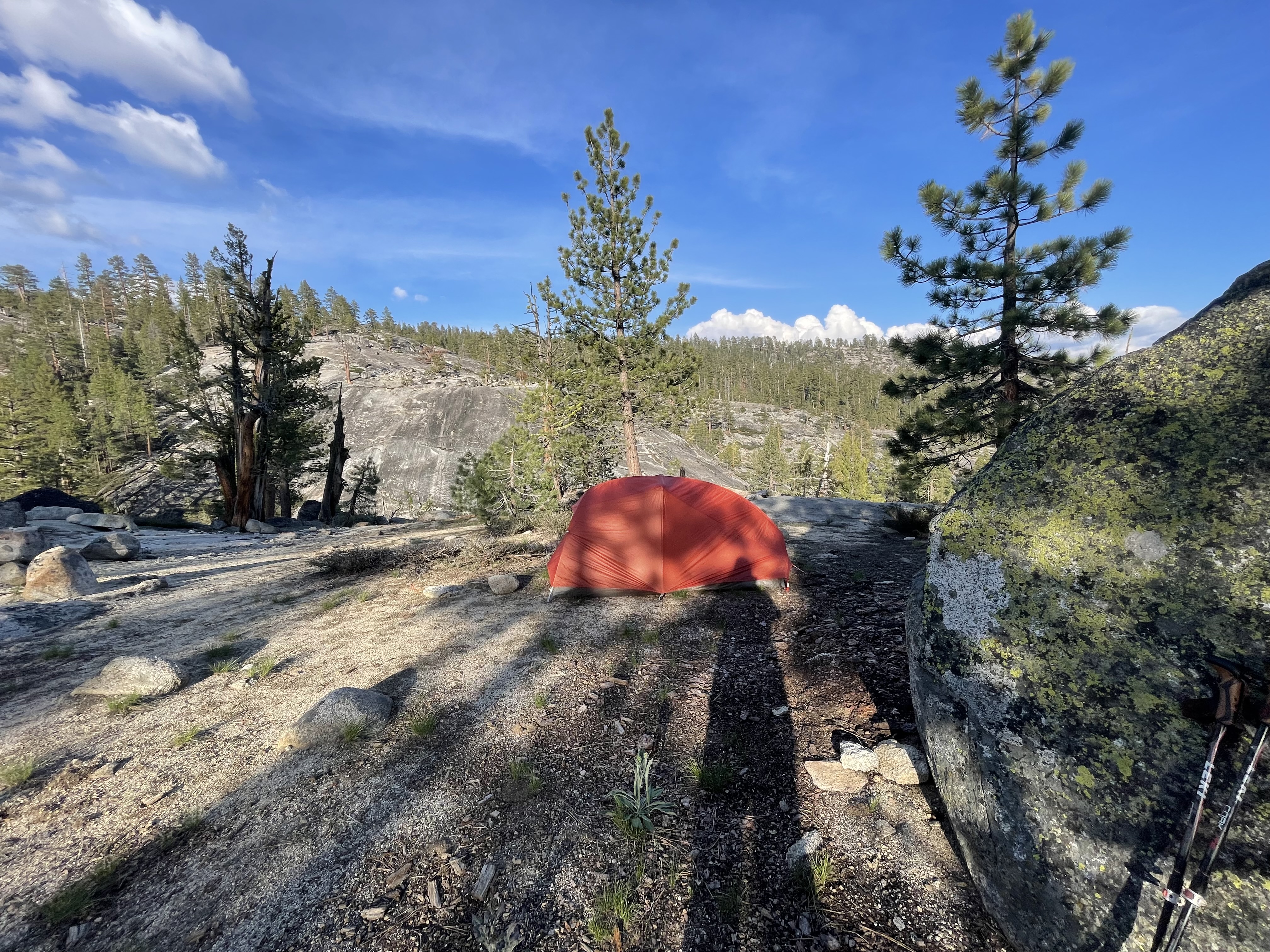
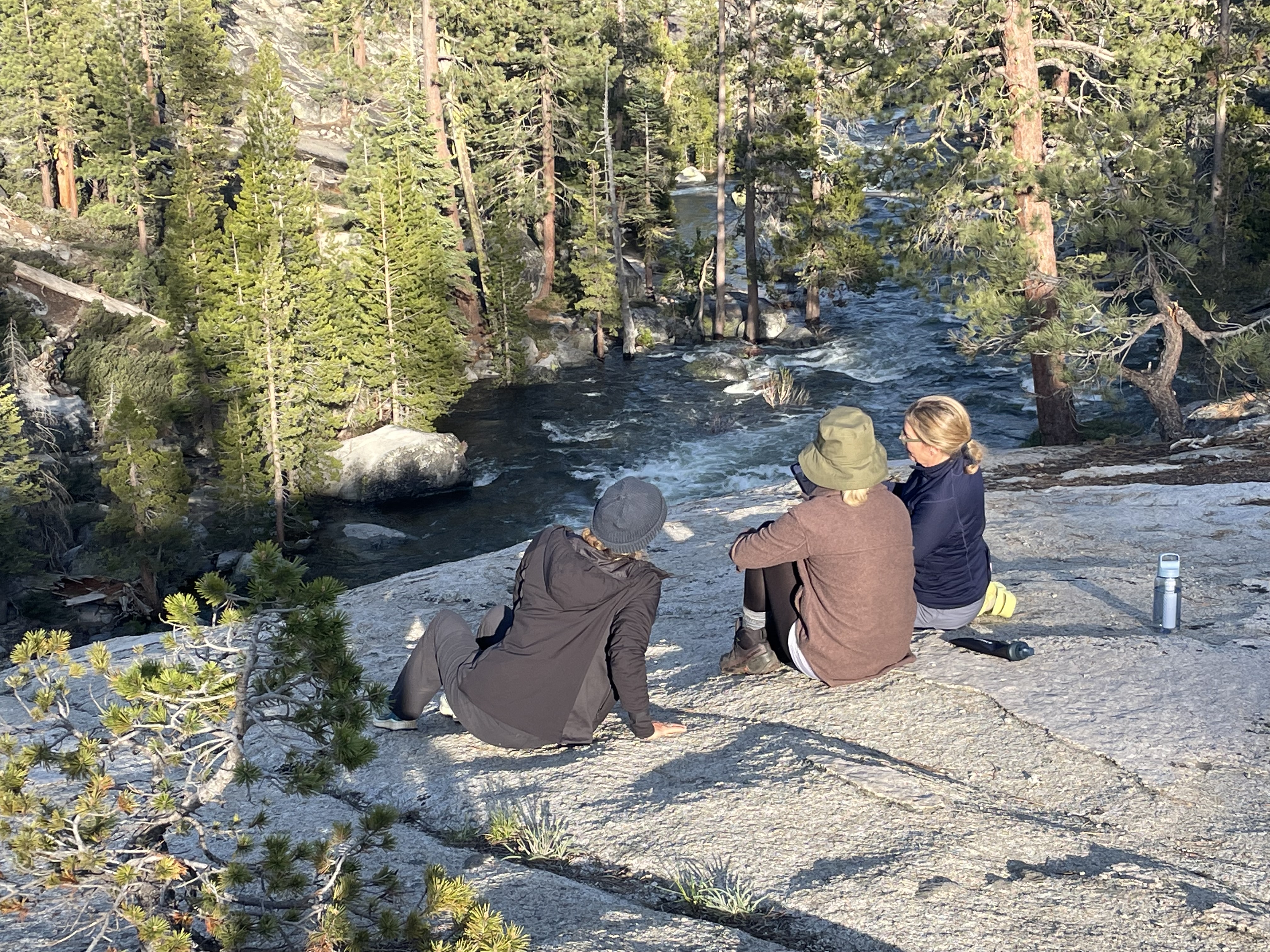
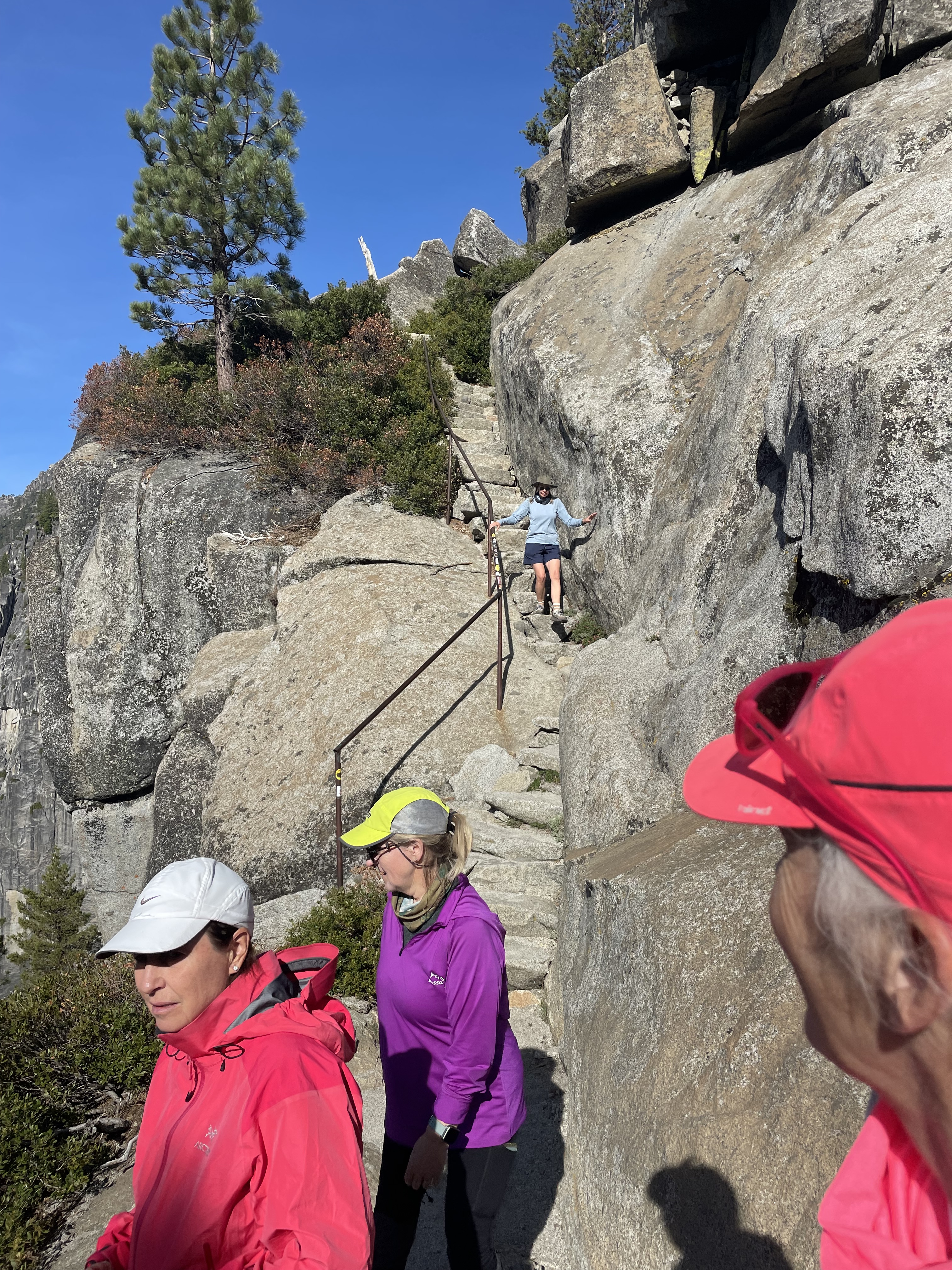
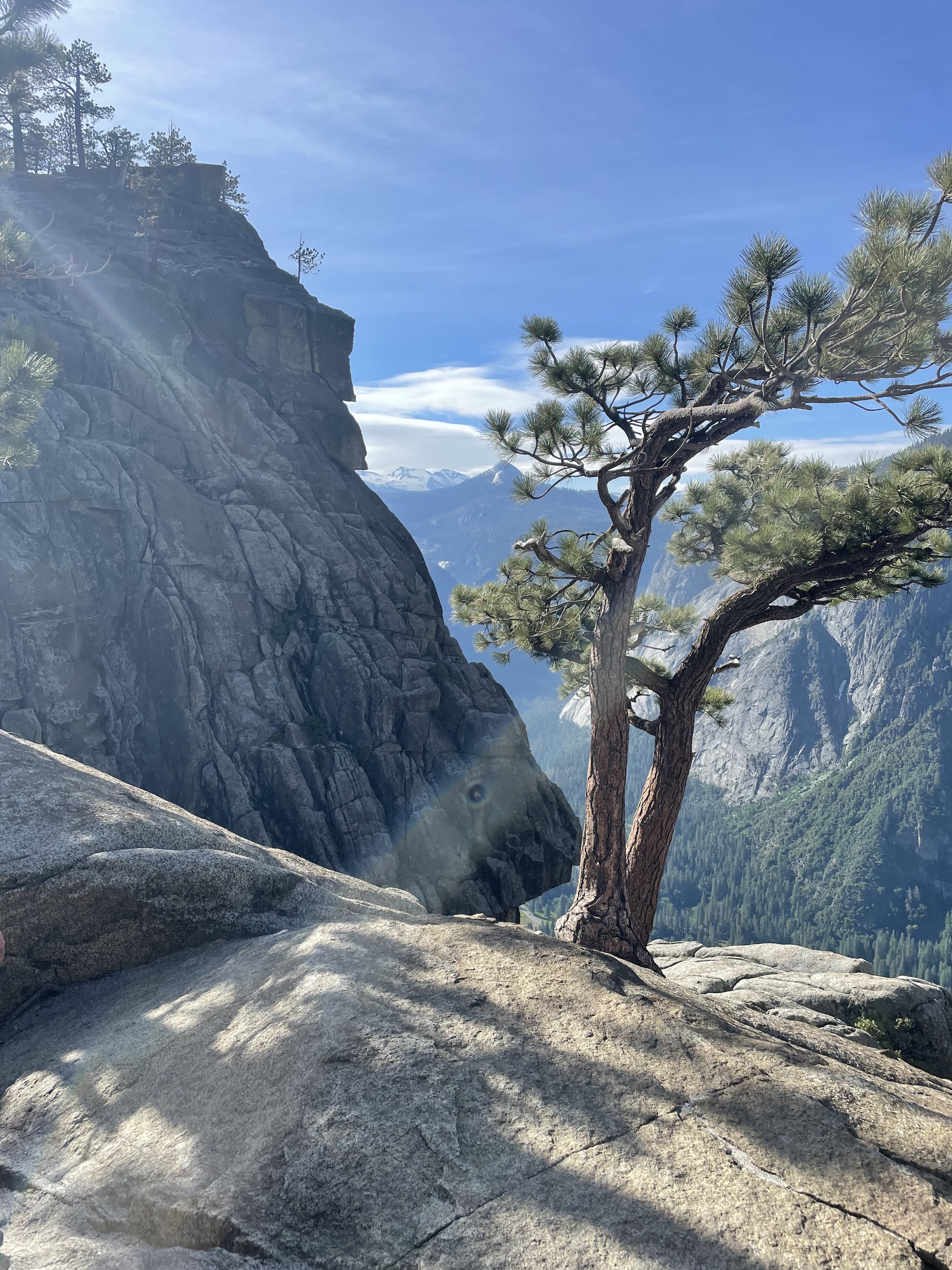
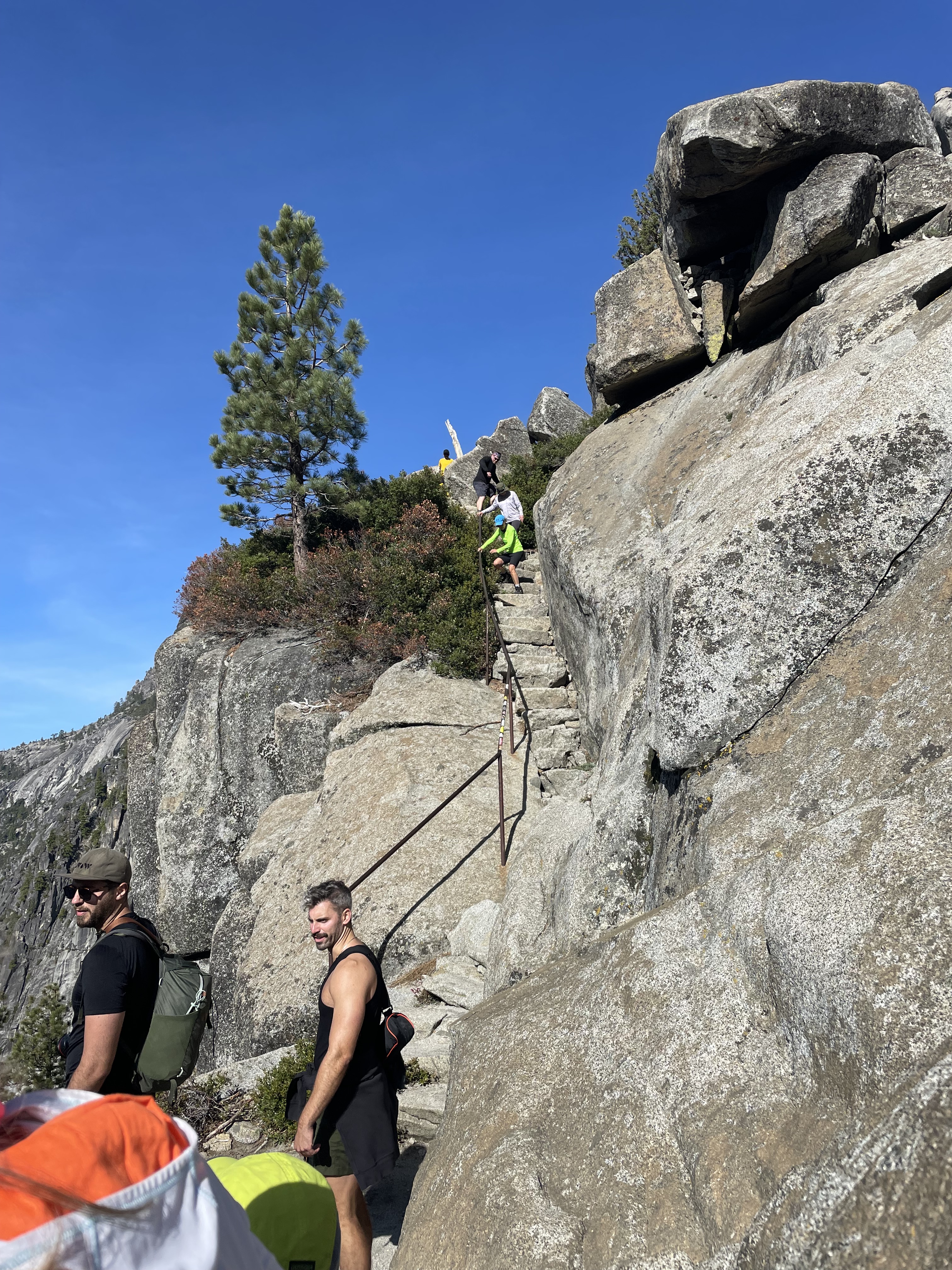

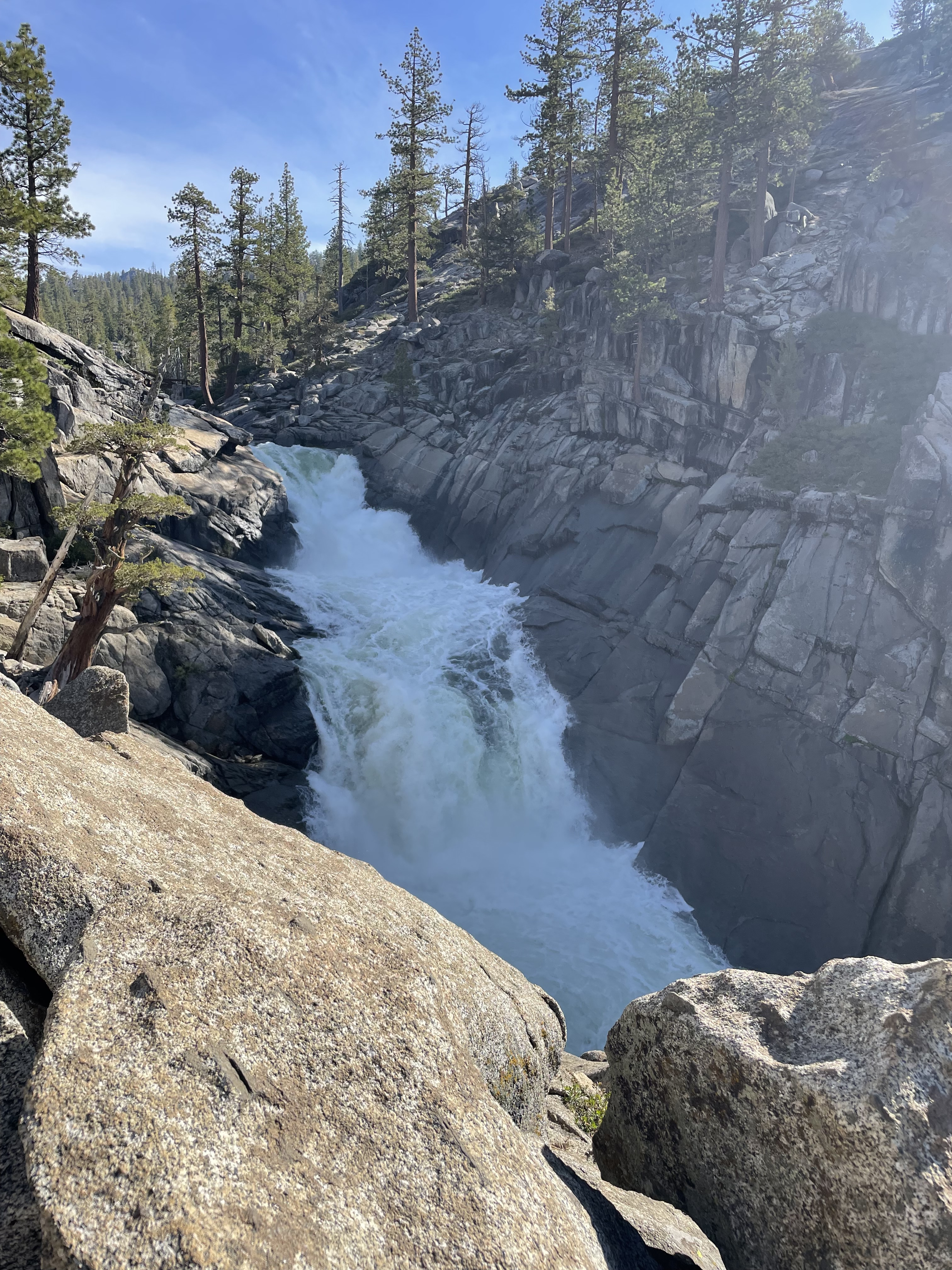

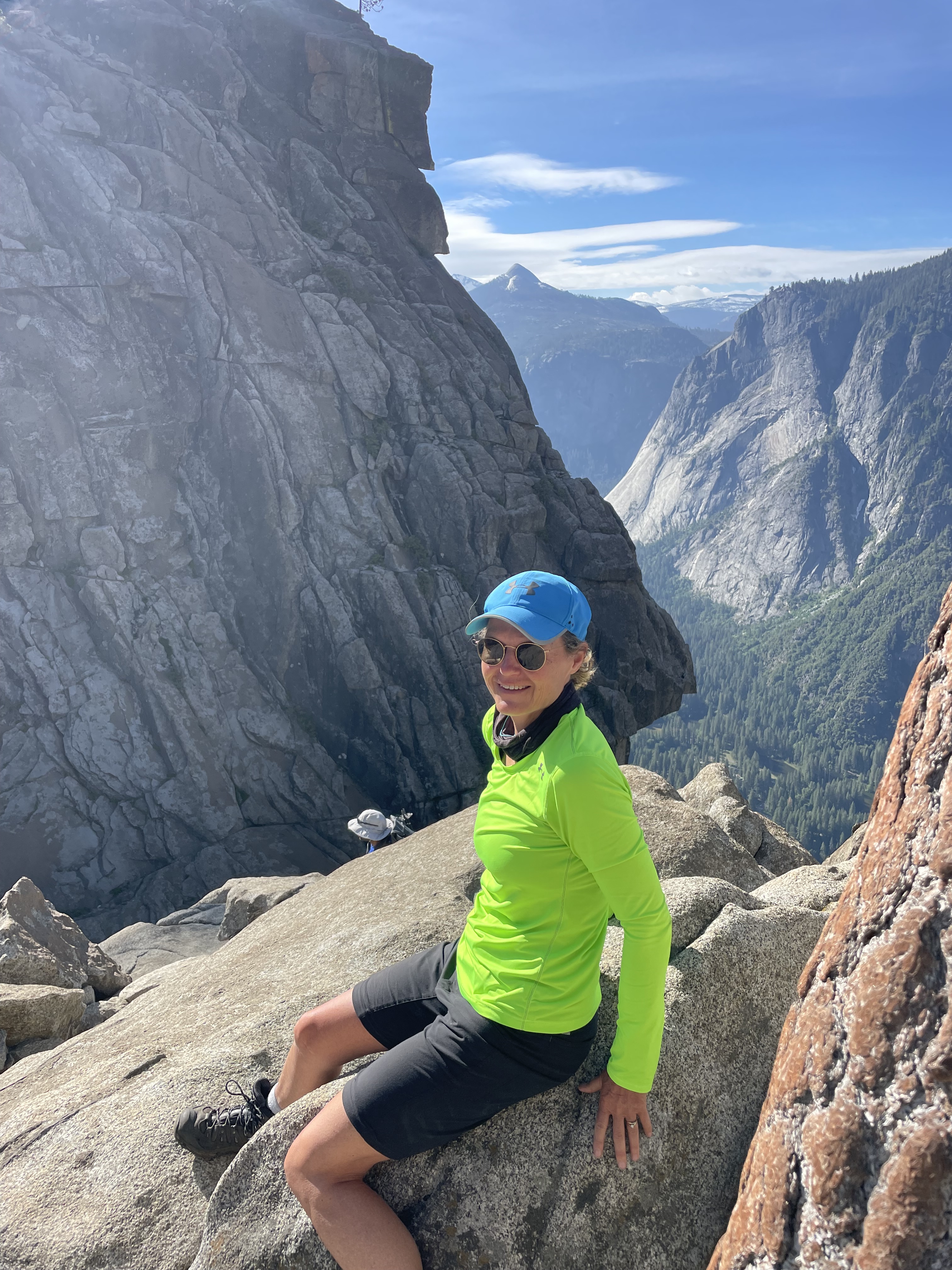
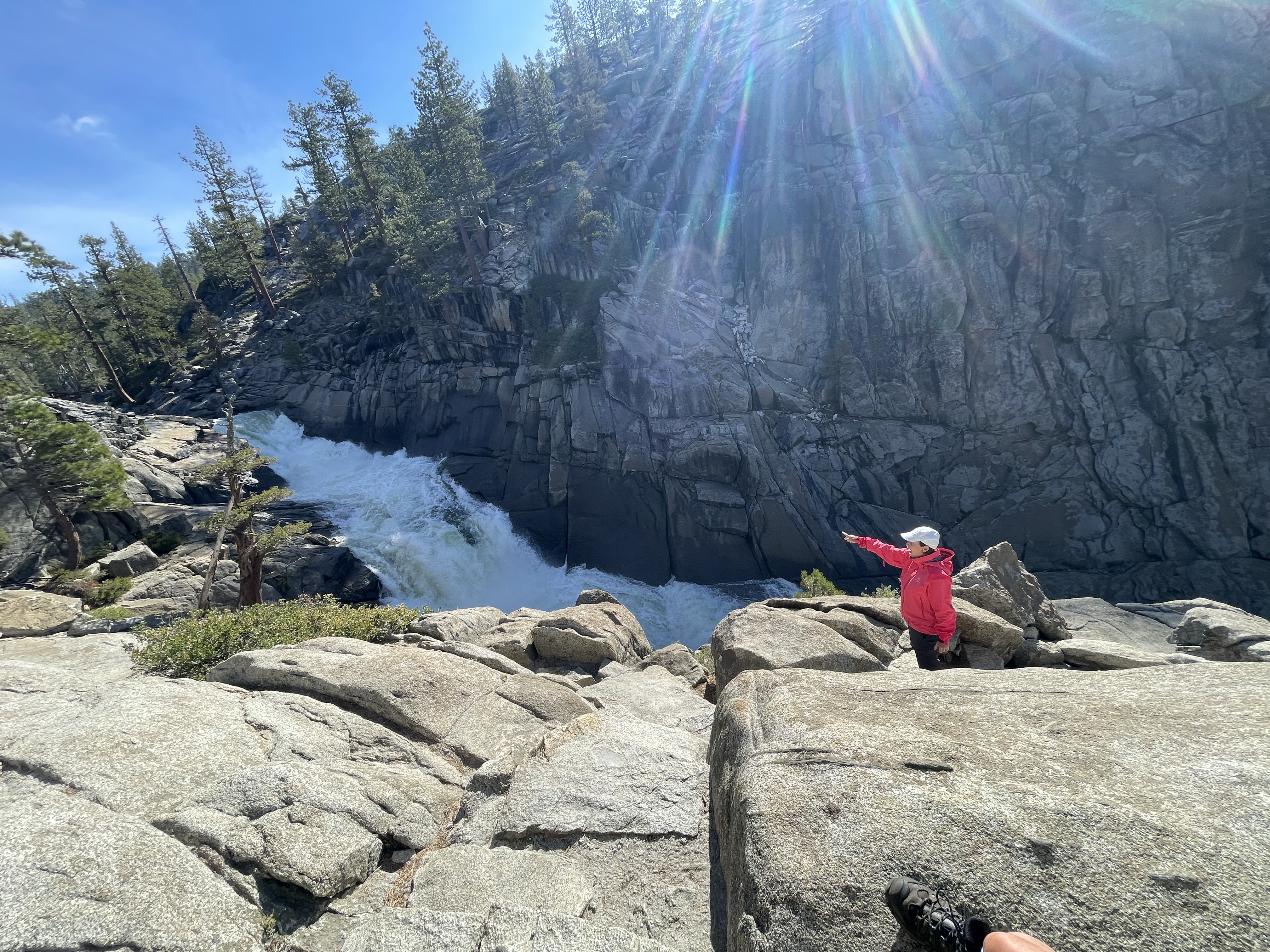
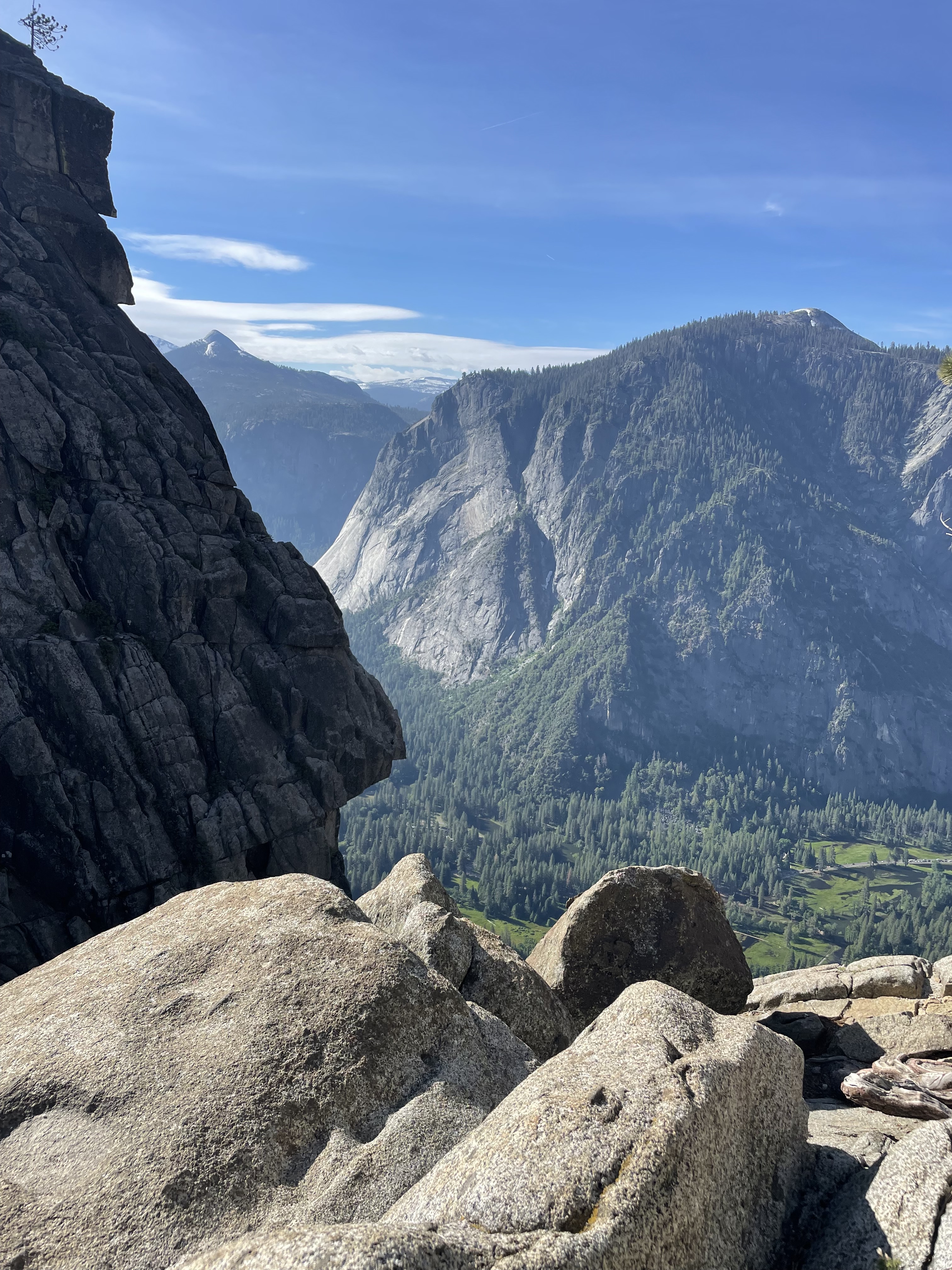
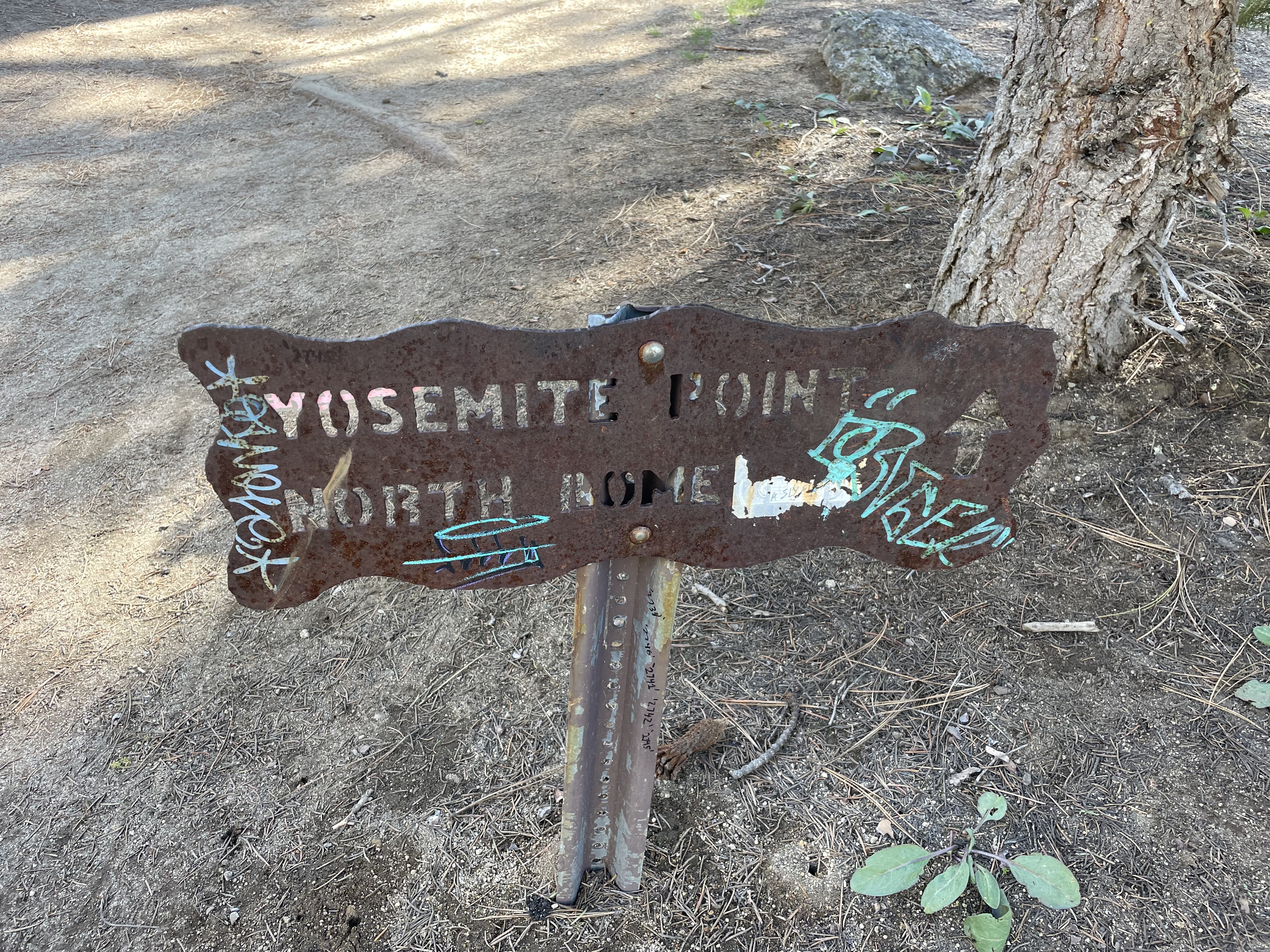
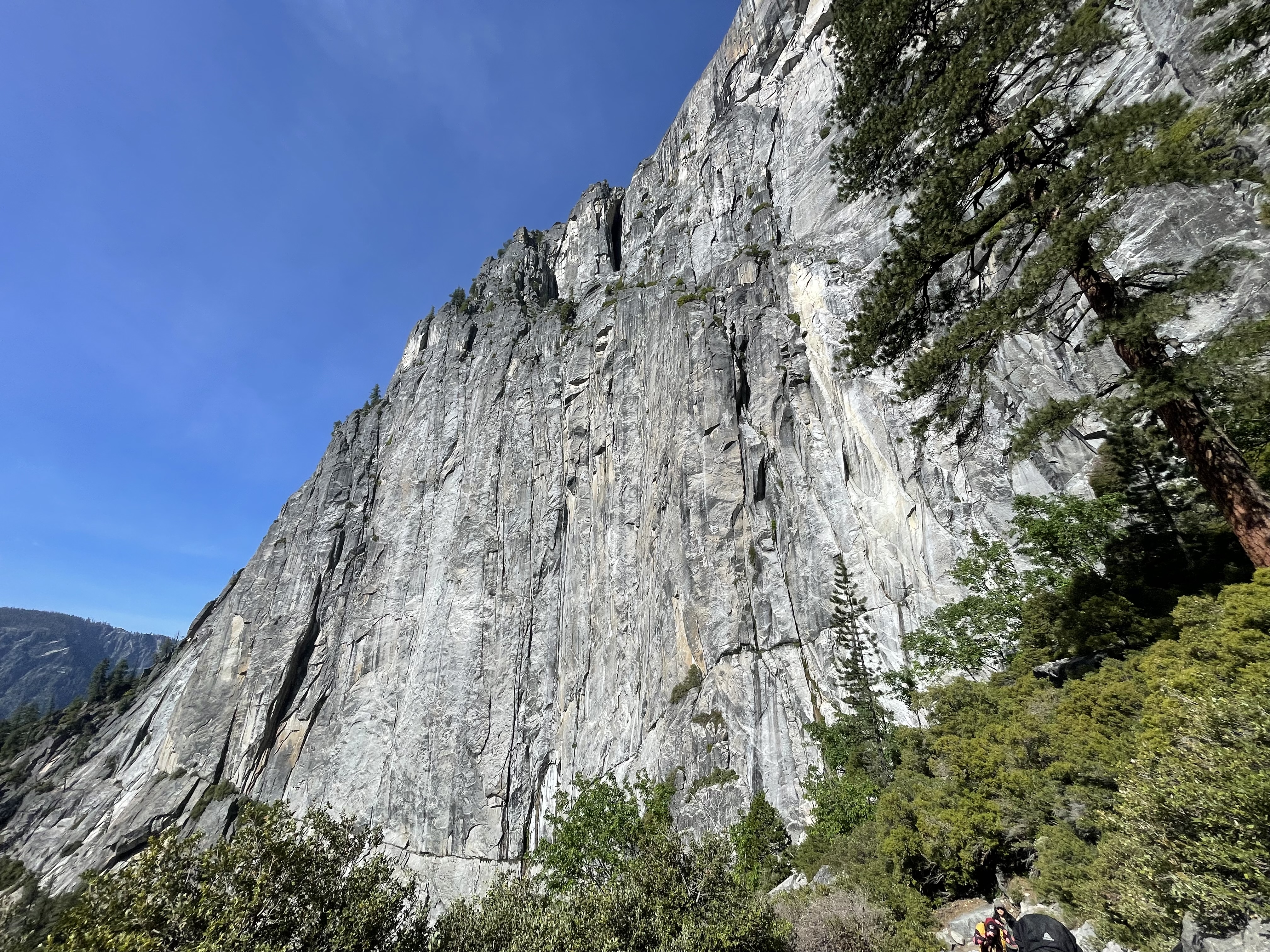

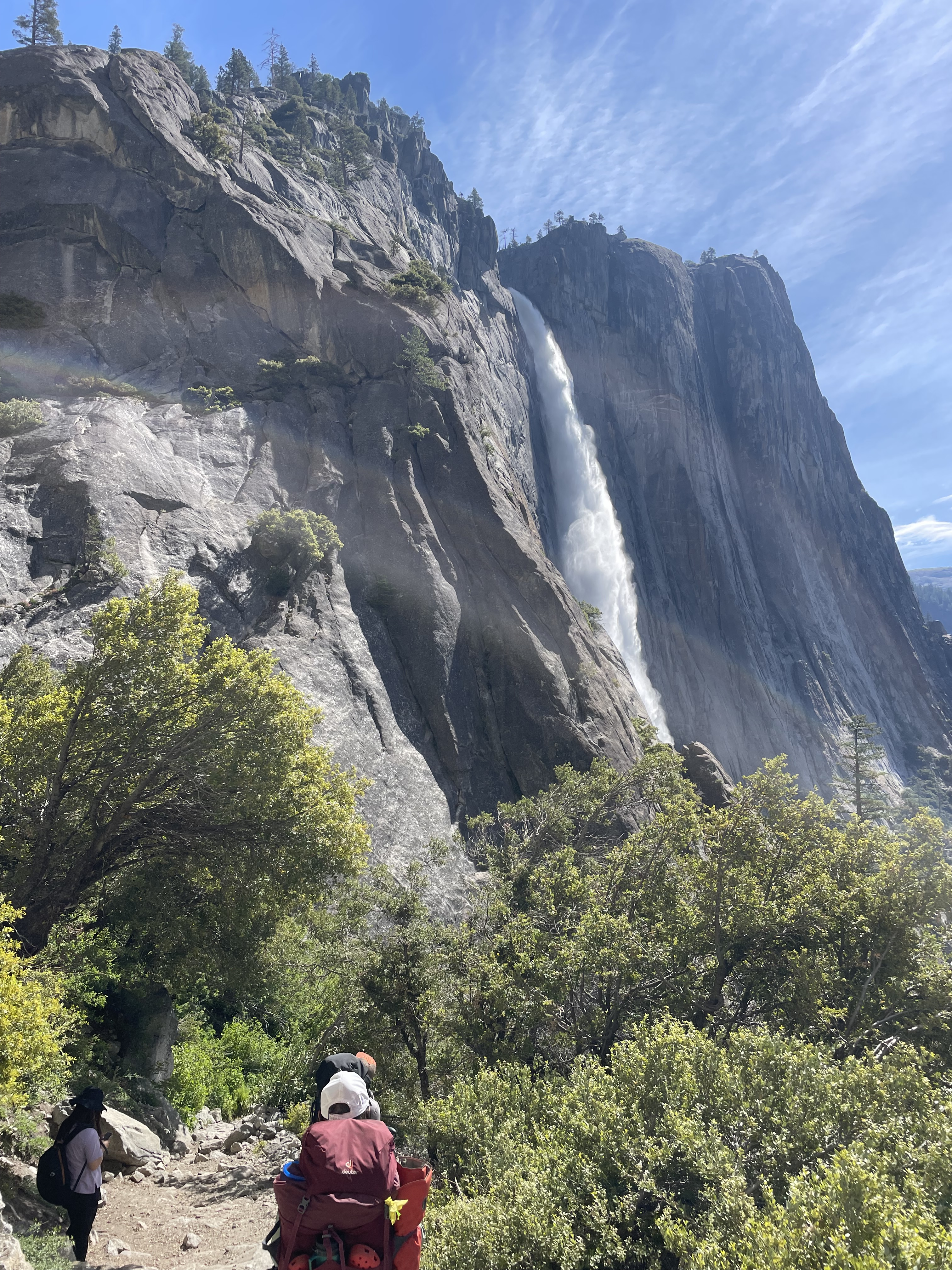
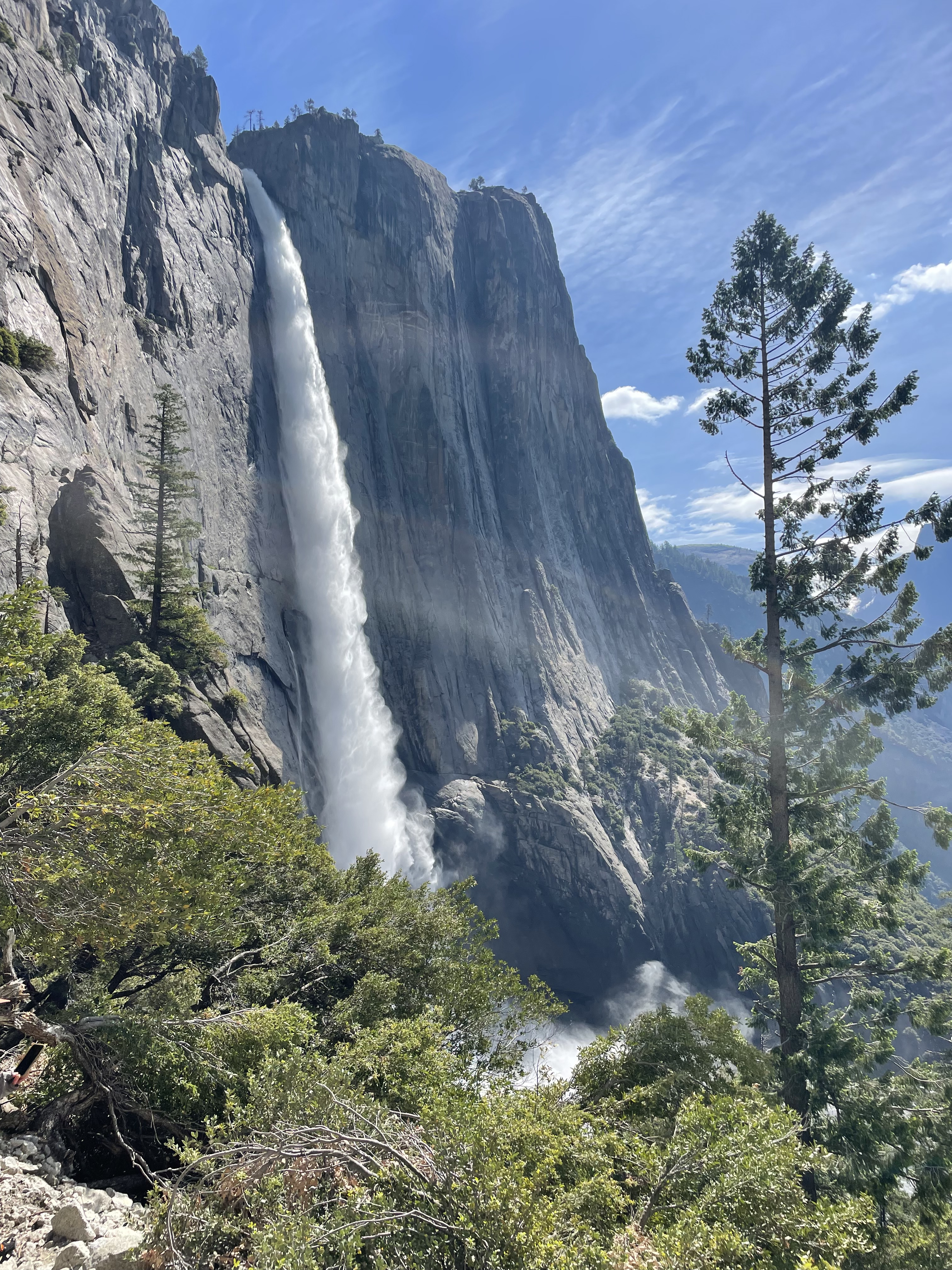
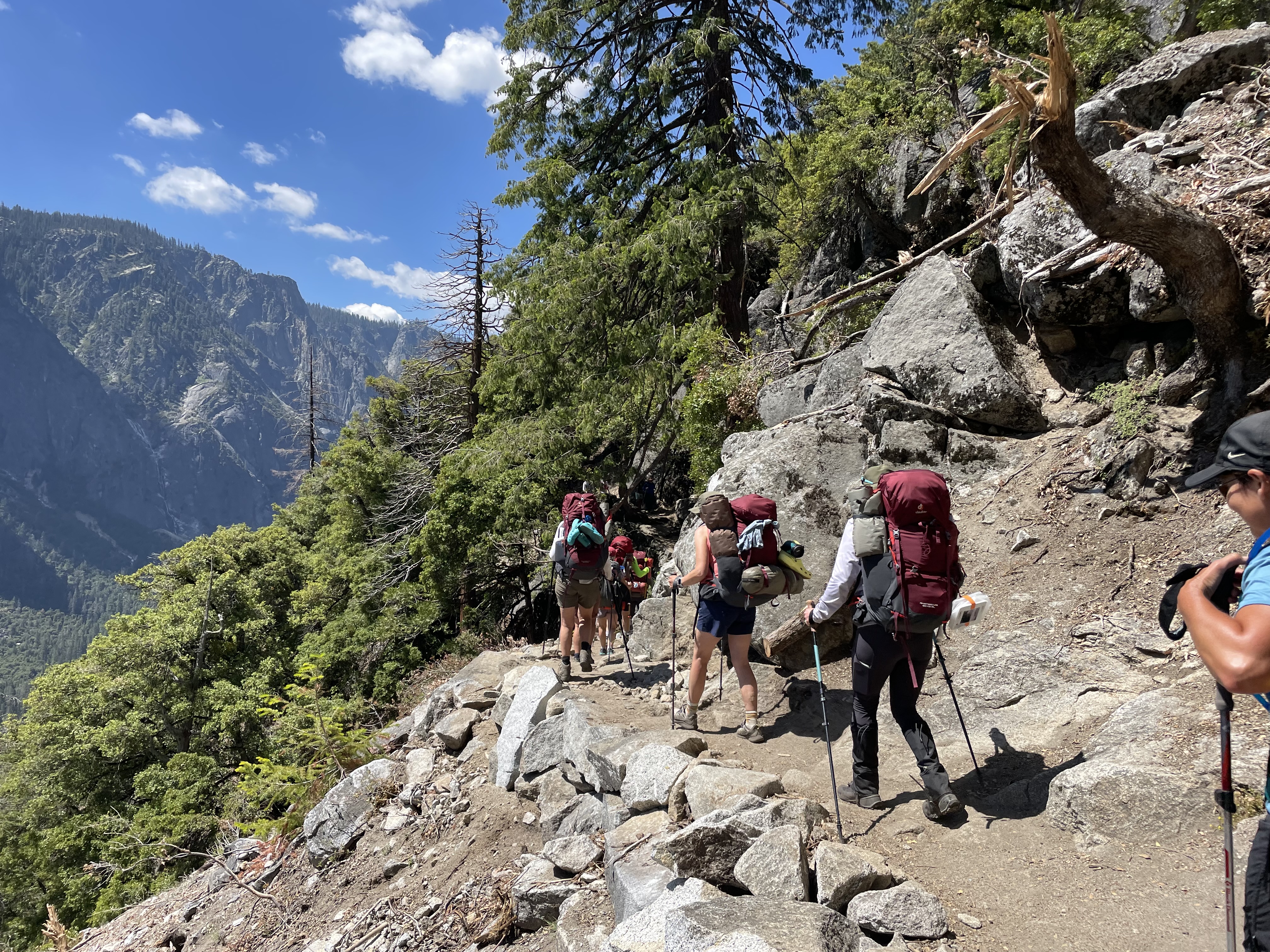
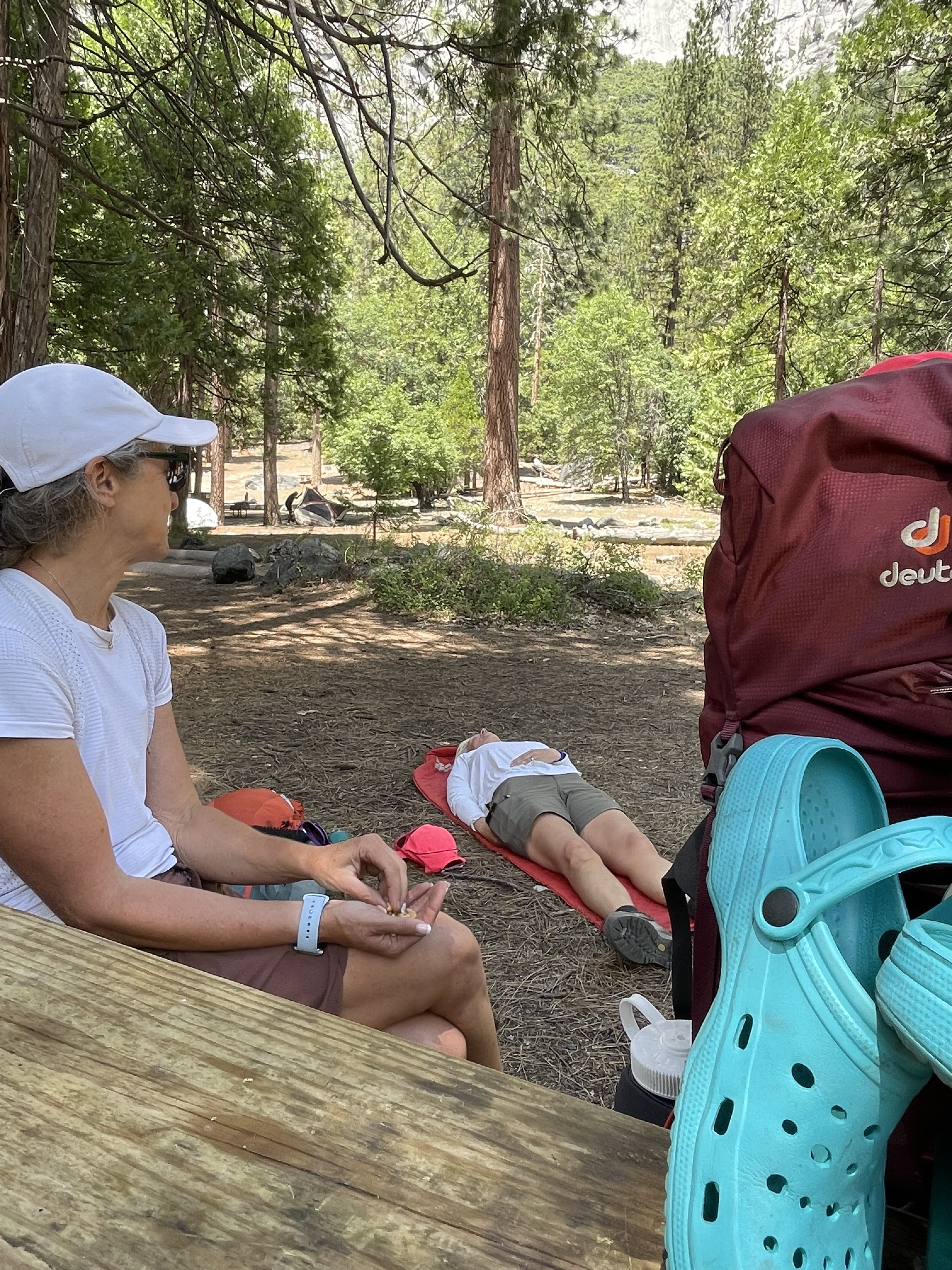
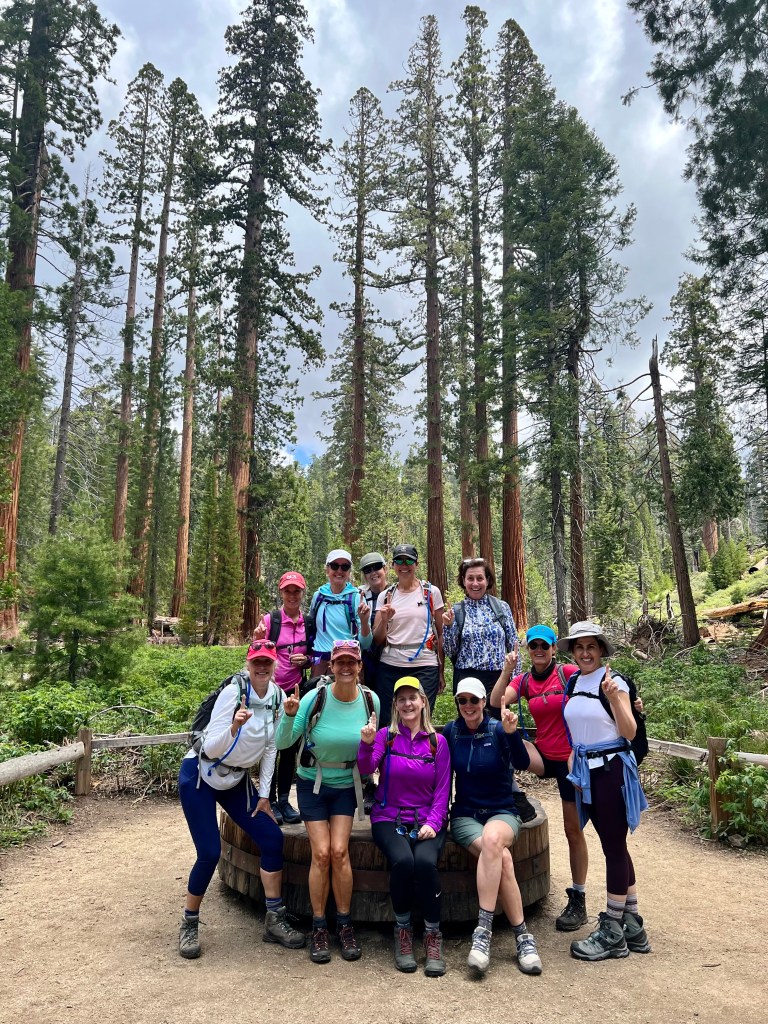
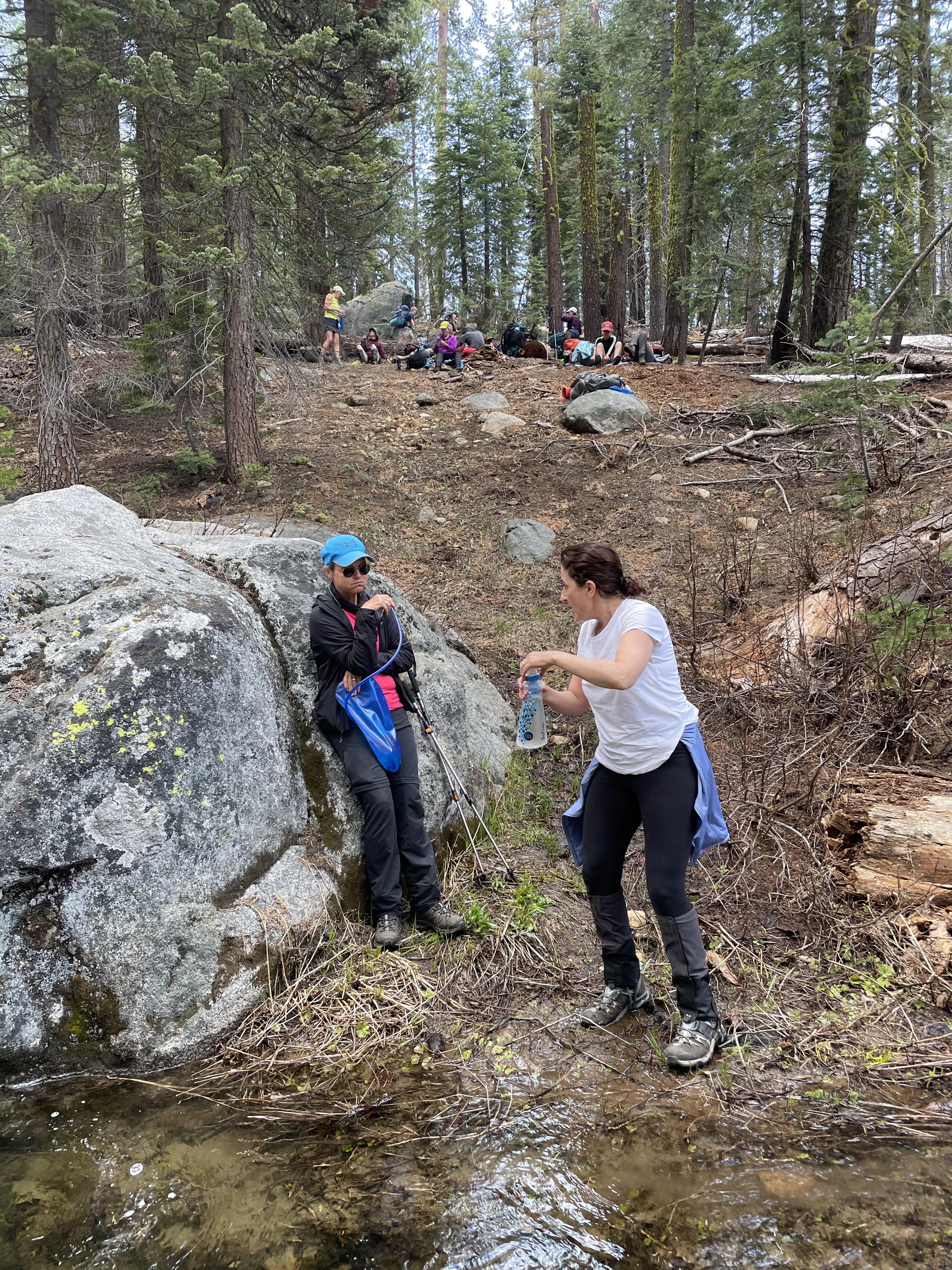
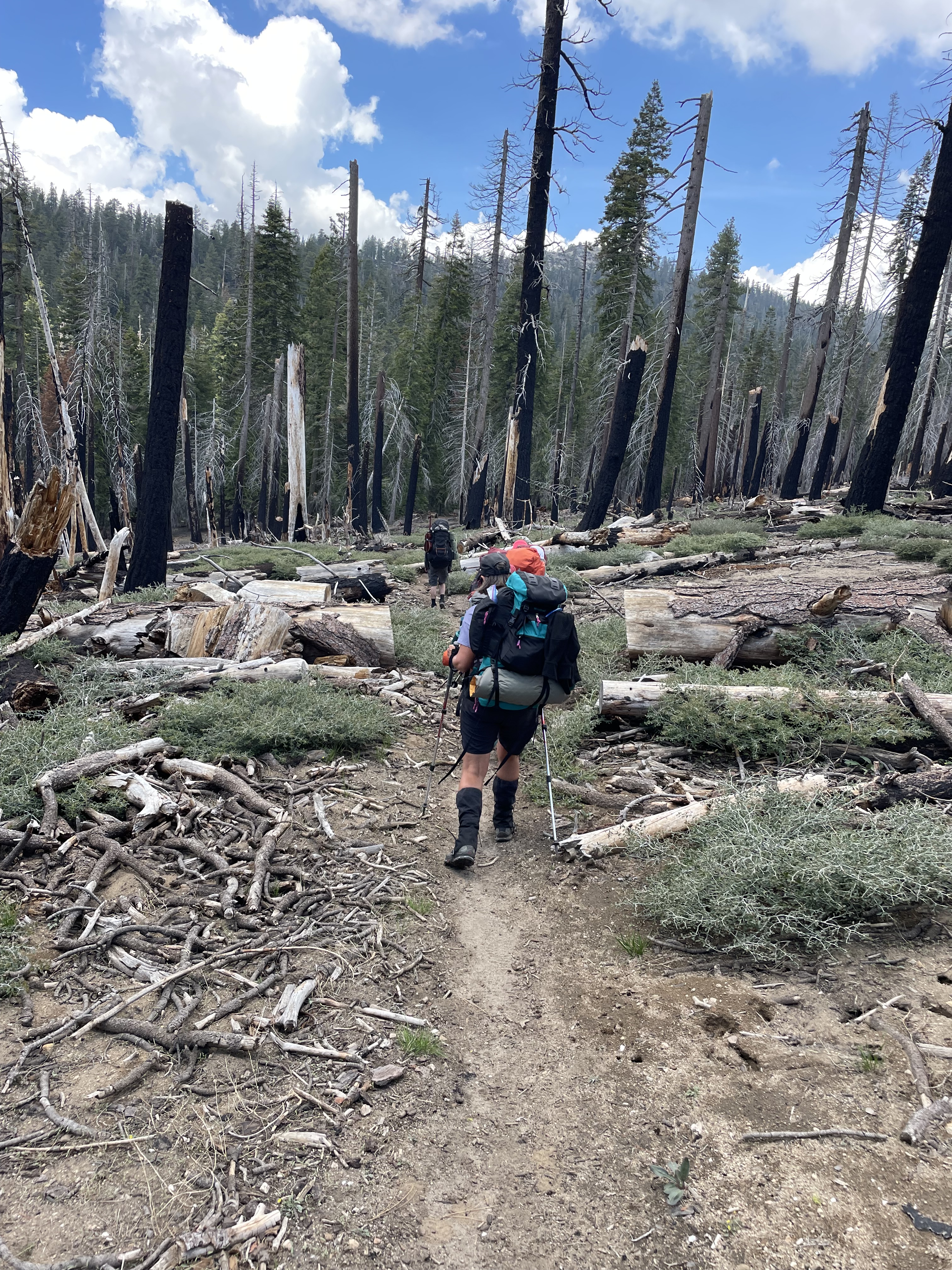
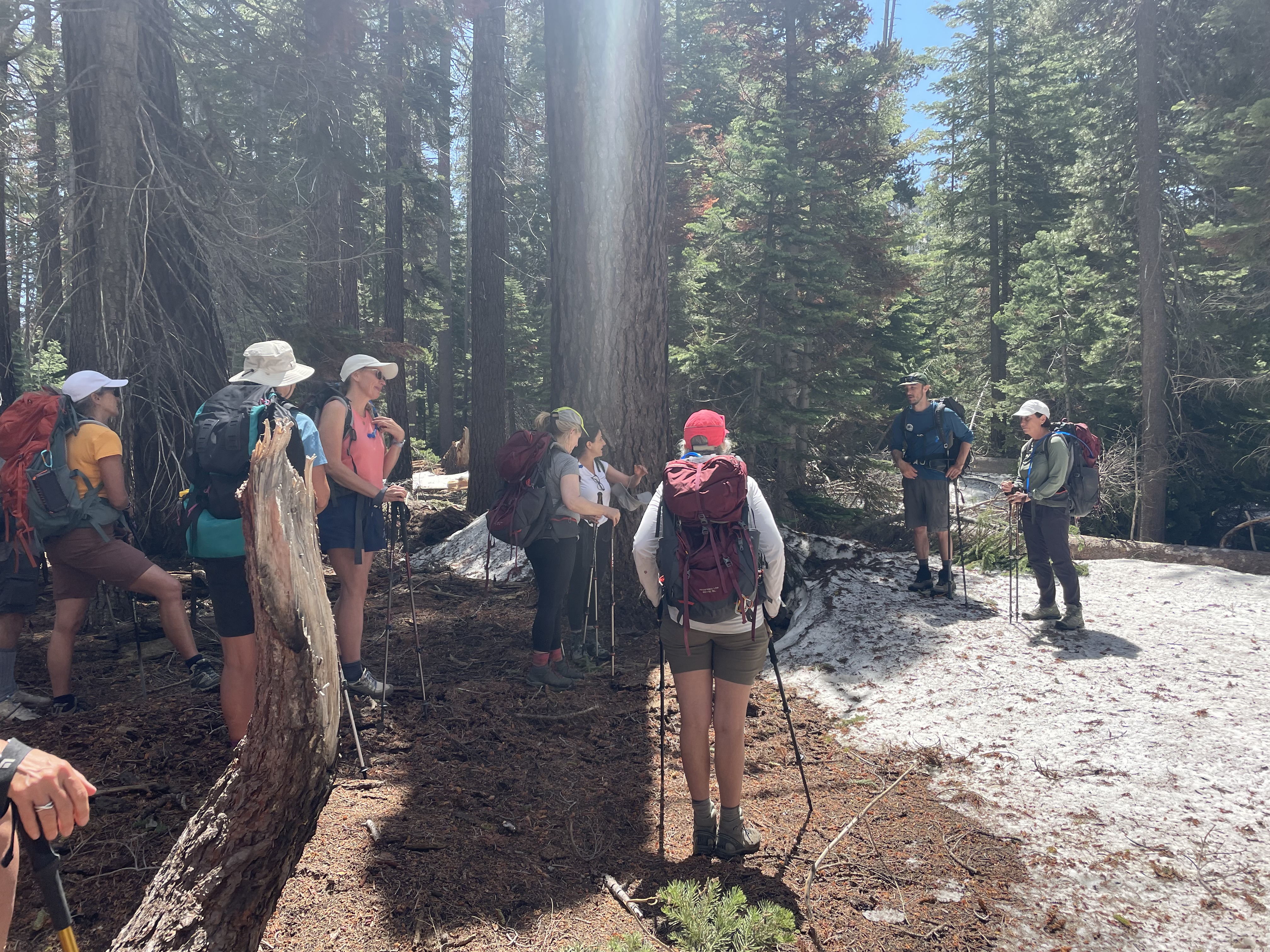
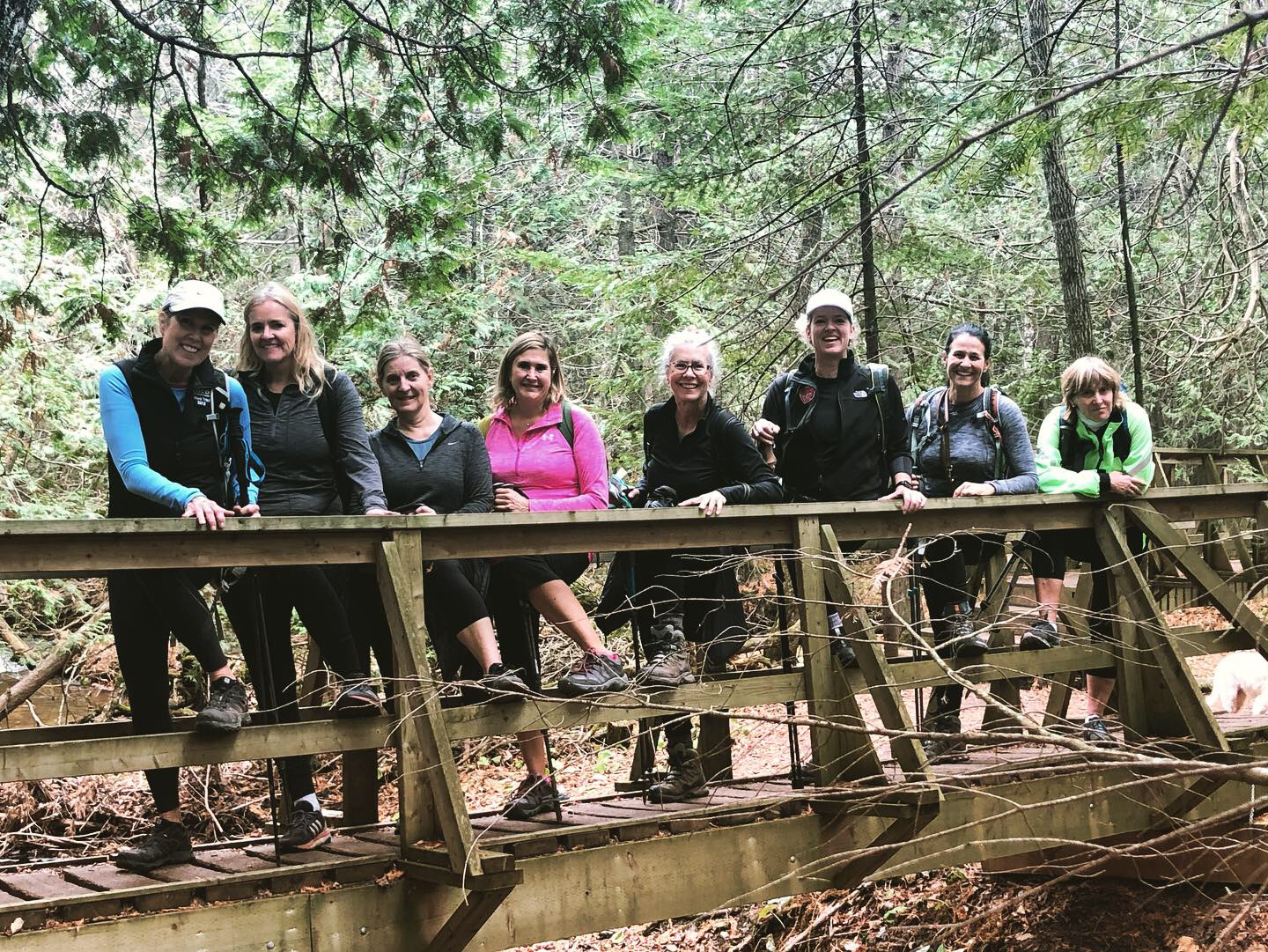
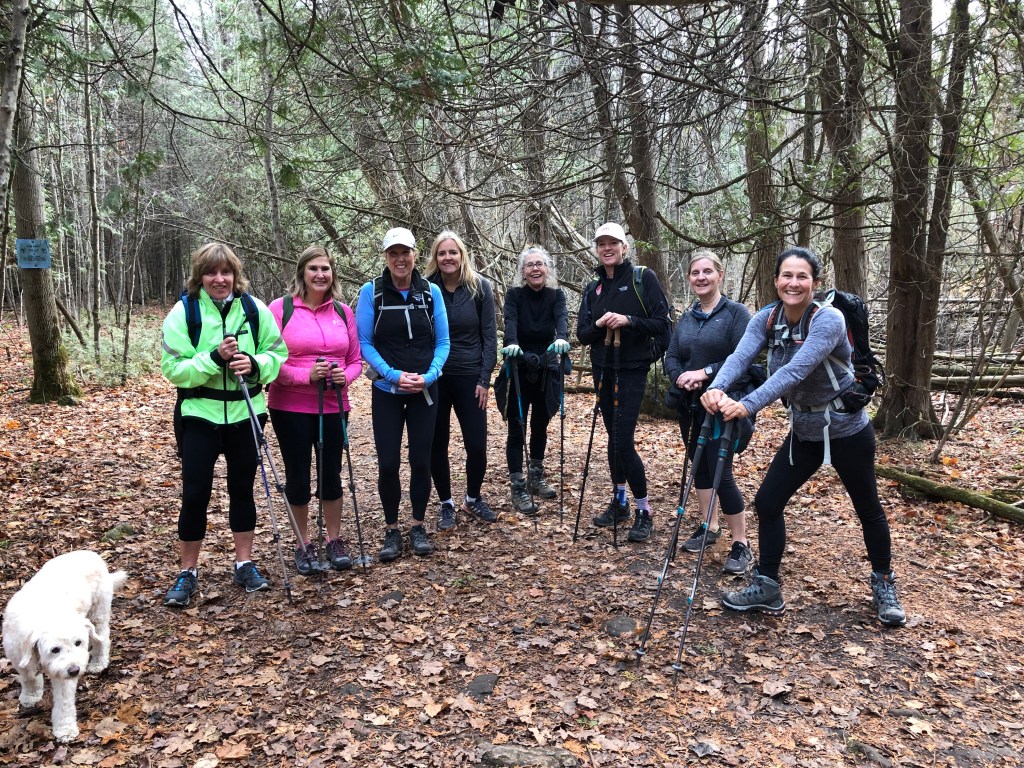
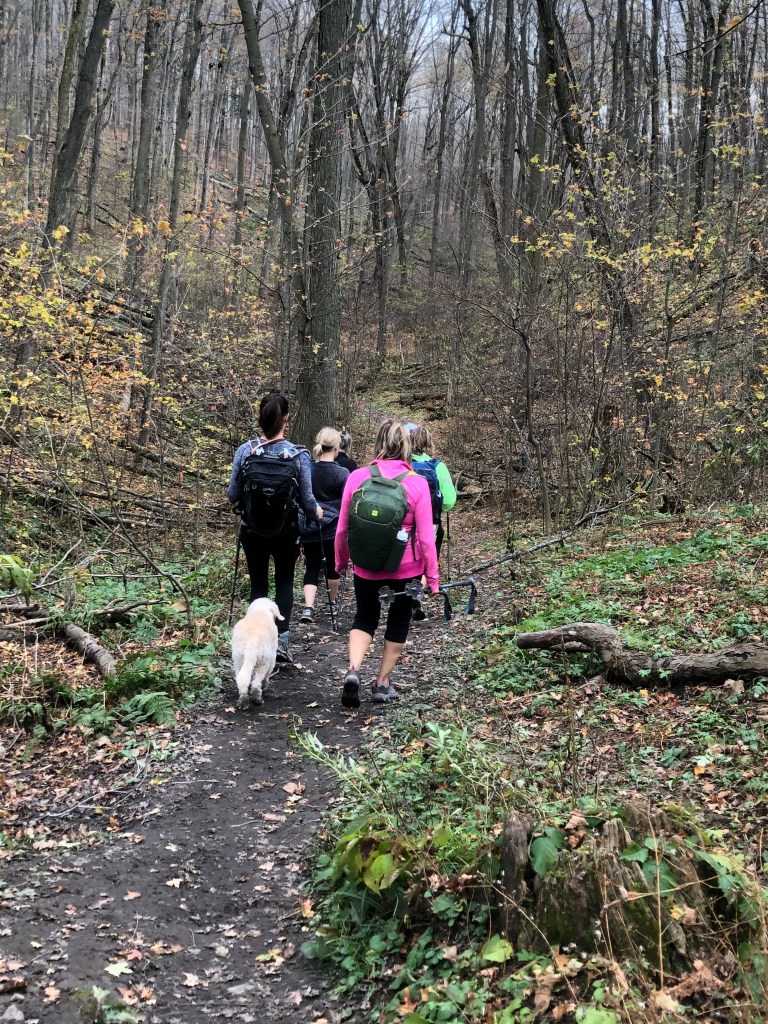
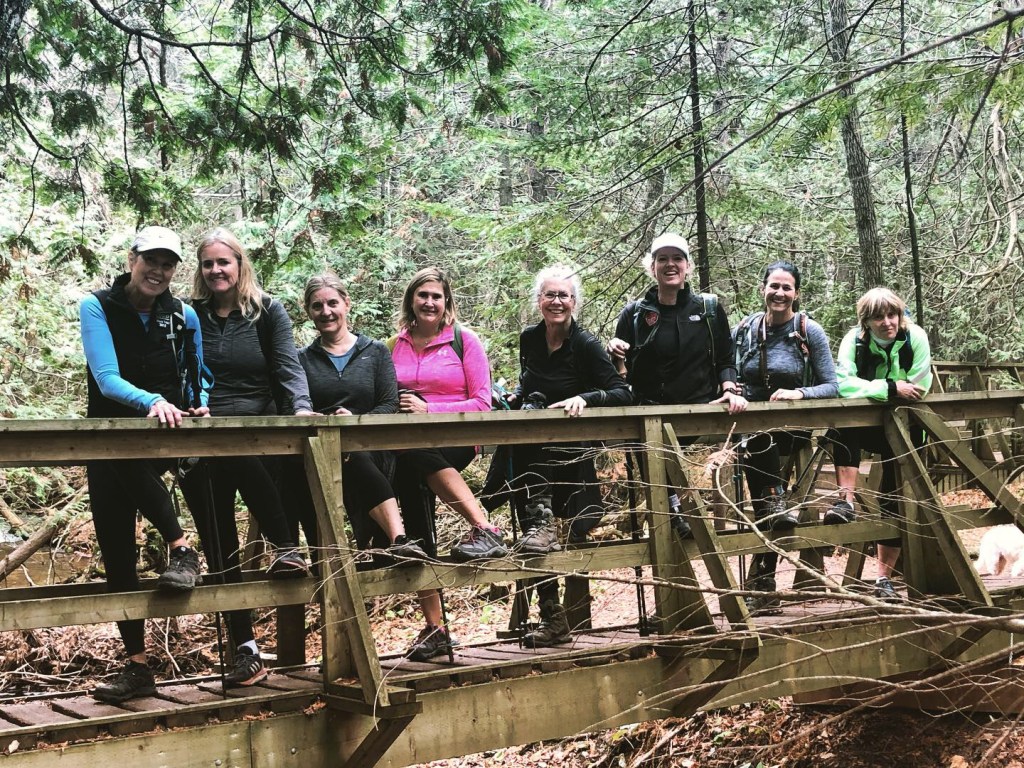
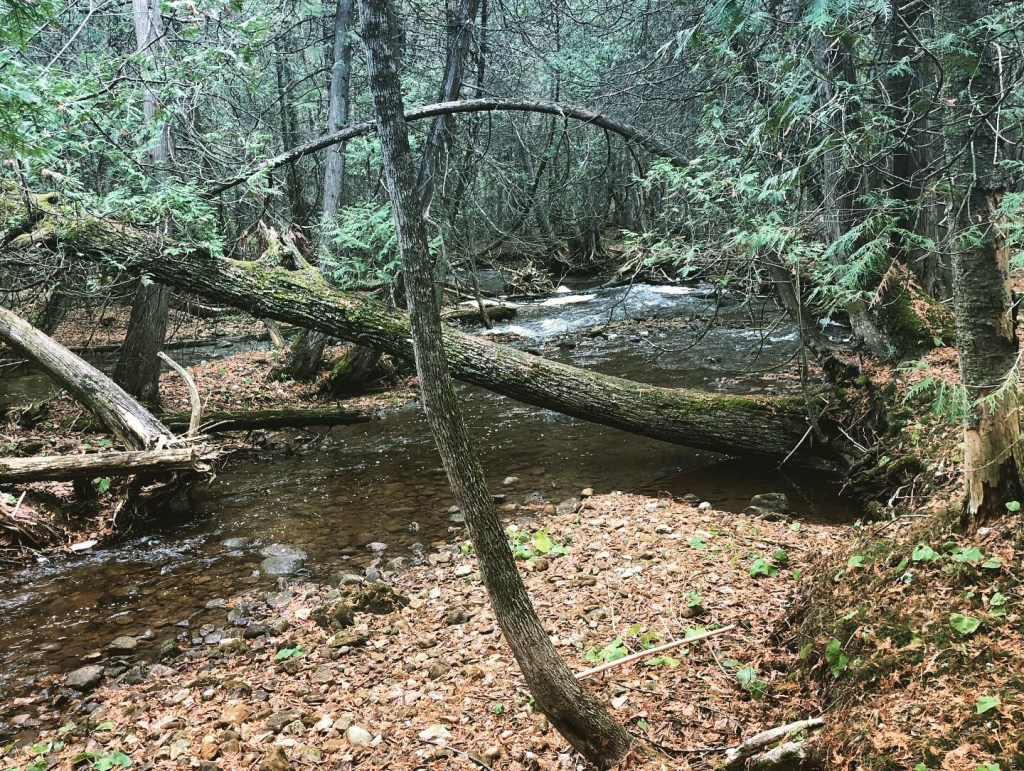
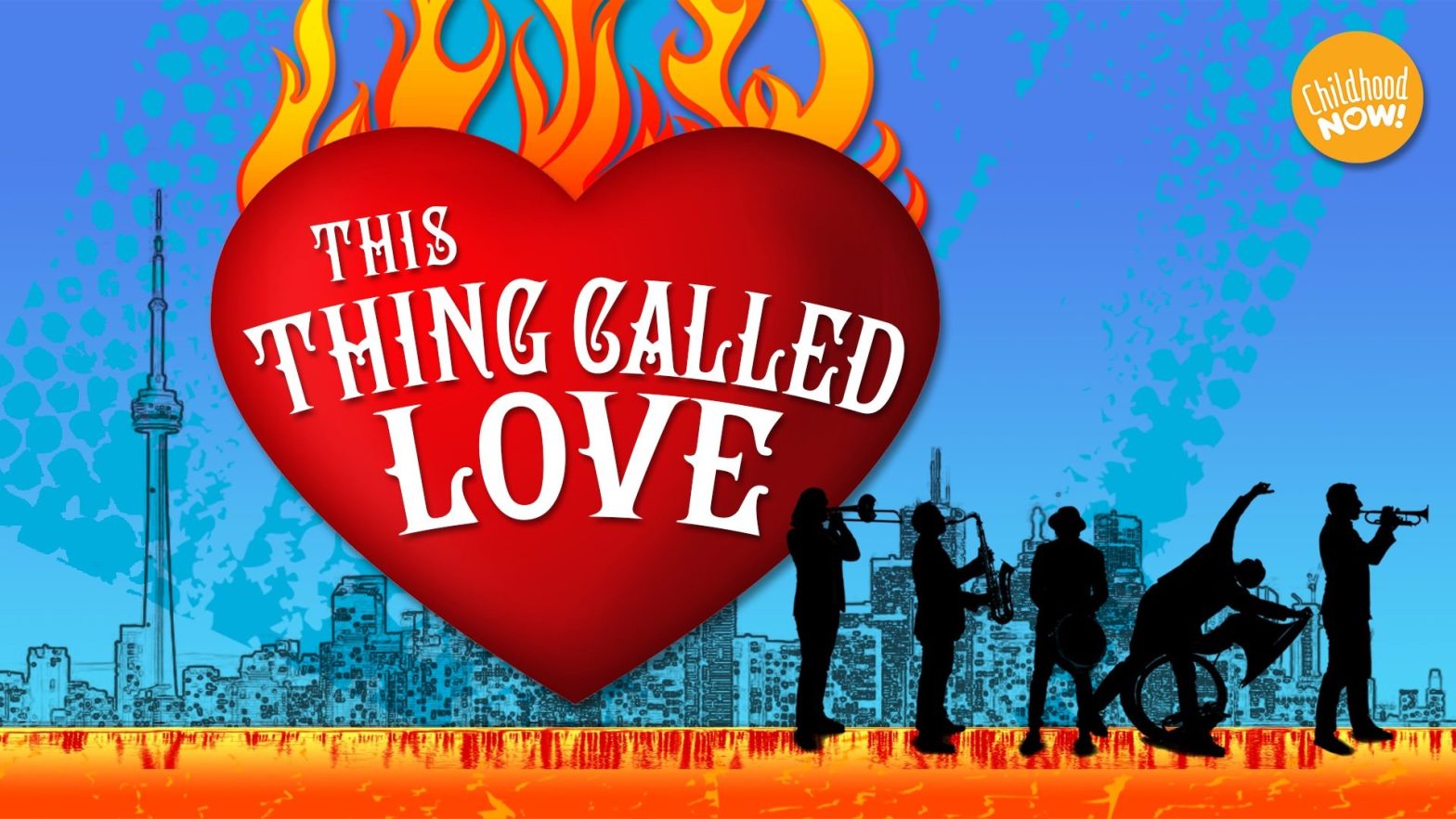

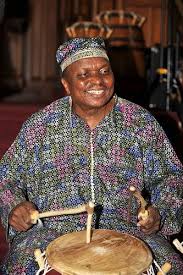


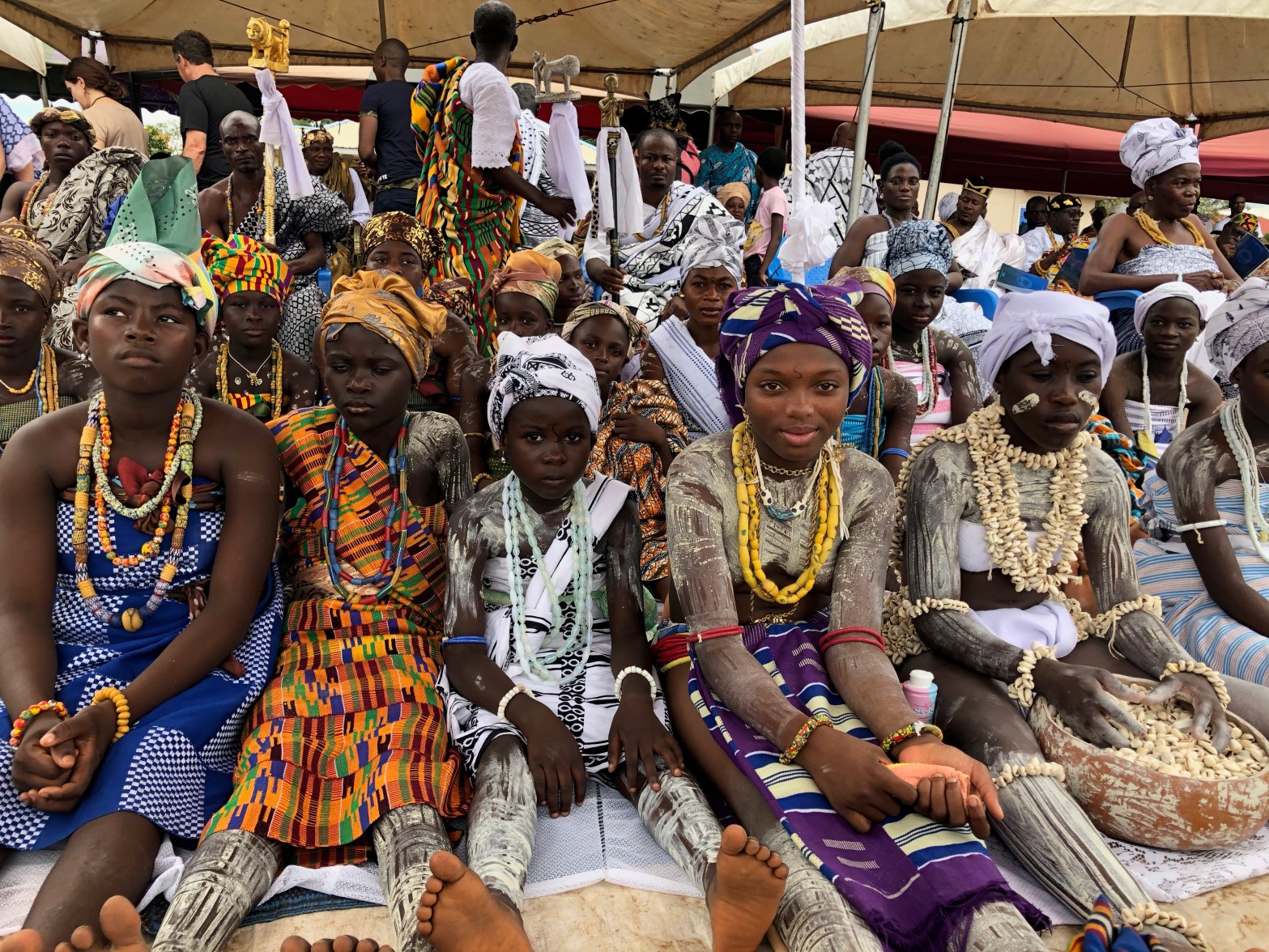

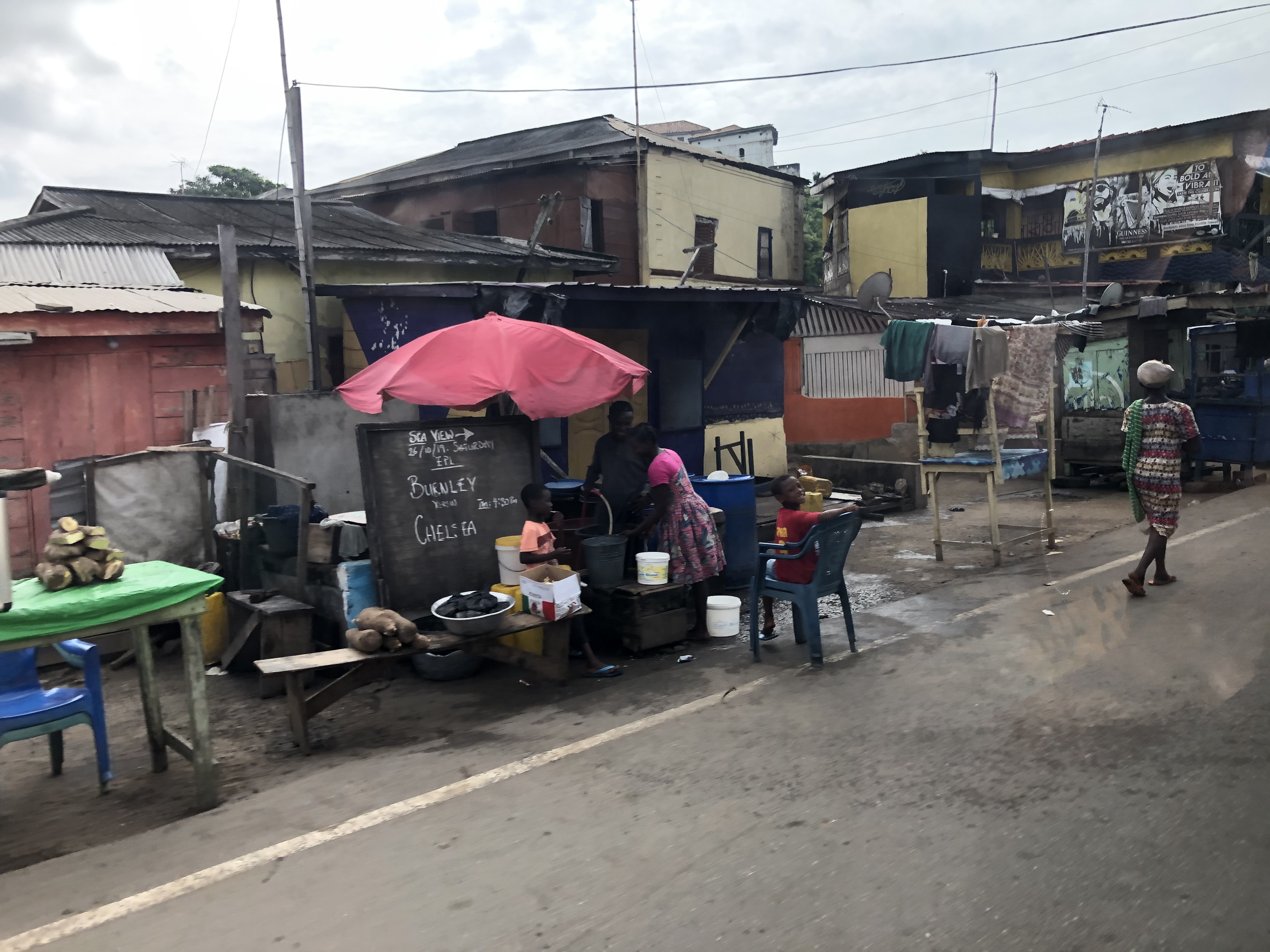
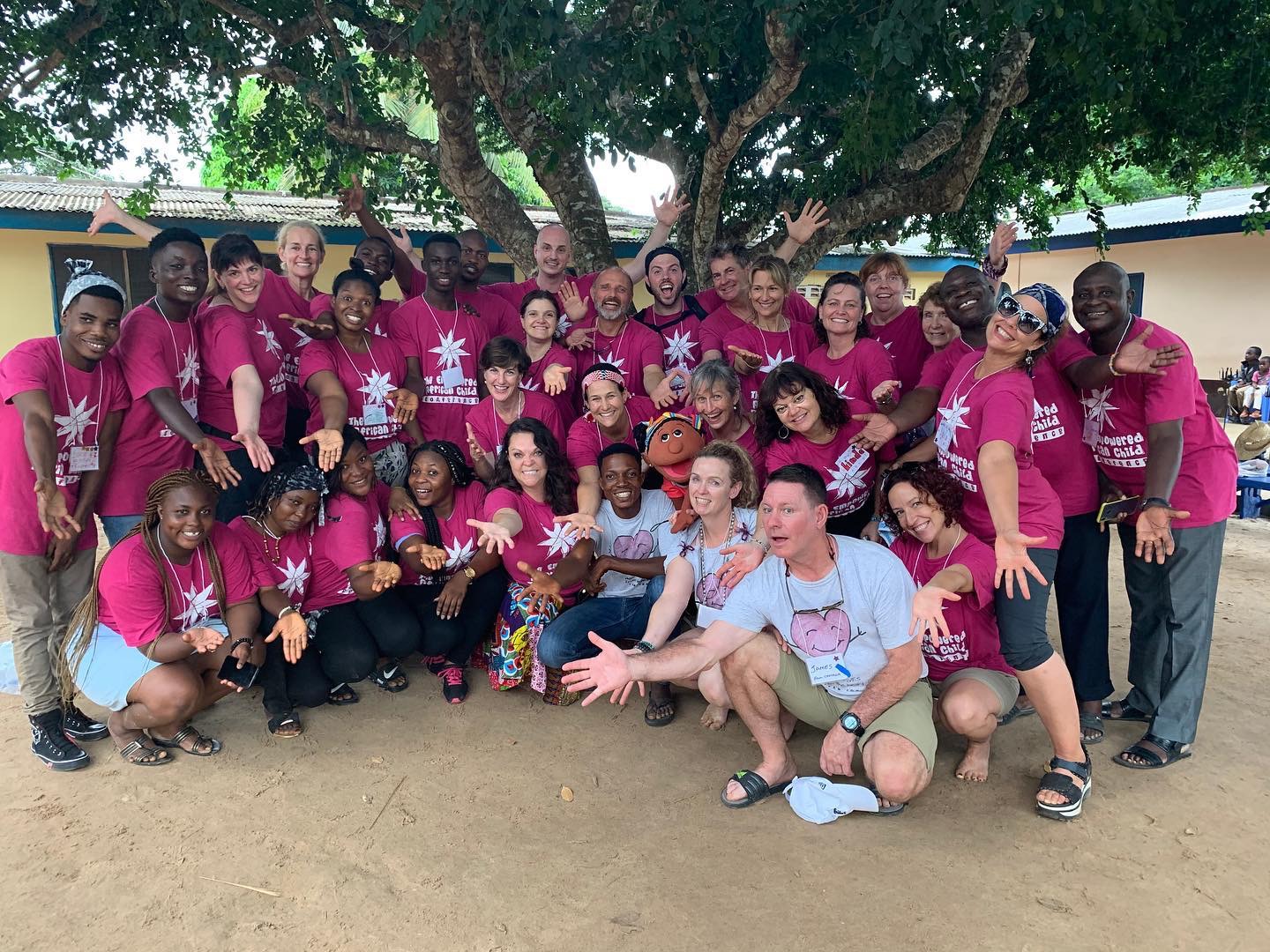

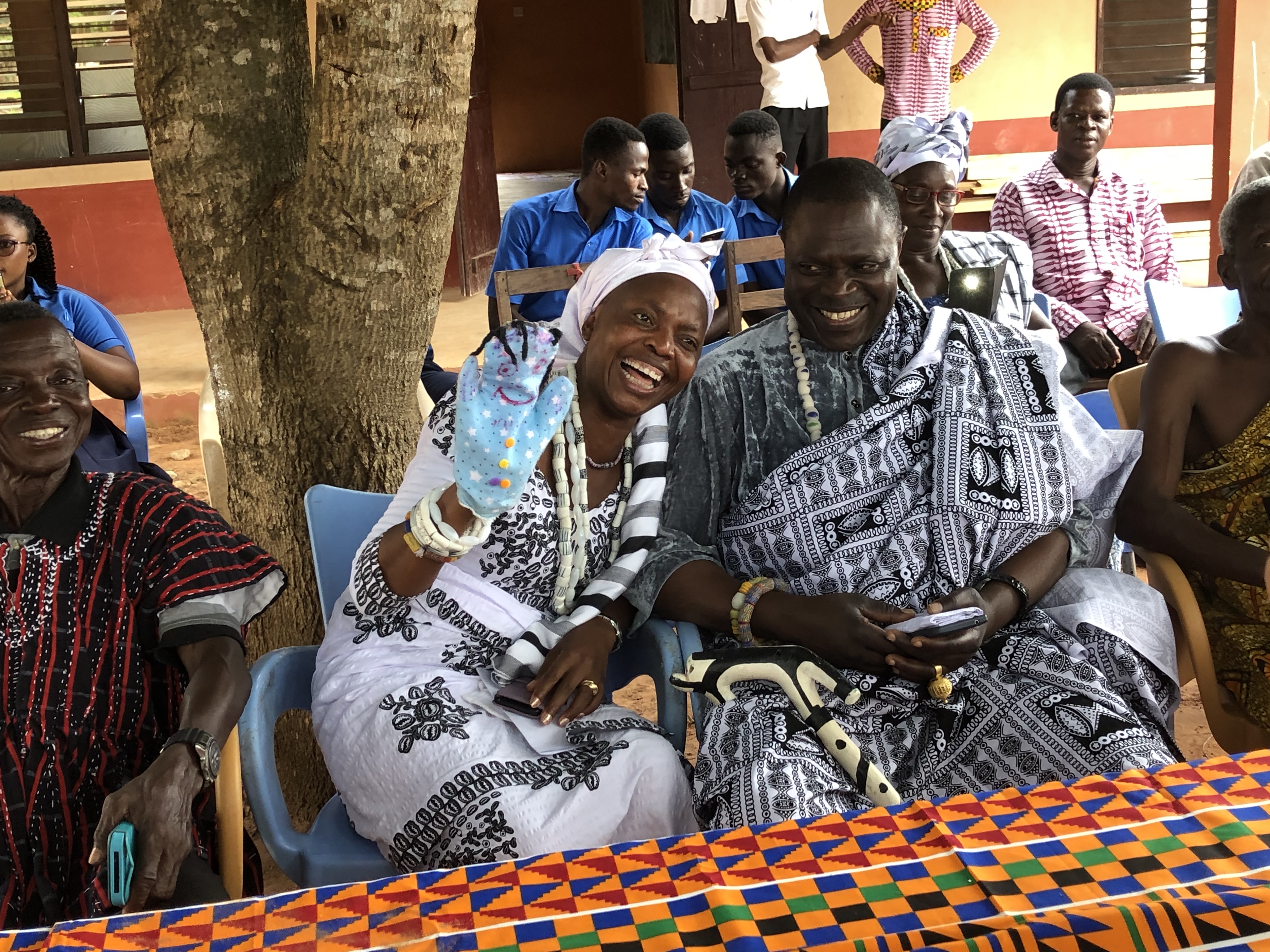
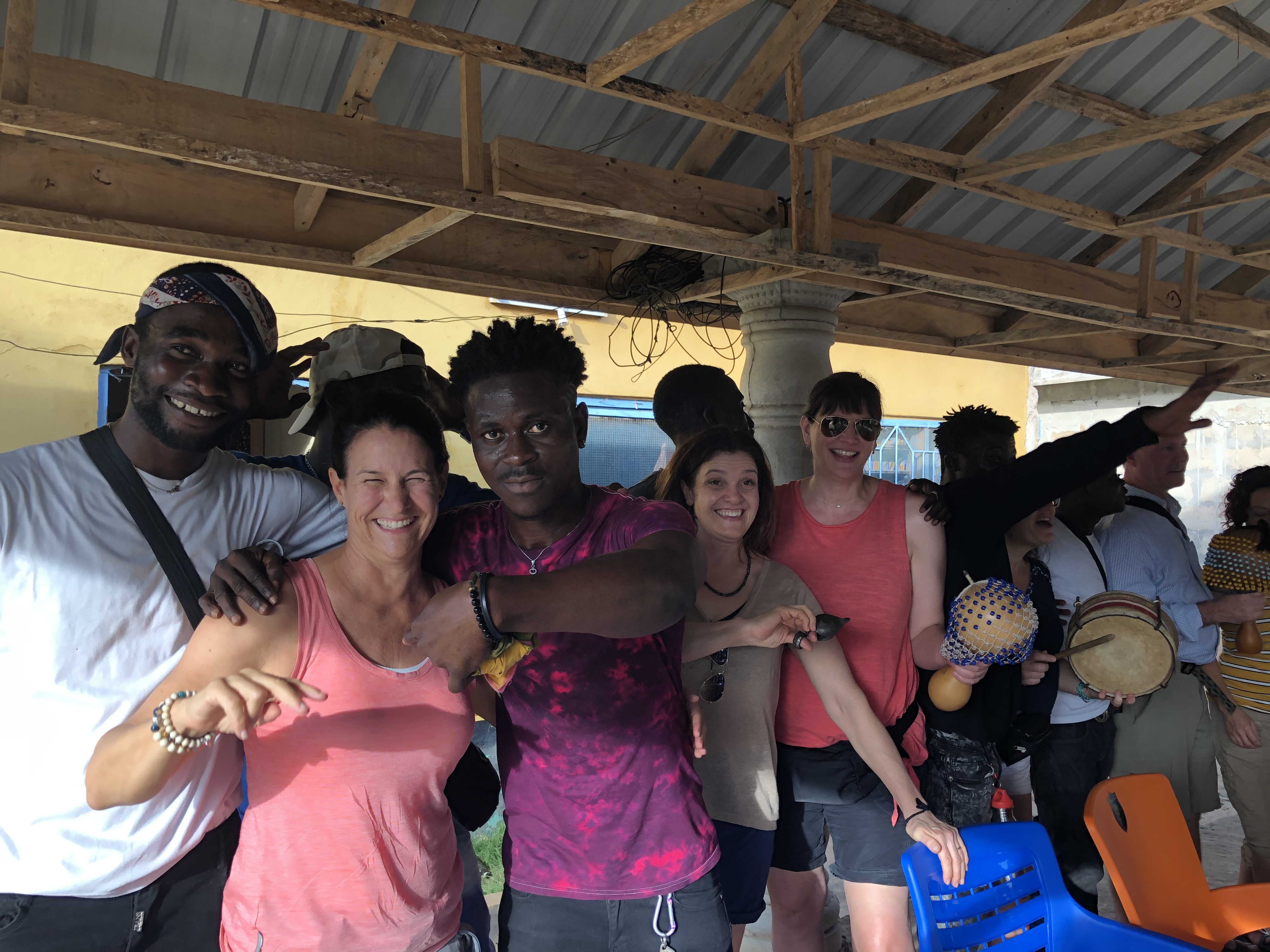
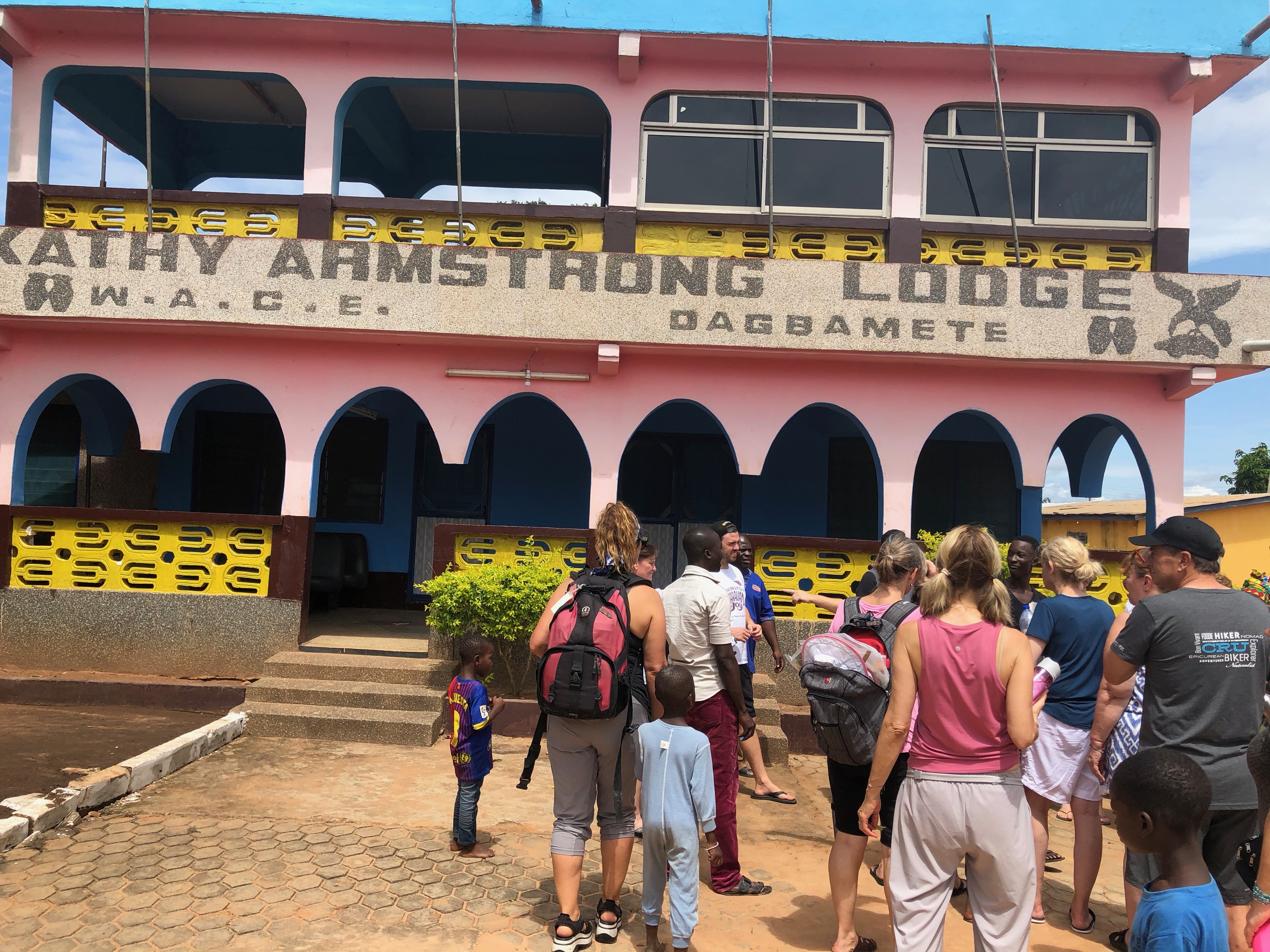 Meals were prepared over open fires outside by a team of women, some with babies strapped to their backs, and featured rice, cassava, cabbage, fried fish, eggs and chicken. (I kept to a vegetarian diet as there is no refrigeration).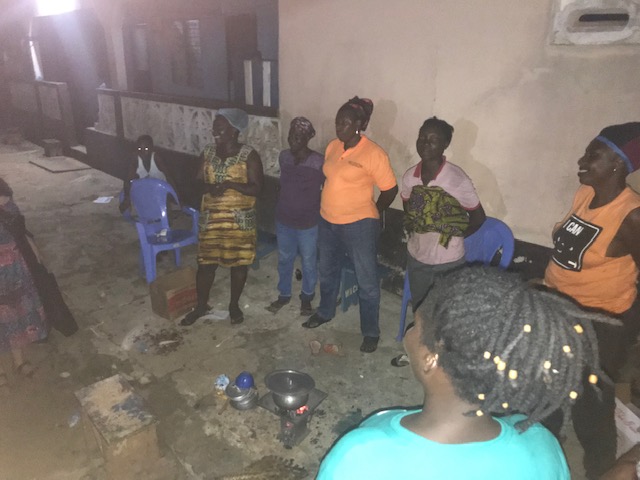
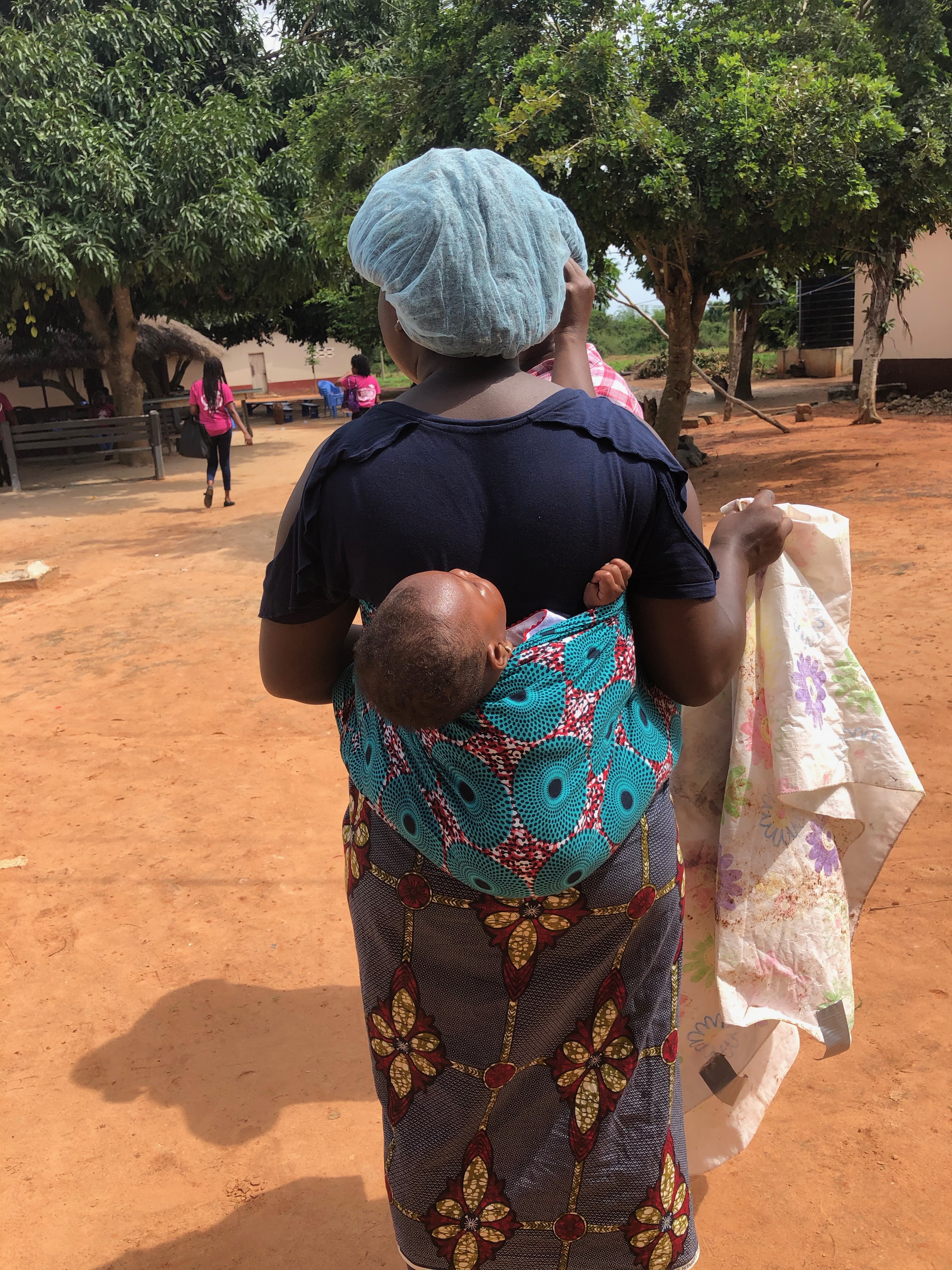
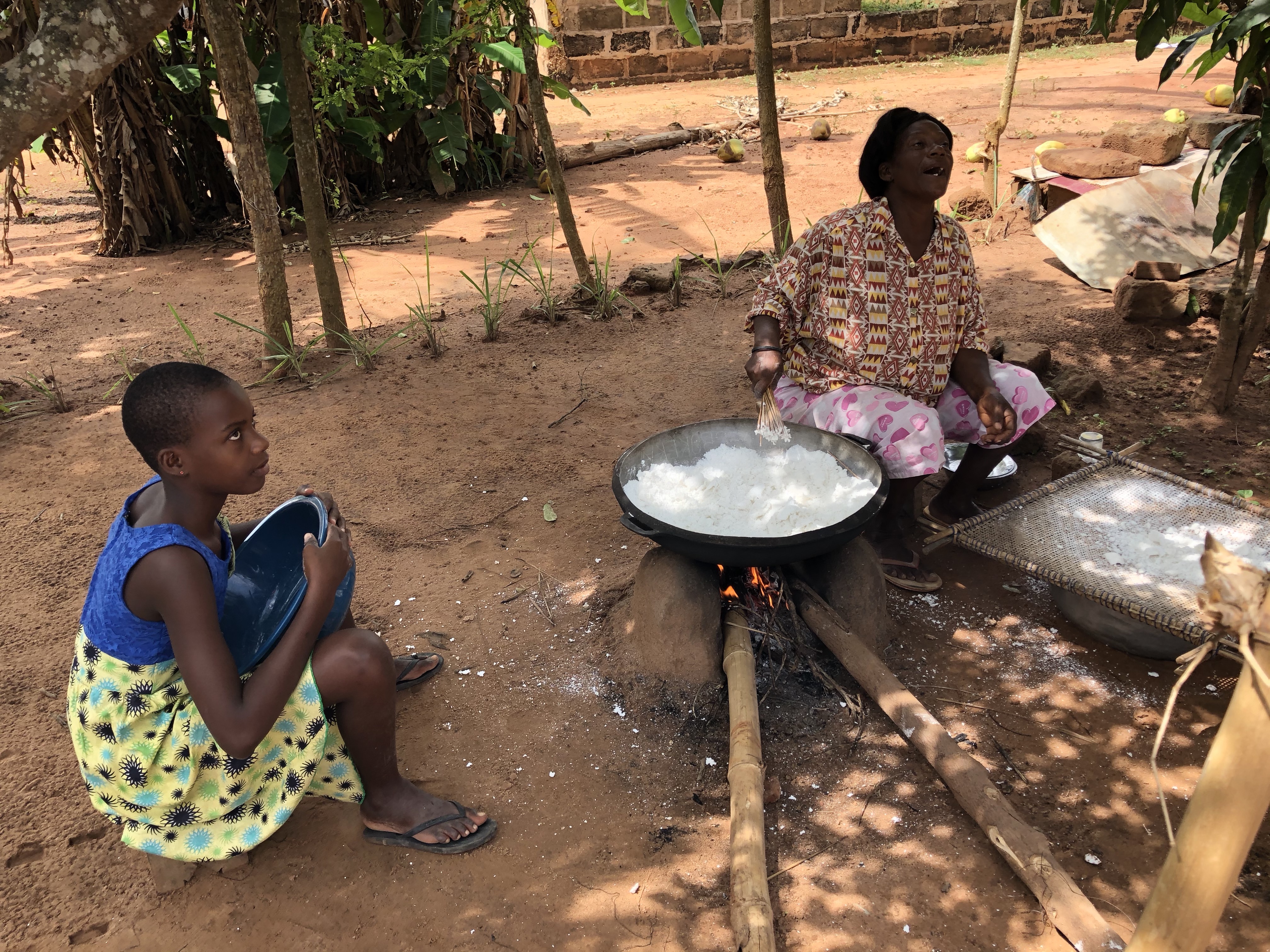
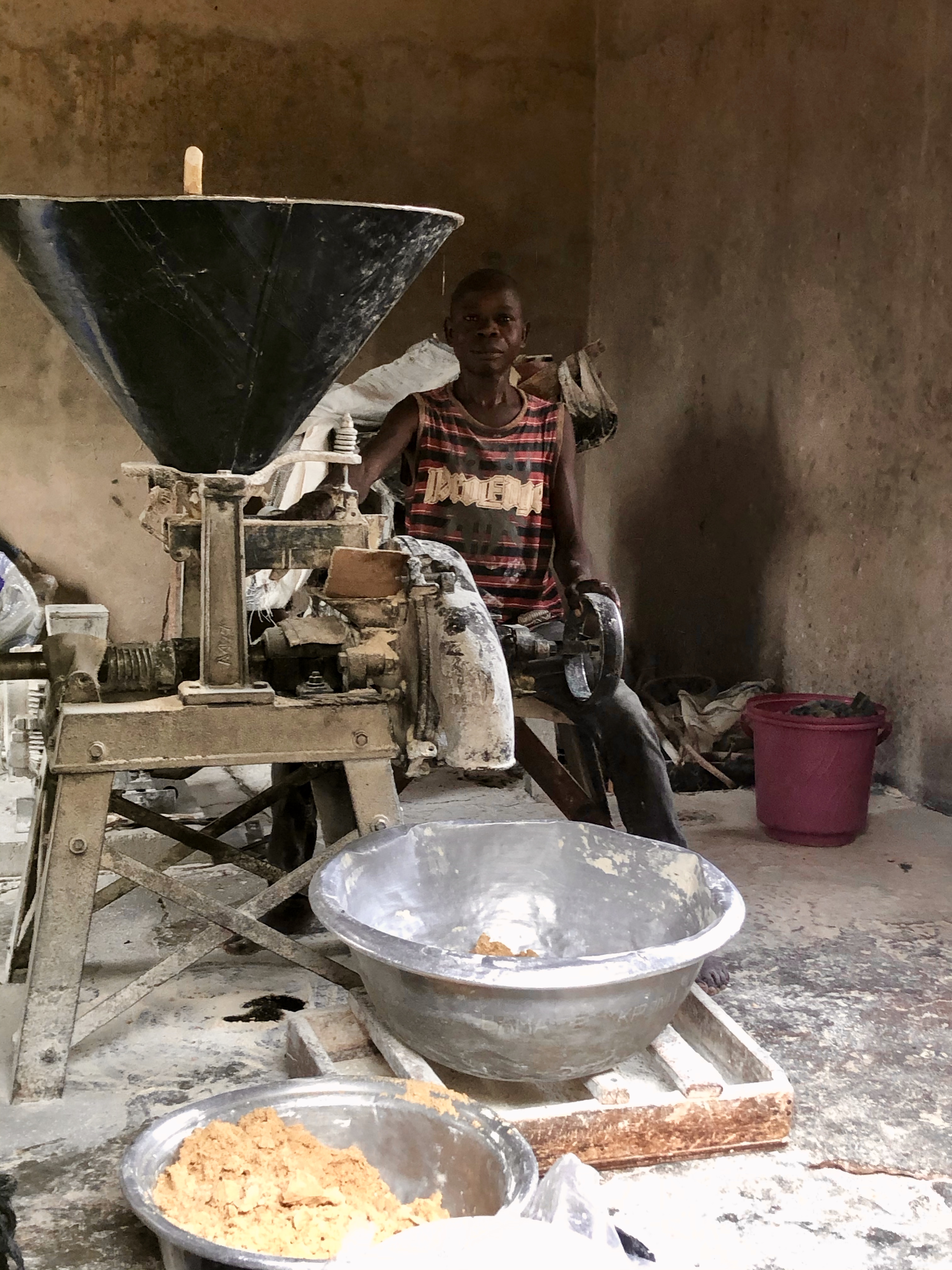
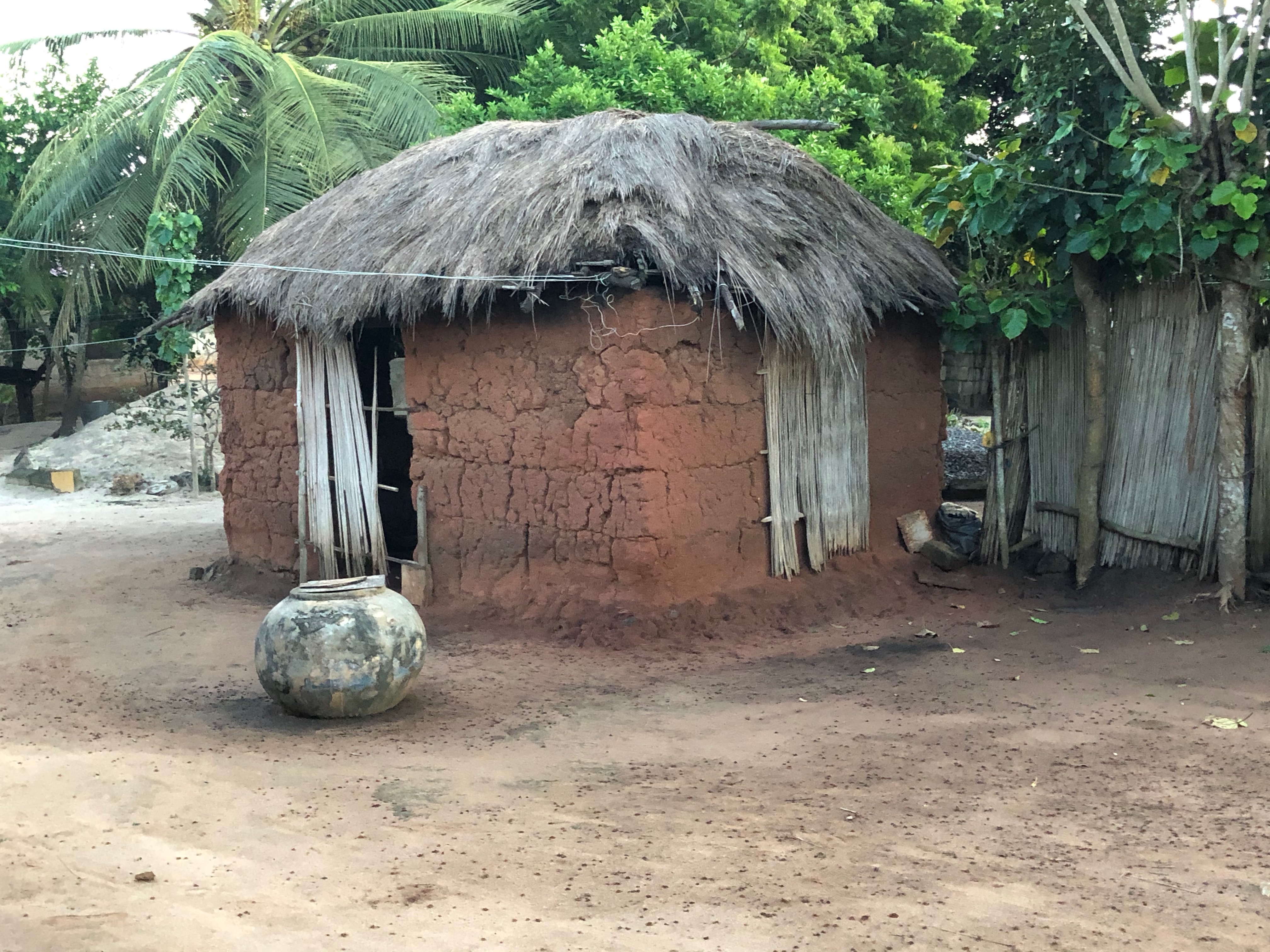
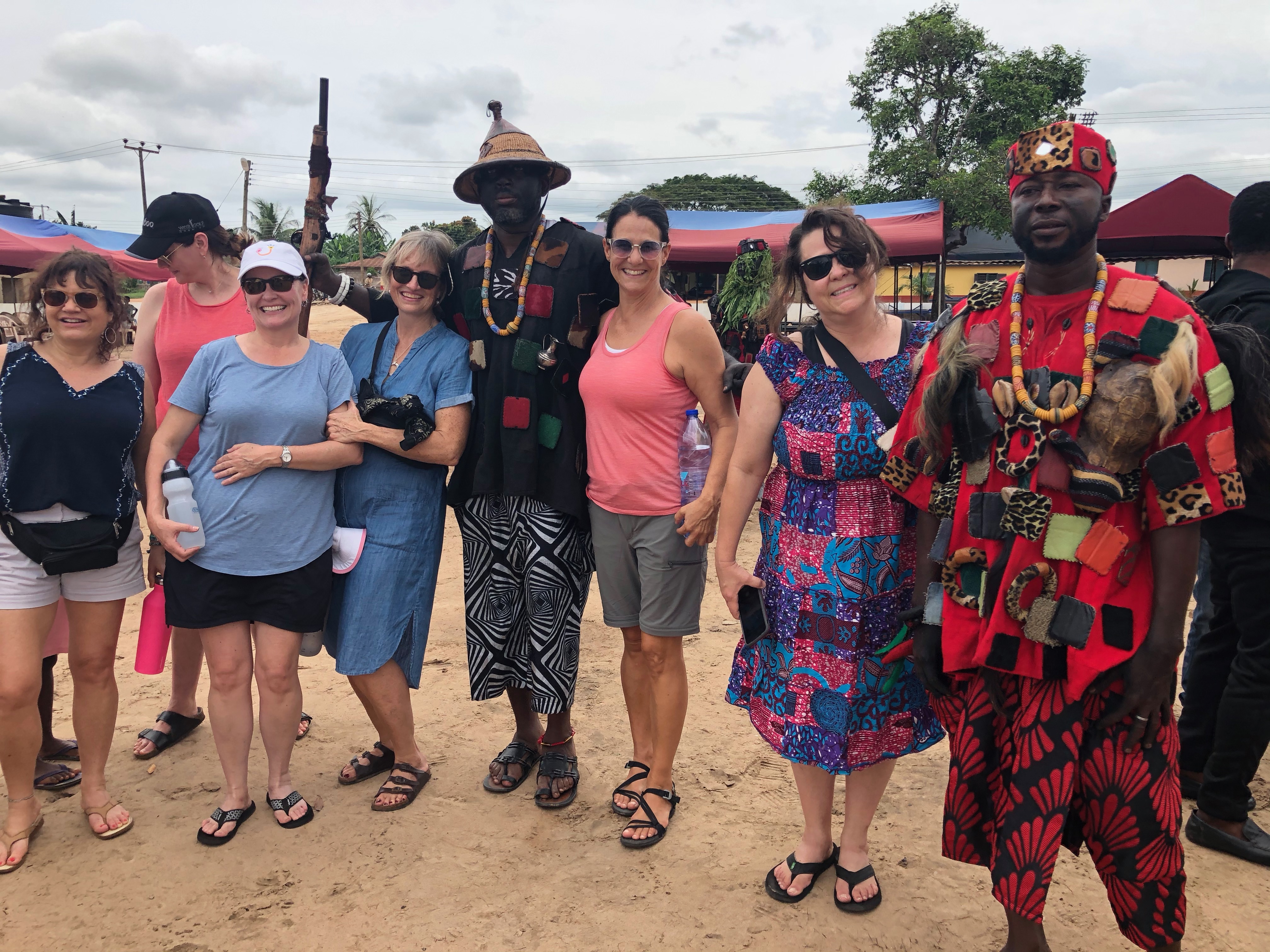
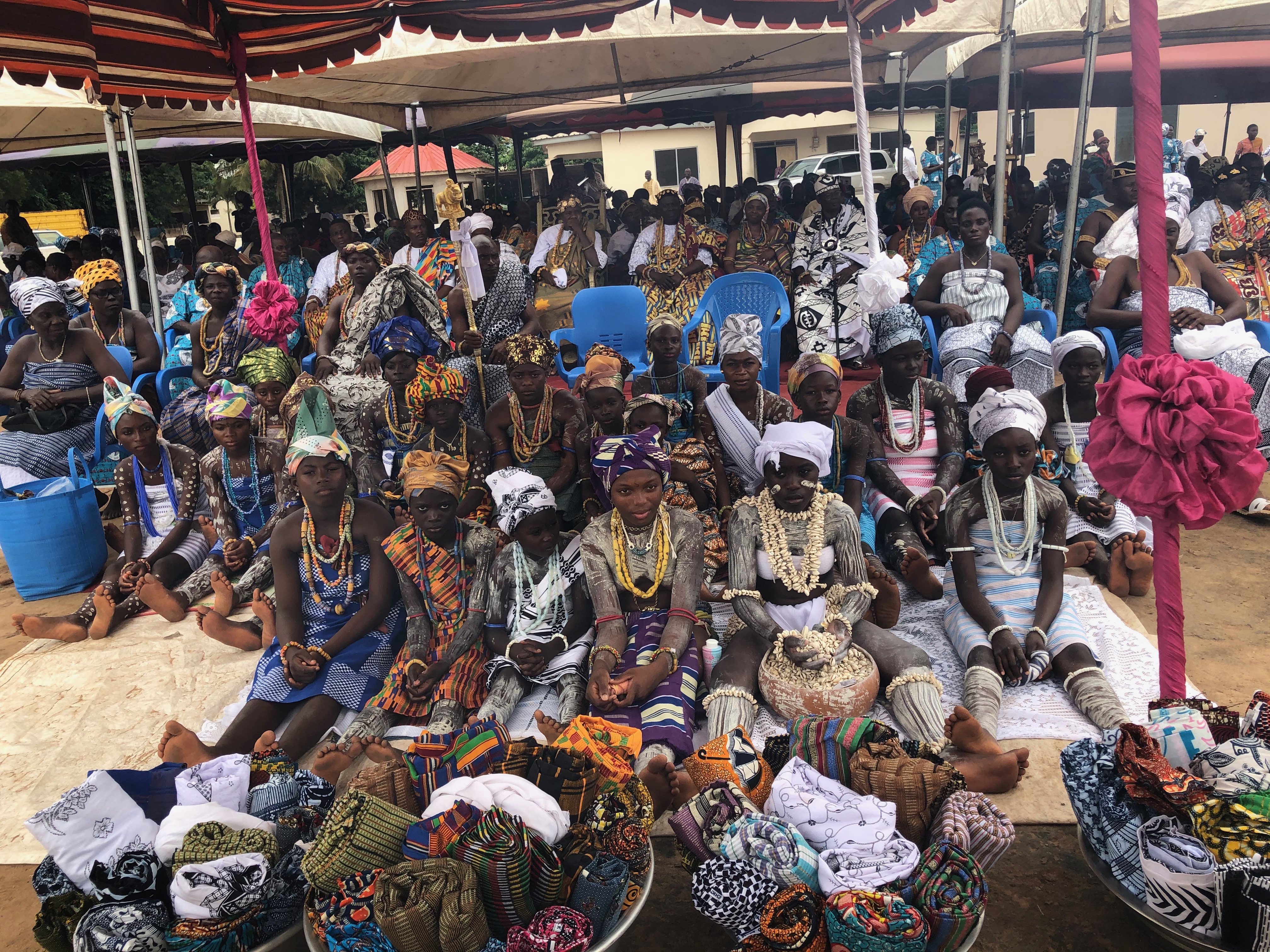

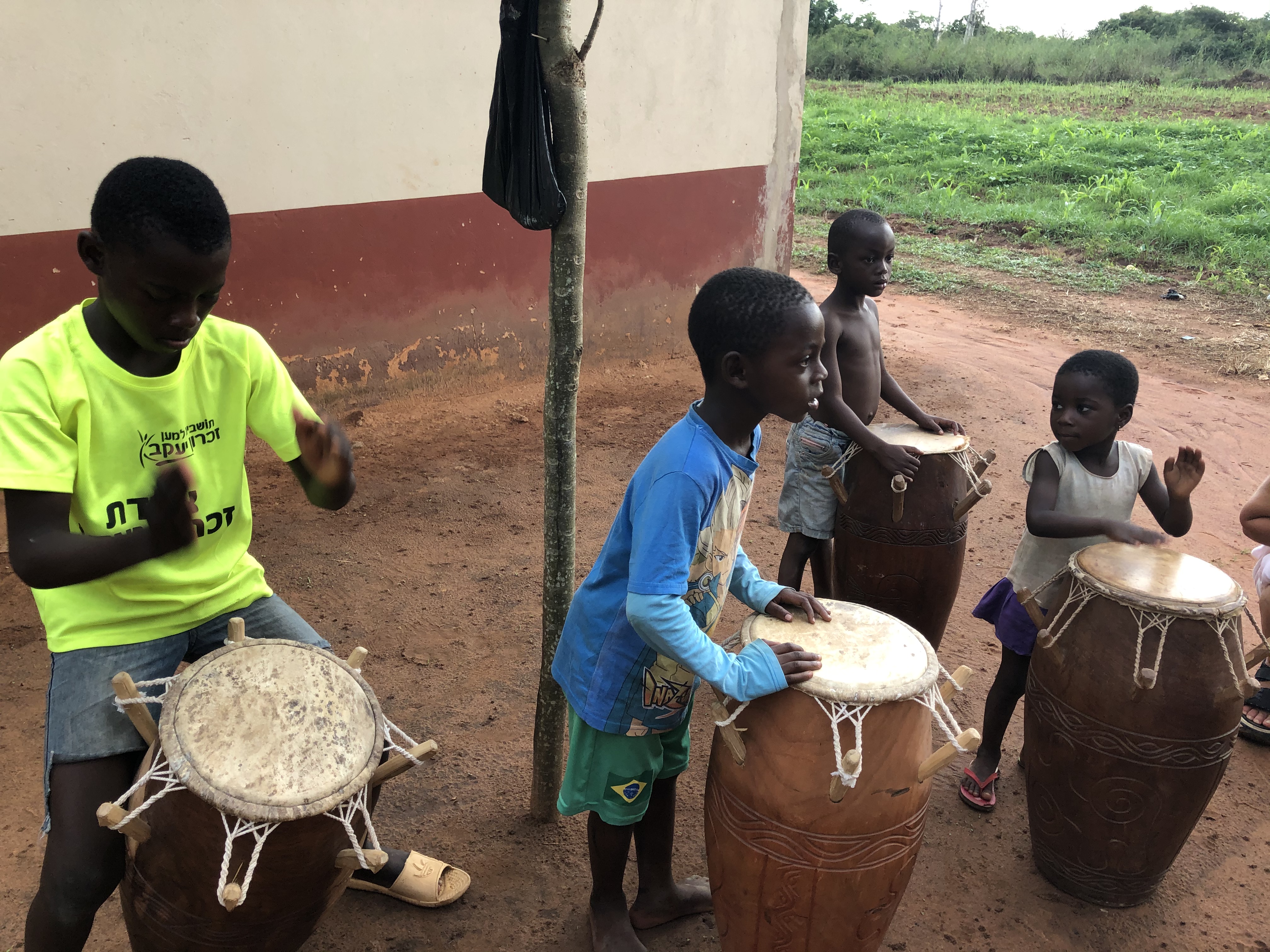
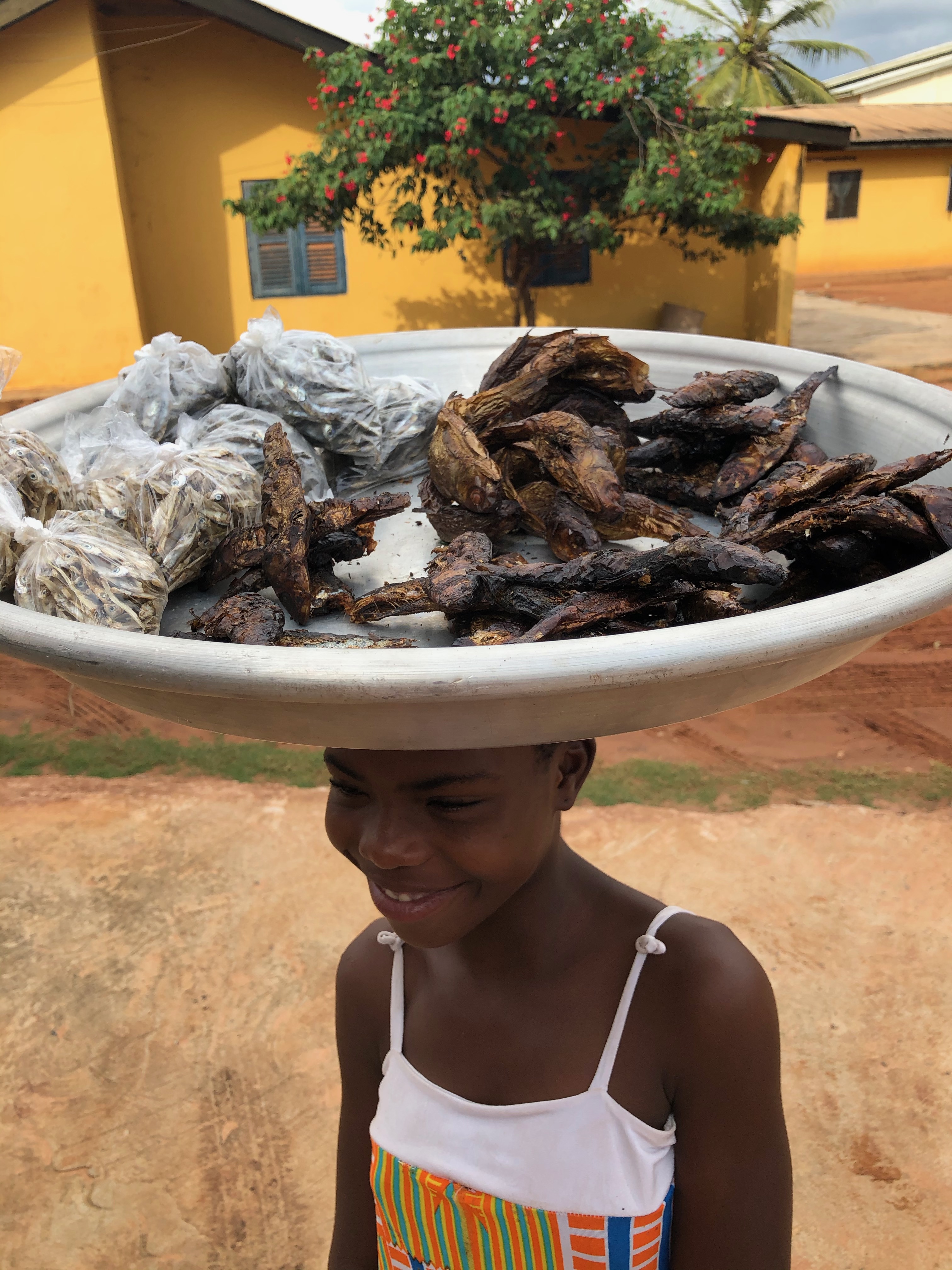
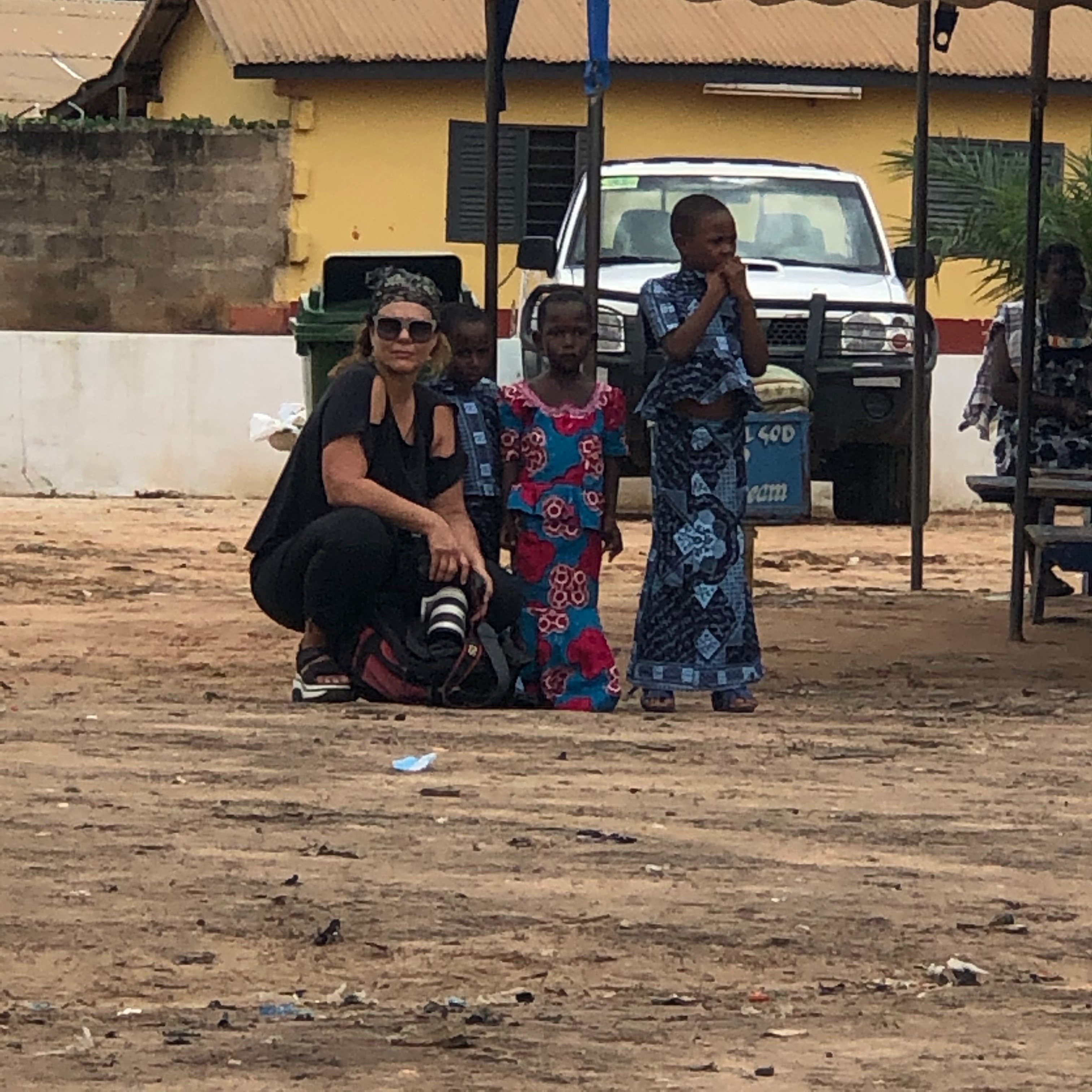
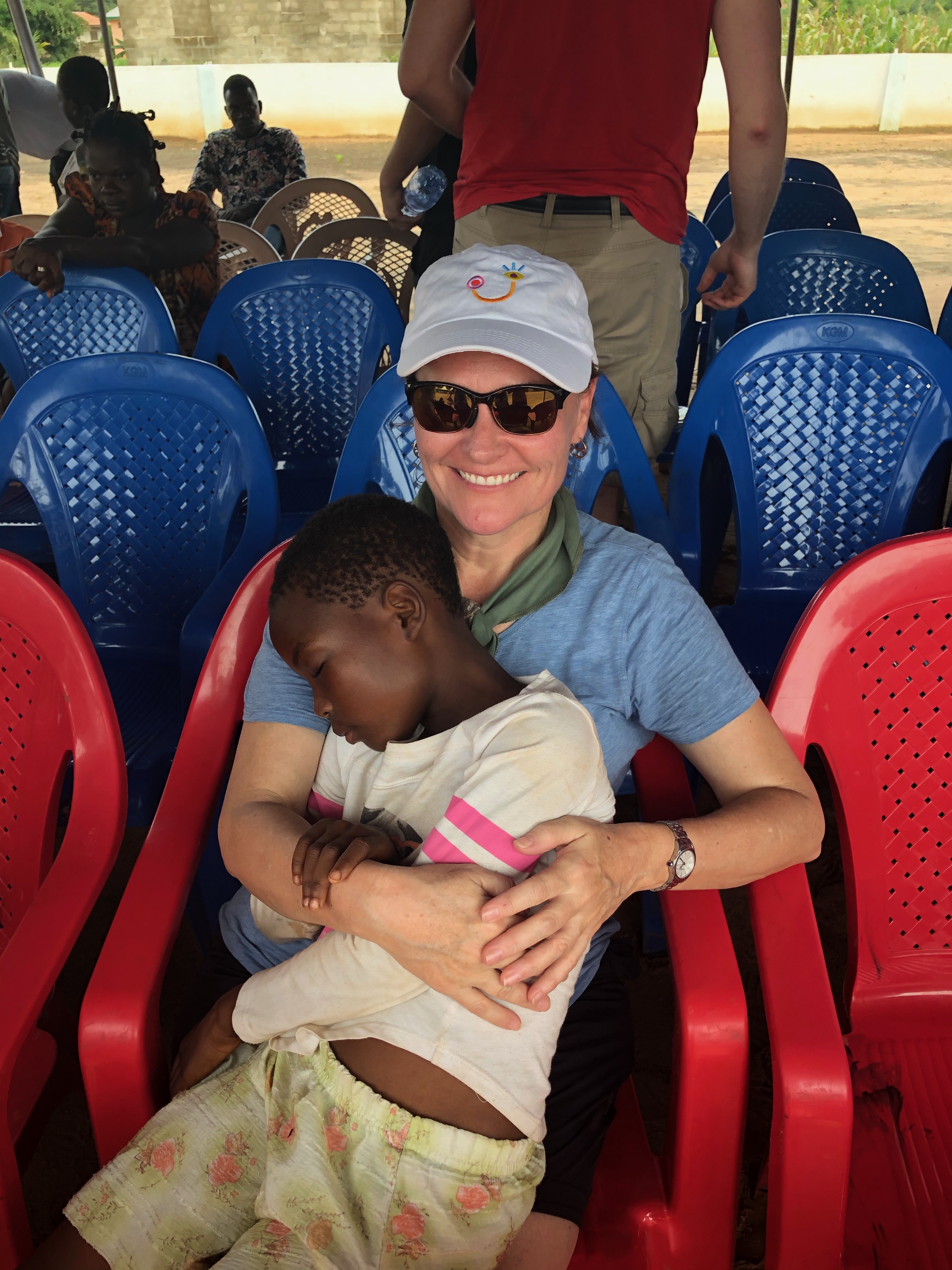

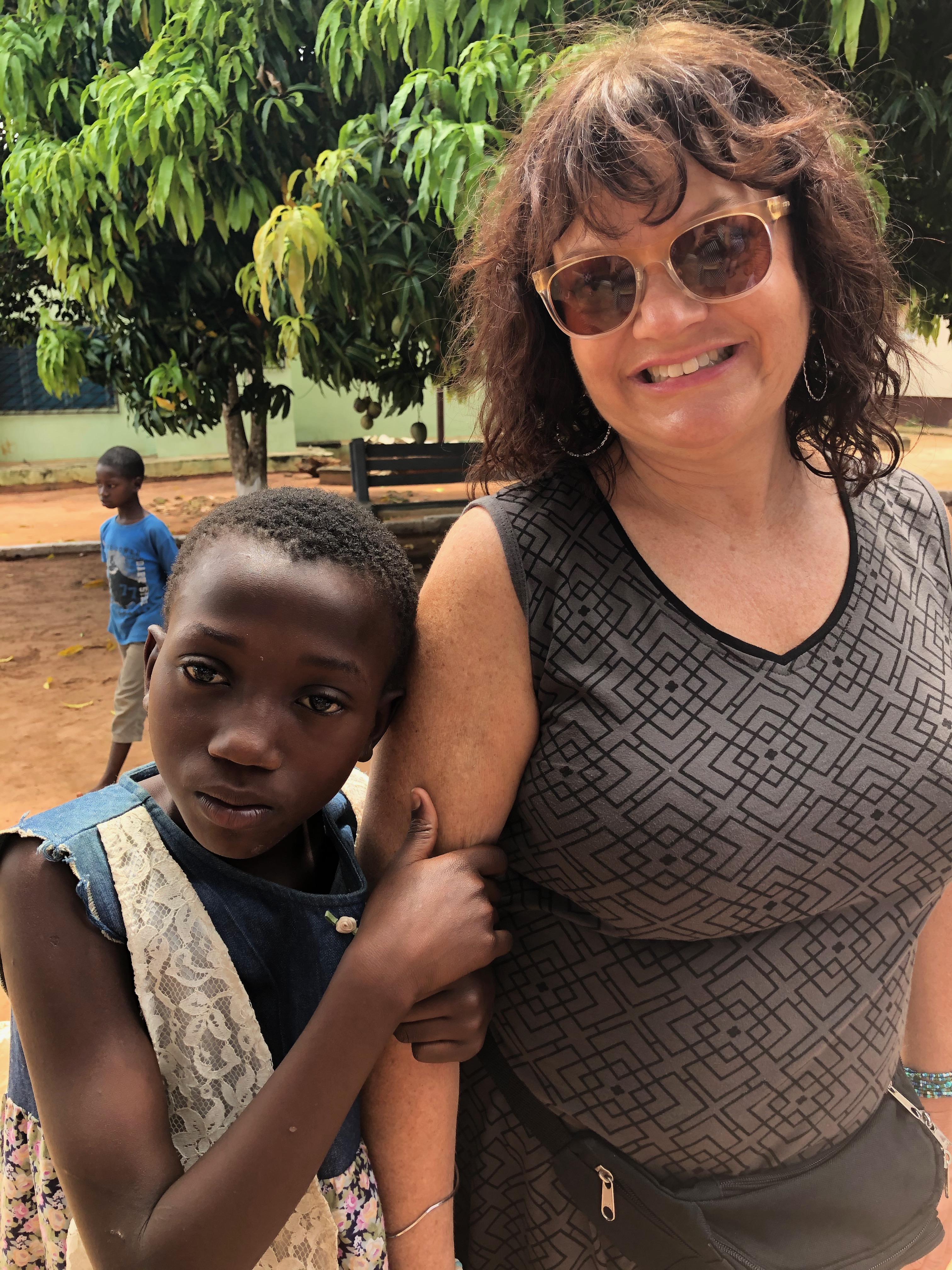
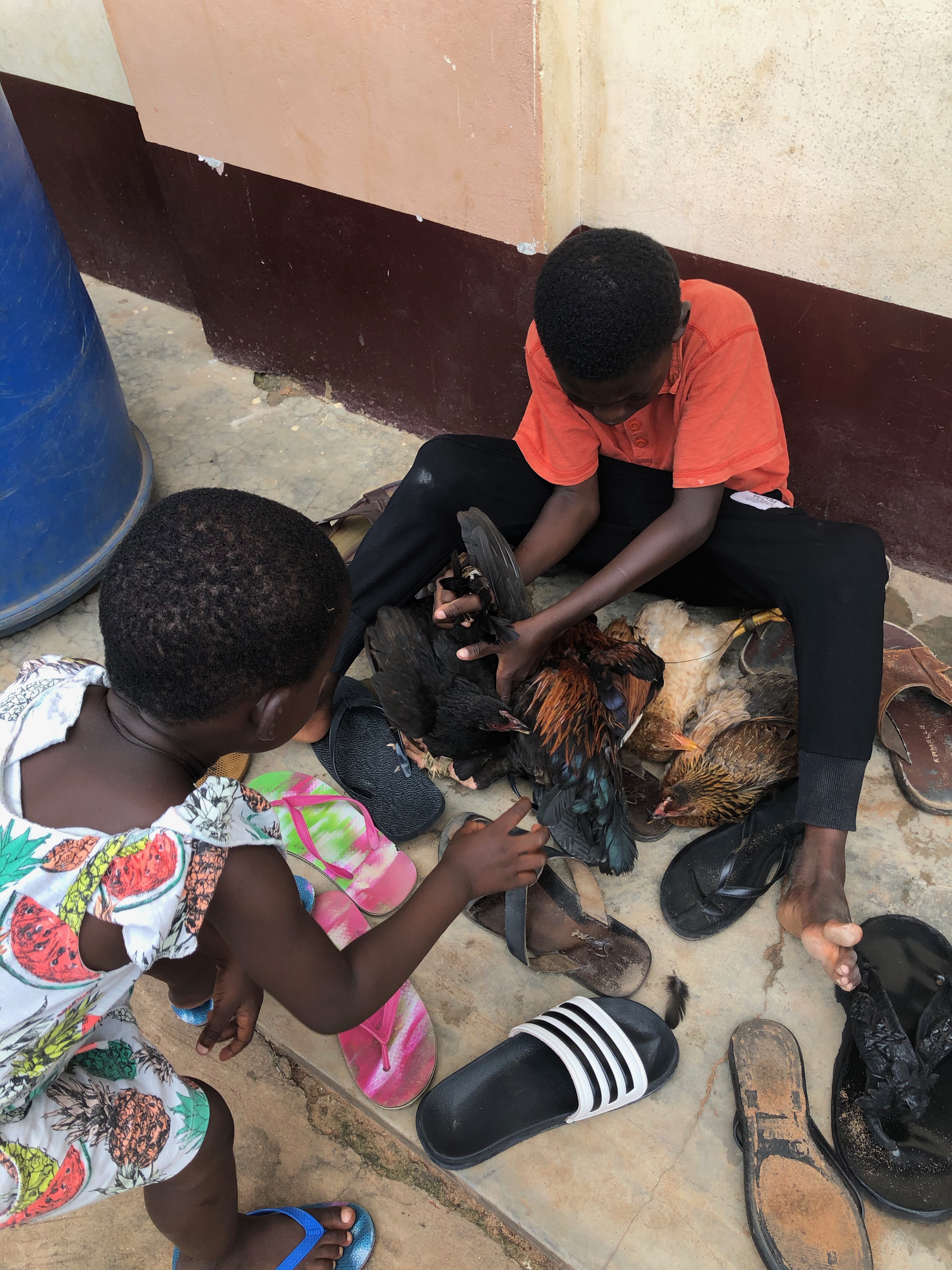
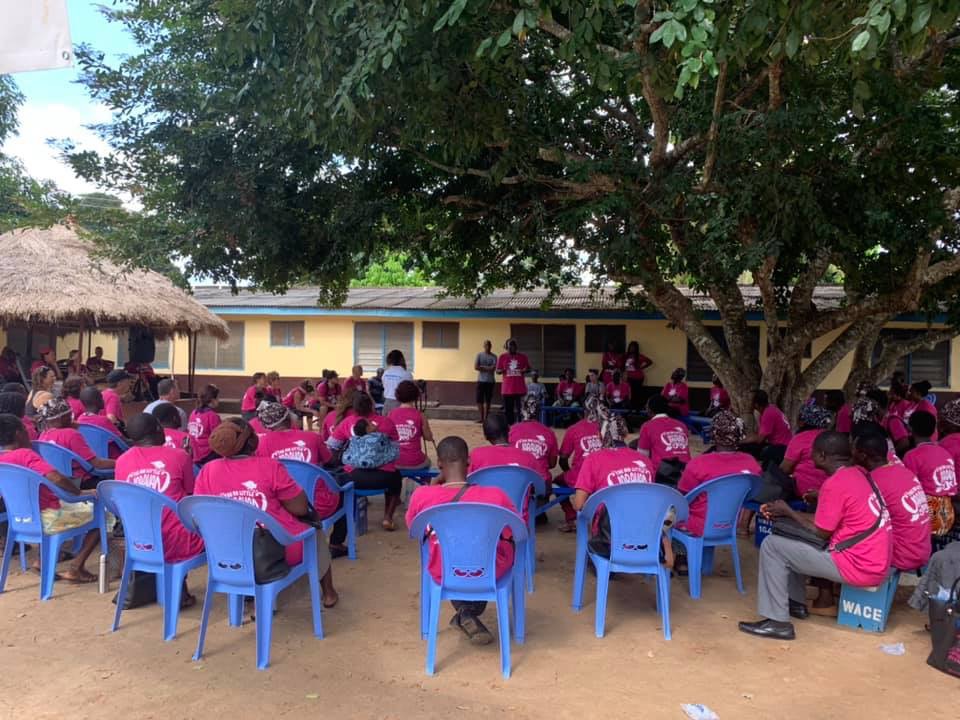
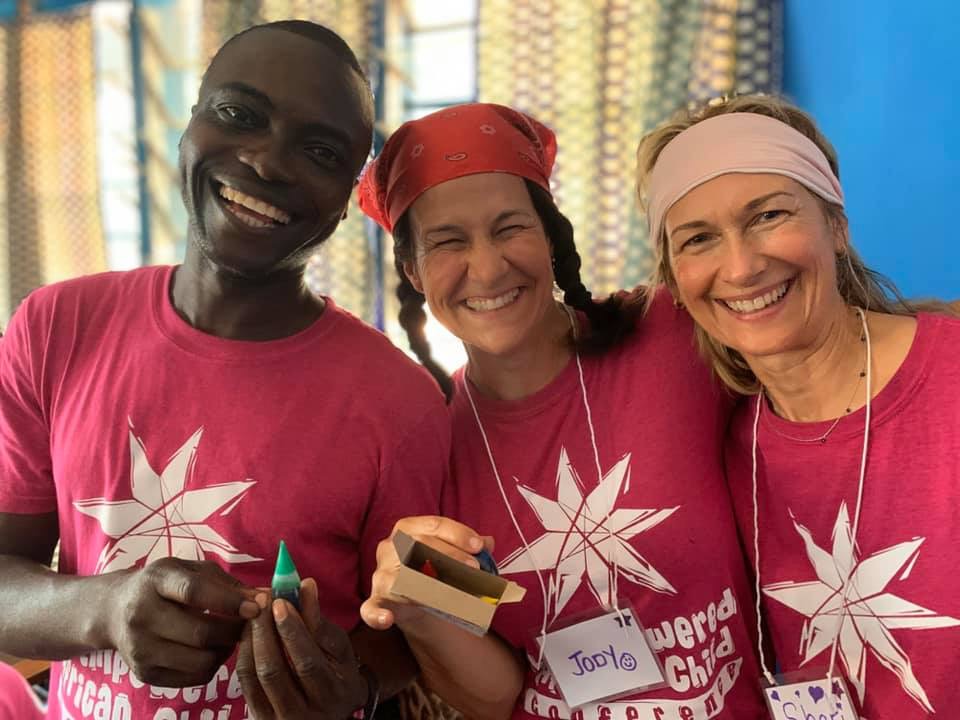
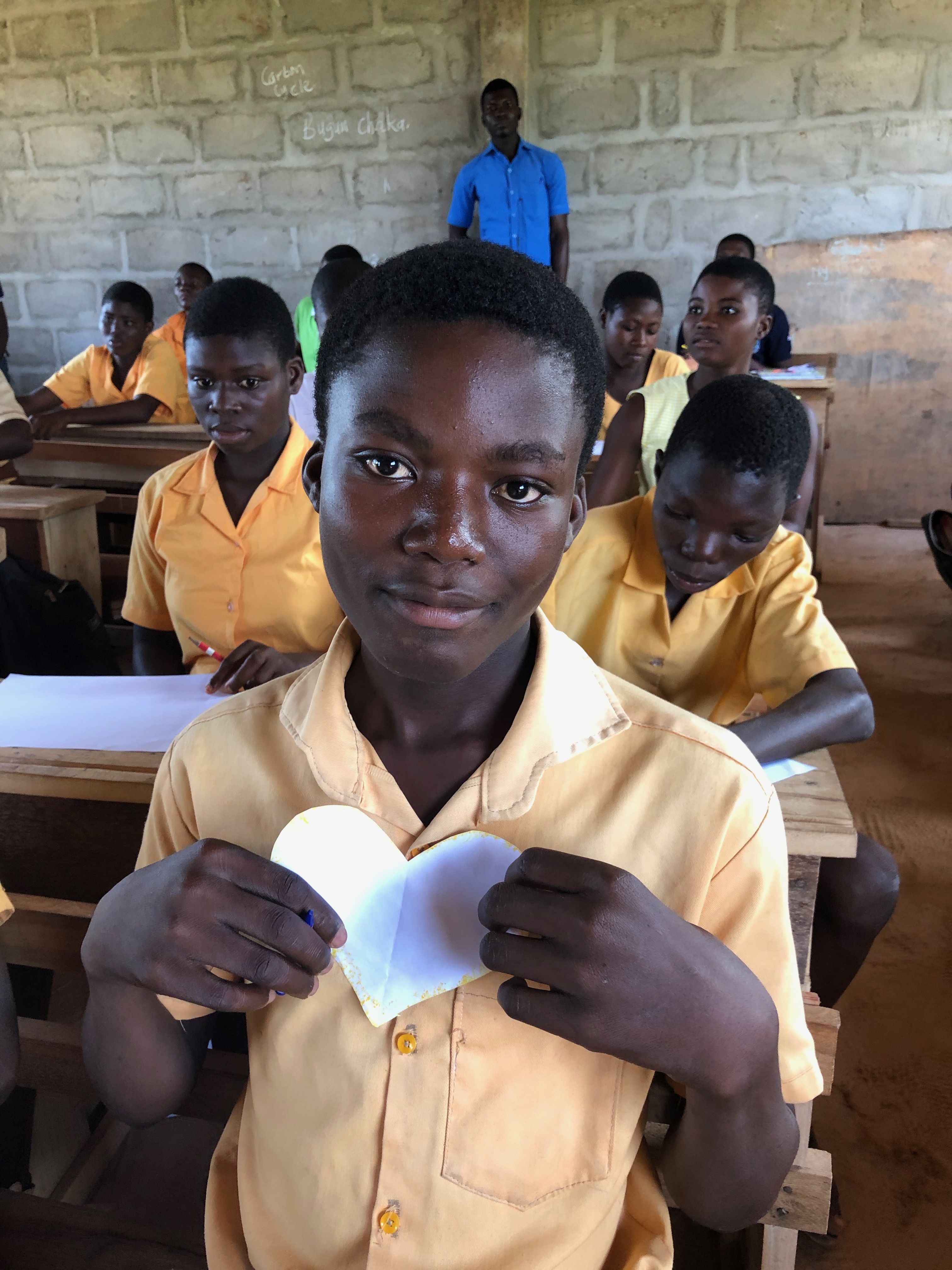
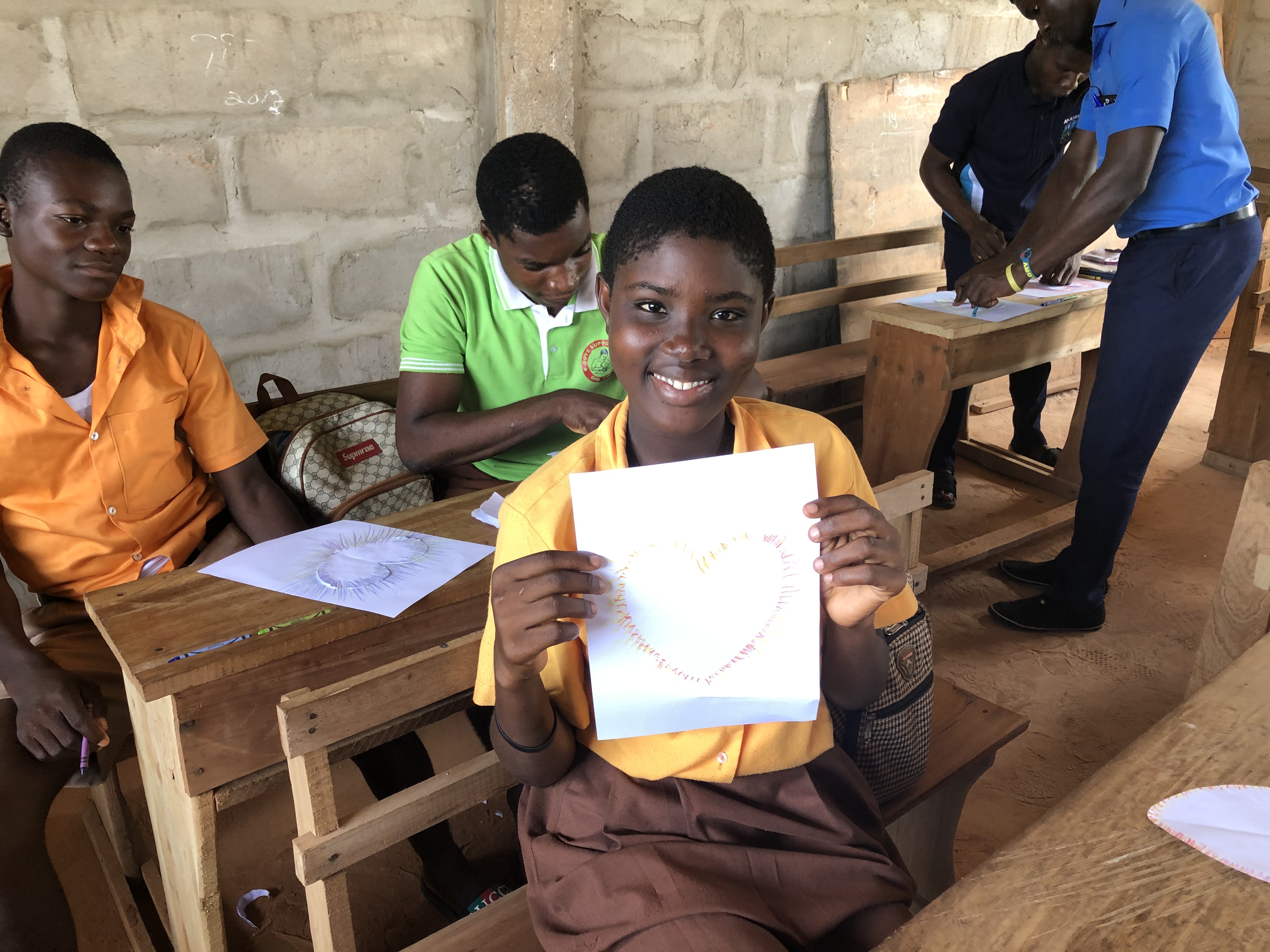

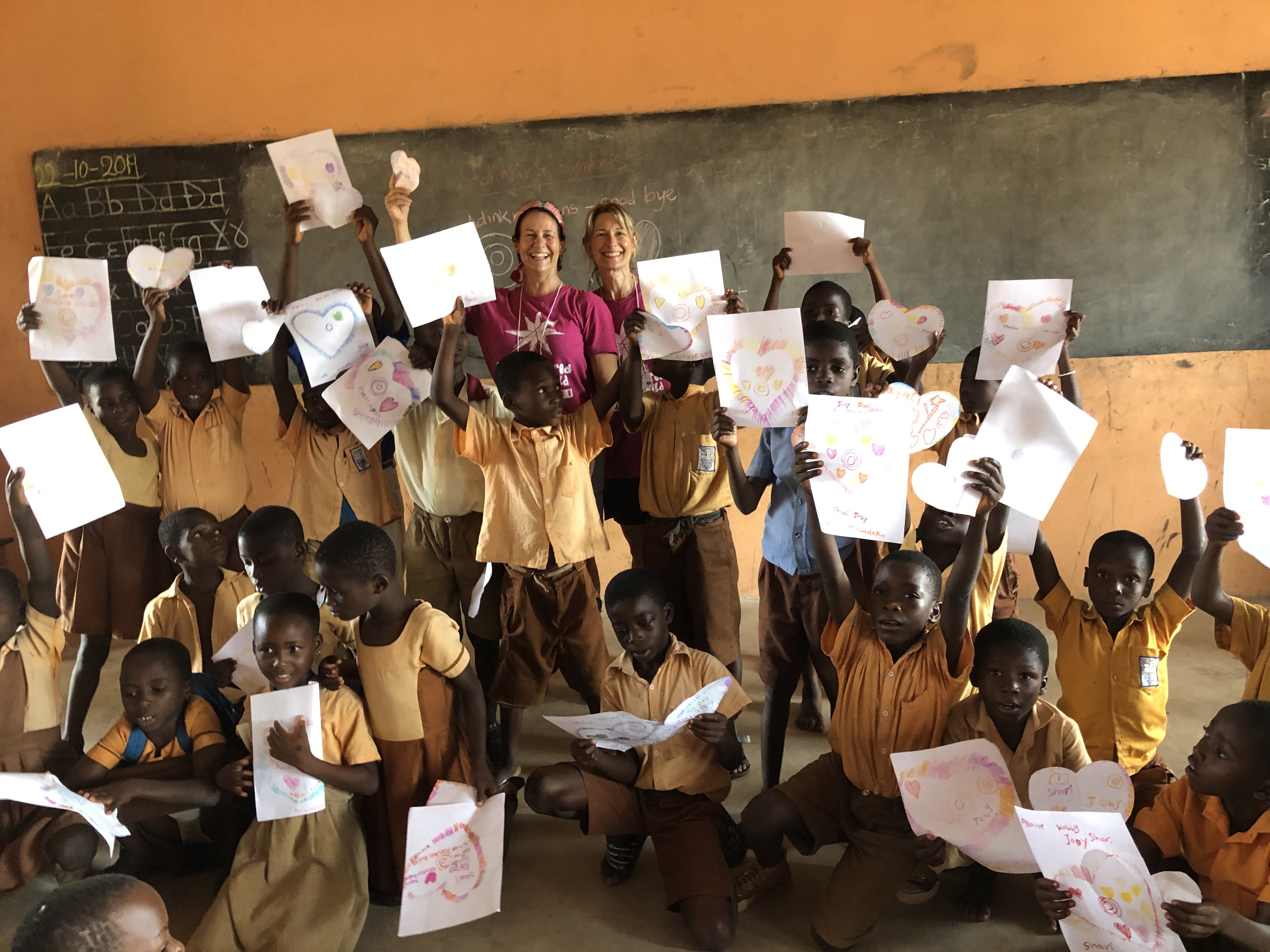
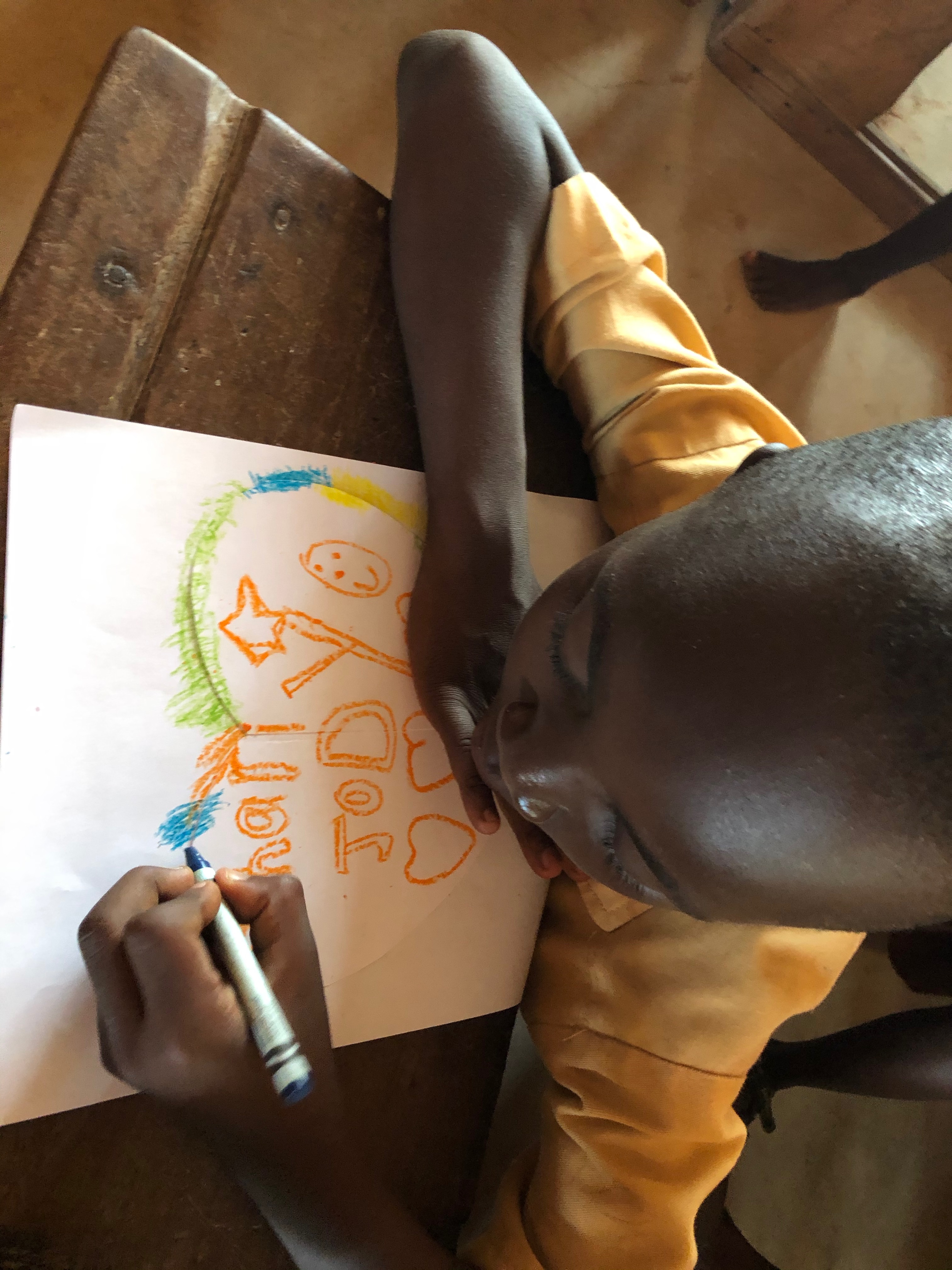
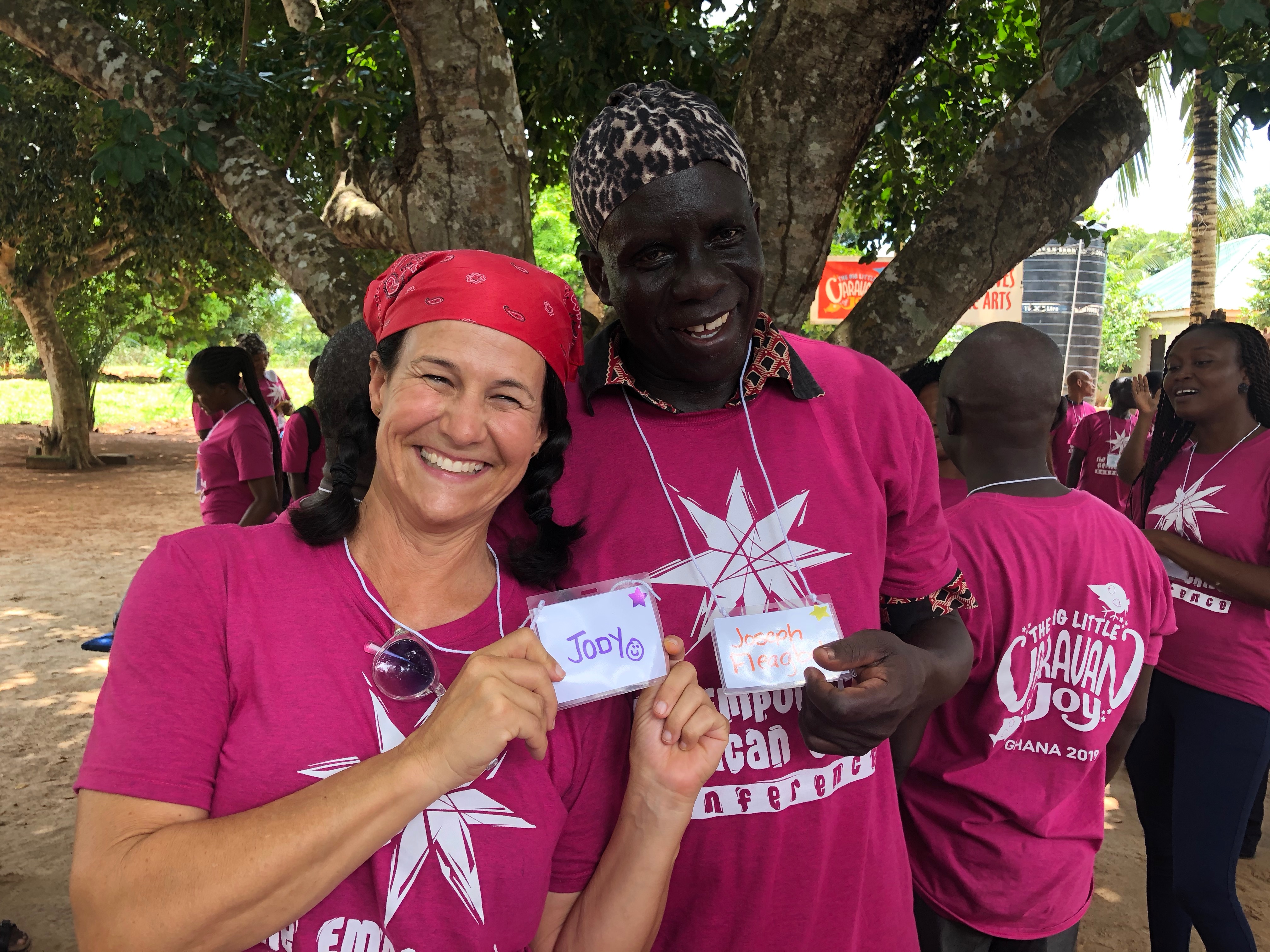


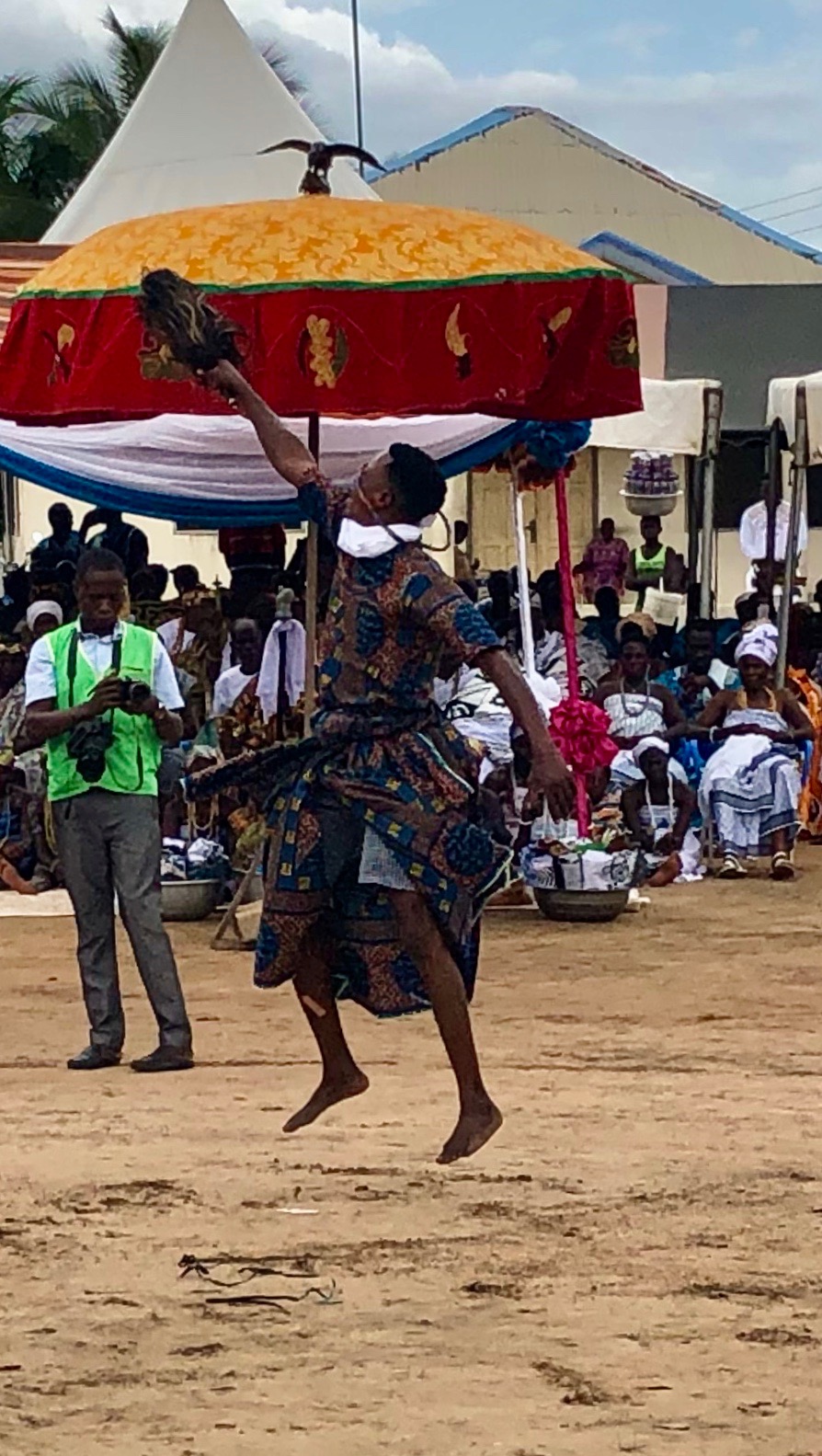
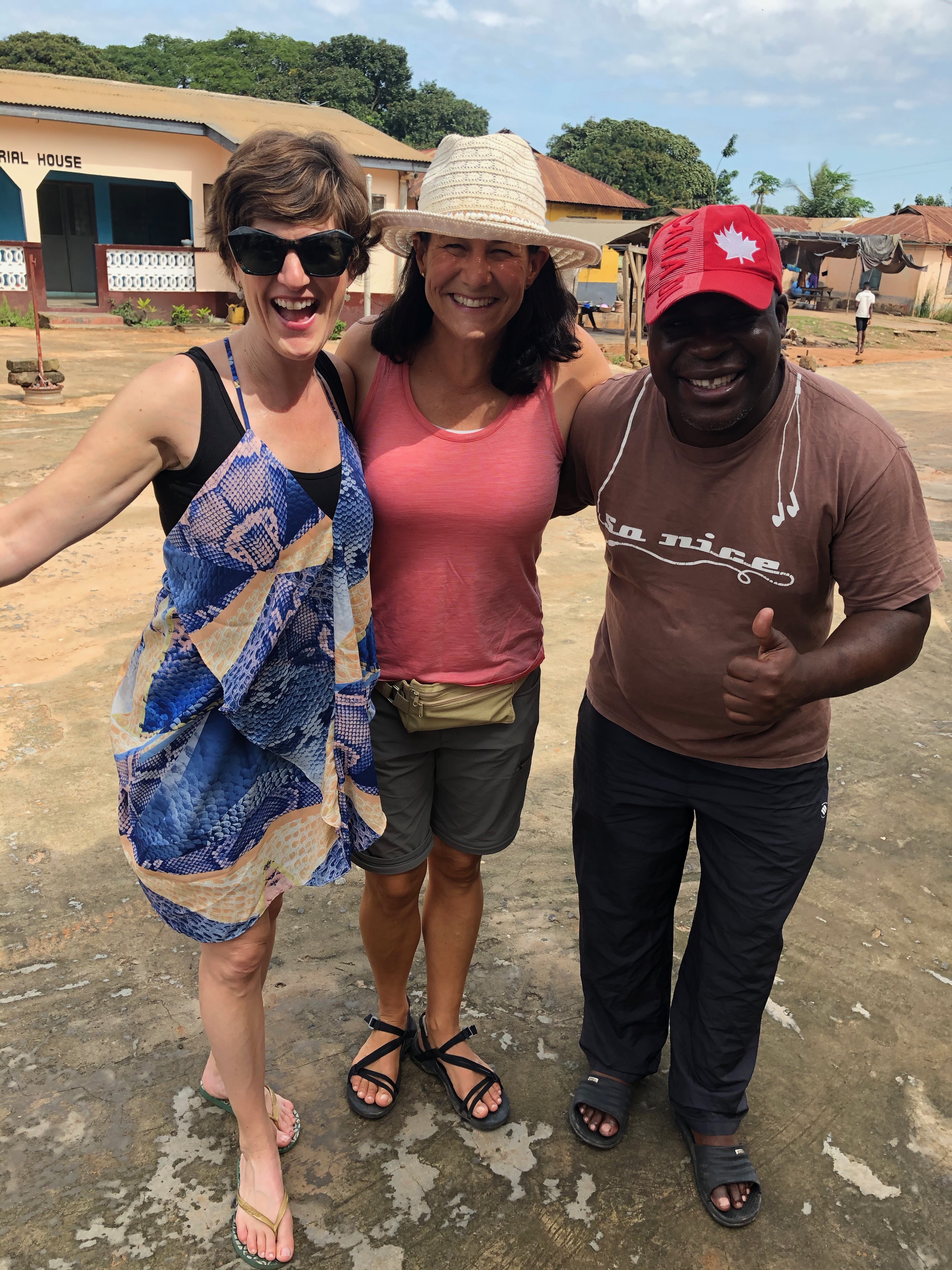



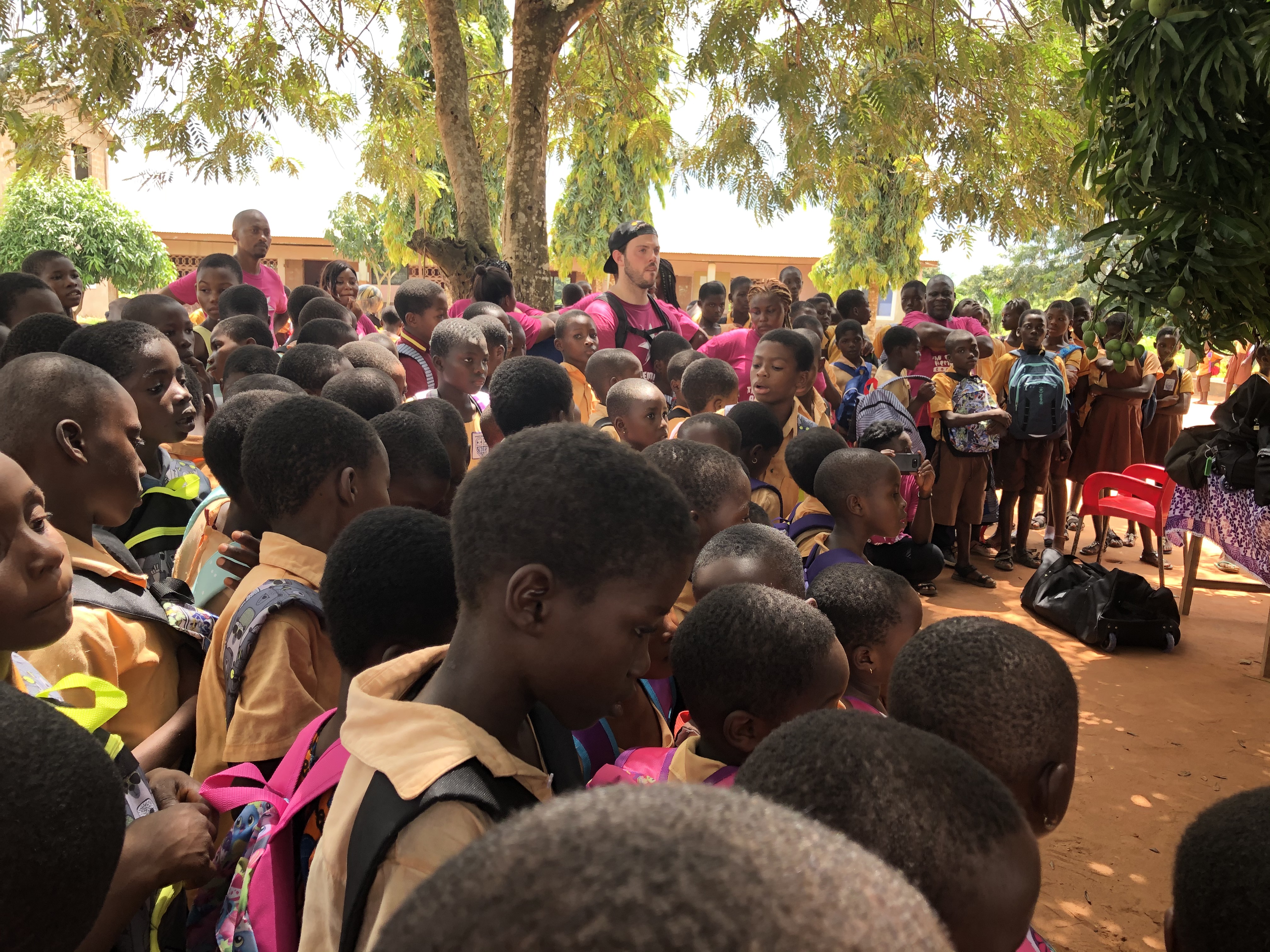
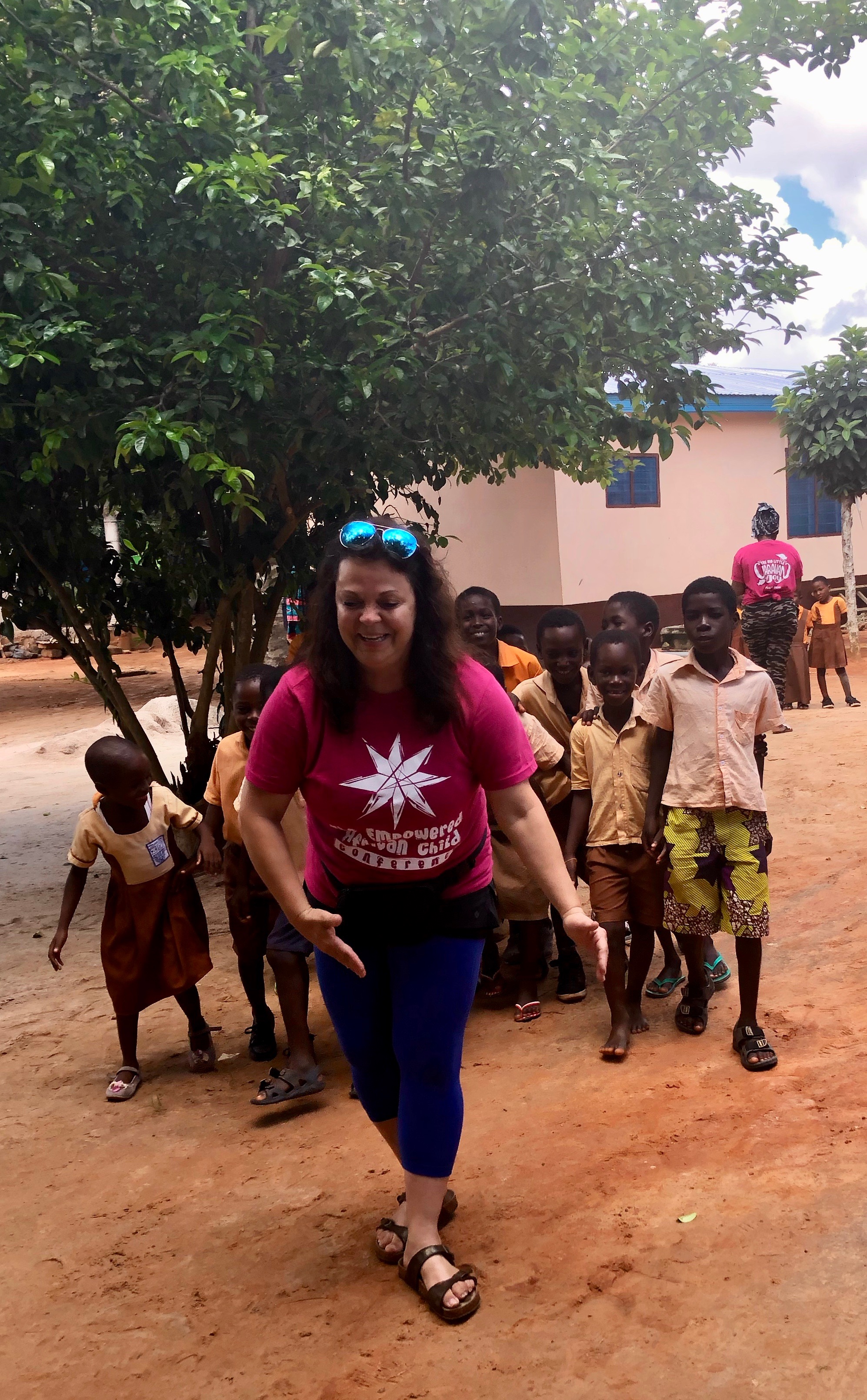
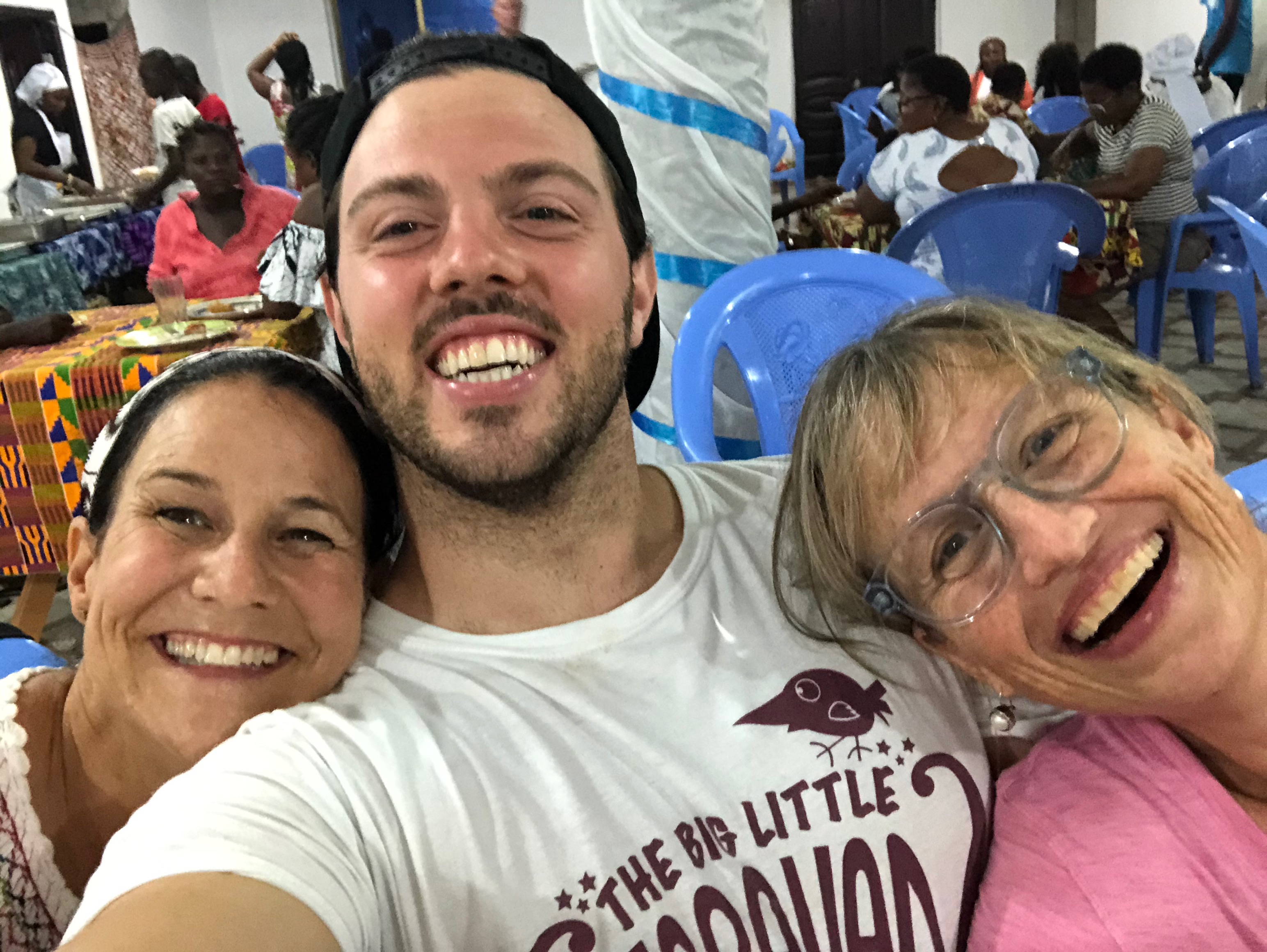
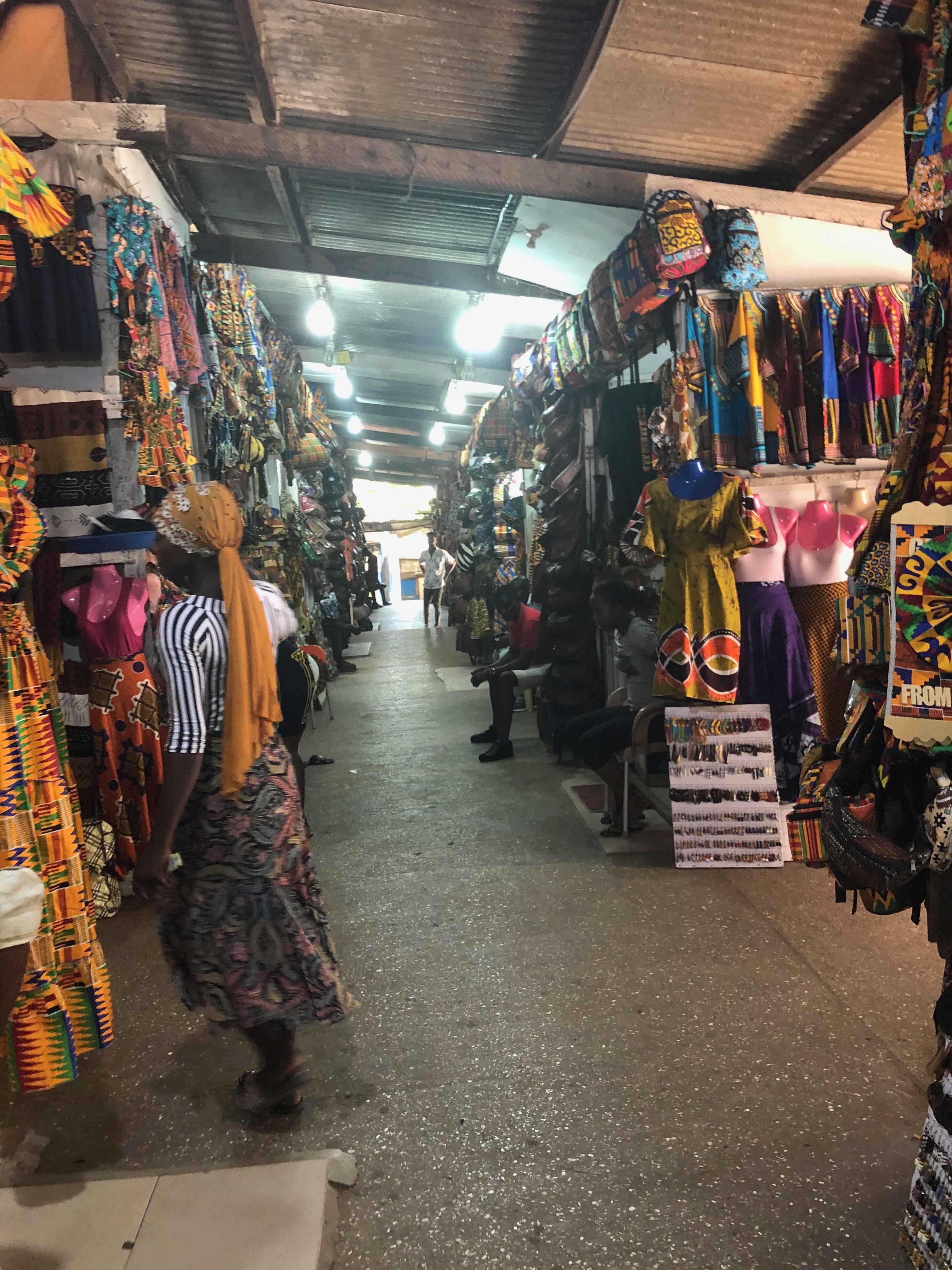
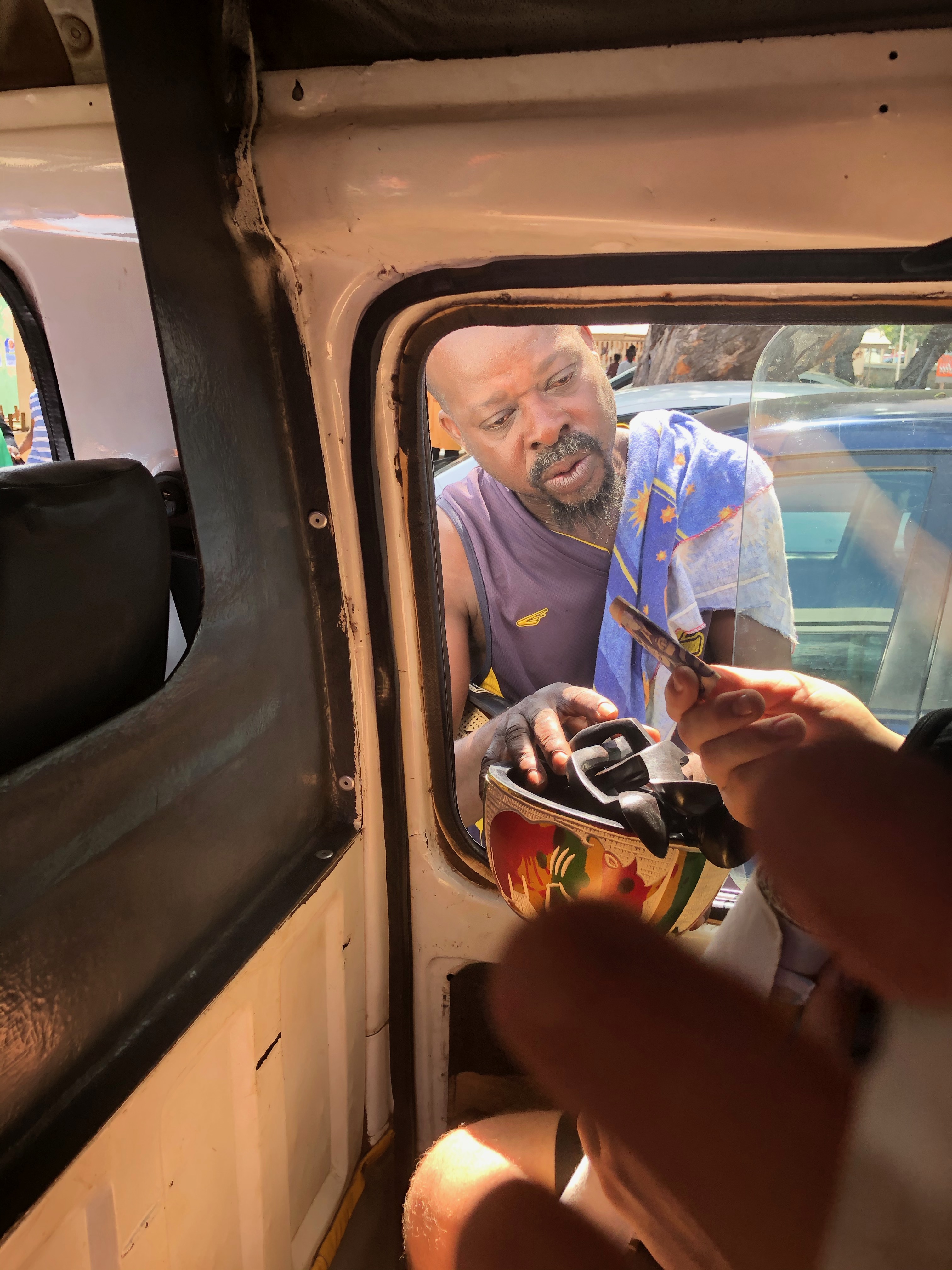
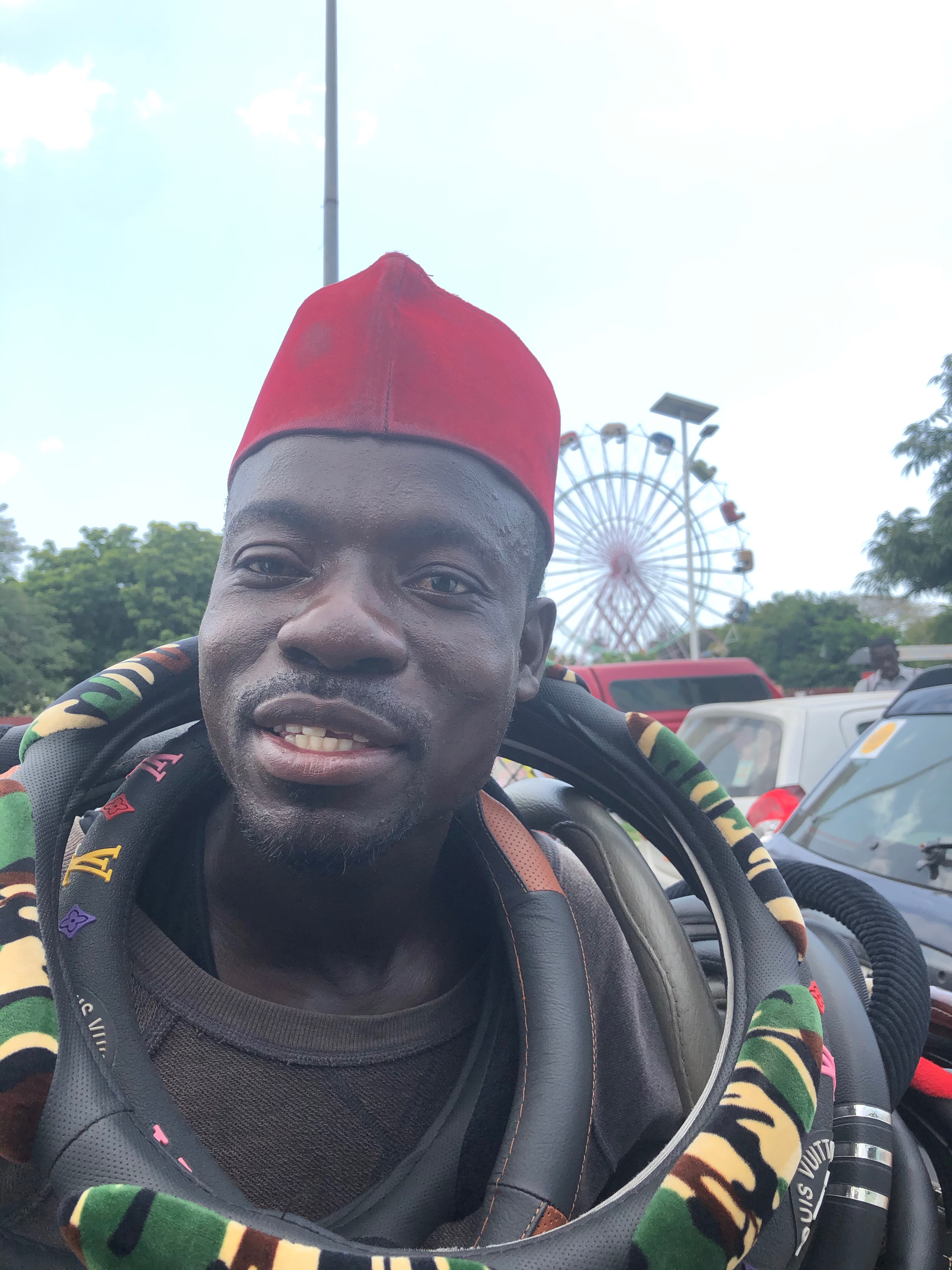

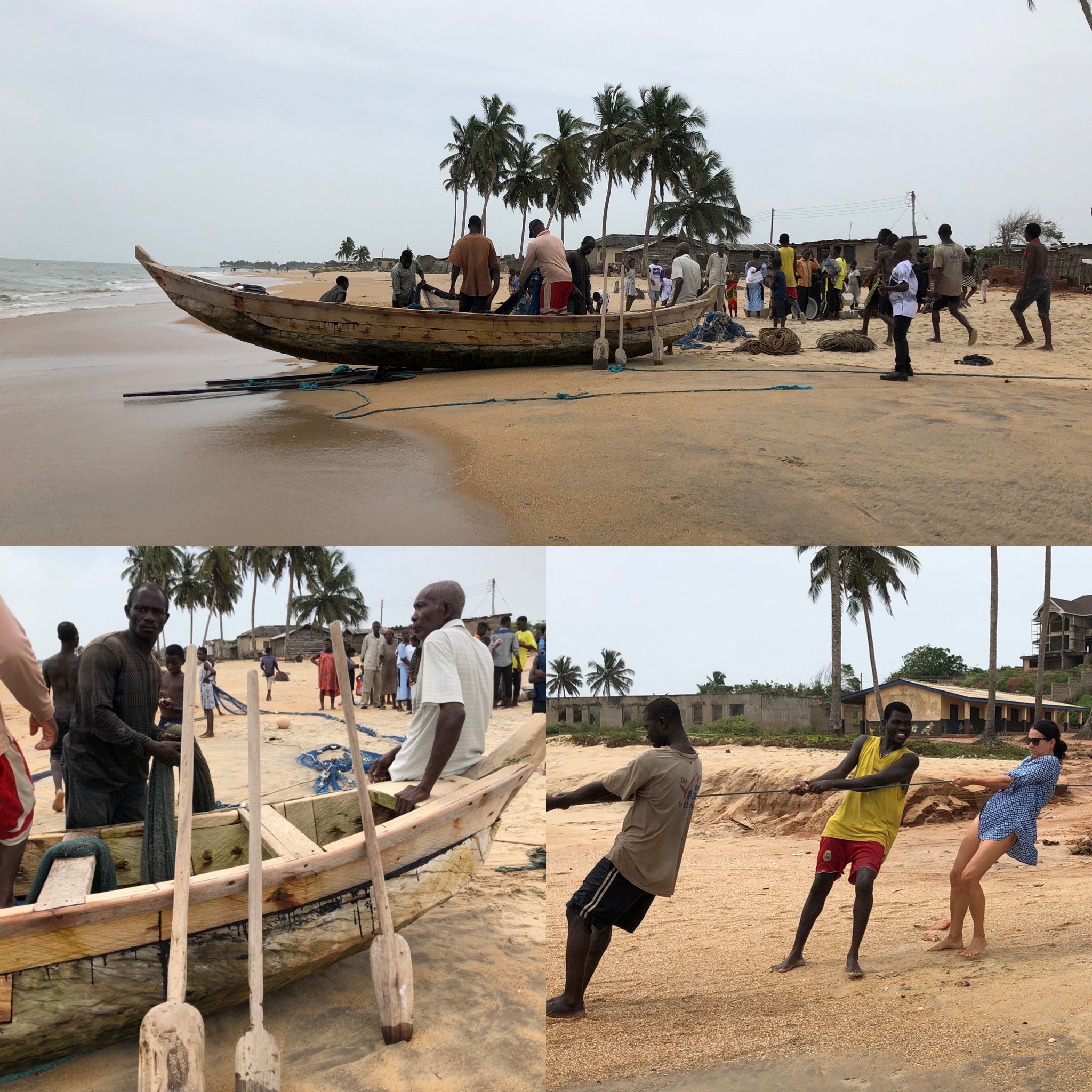
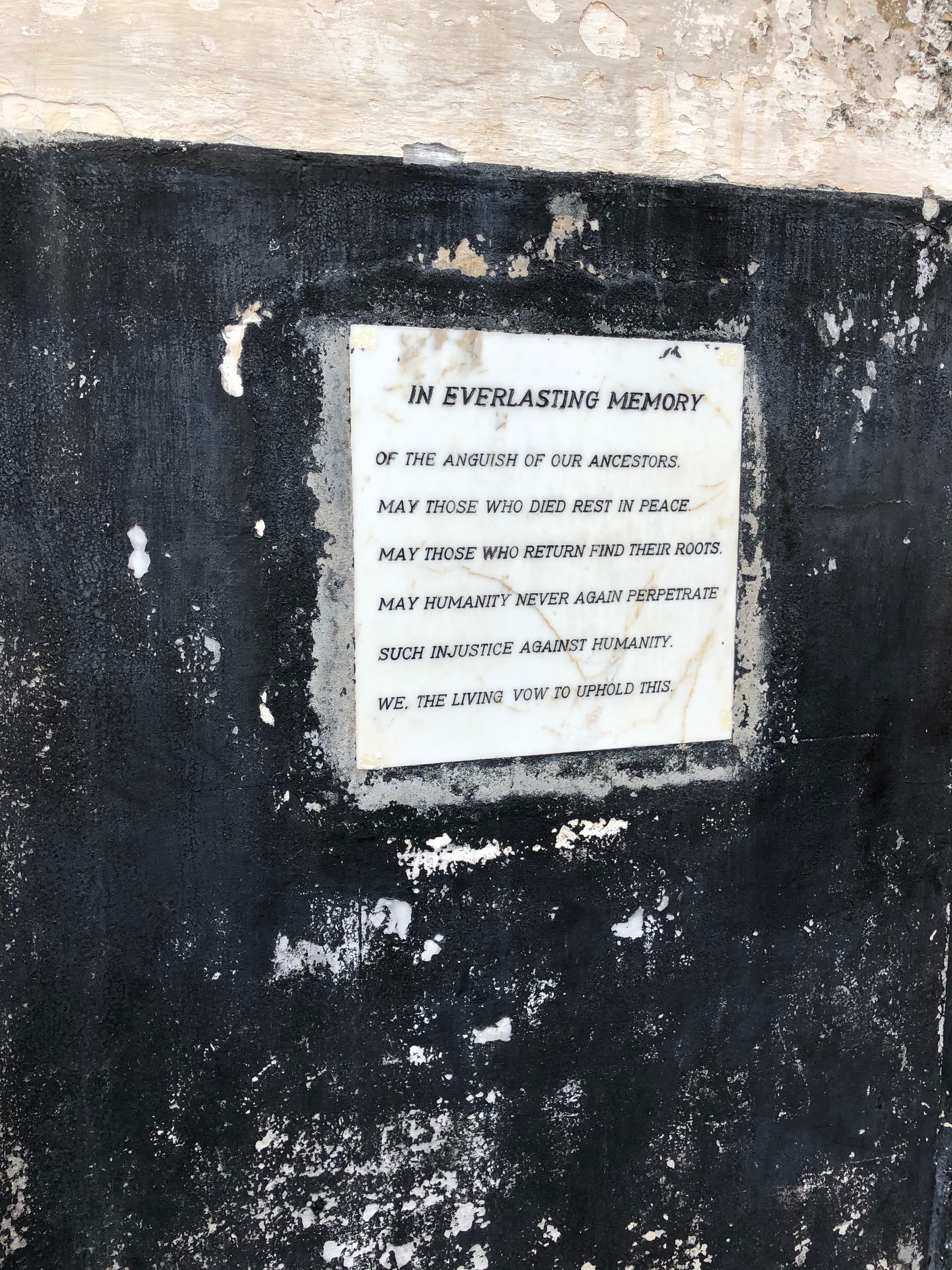
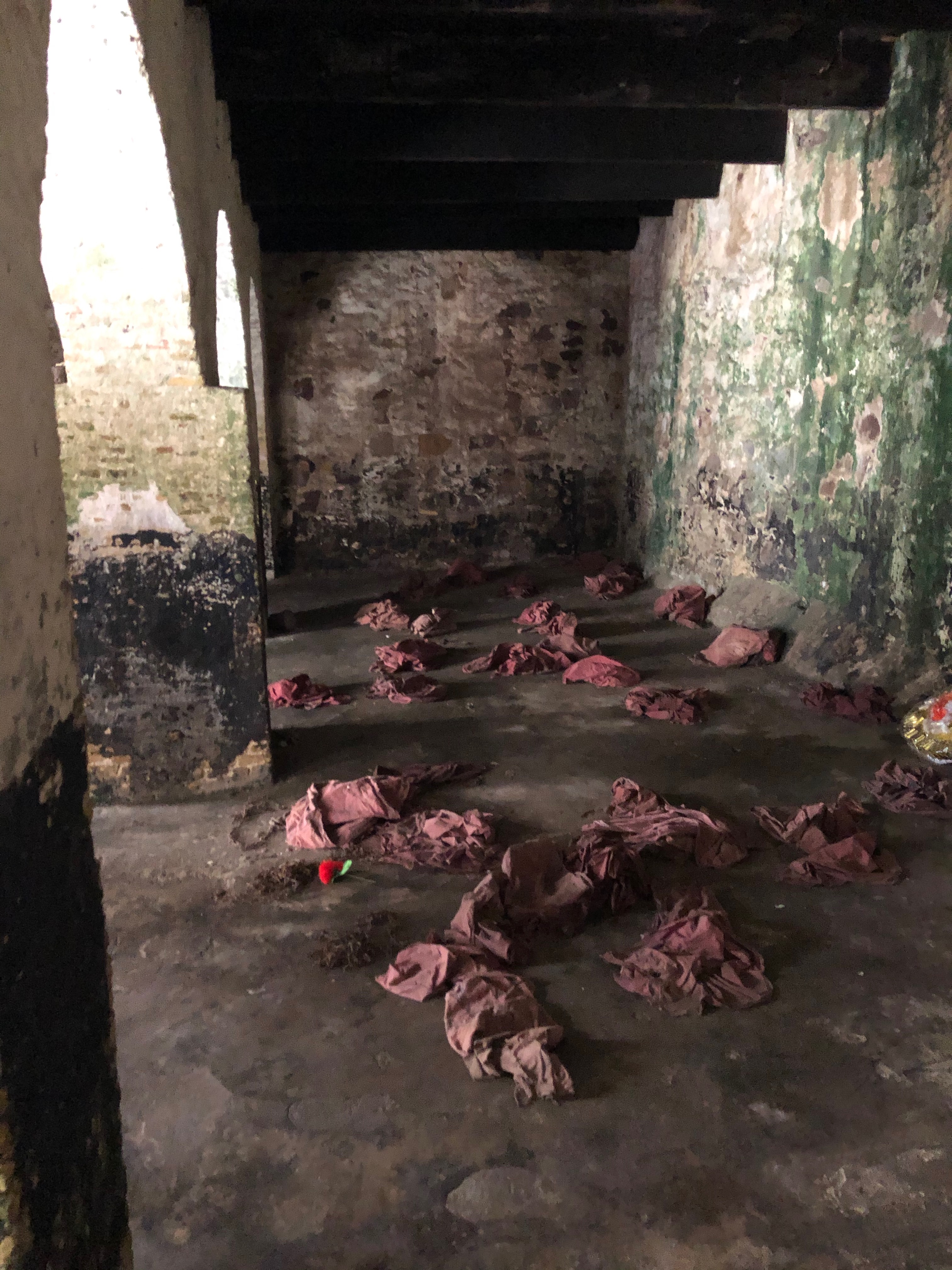 The atrocities perpetrated by the Dutch, Portugese and British are unimaginable. It is hard to fathom humans treated other humans like animals, making them live in cramped, airless, pitch black dungeons for months in their own feces, vomit, blood and urine, and then, after raping and beating them, shipping them — if they were strong enough — like cattle in the holds of ships to be sold as slaves. Approximately 15 million Africans were captured and shipped; only 5% made it.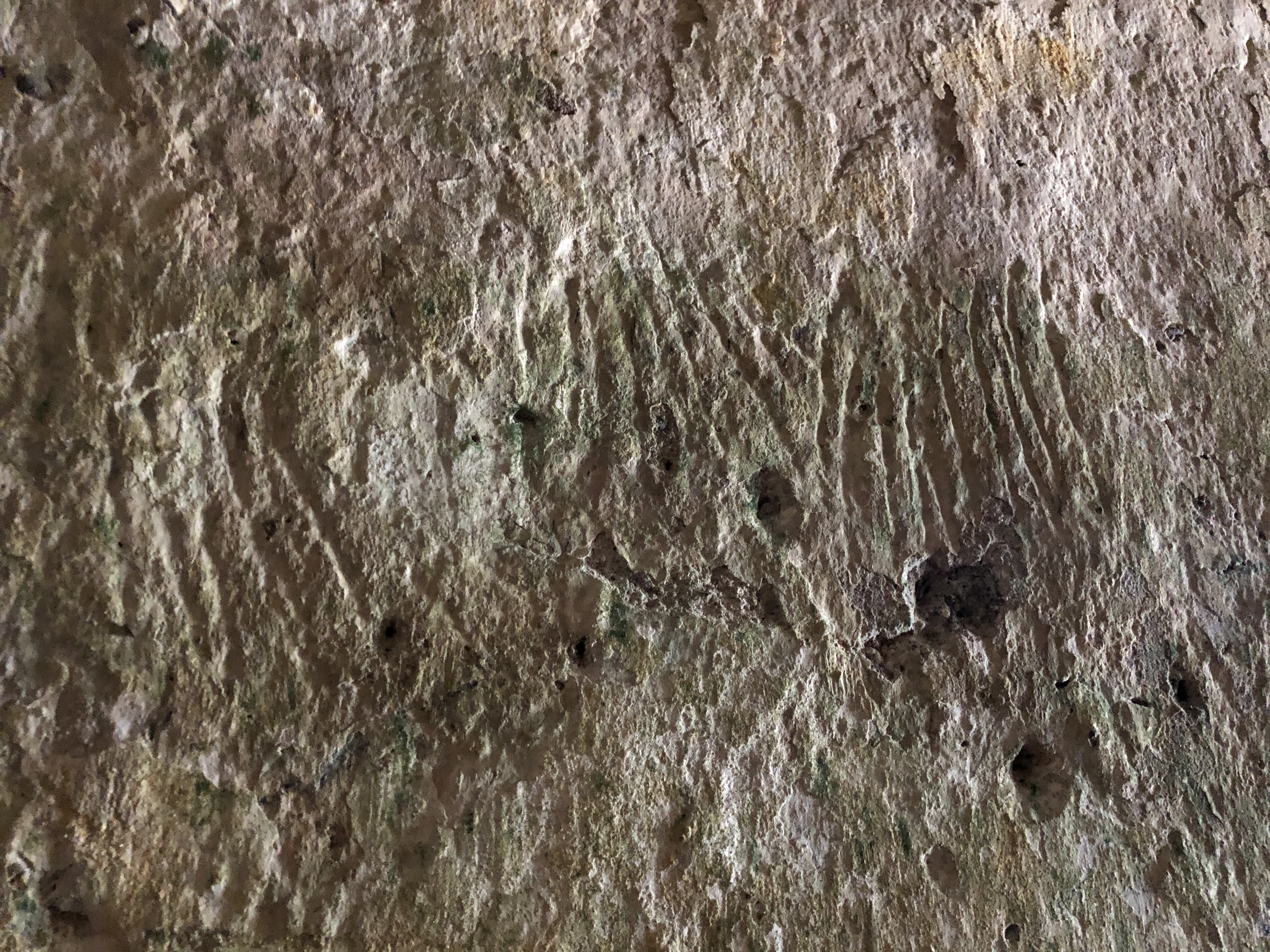
 With
With 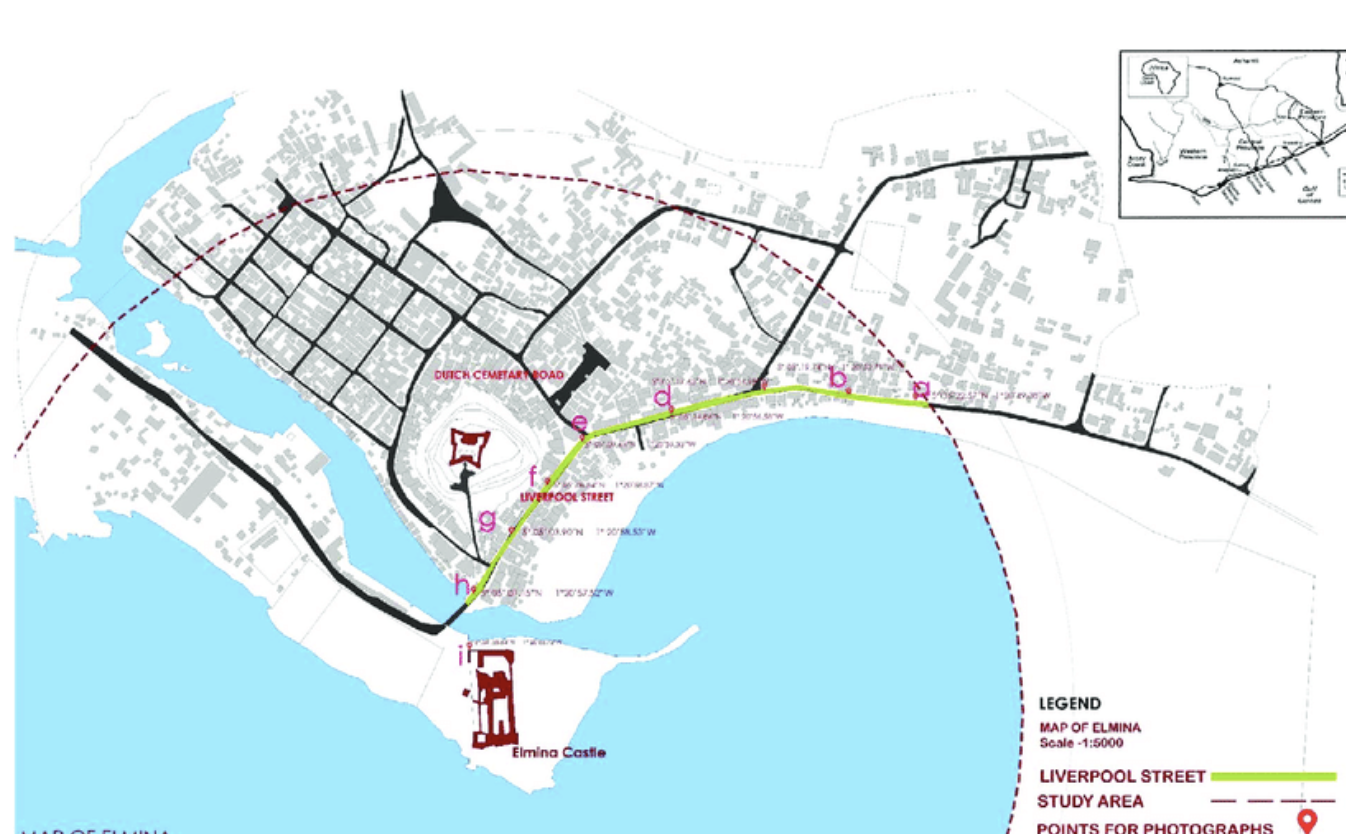 You’ll see the slum streets with open sewers, the Methodist Church with the congregation singing loud hymns, the jam-packed fish market crammed with thousands of people, the shipyards, and hundreds of long canoe-like boats, draped with people, clothing and flags, bringing in their nets and catches.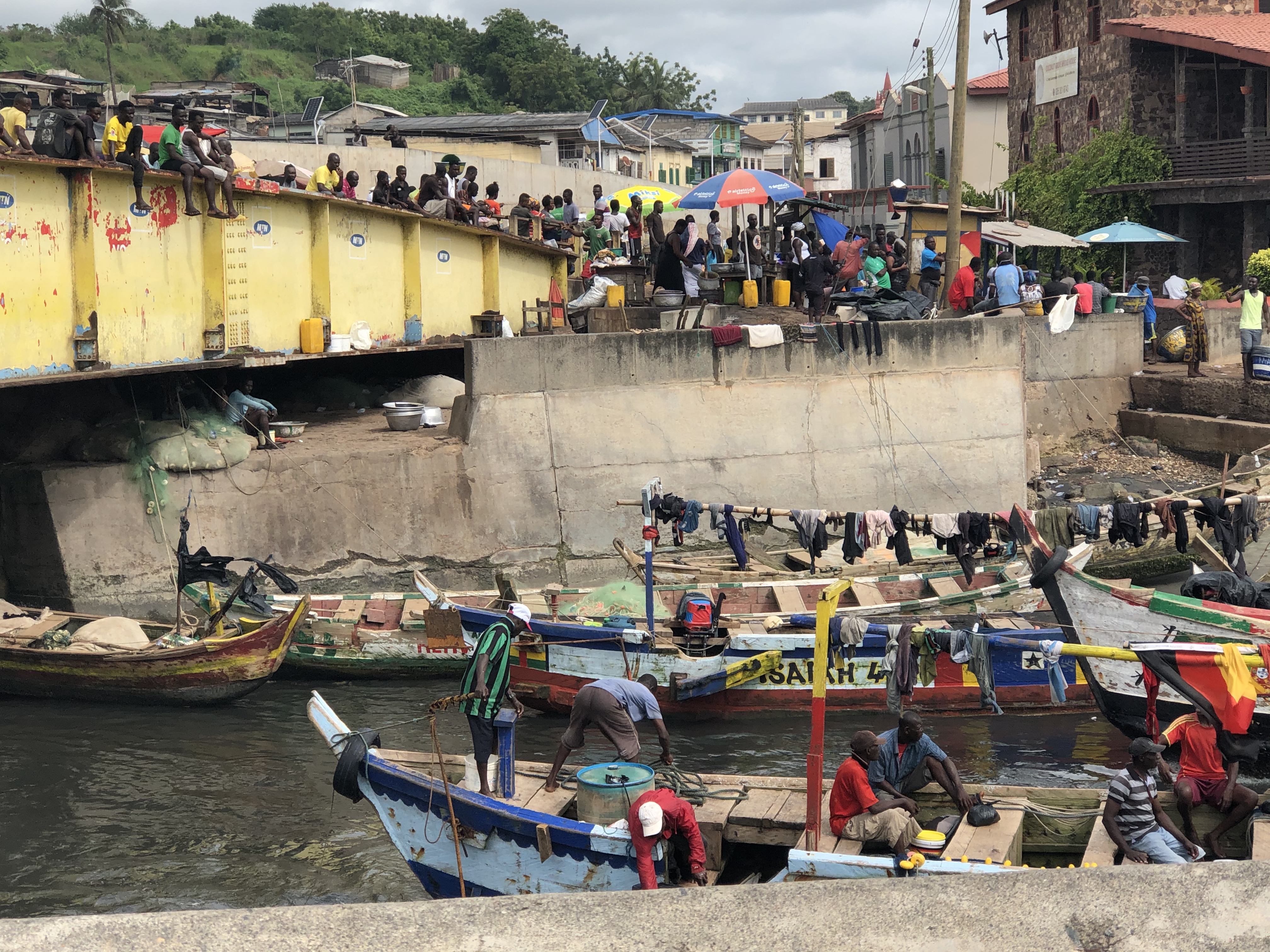
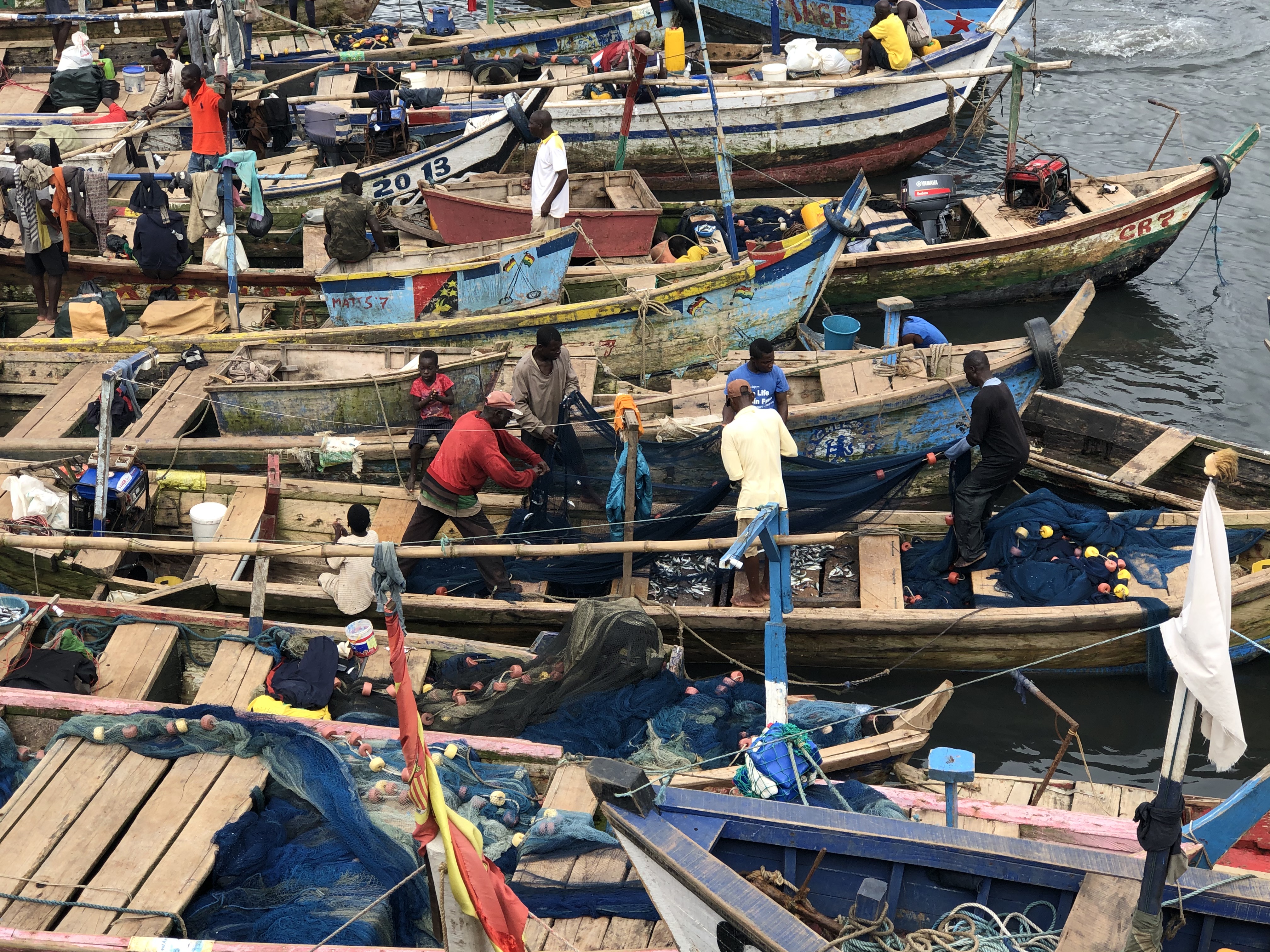
 Upon leaving Ghana, to acclimate, a group of us stayed in beautiful Amsterdam for a few days on the way home. We hit the the must-see
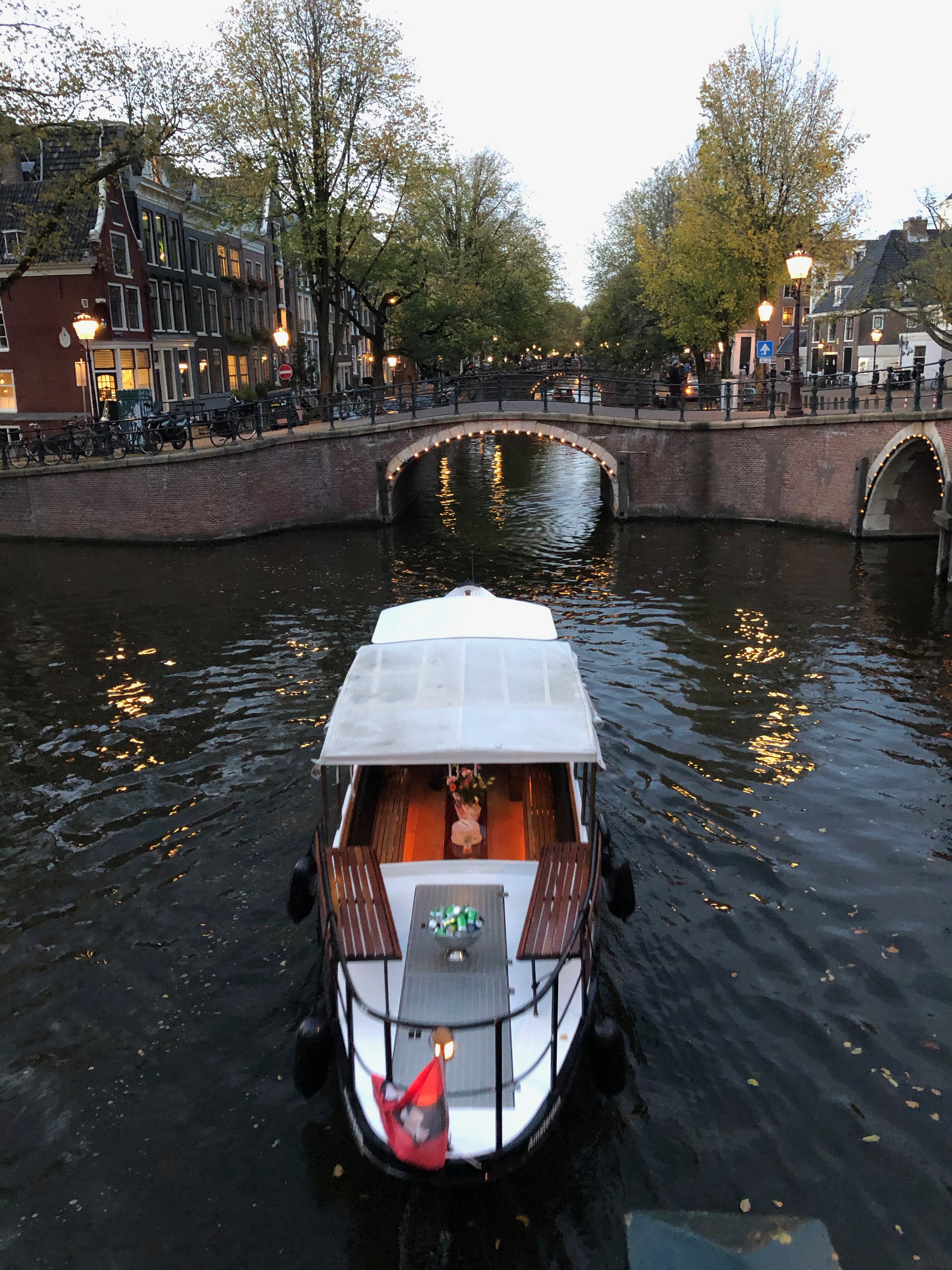
 So, to Ghana and it’s beautiful people. Sarina and my travelmates — thank you. This was a life-changing trip. I know that I won the life lottery being freely born in Canada, with its abundances. And I know that I’ve much, much more to give.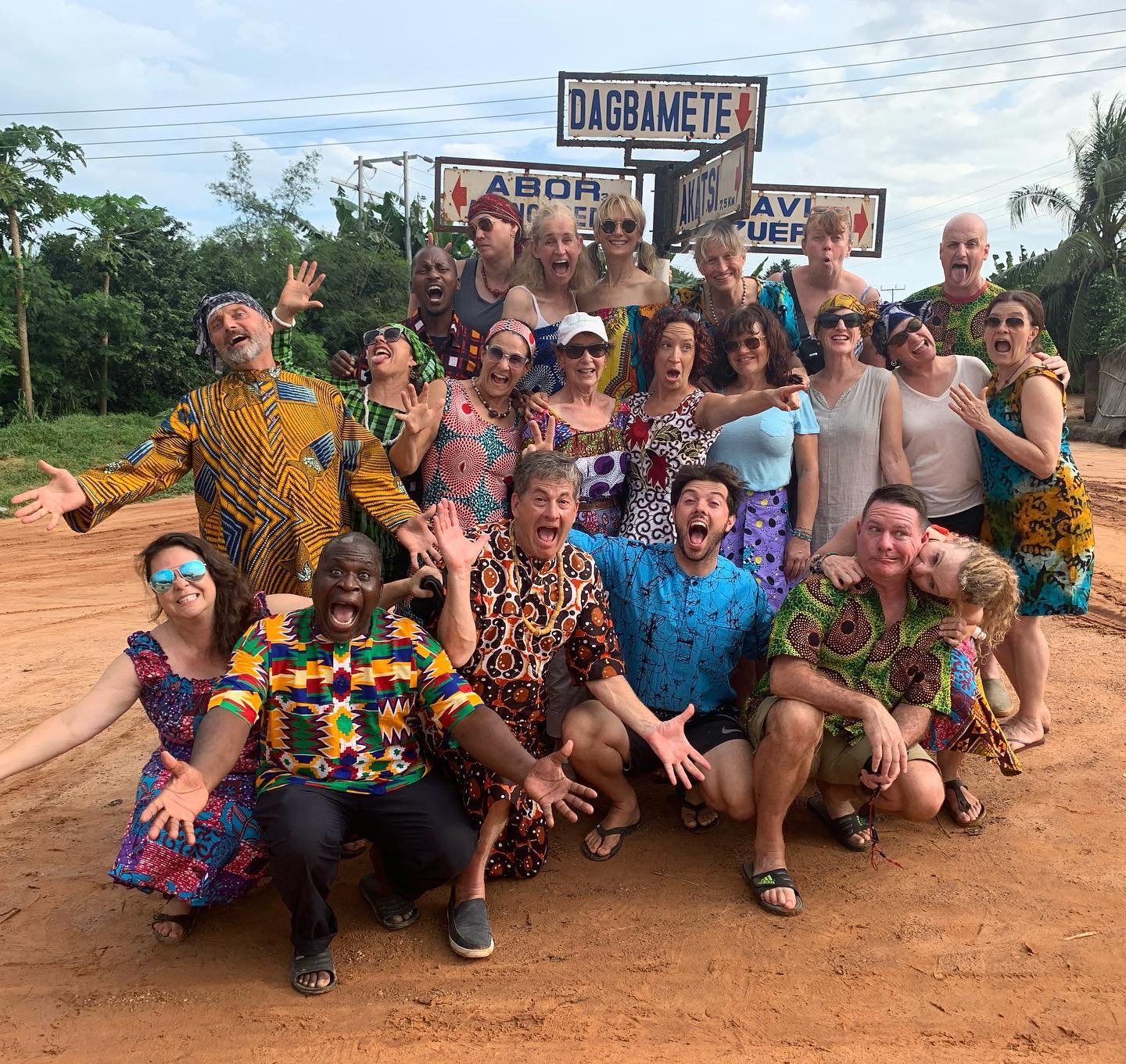
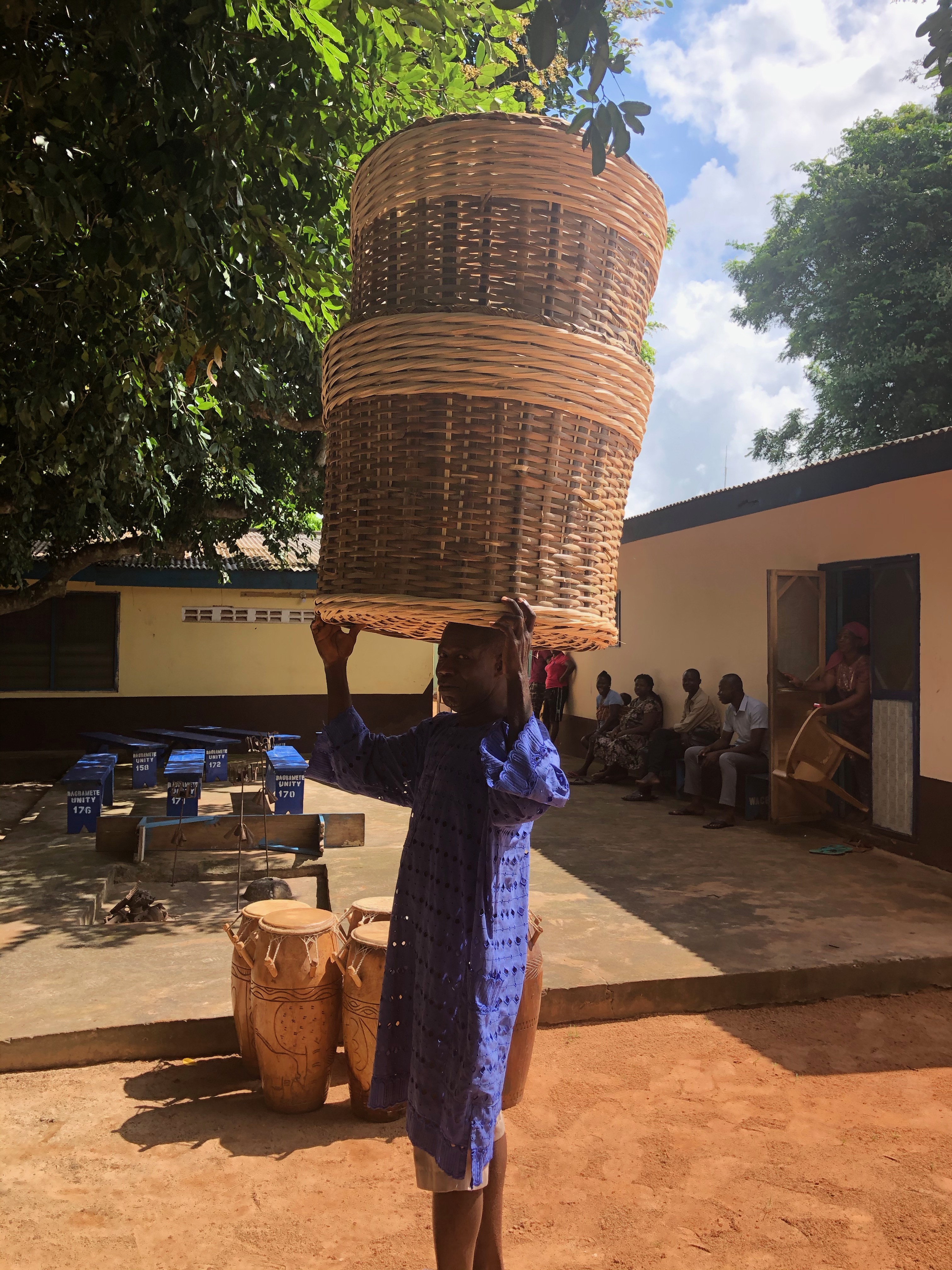
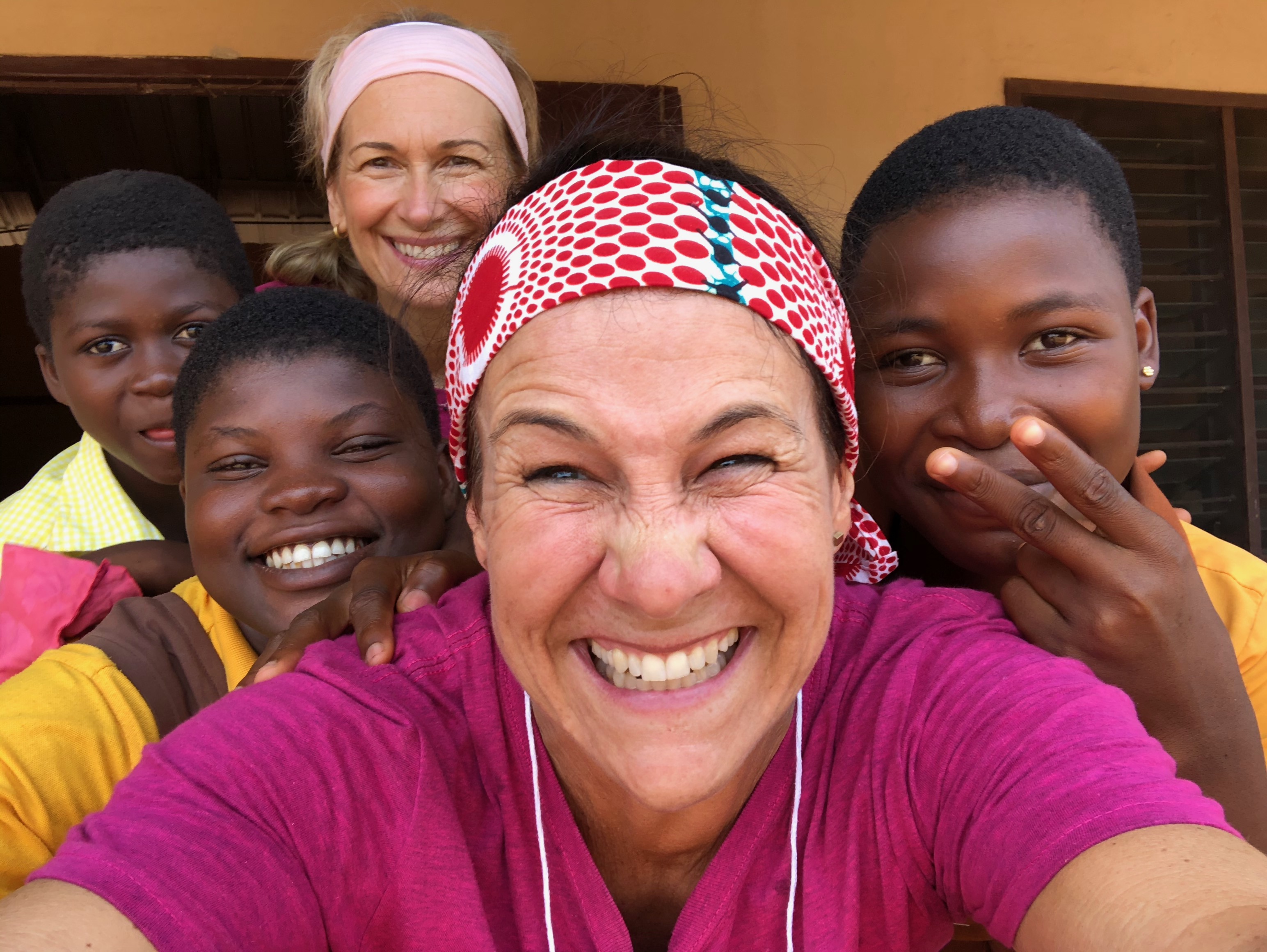
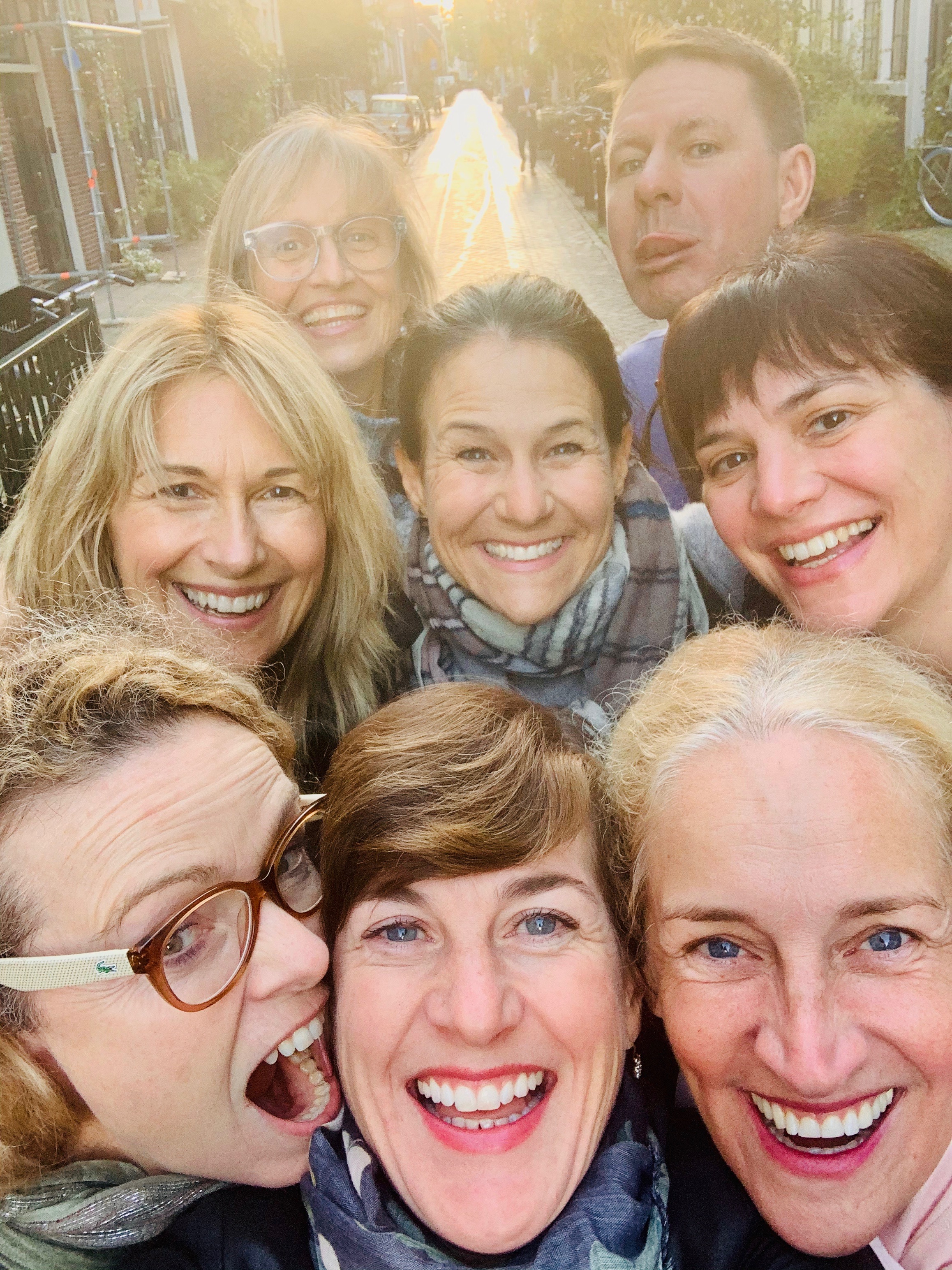
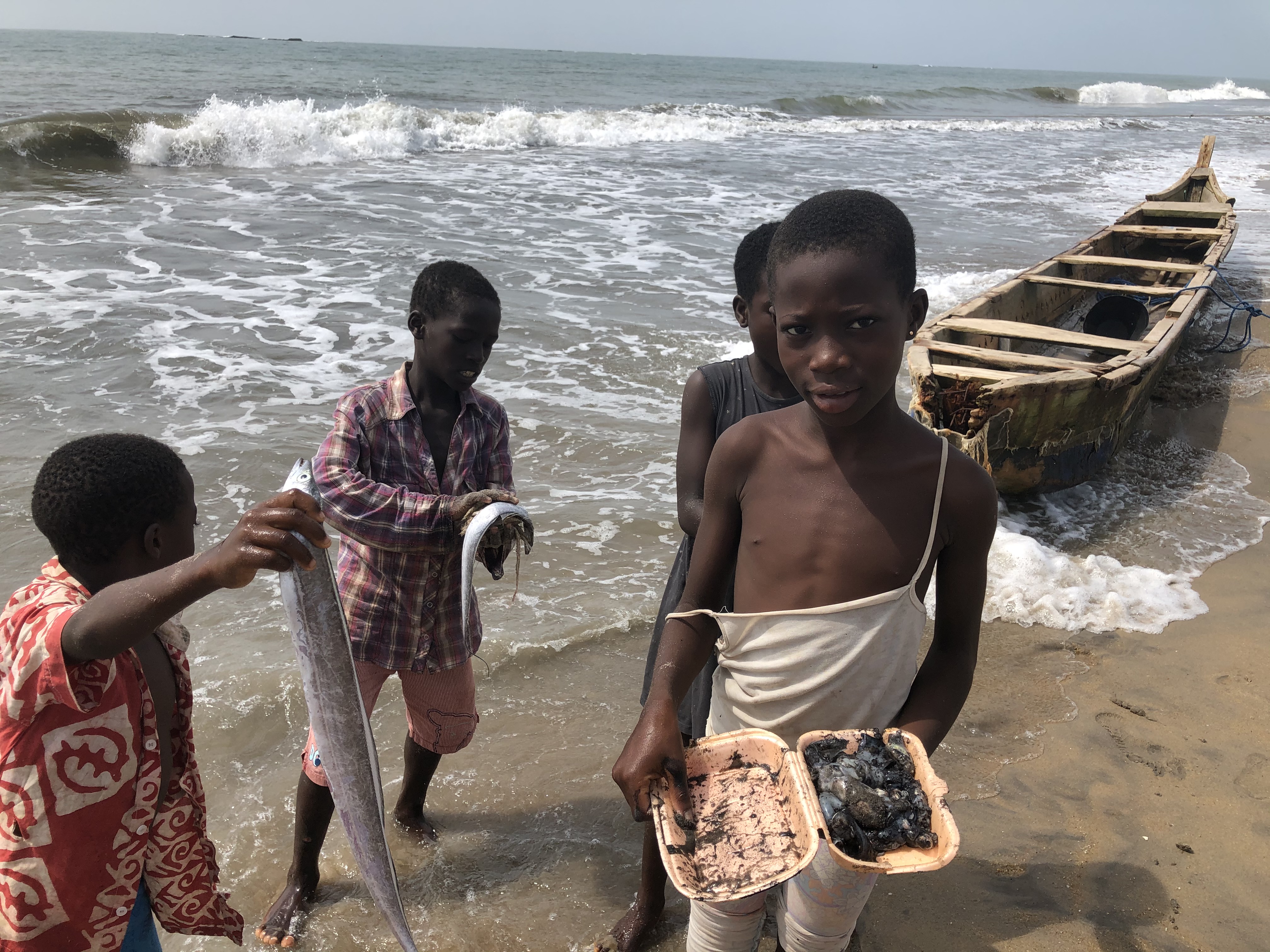


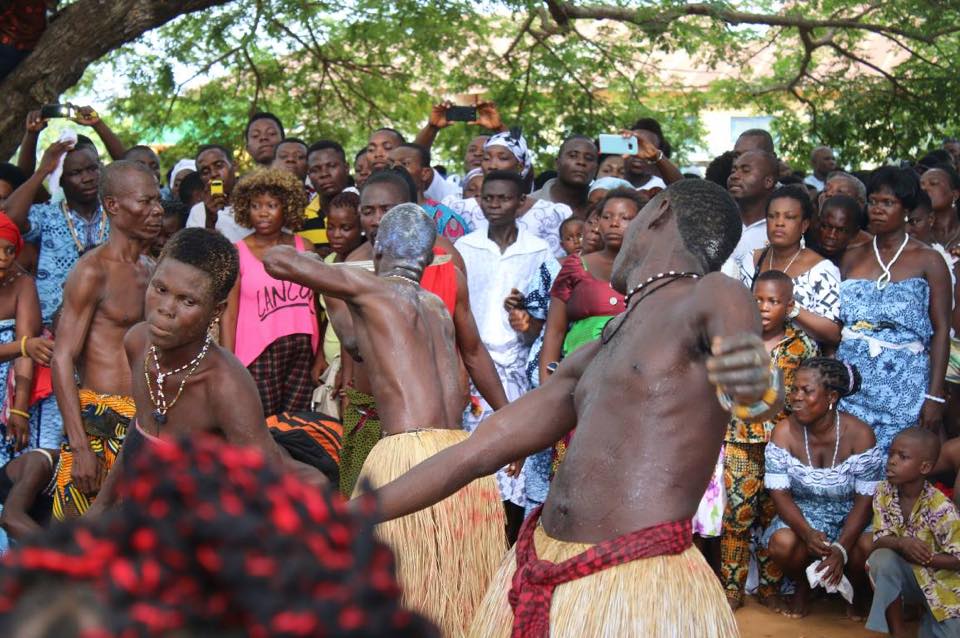

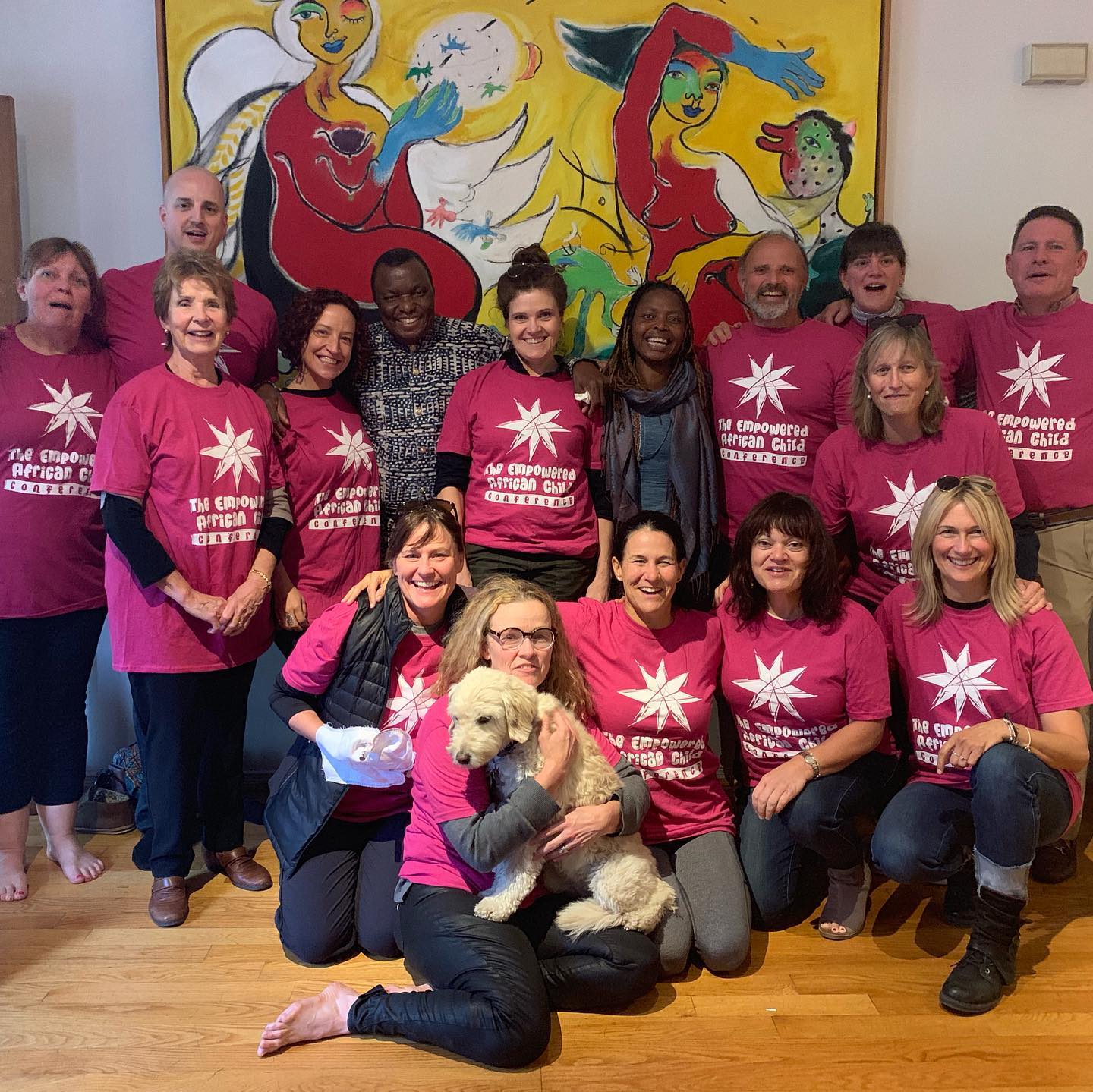
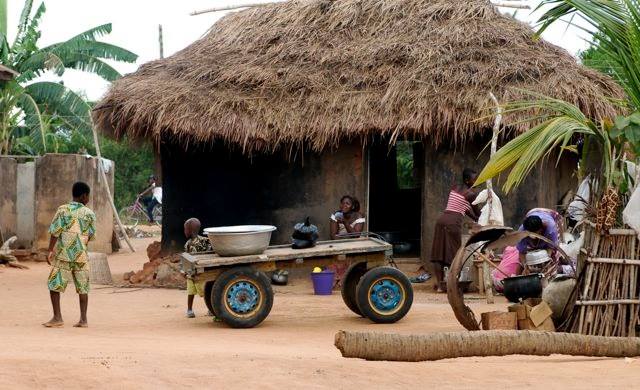

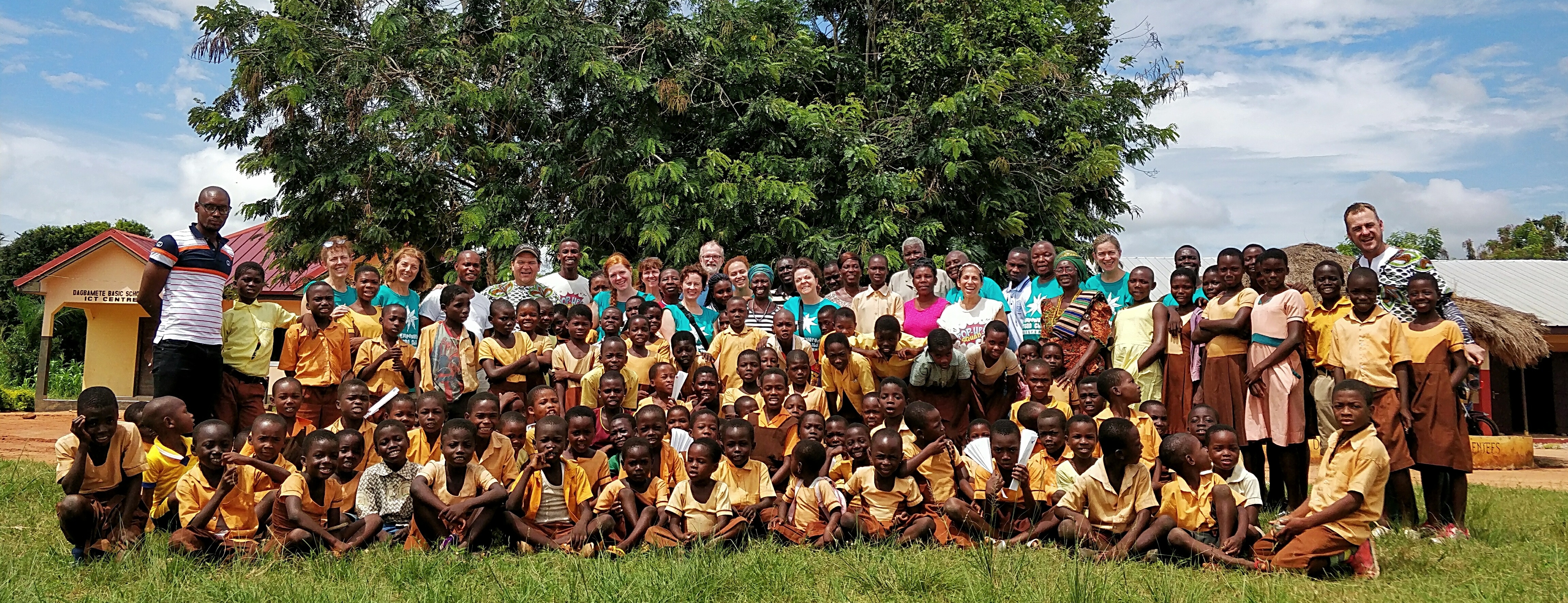
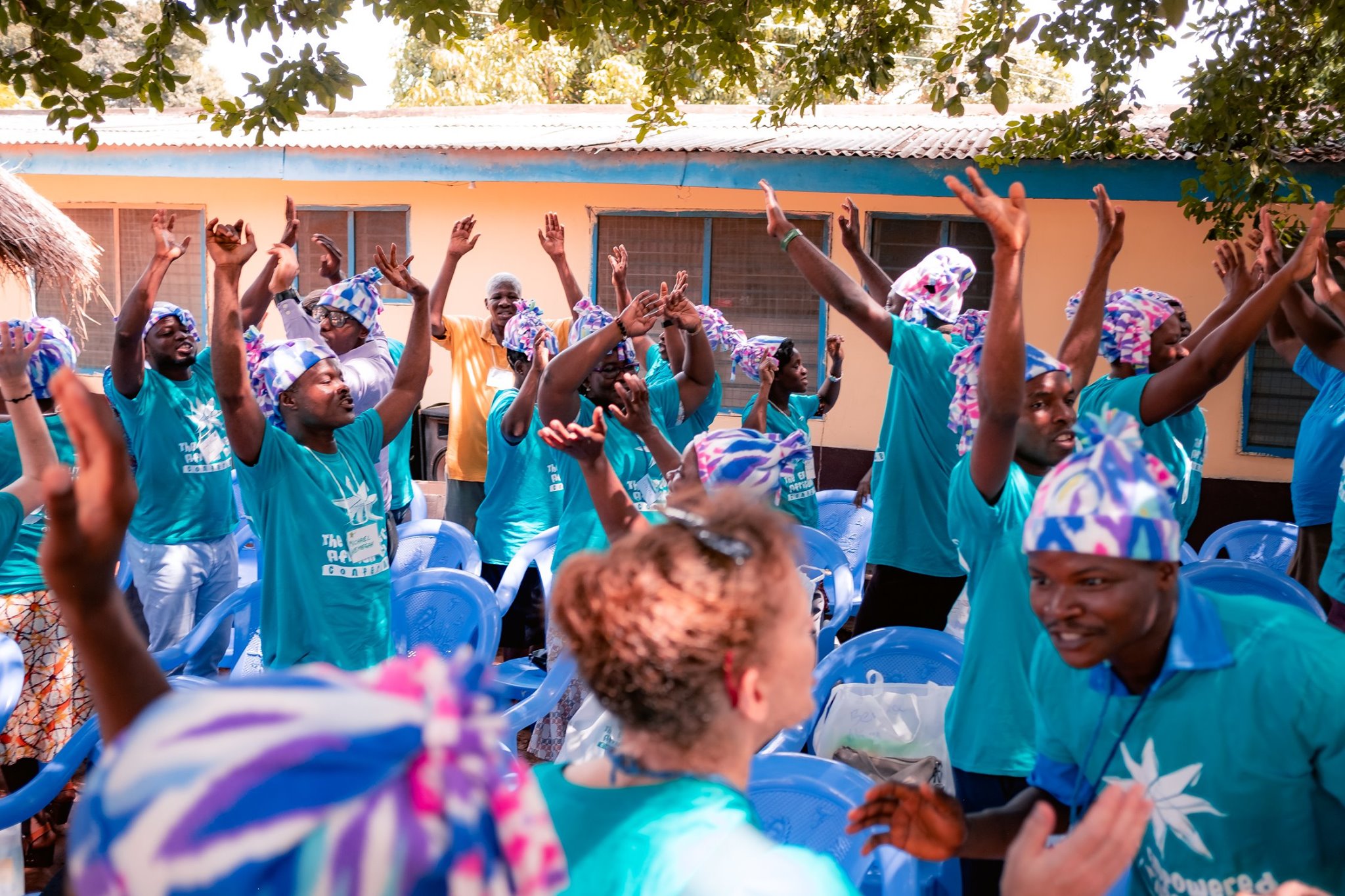

 TREDSUP