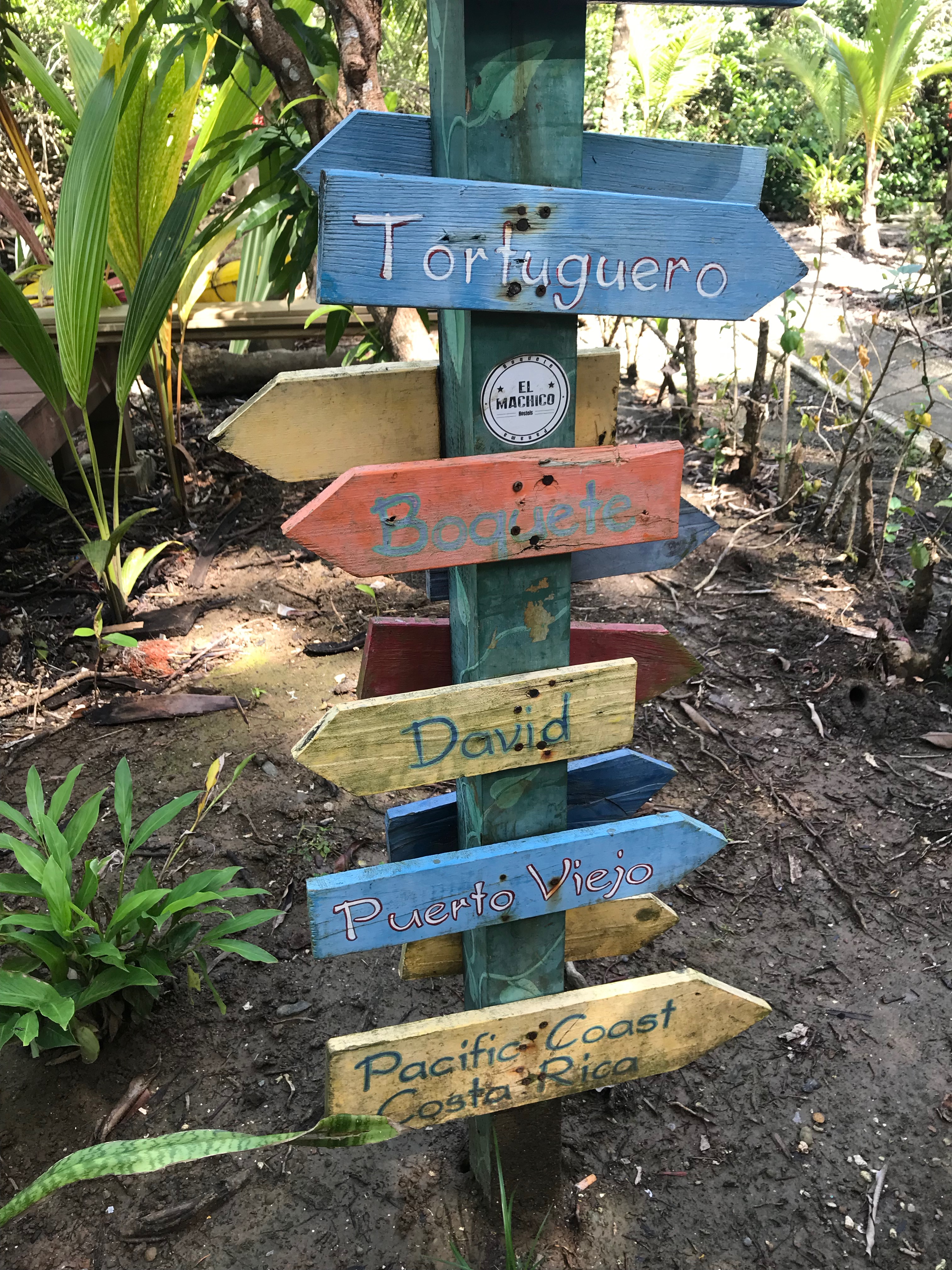
For Christmas 2018, our family of four explored Bocas Del Toro (meaning Mouths of the Bull). It’s a surfer and backpackers’ destination in northeast Panama, on the Caribbean, two hours south of Puerto Viejo, Costa Rica. It is 4,643.9 square kilometres, comprised of the mainland and an archipelago. The central island is Isla Colón, which everyone just refers to as Bocas Town, and it boasts the only airport.
We flew via Copas Airlines into Panama City and stayed one night at the Best Western Plus Panama Zen hotel, which was surprisingly really nice with a rooftop pool. 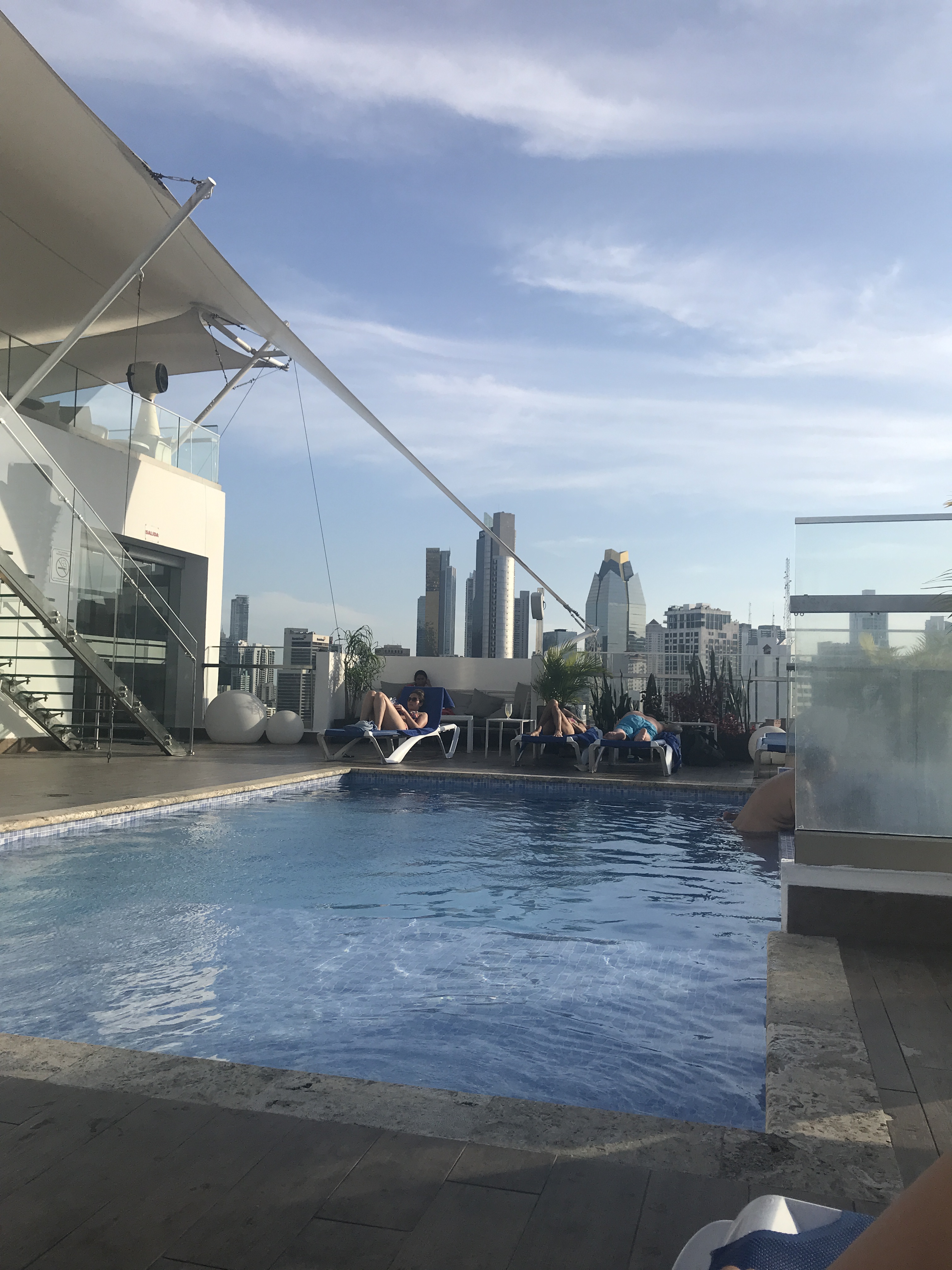 The next morning we had an early flight on rickety Air Panama; the plane smelled like cat urine but it was only 50 minutes, thankfully.
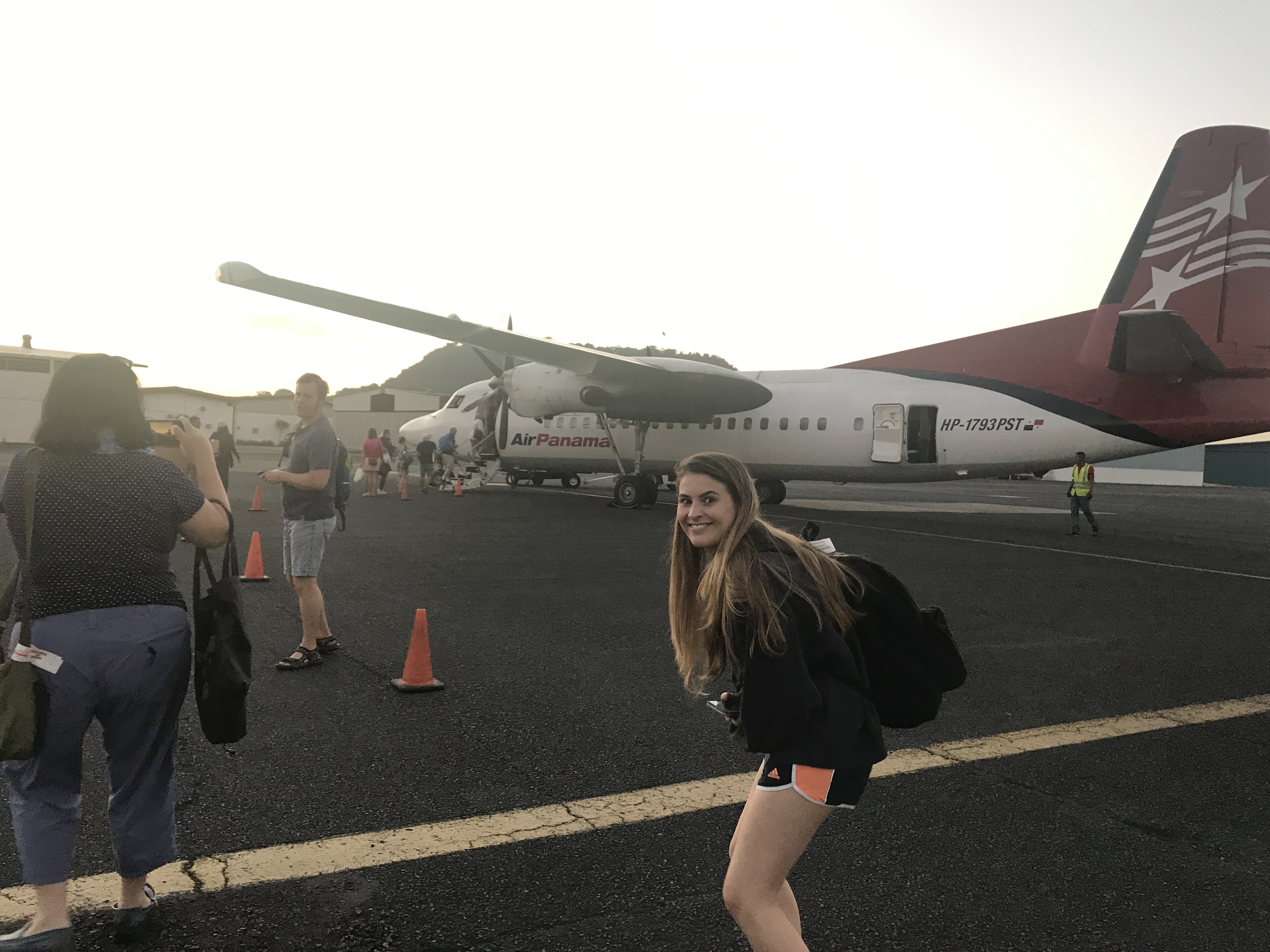
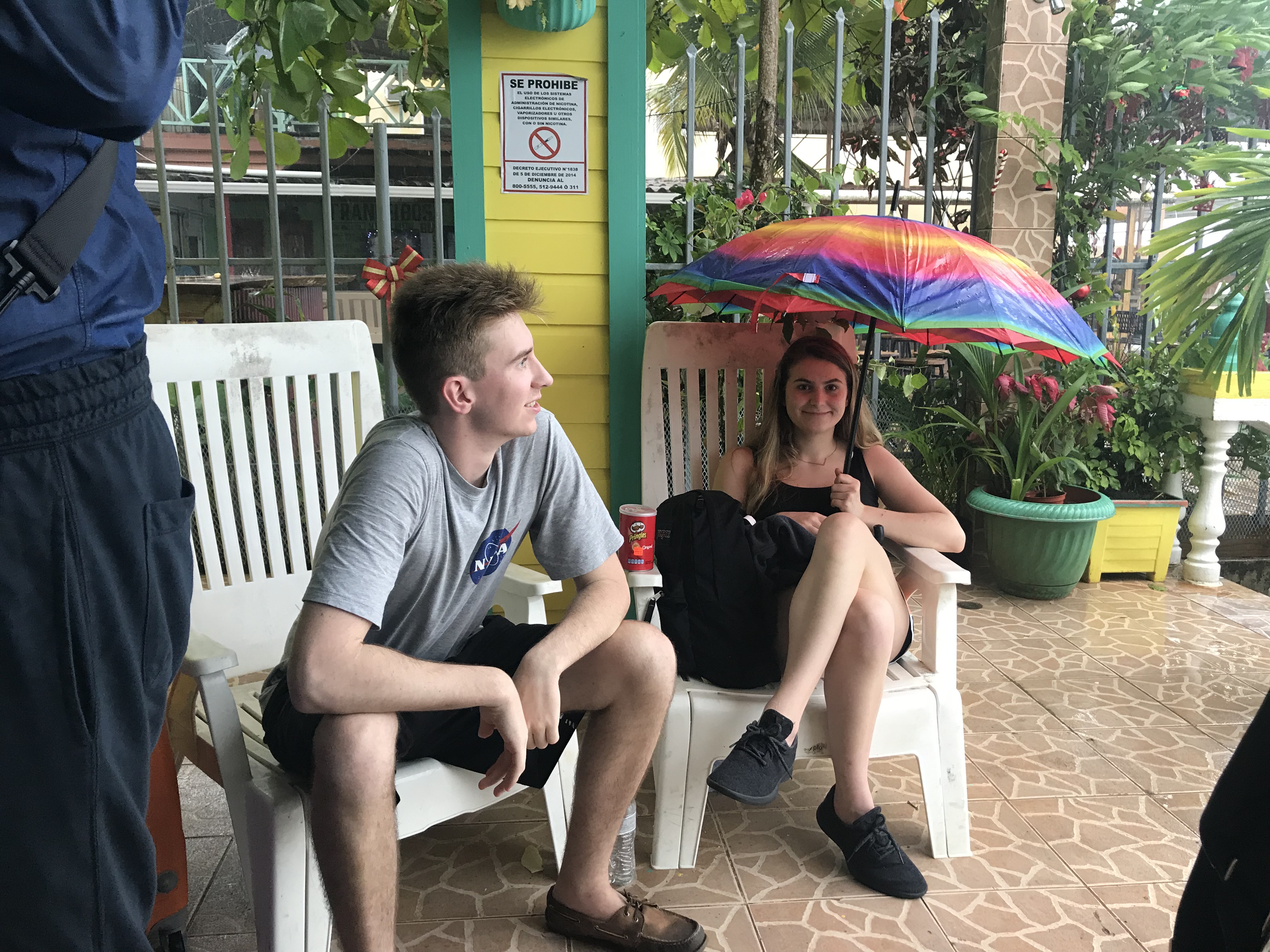
 We landed in Bocas in torrential rain. It is the rainforest so downpours are expected, however I’ve never witnessed such voluminous precipitation.
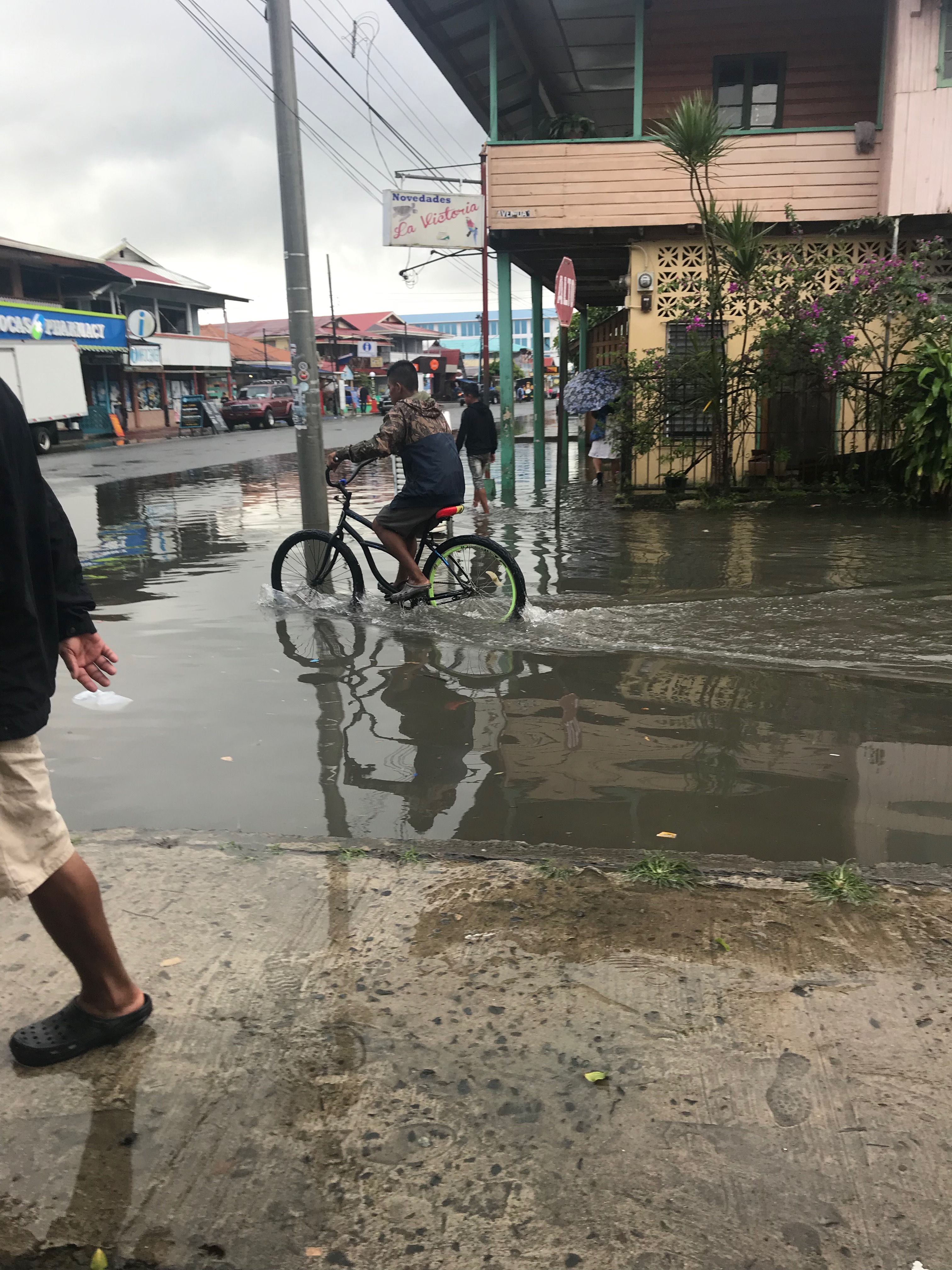
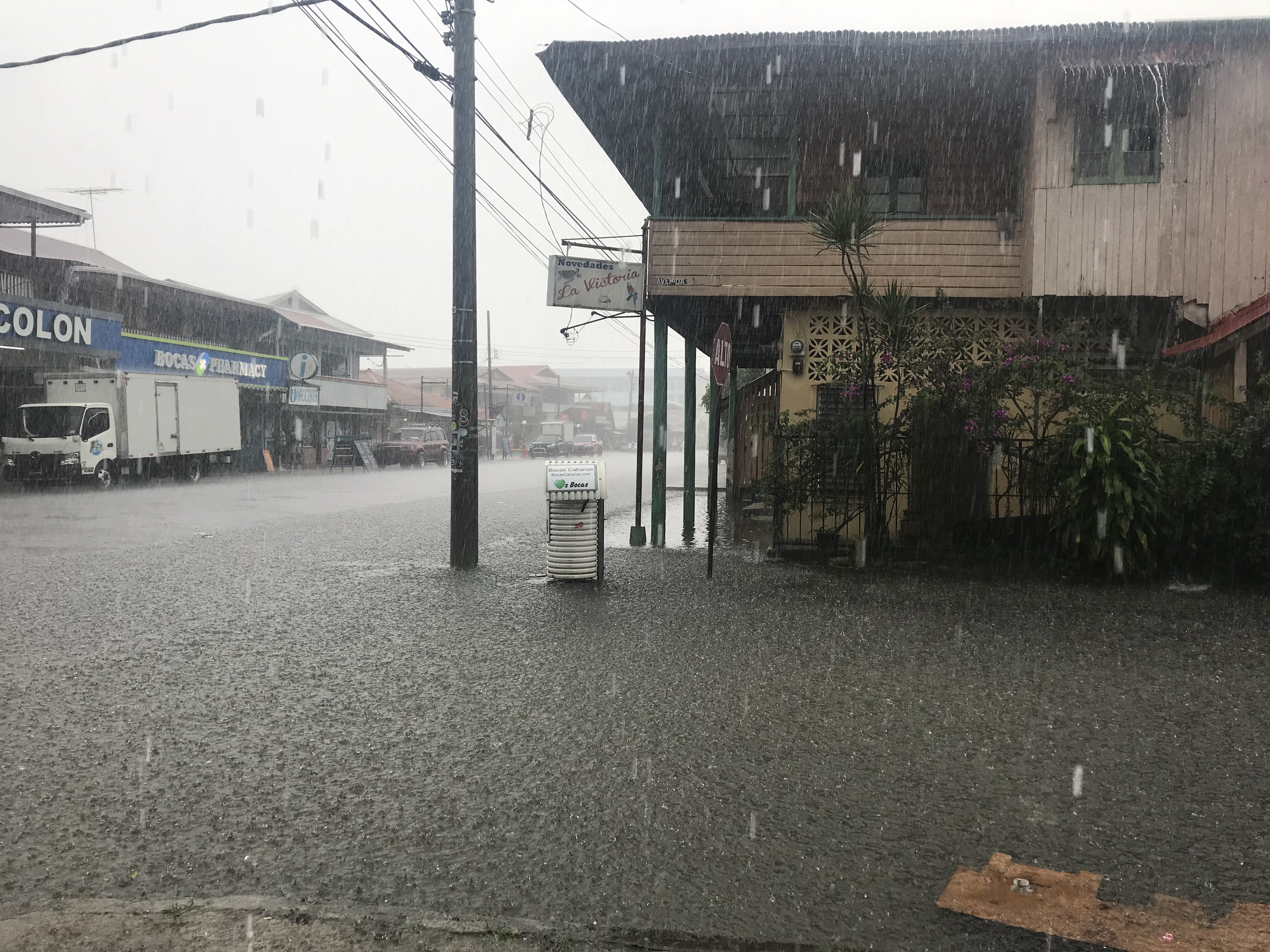
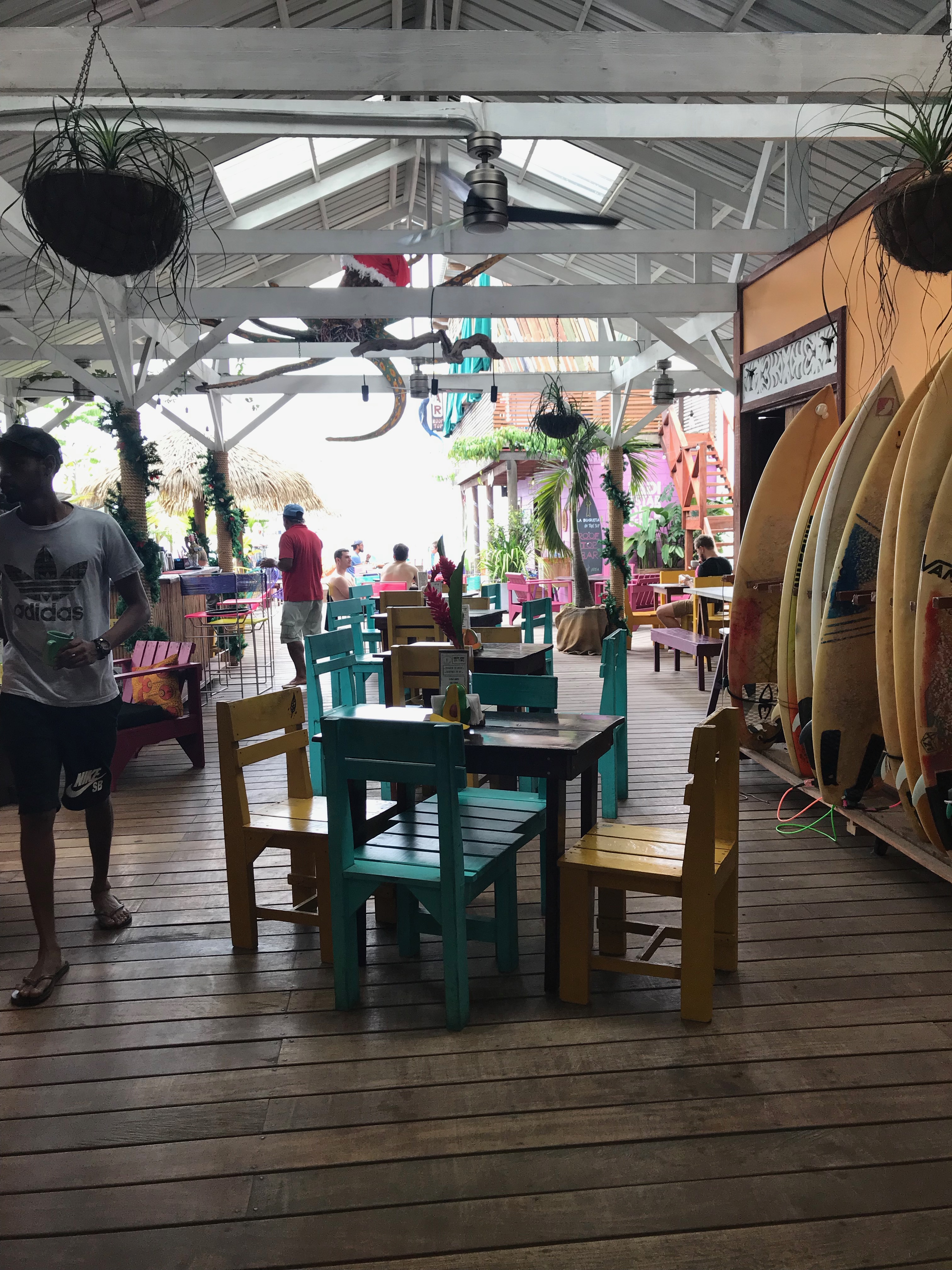
Bocas is a fairly rough surfer town that has many good restaurants. We loved La Buga Dive & Surf (Cafe) for its green juices, burgers and coffee,
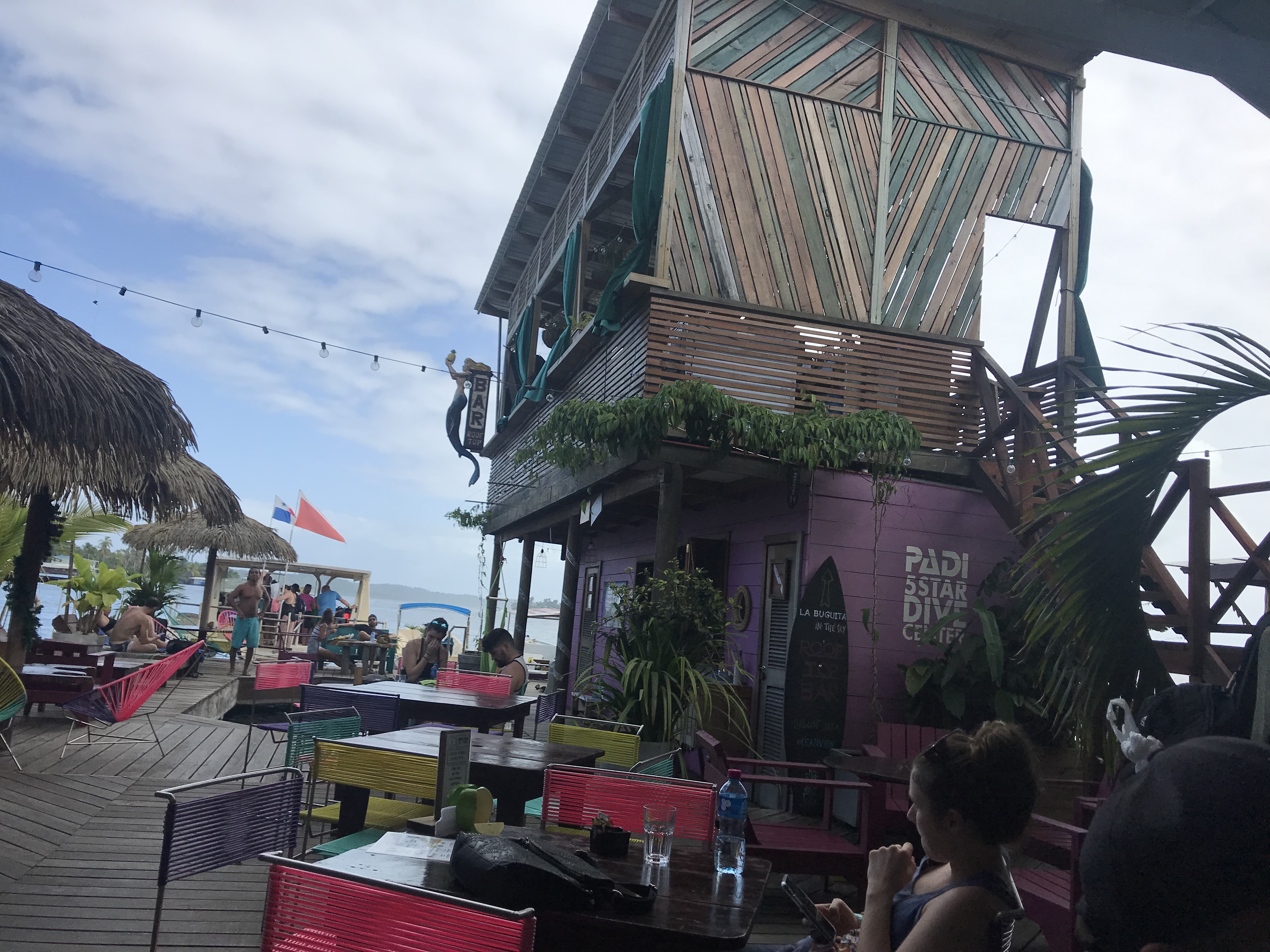
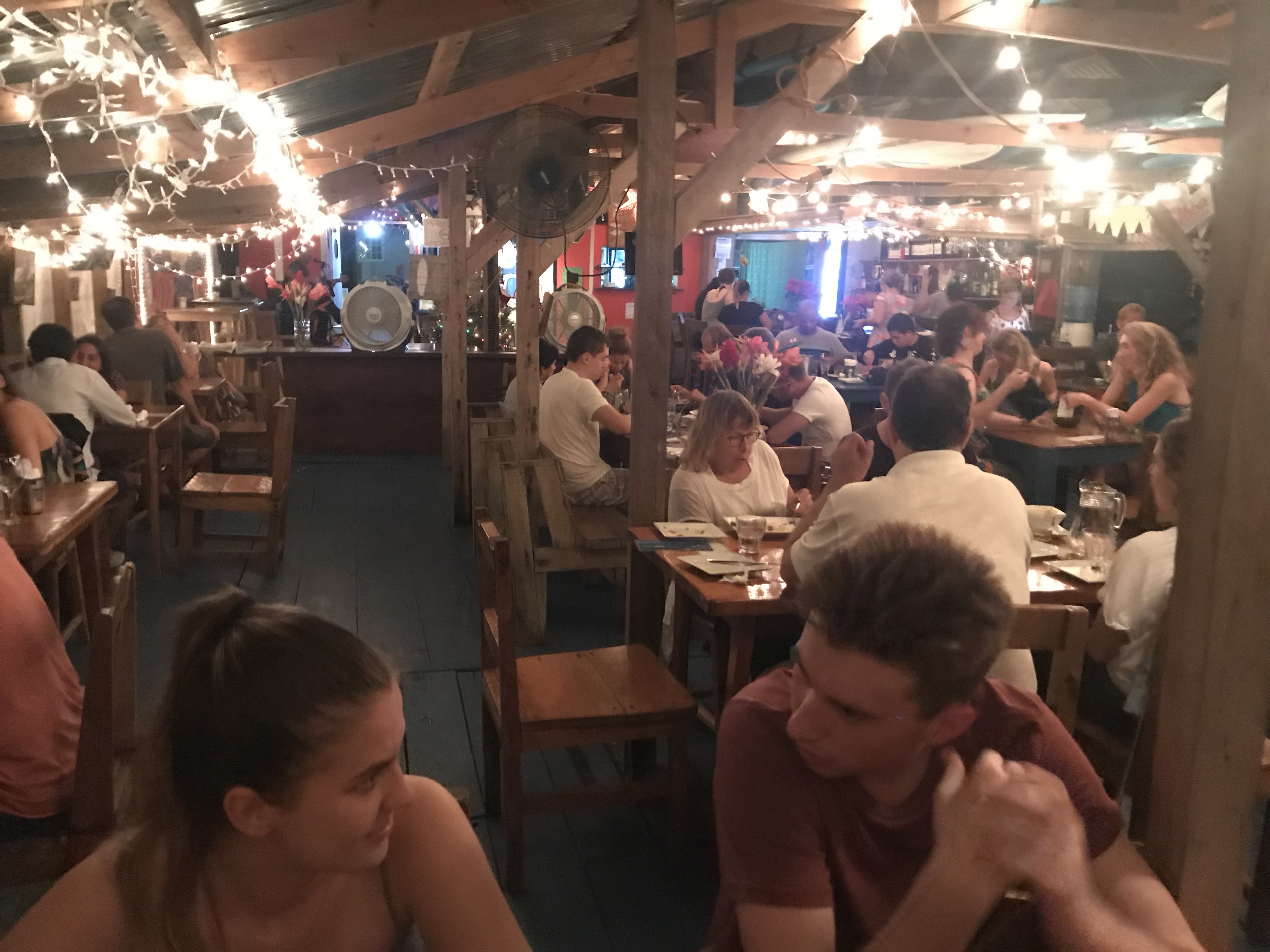
and had an incredible meal at El Ultimo Refugio. Make a reservation as it is packed!
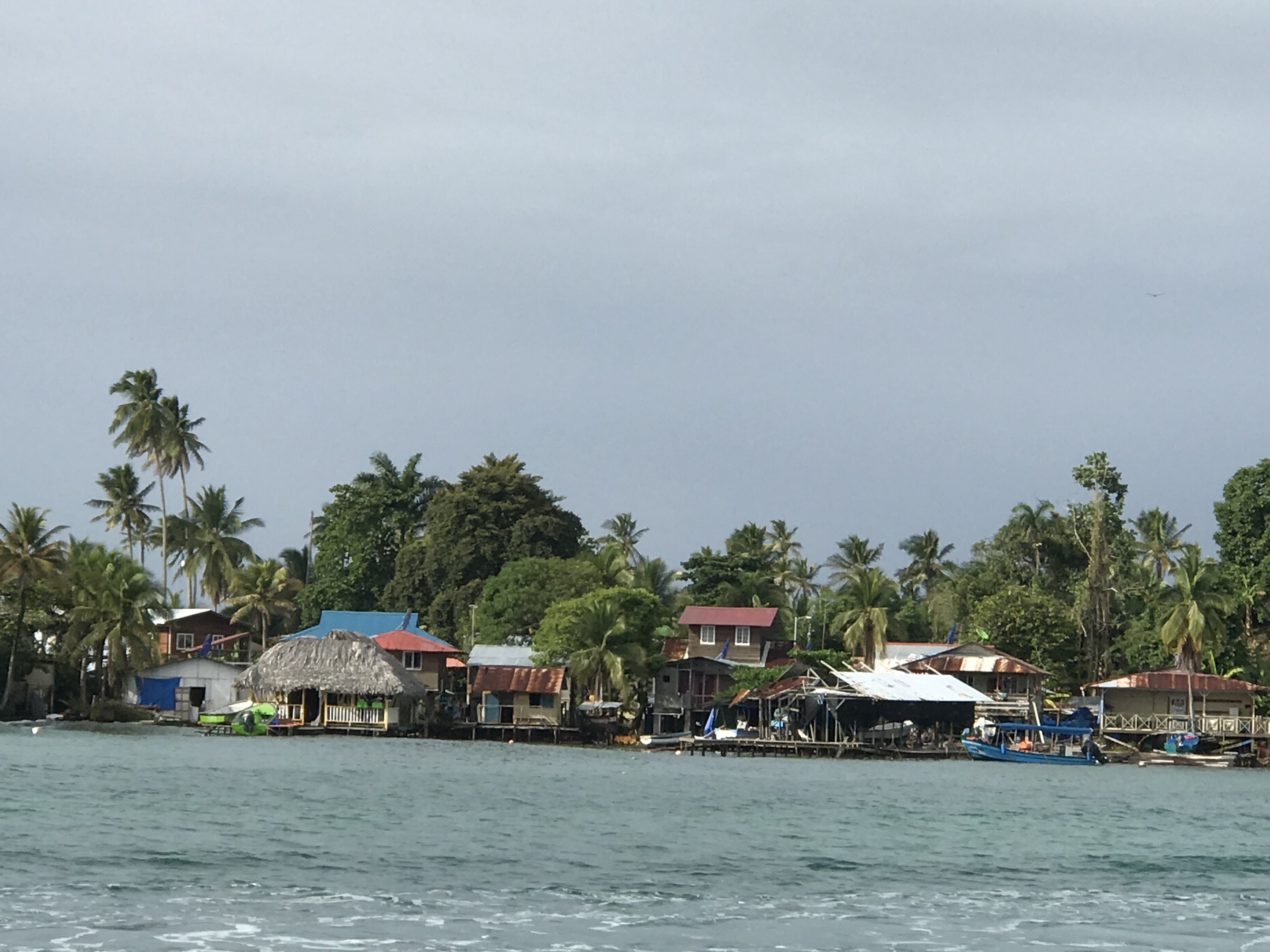
 As almost all of the properties operate and face the waterfront, don’t be put off by their rough exteriors.
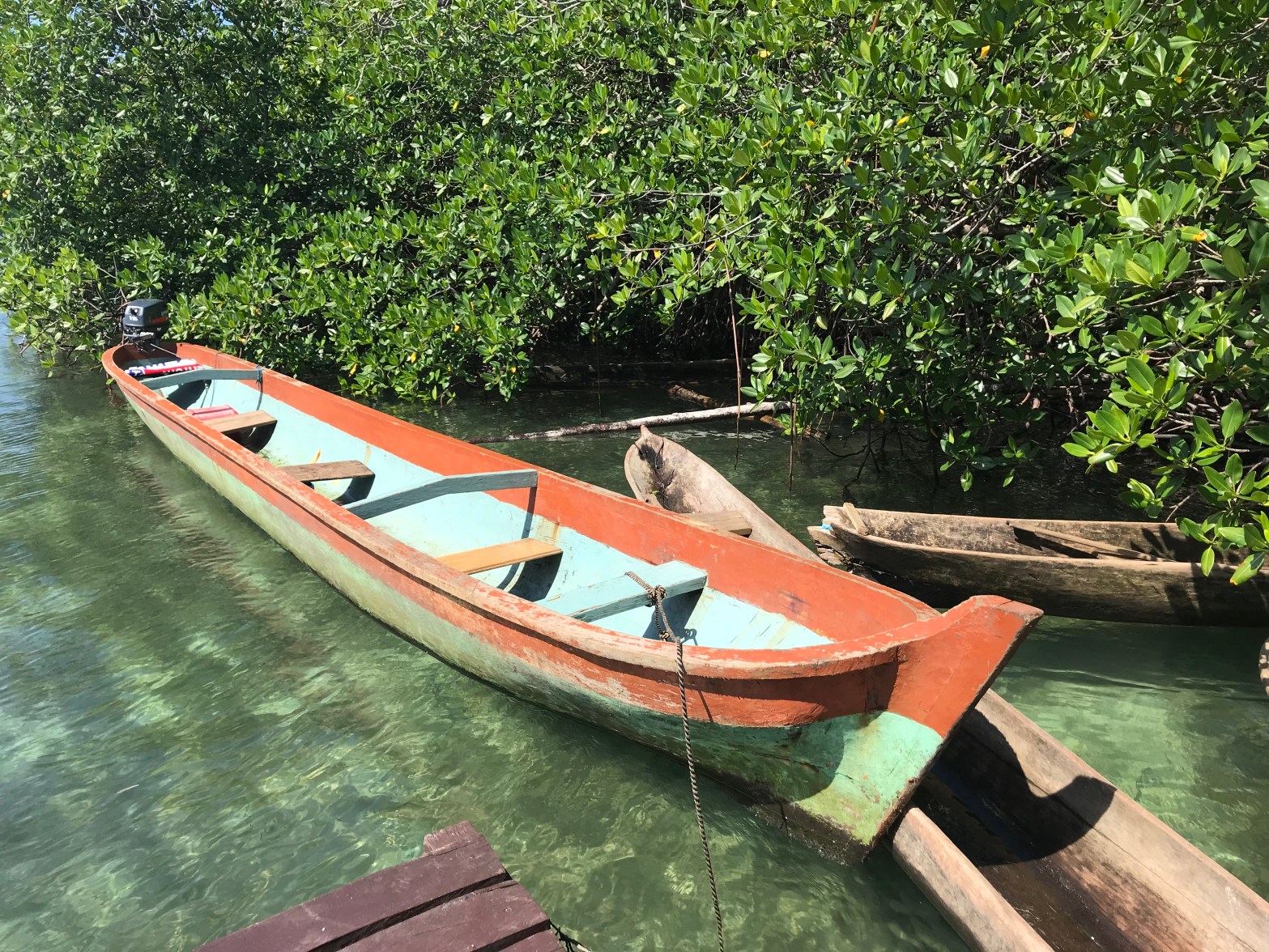
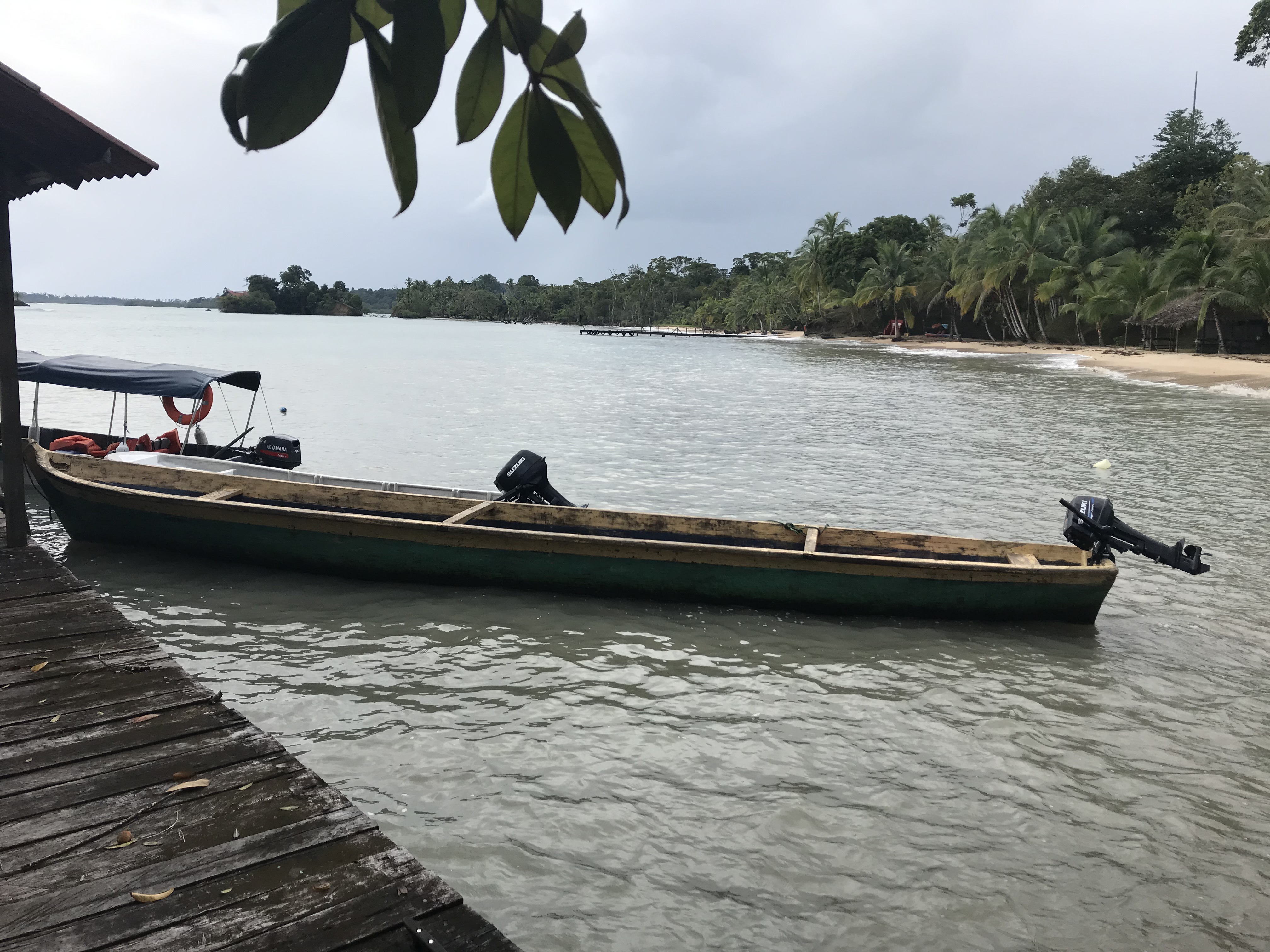
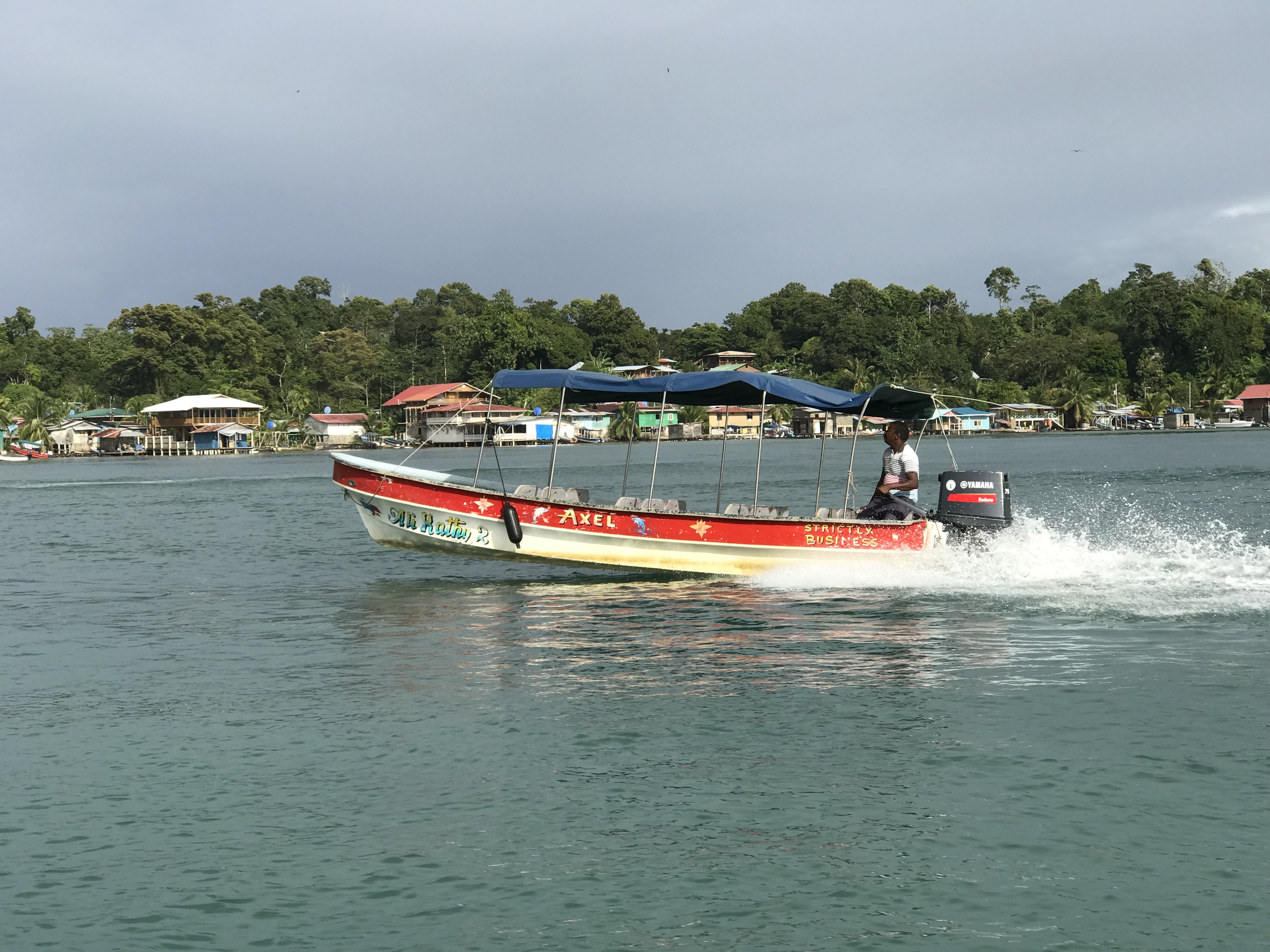
To get anywhere in the archipelago, you must travel by water taxi, day and night. Some boats have lifejackets; a few have lights at night; and for most, you’re clinging to the boat hoping that the drivers have extraordinary night vision and can read the raging ocean surf in the dark.
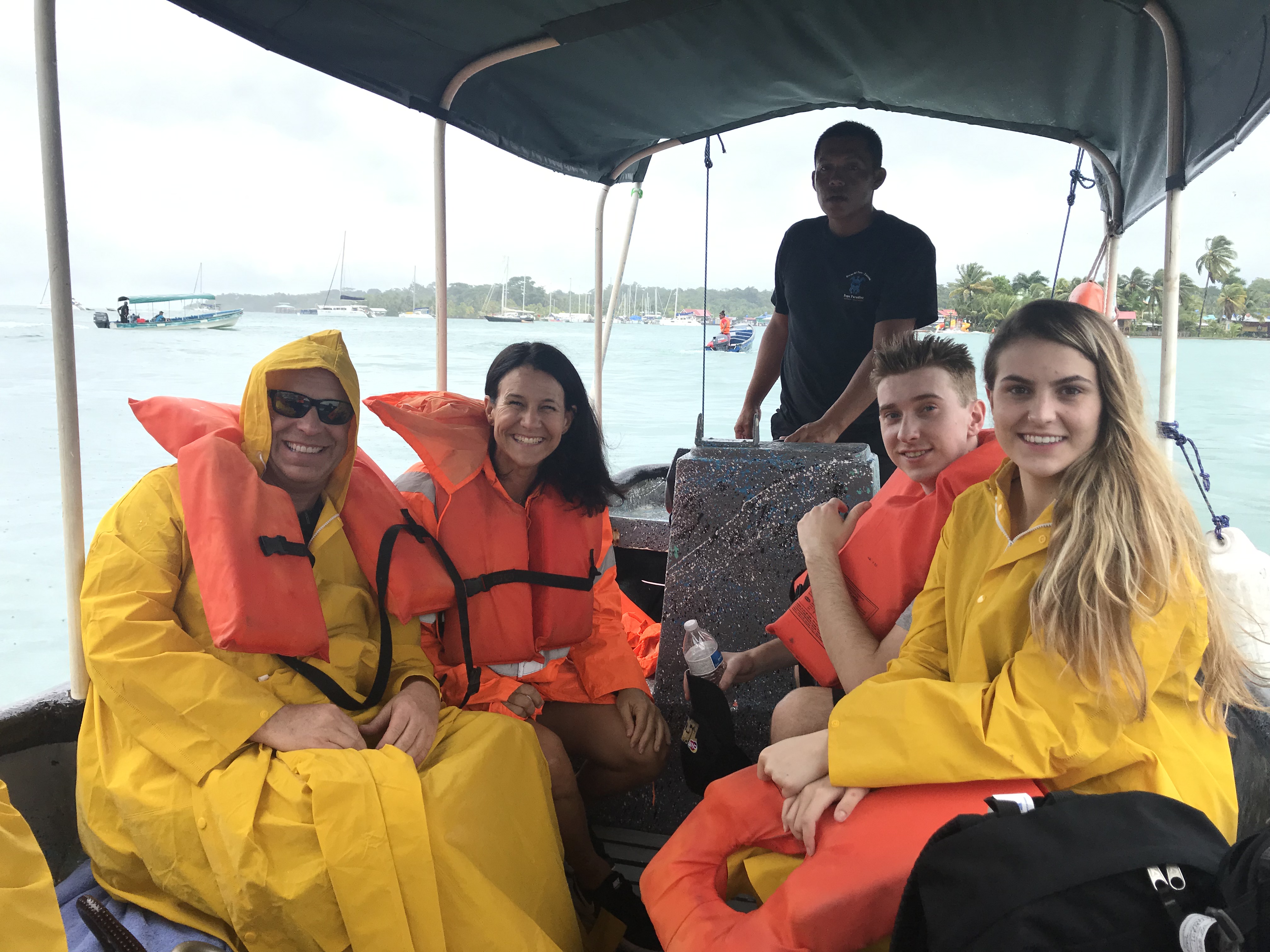
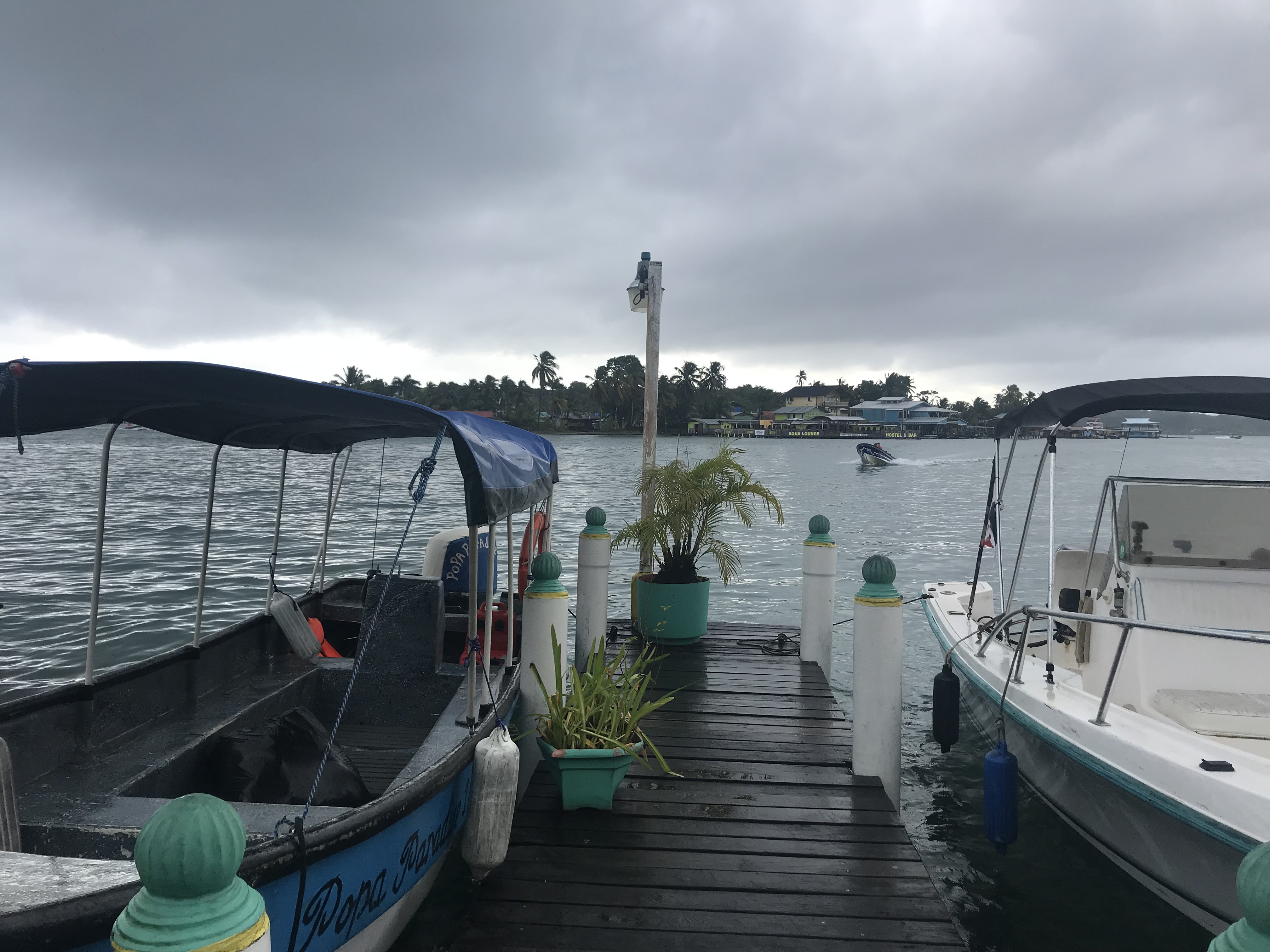 Our first stay was at the Popa Paradise Beach Resort, which is co-owned by a gregarious and lovely Canadian named Vince, and staffed by some really extraordinary people like Zoe, Renzo and Tita. Our huge room, and the kids’ casita, overlooked the ocean and they have a vast amount of jungle acreage and beachfront.


The surf was rough (given the time of year), there were some sand fleas and jellyfish, so swimming in the ocean wasn’t appealing, but there was SUP, snorkelling gear, and fishing gear at our disposal. The pool was beautiful, attracting all kinds of wildlife. It was hot — 27C to 31C daily — so it provided a welcome respite. The food was fantastic and the staff bent over backwards to accommodate our dietary needs.
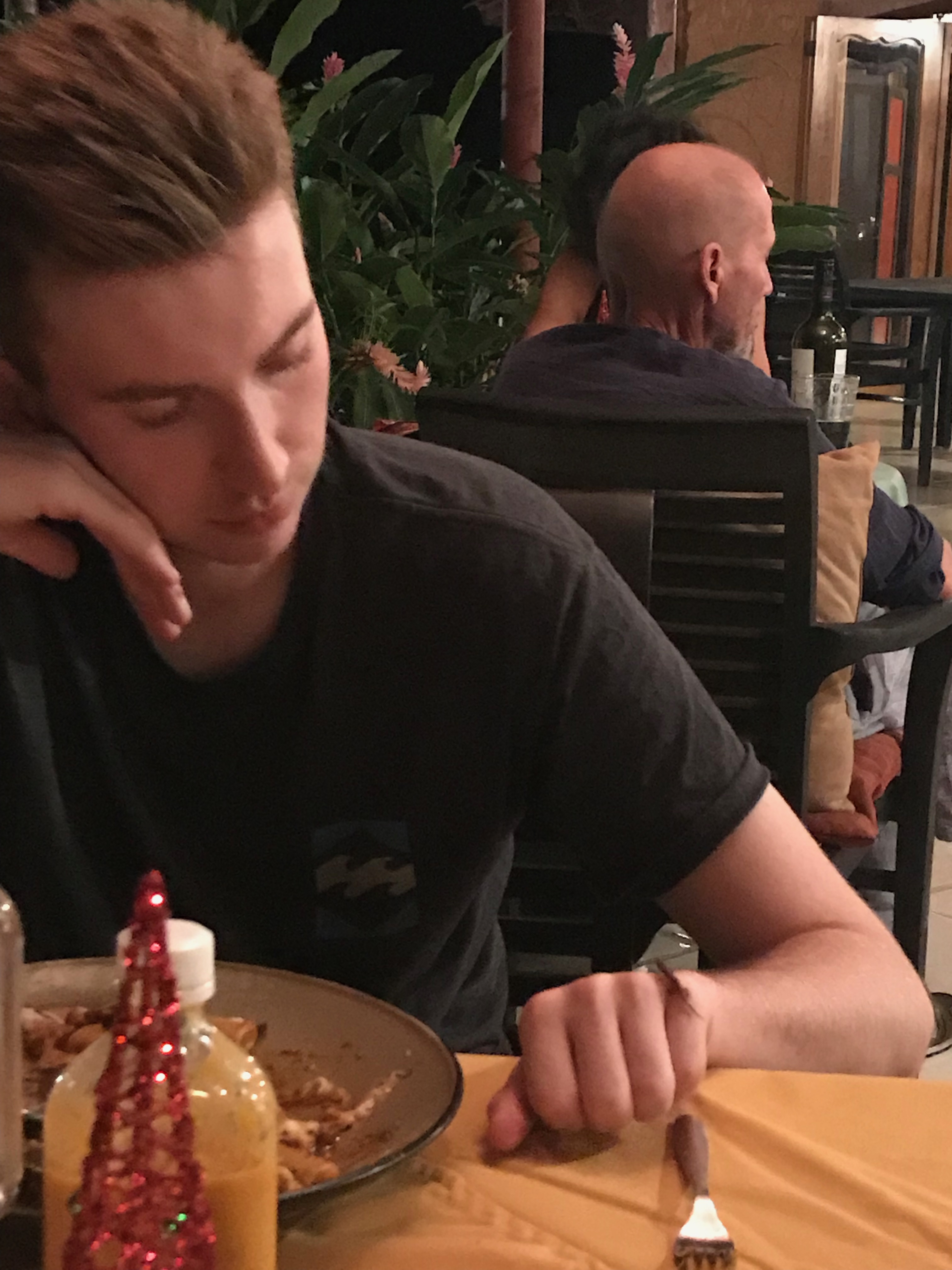
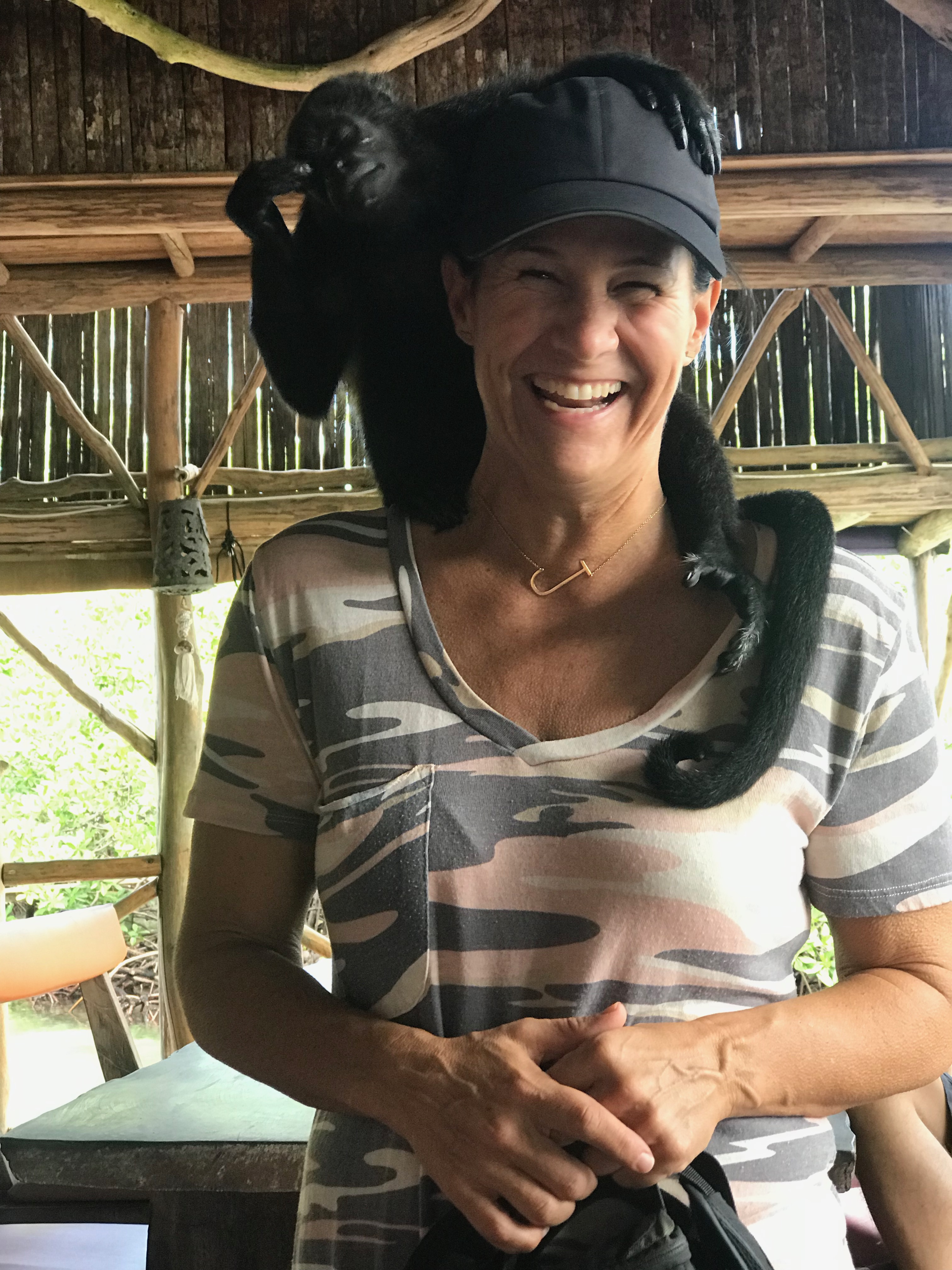
We used Popa as a base to explore the area. Our favourite was Monkey Island, aka Urraca Private Island, owned by a wonderfully eccentric Montreal woman, Francine.
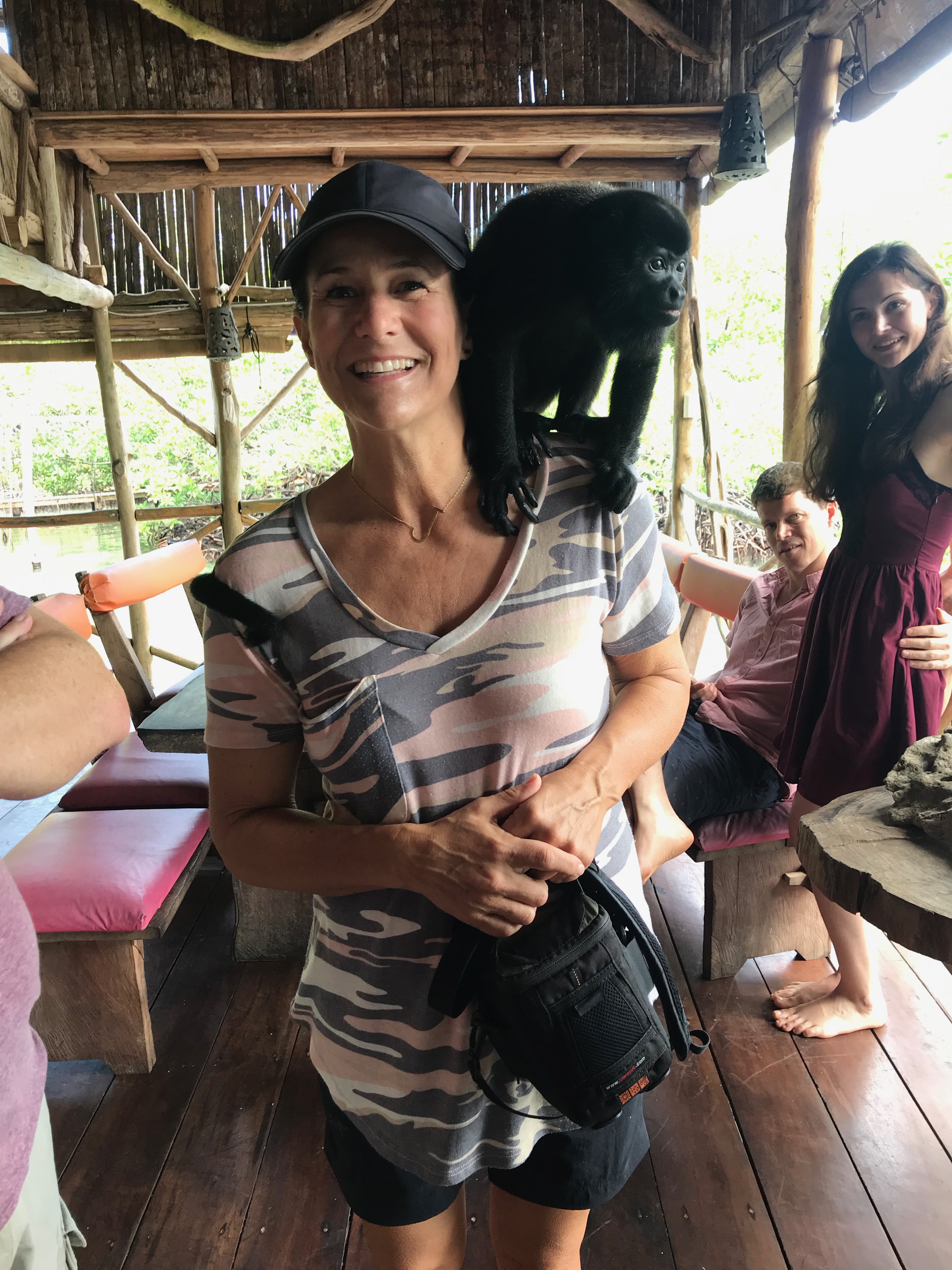
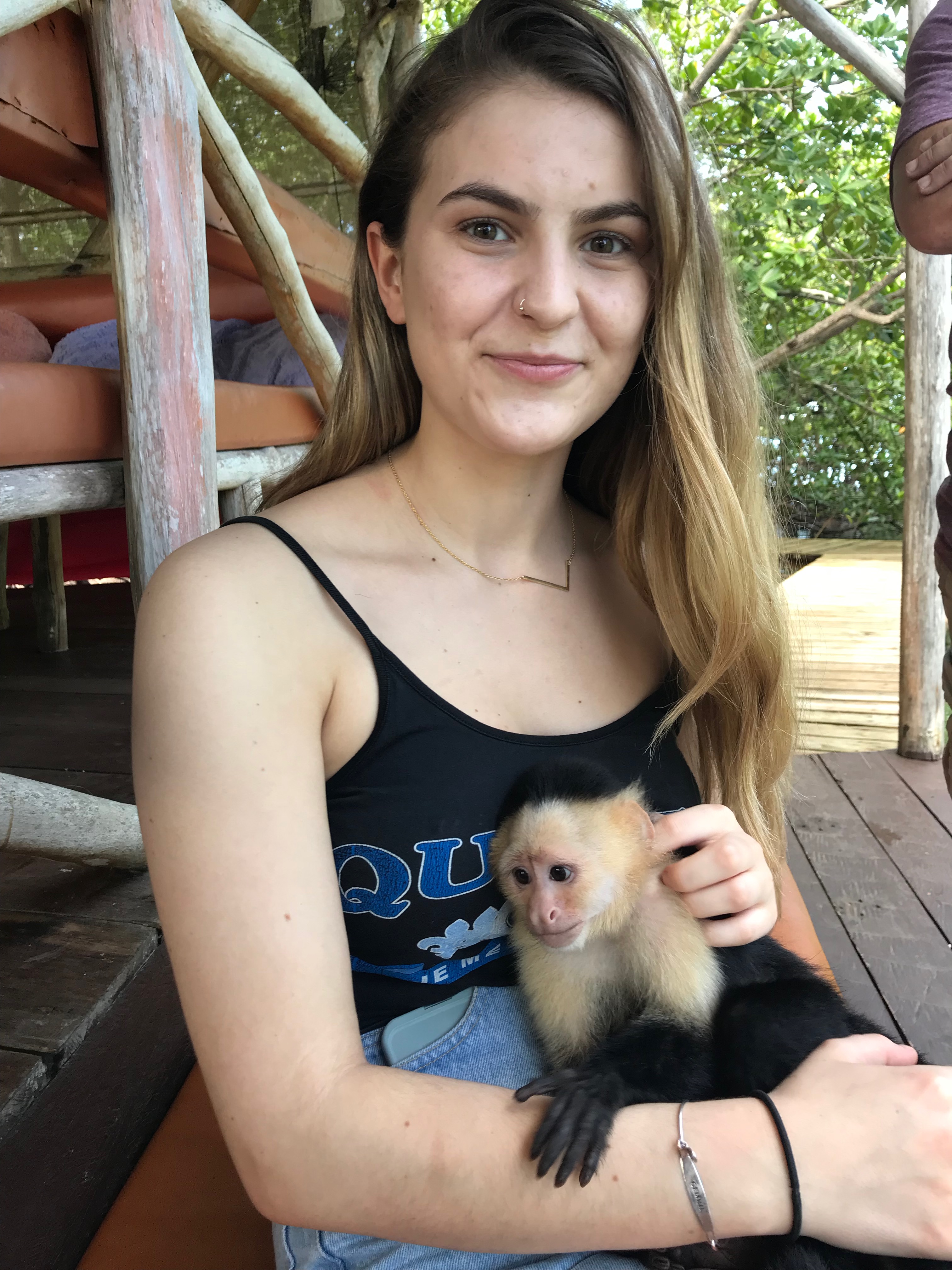
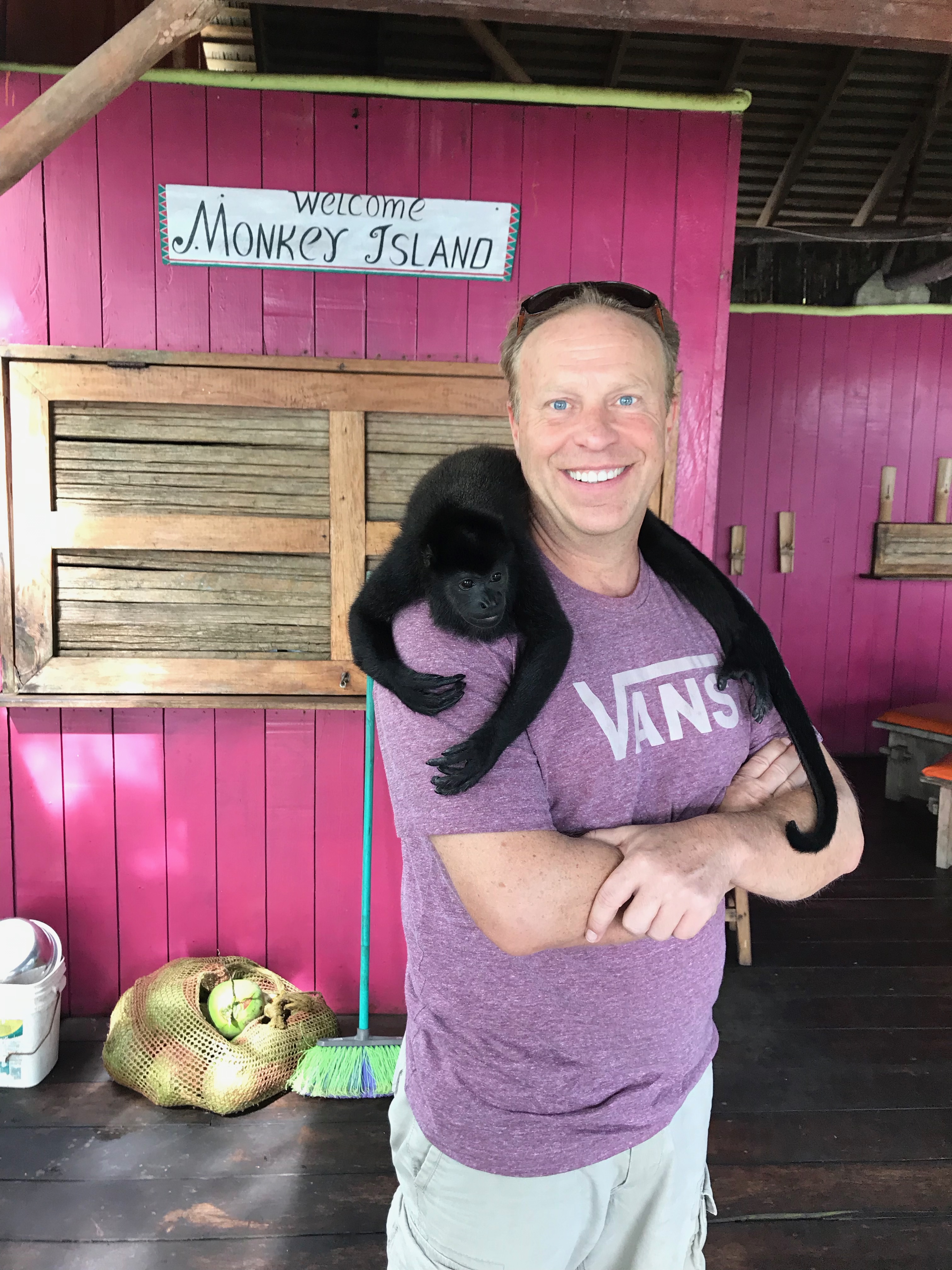 She rescues and provides an interactive home for her tailed friends…and her guests. We loved playing with her howler and squirrel monkeys. The howler had a definite affinity for Dave!


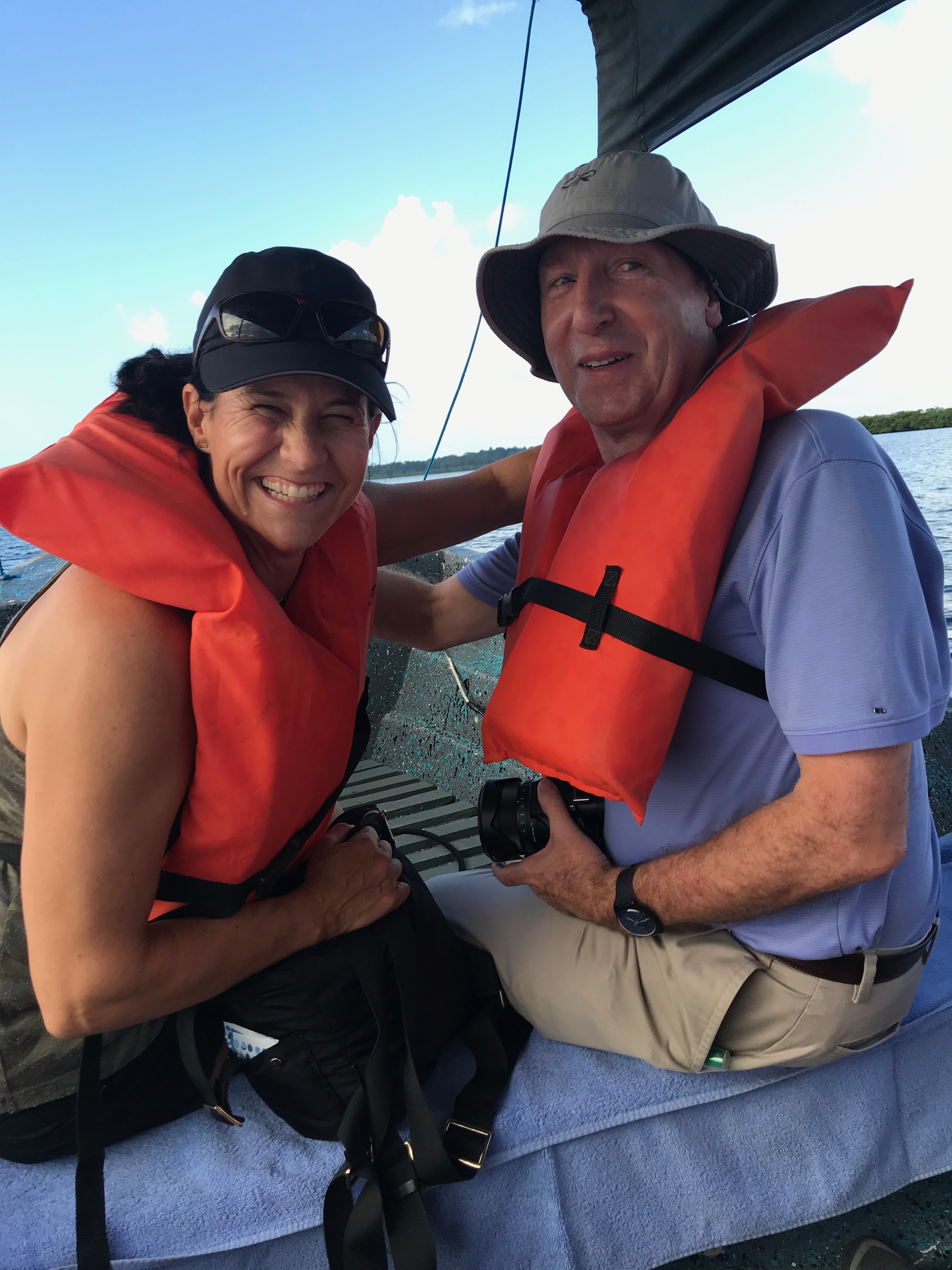
I also went to Sanudbidi, a local indigenous village on Popa, with some fellow guests, the Finch family. The Ngobe and Bugle are Panama’s dominant indigenous people, with a population of 180,000 Ngobe and 10,000 Bugle. They inhabit Conmarca, a protected area with its own political system.
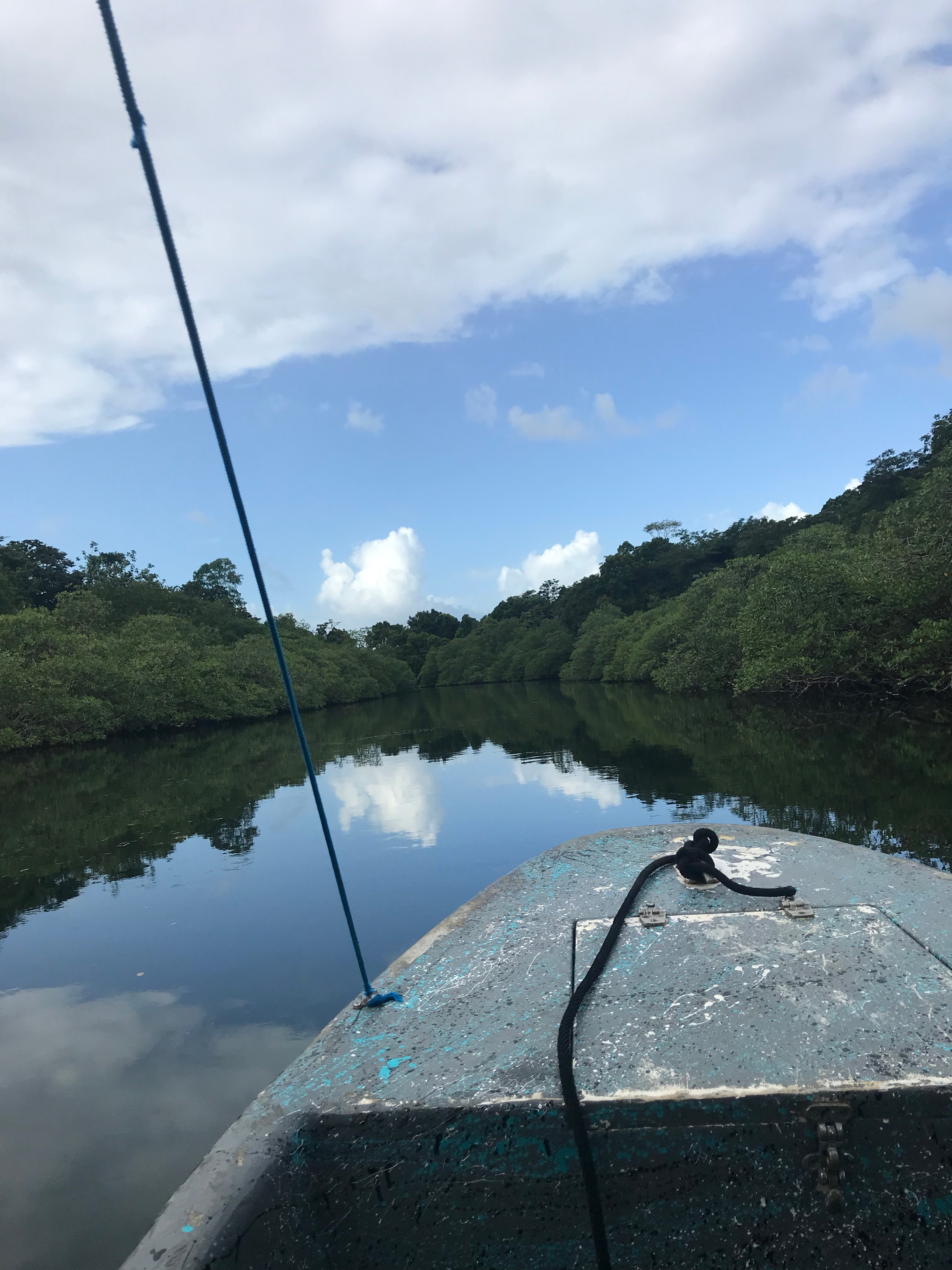
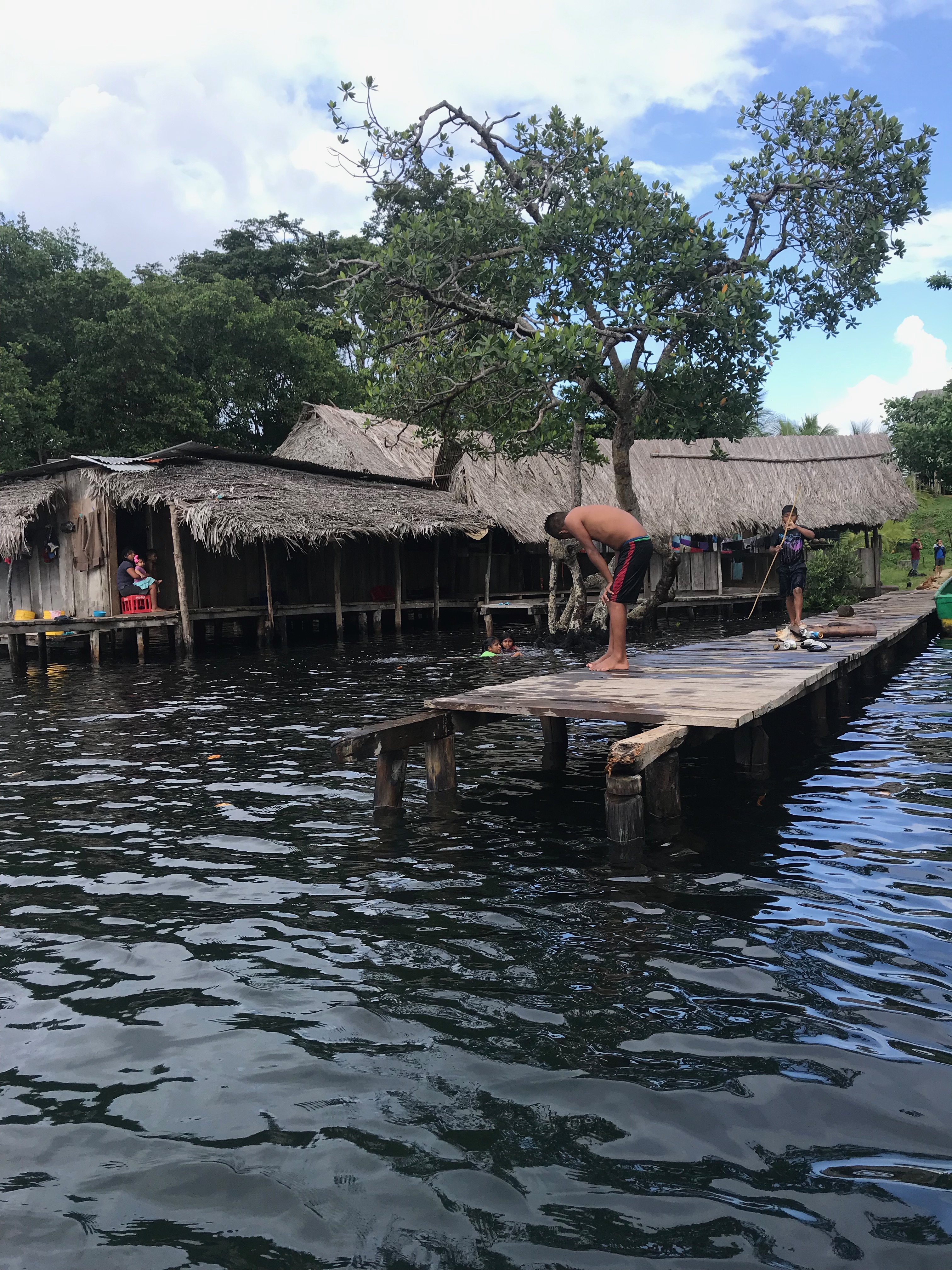 Tita, who works at Popa, drove us through the mangroves to reach his village. Many young children were swimming, in their clothes, from the main dock and watched our approach warily. There was a pack of dogs, who encircled us, barking excitedly, but they were harmless when you became the Alpha. There was no running water or electricity, and they had a small school, community centre, store, and many thatched houses. Fish and poultry are their main diet.


Tita’s family welcomed us warmly into their hut and his mother showed us how she strips the agave leaf of its flesh to leave the fibres, which she weaves into bracelets and purses. We, of course, bought some of her wares to support her livelihood. This visit made me all the more conscious of the great disparity on this planet between rich and poor, and how people live so very simply, surrounded by those whose wants have become needs. Eco-tourism is always an important eye-opener.
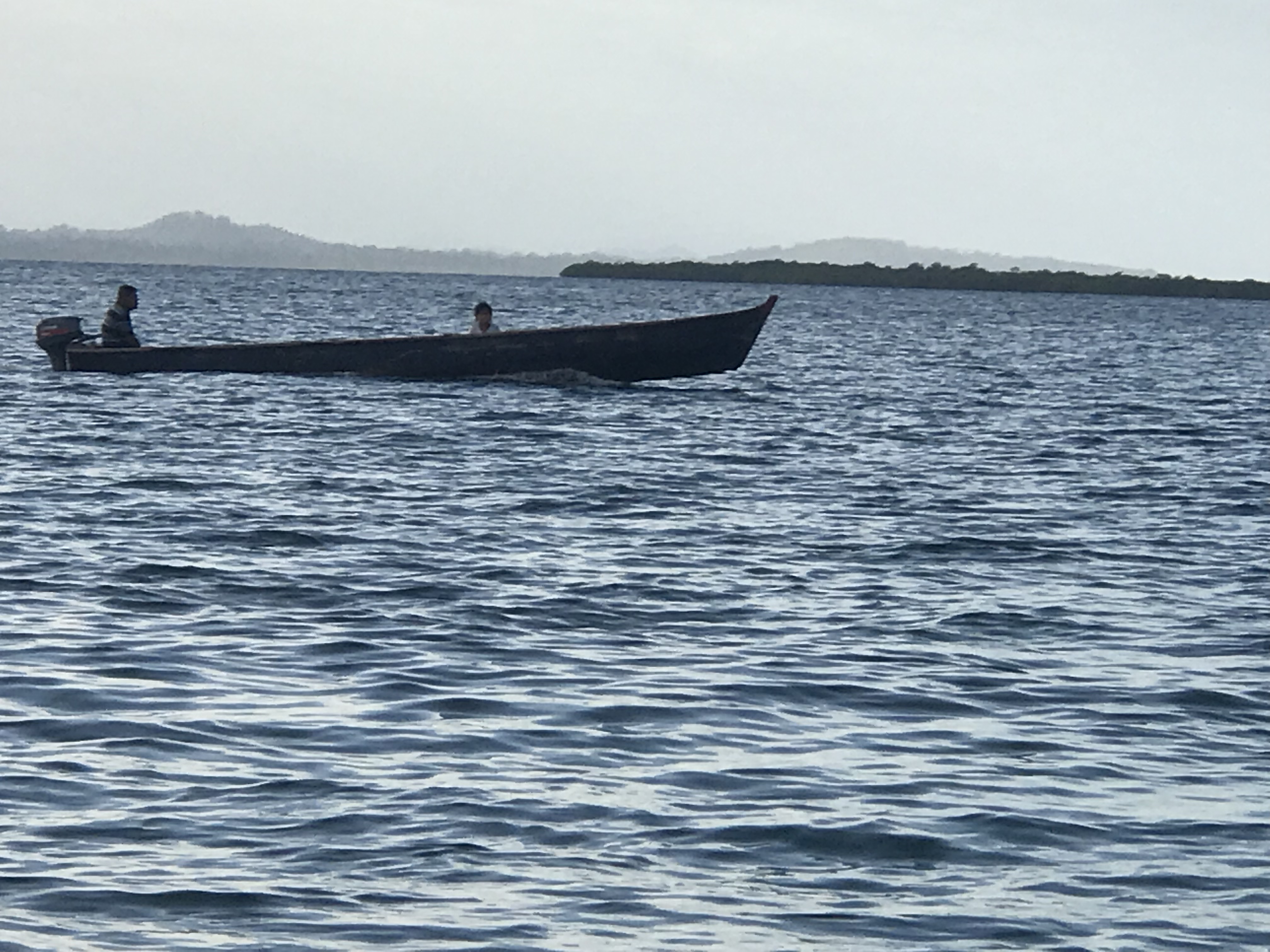 Our family took a quick day trip to Red Frog Beach resort, which netted mixed results. It cost $5 each to step foot on the property and access the restaurant, which is a 20 minute walk from the marina, and the food was horribly overpriced with atrocious service. The whole place felt disingenuous and pretentious.
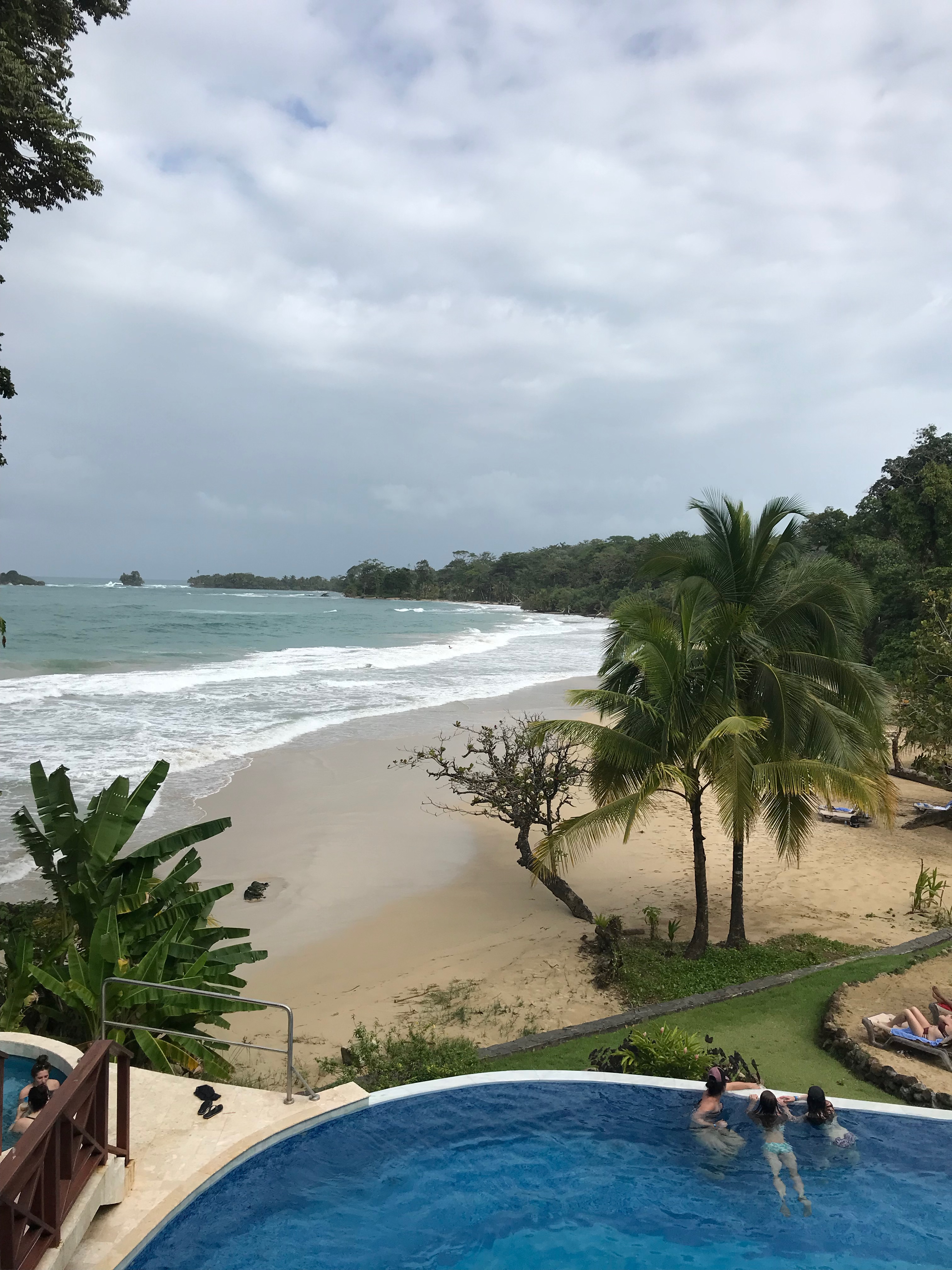 The beach had a monster (read scary) surf and big undertow which only Ryan braved while Dave and I watched him like hawks from the shore.
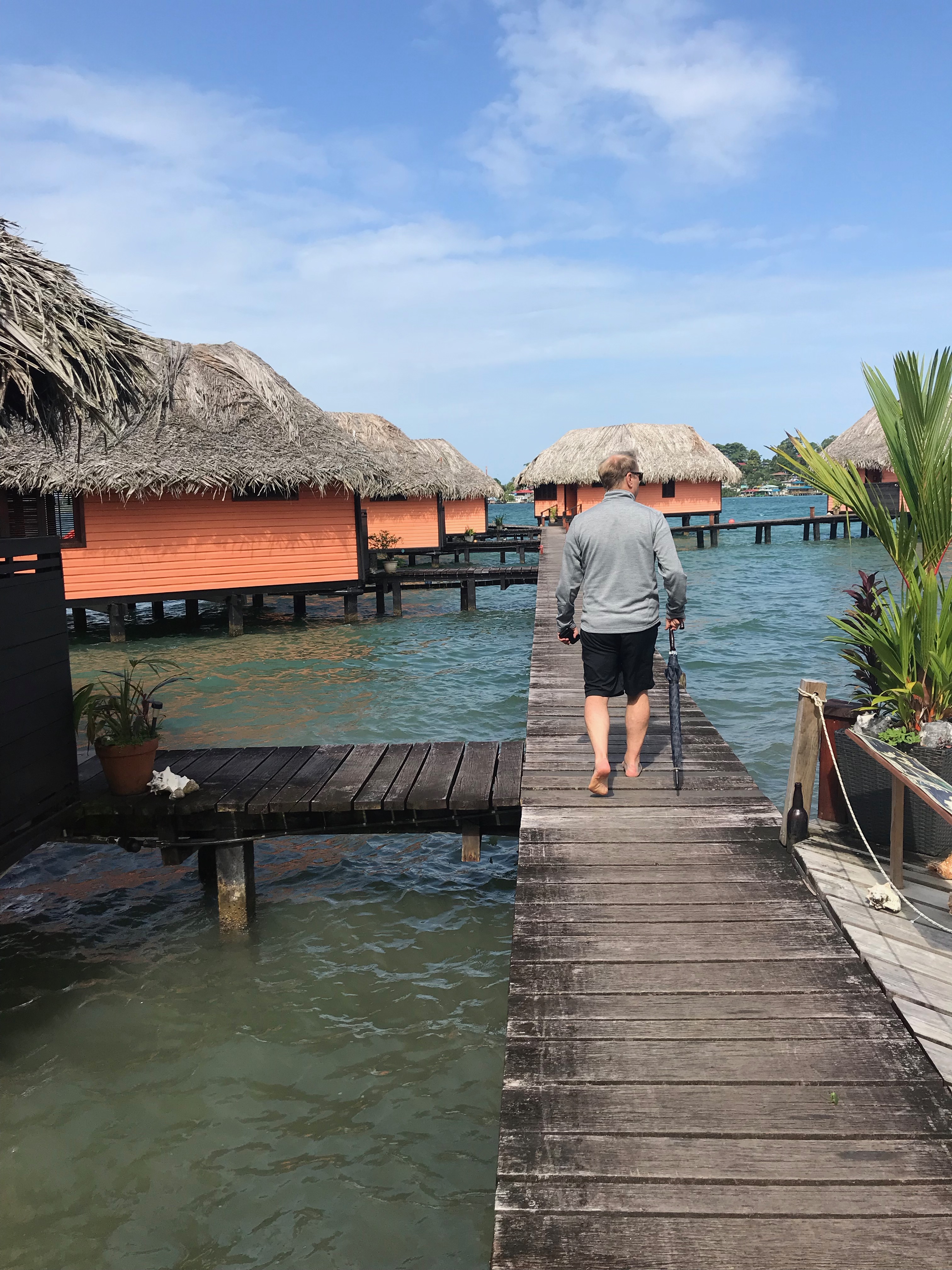
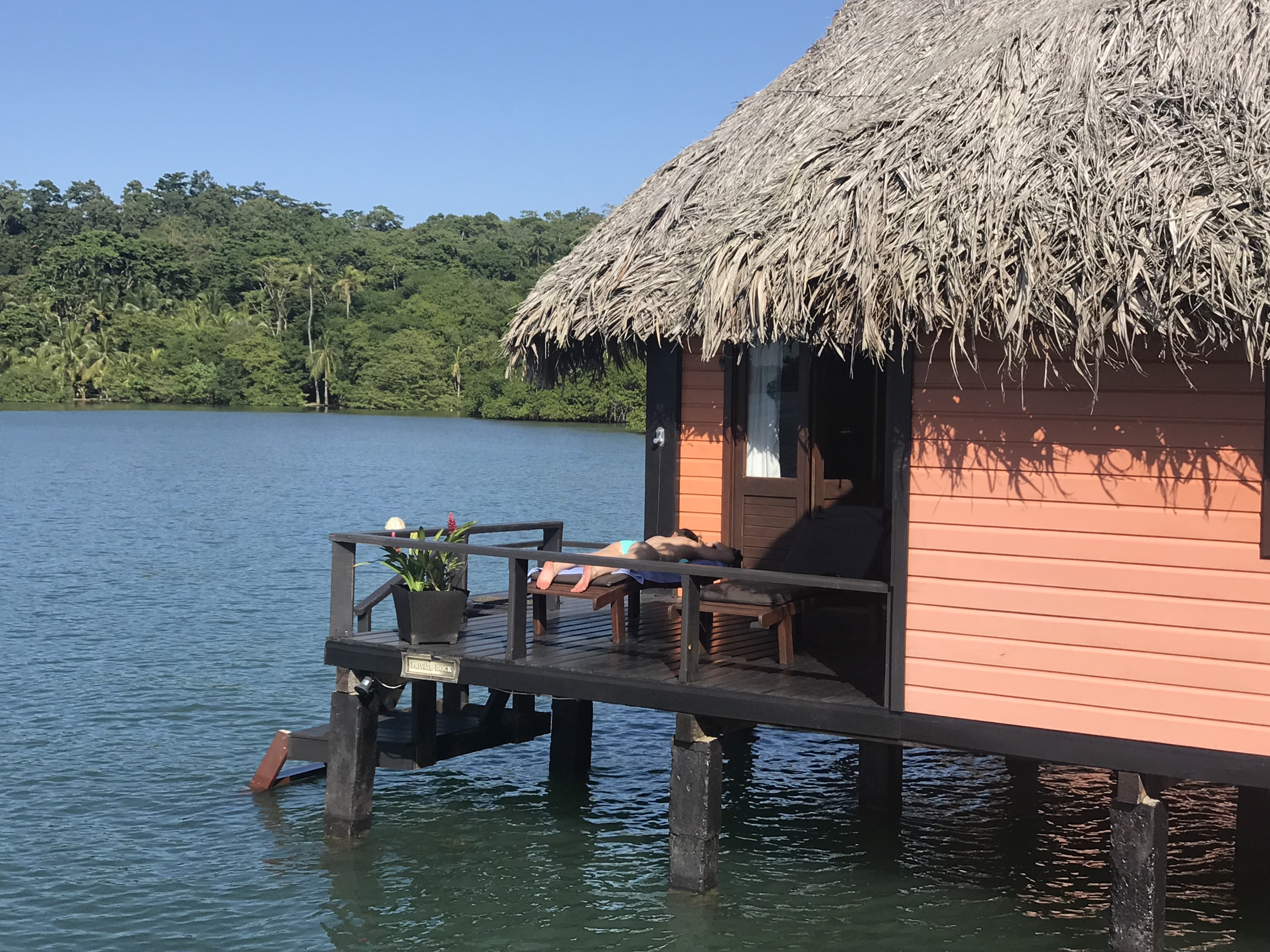
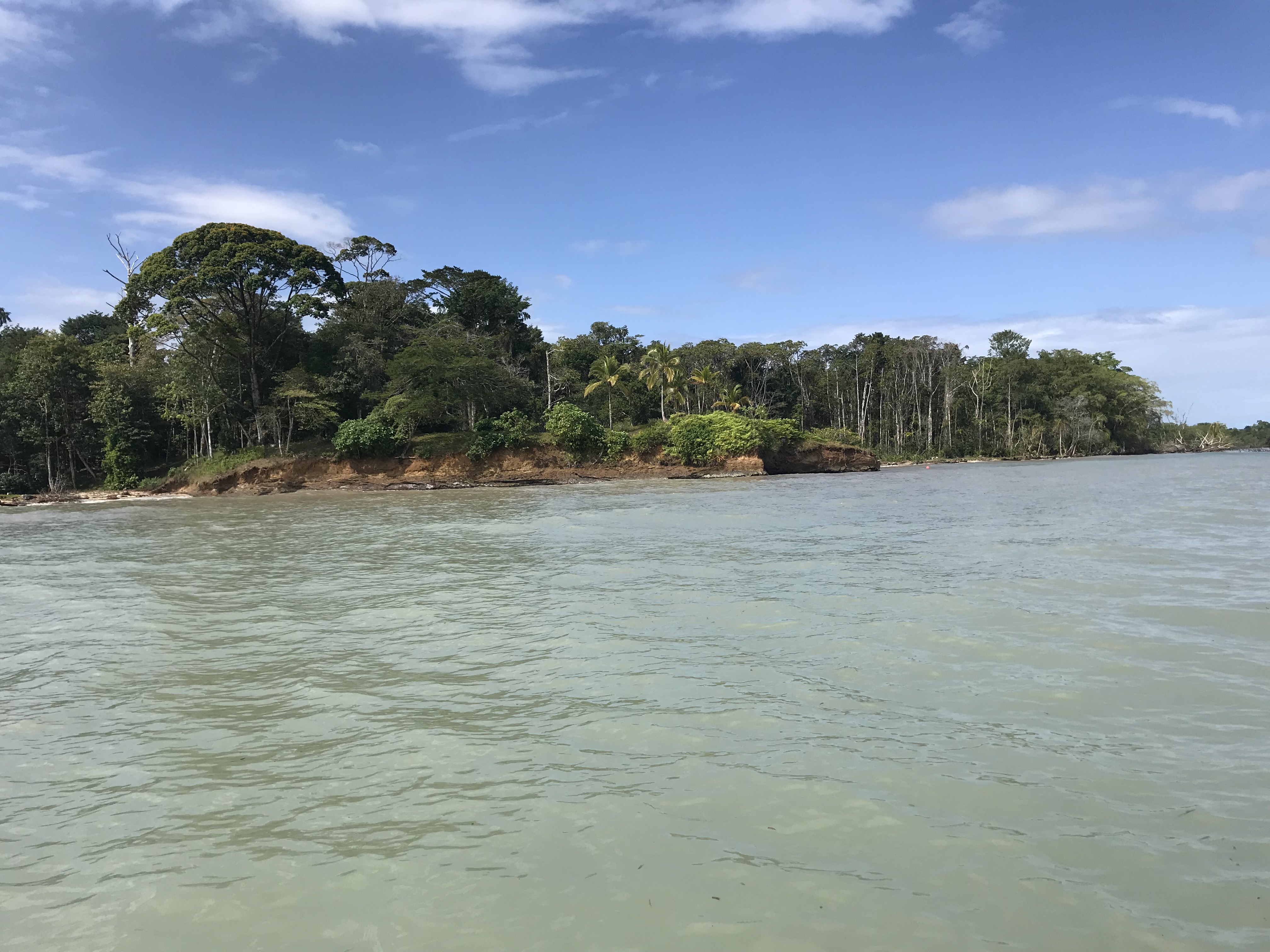 After Popa, we travelled to Bastimentos Island to a small resort called Eclypse de Mar, which features six casitas on stilts sitting over the ocean and a small, main lodge which offers meals.
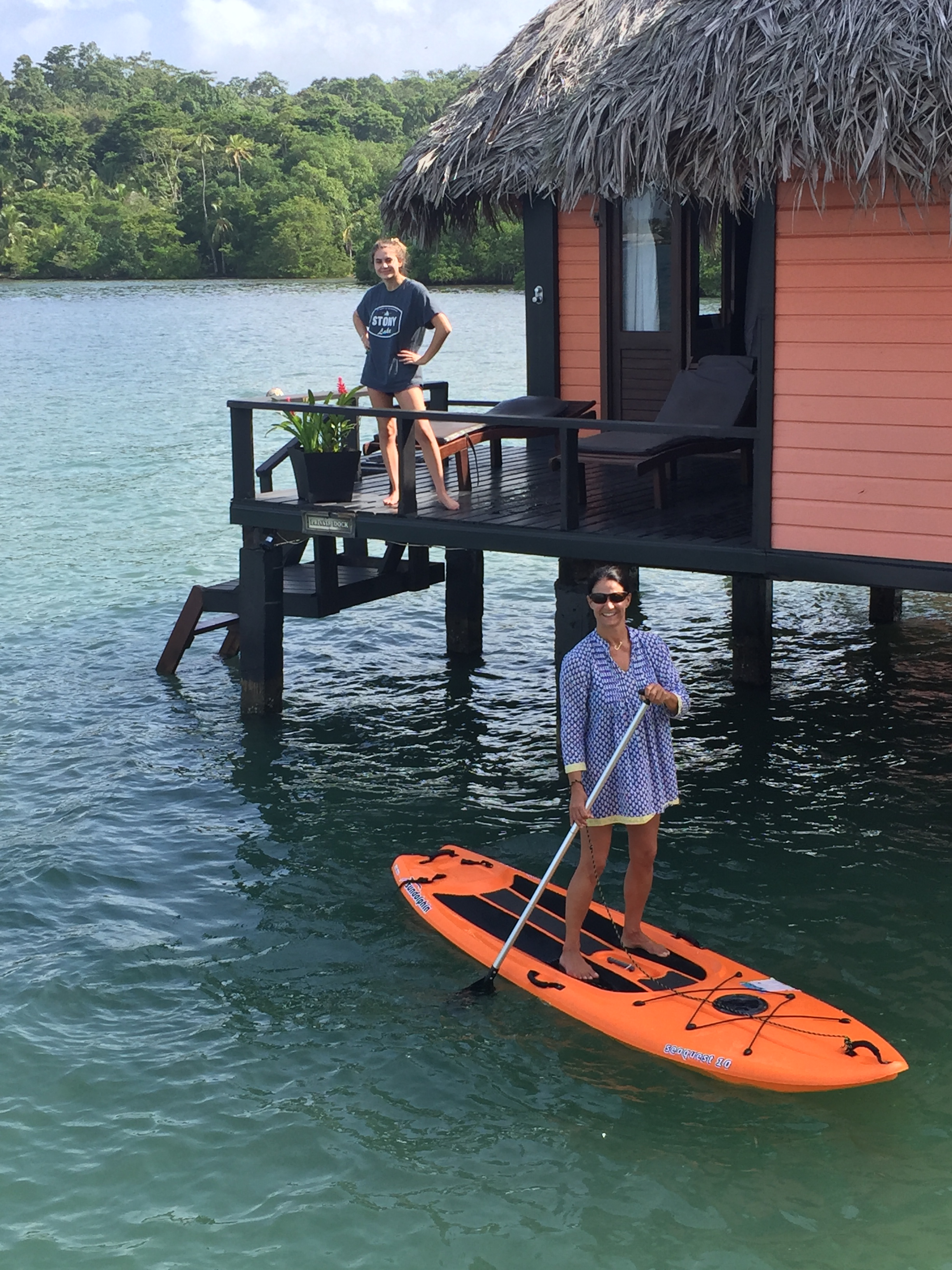
The casitas were gorgeously appointed, and the staff, especially Mabel, were great.


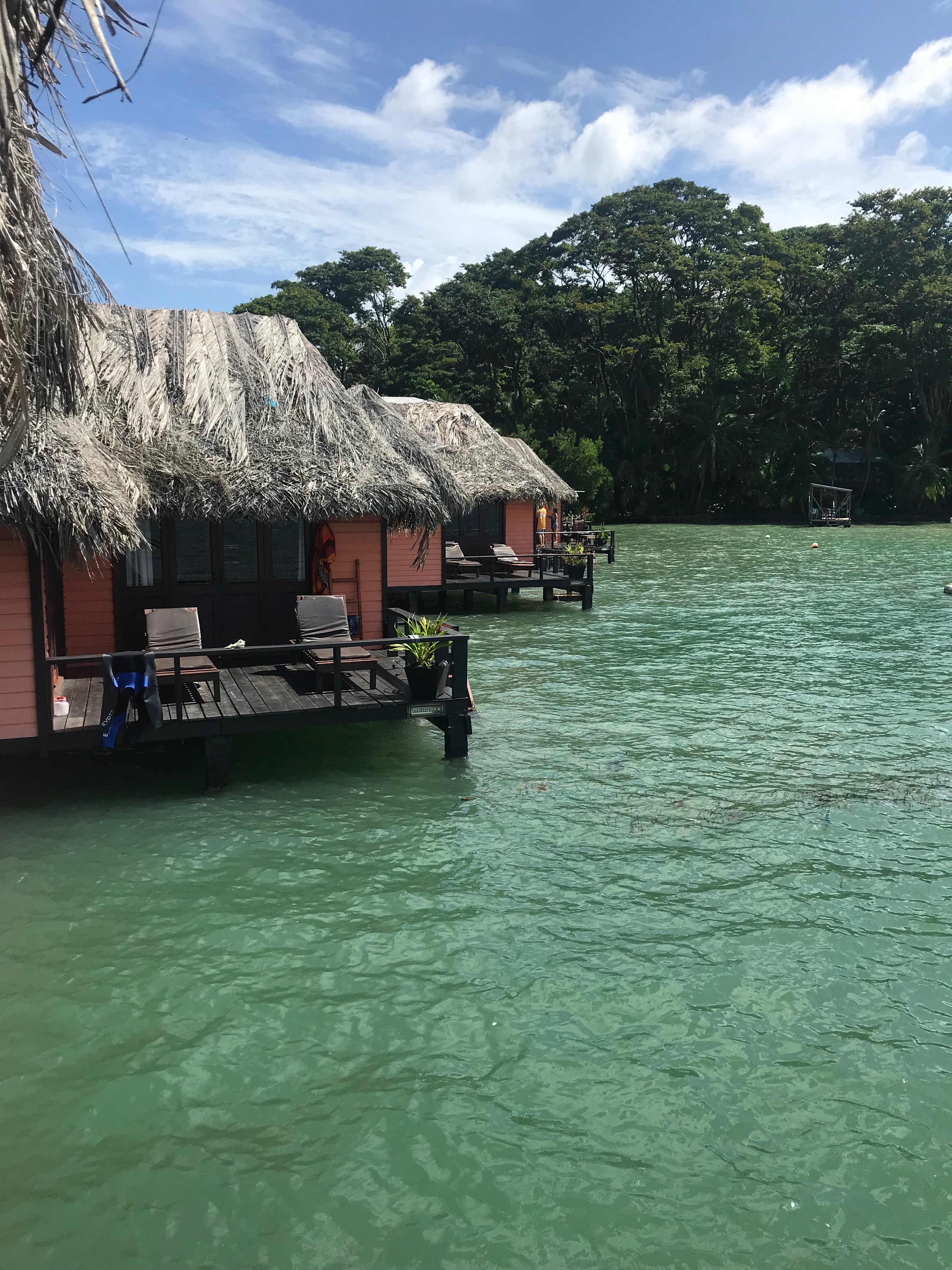
 The only downside of Eclypse is that you face Old Bank Town which shares a bay. Here is the description from Fodor’s: “Spread along a bay on the island’s western tip, between the ocean and forested hills, is a colorful, crowded, poor collection of simple wooden buildings known as Old Bank.
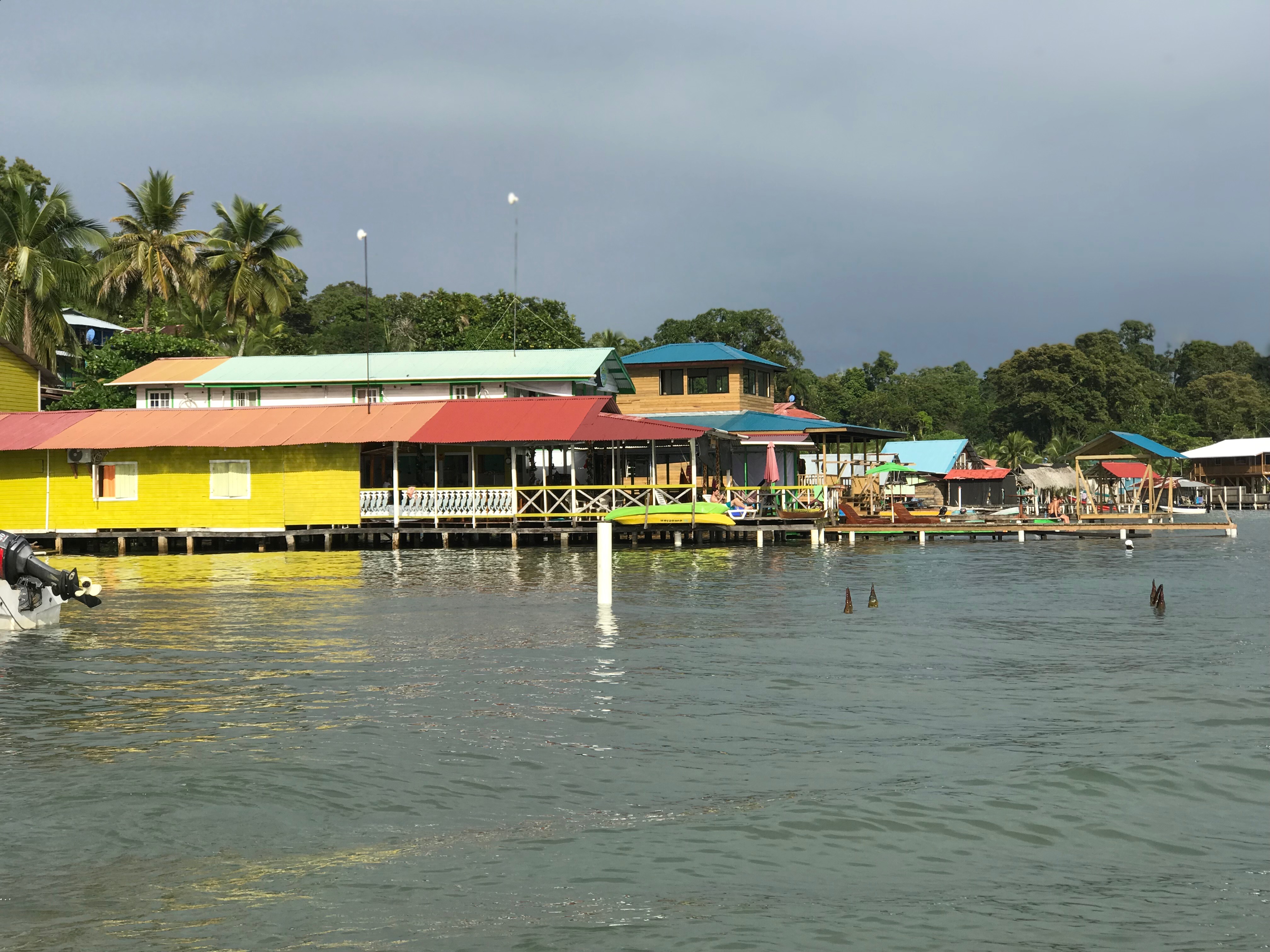
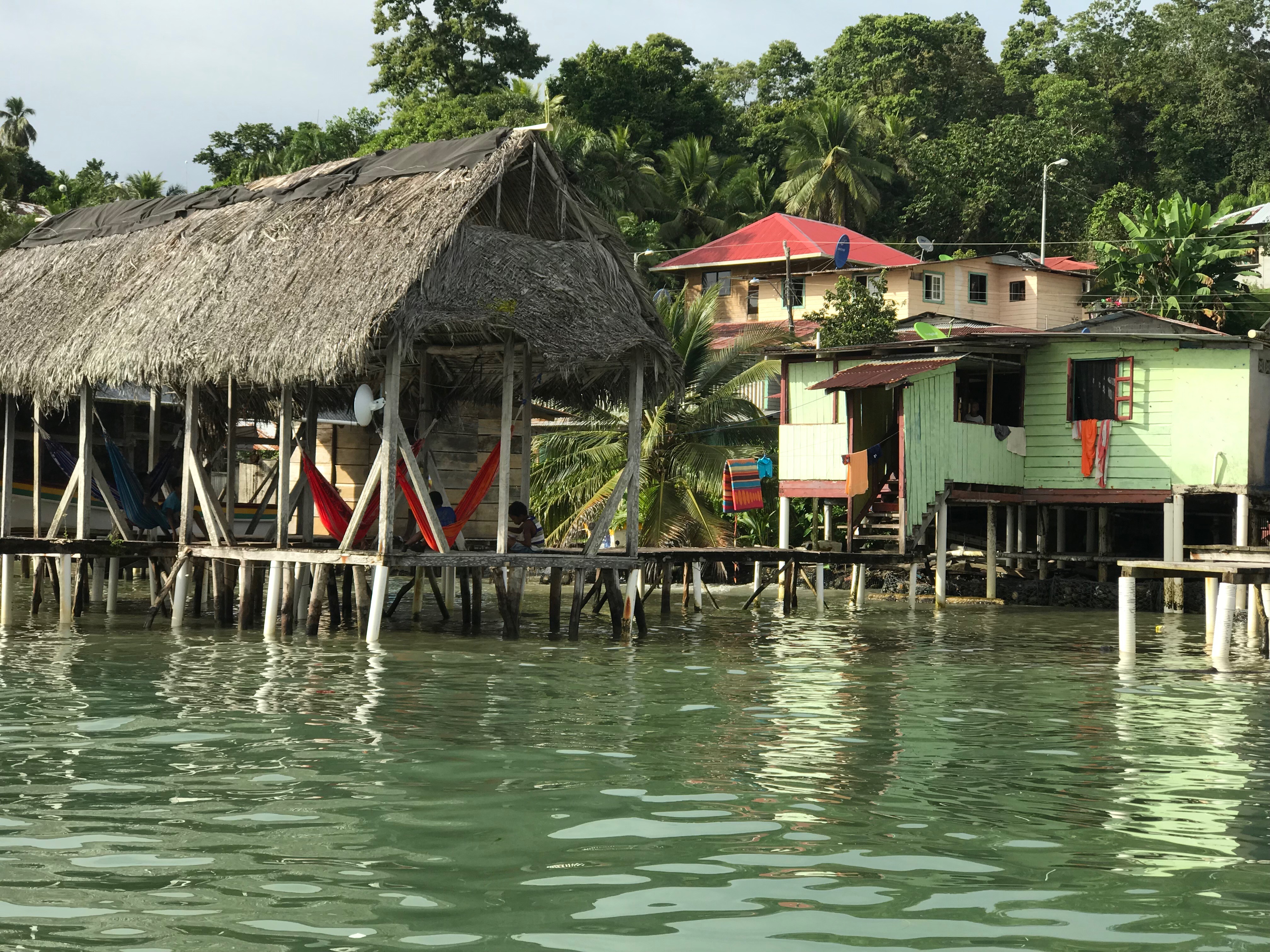
It is a predominantly Afro-Caribbean community where Guari-Guari—a mix of patois English and traces of Spanish—is the lingua franca. Most people live in elevated wooden houses, some awfully rudimentary, that line sidewalks and dirt paths instead of streets. Old Bank doesn’t have a proper sewage system, so avoid swimming in the bay, even though the local kids do. Head to one of the nearby beaches instead.”
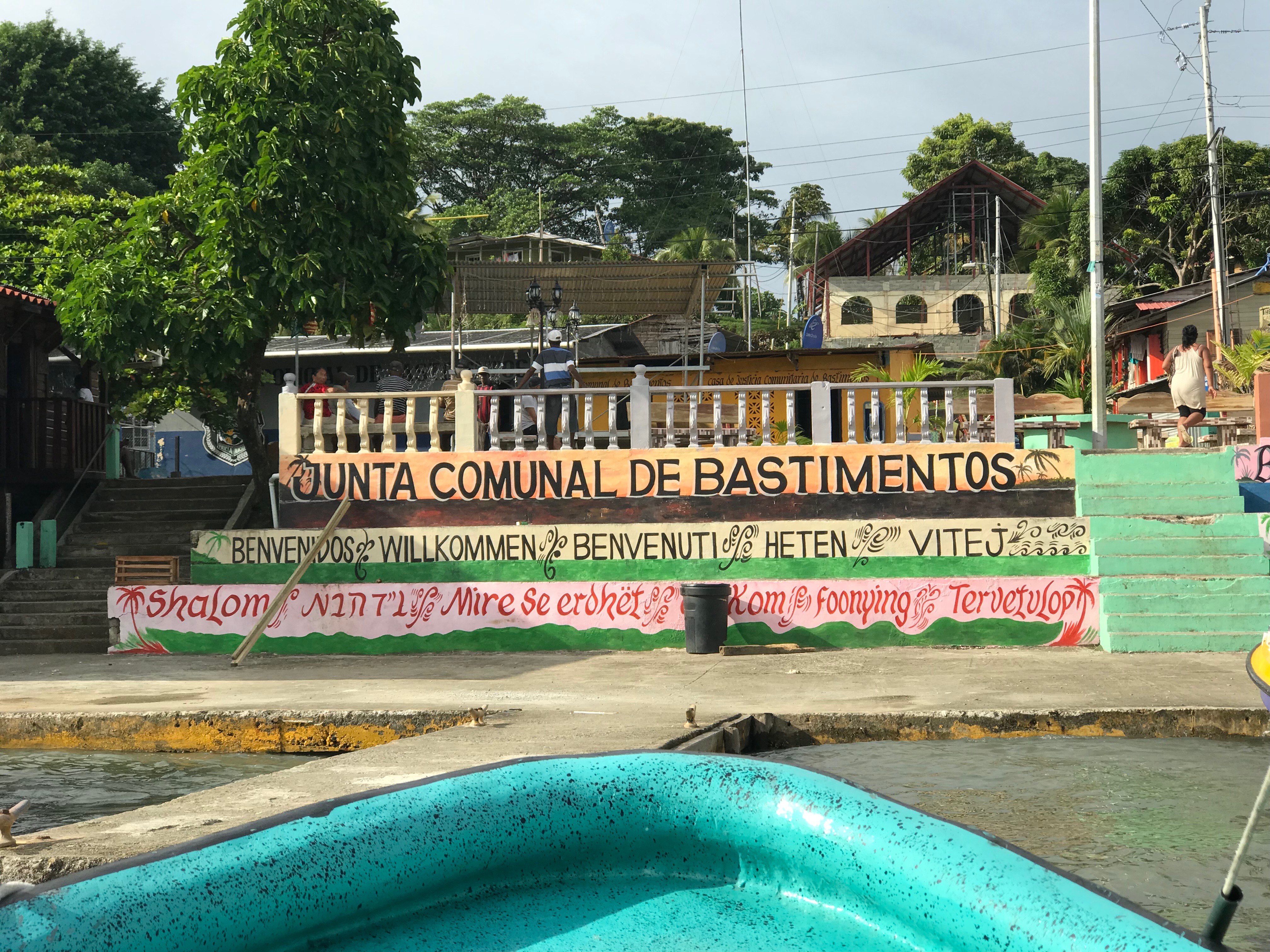 As it was the holiday season, the locals were celebrating hard and the disco boomed until 4:25 am, two of the three nights, and they let off firecrackers starting at dusk. There is a reason why Eclypse provides earplugs. However, we had our best meal of the trip in Old Bank. We took a water taxi into town. We were told it was safe, even at night, but I was a wary. It is like the Central American Wild West. Little kids — five year olds — were throwing firecrackers onto the sidewalk (interesting parenting!), one of which nearly blew out my eardrum. Locals lined the road, sitting on chairs, and there was a lot of rubbish and open sewers. We made a wrong turn, but figured out how to reach The Firefly which is down a dark beach. It was worth the effort: yummy Asian/Caribbean inspired tapas filled our tummies. All was well.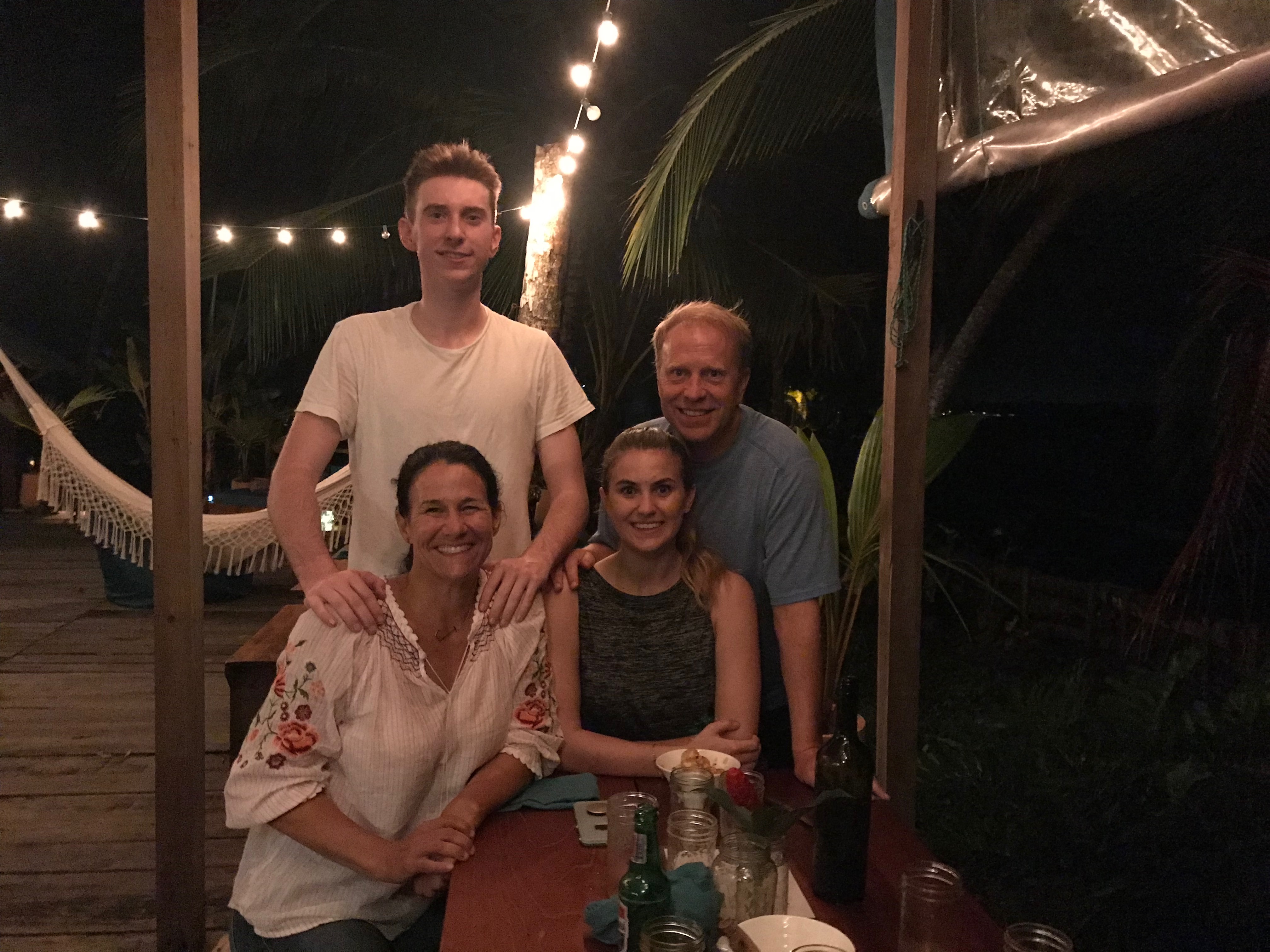
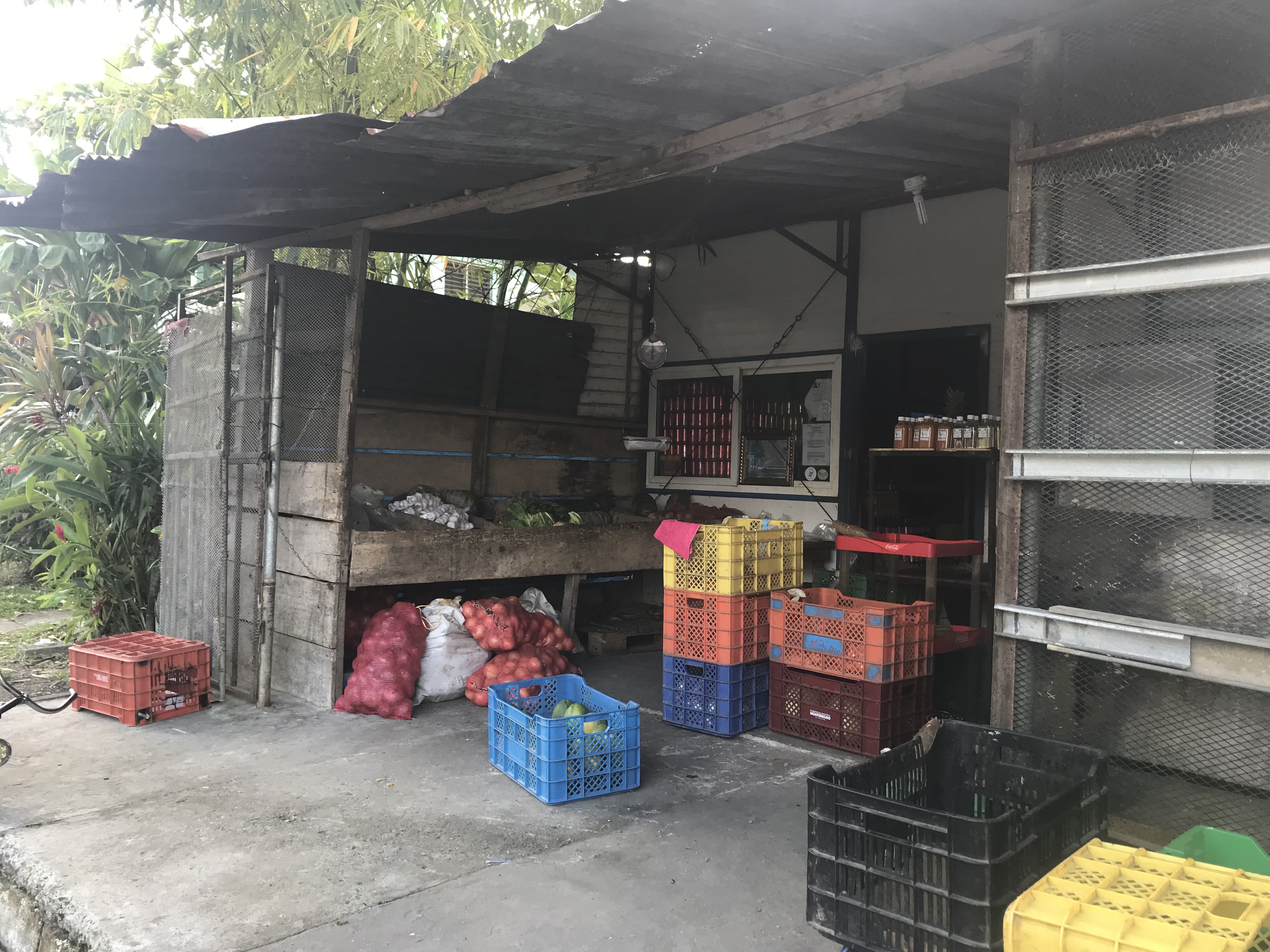 We flew home via Panama City and spent a day/night exploring this architectural marvel. We stayed in the affordable Plaza Patilla Inn, which seems to be the go-to for Panamanians, and provides incredible views.
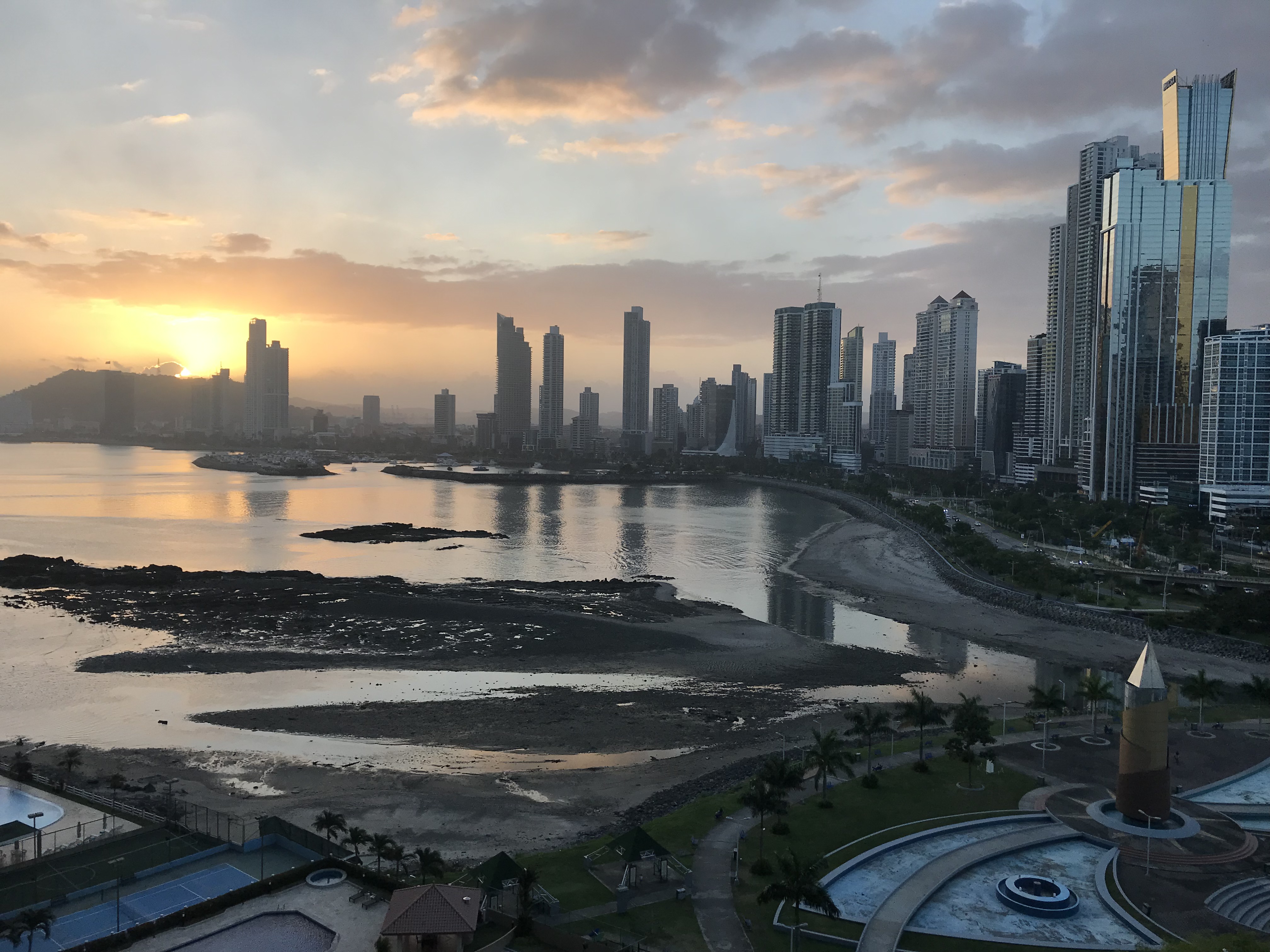
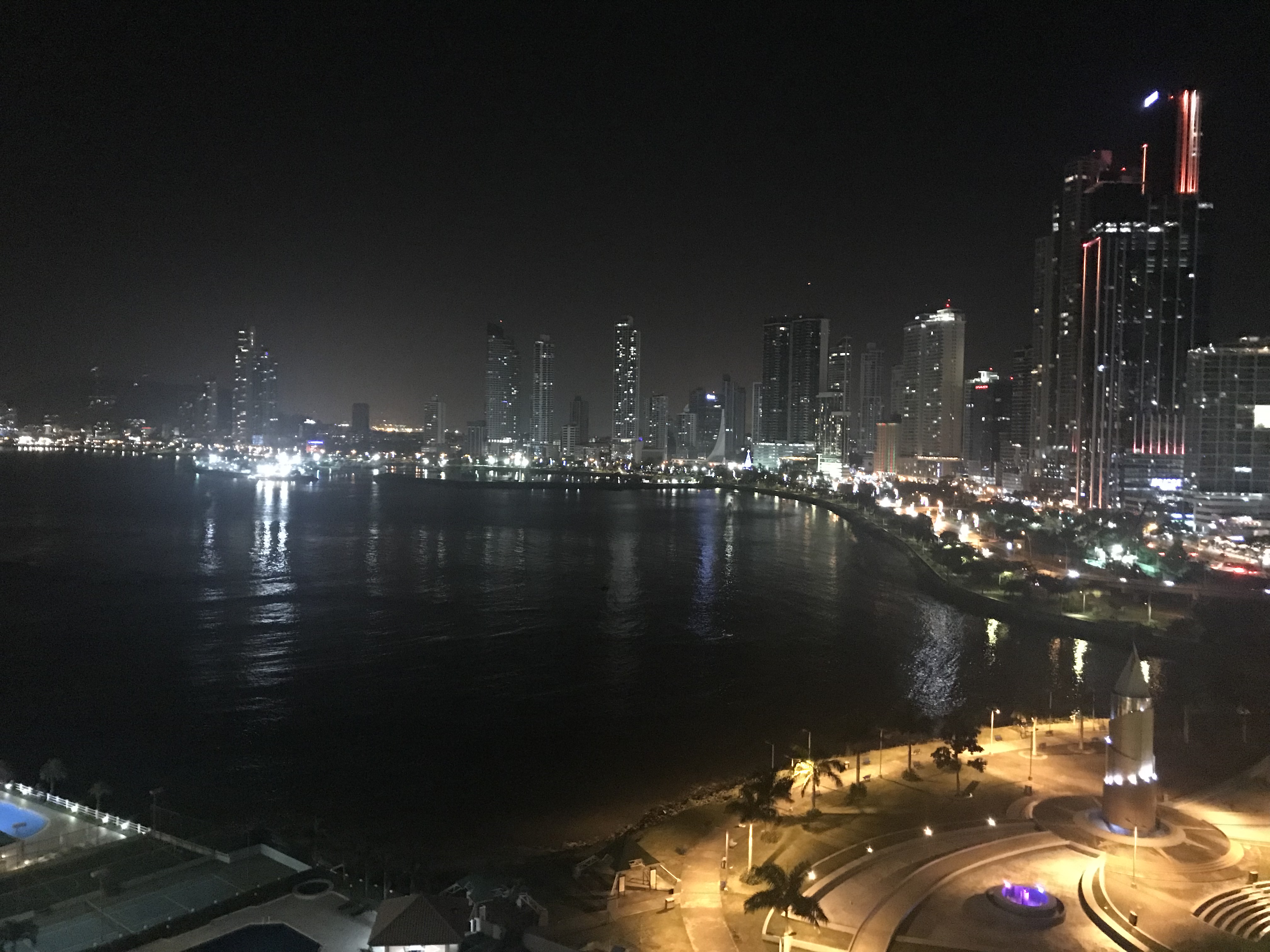
It’s located in the upscale Israeli neighbourhood: the grocery stores and shops were walkable and top notch.
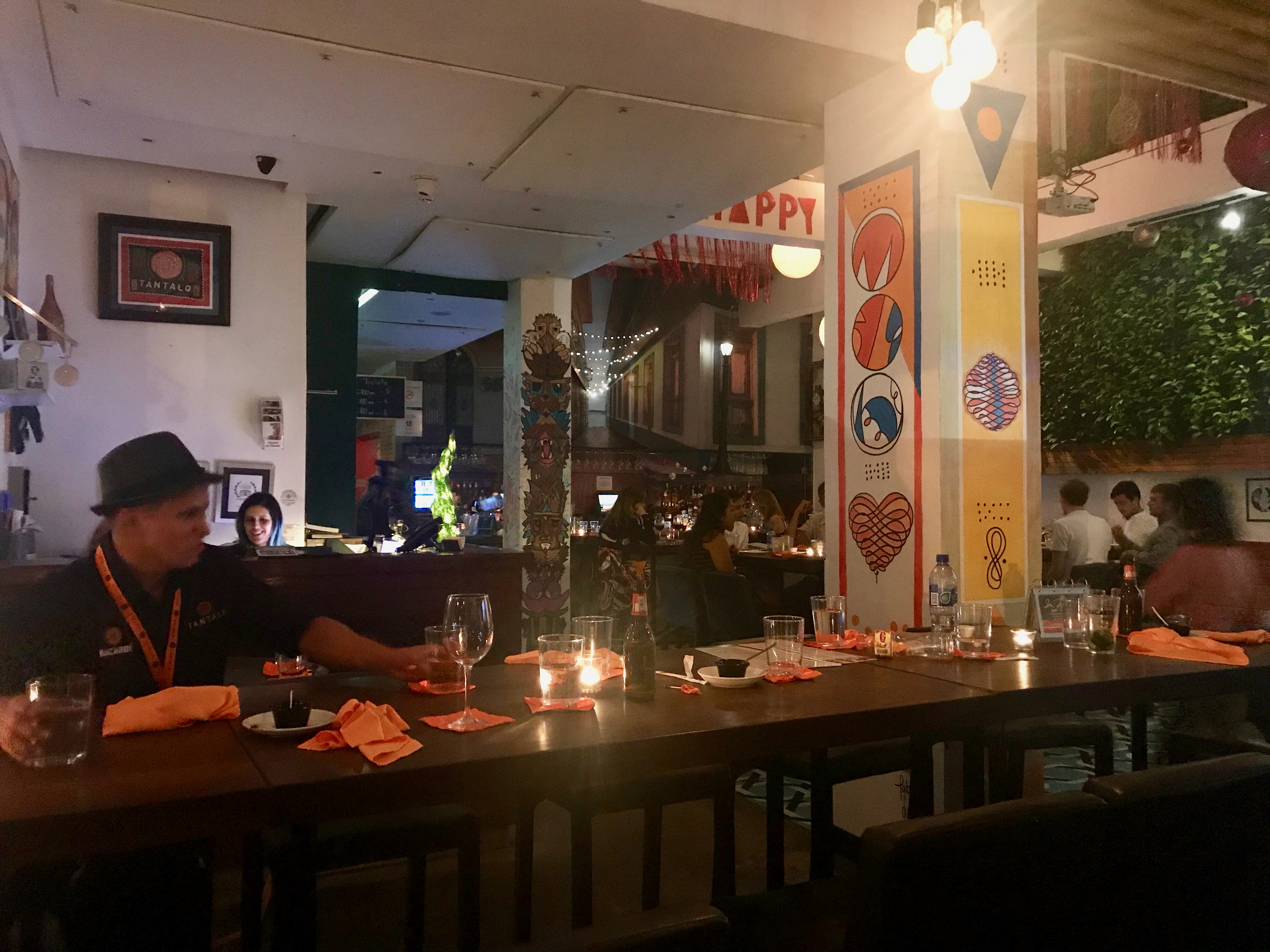
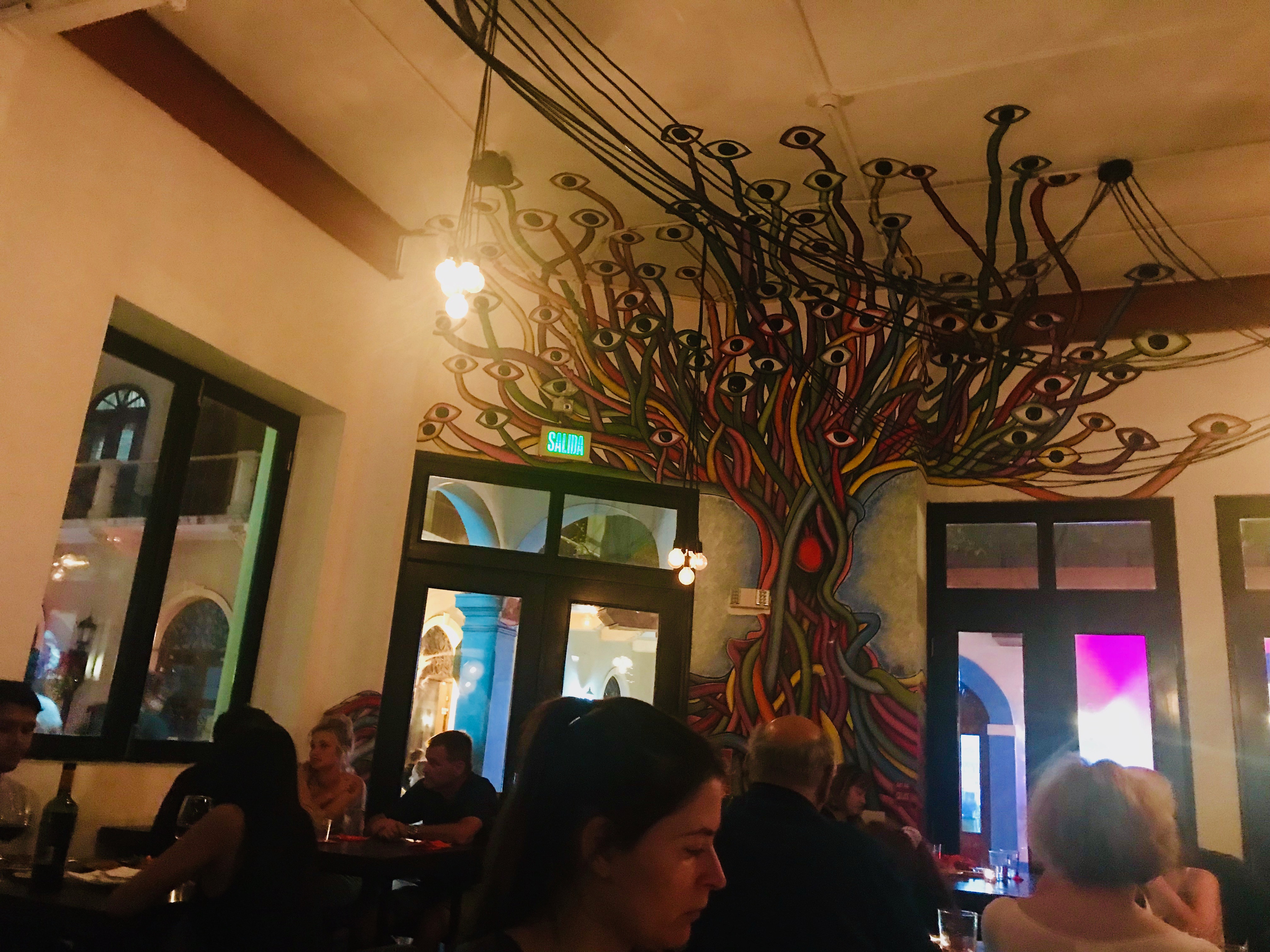
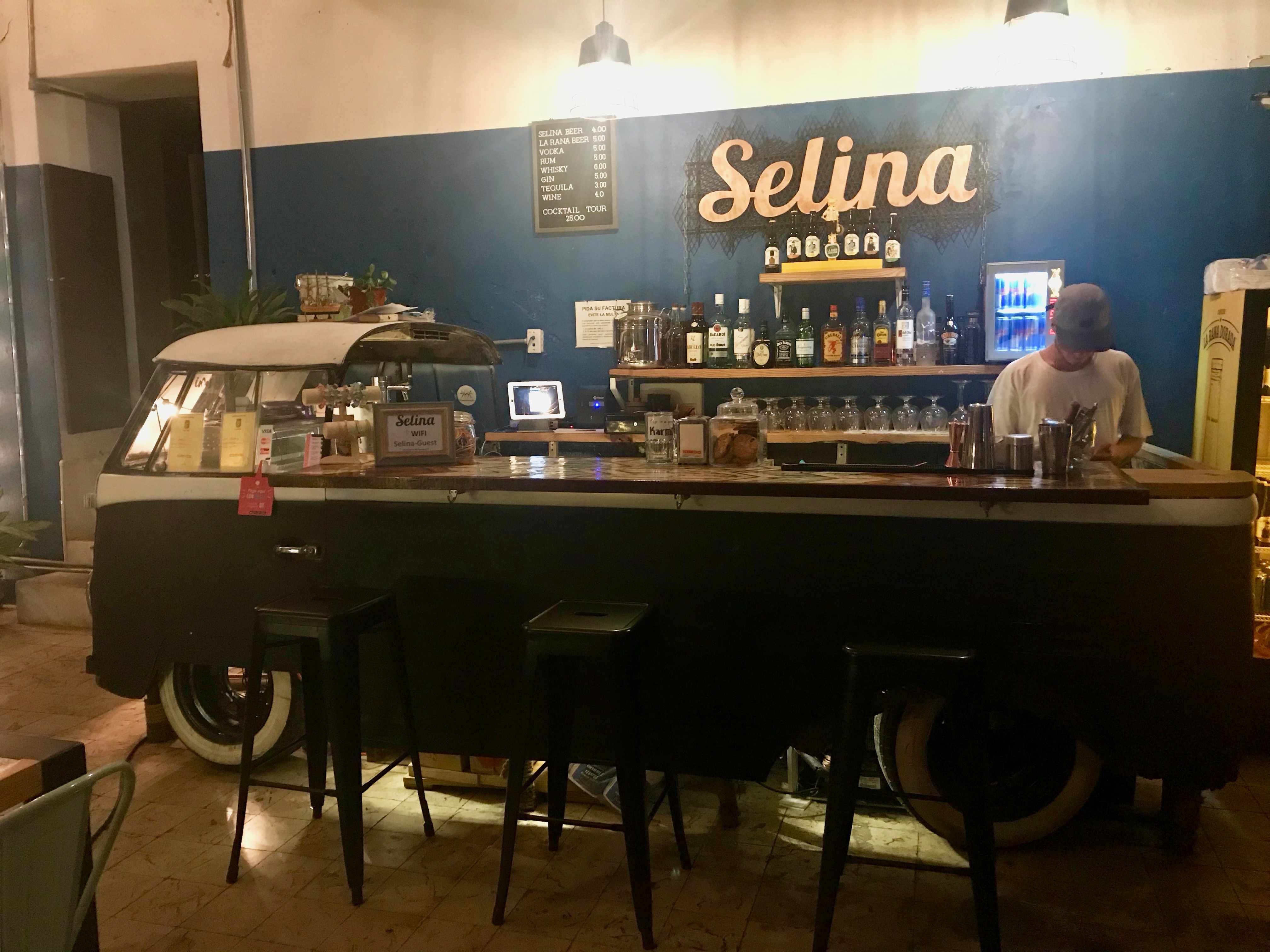
We loved Tantalo Hotel & Kitchen — super funky in the heart of gorgeous Casco Viejo (old town), which was fun to walk with its wide avenues, parks and historic buildings.
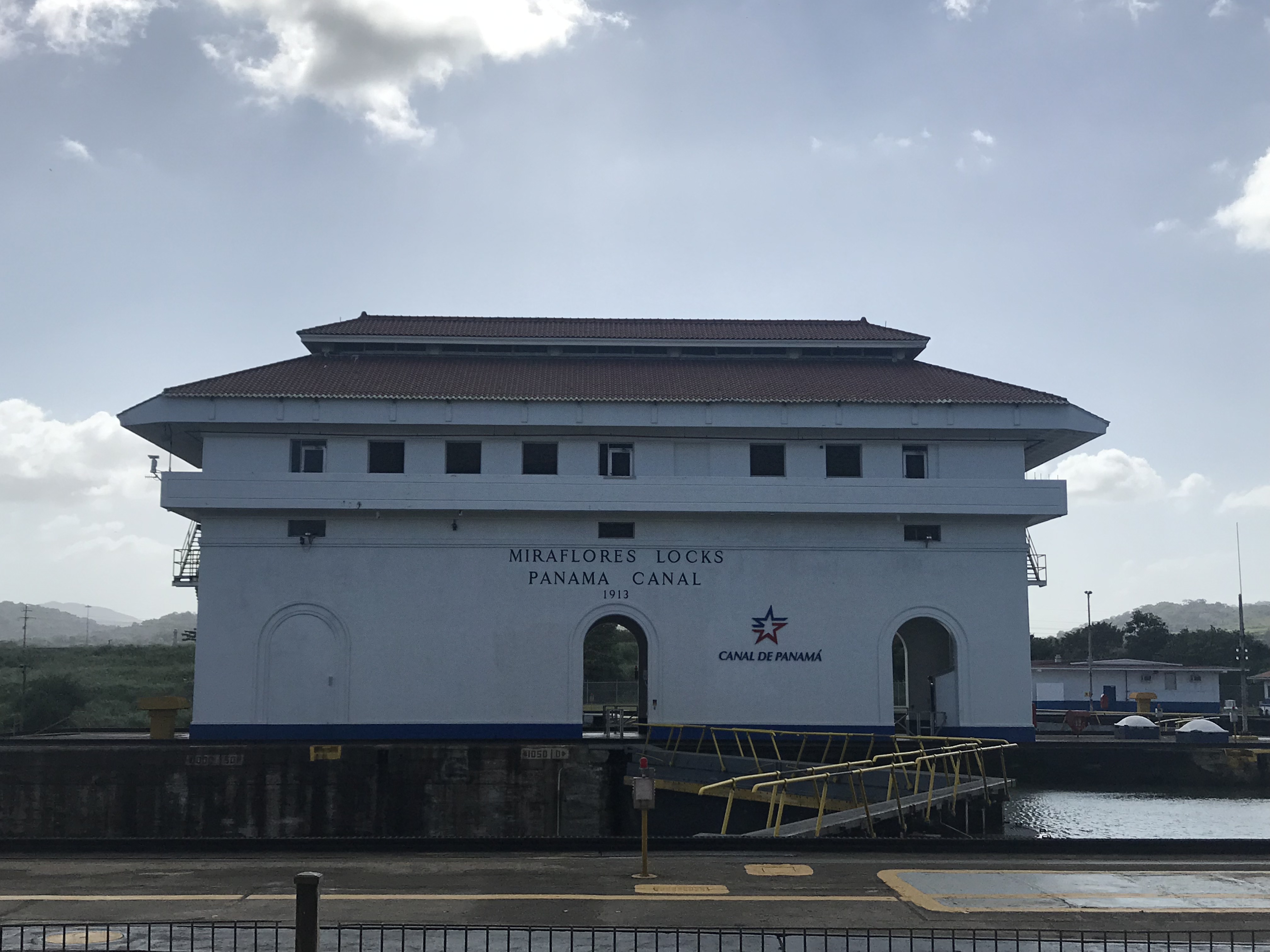
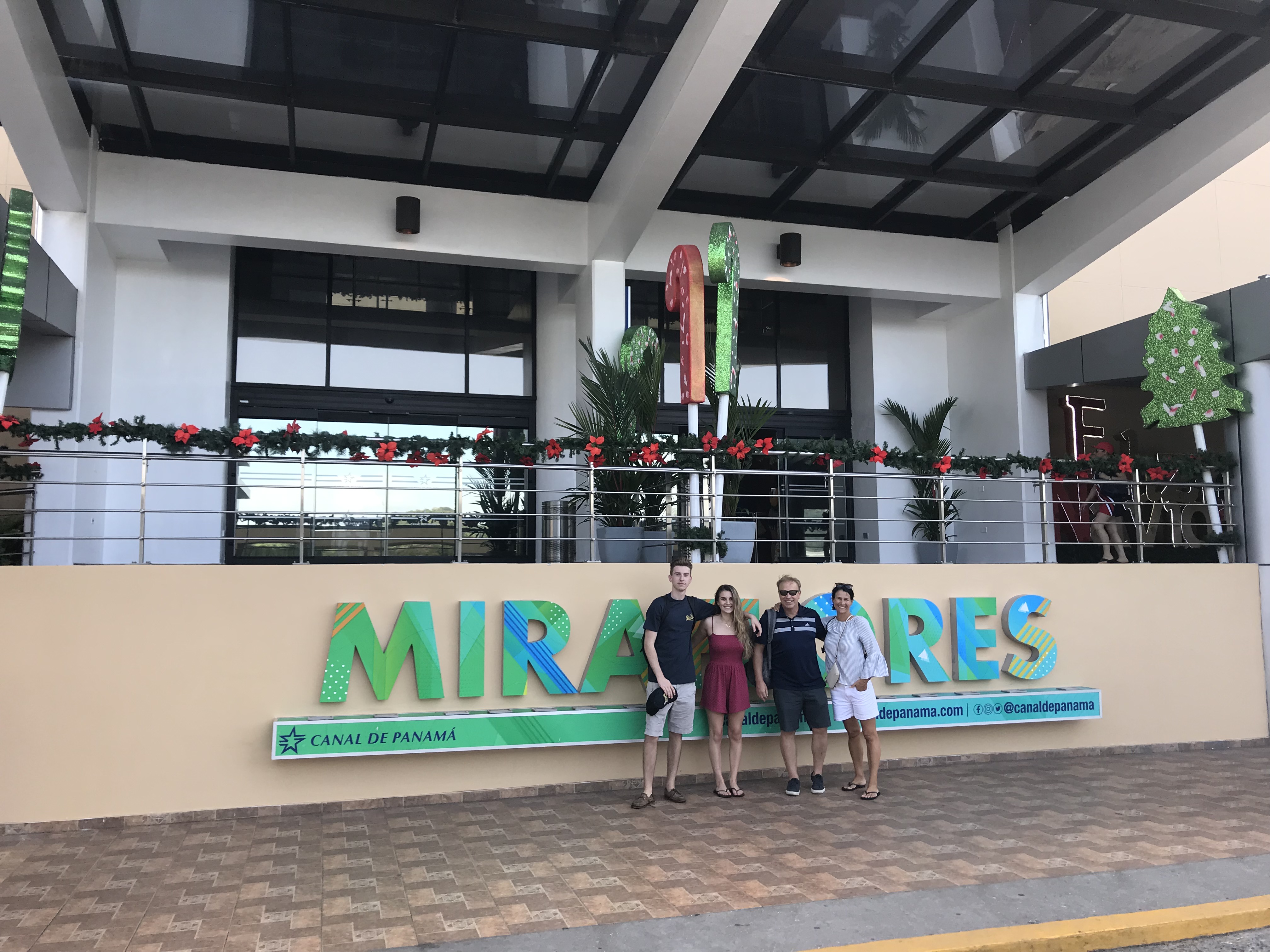
Also of interest was Miraflores, the Panama Canal lock, which has a museum documenting the birth and operation of this world wonder. I could definitely spend a few more days investigating Panama City.
Overall, while Panama was very interesting and the people generous of spirit, we all agreed that we wouldn’t recommend Bocas del Toro as much as our trips to Belize (Ian Anderson’s Cave Branch Adventure Company & Jungle Lodge) or Santa Teresa in Costa Rica (Florblanca Resort) and Sueño del Mar in Tamarindo. These other countries are more environmentally conscious, offer more adventures and ease of travel, have more predictable weather being on the Pacific Coast.
or Isla Bastimentos (a smaller, more rural island a quick water taxi away from Isla Colón).
 TREDSUP